Category Archives: Agriculture

Sandooka: Virtual Museum Of Kodava Heritage & Culture

Call to help preserve memories of a vanishing people

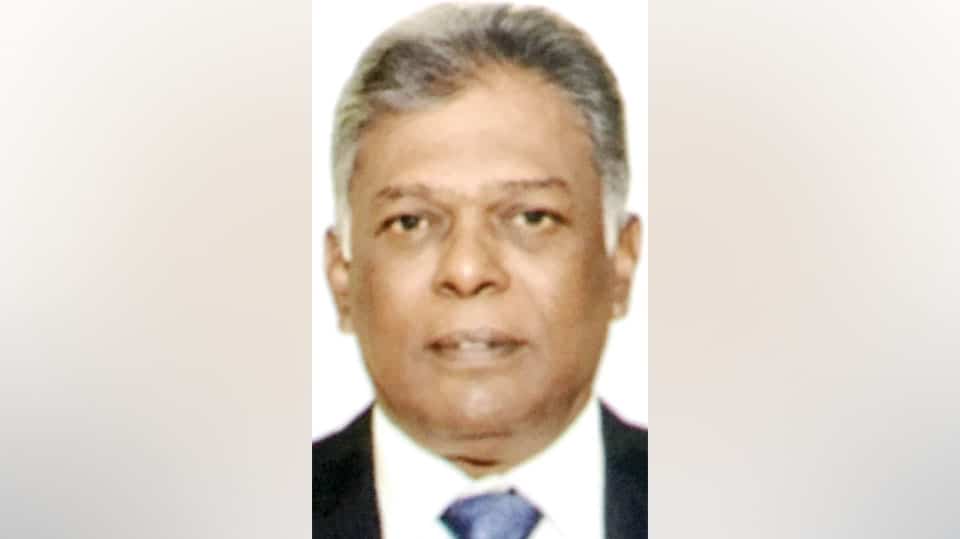
While modernisation has opened many opportunities for the well-qualified, it has also distanced the young from their heritage and culture.  This is even more accentuated amongst Kodavas living outside Kodagu. There is a need to establish a platform where young Kodavas could learn and keep in touch with the community’s heritage, cultural practices, folklore, music, dance, festivals and history, says Mrs. Codanda Rathi Vinay Jha, IAS (Retd.) and Chair, India Foundation for the Arts (IFA), who has initiated establishing a Virtual Museum of Kodava Heritage & Culture named ‘Sandooka,’ a treasure trove of information. —Ed

Kodavas are a micro-minority community in India, who live in Kodagu (Coorg) in Karnataka State. It is estimated that there are about 1,50,000 ethnic Kodavas within and outside Kodagu. 

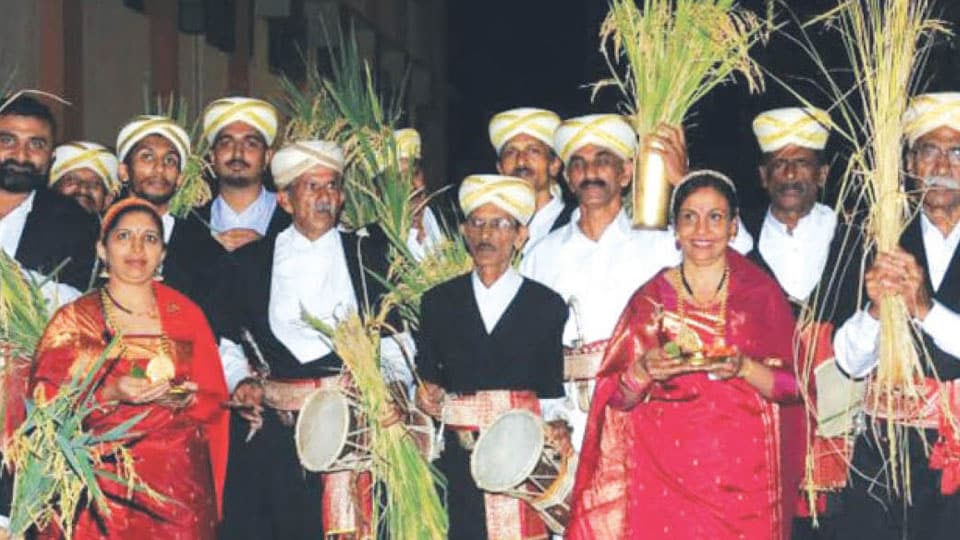
Kodavas, by virtue of living quite isolated in a densely wooded hilly terrain on the Western Ghats of India since time immemorial, have developed their own unique culture, physical attributes, cuisine, language, attire, religious rituals and practices. 

Over the centuries, Kodavas adapted themselves to the harsh weather conditions, dangers from wild animals and the inhospitable terrain of Kodagu and transformed the land to an idyllic haven it is today.  With the passage of time, they toiled literally with bare hands to cultivate paddy in the valleys.

With the forests providing bountiful supply of wild game, they became expert hunters initially with bows and arrows, and later with firearms which enabled them to emerge as a warrior race.  They transformed the fertile land and were able to grow enough paddy that they could export to neighbouring areas. 

The interactions with immediate neighbours in present day Kerala, Mysuru and Mangaluru, influenced the Kodava language, places of worship, construction of their dwellings and some of the religious practices as well.  However, Kodavas still retain their fundamental philosophy of ancestor and nature worship.  They come under the broad umbrella of Hinduism.

Kodagu was ruled by Kodava Nayakas or Palegars who were basically warlords.  The Haleri dynasty established their rule in Kodagu after cleverly replacing the hopelessly divided Nayakas during the early part of the 17th century.  The Haleri Rajas ruled for over two centuries until the British takeover of the administration in 1834 after deposing the last Raja.  During the rule of the Haleri Rajas and later the British, Kodavas remained the prominent community very much involved in the administration.

During the British rule, education was introduced and this brought about quantum changes in the lifestyle of the Kodavas.  Kodavas found several employment opportunities.  Introduction and scientific cultivation of coffee and spices vastly improved the economy of the region.  Kodava culture and ethos found expression in the writings by the British, European and Kodava authors. 

By the time India got her independence, many Kodavas held important and high-level offices in sectors such as the Defence Forces, Administration, Revenue Department, Forest Department, Police, in the field of Education, Engineering and Medicine. 

Kodavas have several distinctive elements in their social, cultural and religious practices.  One of them is the deferential status given to women. There is no dowry system in the community.  Centuries ago, widow remarriage was permitted. This enlightened attitude is now reflected in well-educated Kodava women shining in a variety of fields.

After India’s independence many Kodavas ventured out of Kodagu seeking better opportunities in education, employment, business and sports.  Kodavas are now spread all over the globe.  The last three decades has seen a large number of Kodavas migrating outside the country. There is now a sizable number of Kodava diaspora in the US, Canada, UK and Australia.  In many cases, there are a couple of generation of Kodavas born and brought up outside Kodagu and outside India as well. 

While modernisation has opened many opportunities for the well-qualified, it has also distanced the young from their heritage and culture.  This is even more accentuated amongst Kodavas living outside Kodagu.  There is a need to establish a platform where young Kodavas could learn and keep in touch with the community’s heritage, cultural practices, folklore, music, dance, festivals and history. 

It is with this aim in mind that Mrs. Codanda Rathi Vinay Jha, IAS (Retd.), as Chair, India Foundation for the Arts (IFA), initiated establishing a Virtual Museum of Kodava Heritage & Culture (VMKHC).  This project is evocatively named — Sandooka — a treasure trove of information.  IFA has successfully supported several path-breaking projects in the field of  art and culture. 

Sandooka will be a living museum that will be interactive and open to receiving relevant new materials from the public.  People, especially the future generations of Kodavas, will have an easily accessible platform to gather details of their heritage.  Weblinks will also be given to some of the websites dealing with Kodava culture.  It is hoped that this treasure trove of information will be of immense help to those who wish to carry out further research on Kodavas. VMKHC will cover the following aspects of Kodagu and Kodavas:

1. Customs and Rituals  

2. Cuisine

3. Architecture                 

4. Clothes and Jewellery

5. Art & Craft                    

6. Landscape

7. Literature and Folklore

8. Community Histories

9. Festivals

The project is generously funded with a Corporate Social Responsibility (CSR) grant from Recaero India Pvt. Ltd., which is a pioneer in the field of aerospace engineering and is headed by Vinay Jha, IAS (Retd).  A highly professional team has been forged to deal with every aspect of the project.   The team comprises:

Lina Vincent – Project Head; Upasana Nattoji Roy – Designer (Switch Studio); Saurav Roy – Designer (Switch Studio) and Mookanda Nitin Kushalappa – Researcher.

IFA office-bearers are: Arundhati Ghosh (Executive Director) and Darshana Davé (Project Co-ordinator); Advisory Group: Rathi Vinay Jha, C.P. Belliappa and Hemanth Sathyanarayana.

Sandooka invites submission of Kodava artefacts, rare photographs, antiques including jewellery (photos) and anecdotes of yore.  All accepted materials will be given due recognition and credits. Sharing your valuable knowledge and collections will enrich the contents of Sandooka.

For details of submission of materials, please visit: www.sandookamuseum.org

source: http://www.starofmysore.com / Star of Mysore / Home> Feature Articles / by C.P. Belliappa / August 01st, 2022

Mud fest in the marshes

When the monsoon turns farmlands into sludge tracts, Kodagu girds up for some thrilling rural sports.

Madikeri :

Monsoons in Kodagu are beautiful. The lushness of nature and play of the fog during the season is poetic — that’s apart from the recent calamities. And to add some thrill to the chilly wet weather, the ancestors of the land followed a unique pursuit — the ‘Kesaru Gaddhe Oota’ event or Sludge Sports. Races, football, tug-of-war… the sports are varied and taken up in slushy farmlands. Enthusiasts plunge into mud pools, unmindful of the rain and slippery earth, at one with nature. Young and old, girls and boys participate.

Kodagu is primarily an agricultural district, and the culture of the people is often intertwined with their farmlands. The important festivals of the district revolve around nature and farms — be it ‘Puthari’, ‘Kailpodh’ or ‘Tula Sankramana’. Similarly, the district is also active in sports, and what’s interesting is that the ancestors connected sports activities with farmlands, and took the entertainment level up by a notch.

Every year, between June and August, several farmlands, especially in rural areas of the district, host unique sports events. Sludgy farmlands become running tracks and hundreds take part in the event amid pouring rain and chilly weather.“All our festivals are linked to farmlands, and our ancestors also linked sports activities with the farms. Once the fields were sowed with paddy seeds, the traditional sports ‘Naati Oota’ (translating to harvest run) would be held in every village,” explained Apattira Tatu Monnappa, former president of the District Youth Club, and winner of the State Youth Award. In ancestral times, races were hosted in sludgy farmlands ploughed for paddy. 

As soon as the monsoon sets in, various organisations and associations come forward to host sports events at private farmlands. Though sludge sports in farmlands formed a part of the culture, the activities witnessed a gradual decline. “Earlier, every village hosted this activity during the cultivation season. Locally grown produce, including banana bunches, coconuts and arecanuts, were handed over as prizes to the winners. This slowly vanished as youngsters moved to cities and showed less interest in their farms,” recalled Kannikanda Subbaiah, a native of Surlabbi village.

Nevertheless, the traditions are now being revived. While the villagers themselves hosted sports activities in farmlands as a part of farming customs, they are now being organised by various organisations and associations. “While there were several sports activities during summer, events were few during the monsoon. With an aim to revive the rural sports tradition and involve youngsters in sports activities during the monsoon, we started organising ‘Kesaru Gaddhe’ annually,” explained Rafeque Tuchamakeri, founder-president of Junior Chamber International (JCI) Ponnampet Nisarga. The organisation has been hosting the event for the past six years at a private farmland in Bittangala.

“During ancestral times, sporting events on farmlands were part of agriculture activity. Rural sports brought together the entire village, and it was a means of relaxation before the tedious work began. With  farmlands now being abandoned and the interest in agriculture vanishing, rural sports have become a means of reviving both agriculture and sports. The associations and organisations now aim to introduce agricultural activities through these sports events,” opined Tatu.

Sports activities now draw a large number of youngsters into the farmlands and have become events that residents look forward to. “Not many youngsters are interested in agriculture. To introduce agriculture and invoke interest in farmlan­ds, sports activities in the farmlands were being held from ancestral times. While sports is a means of entertainment, it has also become a medium to introduce farming among kids. Interest in sports is, in turn, helping develop interest in agriculture,” concluded Shashi Somaiah, a sports journalist and resident of Madikeri.

source: http://www.newindianexpress.com / The New Indian Express / Home> States> Karnataka / by Prajna GR, Express News Service / July 31st, 2022

Coffee land expects new law to usher in holistic changes

Coffee (Promotion and Development) Bill is expected to be tabled in the ongoing session of Parliament

Planters’ unions in Karnataka are hopeful that the new legislation on coffee, expected to be tabled in the ongoing session of the Parliament, will usher in much-needed changes in the 80-year-old Coffee Act guiding the industry now. Karnataka is the biggest producer of coffee in India.

The Coffee (Promotion and Development) Bill, 2022, is aimed at promoting holistic development of the country’s coffee industry. It is expected to do away with the existing 80-year-old set of regulations on the commodity, focus on coffee research, domestic marketing of the commodity, creation of drought-tolerant, disease-resistant and better yielding varieties of coffee, among other things.

Special varieties

Planters’ unions told The Hindu that the new law should help focus on development of special and specialty coffee brands and blends and pay attention to a premium variety of coffee, Arabica.

Bose Mandanna, former Vice-Chairman, Coffee Board, and also the owner of Subramanya Estate at Sunticoppa, said that the old set of regulations have been around for too long while the industry has transformed.

All leading coffee associations, including Karnataka Planters’ Association, Coorg Coffee Association, Karnataka Growers’ Federation, United Planters’ Association of Southern India (Upasi), the apex body for plantations and other industry stakeholders, have already submitted their recommendations to the Coffee Board and Ministry of Commerce.

Value chain

“A revised regulation with its holistic provisions aimed at promotion and development of the entire value chain of coffee and enabling ease of doing business is beneficial to all stakeholders and to the general public,’‘ said Shirish Vijayendra, former chairman, Karnataka Planters’ Association.

According to H.T. Pramod, former chairman KPA and Managing Director of Malnad Planters’ Coffee Curing Works, and also a planter from Chikkamagaluru, said, “We want to see more new varieties coming into plantations and expect better interaction and working together with planters and researchers.”

On the backburner

Another planter who does not want to be identified said, “Coffee Board, way back in the 1990s, under the leadership of the then chairman Lakshmi Venkatachalam, had prepared the draft of a replacement of the existing Coffee Act. It was a comprehensive draft done in three years. We submitted it to the Ministry of Commerce, but sadly, several governments sat over it in the last several decades.’‘

source: http://www.thehindu.com / The Hindu / Home> News> India> Karnataka / by Mini Tejaswi / Bengaluru – July 26th, 2022

Coffee Berries Turning Black Due to Excess Rains in Karnataka

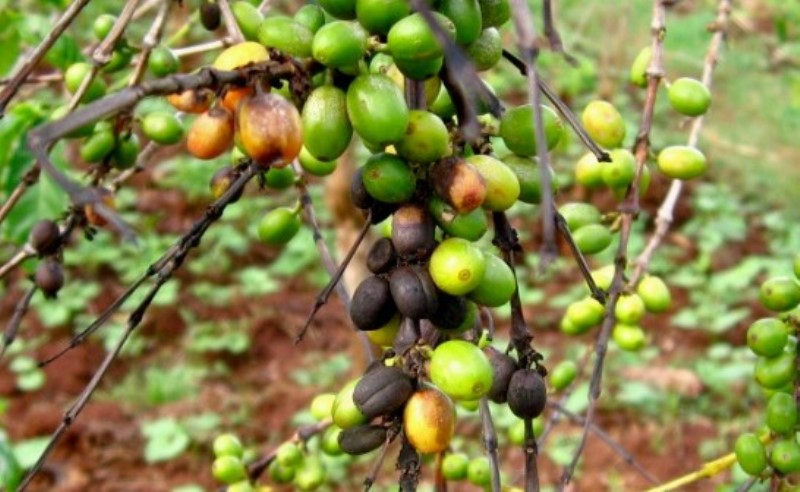
Chikkamagalur received 132% more rainfall from June 1 to 17, while Hassan received 124% more and Kodagu, the largest coffee-producing district, received 109% more. This is causing crop losses, putting an end to growers’ hopes for a bumper crop.

Excessive and continuous rains in the first two weeks of July triggered diseases such as root rot, leaf rot, and wet feet conditions, causing the leaves and berries on coffee plants to turn black and drop, according to growers. This is causing crop losses, putting an end to growers’ hopes for a bumper crop.

To date, the ongoing monsoon season has brought heavy rains to key coffee-growing regions in Karnataka, which account for 70% of the country’s coffee output. Chikkamagalur received 132% more rainfall from June 1 to 17, while Hassan received 124% more and Kodagu, the largest coffee-producing district, received 109% more.

The average rainfall in the South Kodagu region during the July 9-15 week was 272 percent higher this year than the previous 10-year average. Some areas, such as Balele, received 349 percent more rainfall than the 10-year average, while Gonikoppal and Virajpet received 310 and 288 percent more, respectively.

“Not only have the heavy and continuous rains harmed the standing crop due to black rot, stalk rot, and wet feed conditions, but planters have also suffered collateral damage from shade tree falls caused by the strong winds.” Flooding has occurred in some areas, and planters have suffered losses as a result of water logging. While it is too early to estimate crop losses, they could be around 25% in Chikamagalur and 20% in Kodagu,” according to N Ramanathan, Chairman of the KPA.

The percentage of dropping is higher in several villages that have historically received more precipitation. Coffee Board officials stated that they are assessing the impact of the excessive rains and have been advising growers on how to manage premature berry drop and black rot/stalk rot diseases in the root zones of the plants.

According to Jeffry Rebello, vice-president of UPASI, the situation is fluid because it is still the first half of the monsoon season and too early to assess crop losses“If there are more bouts of heavy rains, there could be more impact,” Rebello said, estimating current losses at around 15%.

Other plantation crops, such as cardamom and pepper, have suffered losses, according to B S Jayaram, a coffee grower in Mudigere. “We have requested that the district authorities survey crop losses in order to quantify the impact,” said Jayaram, former president of the Karnataka Growers Federation.

In its recent post-blossom or early estimates, the State-run Coffee Board put the crop size for the year 2022-23, which begins in October, at a record 3.93 lakh tonnes, 15% more than the previous year’s 3.42 lakh tonnes.

source: http://www.krishijagran.com / Krishi Jagran / Home> Agriculture World / by Shivam Dwivedi / July 23rd, 2022

Shaji of Suntikoppa rescues 4,000 snakes in 20 years

In 2021, he had safeguarded 17 eggs of a snake found in the coffee estate of Panyada Ananda Basappa.

Many people cause harm to snakes but only a few rescue and release them into the forest. Snake expert Pushpadhara is one among them.

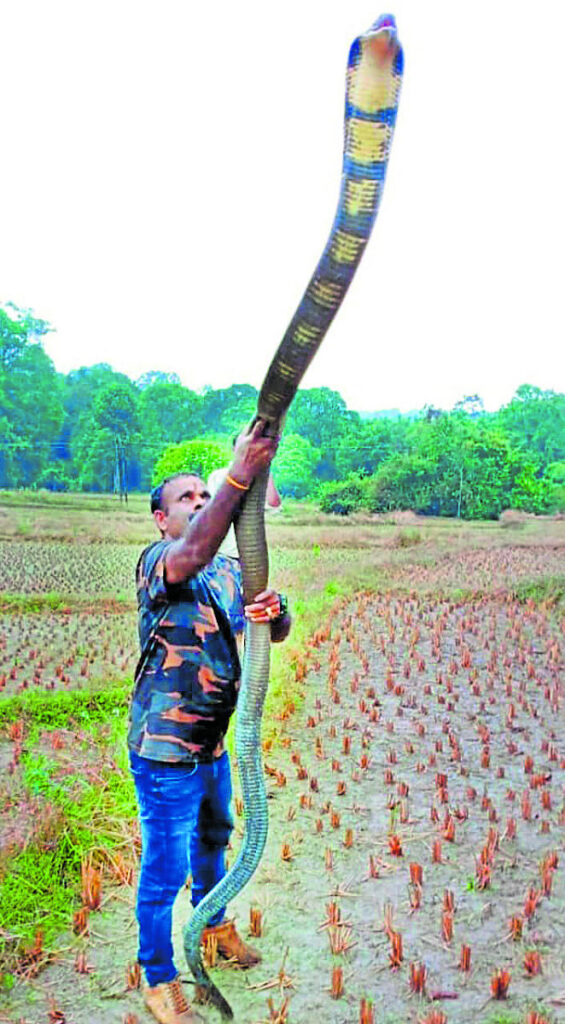
A resident of 7th Hosakote in Suntikoppa, he is popularly called ‘Snake Shaji.’ On getting information on snakes entering houses or shops or other places, he rushes to the spot, rescues and releases them into the forest. 

He has been engaged in rescuing snakes for the last 20 years. He has rescued around 4,000 snakes (both venomous and non-venomous).

A majority of the rescued snakes are cobras. More than 30 pythons were caught and released into the forest. 

“I am also trying to create awareness among people on snakes. Many have a notion that touching snakes will decay a part of their body. I am trying to create awareness on the superstitious beliefs on snakes,” he said.

In 2021, he had safeguarded 17 eggs of a snake found in the coffee estate of Panyada Ananda Basappa. After the hatchlings came out of the eggs, they were released into the forest. 

“People should not panic on noticing snakes inside the house or farmland or inside the vehicles. Nobody should hurt the reptiles. If they dial me, I will rescue the snakes,” said Pushpadhara.

“Snakes play a pivotal role in maintaining balance in nature,” he said. 

The snakes eat rats and rodents that damage crops in the field and help in saving the crops. These creatures are helpful to farmers, he added. 

He has caught snakes not only in the district but also in Sringeri, Mysuru, Sullia, Kushalnagar, Suntikoppa, Madikeri and Periyapattana.  “I don’t ask money for rescuing a snake but some people give money for the fuel expenses of the vehicle,” he said.

For details, people can contact Shaji at 94487 92261.

source: http://www.deccanherald.com / Deccan Herald / Home> State> Karnataka Districts / by DHNS, Suntikoppa / July 16th, 2022

Tourism Minister To Open Cauvery Gallery In Mysuru

  • After Ganga, Brahmaputra Galleries, first such Gallery in South India
  • Gallery timings: 10 am – 6 pm
  • Entry ticket: Adults – Rs. 20, children – Rs. 10

Mysore/Mysuru:

The Cauvery Gallery that has been set up at Karnataka Exhibition Authority (KEA) Grounds showcasing the life, culture and biodiversity of the River from its birth at Talacauvery in Kodagu till it reaches the Bay of Bengal at Poompuhar in Tamil Nadu will be open to the public on July 13.

The visually appealing Gallery with many 3-D presentations has been built jointly by Karnataka Knowledge Commission and Tourism Department. It has been modelled as per the design, specifications and imagination of the National Academy of Sciences, India (NASI) and has been built at a cost of Rs. 3.5 crore.

KEA Chairman Hemanth Kumar Gowda told Star of Mysore that Tourism Minister Anand Singh will inaugurate the Gallery on July 13 at 11 am in the presence of Mysuru District Minister S.T. Somashekar. In-Charge Mayor Sunanda Palanetra, MPs V. Sreenivasa Prasad, Pratap Simha and Sumalatha Ambarish, MLAs G.T. Devegowda, Tanveer Sait, S.A. Ramdas and L. Nagendra will be the guests.

NASI-NCSM project conceptualisation

The project is based on research conducted by the National Council of Science Museums (NCSM), an autonomous society under the Ministry of Culture. Officials of the NASI and the State Tourism Department had signed an agreement to establish the gallery in the KEA complex (at Kannada Karanji). It is the first river gallery in South India.

The Gallery highlights the geological and ecological characteristics of the Cauvery River apart from projecting the social and cultural characteristic features of civilisation that have evolved along the river bank.

NASI is the implementing agency and would train the authorities from Mysuru on how to maintain and administer the gallery. The NASI and NCSM have completed the establishment of the Brahmaputra River gallery project in Guwahati, Assam, and the Ganga River gallery project in Allahabad.

15,000 sq.ft. area covered

The Cauvery Gallery has been built on an area of 15,000 sq.ft. and highlights the geological and ecological characteristics of the Cauvery apart from projecting the social and cultural characteristic features of civilisations that have evolved along the banks of the river.

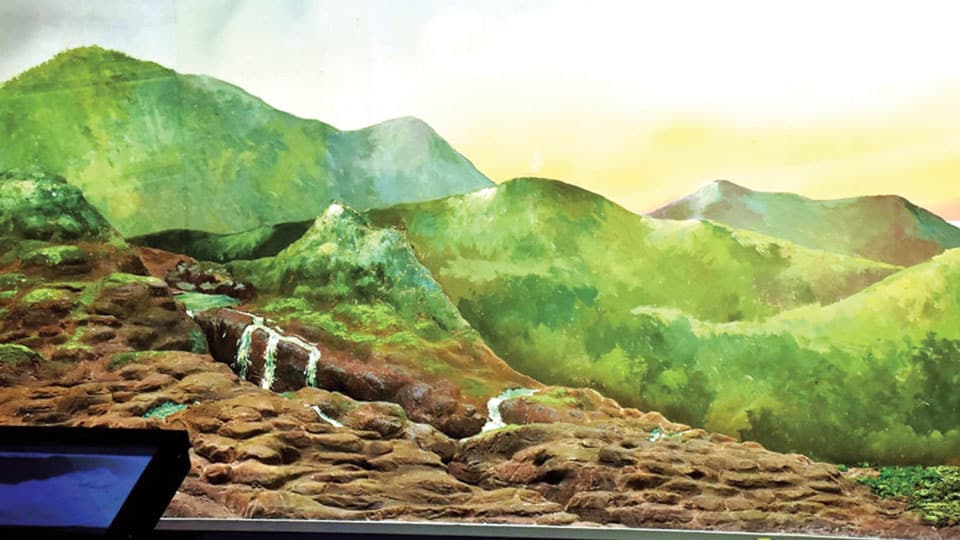
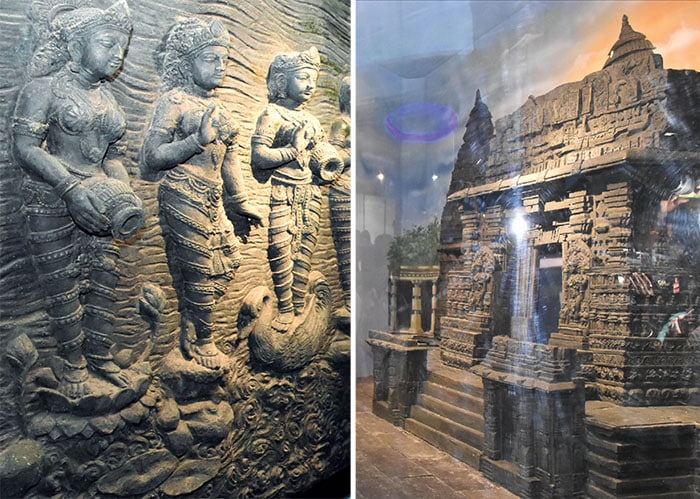
Artefacts and dolls tell the story of the Cauvery River from Talacauvery (birthplace in Kodagu) to Poompuhar. Pictures, live visuals and models of the river flowing from one part to another criss-crossing the hills and plains narrate the story giving an audio-visual and also pictorial presentation to the viewer.

Ticket pricing

The mega project includes multimedia features and an electronic display to provide visitors with an immersive experience of life and culture along the Cauvery. After the viewers see the gallery, there will be a 20-minute short film on Cauvery.

Adults will have to pay Rs. 20 for an entry ticket while children have to pay Rs. 10. The Gallery will be open from 10 am to 6 pm and the timings will be extended based on the tourist response and tourist seasons.

source: http://www.starofmysore.com / Star of Mysore / Home> News / July 09th, 2022

Coffee Board to collaborate with ISRO to develop climate-resistant varieties

India exports about two-thirds of the three lakh tonnes of coffee produced in the country K_R_DEEPAK

To assess carbon sequestration potential of the crop, which can help growers command premium in markets like Europe

In what could provide a fresh impetus to the research activities in the country’s coffee sector, State-run Coffee Board is planning to focus on developing new varieties that will be resistant to the changing climatic patterns.

Coffee growers in the country have been facing the brunt of changing climatic patterns in kodagu.

source: http://www.thehindubusinessline.com / Business Line / Home> Agri Business / by Vishwanath Kulkarni / Bengaluru – July 07th, 2022

Caravela Cafe & Bistro expands in Goa, opens third outlet in Panjim

Caravela Cafe & Bistro, Goa’s best known coffee shop, has opened a new outlet in the heart of Panjim, the third from the homegrown brand in an expansion move. The brand has also partnered with AinMané, a specialty grocery store in Coorg, to retail organic produce at all three outlets in Panjim and Candolim.

Started by Goan businessman Carlos Noronha in 2015 with a single outlet in São Tomé (Old Quarter) Panjim, Caravela Cafe & Bistro has garnered appreciation from locals and tourists alike with its quality bakes and excellent single origin estate coffee, sourced from Coorg.

The new outlet will cater to the increased need for seating capacity in Panjim and address booming footfall due to the cafe’s reputation for outstanding food and coffee.

All day breakfasts aside, Caravela Cafe offers a wide selection of authentic Goan snacks and food, pastas, sandwiches, burgers, pizzas and fresh bakes – both sweet and savoury. Menu highlights include Goan bakes and savouries such as ross omelette, rissois, roulades and croquettes. There is delight in indulging in good food and Caravela offers an all day walk in bistro, with just one unique rule, laptops are not allowed on tables.

Commenting on the launch, Carlos Noronha Jr, executive director, Caravela Cafe & Bistro, says, “Our third outlet is our commitment to serve great food with great ambiance to visitors in Goa. I believe in conversations over food as the best way to bond with people. In a traditional Goan home, food is the centerpiece for family gatherings where everyone comes together and share. Our ‘No Work Cafe’ policy is not always loved by everyone but we have limited seating and continue to have a very loyal user base who love coming to our outlets for the coffee, food and conversations and not work.”

Cyrus Noronha, executive director, Caravela Cafe & Bistro, adds, “We aim to open two more outlets before next year to take Caravela to the next level of cafe business. While Goa caters to the typical demand for alcohol quite well, great coffee often takes tourists out of their locations to far away and crowded cafes.

source: http://www.fnbnews.com / FnBnews.com / Home> Top News / by FnB Bureau, Mumbai / July 08th, 2022

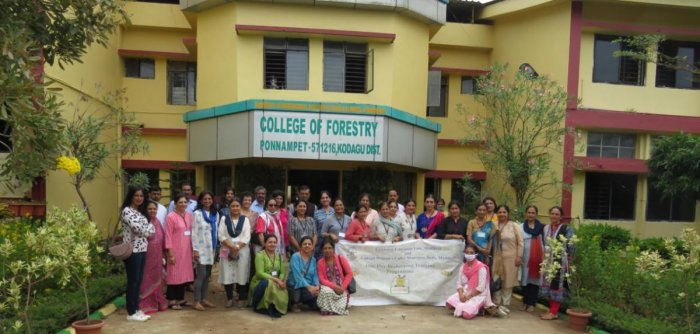
Take up apiculture scientifically: College of Forestry head

Participants at the training programme on apiculture at the College of Forestry in Ponnampet.

Apiculture helps in increasing the production of coffee and other crops, said College of Forestry head Dr Cheppudira G Kushalappa. 

He was speaking during apiculture training organised by the University Of Agricultural and Horticultural Sciences and Kodagu Women’s Coffee Awareness.

There are ample opportunities for apiculture in Kodagu. The beekeeping should be taken up scientifically, he added.

Stating that honey production has declined in the district, he said there is a need to create awareness on apiculture. 

Kodagu Women’s Coffee Awareness secretary Anitha Nanda said there is a need to concentrate on apiculture along with coffee plantation. 

Dr R N Kenchareddy, the college extension wing head, said, “Those interested in apiculture will be given three months training. They will be given Rs 7,500 as allowance.” 

source: http://www.deccanherald.com / Deccan Herald / Home> State> Mangaluru / by DHNS, Ponnampet / January 17th, 2021

Nagappan Takes Over As UPASI President

Coonoor:  

Al Rm. Nagappan has been elected as the President of United Planters Association of Southern India (UPASI) for the year 2019-20.

A coffee planter by profession, he manages the family business of Karrie Kollie Estate at Suntikoppa in Kodagu. Nagappan was elected at the 126th Annual Conference of the Association held in Coonoor in Nilgiris district.

Nagappan has been in the coffee industry from 1982 and has rich experience in planting industry. His involvement with the planting association has been longstanding. He is an avid sportsman, with Golf being one of his passions.

Nagappan was associated with the Mercara Downs Golf Club for many years as Hon Secretary. He served in Karnataka Golf Association in various capacities and went on to become the President of the Karnataka Golf Association

Prashant Bhansali, CEO of Kairbetta Estates, a family-run tea plantation and an orthodox tea manufacturer, was elected as the Vice-President.

source: http://www.starofmysore.com / Star of Mysore / Home> News / September 15th, 2019