Category Archives: Agriculture

Assam polls, lockdown hit coffee plantations in Karnataka hard

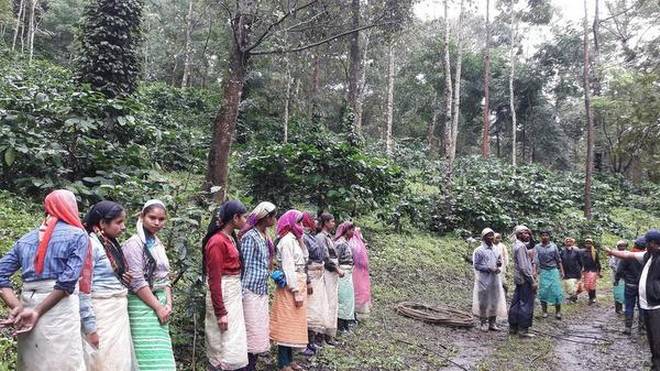
File picture of people from Assam working in a coffee estate near Arehalli in Belur taluk of Hassan district.  

Workers from the north-east have not returned, affecting seasonal work ahead of the rainy days

Hundreds of plantation workers in Karnataka, who went to Assam to vote in the Assembly elections held in March-April this year, have not returned, affecting the seasonal work ahead of the rainy days.

Restrictions on public transport as part of the lockdown over the COVID-19 pandemic has not allowed them to travel, though they wish to come back.

Thousands of people from Assam and other neighbouring States in north-east India work in coffee estates of Hassan, Chikkamagaluru and Kodagu districts. They stay in the quarters provided by the planters and visit their native places once a year. Whenever elections are held, they take a break from work and travel to exercise their franchise.

Mahesh C.S., former president of Hassan District Planters’ Association, says many planters had not been able to complete tree pruning and plant pruning, mandatory seasonal work ahead of the rains. “Normally, we finish this work before June and keep the ground prepared with medicinal spray and manure. All these works have remained undone,” he said. Planters are forced to depend on local workers, who demand higher wages and work for fewer hours than the Assam workers do, he added. The wages for tree pruning, a skilled job, is around ₹700 to ₹800 a day. For other works, a worker gets around ₹300 to ₹350 in normal circumstances.

B.S. Jairam, former president of Karnataka Growers Federation, who has an estate in Mudigere Ttluk, is worried that the present situation could affect the production of coffee later this year. “The planters are already facing too many problems due to the pandemic. The payments are stuck due to restrictions on shipment and many have not recovered from the loss suffered in the floods in previous years. Only those who could retain workers in their quarters with sufficient supply of ration have completed the seasonal work”, he said.

Over the years local workers hardly stay in estate quarters. They reside in their villages and commute to estates daily by vehicles. But now they cannot do so as there are restrictions on vehicular movement “The police do not allow ferrying workers to estates. Only those settled in the nearby areas reach to the estates by walk and work,” he said.

Besides the people from Assam, many from the north Karnataka districts also work in the estates. They also return to their native places during March-April. This year they too could not return. Prasad Raxidi, a planter at Raxidi in Sakleshpur taluk, said the local workers were getting work and also good pay these days. “Only those who have returned from bigger cities after losing their jobs in the lockdown are not getting jobs that suit them,” he said.

source: http://www.thehindu.com / The Hindu / Home> News> States> Karnataka / by Sathish G T / Hassan – June 10th, 2021

Coffee, critters and climate change

With temperatures rising and pests proliferating, Indian coffee growers are fighting challenges beyond their control.

Unpredictable rise in temperatures followed by an uncertain monsoon cycle has gradually started taking a toll on coffee yields. (Chevanon Photography, Pexels)

Coffee is the first thing I see, smell and taste in the day. But as caffeine-junkies like you or me ride the wave of premium specialty brews, we need to pay attention to growers across major regions in India, such as Karnataka, Kerala and Tamil Nadu, who are battling a host of challenges due to a changing climate.

As spring transitions to summer, the pattern of unpredictable rise in temperatures followed by an uncertain monsoon cycle has gradually started taking a toll on yields and impacting the livelihood of coffee farmers.

Bengaluru based Tej Thammaiah, a co-founder of Maverick & Farmer Coffee Roasters and third-generation coffee farmer, says his team of growers on the 150-acre estate have meticulously documented the cultivation process to pinpoint the impact of increasing temperatures over the last decade. The mild, aromatic Arabica plant with its nuanced flavours, second only to Robusta in production volume in India, is highly susceptible to even the slightest change in climate. As temperatures increase, it hastens fruit ripening, leading to a loss in the overall quality of beans.

To fight this temperature change at estates such as Pollibetta in Coorg, his growers strive to find plots at higher, cooler elevations. But in this new environment, the finicky coffee fruit typically takes longer to mature. Moreover, changing plot locations is not a sustainable solution since coffee fruits in India are grown primarily in “shady” conditions, under a canopy of trees. And deforestation and logging is taking a toll everywhere.

It gets worse: When plants aren’t grown in ideal conditions, it leaves them more vulnerable to pests and diseases. Sunalini Menon, president of a coffee grading and training institute called Coffeelab in Bengaluru, mentions that a beetle known as white stem borer has been particularly harmful, spreading through India and Sri Lanka. It prefers plants exposed to sunlight and after burrowing in hard wood and roots as a larva, it hatches and feeds off the plant, destroying the woody tissue, leading to stems wilting and leaves yellowing. The beetle seems to have a particular liking for Arabica.

Not all hope is lost, though. Menon says India was one of the first countries to battle another infamous dweller, a fungus known as leaf rust, at the Mysore Coffee Experimental Station established by the British in 1925 at Chikmagalur, Karnataka. Known as the Central Coffee Research Institute, this research centre now run by the Coffee Board of India is researching and guiding growers on pest control, as well as initiatives such as diversifying shade patterns with local balsa and cedar trees and introducing new varietals of Arabica and Robust suited for tropical growth.

But she does believe it’s important to let go of the hesitancy to uproot plants. Farmers, perhaps for cultural reasons, have typically been hesitant to replant their land though research suggests that shorter plant life-cycles increase quantity, improve bean quality and even give growers some reprieve from emerging pests and diseases.

Ultimately, however, no practice can replace the tedious, time-consuming process of screening crops regularly. A task which falls squarely on growers.

Some shift to growing other crops. Those who stick it out, especially in smaller estates, need more support–in the form of agritourism, research on new techniques, investment in weather stations or, simply, from consumers.

If that doesn’t happen, we may in time find it increasingly difficult to get that morning fix.

For those new to coffee: Thammaiah suggests Selection 795 or Cauvery to taste domestic Arabicas (while we still can).

Nightcap is a column on beverages by Varud Gupta, author of Bhagwaan Ke Pakwaan and Chhotu. @varudgupta

source: http://www.lifestyle.livemint.com / Live Mint / Home> Mint Lounge> Food / by Varun Gupta / April 26th, 2021

Beehive boxes distributed to 130 families

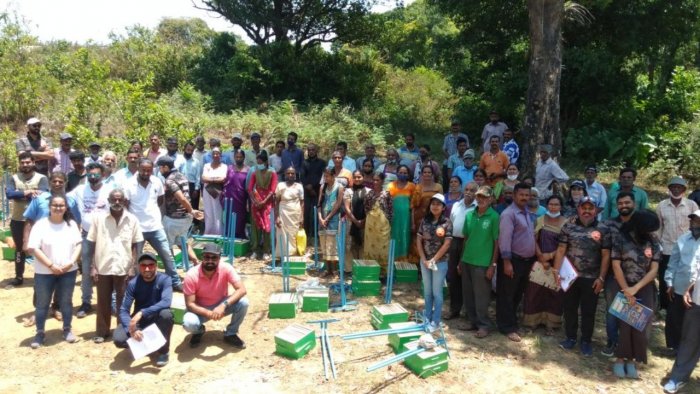
Beehive boxes were distributed to beneficiaries in Kodagu district. Credit: special arrangement

Kodagu Seva Kendra and Kodagu for Tomorrow organisation handed over beehive boxes to 130 families in Soorlabbi, Kumbaragadige, Mankya, Kikkaralli and Muttlu. Each family was given two boxes.

All the beehive boxes along with the families of bees have been procured from Everyday Honey Farm in Tumakuru.

Seva Kendra’s Pramod Sommaiah said that whoever engages in apiculture using the beehive boxes will get additional four boxes next year.

Kodagu for Tomorrow convener Ponnolatanda Kaverappa said that the organisation will impart training in beekeeping.

source: http://www.deccanherald.com / Deccan Herald / Home> State> Karnataka Districts / by DHNS, Madikeri / April 17th, 2021

Pepper comes to coffee growers’ rescue

Higher prices of the spice help offset lower returns from the bean

For coffee growers battling a drop in bean prices following weak global demand, the pepper that they grow as an inter-crop is coming to their rescue.

Of late, pepper prices have gained by at least 10 per cent on firm demand even as the harvest is in progress in the key producing regions of the Western Ghats.

According to the Spices Board, garbled pepper was quoted at ₹388 a kg on Tuesday against ₹380 on March 20 and ₹345.17 a month before that.

Globally, Indian pepper is quoted at a premium of $5,275 a tonne compared with the spice from other origins such as Brazil, Vietnam and Indonesia. Prices of other origins are ruling at $4,000 and below a tonne.

KK Vishwanath, Co-ordinator of the Consortium of Pepper Growers Organisation in Kodagu, said the Centre’s move to strictly implement the import norms is aiding the rise in domestic prices.

The Centre has taken several measures such as fixing a minimum import price of ₹500 a kg, including cost, insurance and freight.

While the pepper prices are higher by 10-12 per cent, coffee prices are trending lower to the same extent. The higher prices is helping those coffee growers, who also grow the spices crop meet their cash flow requirement, Vishwanath said.

Pepper is largely cultivated as an inter-crop with coffee and arecanut in parts of Karnataka, Kerala and Tamil Nadu, the main producers of the spices crop.

Demand for pepper continues to be firm in the short term, as end users such as masala manufacturers and ready-to-eat food producing firms have started procurement, said Kishor Shamji, general convenor, Indian Pepper Spice Traders Growers and Planters Consortium, Kerala chapter.

The commencement of wedding season in North India has also led to a demand revival. However, the local demand in Maharashtra has slowed down in the last fortnight following the re-imposition of Covid restrictions, Shamji said.

In Karnataka, the harvest is still going on though some regions in Kodagu and Chikkamagalur have faced the impact of erratic weather.

“The crop still being picked, will need to wait a bit before we get clearer assessment on the crop size. Lot of vines damaged last 3-4 years due to wilt and weather conditions,” said Jeffrey Rebello, Chairman of UPASI Coffee Committee. Pepper growers are also facing a major challenge in harvesting the crop due to acute shortage of skilled labour, said S Appadurai, Chairman, Karnataka Planters’ Association. Pepper crop is reported to be good in parts on North Kodagu, Hassan and Sakleshpur, he said.

Lower crop size

The plantation sector depends on migrant labour for the harvest. With States such as Tamil Nadu and Assam going for elections, the labourers have gone back to their native places to cast their votes, planters said.

On the crop size, Shamji said the Idukki farmers’ reports of a lower 2021 crop size has turned out to be prophetic as the sector is estimating a crop of 50,000-55,000 tonnes compared to 60,000-65,000 tonnes last year. Delayed rains in December coupled with strong winds in the growing regions in 2020 resulted in washing off and scattering of berries from pepper wines.

The delayed harvest — which started in December-January in Kerala’s Idukki, Kottayam, Pathanamthitta districts — was over. Normally, the harvest in these regions is carried out in November-December. The crop in Wayanad is also reported smaller, but the harvest is still on. In Karnataka, it started from mid-March.

But the Kerala pepper market missed the Sabarimala pilgrim season last year due to Covid restrictions. Normally, pepper sale during the season is between 3,000 and 5,000 tonnes, he said

source: http://www.thehindubusinessline.com / Business Line / Home> AgriBusiness / by V Sajeev Kumar / Bengaluru-Kochi / March 30th, 2021

‘End Man-Animal Strife In Kodagu Through Policies’

Former President of Coorg Wildlife Society writes to CM and suggests sustainable ways and means

Mysore/Mysuru:

In the wake of increasing man-animal conflict and tiger attacks in Kodagu where at least three human lives have been lost within a span of 15 to 20 days, former President of Coorg Wildlife Society Col. (Retd.) Cheppudira P. Muthanna has written to Chief Minister B.S. Yediyurappa drawing his attention towards how the people are being victimised by mindless destruction of wild habitats in the name of big projects and how wild animals are entering human areas in search of food. 

Keeping in mind the increasing human killing by wild animals including tigers and elephants, Muthanna has suggested the appointment of an Officer on Special Duty in the rank of Deputy Conservator of Forests exclusively for Kodagu. This officer must be based in Thithimathi with adequate staff and resources and he must be able to be a link between the Government and the people to solve pressing problems of the district, he stated. 

Sharp-shooters

Secondly, tigers that kill human beings must be hunted down at the earliest to prevent further deaths and the existing regulations should be modified accordingly. “Kodagu has a number of excellent shooters and ten such shooters should be identified and provided with sophisticated telescopic rifles and ammunition. Whenever there is a dangerous situation arising due to tigers or leopards outside the forest habitat, they should be given permission to assist the Forest Department,” Muthanna said and added that local shooters will be more familiar with the terrain and conditions and would be able to defuse a dangerous situation without loss of time and it would save human lives.

According to Muthanna, a major reason for the tiger menace is due to vast areas of the forests covered by invasive species like Lantana Camara and Senna Spectabilis. “Deer and other prey congregate in small patches of forests that are free from weeds and are fit for grazing. This leads to a number of tigers also congregating in the same restricted area and causes the tigers to fight one another. In most such cases one of the tigers will be wounded and forced out of the forest. Therefore sufficient funds are required for eradication of invasive species,” he has suggested. 

Some of the other measures suggested to the CM are, opening up of wildlife corridors from Nagarahole to Brahmagiri area in Kutta region of South Kodagu, establishing an Ecological Territorial Army Unit for Kodagu. “These units comprise mainly of able-bodied ex-servicemen who can join as volunteers and the unit can be utilised for forest land restoration, forest fire mitigation and eradication of invasive species,” he said. 

Destruction and fragmentation of forest habitat is a primary cause of human-animal conflict and there is a need for a policy decision to prevent further destruction of forests due to so-called development projects such as dams, highways, railways, powerlines etc., he added. 

Tourism has done tremendous damage to Kodagu. There should be no further investment in Kodagu for tourism. Tourism in Kodagu should be regulated and not promoted, he wrote. All the proposed project investments in Kodagu must be diverted to improve the economic condition of the people in the district through sustainable living and also to prevent human-animal conflict, he opined. 

“There is a need to protect Kodagu as the principal catchment of River Cauvery and the proposals for multi-lane National Highways, railway lines and airport for Kodagu must be scrapped as none of these projects will benefit Kodagu or its people in any way and will only serve to further destroy the environment and landscape of Kodagu,” he urged the CM. 

Tiger menace: Overnight protests continue

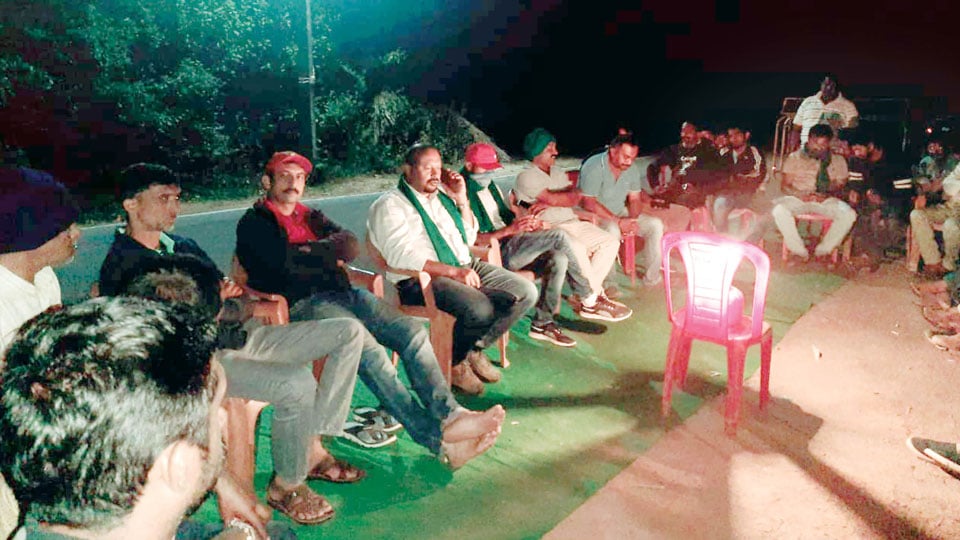
Overnight protests in parts of South Kodagu demanding the capture or shooting of elusive tiger still continues. The protests began five to six days back and residents of Bellur, Thavalageri, Shettigeri and Srimangala are participating in the dharna. They light campfires daily to keep themselves warm. Tents have been pitched by the side of the road for protection from rain. Protesters are upset as despite the Government shoot-at-sight orders and the intervention of MLAs K.G. Bopaiah and M.P. Appachu Ranjan and MLC Veena Achaiah, who came to Bellur recently, the Forest Department has failed to net the tiger. 

source: http://www.starofmysore.com / Star of Mysore / Home> News / March 13th, 2021

A bid to stop jumbo march

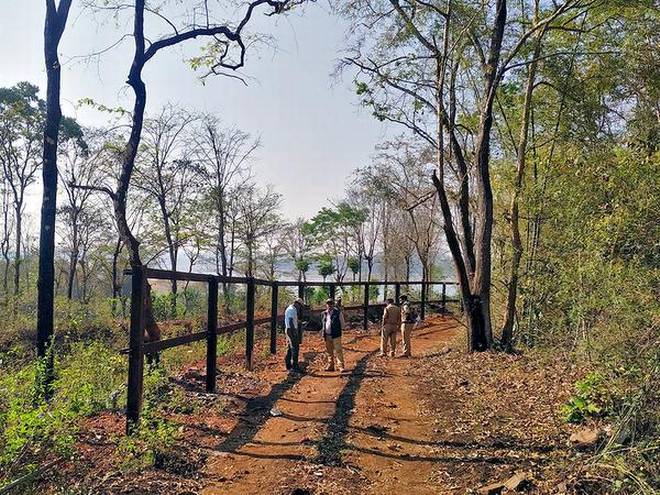
The Forest Department has installed railway barricades to stop entry of elephants in Alur range.  

Across 4.5 km in Alur range, these will restrict elephant movement

The Forest Department has put up railway barricades for about 4.5 km in Alur range of Hassan district to avoid the movement of elephants. The 2.1 m tall barricades, made of used railway tracks, have been installed between Nagavara Elephant Camp and Bharatur in Alur taluk. This is the area wherein elephants from Kattepura forest in Kodagu district move towards Alur range crossing the backwater of Hemavati Reservoir located at Gorur.

People of Hassan have been dealing with the elephant menace for decades. As many as 70 lost their lives in the conflict in the district since 1991. Similarly, 63 elephants have died so far. Besides solar fencing and elephant-proof trenches (EPT), the department has taken up the installation of railway barricades as a solution to avoid conflicts.

K.N. Basavaraj, Deputy Conservator of Forests, on Friday, took a team of journalists to Nagavara Elephant Camp to show them the barricades. “We keep learning how to avoid conflicts. Now, the installation of railway barricades is considered to be the effective system to minimise the conflicts,” he said. Chandrashekhar, a contractor from Mysuru, has bagged the contract to put up barricades for 4.5 kms at a cost of ₹4.65 crore. He procured 750 tonnes of the used tracks from the Ministry of Railways at an open auction. “The barricades are 2.1 m above ground level. They have been erected with the support of concrete 1.5 m below the ground. Two horizontal barricades are such that neither a cub nor adult elephant could cross them. We have learnt from the past experiences where elephants died while attempting to cross the barricades,” the officer said.

The purpose is to avoid the entry of elephants from Kodagu to Hassan. In 2014, the department captured 24 elephants and relocated them, resulting in a decrease in man-animal conflict for a brief period. “However, the number of elephants increased gradually, as many crossed the Hemavati backwaters. Now, we are plugging the hole so that elephants’ entry from Kodagu is restricted,” the officer said.

The department plans to extend the barricade for 40 km covering the boundary points. In Kodagu, the elephants that raid coffee estates could be driven back to forest areas easily, while in Hassan it was not possible. The herds keep moving from one estate to another damaging the crop, the officer said.

Opposition from farmers

Farmers of Nagavara and surrounding villages in Alur taluk have opposed the railway barricades alleging that these would force the elephants to camp in their estates for a long period.

Rangaswamy, a resident of Nagavara, said, “No doubt the barricades restrict elephants coming from Kodagu. What about those elephants already in the boundaries? Now, they cannot go back to Kodagu because of the barricades and continue to remain in the estates located close to the barricades.”

Mr. Basavaraj, DCF, reacting to the allegations, said the barricades had been put up just now. The officers would analyse the elephants’ movement and take appropriate action whenever necessary. “We have plans to extend the barricades for 40 km. As of now, we have a system to open the barricades at key points to let the elephants go back to their places,” he said.

He further clarified, “The path that we are blocking is not considered to be the natural path of the elephants. Only in the recent years, they have begun to tread this path.”

source: http://www.thehindu.com / The Hindu / Home> News> States> Karnataka / by Sathish G.T. / Hassan – March 27th, 2021

Foundation To Be Formed To End Human-Animal Conflict

Madikeri:

With human-animal conflict increasing day-by-day in forest rich Kodagu district, Minister for Forest Aravind Limbavali said that a  Kodagu-specific Foundation will be formed to mitigate human-animal conflict.

Replying to a question by BJP MLC Sunil Subramani in the Legislative Council recently, Limbavali said it has come to the notice of the Government that attacks on human beings by wild animals such as tigers and elephants are on the rise in Kodagu district. The Forest Department has taken many measures to prevent wild animals from straying into human habitats, he said and added that 47 water ponds have been formed to ensure that wild animals get water within the forests.

Stating that desilting of 66 water bodies is going on in the district, the Minister said that 34.35 km solar fencing and 161.60 km barbed wire fencing has been installed along the forest borders and 91.55 km elephant trench has been dug up. Besides, 33.37 km of suspended solar fencing  and  railway track barricades have been erected using 24.62 tonnes of old railway tracks. To erect more railway track fencing, the Department has purchased 496.17 tonnes of old railway track, he explained.

Limbavali further said that 52 rapid action teams have been formed and 71 teams to drive stray elephants have been constituted. These teams will also keep a watch on poaching, he said and added that the Government will take all measures possible to end human-animal conflicts, which has become a bane in the region.

He said that an adult female in a herd will be identified for radio collaring, to help track the movements of other elephants. Nine elephants have been radio-collared so far and the staff are keeping a track of their movements round the clock, he added.

source: http://www.starofmysore.com / Star of Mysore / Home> News / March 22nd, 2021

Fourth wave in a coffee cup

Fermentation techniques that involve anything from fruits to alcohol are giving the brew a new high.

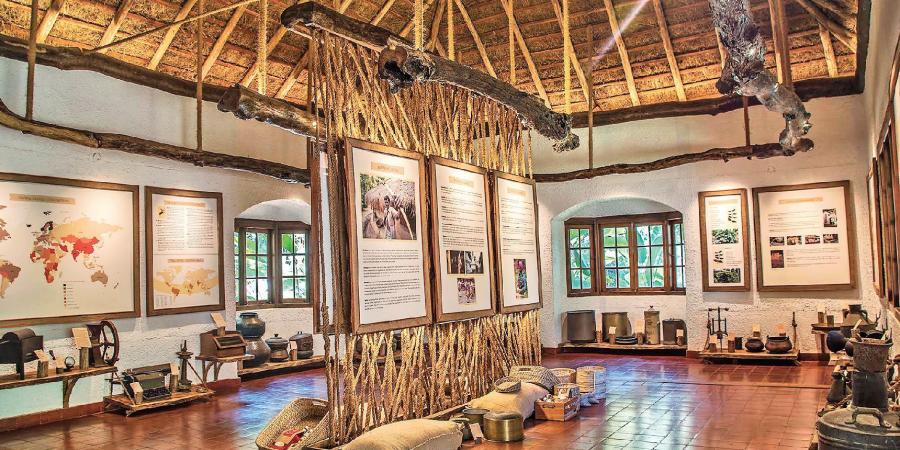
If you want to educate yourself on all things coffee, a visit to Sidapur Coffee and Culture Museum at Evolve Back in Coorg, will take you on a journey of discoveries.

From whisky barrel-aged coffee to fruit-fermented beans and innovative experiments in farming, fermentation and drying the fourth wave of coffee is set to spring a surprise. The brew is going artisanal. There is an increased focus on how it is grown, nurtured, processed as well as how it is being roasted. Sunalini Menon, Asia’s first woman professional coffee taster, and President, Coffeelab Ltd, Bengaluru, says: “Artisanal coffees are unique in taste and are always available in micro quantities.”

Such coffees are identified with sustainable practices in cultivation and prepared with care, precision and high-quality roasting.” Something like this is happening at Baarbara Estate, currently managed by the fourth generation of coffee growers from Chikmagalur, Karnataka.

Through their brand The Caffeine Baar, they are seeking to serve many coffee explorations to enthusiasts. Poojya Prasad, the co-founder, says, “We have worked on a unique fermentation process involving pineapple, which has given good results. To start with, pulped coffee beans are mixed with pineapple for a select number of hours.

The natural juices and the skin of pineapple, ferment the coffee beans. This process is monitored in a controlled environment. Once it’s complete, the mixture is dried on raised beds over several days. The coffee is monitored at each interval, resulting in batches with varying depths and notes of flavours.”
Roasters are having a field day. Take for instance, Maverick and Farmer Coffee Roasters, who have introduced new coffees that unlock more than what species, terroir or roasting can offer.

By intervening in the growing, processing, drying, blending and roasting stages of coffee (without any artificial additions), the endeavour is to explore different kind of tasting notes Indian coffee can offer. “We work on micro-lot coffees,” says Ashish D’ábreo, the founder-partner at Maverick and Farmer Coffee Roasters. Last year, they began work with fermentation and used ingredients such as fruit, yeasts, and cultured bacteria for the fermentation process. Abdul Sahid Khan, the training manager at Lavazza Training Center, India, adds, “Being passionately connected between coffee products and a need for eco-consciousness, have coffee roasters sourcing whole beans in small batches through direct and fair trade.

Many of the coffee roasters and importers today partner with handpicked farmers, and even reinvest into the farmer family’s land/business.” Research is at the cornerstone of these innovations. Located in Sakleshpur in Karnataka, Harley Estate, an extension of Harley Plantation Research Institute (HPRI), Asia’s first private research facility dedicated to coffee, is a lab where coffee-related experimentation goes on round the year. The purpose is to improve plantation management techniques and develop unique processing methods.

“We have, over the last couple of years, created over 50 processing methods, each bringing out different aspects of the coffee. We also conduct educative sessions for those who are in the coffee business,” says Chandini D Purnesh, Director, Classic Coffees. Coffee also has a health angle that is often overlooked. 


Green coffee, for instance, is different from regular coffee and is the natural unroasted form of Arabica Coffee grains, said to have three times more antioxidants and lesser caffeine compared to black coffee. 

“It boosts metabolism and provides support and strength to achieve health and fitness goals, that serve you in the long-term,” says Amit Tyagi, Founder and CEO, Neuherbs India. So the next time you sip on a cup of coffee, don’t forget that the long journey of the bean to cup has had several turns and twists to create that perfect flavour you love.

Sidapur Coffee and Culture Museum 
“If you want to educate yourself on all things coffee, a visit to Sidapur Coffee and Culture Museum at Evolve Back in Chikkana Halli Estate, Coorg, will take you on a journey of fascinating discoveries. The museum has different sections that talk of the story of the founding Ramapuram family, the history of coffee in Coorg, how coffee is cultivated globally and how to brew the perfect cup of coffee. This also features the culture of Coorg and its close association with coffee cultivation. Our hugely popular programme, Coffeeology, is a daily live session on the art and science of gourmet coffee, where visitors can observe and experience the making of an assortment of coffee preparations from around the world.”
Jose T Ramapuram, Executive Director, Evolve Back

source: http://www.newindianexpress.com / The New Indian Express / Home> Lifestyle> Food / by Bindu Gopal Rao / Express News Service / March 07th, 2021

In Kodagu, this independent researcher is working with local tribes and children to protect this precious habitat

Neethi Mahesh has dedicated a lot of years to researching the riparian habitats of the Kodagu district. She is currently working with a tribe of honey collectors and students for better results .

Just like we hardly think of women when it comes to research in niche fields, one rarely thinks of fish when it comes to conservation. Neethi Mahesh is changing both mindsets. “Yes, the Government of India does have a Department of Fisheries, but its concern is with commercial fishing, rearing, catching and so on. When it comes to freshwater fish, quite a bit of work has been done in the past, but we have barely scratched the surface when it comes to taxonomy,” says Neethi. And the fish that has caught her academic interests is the migratory fish mahseer that dwells in riparian habitats, the area of interface between river and land, of Kodagu.


Environmental Studies and Ecology are subjects to which she was introduced early on and growing up in a space surrounded by greenery drove her to choose this field of research  


The 37-year-old’s journey started at Agumbe Rainforest Research Station where she was volunteering for the King Cobra Telemetry Project (a project to understand the ecology of cobra) in 2013. It was then that she heard about mahseer, their dependence on freshwater and how they migrate in the monsoons. While the river Seethanadi in Agumbe was not an ideal option to carry out research, she shifted to Kodagu and currently works at Dubare Reserved Forest. “Why mahseer is important is because it is a strong indicator of the river ecology itself. And it is in the riparian habitat that they spend most of their time,” asserts the researcher who was assisted in funding for her research by the WWF India and The Rufford Foundation in 2015 and The Conservation Hero Grant by The Habitats Trust in 2019.  

River outreach with students | (Pic: Neethi Mahesh)

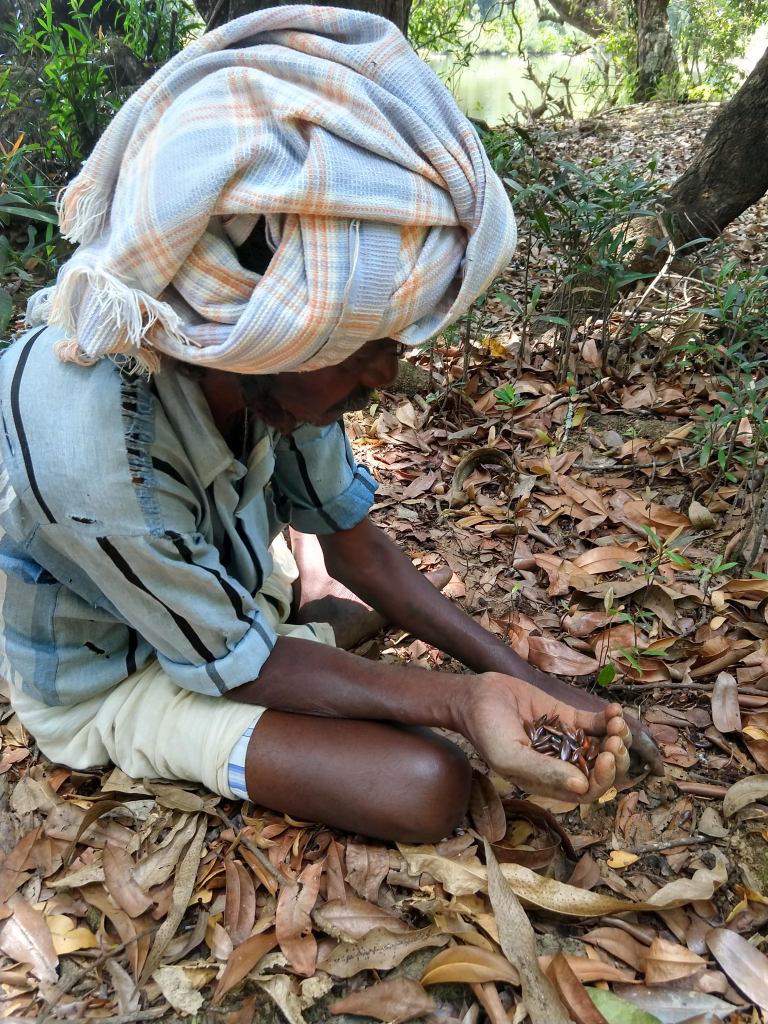
River bank modification, land-use change, dam proposal and more — there is a lot that threatens riparian habitats, which are majorly responsible for diverting flood water downstream. Invariably, the native species are threatened too. Hence, she has also been working with the native Jenu Kuruba tribe, who are traditional honey collectors, to preserve the local species. To this end, they started a seed bank and a nursery along with executing plantations of local species, all with the support of the Karnataka Forest Department. “The tribals were shifting to planting commercial species because it gets them the money, but a lot of time was spent on making them understand that their indigenous knowledge and skills are valuable. And unless it’s not documented, we will never know about it,” says the independent researcher who hails from Bengaluru. They have identified 12 species, as of now, that are important and have so far collected six to seven species. “One of the species that we are working for is a kind of river jamun (plum) that grows during the monsoon and drops into the river where, via observation, we can confirm that mahseer and other omnivore and herbivore fishes feed on it,” she explains.


It was in the year 2015 during which she mapped out the river stretch of Kaveri and did her basic groundwork for her research


What we love best about what Neethi is trying to do involves government school children as well. “There has been environmental generational amnesia and the new landscape is normal to them. We are trying to get them out in the open, teach them how to test the water in the river, how fertilisers affect it and so on,” she explains. But what she is most excited about currently is her soon-to-be-launched portal Our River, Our Life. “It’s a river-monitoring page. One can upload their quality report of their location online. It could also serve as a flood-watch. And then there is also her Voices from the River blog, where people can share their river stories,” she informs. It surely sounds resourceful.

Collecting seeds | (Pic: Neethi Mahesh)

Her area of research
Spatial ecology is the study of the spatial area occupied by a species. The species’ relationship with the habitat, other species and so on are studied in detail. It is also the study of the species’ own microhabitat and what affects it. Some of the courses that can help you understand more about this are:
– Graduate Certificate in Spatial Ecology from Michigan State University, US
– Computational Methods in Ecology and Evolution (MRes) from Imperial College, London

source: http://www.edexlive.com / EdEx-TNIE / Home> Happennings> Fish / by Seema Rajpal, Edex Live / March 06th, 2021

Hail Rolls Out White Carpet

  • Joy for some; sorrow for others
  • Major coffee crop damage, says GSI Scientist

Madikeri/Somwarpet:

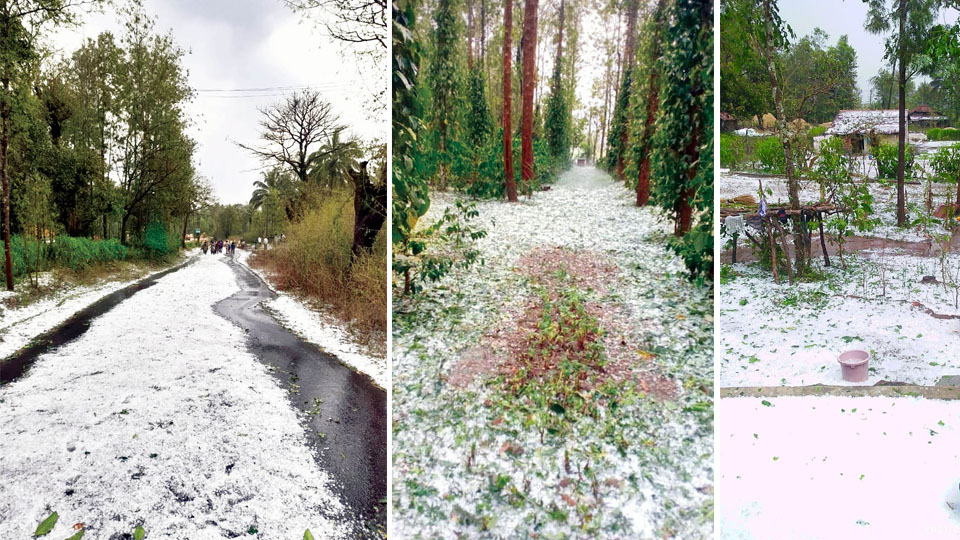
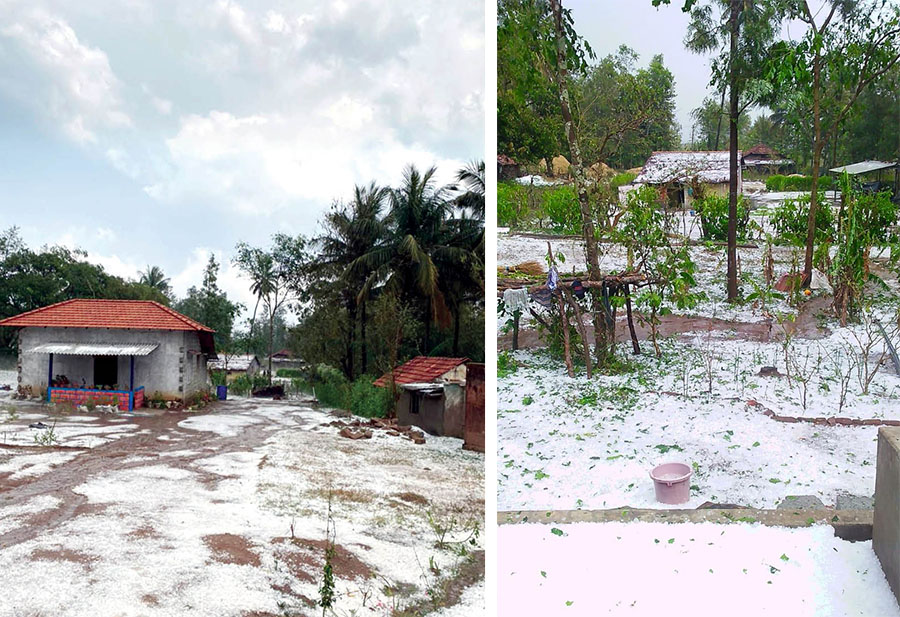
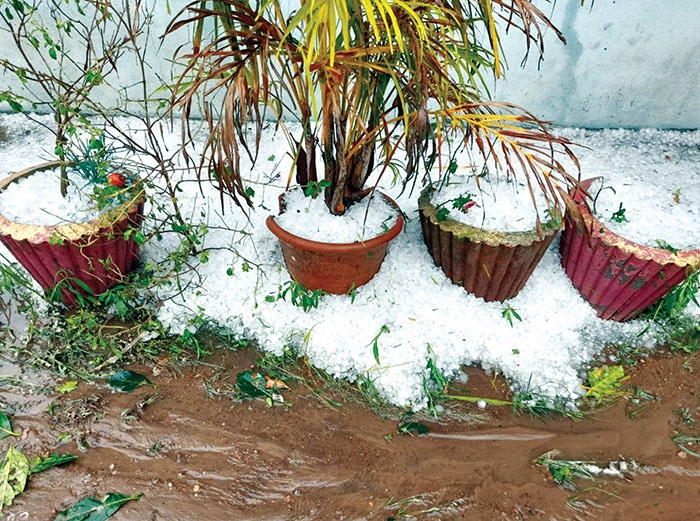
Parts of North Kodagu were swathed in a white carpet yesterday with ice left behind after a hailstorm.

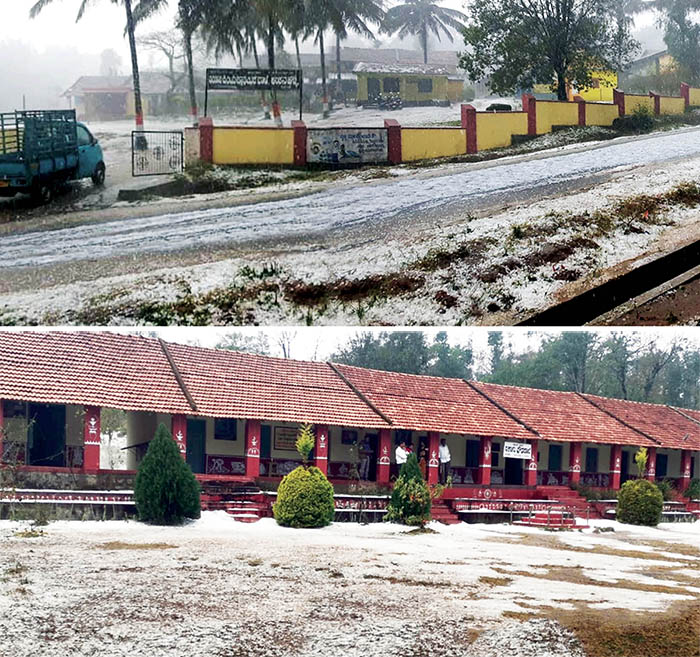
Heavy rains and hailstorms lashed villages of Nidtha, Ankanahalli, Mullooru, Dundalli, Doddalli and Gudugalale near Shanivarsanthe of Somwarpet taluk in Kodagu district yesterday, taking residents by surprise. In Chamarajanagar too it rained hail last evening, throwing traffic out of gear. 

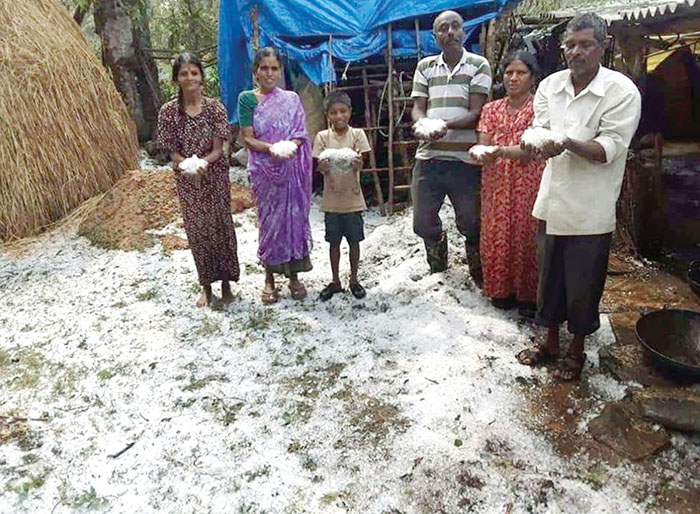
In Kodagu, due to rain of hail, villages resembled snowing Kashmir plains. Children and women cheered the hail storm and they rushed outside homes to fistfuls of hailstones. Photos and videos of the hail went viral, inviting reactions of awe and delight in social media. 

While the hail rain looked attractive with white carpet spread and with visuals of people holding the hailstones in their hands, it worried the farmers and coffee growers of Kodagu as this is the season of coffee blossoms and if it rained hail, it would damage the flowers resulting in low-yield next year. The growers are already tormented by unseasonal rains and, lack of support from the Government and less pricing for coffee.  

Heaps of hailstones were found on the roads, coffee estates, roof of the houses and coconut plantations. The Ankanahalli Government School and a veterinary clinic were covered with hailstones. Along with hailstones and rains, the gusty winds also damaged the standing crops including coffee, paddy, green chilli, mango and arecanut in the district as there is high moisture content. This also will dent the product quality. 

As the weatherman has predicted rains for two or three more days, coffee growers have said that due to rain, ripe coffee berries have fallen onto the ground and the drying process has been affected as it rained in the second and third week of January — a crucial month for drying. The rains also resulted in early flowering before the annual harvest, they said. 

Ice formation in static clouds

Giving a scientific perspective to the hailstorm, former Deputy Director General of Geological Survey of India (GSI) told Star of Mysore this morning that though the hailstorm looks beautiful with white ice cubes all over, it is bound to cause major damage to standing crops. 

“There was a dip in the temperature in January this year and the average temperature ranged between 12 to 13 degrees Celsius. And there was no cloud movement for more than 15 to 20 days after the cold spell. This caused ice to form in the static clouds and now due to rise in temperature and Rathasapthami, the ice has melted and it has resulted in the rain of hail. While in Kodagu small white ice cubes fell onto the ground, in Telangana and Andhra Pradesh large cubes even weighing about 500 grams fell from above,” he explained. 

The Kodagu District Administration must send a team to the affected villages and assess the damage that will be severe. Farmers and growers are entitled for Government compensation, he added. 

The Karnataka State Natural Disaster Monitoring Centre (KSNDMC) has predicted scattered to widespread light to moderate rains with isolated heavy rains likely over South interior Karnataka and Malnad districts and isolated to scattered very light to light rains likely over Coastal and North interior Karnataka districts for three more days.

The rains are a result of a weather system — a trough in Arabian Sea from Kerala to Gujarat coast. The weather system which was over Vidarbha as a cyclonic circulation has now shifted towards Madhya Maharashtra and adjoining areas. A trough is also extending from this cyclonic circulation to Kerala. These two weather systems — resulting low level moisture feed from Bay of Bengal in the form of South-easterly winds and humid winds from Arabian Sea at a height of three kilometres — are causing rains and hailstorms, says weatherman.

source: http://www.starofmysore.com / Star of Mysore / Home> News / February 21st, 2021