Category Archives: Agriculture

Ibnii Coorg first resort in India to be IGBC Platinum certified

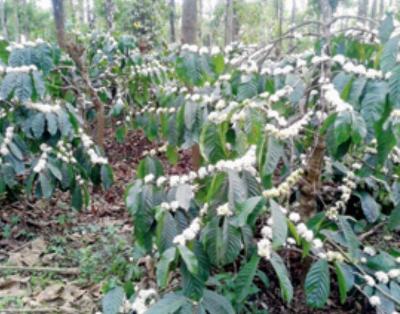
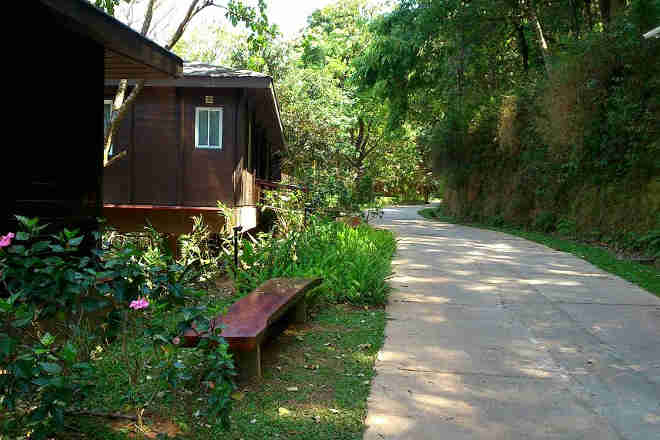
Ibnii Coorg is nestled on 120 acres of which 50 acres is being used for coffee plantation

Ibnii Coorg, an eco luxe resort located in Coorg (Kodagu) district of Karnataka, has become the first hospitality project in India to receive the IGBC Platinum certification for energy and resource-efficient, sustainable, cost-effective buildings.

source: http://www.financialexpress.com / The Financial Express / Home> Lifestyle> Travel Tourism / by Steena Joy, Madikeri / February 21st, 2017

Ibnii Coorg, an eco luxe resort located in Coorg (Kodagu) district of Karnataka, has become the first hospitality project in India to receive the IGBC Platinum certification for energy and resource-efficient, sustainable, cost-effective buildings that impose minimal stress on the environment. The resort is also gearing to get its LEED (Leadership in Energy & Environmental Design) certification by April.

The Indian Green Building Council (IGBC), part of the Confederation of Indian Industry (CII) was formed in the year 2001.The rating systems are based on the five elements of nature (Panchabhutas) and are applicable to all five climatic zones of the country.

Ibnii Coorg is nestled on 120 acres of which 50 acres is being used for coffee plantation. The resort has just finished with its first coffee harvest. Speaking exclusively to FE Online, Dr Sherry Sebastian, director, Ibnii Coorg, informed, “In the last 60 years, no pesticides have been used on this land. So it is an ecological and biodiversity hotspot. Very few trees were cut during construction of Ibnii Coorg. We are also very actively involved in rainwater harvesting as we have three large water catchment areas. We harvest nearly five million litres of water every year. Apart from a waste management plant, we have a state-of-the-art Sewage Treatment Plant (STP) too to further minimise our dependency on fresh water. The treated water is used for landscaping and other utilities. Ibnii is also a vehicle free zone with only electric buggies used for internal movements. Guests are encouraged to walk around the resort.”

The resort also has introduced other ecological initiatives such as an inhouse tailoring facility where many articles are created out of recycled materials like shopping bags out of used cement sacks and bubble wraps; use of steel fruit and vegetable crates in the kitchens instead of the conventional plastic crates; use of drop pops in the restaurants in place of finger bowls for washing hands. The resort is also part of a new project with Madikeri town for making a road using recycled plastic from the resort.

Ibnii Coorg also has TieCop, its Environment Conservation Programme.

Dr Sebastian added, “We also want our supply chain to be eco sensitive – so we source only from vendors who have the same sensitivity towards the environment. Presently, we source the coffee for the resort from Halli Berri, a fourth generation all woman owned concern coffee estate in Chikmagalur with a similar vision towards sustainability, but soon we hope to be able to use our own coffee. We have a vegetable garden where we source most of the vegetables for our salads. Another bigger vegetable garden is being created which is expected to give us around 14 tonnes of vegetables.”

The resort has a robust waste segregation system where the organic waste is used in a vermicompost to generate high-yield, organic manure which is in turn used in the green house to grow fresh organic vegetables and fruits.

source: http://www.financialexpress.com / The Financial Express / Home> LifeStyle> Travel Tourism / by Steena Joy ,Financial Express, B2B / Madikeri – February 21st, 2017
Wake up and smell the coffee!

ArshiyaKF13feb2017

Kochi :

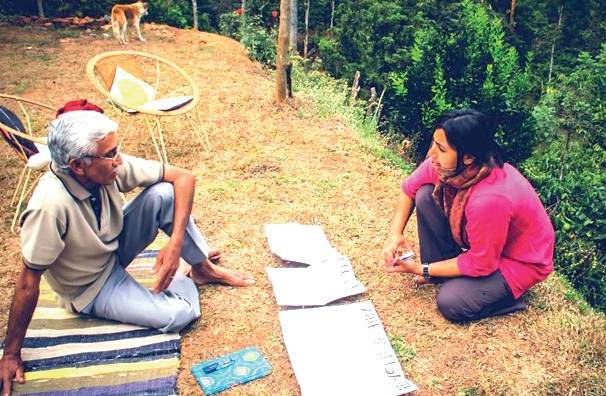
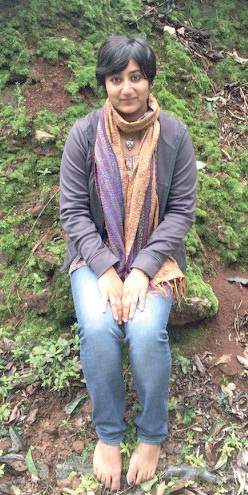
Some of the coffee tasted bland, others were a bit over-the-board bitter. The 33-year-old Arshiya Bose, social entrepreneur and owner of Black Baza Coffee who was in Kochi recently to hold a coffee-tasting session, says that there is no short cut to making a good cuppa of coffee.

Arshiya02KF13feb2017

So, Arshiya takes her students on a trip on the perfect ways of making coffee. At the end of the session, she introduces them to the Black Baza Coffee, which is warm and has the lure of a refreshing evening drink. What’s unique with this coffee is not only the way it is processed, but that the beans are grown in the most fertile of soils in India – right next to the Kodagu and B R Hills in Karnataka, where the river Cauvery flows in all its glory.

Karnataka-based Arshiya Bose is currently on a mission to promote this coffee, which is grown under large tree canopies, right next to the river beds. According to her, Indians have forgotten the taste of original and eco-friendly coffee, and has hence taken it upon herself to bring back the lost glory.

“Indians drank one of the most unique coffees in the world. In the past, the coffee beans, especially in Karnataka, were grown under forest covers and under shades of trees.

However, constant deforestisation forced our farmers to grow coffee directly under the sunlight,” she said. According to her, this method was detrimental to the environment (as it encouraged deforestisation), and also led to early maturation of the coffee beans, which supposedly also lead to a compromise in quality and taste.

For this, Arshiya got in touch with farmers who were growing coffee beans in Karnataka.

“ This is how we zoomed in on Kodagu and B R Hills. We said we would buy their produce and sell it across the country, if they were willing to heed to the eco-friendly norms. They agreed. So, they started growing coffee under available trees and were given the responsibiltiy to look after it too,” says Arshiya.

Right now, Arshiya’s Black Baza Coffee, named after the small bird of prey found in heavenly dense forests of South and South East Asia, is sold across the country. In Kochi, it is available at Pepper House Cafe.

source: http://www.newindianexpress.com / The New Indian Express / Home> Cities> Kochi / by Princy Alexander / Express News Service / February 05th, 2017

Learning the basics of black pepper cultivation

Kodagu, the coffee land of Karnataka, is also known as a major producer of black pepper. Many pepper growers here have opted for innovative methods to get a good and sustainable yield.

One such grower is M G Hoysala, a former banker. Being the son of a farmer, he got exposed to farming at a very young age. After studies, he worked in the banking sector for five years before quitting his job to take up farming.

Once back to farming, Hoysala started following traditional cultivation methods in his coffee plantation with black pepper as the parallel crop.

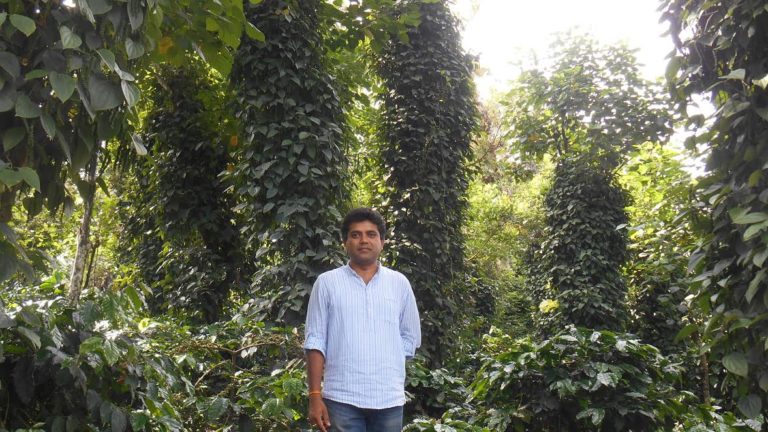
In his 40-acre coffee estate, Arabica coffee is planted at a six-by-six feet spacing in about 30 acres. Since Arabica coffee demands a comparatively higher shade, indigenous trees are grown in the estate. Black pepper vines trail on these plants. Dadap trees with restricted height and silver oak trees are also grown as shade trees.

However, lack of experience and guidance made Hoysala struggle in the initial years.

Meticulous planning

Subsequently, Hoysala came in contact with the Indian Institute of Spices

Research when he participated in a seminar organised by its regional centre in Madikeri, Kodagu. Here, he was able to gather information on black pepper, its production techniques, and know about the processing technologies developed by the institute.

Afterwards, he made it a point to visit the regional centre regularly and interact with the scientists to get more information about the crop. Now he feels that shade regulation, proper irrigation and integrated management practices are key to sustain both coffee and pepper crops. “Though I use both chemical and organic fertilisers to ensure proper growth of the plants, I strictly avoid chemical pesticides and insectides. One can avoid pests and diseases through efficient irrigation and proper nutrient management,” he says.

Even though Hoysala has sufficient water to irrigate his estate, he has stressed on water conservation by constructing water harvesting structures like farm ponds. In some parts of the estate, pits of size 10x1x1.5 feet have been made to check surface runoff, and enrich soil moisture. “These water management practices are not new to estates in Kodagu. With the changing weather patterns, following these traditional techniques becomes more important now than before,” he says.

“By adopting improved technologies and sustainable practices, we are able to increase the pepper yield of the estate from six tonnes to 12 tonnes within a span of five years,” he reveals. Though it is difficult to double the production in such a short span, proper planning and implementation has helped Hoysala achieve this feat.

The black pepper vines are irrigated with 70-100 litres of water in every round (in this estate, it takes three weeks to complete one round), depending on the canopy size, from March to June. Currently, the management of coffee and black pepper in one acre costs about Rs 85,000 per year for Hoysala. In turn, Hoysala earns a net profit of Rs one lakh per annum per acre from these crops.

Encouraged by the success of pepper crop in 30 acres, Hoysala has transformed 10 acres ginger cultivated area into a high-density black pepper plot with silver oak as the standard tree. Here, Robusta coffee is the parallel crop.

Hoysala’s innovative and sustainable methods have inspired many other
pepper growers in the region. Meticulous planning, flawless implementation of agricultural practices, and efficient labour management coupled with relentless efforts to improve production have made agriculture sustainable and helped improve the yield.

To know more about his work, one can contact
M G Hoysala at hoysala.mg@gmail.com or on 9449682430.

S J Ankegowda

source: http://www.deccanherald.com / Deccan Herald / Home> Supplements> Spectrum / DHNS / January 31st, 2017

Coffee prices climb to a five-year high

coffeeKF26jan2017

Bengaluru :

Coffee growers in Karnataka, who went through a rough patch recently, are happy, thanks to a huge drop in production and supply from major coffee-growing countries in the global market.

Growers in Kodagu, Chikkamagaluru and parts of Hassan are upbeat after coffee prices hit a five-year high despite the state registering a low yield this time due to severe drought and demonetization.

According to a senior official in the coffee board, Bengaluru, severe drought in major coffee-producing countries like Brazil, Vietnam and Indonesia has resulted in poor yield and quality issues. As a result, there’s a great demand for Indian coffee, 70% of which is produced in Karnataka.

According to Kabir, a leading coffee dealer in Madikeri, Kodagu, coffee prices are rising for the past fortnight and the trend is expected to continue till April. A 50-kg bag of Robusta variety, produced mostly in the state, costs Rs 4,000 while Arabica costs Rs 9,600. Last year, the average price of Robusta was Rs 3,000 and Arabica Rs 4,600.

The prices have picked up in the retail market too after remaining at a low for the past five years. The prices range between Rs 150 and Rs 200 a kg.

Coffee board former vice-chairman Sannuvanda M. Kaverappa added that a shortfall of 2.08 million bag of 60 kgs each in the international market this year will lead to a rise in coffee prices in India.

“About 70% of Indian coffee will be exported and the rest will meet the domestic demand,” he added.

B S Jairam, president, Karnataka Grower’s Federation (KGF), said the Robusta yield has been good this season in the state compared to Arabica.

“Most growers are in distress owing to poor yield. The drought, labour crisis and demonetization have virtually pushed growers to the wall. The marginal current price rise will definitely not compensate for losses over the years,” said Karnataka Planters’ Association chairman M M Chengappa.

(With inputs from G Rajendra in Madikeri)

source: http://www.timesofindia.indiatimes.com / The Times of India / News> City News> Bangalore News / by Manu Aiyappa Kanathanda, TNN / January 26th, 2017

Farmer’s Notebook: The Life of a Banker Turned Farmer

Struggling to improve yield levels with traditional methods at his coffee plantation, Hoysala found great success with technological innovations.

Hoysala at his plantation. Credit: M.J. Prabu

Farming, especially in India, is generally considered to be a traditional field that’s averse to innovation, however M.G. Hoysala’s successful decision to quit banking for farming with the help of technological innovations, shows that keeping an open mind towards new, nontraditional cultivation techniques and interacting with experts in the field is essential for achieving farming success.

While many come into the profession unwillingly, Hoysala represents a section of people that actually wants to take on the family vocation. After spending five years working at a private bank, Hoysala came to realise the importance that the agriculture and plantation sector held for him. So he left his job and took over his father’s coffee plantation.

Since he took over, the Hoysala’s 40 acre farm in Karnataka’s Kodagu district has become a role-model of sorts for the other farms in the area.

As is common in the region, Hoysala grows Arabica coffee on his farm, but what differentiates his farming practices from the rest is the presence of tall indigenous trees that grow alongside the rows of coffee bushes, their height providing shade for the lower shrubs. Another distinguishing factor is the presence of black pepper vines that cover the trees’ trunks.

Starting off as an amateur, Hoysala initially followed the locally practiced traditional forms of cultivation. However, his lack of experience and the absence of proper guidance worsened his predicament. Disease-damaged crops, low productivity and a lack of knowledge about advanced production technologies were just some of the problems Hoysala faced when he took over the coffee plantation.

Collaborating with experts

Hoysala recalls contacting the Indian Institute of Spices Research around the same time as he started to realise that he would need technology if he wanted to stabilise his plantation’s yield level in a sustainable manner. His association with the institute started when he attended an eye-opening seminar organised by the organisation’s regional station at Madikeri, Kodagu.

That first seminar taught him about the varietal wealth of black pepper along with information on various crop production, protection and processing technologies that were being developed at the institute.

Drawing on his experiences from the banking sector, Hoysala was certain that the timely and meticulous adoption of technologies designed to aid crop production were essential to maintaining a profitable plantation.

“The productivity of vines was below the level of expectation and we could hardly harvest six tonnes from an area of 40 acres. We understood that not adopting recommended measures in time, especially to control diseases, could lead to heavy crop loss,” says Hoysala.

“Moreover, we were unaware that instituting shade regulation before the monsoon and irrigation during the summer months would improve the setting of berries and ultimately increase the yield.”

After Hoysala had established a close relationship with the regional station’s scientists, he set about addressing his plantation’s problems one by one.

Shade regulation was the first priority, followed closely by the scheduling of fertiliser, increasing organic inputs fortified with growth-promoting organisms, regularly monitoring the crops for diseases and irrigation during the summer months.

“By adopting these [new and] improved technologies, we have increased the production from six to 12 tonnes. [Which is] on average a two-fold jump within a time span of five years,” said Hoysala.

The plantation’s irrigation system was further strengthened by the construction of water harvesting structures like farm ponds and bore wells. Besides these measures, Hoysala also had pits dug between the rows of coffee plants to harvest run-off water as it also helps with enriching the soil.

The changes extend to pepper cultivation as well. Two years ago, Hoysala took ten acres of land which was used to grow ginger and transformed it into a well-designed pepper plot with silver oaks to serve as standards for the vines and robusta coffee bushes interplanted with the pepper vines.

It currently costs Hoysala a total of Rs 85,000 per acre to implement these measures along with paying the regular operational costs of running the plantation. In return, he earns Rs 1 lakh per acre per annum from the coffee and black pepper grown on the farm, allowing Hoysala to maintain the sustainable, profitable plantation he aspired to.

For further information, contact: M. G. Hoysala, Sri Siddalingeshwara Estate, Hardur P.O., Suntikoppa, Kodagu, Karnataka–571 237, mobile: 09449682430.
Email: hoysala.mg@gmailn and his guiden Dr. S. J. Ankegowda, Principal Scientist and Head, ICAR-Indian Institute of Spices Research Regional Station, Hervanadu Post, Appangala, Madikeri, Karnataka – 571 201, Phone 08272 – 245451; 245514; 298574. Mobile: 09663069241, email: crc@spices.res.in;gowda@spices.res.in

Liked the story? We’re a non-profit. Make a donation and help pay for our journalism.

source: http://www.thewire.in / The Wire / Home> Agriculture / by M J Prabu / December 29th, 2016

How SOS organics has successfully created a sustainable village model in Uttarakhand

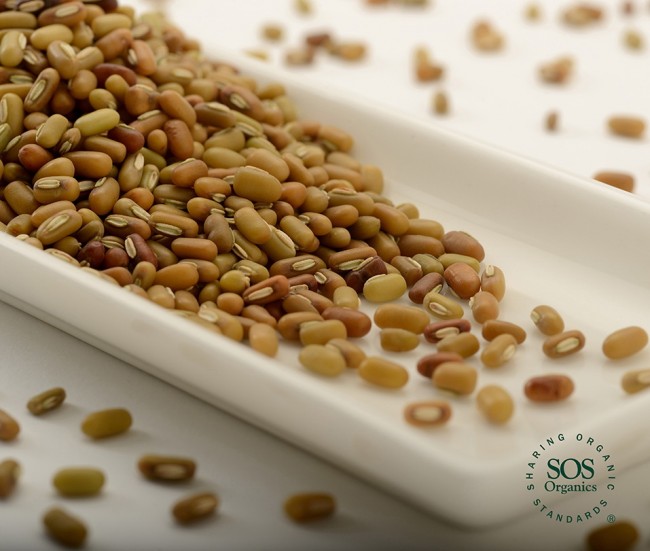
All SOS organics products are made from crops that are completely rain fed, chemical free and using natural farming and sustainable agricultural techniques.

A quick look at SOS Organics website and you will realize that there is something more than natural and organic in their varied products. Gur Shakkar, Khandsari sugar as alternatives to white sugar and sweeteners, soapnuts as natural cleansers, environmentally sound beeswax candles devoid of soot/smoke, home care products made of native plant oils, herbs and natural essential oils – these catch your immediate attention. All these products are made from crops that are completely rain fed, chemical free and using natural farming and sustainable agricultural techniques.

The Alternative spoke to its founder, Amrita Chengappa about her venture in Uttarakhand.

A little bit of everything to nourish and heal
Pulses, flour, millet, spices, herbs, pickles, jams, marmalades and honey, tea, as well as beeswax candles – there is a little bit of everything needed to lead a healthy life. Amrita says, “Our line of natural cosmetics is based on apricot kernel oil, and includes soaps, hand creams, face creams, body and foot scrubs, lip balms, and body oil. All items are made with beeswax and precious essential oils and are free of chemicals and hormones.”

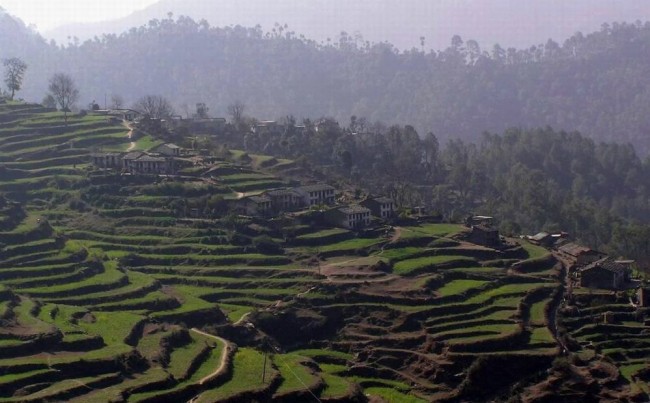
Himalayan terrace farms are the source of SOS organic products Courtesy: SOS organics Facebook page

In Uttarakhand, farmers have very small land holdings that are completely dependent on rain. So instead of asking the farmers to grow one particular type of crops, say only rice or millet, Amrita has encouraged mixed farming. “We are targeting indigenous low input crops that they have been growing over the last hundred years. We encourage them to grow a little bit of everything so that it all adds up to become a basket full of goodness to nourish and heal the body,” says Amrita.

Their latest products are based on the humble nettle which has an abundance of health benefits. “One day we became aware of just how much nettle was growing all around us in the wild and nobody was using it. After some in-depth research that took us all the way back to Milarepa, who lived on nettle soup for years while meditating in a Himalayan cave, we began experimenting and created nettle tea and nettle flakes,” says Amrita.

SOSorganics02KF24jan2017

The Inspiration
Amrita and her husband who have set up a village unit in Uttarakhand have been closely working with locals there.

“We had the inspiration to move to the Himalayan foothills in 2002, with only an idea to work in a village and bring meaningful employment in the area,” says Amrita. She adds, “We have found that the specific environmental conditions of the Himalaya produces incredible crops. The mineral content in the soil adds to the quality of the crop and it has many medicinal properties as well.”

One of the main issues in the state has been a lack of employment opportunities. So they decided to set up a self-sufficient unit at Kumaon. “My main concern was employment of the local ladies as I believe that all over India it has always been women who run the show and they deserve to be empowered,” adds Amrita.

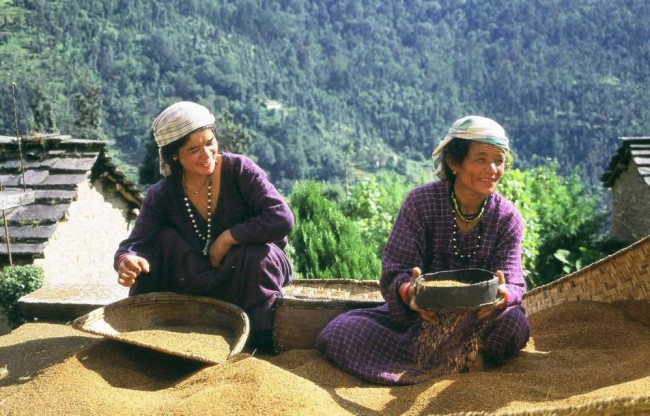
Happiness that comes with healthy living is the only true happiness! Courtesy: SOS Organics Facebook page
ita at this point also mentions,“We did not want to take something or destroy anything from the environment, rather our emphasis has always been on the preservation of biodiversity and environment, and the providing of holistic technologies to ensure highest quality.”

Every village needs to be self-sufficient

The company strongly believes in Mahatma Gandhi’s saying that every village needs to be self-sufficient. Their entire unit runs on rain water harvesting. And they work with local small scale farmers from over 70 villages in the Himalayan region.

Amrita further adds, “SOS Organics is an ongoing experiment dedicated as a model for holistic sustainable living in the villages of the Himalaya.”

In addition to the farming techniques, natural processing and product development have also been undertaken. The Foundation is presently deeply involved in special holistic milling techniques, sun drying and sun-UV-radiation, ventilation drying, dehydrator development for low temperature drying, vacuum packing and systematic moisture proof storing of raw material. An extensive initial product line of natural farming produce has been developed and tested in the market and is now available online and in select holistic outlets.
SOSorganics05KF24jan2017

Engaging community and being in tune with rural life
“The problem in the hills is that you cannot do anything that has a lot of volume because the lifestyle is different. We have six hour working days for the ladies as on most days they have to go home, collect water, cut wood etc. Plus in the winter it gets darker soon and the area where we live there are leopards and other wild animals,” she says.

So they had to modify their business model, making it in tune with the local life and with less stringent deadlines. They also make sure to celebrate local holidays and to stay connected with the community in all possible ways. “Our aim has always been to make the business model sustainable for everyone from the consumer to the person actually engaged in making these products. We make the people working here comfortable and the orders are worked around this,” says Amrita.

Challenges
Amrita says, “So much of the incredible knowledge of the Himalayan people is in danger of getting lost. The older living generations have often not been able to pass on their wisdom to the younger people as they have set out to live everywhere else than in their own village, embracing modern life and technology.”

She adds,“The scary thing is that we do not have a proper understanding of traditional knowledge system and what we are replacing it with does not seem to make the grade. People here feed millet to animals as they have been told the white rice is aspirational. We are striving to work against this kind of a mindset.”

Future Plans
“We very much live in the here and now, which is full of experiencing, learning, and understanding. New insights and inspirations happen on their own and we are always ready to say yes! – and embrace yet another venture,” concludes Amrita.

source: http://www.thealternative.in / The Alternative.in / Home> Magazine> Lifestyle / by Usha Hariprasad / Juine 18th, 2015

Revering nature & culture

Harvest festival

HarvestfestivalKF11jan2017

Puttari Polud (also called Huttari), the rice harvest festival of Kodagu, is perhaps the grandest and most elaborate festival in the Kodava calendar. The word putt-ari means new rice and the festival is celebrated on the full moon day during the Kodava month of birchyaar. One day before the Puttari feast, the Kaladcha festival is observed in the Padi Igguthappa Temple. Igguthappa is the god of the rice crop, harvest and rains.

Preparations for Kaladcha and Puttari are commenced around 15 days in advance. The Pardanda family of Padi village, who are the deva thakka (temple caretakers), the parupatyagara (temple officials) families and other prominent families of Padi, Nelji and Perur villages are summoned in writing. On a particular day, they bring rice, coconut, jaggery, banana and areca nut to the shrine. Astrologers from Ammangeri village determine the date of Puttari feast. They arrive at the temple and convey the exact time for Puttari ceremonies, as determined by the stars.

Traditional fervour
In the afternoon, astrologers, priests, caretaker families, musicians and other devotees go up Malma hill (Igguthappa Betta which is a few kilometres away from the temple), and announce the auspicious time at a shrine in the midst of a sacred grove. Then they will go to the Pardanda Ainmane in Padi and announce it again.

At Malma, the temple caretaker announces the deva kattu (religious restrictions) to be observed by the people of the neighbourhood for the next 14 days. Accordingly eating meat, consuming alcohol, physically or verbally hurting animals or humans, pulling out plants and cutting trees are forbidden in the period. Marriages and funeral ceremonies are not to be conducted during the period. No special puja, except Satyanarayana Puja, is performed in the temple during the period.

Afterwards the astrologers, caretakers and others go to the Makki Sarthavu Temple in Bethu village near Napoklu and announce the date and time again. The astrologers continue conveying the auspicious time to various families of the region. At each house, they are given thambutt powder, rice, jaggery, banana, salt and pepper, sufficient for a meal. Thambutt powder, prepared from boiled rice which is fried until it is golden brown, is used with mashed bananas and finally seasoned with sesame seeds and grated coconut to prepare the thambutt sweet dish. Kodava people gather in their ancestral house, called the ainmane, to celebrate the festival.

On Kaladcha day, the deva thakka goes to Malma again and announces that the deva kattu need not be followed thereafter. This is called kattu muripo, or removing the restrictions. During Kaladcha, the temple deities are embellished with ornaments, and chendas (a percussion instrument) are played. Yetherata is also performed on the occasion. Decorated oxen are made to dance with bags (often rice bags) on their backs.

Puttari Polud is first observed in the Padi Igguthappa Temple and the village of Padi. Hence, the first day is called the Padi polud (Padi celebration) or deva polud (divine celebration). The following day, the festival is celebrated in the rest of Kodagu and it is known as naad polud (public celebration).

While the rituals at the temple are presided over by the archak (priest), the deva thakka performs the rituals. On both days, the first evening near the temple and the second at ancestral houses, the nere kattuvo (tying of certain leaves) and the kad edpo (cutting of paddy sheaves) rituals are performed. At the temple, these two ceremonies are followed by prasada (devotional meal).

After dusk, a designated male family member ties together certain leaves around bits of the inoli creeper with pieces of achchi fibre into bundles. Each of these bundles, called a nere, is placed in a basket. Then an unmarried young lady from the family carries a small lit lamp upon a plate. She leads the family members to go down to the fields.

A designated man ties a nere from the basket to the base of a sheaf of paddy and pours milk from a kutti (bamboo container) onto it. He cuts that sheaf (kad) with a sickle while the other family members cry out ‘Poly, Poly Deva!’ (Let us prosper, let us prosper, O God!). A gun is then fired into the air. Five, seven, nine or 11 sheaves of paddy are cut and given to the assembled family members. They carry these sheaves to the prayer place in the house.

The nere bundles are then tied in various places around the house and the farm. Later, the thambutt sweet dish is consumed by the family. Firecrackers are burst in the night.

On the day after naad puttari, the mane paado (house-singing) ceremony happens. Four folk singers of the village carry small hourglass drums, each called a dudi, and go from residence to residence. While all four strike the drums with cane sticks in rhythm, two of them take turns to sing verses praising the members of the family. A few days later, the villagers gather at the village greens (mand). The village musicians blow their horns and beat their large drums. The men dance in circles beating small rattan cane sticks called kola as they skip around in rhythm with the music. This is called the kolata or the stick-dance.

Festival of arms
There are two other major Kodava festivals — Kail Polud and Kaveri Sankramana. Kail Polud is the festival of arms for the Kodava martial community, now observed on September third every year. Before this festival, naati (rice seedlings) grown in a small area is transplanted across ploughed and puddled fields.

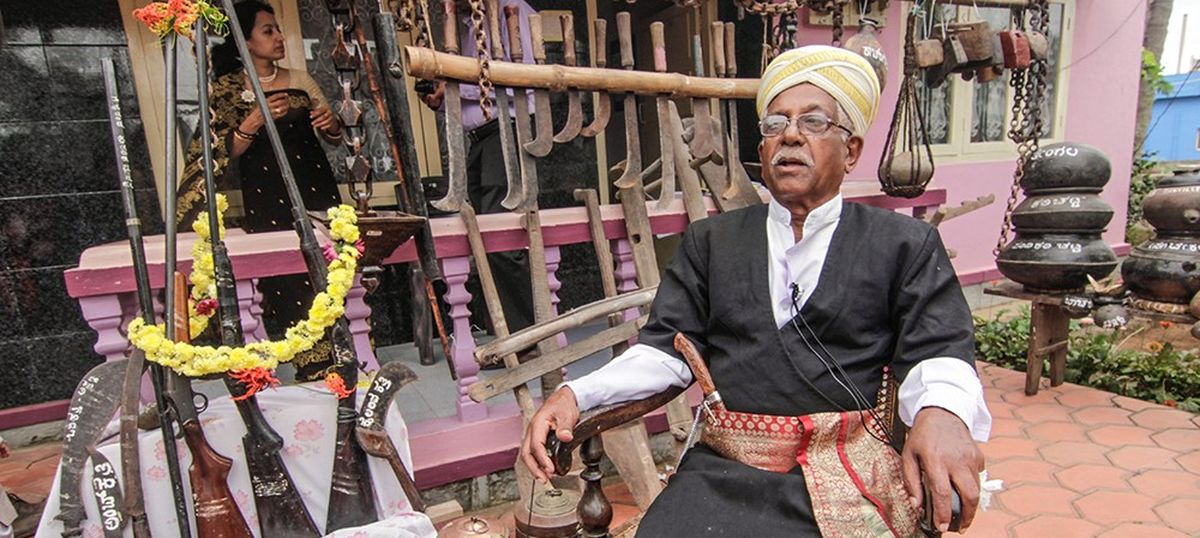
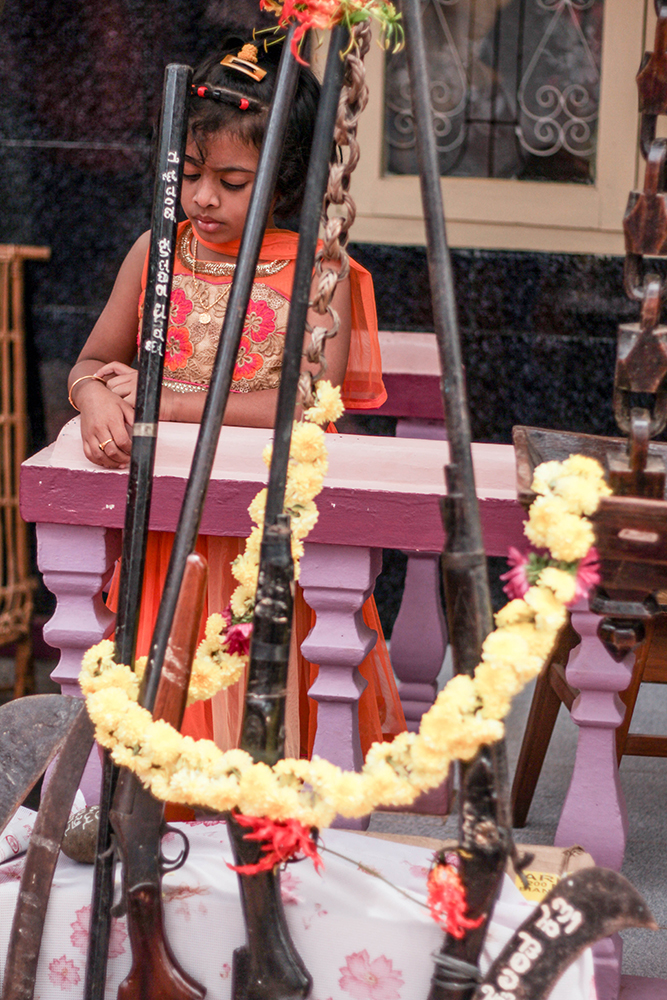
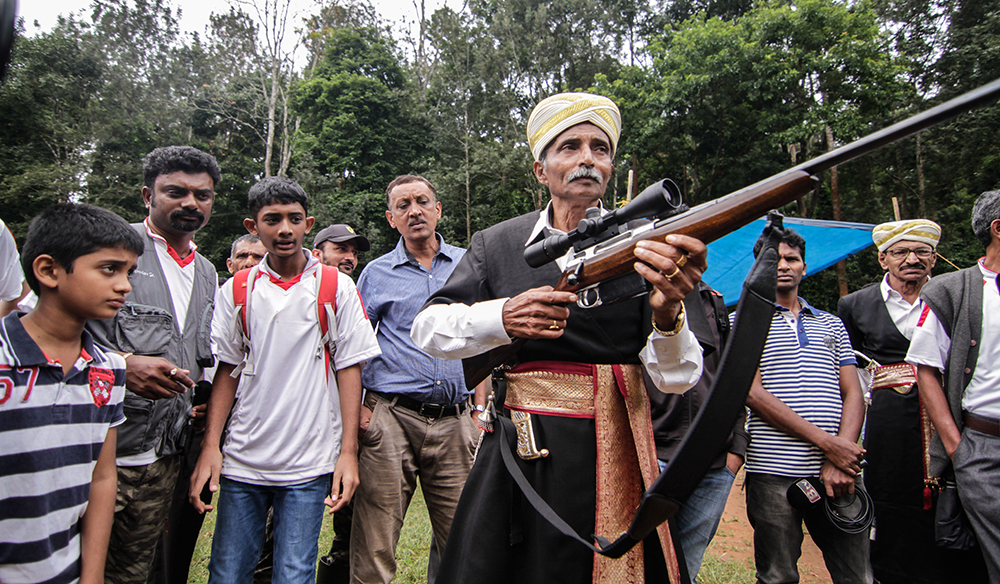
The Kodavas worship traditional farmhouse weapons such as war knives and long guns. They are cleaned and decorated with flowers and vermillion in the puja corner on the Kail Polud day. Sports such as shot-put and shooting at coconuts are arranged that afternoon. In the ancient times, this polud (celebration) marked the commencement of the hunting season, during the Kodava month of Chingyaar, when the Simha Rashi (Leo zodiac sign) is in prominence. While in the past people kept arms to use in wars, now they are kept as cultural symbols, to guard the crops and to ward away wild creatures.
Kaveri Sankramana is a festival dedicated to the river goddess Kaveri, the patron of the Kodavas. It happens on the first day of thulyaar, when the sun seems to enter the Libra zodiac sign. Ritual water is obtained from Talakaveri, the source of the river, and distributed among the natives of Kodagu.

A kalasha is worshipped in the houses and a vegetarian meal comprising dosa and pumpkin curry is prepared on that day. In the following month, pinda (ritual rice balls) is offered to or uttara kriya (last rites) is performed for deceased family members upon the banks of River Kaveri at Bhagamandala.

source: http://www.deccanherald.com / Deccan Herald / Home> Supplements> Spectrum / by Mookanda Kushalappa / December 06th, 2016

In the hills of Coorg, a martial tribe celebrates an annual festival with worship of guns

Kodava elders hope the festival of Kailpodh will encourage the community’s youth to enter international sporting events

Image credit:  Shawn Sebastian and Tejaswi Dantuluri
Image credit: Shawn Sebastian and Tejaswi Dantuluri

Deep in the sanctum of his 150-year-old ancestral home, Lokesh Achappa is surrounded by weapons. Dressed in a Kupya, the traditional Coorgi outfit of knee-length black overcoat, a gold and maroon sash with an ornate, carved silver dagger tucked in its folds, Achappa prays to an array of weapons: an antique double-barrel, a .22 mm rifle, traditional daggers and swords, all garlanded with flowers and smeared with sandalwood paste.

Once the ritual is complete, he steps out of the house, and a series of thundering gun shots reverberate across the valley.

Coorg, a district in Karnataka famous for its coffee, is home to the Kodavas, a martial hill tribe with a population of less than six lakh. Historically, the community has shared a deep connection with its weapons. Valiant guerrilla fighters and agriculturists, the Kodavas once defended territories with locally made bow-and-arrows. With the advent of firearms, guns became central to Kondava life. Weapons appear frequently in important social customs: births and deaths in the Kodava tribe are announced with gunfire, every newborn touches a bow and arrow, as initiation into the tribe. At the annual harvest festival of Puttari, one of the most important events on the Kodavas festival calendar, everyone in the valley opens fire.

Weapons are also celebrated at Kailpodh, the annual Kodavas (or Coorgi) festival in the first week of September which marks the end of hardships for the agrarian community – once the paddy has been transplanted. During the festival, Kodavas clean and worship weapons to express their gratitude for the protection they have offered.

“The period is a time for jubilation when distant families get together,” local resident Ashik Appanna explained.

Image credit:  Shawn Sebastian and Tejaswi Dantuluri
Image credit: Shawn Sebastian and Tejaswi Dantuluri

With the tightening of gun regulation laws, the ban on hunting, and due to large-scale migration of younger generation Coorgis, many have predicted that the Kodava weapon culture will disappear altogether. Elders of the Kodava community are hoping that festivals like Kailpodh will encourage young Kodavas to return to their traditional shooting skills.

Gun Rights and Regulations
In 1861, the British administrators granted Kodavas an exemption from the Arms Act, for their support to the East India Company in administrative and military affairs.

“Gun ownership is a birthright for us,” said Appanna Bacharinanyanda, an 80-year-old retired lecturer who exhibits antique Kodava weapons and utensils in his front yard every Kailpodh.

Bacharinanyanda says the Kodavas never “misuse” guns. He expresses a deep apprehension over the government’s attempts at over-regulating weapons: “These days authorities have started demanding bribes to grant us the exemption certificate, which is completely unacceptable.”

With the Wildlife Protection Act of 1971, hunting has been prohibited in India. The legislation came as a big blow to the Kodavas, for whom hunting was an integral part of life and survival.

Naveen Bidappa, a young Kodava lawyer, pointed to a photograph in his house of a man named Tiger Thimmaiah. In the picture, Thimmaiah stood next to a tiger he had killed and then tied to a tree.

“He shot 12 tigers, hence the name,” smiled Bidappa.

Since tigers posed the biggest menace for livestock, tiger hunters were once highly venerated figures in the Kodavas society.

“Narimangala (tiger-marriage) was a big tradition in the olden days,” he said. “The tiger hunter was married to the tiger he killed, and villagers would offer them gifts and cash as a mark of respect.”

Changing relevance of gun culture
In early September, scores of Kodava youth assembled at a school ground at the Coorgi village of Chettali. Each carried a gun.

Bidappa, a 70-year-old elder from the community, walked into the ground filled with curious onlookers, and shot a coconut hung several yards away to inaugurate the annual shooting competition that coincides with Kailpodh. He hit the bulls-eye with a single shot.

“Shooting skills are in our blood,” he said, shrugging at the crowd’s deafening cheers.

Over the last few years, shooting competitions that were once limited to households have turned into larger events, with an increasing number of shooting enthusiasts showing up from all over Coorg.

“Our aim is to prepare and pass down shooting skills to the younger generation,” Bidappa said.

Over the next five years, local shooting competition organisers plan to develop a shooting range in the village to groom young shooters, and train them for national shooting competitions.

“Festivals such as Kailpodh have found a new meaning in changing circumstances,” he said.

A Kodava shooting competition. Credit: Shawn Sebastian and Tejasvi Dantuluri

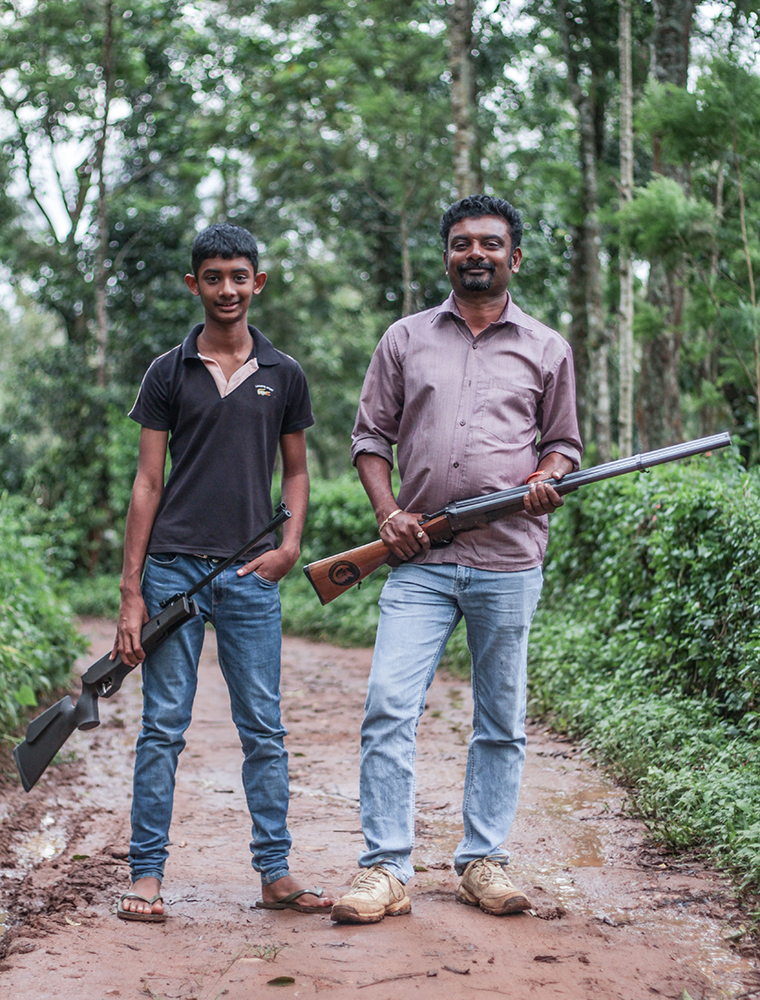
Fifteen-year-old Lakshan Ayyappa is a widely recognised face at Kodavas shooting competitions. He is the great-grandson of Tiger Thimmaiah, but has also established himself as an ace shooter in his own right – he has won more local competition prizes than he can remember.

“My target is to make it for 2020 Tokyo Olympics,” he said. Ayyappa first learnt to shoot at the age of five. He was taught by his mother.

“Whenever I see a new gun, I discuss it with my dad,” he said. “I know everything about its make, calibre, range, the cartridges used. I feel by the time we are born, we are already half trained.”

Like in Punjab, it is usual for Kodava households to send a member of their family to join the military. Many attribute this to early affinity Kodava youngsters develop with weapons.

Credit: Shawn Sebastian and Tejasvi Dantuluri

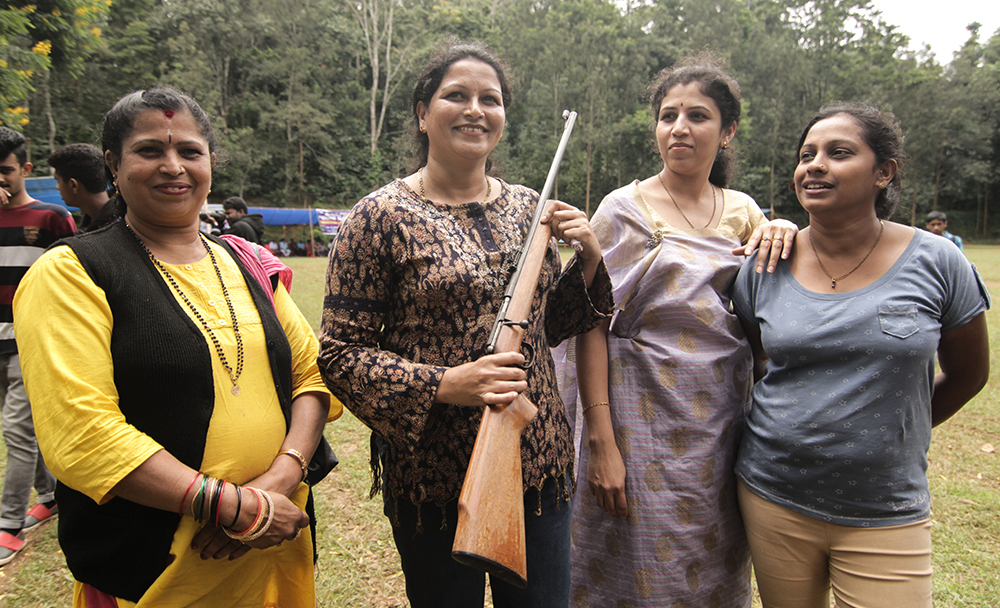
Shooting is not a male sport in the Kodavas tribe. Kodava women traditionally kept guns to protect their families when the men left for hunting and battle. Everyone from septuagenarian grandmothers to 16-year-old girls participate in local shooting competitions.

Credit: Shawn Sebastian and Tejasvi Dantuluri

Shooting is not a male sport in the Kodavas tribe. Kodava women traditionally kept guns to protect their families when the men left for hunting and battle. Everyone from septuagenarian grandmothers to 16-year-old girls participate in local shooting competitions.

Credit: Shawn Sebastian and Tejasvi Dantuluri

Several modern-day sports like shooting and archery have been born of indigenous communities across the world. In India, the attempts at unearthing such indigenous talents have been poor.

A few notable exceptions are people like Laxmirani Manji, from the Santhal tribe in Jharkhand who represented India in archery at the 2016 Rio Olymipcs, and Limba Ram of Ahari tribe in Rajasthan, an Arjuna awardee archer who represented India at three Olympics. If they are given enough support and attention, many modern-day Tiger Thimmaiahs might emerge from Coorg.

We welcome your comments at letters@scroll.in.

source: http://www.scroll.in / Scroll.in / Home> Magazine> After the News / Point & Shoot

Best of 2016: Climate change measured in coffee rain

As Karnataka roils over the Kaveri water dispute, the underlying cause is lowered climate resilience of the agro-forestry ecosystem in Kodagu’s coffee plantations

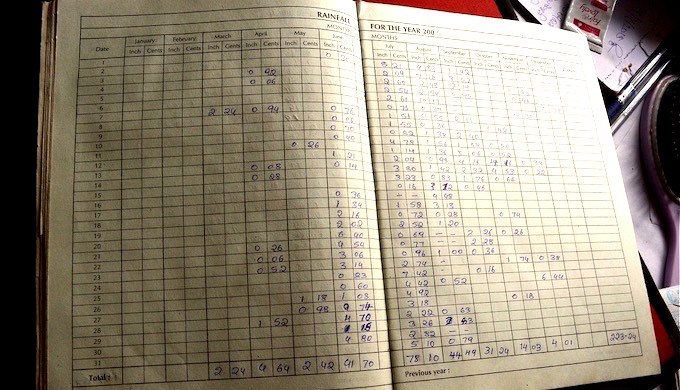
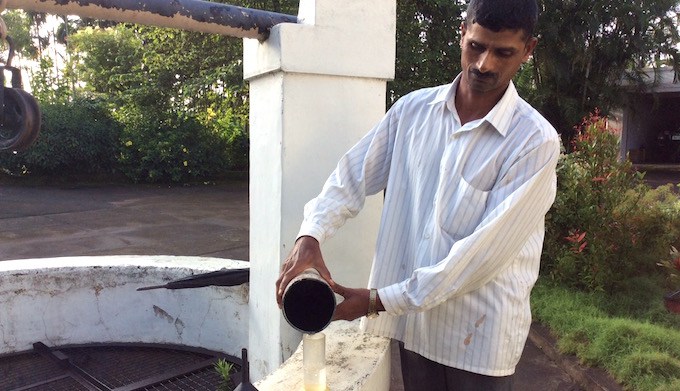
Coffee farmer B. B. Thammaiah’s rainfall record (Photo by S. Gopikrishna Warrier)

Coffee planters in the hill district of Kodagu in Karnataka are meticulous in keeping rainfall records in their estates. For some, the data goes back for decades. Their numbers tell the story of changing rainfall patterns, an indicator of climate change. The changing patterns also have an impact on the way they grow coffee, which has an effect on climate resilience in the hills and the plains.

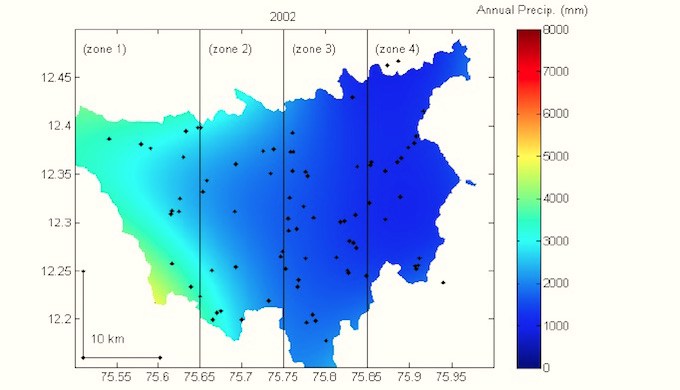
Due to the presence of this decentralised network of rainfall measuring stations, it is easier to obtain a nuanced picture of the precipitation trends for Kodagu, earlier known as Coorg, than in other parts of India. The average annual rainfall varies from above 5,000 mm in the western edge of the district to 1,200 mm in the east.

This data was used as part of the baseline survey by an international collaborative project to study the unique coffee agro-forestry system of Kodagu district. The College of Forestry at Ponnampet in Kodagu, as a participant in the Coffee Agro-forestry Network (CAFNET) project, has analysed the rainfall data of over 60 years from 116 coffee farms.

“Keeping meticulous rainfall data is part of the culture we inherited from the British,” said C.G. Kushalappa, university head for forestry and environment sciences at the College of Forestry.

The CAFNET report noted that the length of the rainy season had decreased by 14 days over the past 35 years. It also noticed a strong fluctuation in annual rainfall with an apparent cycle of 12 to 14 years.

Low rainfall in coffee land

Whether it is due to being the lowest point in this cycle or an El Nino changing rainfall patterns, 2015 and 2016 have been years of low rainfall in Kodagu. This is the second year of deficit rainfall in Kodagu. During 2015, it was deficient by 19%. As a result, the storage in the Krishna Raja Sagara dam reservoir, built across the Kaveri River immediately downstream of Kodagu district, has a 31% deficit this year.

On the ground measurements by coffee grower K.K. Naren in Kunda village near Ponnampet confirms this. “Our normal rainfall is 90 to 100 inches (2,200 to 2,500 mm). This year we have got 38 inches, whereas by this time we should have received 70% of the year’s rain.”

A farm worker measures rainfall in K. K. Naren’s coffee farm. (Photo by K. K. Naren)

Coffee planters are confused by the erratic rainfall of recent years. “Rain and weather patterns have become increasingly unpredictable in recent years,” said M.B. Ganapathy, head of plantations for Tata Coffee. “Even though the quantum does not seem to have changed, the rainfall is not well distributed any longer. There are long dry periods followed by heavy rain and high-velocity winds. This has made farm management difficult for us.”

Blossom showers affected

According to coffee farmer B.B. Thammaiah of Kolagadalu village, the erratic rainfall has meant that blossom showers, which usually take place between February and April, are missing in some years. This has an impact on coffee production, since this helps coffee flowers to blossom, ensuring good yields later in the year.

There is an ecological impact of this, according to Kushalappa. When the blossom showers became erratic, coffee farmers started irrigating during these months. For traditional coffee cultivation, it was a combination of mixed-shade trees plus blossom showers that gave a good yield. When the blossom showers were replaced by irrigation, the shade from the trees did not matter. The farmers’ dependence on the native trees decreased, resulting in their proclivity for letting the native trees die. These trees are being replaced by silver oak.

See: Bringing coffee back into the shade

There is also an issue of ownership that is leading to the clearing of forests. Thammaiah’s farm is in Kolagadalu village, not far from the western crest of the plateau deep in a forested valley. His farm receives more than 5,000 mm of rainfall every year. While in the valley floor he continues to grow rice as his forefathers did, he cultivates coffee in the shade of the forest trees. Though the forest may not be as thick as it was during his grandfather’s time, he plans to conserve it.

The landscape of Thammaiah’s farm is typical of what the people of Kodagu inherited. While historically joint families cultivated the rice paddies where they owned the land, they used the forest for collecting mulch and firewood and grazing cattle. The families do not have property rights over the trees, which belong to the government.

Economics of silver oak

Silver oak, on the other hand, can be planted, cut and sold. M.C. Cushalappa, a coffee farmer from Siddhapura, said that silver oak yields a two-fold benefit to coffee farmers. One, it can supplement the family’s income in times of need. Two, its straight trunk can be used as a support for pepper vines, which bring more additional income. With no ownership and no economic stake on the native trees, farmers do not have an incentive to keep them alive.

Cushalappa’s family has paid the price of the native trees to the government and obtained ownership over them. “This encourages me to maintain the native tree species in my farm, unlike most of the other farmers in Kodagu.”

The coffee agro-forestry system of Kodagu is of immense importance ecologically; not only does it provide climate resilience to the hill communities but provides water to millions downstream through the Kaveri. The current acrimony over the waters of the Kaveri between Karnataka and Tamil Nadu have led to violent protests.

There is a problem though. Unlike in other parts of the country where the forests are fully under the control of the forest department, in Kodagu they are under the combined control of the department and thousands of coffee farmers. It means that it is difficult to give them a protected status. It is not as if the forest department it always the best protector; but uniformity in control has the potential to improve conservation practices.

Geographical location of coffee farms where rainfall data has been collected for 70 years and a map of rainfall distribution generated with these data points as an exmple for the year 2002. ( Image by College of Forestry, Ponnampet)

“The majority of forests in Kodagu are not notified and hence for their upkeep thousands of coffee farmers have to be incentivised,” a forest department official said, speaking on condition of anonymity. “About 90% of the catchment of the Kaveri river before the Krishna Raja Sagara reservoir is in Kodagu. There is need for a mindset change so that the farmers conserve the native trees and biodiversity.”

Through the CAFNET study, the ecosystem services could be quantified. “We looked at the role of native trees and silver oak to study their hydrological impact. Our team studied how much of the rain was intercepted, how much came through the stem, how much got run off, and how much got recharged,” noted Kushalappa.

The magic of native trees

The study found that increasing the proportion of exotic species such as silver oak in the shade cover composition had little impact on rainfall interception since trees intercept less (1% to 6%) than coffee plants (9% to 22%). Although there are lower quantities of water from native tree plots going to rivers than from the exotic tree plots, the higher contribution of evaporated and transpired water from native trees have a positive impact on the microclimate. Further, large canopy and deep-rooted systems of the native species help in the percolation of water to deeper aquifers, mainly during the monsoon.

Thus, native trees held the rainwater as it fell torrentially, and released it gradually into the rivers. At the same time they created a climate-resilient environment in the farms.

The mixed agro-forestry systems also helped in sequestering carbon. The CAFNET studies showed that Arabica coffee grown under the shade of mixed species sequestered more than the reference forests. Arabica coffee grown under silver oak sequesters marginally less than Robusta grown under native trees. Robusta grown under silver oak sequesters substantially less than the other combinations.

The missing blossom showers could be adding to the reasons for coffee farmers opening their canopies. On the flip side, the farmers’ actions could result in more carbon in the atmosphere, making rainfall more erratic in Kodagu.

source: http://www.indiaclimatedialogue.net / India Climate Dialogue / Home> Impacts / by S. Gopikrishna Warrier / December 27th, 2016

Traditional gaiety marks ‘ Huthri ’ festival in Mysuru

The members of Mysuru Kodava Samaja seen with the newly harvested paddy crop during Huthri festival celebrations in city last evening.

Mysuru :

Hundreds of Kodava community members celebrated “Huthri” festival in city last evening with traditional fervour.

The festival symbolises harvest season and the arrival of grains (wealth) into a Kodava home. The festival was organised by Kodava Samaja – Mysuru at Sree Cauvery Educational Institutions premises in Kuvempunagar.

Kodava men and women were dressed in their traditional best. The celebrations reflected traditional Kodava culture. The ritual of “kadiru” cutting was performed by hockey coach Kotera Muddaiah amidst gun salute and cheering of “poli poli deva”, praying for prosperity, by the members.

Later, the harvested bundles of paddy were brought into a decorated hall, pujas performed to Lord Igguthappa and Goddess Cauvery. “Kadiru” and the traditional dish of “Thambittu” were distributed to the gathering. On stage, a series of cultural programmes were performed including “Balopaat”, Bolakaat”, “Kolaat”, “Kathiyaat” and “Ummathaat”.

Prizes were distributed to the winners of the recently held Kodava cultural competitions organised by the Federation of Kodava Samajas where members of Kodava Samaja Mysuru had won prizes in eight of the nine competitions.

President of Mysuru Kodava Samaja Moovera K. Kuttappa, Vice-President Ballyamanda M. Nanaiah, Honorary Secretary Mandira P. Kalaiah, Joint Secretary Chottekalappanda Prema Uthaiah, Treasurer Mechanda M. Ponnappa and others were present on the occasion.

KODAGU GOWDA SAMAJA

The festival was also organised by Kodagu Gowda Samaja at the Gowda Kalyana Mantap in city. Paddy was traditionally harvested and pujas were performed to Lord Igguthappa and Goddess Cauvery. Later, the traditional “Thambittu” was served to the participants. Community members performed various traditional dances praying for prosperity of the land and its people.

Kodagu Gowda Samaja President Chettimada U. Janardhana, Vice-President Kodakandi G. Bharath Kumar, Secretary Kuntikana S. Ganapathy, Jt. Secretary Neyanni K. Ramesh, Treasurer Kadyada Ravi Bheemaiah and others were present.

source: http://www.starofmysore.com / Star of Mysore / Home> General News / December 14th, 2016