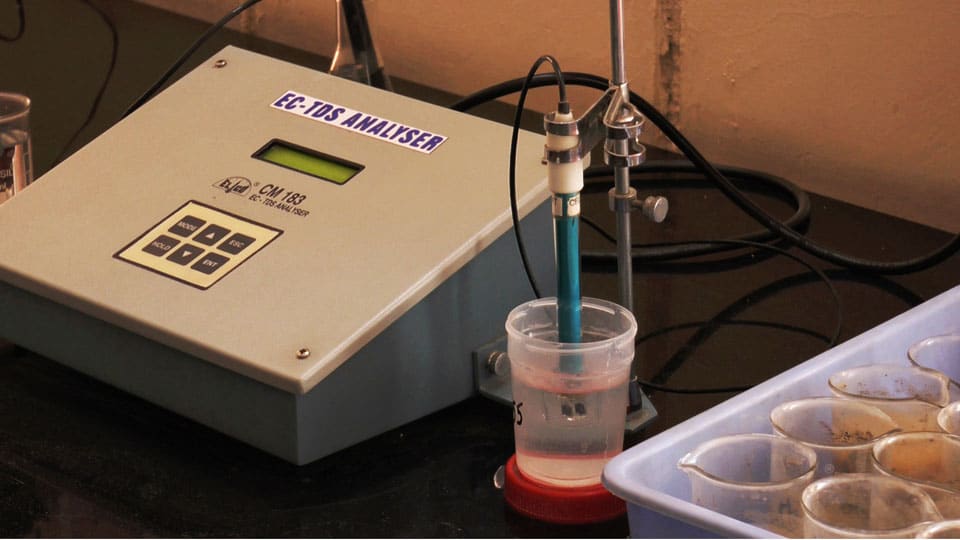
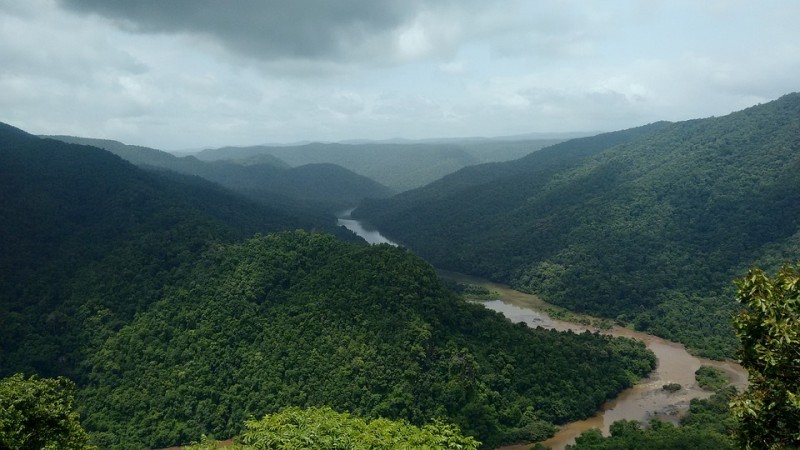
Thousands of farmers in South Kodagu now look forward to better yield as Gonikoppal gets a new digital soil testing centre. The Coffee Board launched the testing centre last week following demands of farmers and growers.
Earlier, farmers of Virajpet taluk had to travel 50 to 70 kms to give soil for testing centres at Chettalli and Koodige and both the centres are in Somwarpet Taluk. Farmers in Virajpet were deprived of a testing centre.
Coffee Board Senior Liaison Officer said it took two hours to find the potential of hydrogen (PH) value of soil and five hours to find nitrogen, phosphorus and potassium (NPK) in soil.
source: http://www.starofmysore.com / Star of Mysore / Home> News / December 28th, 2017
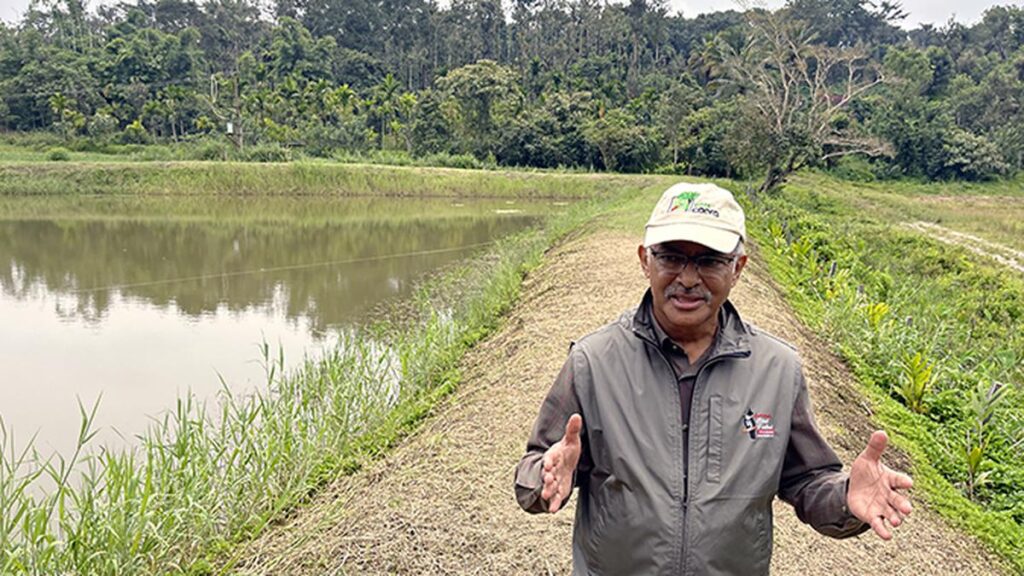
C.G. Kushalappa, scientist and retired dean of College of Forestry in Ponnampet. | Photo Credit: K. MURALI KUMAR
Expressing concern over the change in rainfall pattern and temperature in Kodagu, an expert well versed with the hilly district’s ecosystem has suggested that the government should ask research centres to collate rainfall data from farmers’ rain gauges to study the impact of climate change on the district’s ecosystem as well as catchment area of river Cauvery.
“Kodagu has a practice of almost all the farmers keeping rain gauges in their estates and maintaining daily rainfall data for several decades. The government should ask reputed research centres to get such data from farmers to assess the impact of climate change,” says C.G. Kushalappa, former dean of College of Forestry, Ponnampet and an expert on Kodagu’s ecosystem.
“The need of the hour is to study and understand the patterns related to impact of climate change on different areas of Kodagu through micro-level data,” he says. This is because the impact of climate change varies in different areas within the small district. Analysis of rainfall data from 110 farmers had showed a pattern of rainfall going below 50% of average two times once in 12 years.
source: http://www.thehindu.com / The Hindu / Home> News> India> Karnataka / by B S Satish Kumar / October 29th, 2023
‘Cauvery Maha Aarathi’ , an initiative started in 2010 to create awareness, will complete 150 months of continuing rituals to the river this month.
A sacred ritual, as part of the ‘Cauvery Maha Aarathi’, at Kushalnagar in Kodagu district. (Photo | Express)
Madikeri :
The looming water scarcity and the need to protect rivers are evident from the ongoing Cauvery dispute between Karnataka and Tamil Nadu. It was over 12 years ago that a few organisations from across Karnataka and Tamil Nadu urged residents to preserve and protect River Cauvery from its birthplace in Talacauvery to Poompuhar in Tamil Nadu. ‘Cauvery Maha Aarathi’, an initiative started in 2010 to create awareness, will complete 150 months of continuing rituals to the river this month.
The ritual has also spread to the banks of the river at Ramanathapura in Hassan district. “Seers and a few citizens from Karnataka and Tamil Nadu visit Talacauvery every year and start off the ‘yatra’ towards Poompuhar. They visit all the important places located by the banks of Cauvery from Kodagu to Tamil Nadu, and spread awareness amongst the public to protect the river,” he added. The ‘yatra’ will be carried out by a group of seers this year to coincide with the 150th full moon day, and the Cauvery Maha Arathi ritual will be held on October 20.
“Cauvery was offered puja on the full moon day for the 149th month on September 29. The ritualistic puja is a sacrosanct reminder to everyone to protect and prevent pollution of the river. If the Cauvery is not protected, the water crisis will worsen, and we want to create awareness about the same,” explained Chandramohan, a member of the Cauvery Maha Arathi team and convenor of the Cauvery Swachata Andolana forum.
The 149th puja was performed on the banks of the Cauvery at Kushalnagar and the event highlighted the need to look at the river as sacred in order to protect her. “For the past 12 years, we have been creating awareness among locals and tourists against river pollution. A few renowned seers suggested that we start something similar to Ganga Aarathi and the initiative began,” he said, adding that apart from the ritual puja on every full moon, a ‘yatra’ from Talacauvery to Poompuhar is also held annually.
source: http://www.newindianexpress. com / The New Indian Express / Home> States> Karnataka / by Express News Service / October 02nd, 2023
By paying the amount through e-payment at any post office, devotees can receive e-prasada at their doorsteps.
Post offices in Karnataka. (Photo | Special Arrangement)
DAVANGERE: People need not rush to Talakaveri on the “Tula Sankramana” day to get the Kaveri Theerthodbhava, the gushing of Cauvery water from ‘Brahma Kundike’ at Talacauvery. India Post in association with the Hindu Religious Institutions and Charitable Endowments Department will be delivering the ‘Sri Talakaveri Temple Prasada,’ at your doorsteps through the post at just Rs 300.
By paying the amount through e-payment at any post office, devotees can receive e-prasada at their doorsteps. The prasadam is handed over to any of the remotest houses through the branch post office network of India Post.
Speaking to TNIE Superintendent of the Post offices Davanagere division, Chandrashekhar said, “Under the diversified business undertaken by the India Post, we are supplying the prasad to the devotees’ doorsteps. Understanding the importance of the auspicious ‘Tula Sankramana’, India Post has taken the initiative of supplying Kaveri Teertha to the devotees,” he added.
Further, he said that the devotees need to come to the nearest sub-post offices or Davanagere head post office for booking for the E-prasada after which our postmen will deliver the Prasad to their homes.
source: http://www.newindianexpress.com / The New Indian Express / Home> States> Karnataka / by G. Subhash Chandra / Express News Service / September 15th, 2023
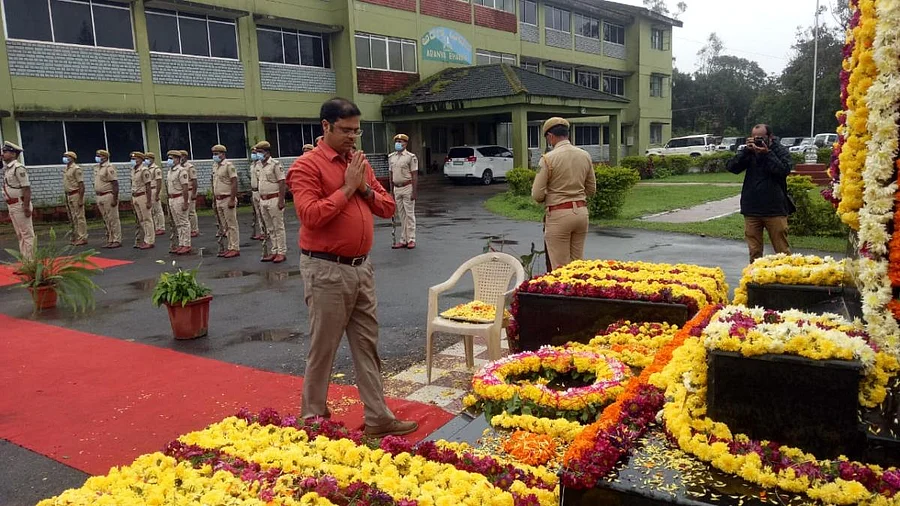
National Forest Martyrs Day was observed on Saturday by placing a wreath near the memorial in Aranya Bhavana in Madikeri.
National Forest Martyrs Day was observed at Aranya Bhavana in Madikeri; the sacrifices of forest staff were remembered.
September 11 is observed as National Forest Martyrs Day.
As many as 363 people from the Bishnoi community opposed the felling of trees in the Khejarli region. The trees were felled for a new palace to be built for Maharaja Abhay Singh of Jodhpur.
A total of 363 Bishnoi people were killed by the soldiers on September 11 in 1730. The Central Government, considering the sacrifice of the Bishnoi community, declared them as martyrs and announced September 11 as National Forest Martyrs Day.
Four martyrs from the district were remembered on the occasion.
Officials said that the forest personnel sacrifice their lives while safeguarding forest and wild animals. There is a need to conserve natural resources and wild animals for future generations.
Kodagu Circle Conservator of Forest Takhat Singh Ranawat, Madikeri DCF A T Poovaiah and others were present.
source: http://www.deccanherald.com / Deccan Herald / Home> India> Karnataka / by DHNS / September 12th, 2021
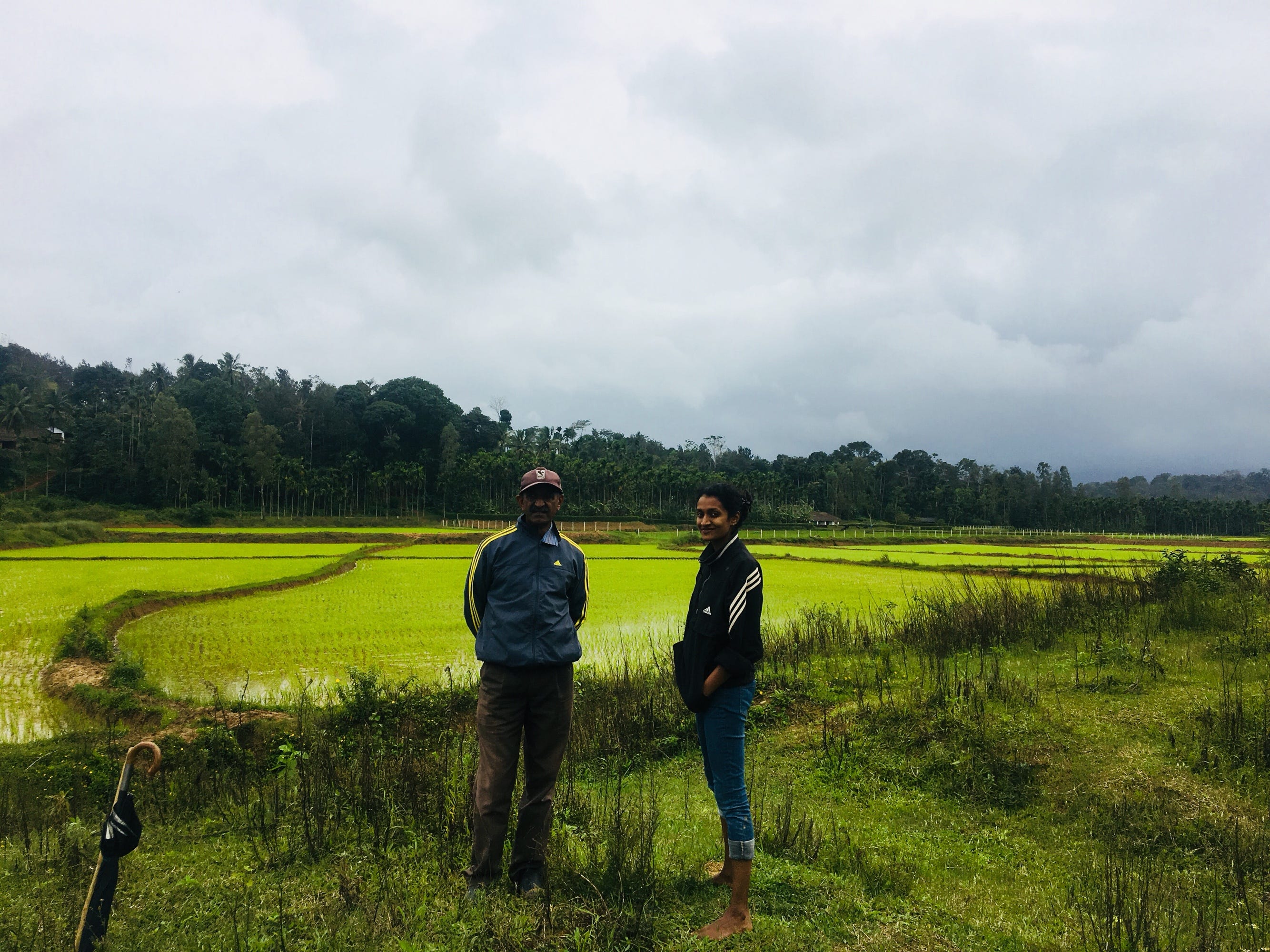
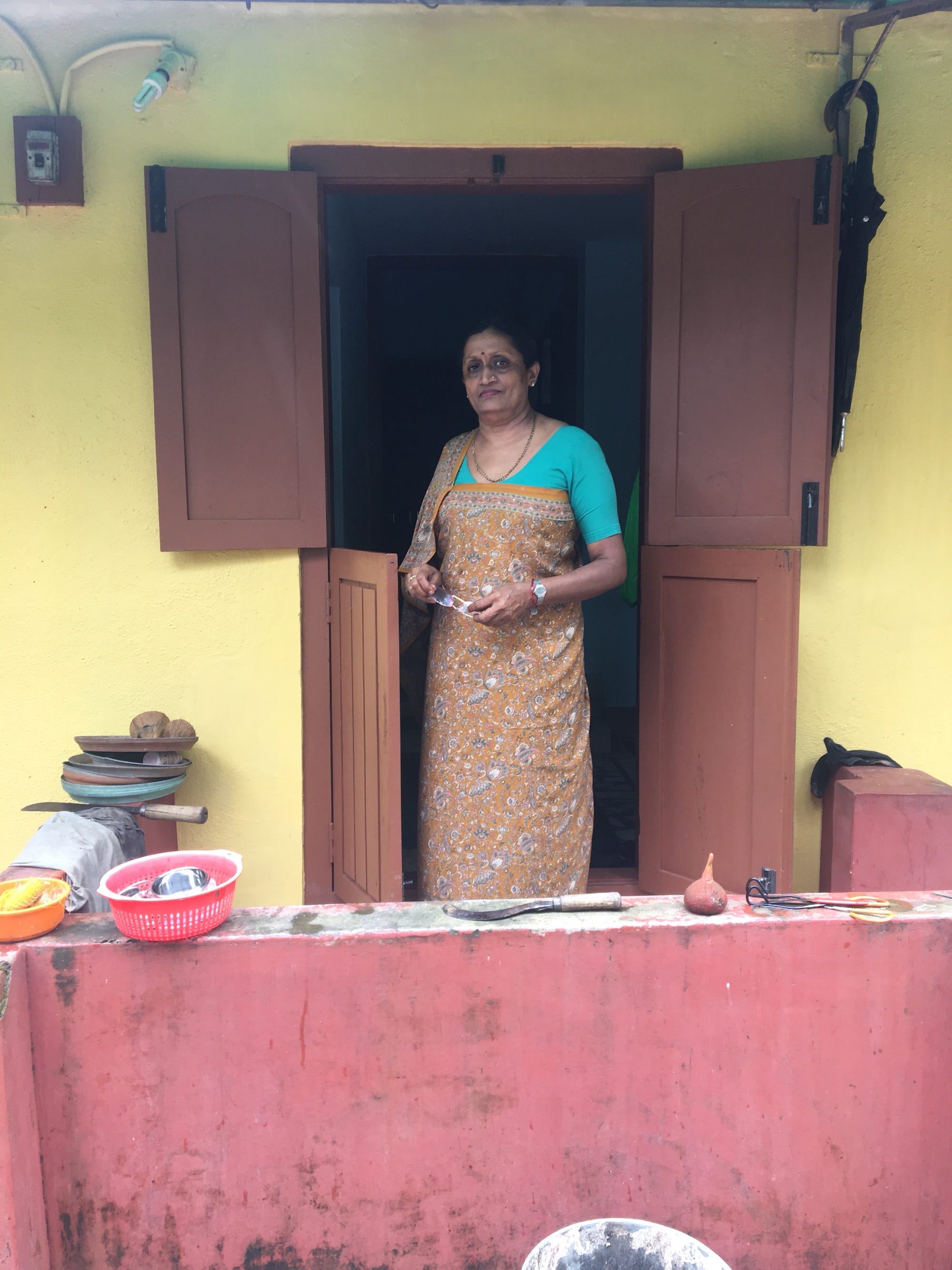
Kechamada Uthapa and his daughter Pooja taking me on a tour of his paddy land.Mrs Uthappa in their home in Kutta, Coorg.
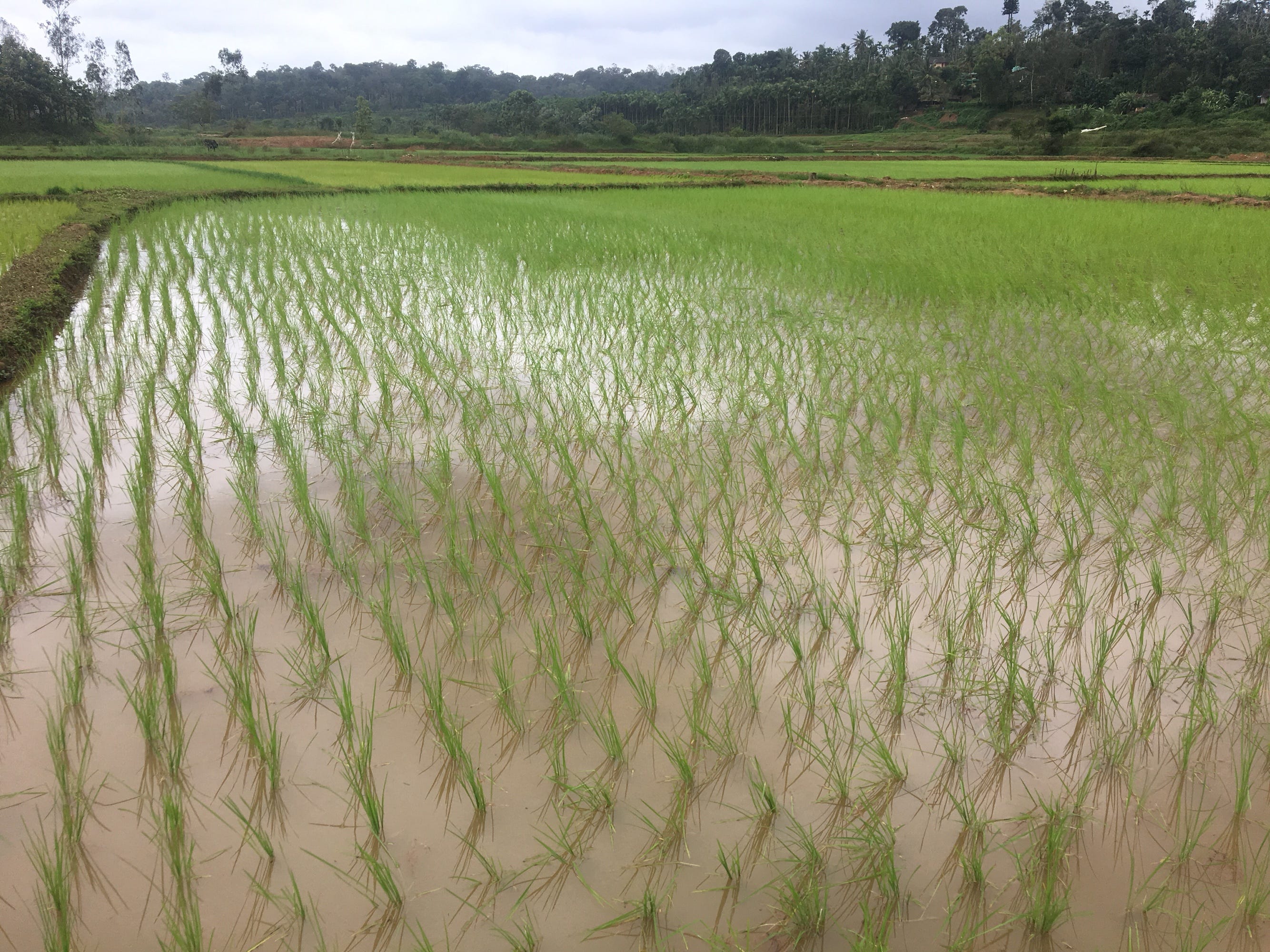
Two weeks before the devastating rainfall that destroyed large parts of Coorg, I had the privilege of spending a few days with Mr Kechamada Uthappa, and his family. Mr Uthappa, who lives in the Kutta region of Coorg, is one of the few planters who still grows paddy. A little known fact is that paddy is the traditional crop of Coorg and not coffee, that it is now famous for.
After an interesting conversation with his daughter Pooja, an environmental engineer, I learned that paddy cultivation actually helps with rejuvenating the river. So I made way up to Coorg to see this for myself. While I did learn about how this happens, it was the warmth from Mr Uthappa, with his wry sense of Kodava humour, incredible energy at 67, infinite patience in answering my questions, his wife who gently guides the whole household and his daughter, who is a true a daughter of the soil, gave me an incredibly real and fulfilling experience in this ‘digital world’, it honestly made me happy.
After meeting them, I have come to believe that, If geography is destiny, then the people of Coorg are the guardians of River Cauvery.
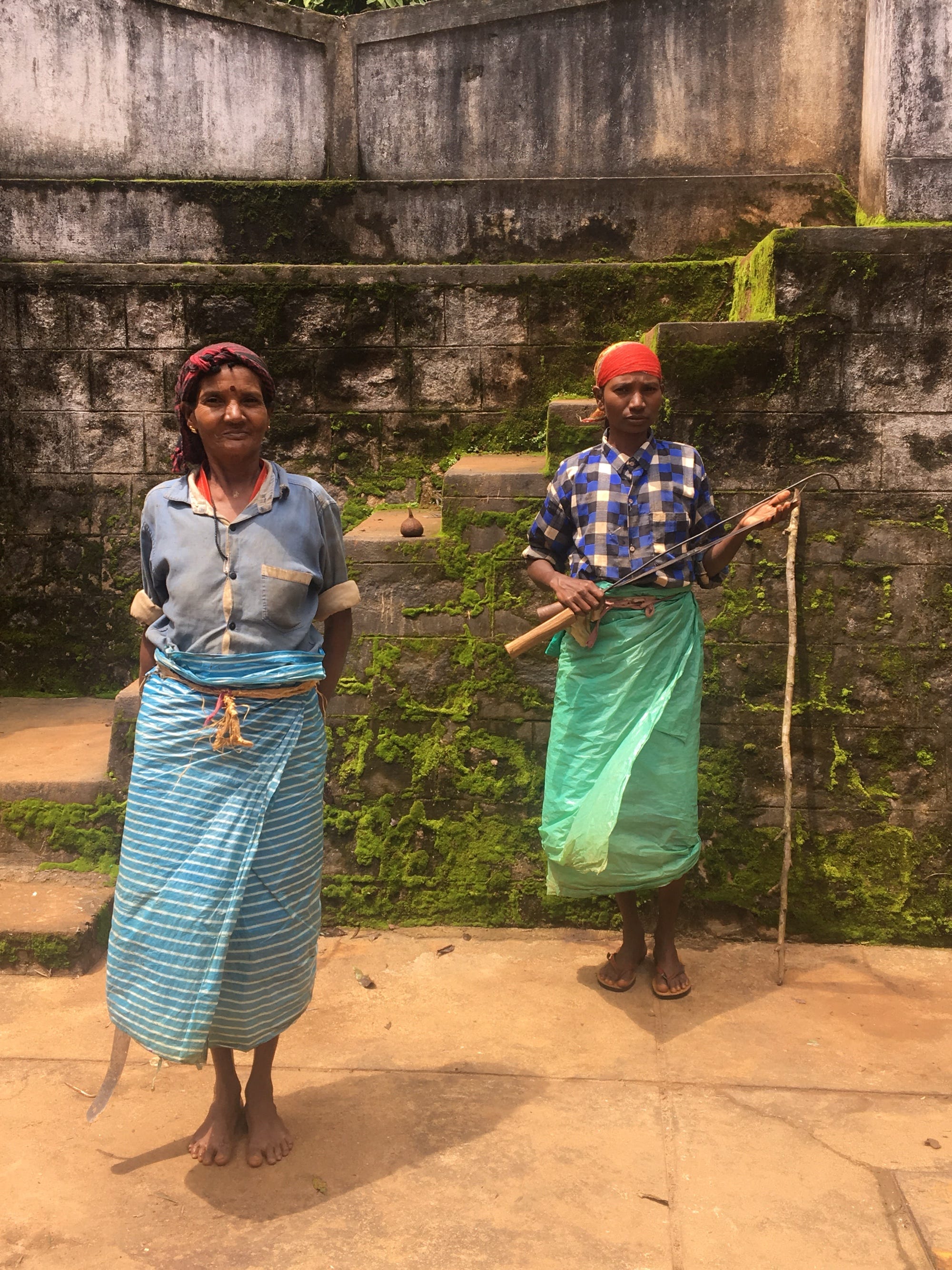
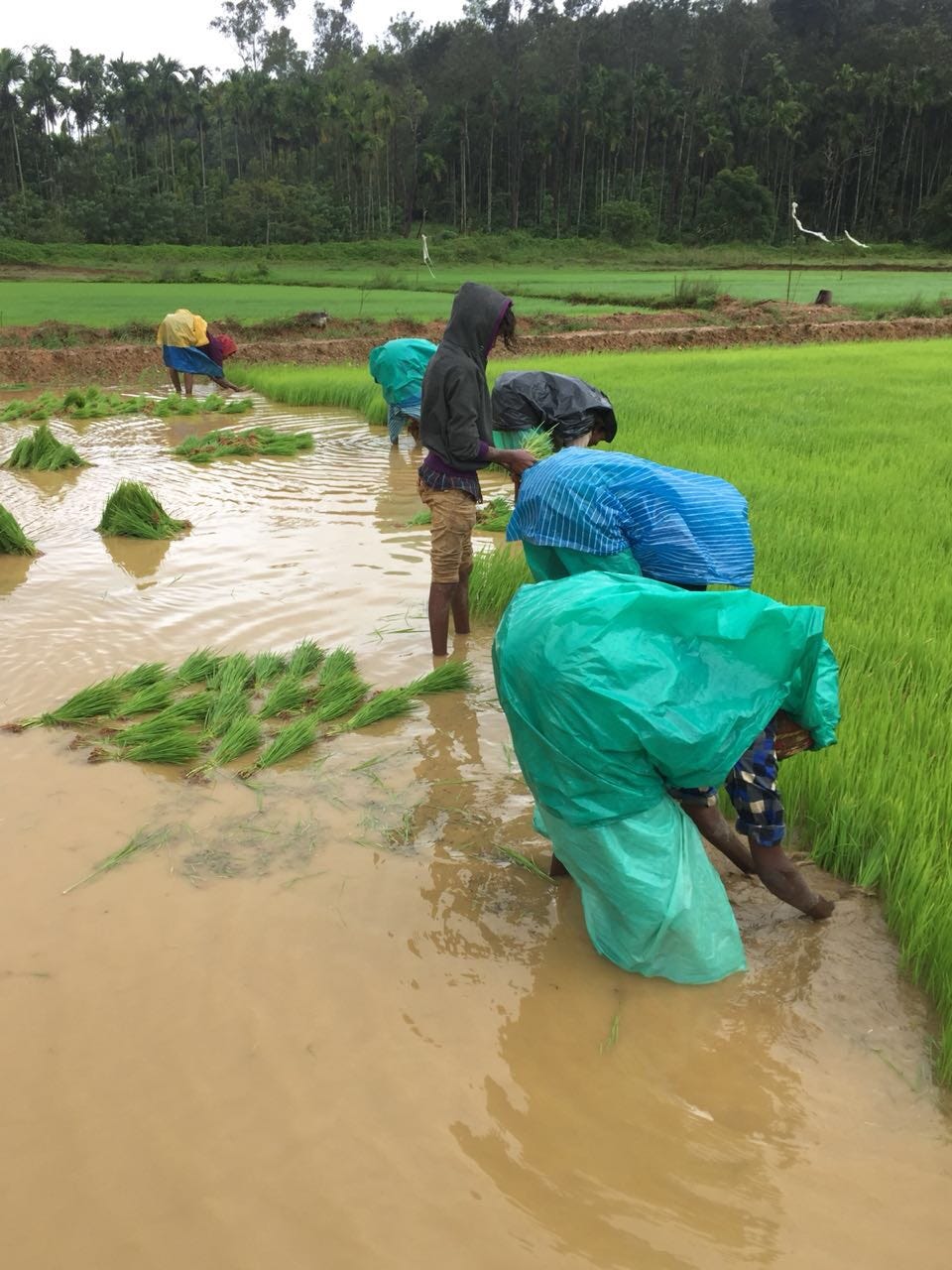
Paddy plantation Women who work in the fields and estate, totally impressive.Women who work in the fields and estate, totally impressive.
In the old days the land was seen as a boon from the Goddess Cauvery and the land belonged to her. They celebrated the river and did everything in their power to care for her. To them it was ‘Cauverammas Bhoomi’.
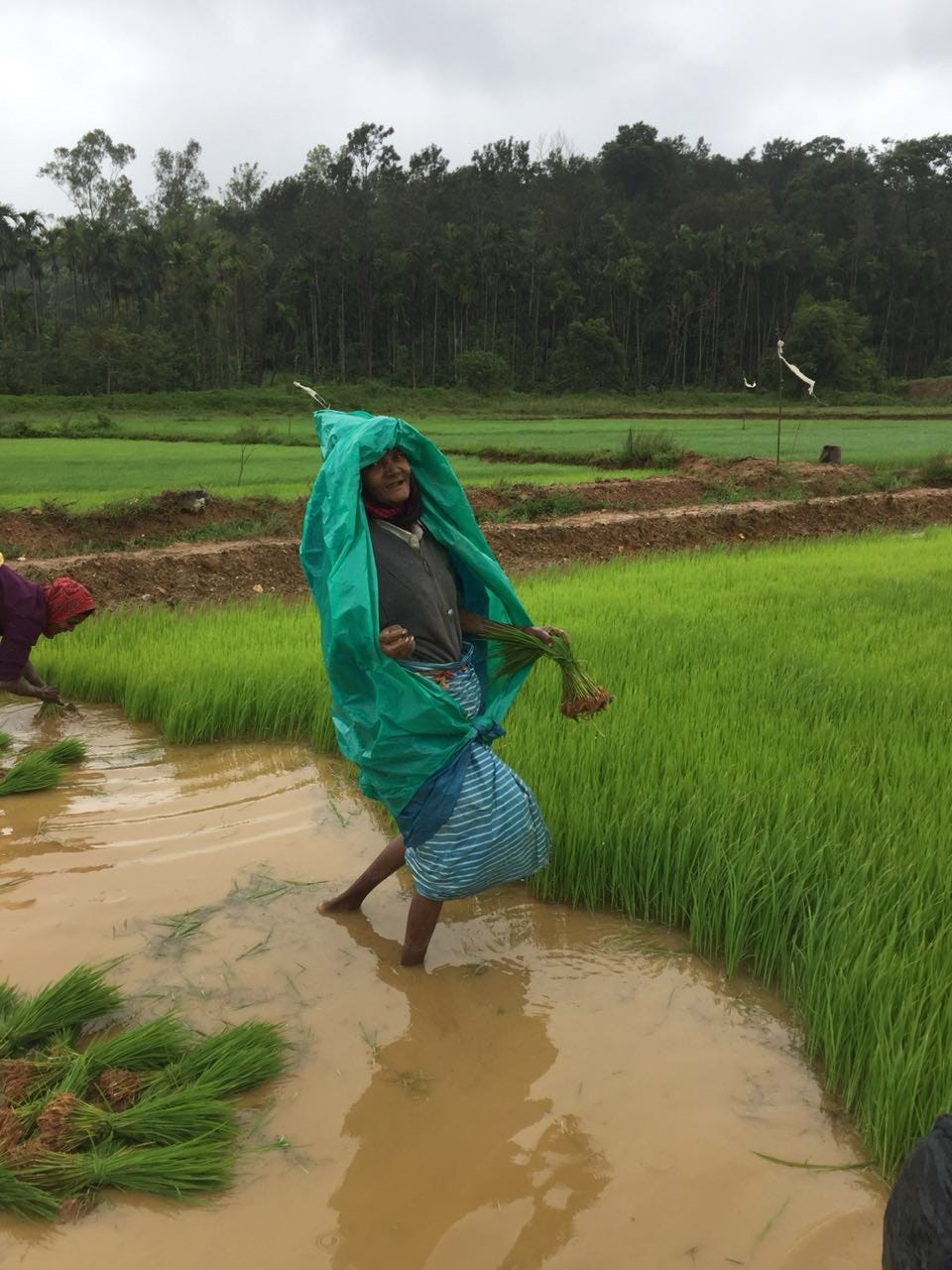
‘Naati Pani’or paddy cultivation is what deeply connected the people of Coorg to their land and River Cauvery. It was also the most exciting time of the year, with every one coming together, it was almost like a celebration of the river itself. Owners used to plough the land themselves and shared a close relationship with the workers. Everyone would sing songs of the Cauvery to make their work light. They valued the river because she provided for them. They worked hard for their food and rice was a staple in their diets – think akki ottis and kadambuttus. Rice is not something they ordered online, unlike our generation who have a very transactional relationship with food.
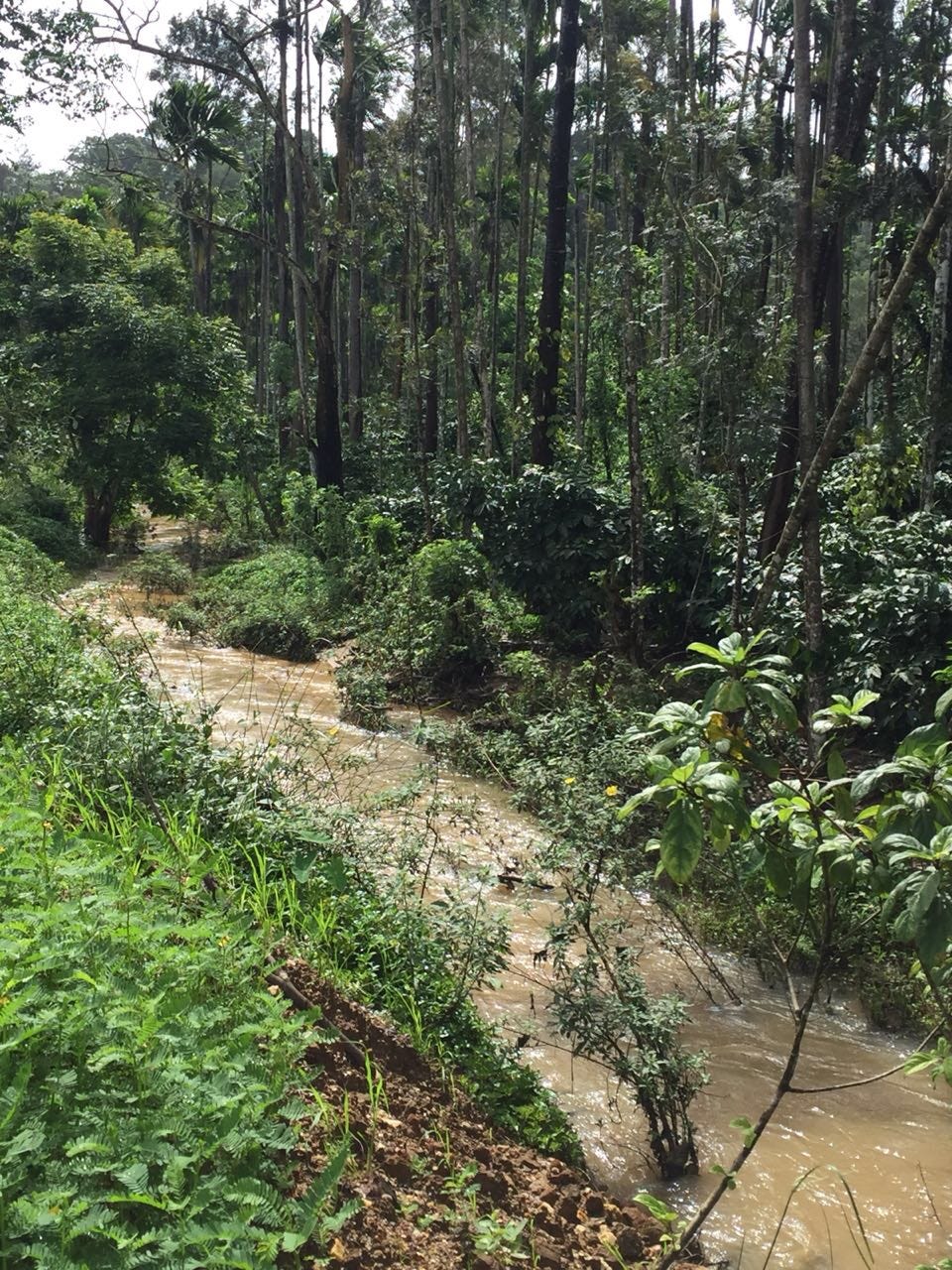
Workers planting PaddyStream going back into the Lakshman Tirtha
‘Naati pani’ requires a lot of work and patience. Infact, Mr Uthappa says that it requires ‘Aar-Ambu’ or 6 arrows – fertile land, cattle, workers, rain, seeds and implements. The relationship with ‘Naati’ is also very intrinsic with water – The rain feeds the fields and the fields feed the river and recharge the ground water. Most planters today have even built large tanks to harvest rain water.
The land is divided into multiple fields and work begins in the cold wet monsoons and ends six months later. Mr Uthappa remembers how his grand mother would wake them up at 4 am to begin paddy work in the fields – she would ensure there was enough food and drink for everyone including the labourers.
pix04
The paddy land is usually dived into Baleya theva – the biggest field, the Yaka – the sowing field which was slightly elevated so that it could retain water and was always situated closest to the stream, Chali or the central field allowed for the flow of water and Podup which is clay soil that has spring like properties and the Pada butta bel or fallow land.
Each of these fields is fed by rain water and controlled by shallow streams which is then fed back into the river. Mr Uthappas fields feed back into the Lakshman tirtha, a tributary of the Cauvery. Most of the knowledge and traditions and even geographical understanding on what should be grown is passed down orally and Mr Uthappa is hopeful that today, even though most of them don’t encourage their children to work in the fields there will be a time when everyone will come back to their roots.
The end of ‘Naati pani’ is celebrated with Kail-Podh. In keeping with their martial traditions all the implements would be polished, decorated with the ‘Thok-poo’ (which is now available only in the ‘Devara Kadus’ or Sacred forest groves maintained by each village). It was also a time where they could enjoy a break from their hard labour of ‘Naati pani’ and food, song and folk dancing would be indulged in.
Unfortunately, today most of the paddy fields are being left fallow or being converted into ‘holiday home sites’, reducing the ground water levels, changing the culture and even the food habits. The koile meen (fish commonly found in paddy fields), local rice varieties like Doddi and Boliya are fast disappearing. Reality is that rice is now being bought by the Karnataka government from Andhra Pradesh (where incidentally I am from).
It hit home when Mr Uthappa, told me of a kodava saying, “if you want to ruin a man you don’t need black magic, all you have to do is ask him to replace paddy for coffee or other crops and the land will run dry.” It makes you think if you would still be able to relish your cup of ‘bella coffee’ if there was no paddy planted in Coorg?
So as you celebrate Kail-Podh this year with Pandhi curry and Kadambuttus, or have ever visited Coorg and enjoyed her hospitality, remember that you are the guardian of River Cauvery and send out a special thought to all that she has provided.
Follow our series about the #CultureOfWater @SaveRiverCauvery on Facebook, Twitter and Instagram.
source: http://www.medium.com / Medium.com / Home / by Rohita R Madappa / September 02nd, 2018
Growers of coffee and pepper, the key commercial crops in the district, may land in trouble, if the situation continues.
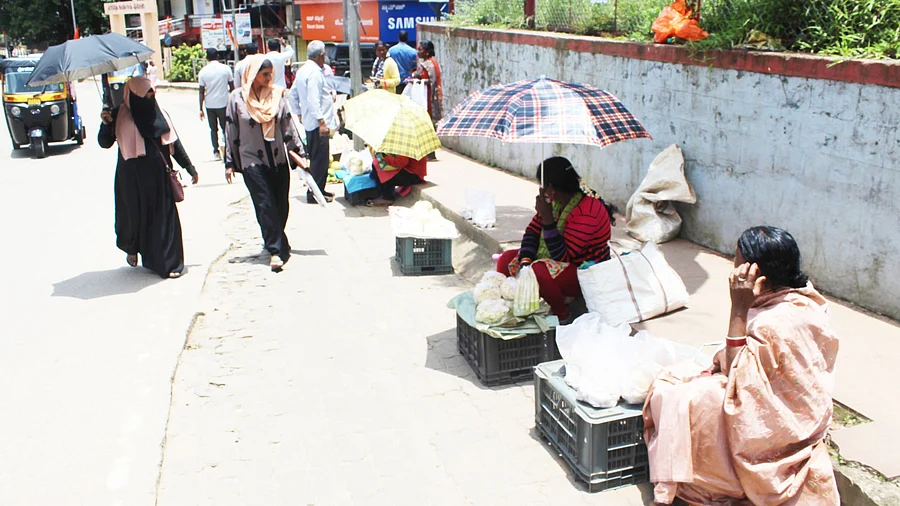
People and street vendors use umbrellas to protect themselves from the scorching sun in Madikeri, an unusual scene in August. Credit: DH Photo
In monsoon every year, Kodagu is among the districts to receive the highest rainfall in the state. But this year, except for a few days in July, the rains have played hide and seek here.
The situation is best captured in the maximum temperature of 30º Celsius recorded in Kodagu district on August 11, creating panic among people, especially agriculturists.
Usually, August is a wet month for the district. The rains bring down the temperature to less than 25º Celsius. However, this time, the rains are conspicuous by their absence, pushing up the mercury levels. The 30º Celsius recorded in August this year is the highest in the last five years.
It is common sight for people to sport umbrellas for protection when the skies open up. But umbrellas are out for an unusual reason in the district these days, protection from the hot sun.
Coffee & pepper
It is now common talk in the district that growers of coffee and pepper, the key commercial crops in the district, may land in trouble, if the situation continues. There has been no rain in the first 15 days of August. This month, there is a 81% shortage of rains.
Instead of the normal of 31 cm rain, there was only 5 cm rain. In the current monsoon, the district is facing a 42% deficit in rainfall.
Coffee grower Harish Madappa from Srimangala said the Lakshmanateertha river was not even half full.
Drinking water
In previous years, there would usually be floods in the river. The situation is so dreary this time that there could even be a shortage for drinking water, he said.
Agriculture department joint director Shabana M Sheikh said that only 40% transplantation of paddy has been undertaken in the district this year. The crops will be affected, if there are no rains in the near future, she said. Krishi Vigyan Kendra weather expert Chengappa said the monsoon clouds are weak as of now. There is no possibility of heavy rain in the next five days, he said.
Special prayers
The Akhila Kodava Samaja has planned to offer special prayers at the Padi Iggutappa temple on August 17 for rains. The Samaja’s youth wing president Chammatira Pravin Uttappa said this was the first time he had seen prayers being offered for rains in the month of August.
source: http://www.deccanherald.com / Deccan Herald / Home> India> Karnataka / by K S Girish / August 17th, 2023
A PIL has been filed regarding this and a court case is going on. Besides, the Harangi Project Division officials have now sought a ground report from scientist
Image used for representational purposes only. (Photo | Wikimedia Commons)
Madikeri :
Water mismanagement in Harangi Reservoir in Kodagu has been allegedly causing frequent flooding in the low-lying areas of Kushalnagar and the sudden water release in 2018 was blamed for triggering landslides in the catchment areas.
A PIL has been filed regarding this and a court case is going on. Besides, the Harangi Project Division officials have now sought a ground report from scientists. “A team of scientists from the National Institution of Hydrology was invited to submit a ground report on Harangi Reservoir and the Cauvery Catchment areas.
With the court case underway, we have been asked to submit a report of the ground situation,” confirmed KK Raghupati, Superintending Engineer of Harangi Project Circle. The scientists visited the reservoir and the catchment areas across Hattiholey, Nandi Motte, and Thanthipala regions near Harangi and tested the soil and groundwater levels.
As Puttaswamy confirmed, the scientists had also visited the regions in June last year. “Last year, the soil content and groundwater level were checked before the monsoon. Now, the same reports are collected during monsoon. An expert report will be readied in a week or two to be submitted to the Minor Irrigation Department and the court,” said Puttaswamy.
source: http://www.newindianexpress.com / The New Indian Express / Home> States> Karnataka / by Pragna GR / Express News Service / August 09th, 2023
Coorg, known as the Scotland of India, experiences a surge in tourism post-monsoon due to heavy rainfall. The Chiklihole Dam, famous for its half-moon shape and serene water flow, attracts thousands of tourists. Accessible from Madikeri, tourists can enjoy the beauty of Coorg’s waterfalls like Abbifalls and Mallalli Falls.
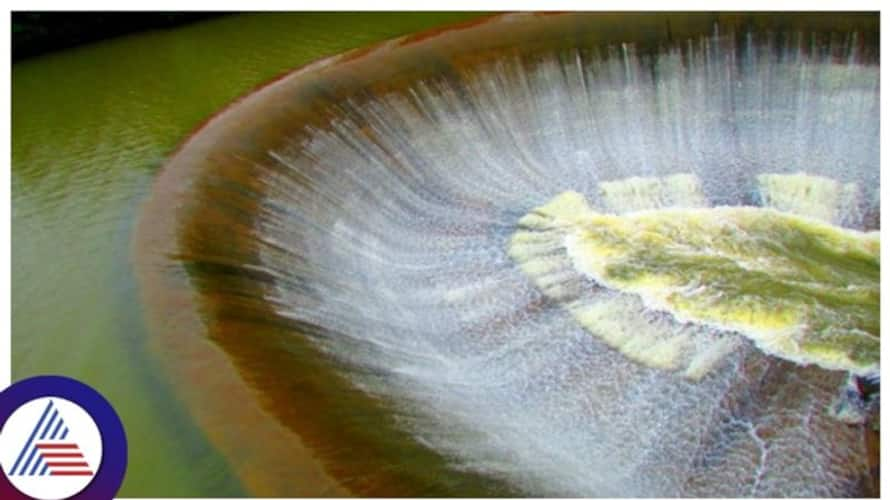
The Scotland of India has been blooming with tourists, with a surge in rainfall. Coorg sees a spike in tourism, post the monsoon season begins. With a hefty rainfall, the city has been spiking with tourism. The CHiklihole dam in the Kushalnagara of Coorg district has raised to fame with its beautiful half-moon shape, tagging along with the name ‘mini-Niagara’.
Though a dam, the water flows along a half-moon shape in the dam and attracts visitors. Each and every tourist place in Coorg resides with silence and quietness. The water flow along the reservoir is very peaceful, besides the noise created by the tourists and the birds chirping along the dam.
The Chiklihole Dam fills up every monsoon, and the dam attracts thousands of tourists every year. Tourists from far away places come to see this beautiful water flow in the dam.
How to reach?
Chiklihole Dam is about 26km from the district place Madikeri. There are no bus facilities, however, one can travel to Suntikoppa in their own vehicle and later Book an auto or a jeep until the dam. This dam is constructed in the Meenukolli reserved forest and provides water to the villages of Kushalnagara and Piriyapattana.
The breeze along the bridge beside the dam will make you dance to the waves of the dam. Meanwhile, the dam fills up during monsoon and calls the visitors.
Tourists can also consider visiting Abbifalls, Abhyat Mangala Falls, Mallalli Falls and Iruppu Falls in the surrounding. Coorg always lives up to its name – Scotland of India, be it during the monsoon and summer.
Nestled in the state of Karnataka, India, Coorg is a captivating hill station often referred to as the “Scotland of India.” Renowned for its picturesque landscapes, lush coffee plantations, and enchanting waterfalls, Coorg attracts visitors from far and wide. In this article, we will delve into the alluring charm of Coorg and explore its natural beauty, cultural heritage, and the myriad experiences it offers.
1. History and Overview of Coorg
Coorg, officially known as Kodagu, has a rich history dating back to ancient times. It was ruled by several dynasties, including the Gangas, Kadambas, and Cholas, before coming under the influence of the Haleri Rajas in the 17th century. The region witnessed the valiant efforts of Kodava warriors in defending their land against external forces. Today, Coorg is a district in Karnataka and a popular tourist destination.
2. Coffee Plantations: The Essence of Coorg
Coorg is renowned for its vast expanses of coffee plantations that paint the landscape in vibrant green hues. The region’s cool climate and fertile soil create an ideal environment for coffee cultivation. Visitors can take guided tours through the plantations, witnessing the coffee-making process from bean to cup. The aroma of freshly brewed coffee fills the air, offering a delightful sensory experience.
3. Exploring Coorg’s Waterfalls
Coorg is blessed with numerous waterfalls that cascade down its verdant hills, creating a mesmerizing spectacle. Abbey Falls, Iruppu Falls, and Mallalli Falls are among the most popular ones. Trekking through lush forests and hearing the soothing sound of gushing water is an unforgettable adventure. Visitors can also take a dip in the natural pools formed at the base of the waterfalls, refreshing both body and soul.
4. Wildlife and Nature Reserves in Coorg
Coorg is a haven for nature enthusiasts and wildlife lovers. The region boasts several wildlife sanctuaries and reserves, including the Nagarhole National Park and the Pushpagiri Wildlife Sanctuary. These protected areas are home to diverse flora and fauna, including elephants, tigers, leopards, and rare bird species. Embarking on a wildlife safari allows visitors to witness the wonders of Coorg’s natural biodiversity up close.
5. Trekking and Adventure Sports in Coorg
With its undulating landscapes and mist-covered hills, Coorg offers ample opportunities for trekking and adventure sports. Tadiandamol, the highest peak in Coorg, attracts avid trekkers seeking panoramic views of the surrounding valleys. Outdoor enthusiasts can also indulge in activities such as river rafting, zip-lining, and camping, adding an element of thrill and excitement to their Coorg experience.
6. Experiencing Coorg’s Rich Culture and Traditions
The Kodava people, the native inhabitants of Coorg, have a distinct culture and rich traditions. The region is known for its martial traditions, vivid costumes, and unique festivals. Visitors can witness traditional Kodava weddings, folk dances like the “Kodava Kunita,” and other cultural performances that provide insights into the local way of life. Immersing oneself in Coorg’s cultural heritage is a truly enriching experience.
7. Temples and Religious Sites in Coorg
Coorg is home to several ancient temples and religious sites that hold great historical and religious significance. The Omkareshwara Temple, dedicated to Lord Shiva, blends Hindu and Islamic architectural styles, while the Talakaveri Temple marks the origin of the River Kaveri. These sacred sites attract pilgrims and devotees throughout the year, offering a serene and spiritual ambiance.
8. Indulging in Coorg’s Authentic Cuisine
The delectable cuisine of Coorg is a blend of Kodava, Mangalorean, and Kerala flavors. The traditional Kodava dishes, such as Pandi Curry (pork curry) and Kadambuttu (rice dumplings), are a culinary delight. Coorg is also famous for its flavorful coffee, honey, and spices. Visitors can savor the local delicacies at traditional homestays or cozy restaurants, tantalizing their taste buds with the essence of Coorg.
9. Coorg’s Festivals and Celebrations
Coorg is known for its vibrant festivals and celebrations that showcase the region’s cultural vibrancy. The Kodava people celebrate the annual Kodava Hockey Festival, a unique sporting event blending tradition and modernity. The harvest festival of Puthari and the religious festival of Kailpodh are also celebrated with great enthusiasm. These festivities provide a glimpse into Coorg’s lively spirit and sense of community.
10. Accommodation Options in Coorg
Coorg offers a range of accommodation options to suit every traveler’s preferences. From luxurious resorts and heritage bungalows to budget-friendly homestays and eco-lodges, there is something for everyone. Staying amidst the coffee estates or near the waterfalls enhances the overall experience, allowing visitors to connect with nature and unwind in tranquility.
11. Best Time to Visit Coorg
Coorg’s weather remains pleasant throughout the year, but the best time to visit is from October to May. During this period, the temperature ranges from 15°C to 25°C, offering a comfortable climate for sightseeing and outdoor activities. The monsoon season, from June to September, adds a touch of romance to Coorg, with lush greenery and rejuvenated waterfalls.
12. Transportation and Getting Around Coorg
Coorg is well-connected by road and can be reached via nearby cities such as Bangalore and Mangalore. The nearest airports are Mangalore International Airport and Kannur International Airport. To explore Coorg’s attractions, hiring a private cab or taking local buses are popular options. The well-maintained road network allows visitors to navigate the hilly terrain and enjoy the scenic beauty along the way.
13. Safety Tips for Travelers in Coorg
While Coorg is a relatively safe destination, it is always advisable to take necessary precautions while traveling. Some essential safety tips include carrying a first aid kit, staying hydrated, wearing appropriate footwear for treks, and respecting the local customs and traditions. It is also advisable to check weather conditions and road conditions before embarking on any outdoor activities.
14. Shopping in Coorg: Souvenirs and Local Products
Coorg offers a delightful shopping experience with a variety of souvenirs and local products. Visitors can purchase aromatic coffee beans, spices, homemade chocolates, and traditional Kodava jewelry as mementos of their Coorg trip. The local markets, such as the Madikeri Market and Kushalnagar Market, are bustling with activity and provide an opportunity to interact with local artisans and traders.
Coorg, with its breathtaking landscapes, coffee plantations, and cultural heritage, offers a unique getaway for travelers seeking tranquility and natural beauty. Whether indulging in a hot cup of Coorg coffee, exploring hidden waterfalls, or immersing in the vibrant traditions, every moment spent in Coorg is a memorable experience. So, pack your bags and embark on a journey to this enchanting hill station, where nature’s beauty knows no bounds.
source: http://www.english.newstracklive.com / News Track / Home> Lifestyle / by Sanskar Tiwari / July 19th, 2023
WELCOME. If you like what you see "SUBSCRIBE via EMAIL" to receive FREE regular UPDATES.
Read More »