Government must study uniqueness of each district and frame laws: Kodagu Samrakshana Vedike
Mysore/Mysuru:
Concerned over the recent announcement by Revenue Minister R. Ashoka stating that agricultural land conversions across Karnataka would be approved within three days and the required amendments would be brought to the Karnataka Land Revenue Act, the Kodagu Samrakshana Vedike has said that this would be a disaster for Kodagu, the principal catchment area of River Cauvery.
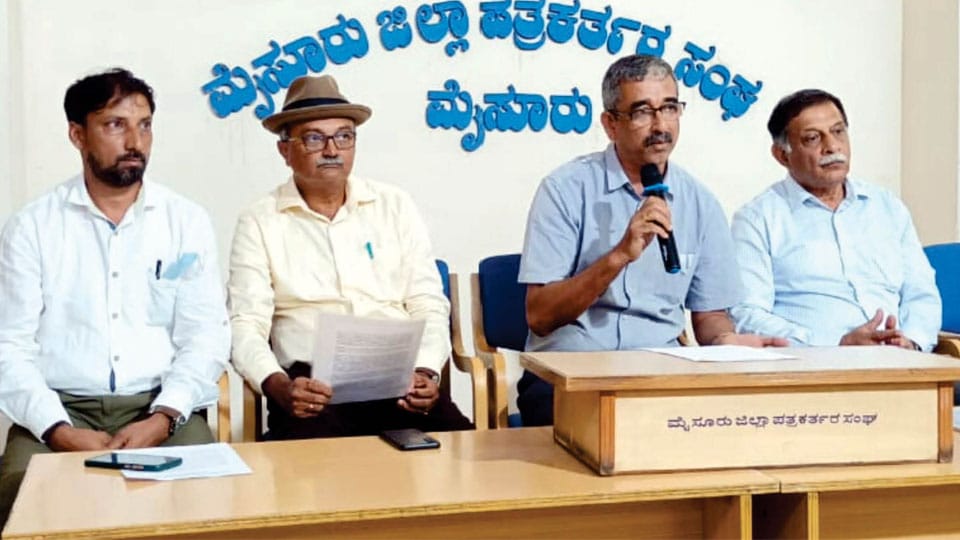
Addressing a press conference at Pathrakarthara Bhavan in city this morning, President of Kodagu Samrakshana Vedike Chottekmada Rajeev Bopaiah said that the Government move will destroy hilly terrains and ecologically-sensitive regions such as Kodagu.
“Large scale land conversion in Kodagu for sites and layouts will invite large numbers of people from outside the State into Kodagu and exert extreme pressure on potable drinking water and water for agriculture and industry. It will kill the River Cauvery that is a lifeline of Karnataka,” he said.
Accompanied by Vedike members Col. (Retd.) Cheppudira P. Muthanna, Jammada Ganesh Ayanna and Annira Harish Madappa, Rajeev Bopaiah said that the High Court had stayed the process of land conversions in Kodagu stating that the No Objection Certificate (NOC) for land conversions issued by the committee headed by the Deputy Commissioner is not valid to approve blanket land conversions.
Burning problems ignored; focus on new roads:Requesting support from Kodagu MLAs Appachu Ranjan, K.G. Bopaiah, MP Pratap Simha and MLCs Veena Achaiah and Suja Kushalappa, the Vedike appealed to them to save the birthplace of Cauvery from destruction due to rampant land conversions. “Unfortunately, the burning problems of Kodagu like human-animal conflict, land conversion, Pouthi Khata and electricity are ignored by the elected representatives and they are interested in only developing new highways, further destroying the landscape,” they said.
The Vedike demanded that the Government must act immediately to avoid destruction of Kodagu. “Unfortunately, many politicians and political leaders are involved in land conversion in Kodagu and those DCs who resist attempts to convert land are being transferred within three months and DCs who act favourably to the politicians are brought in,” Rajeev Bopaiah alleged.
“We have seen how Kodagu was ravaged by floods in 2018 and 2019 abetted by unbridled urbanisation and infrastructure development to promote tourism. Sale of agricultural land for non-agricultural purposes will have devastating consequences as reckless urbanisation has already caused a negative impact on the environment as evident in the floods and landslides,” he said.
Bearing on water: “The government move makes it easy for any individual, industrialist or real estate stakeholders to directly approach farmers and purchase land. It’s not just about land in Kodagu but this will also have a bearing on water and its implications will be felt in the downstream region of the State like Mysuru and Mandya, impacting food security and agriculture,” Rajeev Bopaiah added.
The Vedike has demanded that instead of passing land laws that are applicable across the State, the Government should study the uniqueness of each district and frame laws according to the local environment and ecology. “We will take our movement to the next level that will include a boycott of elections,” the Vedike has warned.
source: http://www.starofmysore.com / Star of Mysore / Home> News / May 11th, 2022
While ‘Adi Pepper’ was locally known as forest pepper and was used only for domestic purposes by the locals, it has now attained a brand value of Rs 3500 per kilo.
Left, N Poonacha receiving the award at the ceremony in New Delhi. Right, Snapshot of the indigenous ‘Adi Pepper’ spikes.
Madikeri :
A progressive farmer, Napanda Poonacha of Kodagu district looks forward to being known as a pro-nature farmer. He is extensively working towards identifying commercial crops that have little or no ill impact on biodiversity and he was recently awarded the Plant Genome Saviour Farmer Reward (2019-20) for his contribution towards the conservation of indigenous crops of ‘Adi Pepper’.
The award has been conferred by the Union Agriculture Ministry’s Protection of Plant Varieties and Farmers’ Rights Authority and Poonacha received the award from union agriculture minister Narendra Singh Tomar at a ceremony in New Delhi on November 11.
“This award has been granted to farmers who recognize, conserve and promote crops that are useful to biodiversity. Similarly, I won the award for my research, conservation and promotion of ‘Adi Pepper’ – an indigenous variety of pepper that is extensively found growing across natural habitat of Garvale village limits in Kodagu,” explained Poonacha.
He is the proprietor of Adi Pepper Demo Farm and Research Center in Garvale and is extensively involved in identifying native crops in the district that have great potential of becoming a commercial crop without causing damage to the ecosystem.
“Adi Pepper crops are extensively found in the natural habitat across the Garvale area. At the research center, we took the initiative of getting this species of pepper registered under PPFRI and this quality pepper was recognized as farmer’s variety pepper in 2015. This is the only species of pepper that has undergone biochemical analysis and is considered the best among the seven species of pepper that are grown across Kodagu,” he detailed.
While this variety of pepper was locally known as forest pepper and was used only for domestic purposes by the locals, it has now attained a brand value of Rs 3500 per kilo – earning over six times more returns than the other species of black pepper marketed in the district.
“Adi pepper is a native crop and has no harmful impact on biodiversity. This is high-quality pepper and its processing is different from the other species. The ripening of the pepper seeds takes place in November and it is harvested during the same month. However, the pepper seeds are handpicked, treated with hot water and then dried and processed. This ensures top quality of the pepper, earning high returns,” he explained.
source: http://www.newindianexpress.com / The New Indian Express / Home> States> Karnataka / by Pragna GR, Express News Service / November 18th, 2021
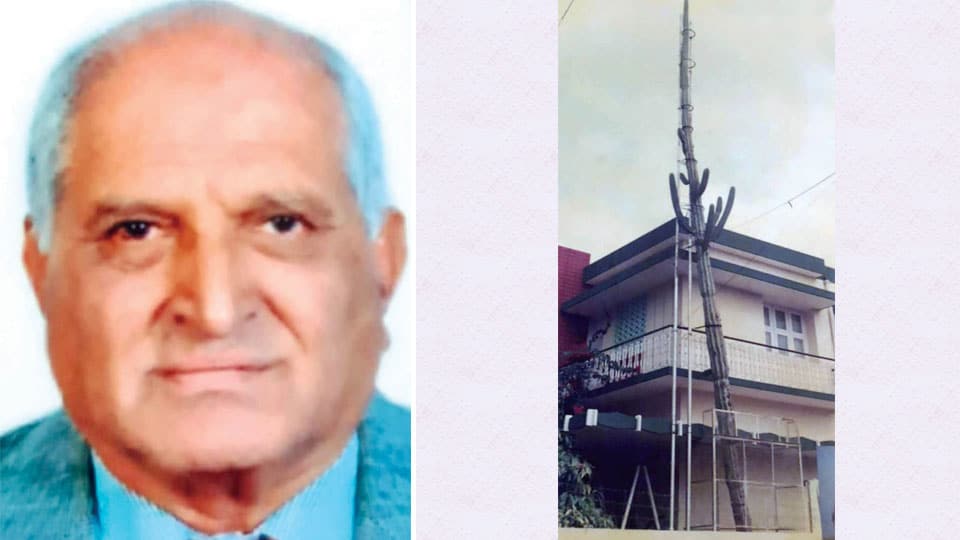
Accapanda Kashi Kuttappa (76), former Assistant Director in the Agriculture Department and a Guinness Record holder for tallest home-grown cactus, passed away at his residence in Siddarthanagar this morning.
He leaves behind his wife Jyothi, daughters Smitha and Neetha, sons-in-law and a host of relatives and friends. Last rites were performed at the foot of Chamundi Hill this noon, according to family sources.
The cactus Kashi Kuttappa
and his family members had grown reached a record height of 45.8 feet and had fetched him the Guinness Record. Kashi himself had said that it took him and his family 22 years to grow the cactus that towered above his home. It is of Cactus-Cereus Grandflora that belongs to the family of ‘cactaceae’. This cactus is widely grown in the tropics of dry tracts and suits the desert climate.
Several tourists and nature lovers used to frequent Kashi’s house at Siddarthanagar to see the wonder plant. In fact, the road to Kashi’s house was arbitrarily named ‘Cactus Road’ and he was famous as ‘Cactus Kashi’.
The plant was grown and nourished since 1978 when it was 2.5 ft. tall. The Guinness Book of Records authorities accepted the cactus as the tallest and issued a certificate for the first time on Jan. 20, 1993 when the cactus was 35 feet 1 inch. The Guinness Records authorities awarded the longest cactus certificate for the second time in 1998, when the cactus had grown to the height of 44 feet and 9 inches.
source: http://www.starofmysore.com / Star of Mysore / Home> News / June 27th, 2021
One of the pieces from Label Arati | Photo Credit: Special Arrangement
An exhibition showcasing the intricacies of dyeing will be held at Bangalore International Centre this weekend
Vibrant colours, striking patterns and flowy fabrics — much goes into the final product that one wears without much thought. However, for those who would like to get into the nuances of dyes and textiles, Bangalore International Centre (BIC) will be hosting an exhibition, ‘Natural dye stories by Label Arati,’ and related workshops from April 30 to May 3.
Conceptualised and curated by Arati Monappa who established the label, the exhibition will showcase various dyeing and embroidery techniques in use by Indian artisans.
“The purpose of this exhibition is to showcase the beauty of natural dyes. It is an assemblage of pieces coloured with natural dye, which I started gathering; today we have over 100 Indian practitioners who use natural dye and over 300 pieces are going to be on display,” says Arati, who adds that the event was initially meant to mark the label’s 25th anniversary which got delayed due to the pandemic.
“I had a lot of leftover fabric from over the years, which were used for cushions and other furnishings. We also rewove some of those remnants into fabric — all these pieces will be installed at the exhibition,” she says.
Apart from the release of a book documenting the journey of Label Arati, five natural dye workshops will also be held. Workshops on Eco Printing, Natural Dyes and Natural Mordant Dyeing, Dyeing with Kitchen Waste and two on the traditional techniques of Mata ni Pachedi from Gujarat and Kalamkari, will be held. The fee for the courses range from ₹1,500 to ₹2,000.
A pomegranate peel dyed cotton sari by EcoFab Bharat | Photo Credit: Special Arrangement
A mordant is a substance used to affix dye to fabrics and are not usually plant-based. The use of natural dyes dates back to India’s Vedic period when the Indian Madder (Rubia cordifolia, commonly known as manjistha) was used to obtain red pigment, says Pushyamitra Joshi of EcoFab Bharat, Indore, who will be hosting one of the workshops at the exhibition. “The leaves and bark of the Lodh tree (Symplocos racemosa) can be used as a mordant in place of alum. This makes its use and subsequent disposal totally safe for the craftsman and the environment,” he says.
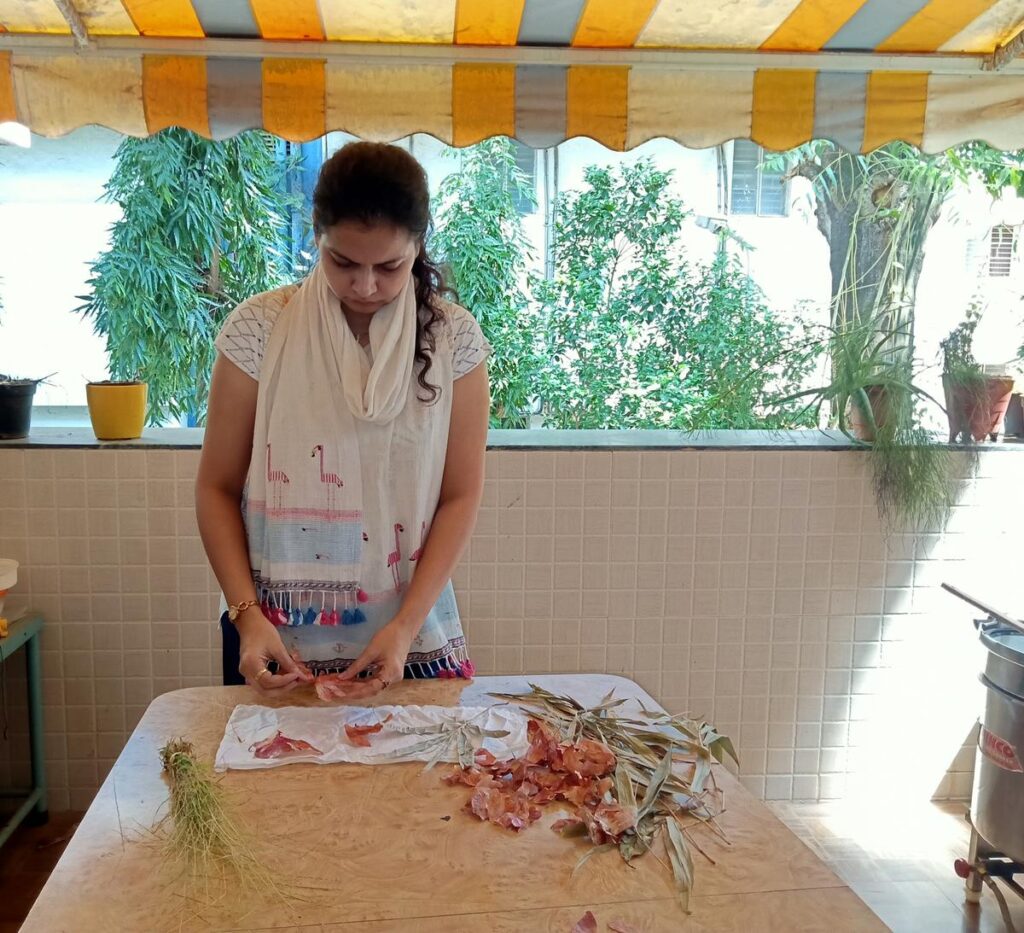
A demonstration of eco printing by Leafage | Photo Credit: Special Arrangement
Pushyamitra will demonstrate how to dye fabric using Lodh as a mordant and participants will be provided with kits containing Lodh and manjistha to replicate the process at leisure. “Apart from reviving an ancient practice, the use of plant-based mordants ensures brighter shades as it is more potent. That it is completely eco-friendly is a huge plus,” he adds.
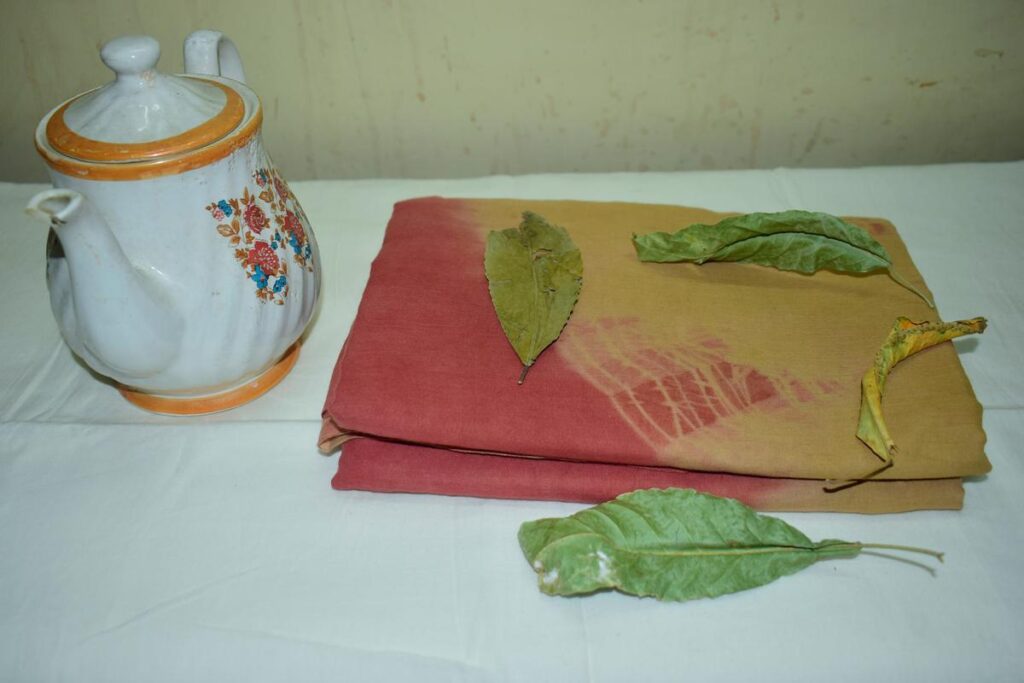
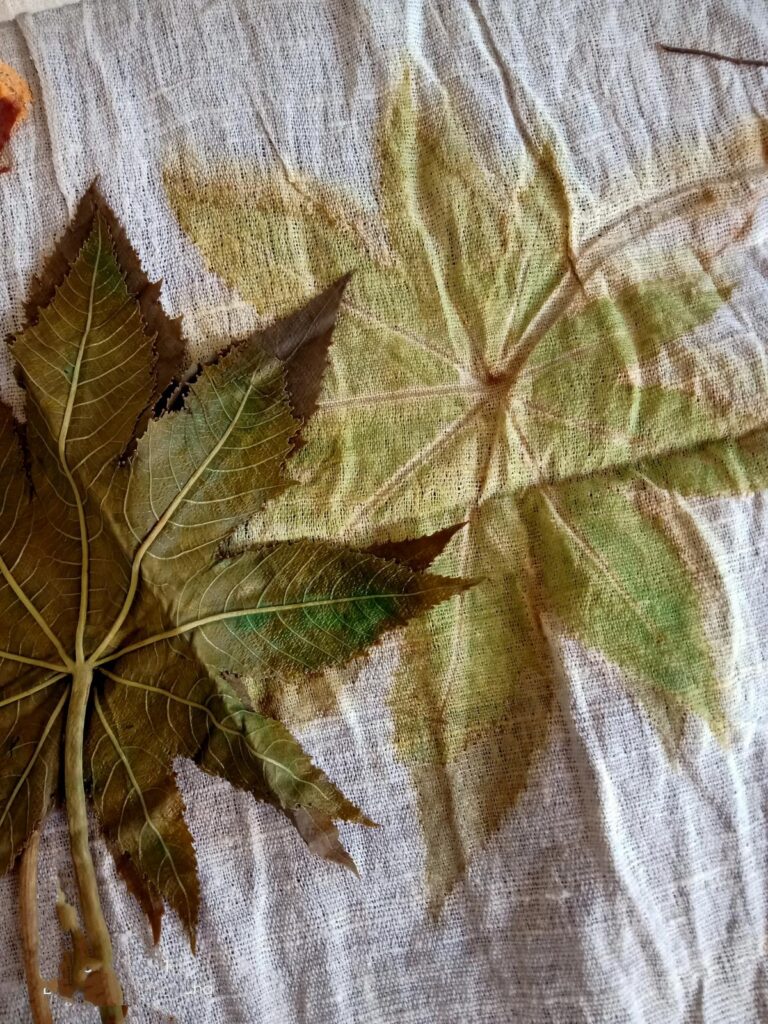
Pune-based Shraddha Barde of Leafage will conduct a workshop on eco-printing, which she believes is both an art and science. “Every leaf, even if it is from the same tree is of a different shape and composition, so every piece is one of a kind. It is perhaps the purest method of printing as one transfers the colour present in leaves directly onto the fabric — it is a natural process, using natural methods,” says Shraddha. She will cover the basics of the technique following which participants will try their hand at eco-printing.
An eco printed piece from Leafage | Photo Credit: Special Arrangement
The exhibition will feature an embroidery collection by designer Asif Shaikh as well as rugs, masks in natural dyes, block print samples and recycled pieces. “Though there is no sale of the pieces on display, there will be a catalogue of the collection and one can write down if they are interested in a particular piece. If it doesn’t go into our permanent collection, it will be available at a price, later. There will also be a sale of the pieces that are not used at the exhibition,” says Arati.
‘Natural dye stories by Label Arati,’ will be on at Bangalore International Centre from April 30 to May 3. To register for the workshops, contact 080 41279127 or whatsapp 9448648576.
source: http://www.thehindu.com / The Hindu / Home> Life & Style / by Ruth Dhanraj / April 28th, 2022
Full of natural beauty and a culturally rich spot, Coorg is one of the foremost tourist destinations in India. Located in southern Karnataka, the hill station abounds with green valleys, forests, several waterfalls and hills. It makes for a wonderful holiday spot for singletons and families alike, with its zigzagging roads, aromatic blossoms and cool climate. If you are planning a holiday to South India this year, we suggest booking one of the premium Coorg resorts and packing your bags.
Coorg: India’s treasure trove of natural wonders
Known as the ‘Scotland of India’ since the time of the British Rule, Coorg is known for several natural scenic wonders and the prettiest landscapes. On your list of places to visit in Coorg, you should include:
Abbi or Abbey Falls
Nisargadhama Forest
Iruppu Falls
Cauvery River
Talakaveri
Kote Betta
Brahmagiri Hills
Things to buy in Coorg
Most people head to Coorg to experience its hushed tranquillity, and you’ve already made a list of places to visit in Coorg . But shopping buffs are pleasantly surprised to find that the region produces several local items of superior quality. Chief among these is coffee, which is processed from the several coffee plantations in the area. You can buy coffee beans or powder from the plantations, or even the local markets. Next, you should stock up on locally produced organic honey which offers gentle sweetness and has a high medicinal value. You should also buy the region’s oranges to eat during your stay; these are best at staving off thirst and eliminating nausea. One of the significant buys, however, is essential or aromatic oils.
About aromatic oils from Coorg
Coorg is most famous for its coffee, but over the years, visitors to this hill station have discovered its other secret: aromatic oils. Coorg produces a number of aromatic essential oils that promote good health and healing. Chief among these are eucalyptus oil, tea tree oil, sandalwood oil and wintergreen oil. These are cultivated and produced locally and are of the highest quality. And you can buy them from most markets and shops in Coorg. Just ask your Coorg resort concierge about the best places to buy what you need, and you can get the best products to take home with you.
Uses and benefits of aromatic oils
Aromatic oils are the main component of the science of Aromatherapy, which aims to heal various aches and pains in the human body through aroma and the oil’s healing powers. Aromatherapy is an ancient science practised by cultures in Egypt, India, China and Greece, among other countries. It uses smell and skin absorption of the oil via creams, gels, soap, oil diffusers, lotions, bath salts, masks, compresses and inhalers. Aromatic oils are often used to manage pain, relieve stress and anxiety, ease digestive discomfort, improve sleep, improve palliative care, reduce inflammation and nausea, boost immunity and provide short term relief from chronic ailments like migraine and hypertension.
Some uses of popular aromatic oils are:
Tea tree oil: helps reduce acne, ringworm and Athlete’s Foot
Peppermint oil: eases headache, regularises digestive cycle, is a good anti-fungal and anti-microbial agent
Eucalyptus oil: clears nasal passages, relieves pain and reduces inflammation
Lemongrass oil: relieves stress, alleviates depression, and heals wounds
Wintergreen oil: improves blood circulation, reduces pain, promotes detoxification of the body, and soothes a cold or symptoms of flu
Lavender oil: treats anxiety, soothes inflammation, reduces stress and relieves the discomfort associated with menstrual cramps, eczema, nausea, etc.
Where to buy aromatic oils in Coorg
There are several markets and stores that retail aromatic oils in Coorg. The most popular ones are Coorg Greens, Aroma Coffee, Choco Coorg Spice, and Coorg Homemade Wine & Spices. Your Coorg resort concierge can recommend the best places to buy these oils; do look for products that are authentic, produced in Coorg and sold at a reasonable cost. Some retailers can even ship the oil you need online if they don’t have it in stock.
Why stay at Club Mahindra Madikeri, Coorg
Every Club Mahindra resort promises a lifetime of stupendous holidays, in the most stunning locations in India and abroad. As a Club Mahindra resort member, you and your loved ones can avail of annual holidays in over 100 domestic and international destinations, staying at the choicest resorts and affiliate properties that offer superlative rooms, best service, sumptuous food and excellent on-site activities.
How to book your holiday
That’s simple enough – just take a Club Mahindra membership and ready yourself for the best ever holiday experiences for over 25 years. Visit www.clubmahindra.com to know the Club Mahindra membership fee structure, how to pay the Club Mahindra membership fee, how to book the holiday you want, if you can choose a certain season every year for your trip, and so on.
source: http://www.mangalorean.com / Mangalorean.com / Home> Article / By EE / March 16th, 2022
Field Marshal K.M. Cariappa’s son, family visitPark, War Memorials; recall warm ties
Madikeri :
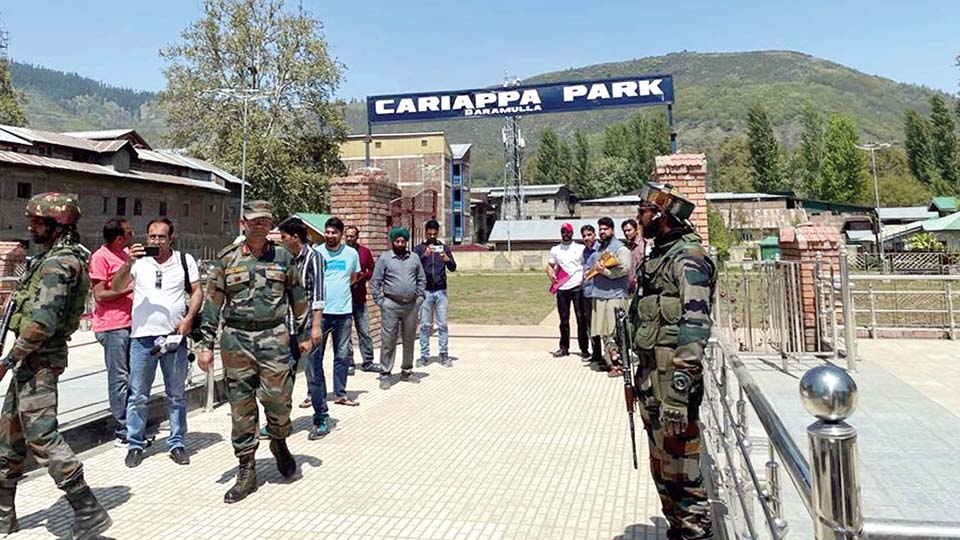
The Cariappa Park at Baramulla in Kashmir, named after India’s first Commander-in-Chief Field Marshal Kodandera Madappa Cariappa has been renovated at a cost of Rs. 3 crore.
Baramulla is located on the banks of River Jhelum, downstream of Srinagar.
It is a matter of pride for Kodagu and Karnataka that India’s legendary Armyman is being commemorated at Baramulla, a place that was once a hotbed of militants.
The winds of change began blowing through the Kashmir Valley after the Narendra Modi Government revoked the special status of Jammu and Kashmir by revoking Article 370 in August 2019 and took steps to change how the region will be governed.
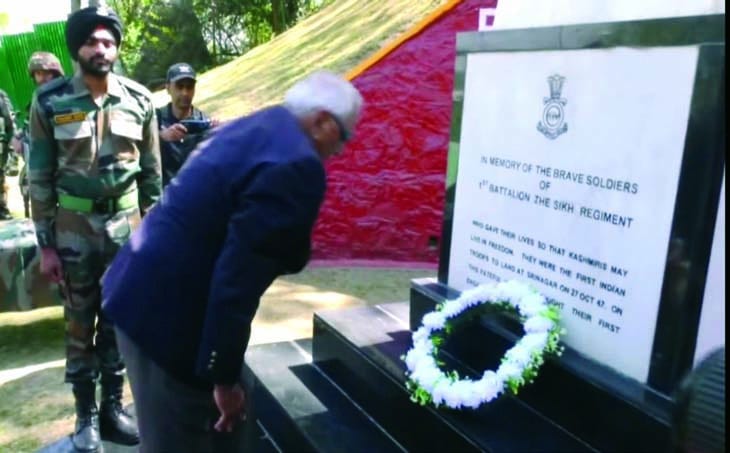
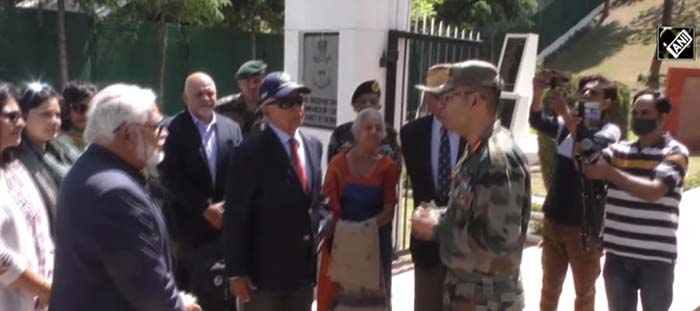
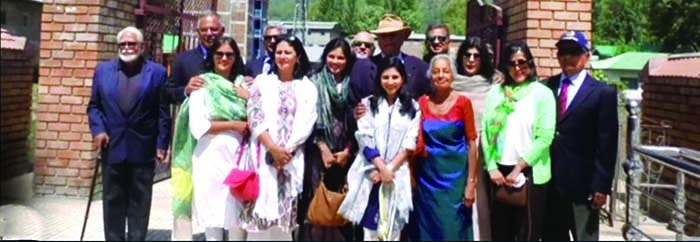
Though records are not available on when the Cariappa Park was created, its renovation began in 2020 and now it stands as a beautiful park. On Apr. 10, 2022 the family of Field Marshal Cariappa including his son Air Marshal (Retd.) K.C. Nanda Cariappa visited the park and paid respects.
The family was warmly received by officers and they also visited a Sikh War Memorial, Dagger War Memorial and the Cariappa Park in Baramulla.
Nanda Cariappa and the family appreciated the work of the Indian Defence Forces, especially the Indian Army for maintaining peace and tranquillity in Jammu and Kashmir which has won many hearts.
The Cariappa Park has been set up by the Baramulla City Municipal Council along with a hi-tech digital library and the funding of Rs. 3 crore has been obtained from the Jammu and Kashmir Government and Rajaram Mohan Roy Library, Kolkata.
Nanda Cariappa recalled his father’s association with the people of Baramulla and said that the people had a special place in the Field Marshal’s heart.
The family visited Baramulla following an invitation from the heads of Baramulla Park Trust.
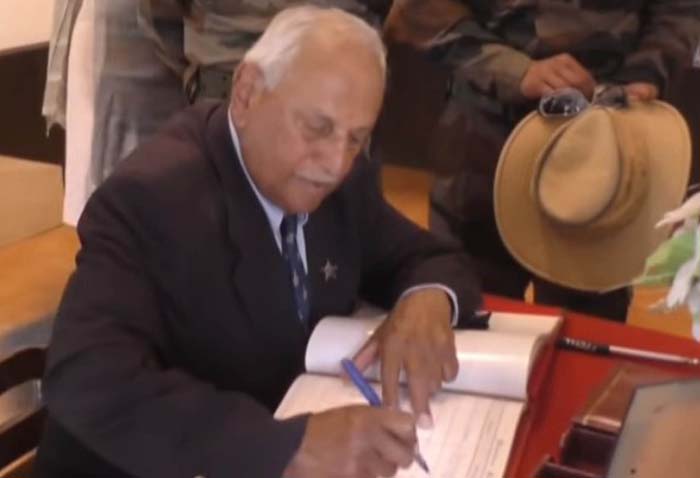
Nanda Cariappa signed the Visitor’s Book at the War Memorial and spoke to the media about Field Marshal Cariappa, Kodagu and Karnataka.
The family also visited the digital library that has state-of-the-art services and equipped with all the facilities considering the needs of users in the modern digital era. The library is linked with the National Digital Library of India to facilitate user access to around 3.5 crore academic resources including e-books, audio-books, lecture materials, thesis, reports, articles, journals, and question papers.
The Field Marshal’s family members K. Rohit, Sanjitha Cariappa, sons-in-law A.K. Devaiah and Saurabh Gupta, granddaughter Arushi Anand and daughter Gayatri Gupta were present.
Cariappa was close to people’s hearts
The Cariappa Park is one of the oldest parks in Baramulla and it was lying in a state of neglect. Senior citizens and political leaders in Baramulla narrate the stories of the ‘Kipper’ (as Cariappa was fondly called) and how he is still close to the people there.
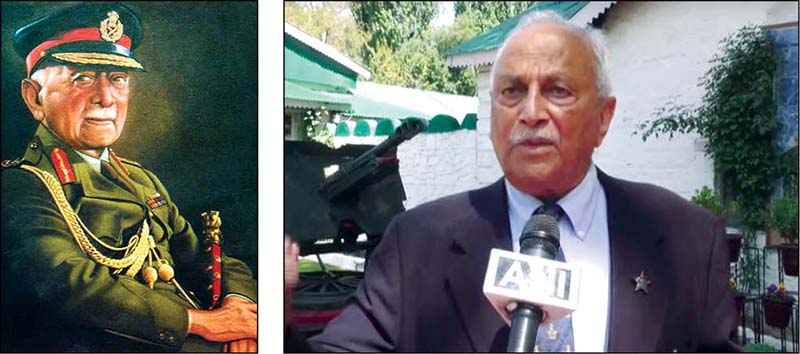
(Left) Field Marshal K.M. Cariappa. Picture right: Cariappa’s son Air Marshal (Retd.) K.C. Nanda Cariappa recalling his father’s association with the people of Baramulla.
Once, after chasing the raiders from across the border beyond Uri, Cariappa, who was travelling in a military jeep, was stopped by a group of people including women and children at Baramulla and was told that they had suffered a lot due to the absence of food supplies, including salt.
It was a puzzling task for Cariappa, a General then, as no stocks were available with the Army so that they could be distributed among hungry residents. But he fulfilled his assurance the next day when he visited the old town and distributed flour, rice and salt to the needy families.
Cariappa followed this gesture in many ways in various parts of Kashmir. His noble act was appreciated by the Government those days. K.S. Thimayya (who rose to be General later), whom Cariappa had put in command of the 19th Infantry Division at Baramulla, followed Cariappa’s gesture and continued the support to the local population. Grateful Baramullians named the park after Cariappa.
source: http://www.starofmysore.com / Star of Mysore / Home> Feature Articles / April 12th, 2022
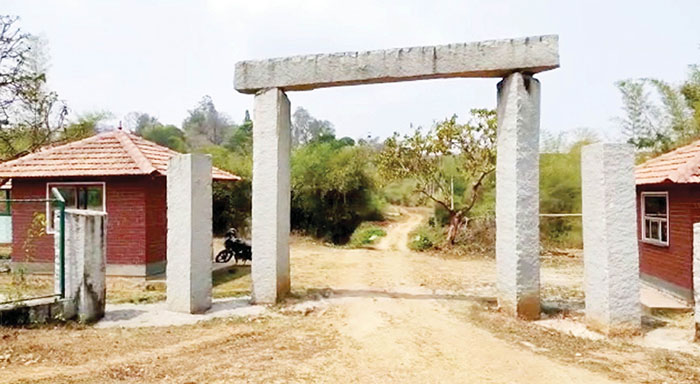
Works are in full swing to set up the third Elephant Camp in Kodagu at Harangi. The State Government has released Rs. 50 lakh for the project that is expected to ease the burden of the existing elephant camps.
Already, Kodagu has two elephant camps, one at Dubare and another at Mathigodu near Anechowkur Gate that borders Mysuru. There are eight elephant camps in Karnataka including the two in Kodagu and the Harangi Camp will be the ninth in the State.
The eight jumbo camps house more than 100 tamed elephants that are used to rescue wild animals and for logging purposes at Government timber depots. The new elephant camp is expected to reduce the burden on the nearby Dubare Elephant Camp, which currently has over 31 elephants, the highest in the State.
90 percent works complete
Over 90 percent of the works have been completed at the Harangi Elephant Camp and interestingly, the Camp houses a Tree Park, also in the same vicinity. From 2017 till 2021-22 Rs.1.38 crore has been released by the Government and works are on to create the Tree Park.
The Forest Department is establishing the elephant camp in a 40-acre land at Athur Reserve Forest beside Harangi Reservoir in Kushalnagar Taluk. The place, located near the Harangi Dam backwaters, is ideal to set up the elephant camp. The camp per se is eight to 20 acres. The Athur Range Forest extends up to 2,000 acres and it is an ideal elephant habitat with plenty of water and green swathes.
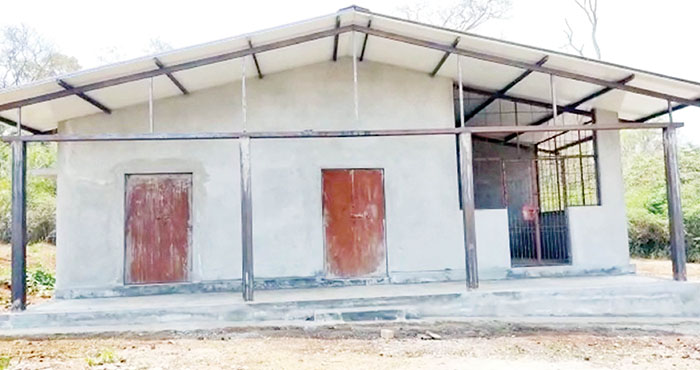
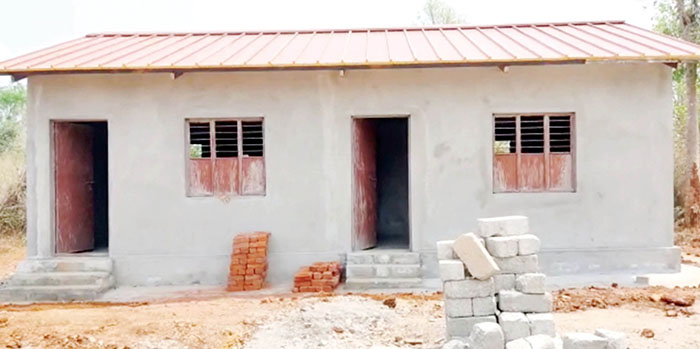
Four houses have been constructed for the mahouts and their families to stay, a vast kitchen has been constructed to prepare food for the elephants and store rooms has also been constructed. Basic facilities including toilets have been constructed for tourists who come there.
Abundant water source
Borewells have been sunk to provide a steady stream of water and as the land comes near the Harangi Dam backwaters, there is no shortage of groundwater. Electricity works are on now at the camp and enough care is being taken to ensure that the forest area is not damaged while erecting the power poles and when the power lines are drawn.
The funds for the camp have been released from Compensatory Afforestation Fund Management and Planning Authority (CAMPA). Apart from setting up a new elephant camp, there are plans to initiate other related development programmes including developing the camp as a tourist centre and at the same time provide shelter to the elephants.
Other tourism projects
The Government has also plans to closely develop Cauvery Nisargadhama in Kushalnagar and together with the new elephant camp in the region, the initiatives are set to boost eco-tourism activities.
Kushalnagar Range Forest Officer J. Ananya Kumar told Star of Mysore that once the Harangi Elephant Camp works are completed, five elephants will be shifted from Dubare Elephant Camp to immediately ease the burden. Later, 15 more jumbos will be shifted in phases. Appointment of staff and doctors will be decided by the State Government.
Among the State Government plans to improve tourism in Harangi are water sports on behalf of Jungle Lodges and Resorts, Jet Ski and para-sailing. The Kodagu District Administration is weighing various options for tourism promotion once the Harangi Elephant Camp is fully established.
source: http://www.starofmysore.com / Star of Mysore / Home> News / March 21st, 2022
The Dry waste Collection Centre at Ponnampet Grama Panchayat, with collection from all the wards, became operational in January 2019. Pic courtesy: Clean Coorg Initiative
There is something about a hill vacation, travelling across narrow winding roads upwards, landscape dotted with lush green terrain, tantalising water streams, foggy foothills, chirping birds, the buzzing sounds of insects and clean air. But now, contrast this with unsightly scenes of rubbish by the roadside — styrofoam, plastic wrappers, bags and bottles, and more. The garbage keeps growing, competing with the hills, and becomes a monstrous man-made mountain in the midst of a landfill, laden with grotesque man-made objects that speak volumes about our use-and-throw culture and our complete lack of consideration for the environment.
Coorg, nestled in the Western Ghats, also known as the Scotland of India, and a popular tourist destination has, however, managed to make significant progress in fighting the waste menace. The town has demonstrated their commitment towards zero waste, with the closure of two landfills.
“Zero waste” is a concept that entails minimum or zero pollution to land, water and air due to solid waste management (SWM) practices and zero waste going to landfills. This initiative was a collaborative initiative by the volunteers of Clean Coorg Initiative, Hasiru Dala, the Gram Panchayat and the local government.
The 30-year old Ponnampet landfill as it stood in 2019. It would burn most of the time, the dump going down to nearly 40 feet./ Pic courtesy: Clean Coorg Initiative
How it all started
Alarmed that Coorg could soon degenerate into a dumping ground, in 2016, Prashanth Chinnappa, a local resident of Coorg brought several like-minded people together, to form ‘The Clean Coorg Initiative (CCI),’ a voluntary platform to promote a clean and healthy Coorg, with a core focus on promoting segregation of waste at source.
According to Pooja Uthappa, Volunteer at the Clean Coorg Initiative, “Waste is a relatively new phenomenon in this landscape. With rapid urbanisation, the quantum of garbage is also rapidly increasing. The other concern is around waste disposal practices. Dumping in one area or on the sides of the road and open air burning are common practices. Unfortunately some of the dumping areas are in the fringes of the forest areas, and the wild animals unknowingly consume them (the garbage dumped).”
Pooja also points out that Coorg residents depend primarily on groundwater; so when waste is dumped in open lands/ dumping grounds or landfills, it eventually contaminates water sources. But that’s not all. “Talakeveri, in Kodagu district, is considered the source of the river Cauvery and is an important lifeline for inhabitants in Karnataka and Tamil Nadu; incidents of indiscriminate garbage dumping adds to the problem downstream,” she says.
Pavan Aiyappa, Volunteer, CCI says, “We have a simple mission, which is to preserve the fragile ecology of Coorg for future generations, adopt sustainable initiatives, manage waste, promote responsible tourism, and preserve our natural resources”.
The group soon realised that clean up drives were a temporary solution, with no place for disposal of the litter collected, and that systemic changes were needed, along with on ground awareness. They started by undertaking a survey, observing practices, existing infrastructure and dumping spots. Savita Chengappa*, a volunteer from CCI, says, “We surveyed the entire stretch, till the Kerala border and we realised that we need somebody on the ground, who could go to the gram panchayat, create awareness and build capacities of the local team, using the Solid Waste Management (SWM) Rules 2016 framework. We also had to envision and plan the concept of stream-based processing of waste.”
The team also wanted to build on the success of Dry Waste Collection Centres (DWCCs) in Bengaluru, and wanted to understand the workings of the same in a rural set-up. Aparna, another active volunteer with CCI, says, “For us, all these were still theoretical and we needed to put these concepts into practice.”
Partnerships and initiatives
The group then decided to collaborate with the government and other organisations and approached Hasiru Dala, a social impact organisation working with waste pickers to assist with onground implementation and solutions.
Nalini Shekar, Co-founder Hasiru Dala, says, “Initially we were happy to support the group with necessary IEC and training, but soon realised that Coorg has a unique challenge, given its terrain. It has a large tourist footfall and considering the floating population, it is challenging to ensure that information and education programmes reach all of them. Secondly, while collection happens, there is no recycling industry in the area. Thirdly, there are limited workers in the solid waste management space, as most workers are employed in the coffee estates, agriculture and the tourism industry.” But given their expertise in dry waste management, it appeared that a system could indeed be put in place.
Pooja says, “Our first priority was capacity building for the municipal workers, the ASHA workers, the Self Help Groups (SHGs) and the officers, towards implementation of decentralised waste management. The training included the concepts of segregation of waste at source, the management of DWCCs, roles and responsibilities of officers, management of reject waste. For the general public, the sessions focussed on responsible disposal of waste through segregation at source.”
She shares that the group also conducted several outreach programmes like clean up drives, cycling awareness, sustainable menstruation and reached out to schools. CCI volunteers, in partnership with Wasteless Auroville, introduced a subject titled ‘Garbology’ as part of the school curriculum in Deviah memorial Preparatory School, Bittangala. Their outreach programme touched more than 800 government school children and teachers.**
CCI also hosted a Parivarthana Mela, to showcase sustainable lifestyle practices. This included composting workshops.
Awareness programmes were held in several schools in the region. Pic courtesy: Clean Coorg Initiative
Besides working on door-to-door awareness programmes, the team reached out to shopkeepers and explained the system of fines for non compliance. Pooja acknowledges the contribution of Kodava Koota from the United States of America, for supporting the outreach programmes.
Closing the landfills
The group then went on to streamline and simplify the waste collection process and a Dry Waste Collection Centre was set up. Puttaraju, Panchayat Development Officer ( PDO), Ponnampet who worked towards the closure of Ponnampet landfill shares, “After CCI and Hasiru Dala’s intervention, we felt the need for a decentralised set up and a DWCC. We zeroed in on the location and approached the Zilla Panchayat for permissions. They were very supportive and passed a resolution for the construction of the DWCC.”
Hasiru Dala team also came up with a simple manual bailing system, which was then given to different GPs and this ensured that low value and multilayer waste could be sent for co-processing. Aparna, Volunteer CCI adds, “This process, then led to the natural question, do we really need dumping grounds or landfills?”
Aiyappa adds, “The rationale was much more than aesthetic beauty. We were also concerned about groundwater contamination and leachate from landfills, but also, given that the landfill was 30 years old and the waste was going about 30 feet down, we were also worried about landfill fires.”
The team then approached the GP, who in turn took to the implementation of the Karnataka Plastic Ban. The Panchayat passed a resolution on the plastic ban and introduced the “bring your own bag” concept, drawing in from the 2Bin1Bag concept and imposition of fines for littering, Aiyappa shares that thereafter, they went about methodically working with the GP to close the landfill in two areas, Ponnampet Taluk and Karmadu, Virajpete Taluk.
Hasiru Dala introduced Manual Baler to some of the Gram Panchayats in South Coorg, to pack the non-valuable materials through this and save money in transportation. Pic courtesy: Clean Coorg Initiative
Stiff penalties for violation
Niren Nannaiah, President, Karmadu Gram Panchayat, adds,“We had various meetings on the need for closure of the landfill. We have cordoned off the area with a metal sheet, installed CCTV cameras and put up a board notifying the penalty for dumping garbage in and around the place. We decided that it was futile to impose nominal fines of a hundred or couple of hundred rupees, so we fixed it at Rs 5000. We have penalised a few people. But that’s not all, we have also issued notifications on the need to use reusables or fibre cutlery at all events, especially marriages and functions.”
Nithin B S, PDO Karmadu, says the closure of the Karmadu landfill involved several stages: first sensitising people, then streamlining collection, seeking support of the elected representatives, passing resolutions and issuing the necessary notifications. But the most important was the imposition of fines.
The cordoned-off Karmadu landfill area. Pic courtesy: Clean Coorg Initiative.
We also made an announcement in the neighbouring gram panchayat that no dumping will be entertained, but they are free to drop segregated waste at our processing or dry waste centre. We spent about three lakh rupees in setting up the entire system, apart from separate investments in the installation of the CCTV camera,” said Nithin B S.
Finally an order was passed to close the landfill. The next question was, what do we do with the landfill site? The team then worked with the GP and proposed a design for a public park.
Mr. Suraj Ajiikutiria, SBM, Virajpet and Ponnampet Taluk, says, “ In order to actualise the vision of Swacch Bharat Abhiyan, we will need to close dumping sites in all 104 villages, plan for decentralised infrastructure and streamline collection just like we did in these Taluks.”
The most important takeaway from these experiences in Coorg is the need for a coming together of all stakeholders and a model that is both socially and environmentally inclusive, and which enables us to proudly proclaim, ‘landfills have no business.’
[The author wishes to acknowledge the contribution of Nirmala Shekar, Beula Anthony, Ramya K and Rohini Malur, for this article. ]
source: http://www.citizenmatters.in / Citizen Matters / Home> Waste Management / by Pinky Chandran / March 16th, 2022
After being deferred in January, the eighth edition of the Karnataka Bird Festival will be held in Madikeri from April 8-10, 2022.
Image used for representational purpose only. (Photo | Express)
Bengaluru :
After being deferred in January, the eighth edition of the Karnataka Bird Festival will be held in Madikeri from April 8-10, 2022.
The festival, organised by the Karnataka forest department and Karnataka Eco-Tourism Development Board, aims to draw attention of people to bird watching, spark interest among young wildlife enthusiasts, show people the bio-diversity of forests, and shift their focus from tiger-centric wildlife safari and tourism.
“Every year a different location, region, bio-diversity, and a different bird is focused upon to increase awareness and ensure better conservation measures.
This year, the mascot is Baza bird,” a forest department official said. Baza is a migratory bird from the eastern Himalayas, China and South East Asia. Forest officials of the region have reportedly sighted a couple of the birds now, in the onset of summer.
Kumar Pushkar, additional Principal Conservator of Forests and CEO of the Board told TNIE that the festival was postponed because of spike in Covid-19 cases. “We always wanted to host one is Kodagu because of its bio-diversity and the many species which can be sighted there. Baza was chosen because it is sighted in winters in this region.
There will be around six to seven different trails, which the deputy conservator of forest is finalising. The event will also cover Madikeri city, and will be inaugurated by forests minister Umesh V Katti,” he said. Experts from across the country will be brought to share their experience, knowledge.
source: http://www.newindianexpress.com / The New Indian Express / Home> States> Karnataka / by Bosky Khanna, Express News Service / March 14th, 2022
From an abandoned barren land to a green lush private sanctuary, author Pamela Malhotra recounts the transformation.
Bengaluru :
Pamela Malhotra’s From the Heart of Nature (`599, Penguin Random House) documents the story behind the creation of a private forest sanctuary in India. More than just the struggle, Malhotra also recounts how she connected with animals and trees both at a physical and spiritual level.
What was the turning point in your life?
My husband Anil and I shared that love of wildlife and that dream. This realisation initially came while living in the USA in the late 1970s and early 1980s, which is why we established our first small wildlife sanctuary on the Big Island of Hawaii in 1979. When we came to India in January of 1986, we were quite upset by the deforestation we saw, especially in the Himalayas. We had gone to Haridwar and fell in love with the Himalayas. So, we purchased land in the Uttarkashi region to help reforest that area.
How did you zero-in on Kodagu?
There were land ceiling laws in the state (then Uttar Pradesh – now Uttarakhand) that limited a family to owning just 12 acres of land. There was not enough land for establishing a forest wildlife sanctuary through reforestation. Also, we had visited Nagarhole National Park in Jan 1986, where the then-Wildlife Warden of the Park urged us to establish our forest wildlife sanctuary in his home district of Kodagu. As a result my husband Anil travelled throughout southern India to see what he could find, finally finding suitable land in Kodagu. Purchasing larger pieces of land was possible here if the land was deemed ‘plantation’ and the purchaser was an agriculturalist which my husband was.
What were the initial struggles that you faced?
Accessing the land. It was almost impossible to bring in any kind of building materials for our home in the beginning due to the poor roads. So, my husband put loads of rocks and other road material into these dirt roads to help give us drivable access which was also a big boon for the local people. Another major challenge was the legal maze encountered in the district since lands were divided into several different categories, often with different rules/laws applying to different categories in terms of purchase and ownership. Acceptance by the local people was also initially a challenge, although the older generation did understand the importance of maintaining forests and not killing off all the wildlife. The most distressing challenges have been illegal logging and poaching of wildlife.
The sanctuary is spread across 300 acres, what are the kinds of species that are found there?
Hundreds of species have made the sanctuary their full-time home and/or come visit frequently. A short list of species found here includes 100s of species of butterflies and birds including Great Indian Hornbills and Malabar Grey Hornbills, Bengal tiger, Asian leopard, Asian elephant, sloth bear, dhole (Indian wild dog), Gaur (Indian bison), species of deer (sambar, cheetal, muntjac/barking deer) etc. So diverse are the species found here that one Oxford scientist dubbed our sanctuary ‘Noah’s Ark’.
You first purchased the land for the sanctuary in 1992, to create a private sanctuary. How did you decide on writing a book?
I hope to sow the seeds of love of nature in the hearts and minds of all who read the book, and to create a sacred perspective when viewing and dealing with nature.
source: http://www.newindianexpress.com / The New Indian Express / Home> Cities> Bengaluru / by Monica Monalisa, Express News Service / March 02nd, 2022
WELCOME. If you like what you see "SUBSCRIBE via EMAIL" to receive FREE regular UPDATES.
Read More »