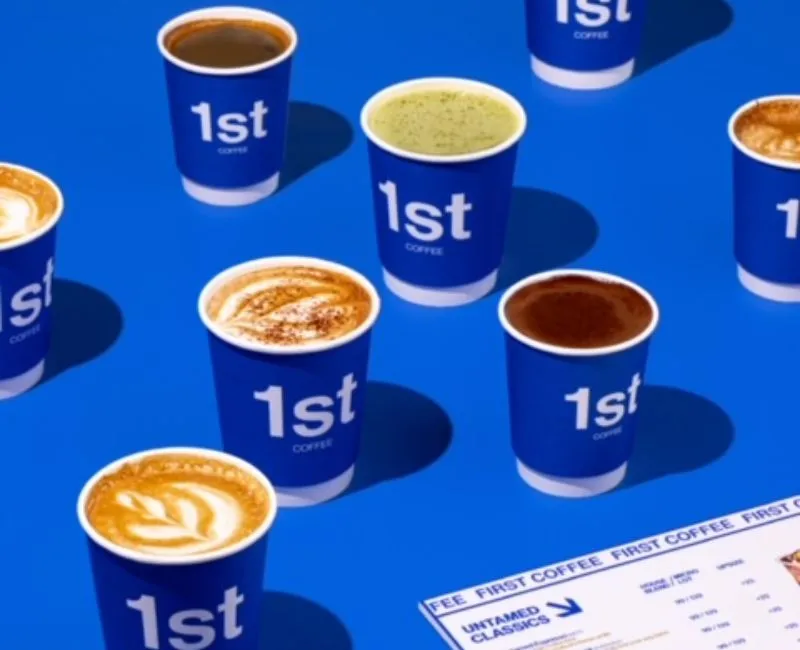
The company aims to expand to 35 stores across the country by the second quarter of next fiscal year.
First Coffee raised USD 1.2 million in a seed funding round led by Beenext. The round also saw participation from other leading investors such as Ashish Gupta (Helion Venture Partners), AngelList India, Ritesh Malik (Founder, Innov8), Sahil Malik (Founder, Da Milano), Chandini Purnesh (Owner, Harley Coffee Estate), Aman Arora (Co-Founder, Board – Keventers), Agastya Dalmia (Director, Keventers), Aman Bahel (Apex Group), Nakul Dev Chawla (Art Mumbai) and Shriram Nene.
The youth-oriented brand will deploy the funds to drive the company’s expansion and bring its premium speciality coffee experience to more locations across the country, as per a press release. First Coffee aims to expand its store presence in key urban areas across New Delhi and national capital region (NCR) and tier 1 cities in north India. First Coffee will focus mainly on small format quick service restaurant (QSR) outlets in high-footfall areas such as malls, corporate parks, high streets and metros.
The company is set to open 35 stores across the country by the second quarter of next fiscal year. The funds raised will also be used for hiring and amplifying marketing efforts.
“First Coffee is uniquely placed where they are not just selling a product but rather a coffee experience, blending tech, sustainability and coffee. Under the abled leadership of Sohrab and Shiv, industry veterans in the space of quick service restaurants, the brand is creating a new standard in India’s speciality coffee market,” commented Anirudh Garg, Partner at Beenext, on First Coffee and its offerings.
To enhance customer experience and streamline operations, First Coffee, founded by Sohrab Sitaram and Shiv Dhawan in 2024, claimed to integrate experiential big data with analysis powered by artificial intelligence, creating a technology-driven retail model. Using shade-grown coffee and eco-friendly methods like man-made lakes for irrigation and traditional insect traps, First Coffee ensured that its coffee is sustainably sourced while providing premium quality.
Shiv Dhawan, Co-founder of First Coffee, Spoke on the brand’s distinct positioning, “We are the first brand to bring true speciality coffee scoring 91 per cent on the Specialty Coffee Association (SCA) scale to the Indian market. At First Coffee, we’re not just serving coffee; we’re crafting a unique, premium experience while still catering to the fast-paced lifestyle of our customers. We’re committed to delivering exceptional coffee at a competitive price point, making world-class coffee accessible to everyone.”
source: http://www.bwdisrupt.com / BW Disrupt / Home> Invest News / by BW Online Bureau / September 26th, 2024
Want to live longer? Here’s how coffee could help you beat the odds as the ultimate wellness drink.
Is coffee the new superfood? 6 health benefits you didn’t know about (File Photo)
Coffee has become an integral part of the daily routine for many people around the world, including in India, where its consumption is steadily rising. While coffee is often associated with providing an energy boost, it is also enriched with several health benefits.
In an interview with HT Lifestyle, Neleema Rana George, Head – Coffee Works and Technology at Kelachandra Coffee, delved into these aspects while also focusing on coffee consumption trends, both domestic and global, an overview of the Indian specialty coffee industry and the ever-growing café culture.
The Global Coffee Landscape
The world consumes approximately 10 billion kilograms of coffee, every year, according to the International Coffee Organization (ICO). Coffee is the second most valuable primary commodities next to petroleum across the globe. That is a daily average of 2.25 billion cups and about 815 billion cups per year. Europe leads the race, accounting for nearly 30% of the world’s coffee intake, with Finland being the highest per capita consumer. North America, particularly the United States, also ranks high, with Americans drinking over 400 million cups of coffee daily. Asia, especially India, is also witnessing the growing interest towards coffee, driven by urbanization, lifestyle changes, and the growth of café culture. Beauty is that we are growing coffee under shade and is growing in Western Ghats and Eastern Ghats, known for its biodiversity which will capture all the volatiles (kairomones) from the shade trees and providing a mesmerizing mouth feel.
Coffee in bed(Shutterstock)
Coffee as an Experience: The Rise of Coffee Drinkers and Café Culture
India, traditionally a tea-drinking nation, has shown a notable shift towards coffee consumption over the past two decades. The Coffee Board of India reports that domestic coffee consumption has been growing steadily at 5-6% annually, driven by the youth demographic and the rise of café culture. India is one of the leading coffee producers, with the southern states of Karnataka, Kerala, Tamil Nadu, Andra Pradesh and extended to North-Eastern region contributing about 3-4% of the global coffee output.
The coffee and café culture pioneered by the Indian Coffee House was modernized by Café Coffee Day. This trend of offering coffee as a social experience was further capitalized on by Starbucks, Barista, and the subsequent chain of cafés. This coffee culture is estimated to be worth over INR 3,000 crore (approximately USD 400 million) in 2023 and is expected to grow significantly as urban millennials embrace the trend. For them, coffee is not just a beverage; it is now considered a source of health benefits as well.
Health Benefits of Coffee: Backed by Science
Coffee is considered more than just a beverage; it’s a powerhouse of antioxidants, stimulate your brain and nutrients that can positively impact your health. Coffee is a complex mixture of chemicals that provides significant amounts of chlorogenic acid and caffeine. Here are six science-backed health benefits of coffee, relevant to both global and Indian consumers:
1. Lowered Risk of All-Cause Mortality
A study published in the British Medical Journal found that coffee drinkers were less likely to die from any cause compared to non-drinkers. This can be attributed to the high levels of antioxidants in coffee that help combat oxidative stress.
2. Positive Effects in Improving Cardiovascular Health
Coffee is a rich source of antioxidants, surpassing even green tea in its antioxidant content. These compounds help combat oxidative stress, potentially reducing the risk of chronic diseases such as heart disease and cancer. Research published in the Journal of the American College of Cardiology shows that drinking two to three cups of coffee daily is linked to a lower risk of coronary heart disease, which is particularly relevant in India due to its high prevalence of cardiovascular conditions. Additionally, coffee consumption has been associated with a reduced risk of various cancers, including prostate and endometrial cancer and may help mitigate neurological, metabolic, and liver conditions.
3. Minimised Challenges of Type 2 Diabetes
Drinking coffee, whether caffeinated or decaffeinated, is linked to a lower risk of developing type 2 diabetes, a growing health concern in India. Several studies suggest that coffee drinkers experience a reduced risk of type 2 diabetes, with a meta-analysis published in the Archives of Internal Medicine indicating that each daily cup of coffee is associated with a 7% reduction in risk.
4. Protective Effects on Liver Health
Coffee has been shown to have significant protective effects on the liver, with research indicating a lower risk of liver diseases such as non-alcoholic fatty liver disease, liver fibrosis, cirrhosis, and liver cancer. A study published in the Journal of Hepatology found that drinking four cups of coffee per day could reduce the risk of liver cirrhosis by up to 80%. Given the rising incidence of liver-related disorders in India, this benefit is particularly noteworthy.
5. Reduced Risk of Parkinson’s, Alzheimer’s Disease and Depression
Regular coffee consumption has been associated with a reduced risk of neurodegenerative diseases, including Parkinson’s disease, depression, and cognitive disorders such as Alzheimer’s. This is particularly relevant in India, where the elderly population is rapidly growing. A study published in the Journal of Alzheimer’s Disease found that coffee drinkers had up to a 65% lower risk of developing Alzheimer’s.
6. Improved Cognitive Function:
Caffeine, the primary active ingredient in coffee, is known to enhance brain function. It blocks the inhibitory neurotransmitter adenosine, leading to increased levels of other neurotransmitters like dopamine and norepinephrine. This results in improved mood, memory, and cognitive performance.
Use sugar-free pellets to sweeten your coffee. (Shutterstock)
The Right Quantity and Way of Drinking Coffee
While coffee offers numerous health benefits, consuming it in the right quantity and manner is crucial. For most healthy adults, up to 400 milligrams of caffeine per day—equivalent to about four 8-ounce cups of coffee—is considered safe. Here are some tips to maximize the benefits of coffee:
Time of Day: It’s best to consume coffee in the morning or early afternoon to avoid disrupting sleep.
Avoid Excessive Additives: To keep your coffee healthy, limit the use of sugar, flavored syrups, and high-fat dairy. Opt for black coffee or add a small amount of milk or plant-based alternatives.
Stay Hydrated: Since coffee is a mild diuretic, it’s essential to balance it with adequate water intake throughout the day.
Moderation and Balance: While coffee offers several health benefits, it should be part of a balanced diet. Pairing coffee with nutrient-rich foods and maintaining a healthy lifestyle are key to enjoying its benefits.
Singer Taylor Swift’s preferred coffee is a grande non-fat caramel latte(File Photo)
Neleema Rana George emphasised, “Coffee, when enjoyed in moderation, offers a range of health benefits that go beyond its well-known role as an energy booster. From its potential to reduce the risk of chronic diseases to its positive effects on cognitive function and mood, coffee stands out as a valuable component of a balanced diet. As its consumption grows, particularly in rapidly urbanizing regions like India, understanding how to maximize its benefits becomes increasingly important.”
She concluded, “Embracing coffee as part of a mindful and health-conscious lifestyle can enhance your well-being, offering both pleasure and positive health outcomes. By opting for quality coffee and enjoying it in moderation, you not only indulge in a beloved daily ritual but also support sustainable practices and contribute to a growing coffee culture. So, the next time you savor a cup of coffee, appreciate it not just for its taste but also for its potential to positively impact your health, hence consume with feel.”
source: http://www.hindustantimes.com / Hindustan Times / Home / by Zarafshan Shiraz, New Delhi / September 22nd, 2024
The cost of unroasted coffee beans has hit a ‘historically high level,’ says analyst Judy Ganes.
Countries like Colombia, Ethiopia, and Uganda have stepped up their coffee production. (Wikimedia Commons photo)
Coffee prices are rising around the world, and a surprising factor behind it is the world’s smelliest fruit – the durian. In cities like London and New York, the price of a cup of coffee could soon reach £5 or $7.
The cost of unroasted coffee beans has hit a “historically high level,” said analyst Judy Ganes. This price increase is caused by a combination of crop failures, market problems, and low supplies.
In 2021, a frost in Brazil, the largest producer of Arabica beans, ruined coffee crops. To fill the gap, buyers turned to Vietnam, which produces Robusta beans, often used in instant coffee. But Vietnam experienced its worst drought in nearly 10 years, hurting coffee production even more.
On top of this, many farmers in Vietnam have started switching from growing coffee to planting durian, a fruit that’s very popular in China. The durian is so profitable that some farmers earn five times more from it than coffee. As a result, coffee exports from Vietnam dropped by 50% in June 2024.
Many farmers in Vietnam have started switching from growing coffee to planting a fruit called Durian. (Wikimedia Commons photo)
Countries like Colombia, Ethiopia, and Uganda have stepped up their coffee production, but they haven’t been able to fully make up for the shortage. This has caused the price of both Arabica and Robusta beans to reach near-record levels.
Paul Armstrong, who runs a coffee roasting business, warns that UK coffee drinkers might soon be paying over £5 for a cup. He says rising coffee prices are due to a “perfect storm” of issues affecting the coffee supply chain.
The upcoming coffee crop in Brazil is important for stabilizing prices. However, experts worry that long-term climate change could reduce coffee-growing areas by 50% by 2050, leading to even higher prices in the future.
To help, some suggest adding a small tax to support more sustainable farming practices.
(With inputs from BBC)
source: http://www.indianexpress.com / The Indian Expres / Home / by Express Web Desk / September 16th, 2024
Who can resist a Delicious cup of coffee? CE takes a sip and explores much more at a three-day celebration of coffee, culture, and community
The Indian Coffee Festival turned out to be more than just an event. It felt like the start of something bigger for coffee culture in India.
Hyderabad :
As the sweet, majestic brown drops of coffee trickle down your throat, a pleasantly bitter aftertaste pervades your senses.
This experience was just a small part of the Indian Coffee Festival, a lively celebration of coffee culture held from September 13 to 15 in Jubilee Hills Convention Center.
Bringing together coffee enthusiasts and families, the event, a first of its kind in India, was graced by chief guest Sunalini Menon, Asia’s First Lady of Coffee. “The camaraderie that I saw, the happiness on people’s faces and everybody sipping different types of coffee…it was a very nice moment. This is the start of many more such events,” she said.
The idea for the festival came about in a way most coffee lovers would relate to—over a simple cup of coffee.
Anirudh Budithi, co-founder of the organising platform No Strings, explained, “We’re not from the coffee industry and we didn’t know much about plantations or brewing. But we were talking about it over coffee, and when we searched for coffee festivals, none were from India. That’s when we thought it was time to start one here because India has such a huge base of coffee drinkers.”
And what better place to host the first Indian Coffee Festival than Hyderabad, a city known for its love of food and beverages? “We know how much people in Hyderabad enjoy coffee, so it seemed like the perfect place for the festival’s first edition,” Anirudh added. The event featured top coffee brands such as Araku Coffee, Habitat Cafe, and many more, each offering their unique blends for attendees to taste and savour.
The festival wasn’t just about coffee tasting. It had something for everyone—expert-led talks, live latte art demonstrations, barista displays, and family-friendly activities, including special events for kids and pets. The atmosphere was further enhanced with live music, making it not just an event but an experience. As Srihari Chava, the festival’s co-founder, put it, “Coffee is not just a drink; it’s an experience and we wanted to offer coffee lovers a chance to immerse themselves in the world of coffee.”
Sunalini Menon touched on the city’s growing connection to coffee culture. “Hyderabad should definitely be on the coffee map, especially with Araku being so close. Coffee was traditionally brewed at home, especially in the South, but now it has become a drink enjoyed by people of all ages, including the younger generation,” she noted. She also hinted at the exciting possibility of future competitions like Barista and Latte Championships that could further boost Hyderabad’s role in India’s coffee scene.
Srihari Chava & Anirudh Budithi
The road to organising the festival wasn’t without its challenges. Anirudh shared how they initially planned to hold the event in July but had to push it to September due to logistical hurdles. “We’re not from the coffee ecosystem, so we didn’t know who to approach for help. But then we connected with Something’s Brewing, a platform which sells coffee merchandise. They guided us in setting everything up. They even helped us get other cafés involved, which was a huge boost,” Anirudh said. He also credited the Coffee Board of India and Girijan Corporation of Andhra for their support, which added credibility to the event.
For the attendees, it was a weekend well spent. Praneetha and Pradyumna, both employees at Deloitte, were thrilled with the event. “We’ve been looking for something fun to do over the weekend, and when we heard about the coffee festival, we knew we had to check it out. We both love coffee, so this was the perfect way to spend our weekend,” they shared.
Abhishek Bhandaru, who works in healthcare, also found the festival to be a refreshing experience. “It’s a one-stop shop for anything coffee-related. Whether you’re a long-time coffee drinker or just curious, you’ll learn so much here,” he shared.
The Indian Coffee Festival turned out to be more than just an event. It felt like the start of something bigger for coffee culture in India. With the success of this first edition, it’s clear that Hyderabad is ready to become a coffee destination, and this festival has certainly brewed up something special for the future.
source: http://www.newindianexpress.com / The New Indian Express / Home> Hyderabad / by Darshita Jain / September 19th, 2024
The Union Commerce Ministry has announced a significant boost for coffee growerswith a grant of Rs. 307.80 crore.
This aid, channelled through the Coffee Board, aims to provide much-needed support to the coffee industry in the region. It will provide coffee planters with access to subsidies for plantation development.
According to Coffee Board President Dinesh Devabrinda, the grant has increased by 36 percent compared to the previous year. In 2022-23, Rs. 228.23 crore was allocated, while in 2023-24, the amount was raised to Rs. 307.80 crore.
Package highlights
Key highlights of the aid package include subsidies for machinery and infrastructure, an education fund for workers’ children and support for coffee community initiatives.
Dinesh Devabrinda said that the eligibility criteria for subsidies have been expanded, raising the limit from 10 hectares to 40 hectares.
Coffee planters can now receive subsidies for a range of purposes, including the development of drying yards, warehouses, pulper units and coffee bean drying machines. Additionally, subsidies are available for establishing open wells, constructing tanks, installing sprinkler and drip irrigation systems, and upgrading machinery in coffee curing units.
“Our goal is to support growers by providing subsidies to increase the quantity and quality of coffee produced,” he said.
Damage survey
In collaboration with the Revenue Department, the Coffee Board will conduct a survey to assess damage to coffee plantations, with compensation to be provided to those with damage exceeding 33 percent.
To improve education for the children of coffee plantation workers, the Government has allocated Rs. 4 crore for scholarships. Additionally, 17 committees have been formed following the recent coffee community meeting to explore ways to increase coffee production.
source: http://www.starofmysore.com / Star of Mysore / Home> News / August 27th, 2024
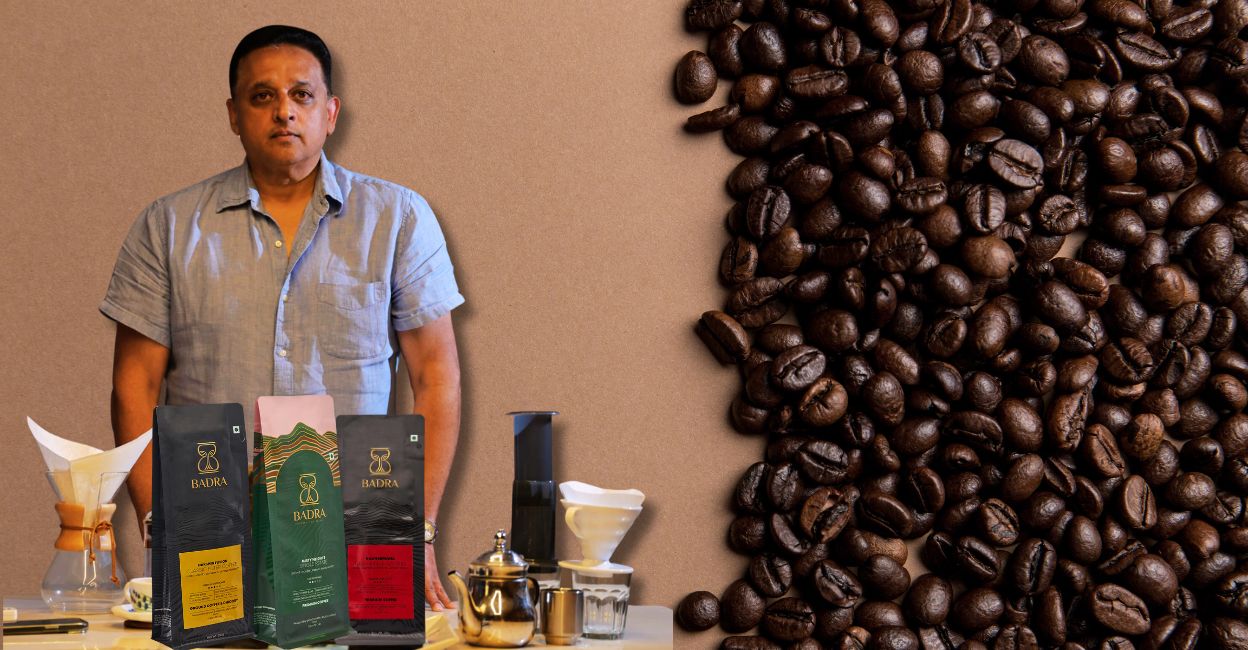
What sets Badra Coffee apart from other coffee brands is its commitment to a direct-from-farm process. From cultivating the beans in the estates of Chikkamagaluru to processing them for various brewing methods, every step is handled in-house, with no middlemen involved.
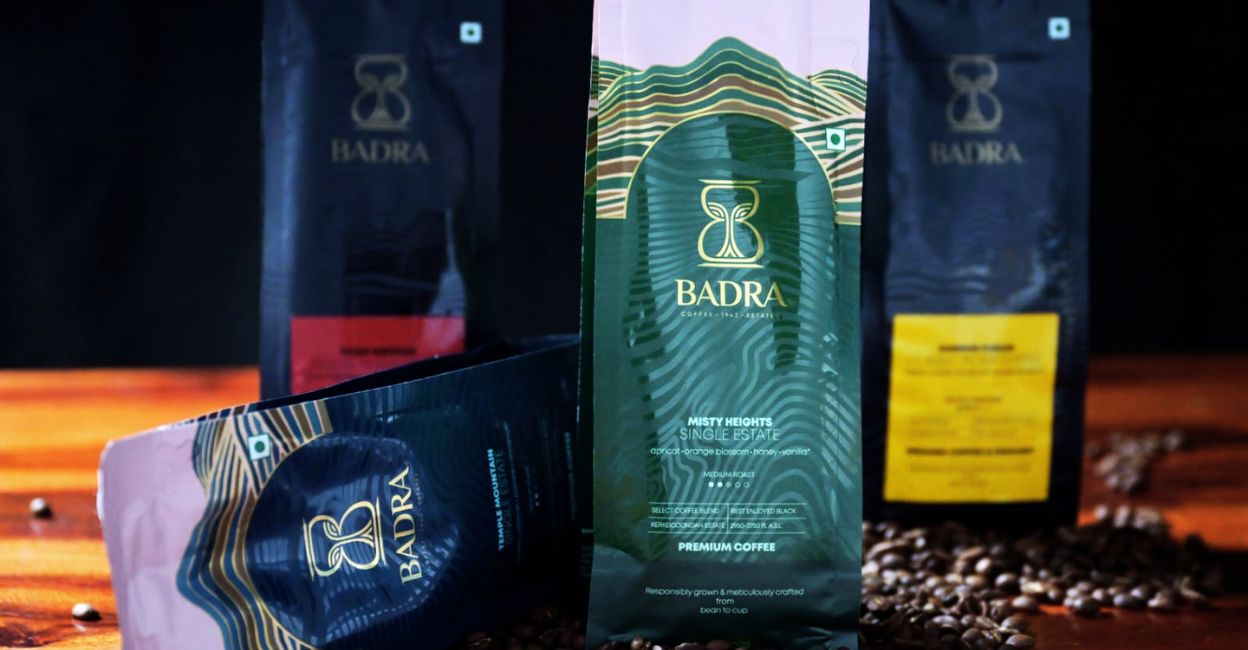
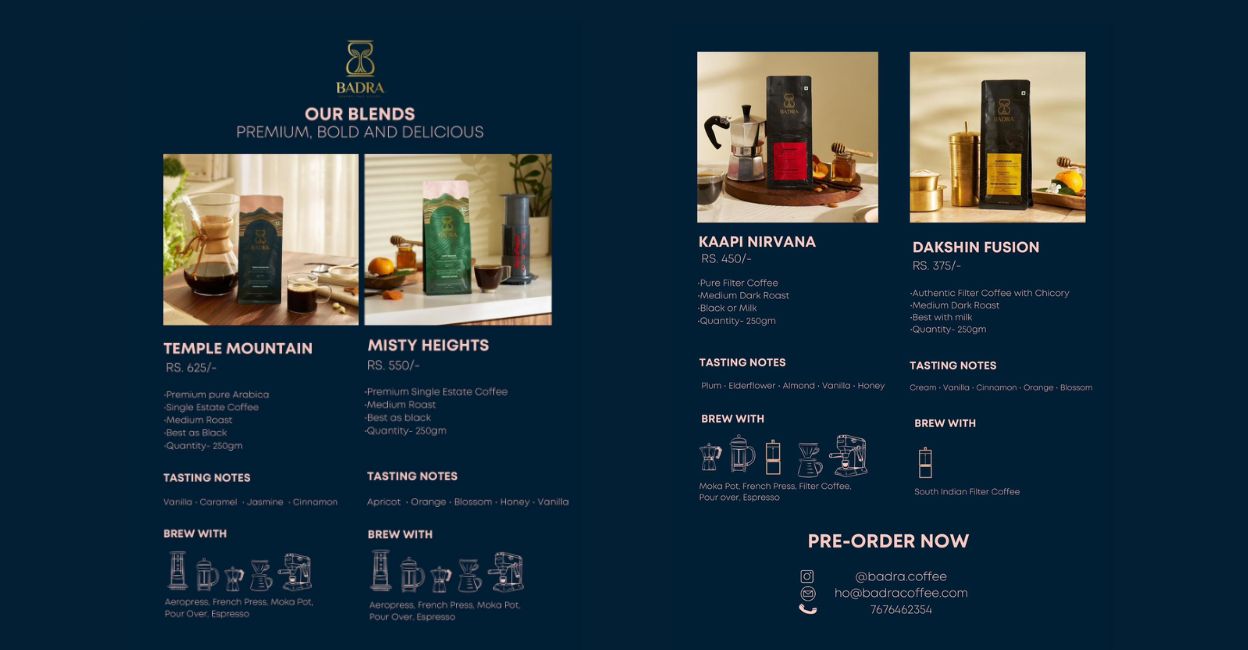
Now, the brand is gearing up to launch four unique blends in the retail market. Three of these—Temple Mountain (Arabica), Misty Heights (Single Estate), and Kaapi Nirvana (Filter)—are pure coffee varieties, while Dakshin Fusion is a filter coffee blended with chicory.
“We call it relationship coffee. We work closely with our buyers to understand their specific flavor requirements and tailor our coffees to meet those preferences,” Jacob Mammen, Managing Director of Badra Estates in Chikkamagaluru, Karnataka told The Week.
Badra Estates & Industries Ltd. was established in 1943 by Mammen’s great-grandfather after acquiring the estate from Brooke Bond Ltd.
For decades, the coffee industry in India was regulated, with all growers required to pool their beans with the Coffee Board of India. It wasn’t until 1997 that the government allowed growers to sell their coffee independently, which opened doors for Badra to explore international markets. Since then, the company has focused on developing specialty coffees.
The rise of coffee culture in India, fuelled in part by brands like Cafe Coffee Day, has led to a growing interest in specialty coffees. And for the first time, Badra Coffee is offering its premium blends directly to retail customers. “We are a seed-to-cup company,” says Mammen. “If you want to truly savour your coffee, rather than just drink it out of habit, try one of Badra Coffee’s blends for an exceptional bean-to-cup experience.”
Badra Coffee’s blends, Temple Mountain (Arabica), Misty Heights (Single Estate), Coffee Nirvana (Filter), and Dakshin Fusion (Chicory Blended Filter), are now being launched. Photo: Special arrangement
Badra Coffee, which has been exporting to 10 countries, including Japan, the US, South Korea, Germany, and Norway, for over two decades, will now be available in the Indian retail market. Their blends, Temple Mountain (Arabica), Misty Heights (Single Estate), Coffee Nirvana (Filter), and Dakshin Fusion (Chicory Blended Filter), are now being launched.
The market prices for 250-gram packets are Rs 625, Rs 550, Rs 450, and Rs 350, respectively. In the initial phase, orders can be placed through the website badracoffee.com or via the toll-free number 18001236490. The coffee would also soon be available through Amazon. Orders above Rs 500 will not incur delivery charges.
Photo: Special arrangement
source: http://www.onmanorama.com / ONManorama / Home> News> Business / by OnManorama Staff / August 24th, 2024
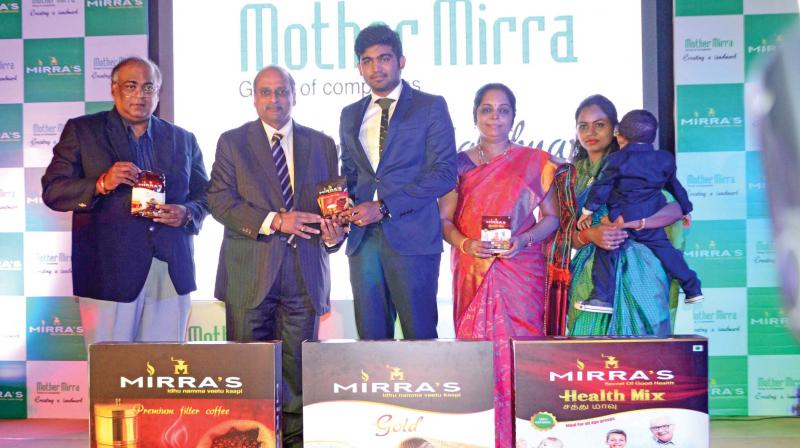
With coffee running in the blood lines of the family the Mother Mirra Group has owned coffee plantations for four generations.
Sundar Subramaniam, executive director of Mother Mirra Group of companies releasing their company product in Coimbatore. (Photo: DC)
Coimbatore:
His family is introduced as the ‘first Asians’ to own a plantation in Asia. Ironically, it took several years and four generations of entrepreneurs of the ‘Mother Mirra Group of Companies’ to foray into retail coffee market.
Speaking to DC, Mr. Sundar Subramaniam executive director of group said, “way back in the 1930s, my great grandfather Mr. PPR. Subramanian Chettiar owned and managed estates in Malaysia at a time when only British and Scots owned coffee plantations. Since then on, my family is in the business of supplying coffee powder and roasted beans from our estates in Coorg to different parts of India. Entering into the domestic filter coffee market is a dream come true for my father Mr. S. Subramanian, who is a third generation entrepreneur of our family.”
With Mirras Coffee the company has entered the domestic filter coffee market. Two options of coffee powder were launched in Coimbatore recently. Mirras Premium blend is a combination of 85 per cent coffee and 15 per cent chicory while the Mirras Gold variant is a combination of 53 per cent coffee and 47 per cent chicory.
Available in 200 grams sachets, for a cost that is affordable, the traditional filter coffee tastes just like home-made coffee, sticking to the tag line of the product ‘idhu namma veetu kaapi’.
The product is available across big and small stores and supermarkets across the city. The firm has a strong dealership network in Tamil Nadu and Puducherry. “We have partnered with 350 dealers across both the regions. In a year’s time we are hopeful of capturing 3.50 per cent to 4 per cent of the filter coffee market,” Mr. Sundar Subramaniam said.
The company already has a strong market hold in the wholesale filter coffee market segment with regular consignments of their coffee powder delivered across India.
Karnataka and Tamil Nadu is where the company does thriving business. The coffee is customized for their wholesale clients.
source: http://www.deccanchronicle.com / Deccan Chronicle / Home> Nation / by Lakshmi L Lund / April 08th, 2018
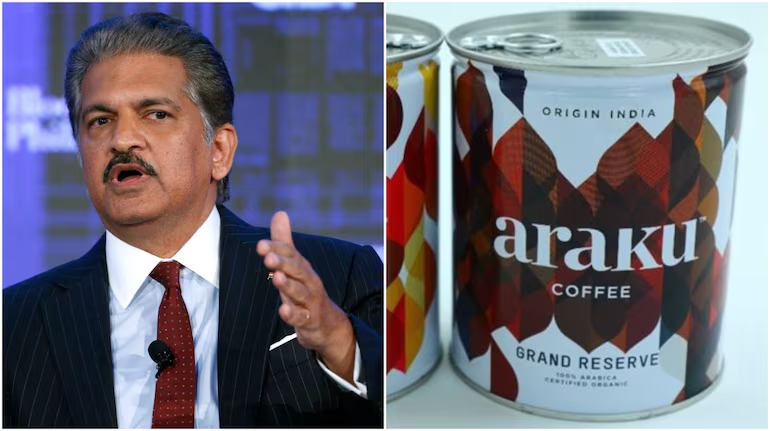
“We opened the first outlet of Araku Coffee in the Marais district in Paris. Today, lines stretch outside the store of Parisians waiting to get their daily cuppa of Araku,’ Anand Mahindra, the board chairman of Araku Coffee, said.
Anand Mahindra announced a second outlet of Araku Coffee in Paris, and said, ‘Today, lines stretch outside the store of Parisians waiting to get their daily cuppa of Araku.’
Mahindra Group chairperson and the board chairman of Araku Originals, Anand Mahindra on Monday thanked Prime Minister Narendra Modi for supporting the hard work of tribal farmers for growing one of the finest coffees in the world using regenerative agricultural practices in Andhra Pradesh.
Mahindra also announced the launch of the brand’s second outlet in Paris, apart from its existing outlets in Bengaluru and Mumbai.
“A huge ‘thank you’ to PM Narendra Modi for repeatedly supporting the hard work of the tribal farmers who grow Coffee in the Araku Valley—using regenerative agricultural practices,” he wrote on X. “It is now a globally renowned brandand acknowledged as one of the world’s finest coffees.”
Araku Coffee is the world’s first terroir-mapped coffee, grown on organic plantations in the Araku Valley of Andhra Pradesh. These coffee beans bear the essence of the valley’s rich soil and temperate climate. Pure Arabica with a rare aromatic profile, Araku Coffee is known for its unique texture and a symphony of flavours that makes for a smooth, well-balanced cup.
The Mahindra Group chairperson also highlighted the 25-year journey undertaken by the Nandi Foundation that transformed the lives of tribal farmers by encouraging them to grow high-quality coffee. More than three lakh tribals are out of poverty and over 42,000 farmer families have become millionaires earning a profit of Rs 1 lakh per season from this coffee.
He added that he was enthused by the vision of Manoj Kumar, the co-founder and CEO of Araku Coffee, and his team to make the coffee a global brand . “We opened the first outlet of Araku Coffee in the Marais district in Paris,” Mahindra said. “Today, lines stretch outside the store of Parisians waiting to get their daily cuppa of Araku.”
“And I’m delighted to announce that we’ll shortly be opening the second Cafe in Paris near the Pantheon. In addition, of course, we have outlets in Bengaluru and Mumbai ,” he said.
source: http://www.moneycontrol.com / MoneyControl.com / Home> News> Trends / by MoneyControl News / July 01st, 2024
Assava ensures transparency and sustainability in its operations.
Nestled amidst the lush landscapes of India, Assava emerges as a beacon of innovation and excellence in the realm of coffee. Born from a fortuitous encounter with the aromatic beans amidst the picturesque hills of Coorg during a Bangalore expedition, Assava embodies a profound passion for quality, sustainability, and a transformative vision for the coffee industry. Launched in 2022, Assava embarked on a journey to redefine the coffee experience, traversing the entire value supply chain from working hand-in-hand with the growers and estates to the discerning palates of customers.
Unlike traditional coffee enterprises, Assava transcends mere transactions, viewing cafes not just as beverage outlets but as havens of creativity and community. With a steadfast commitment to quality and a roaster of esteemed estates across Eastern Ghats & Western Ghats of India, Assava champions exceptional coffee experiences while fostering transparency and sustainability. Assava’s journey is a testament to its dedication to elevating coffee culture globally, embracing a future of expansion into new horizons while remaining deeply rooted in the rich traditions of Indian coffee heritage.
Bibhu Bahalia and Nihar Das, the visionary founders behind Assava, epitomize the epitome of passion, innovation, and dedication in the realm of coffee. Their journey began with a serendipitous encounter amidst the lush hills of Coorg, igniting a flame of inspiration that would propel them to redefine the coffee experience in India and beyond.
With an unwavering commitment to quality and sustainability, Bibhu and Nihar embarked on a mission to traverse the entire value supply chain of coffee, from the nurturing hands of growers to the discerning palates of customers. Theirs is not merely a business venture but a labor of love—a journey fueled by a profound appreciation for the craft of coffee and a transformative vision for the industry.
In the vibrant landscape of India, where every journey holds the promise of discovery, the inception of Assava, the brand under the company Holt & Myst Beverages Pvt. Ltd. was an unexpected revelation. Founded upon the serendipitous encounter with coffee amidst the verdant hills of Coorg during a Bangalore expedition, Assava was born out of a passion for quality, a commitment to sustainability, and a vision to revolutionize the coffee industry.
At the heart of Assava’s mission lies the desire to traverse the full value supply chain of the coffee business, from the nurturing hands of growers to the discerning palates of customers. With a fervent dedication to quality and recognition of the integral role played by coffee farms, Assava has emerged as a beacon of excellence in the realm of coffee aficionados and aspiring entrepreneurs alike.
Unlike conventional coffee enterprises, Assava stands apart with its unique approach to the coffee experience. Recognizing cafes as more than mere beverage outlets but as sanctuaries of solace and creativity, Assava endeavors to deliver exceptional coffee experiences that transcend the ordinary. Historically, the Indian coffee market has been dominated by exports, leaving a void in local chains and cafes for premium offerings. Assava seeks to disrupt this norm by championing exceptional coffee experiences within local communities.
The journey for Assava wouldn’t have been even without the constant support and quality output from it’s esteemed partner estates to the likes of Madhu Agro Plantation, Durga Madhaba Estate, SM Plantation and Curing partner Kalinga Desi Agro Foundation, the amalgamation of which led to the introduction of ‘The Eastern Trails’, I.e. Coffee from the Eastern Ghats of India during World Coffee Conference 2023, which was splendidly accepted by the national and global audience.
Central to Assava’s ethos is the concept of vertical integration, whereby value is added at every tier of the supply chain. By fostering collaboration with growers, estate owners, and other industry partners, Assava ensures transparency and sustainability in its operations. Moreover, by engaging directly with customers, Assava cultivates a sense of community and appreciation for the craft of coffee.
In its pursuit of sustainability, Assava employs innovative practices such as Electric roasting setups to minimize toxic emissions and recyclable packaging materials. Furthermore, Assava practices small batche roasting of coffee based on customer demand, ensuring freshness and minimizing waste.
Since its inception in December 2022, Assava has made significant strides in the coffee industry, participating in flagship events such as the World Coffee Conference and various food tech exhibitions. Collaborations with esteemed institutions like the Coffee Board of India which has been a major pillar of support in their journey, underscore Assava’s commitment to education and excellence in coffee.
Looking ahead, Assava envisions a future as a globally recognized oriental brand, with a presence spanning continents. While its current focus remains on Eastern India, particularly Odisha, West Bengal and the Northeast, Assava is poised for expansion into Southern India and beyond. With plans to venture into direct consumer markets in the coming months, Assava continues to uphold its commitment to quality, sustainability, and community.
For aspiring coffee entrepreneurs, Assava offers invaluable advice: cultivate a discerning palate, understand your audience, and embrace the journey of coffee exploration. Assava’s journey is not just about selling coffee—it’s about fostering a culture of appreciation and enjoyment, brewing life with each cup.
source: http://www.interviewtimes.net / Interview Times / Home / by Priyanshu Mohanty / March 22nd, 2024
Students from the Laurus Institute for Logistics in Kalamassery said, inspired by the popularity of green tea, they came out with green coffee powder, as part of a project at their institute.
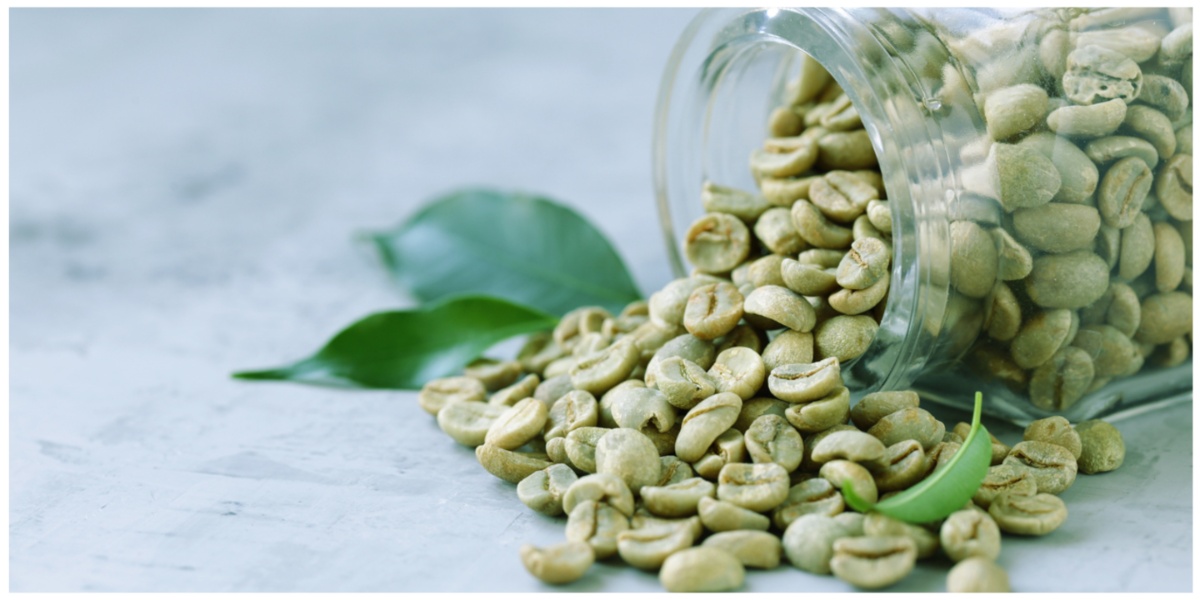
Organic green coffee beans- representational image (iStock)
‘Green tea’ has been a favourite drink of health-conscious people for quite some time, but what about making ‘green coffee’ popular? A group of Kerala students has now developed a new variety of health-friendly green coffee powder.
Students from the Laurus Institute for Logistics in Kalamassery said, inspired by the popularity of green tea, they came out with green coffee powder, as part of a project at their institute. This new drink aims to cater to the growing demand for healthy options and capitalise on the increasing focus on health and wellness, they said.
Rich in antioxidants, green coffee boosts metabolism and helps reduce diabetes, cholesterol, blood pressure, and weight, the students claimed. They also received a certificate from the Food Safety and Standards Authority of India (FSSAI) for the product.
Despite the widespread popularity of green tea, the students admitted that developing a new brand of green coffee powder was a significant challenge.
Developing green coffee powder
It was the 2020 batch of the institute that recognised the benefits of green coffee. The 30-member batch split into different groups and explored various concepts before settling on green coffee.
A 10-member team was interested in making FMCG products, and they considered tea and coffee due to their global popularity. Abhijith MV, a member of the project team, said they unexpectedly discovered green coffee beans while they were in Palakkad seeking the best suppliers.
He said that although they sampled many other ready-made coffee powders, their focus remained on developing green coffee powder, which is not widely known.
The supplier mentioned that sun-dried green coffee pods were not in high demand, but the students were keen to learn about green coffee, Ajay Sankar, chairman of the institute, said.
“They brought the overlooked green coffee beans from Coorg and Palakkad to Kalamassery. In the second phase, they experimented by grinding the beans into different sizes,” Sankar said.
Multiple laboratory tests were conducted to determine the shelf life of the product, and finally, they decided to grind Arabica coffee beans into small granules and pack them.
The many health benefits
Despite its many health benefits, the taste of green coffee was not particularly appealing, which concerned the students, the institute said in a statement. Attempts to enhance the flavour with mint, cardamom, rose, and so on were abandoned as they reduced the shelf life of green coffee to six months, it said.
The students admitted that though ‘Laurus Nature’s Green Coffee’ was showcased to health clubs, gyms, medical shops, business groups and so on, their initial response was not positive. Eventually, customers were found by meeting each other personally and explaining the benefits of green coffee.
The students are now motivated by the fact that customers continue to buy it after experiencing the benefits from at least two packs, the chairman added.
Though the project was started by the 2020 batch, the green coffee project has been passed on to subsequent batches. Students continue to improve ‘Laurus Nature’s Green Coffee’ through ongoing research, he added.
(Disclaimer: The headline, subheads, and intro of this report along with the photos may have been reworked by South First. The rest of the content is from a syndicated feed, and has been edited for style.)
source: http://www.thesouthfirst.com / The South First / Home> Kerala / by PTI / May 27th, 2024
WELCOME. If you like what you see "SUBSCRIBE via EMAIL" to receive FREE regular UPDATES.
Read More »