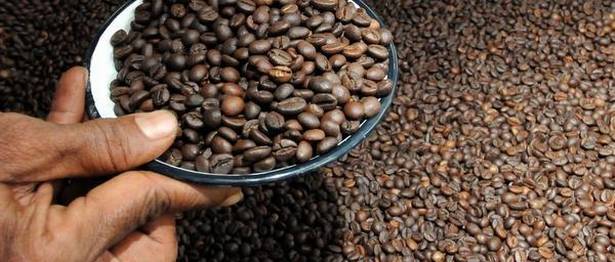
We ran out of our commercially made coffee powder recently and since I was just back from Coorg with a truckload of pure coffee, I decided to open one of the packets. As I undid the sticky tape of the coffee, a whiff took me back to the time when I was a kid, growing up in the then almost new Indiranagar in Bengaluru.
Just after the double road, on the way to Ulsoor, on the right was housed Cauvery Coffee Works. Run by two sisters, it was a store operating out of a garage. The store faced what is today a huge commercial complex that houses Krishna Sweets among many other stores. Like most homes in Bengaluru, their home too had a lot of trees and plants. The garage was connected to the house through a batwing door, and they would appear mysteriously through this portal when customers would arrive. Clad in the typical Coorg saree, with full-sleeved blouses, or a fitted cardigan in winter, the two sisters were elegant and stylish with their bobbed hair, large bindis and jewellery!
My grandma would always send us to Cauvery Coffee Works, with strict instructions that the coffee powder must be freshly ground and to not buy the already powdered product. This was an errand I loved to run as I was fascinated by the sisters, their bat-wing door, the coffee roaster, grinder and the invigorating smell of the coffee! As a curious kid, I had the special privilege to duck under the counter, enter the store, flap the bat-wing door and call out to the sisters, “Akka, I want coffee.” They would smile and ask how granny was doing and automatically start the process to powder the coffee for packing – they knew my grandma well.
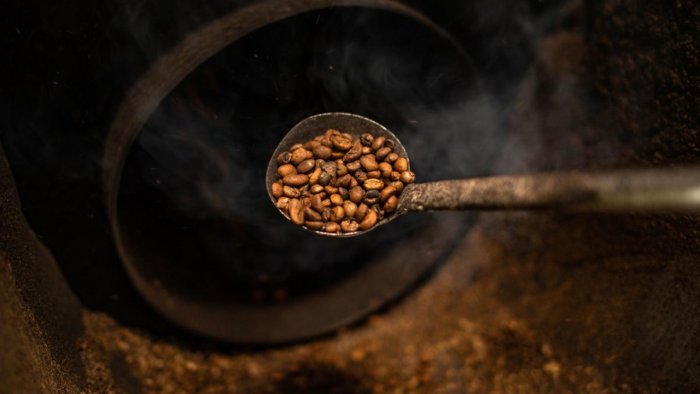
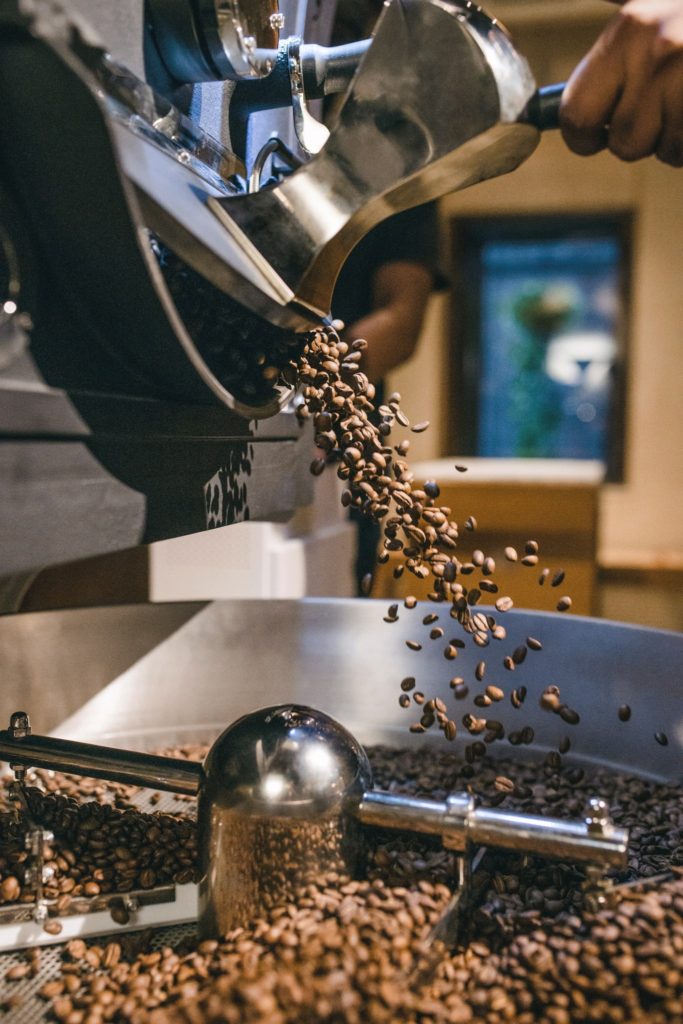
It took a long time for me to get my hands on my 200 gm purchase, the green coffee would be running on the roaster like a large Russian Roulette with a million chips on it. I would watch fascinated as it slowly turned dark brown and as the smell grew stronger. I would help them store the roasted beans in large containers and watch every move with a keenness that was rooted in curiosity.
Once roasted, the powder would be weighed in a butter paper or brown paper packet bearing the logo and the store name, taped with brown tape ready to be taken away. From the coffee grounds to the packing, everything was bio-degradable! A guilt-free way to get-up, get out and smell the coffee!
source: http://www.deccanherald.com / Deccan Herald / Home> Opinion> Right in the Middle / by Devika Ramarathnam / October 17th, 2020
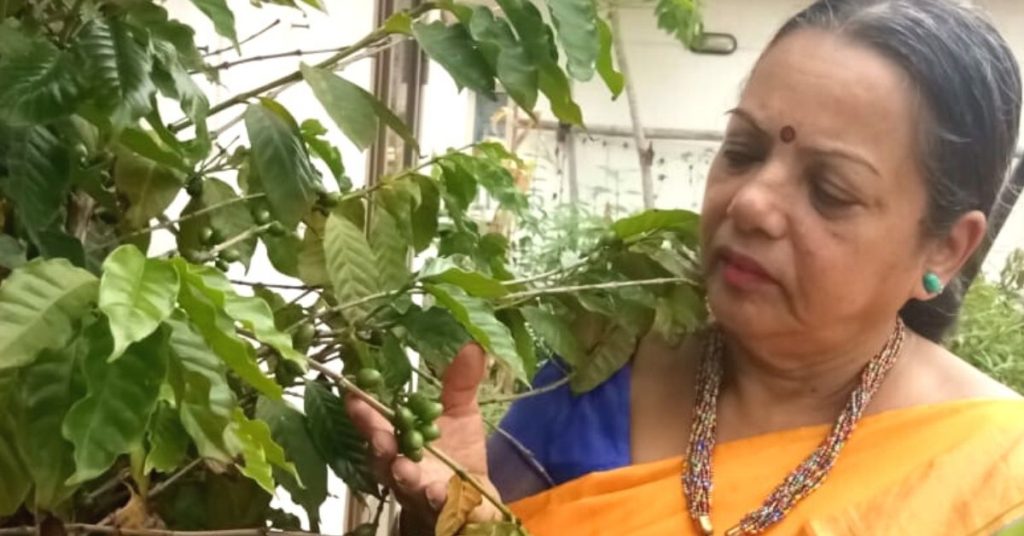
Indira Ashok Shah, a Bengaluru terrace gardener, shares tips on how to grow and care for a coffee plant at home.
For my parents, the day begins only after that first sip of filter coffee makes its way into their bodies. I’ve heard people refer to filter coffee as the elixir that gives them the energy to take on the day.
For all the coffee fanatics out there -what if there was a way to grow your own coffee plant, perhaps in your terrace or even balcony. You need not be living in Coorg, or Chikmagalur for this – you can grow them anywhere, says Indira Ashok Shah, an avid terrace gardener based in Bengaluru has successfully been nurturing a coffee plant on her terrace and in this article, she shall show you how you can do the same.
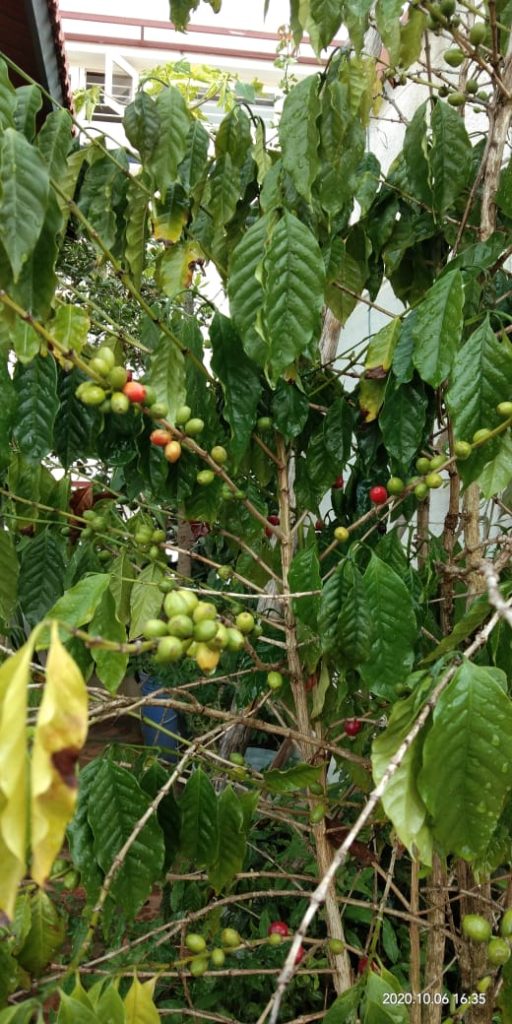
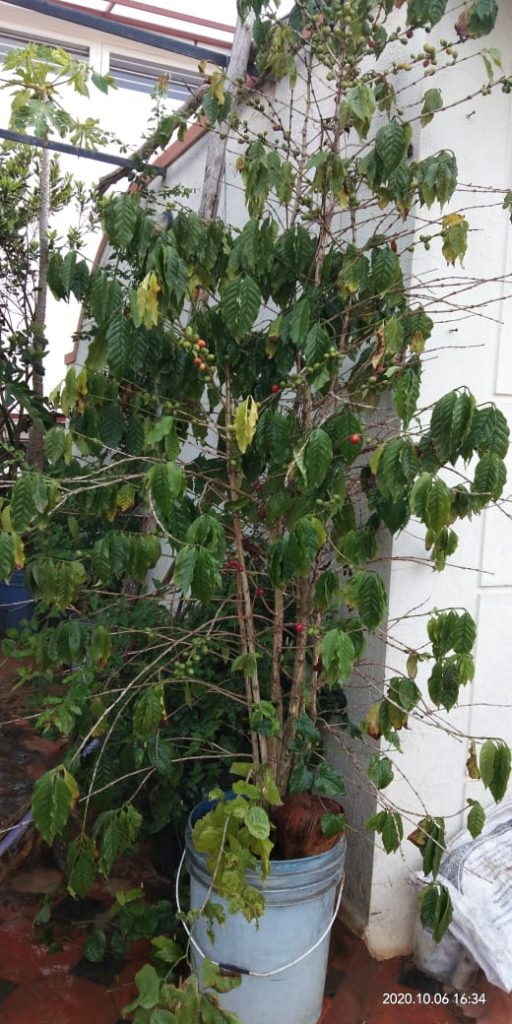
Indira’s coffee plant is almost ten feet tall from the ground and is lush with coffee berries. She also mentions that it has been with her for almost six years now. “I get about one kilogram of coffee powder annually thanks to my plant,” she says.
Things You Will Need To Grow Coffee Plant
Coffee plant in Indira’s terrace.
A 20-litre bucket (Indira has used a regular paint bucket)
Compost
Cocopeat
Soil
Stones
A well shaded area
Step 1
You will need to make three holes in the bucket you are using. This is for drainage and is extremely important that you do this. Once you make the holes place a small slab or piece of stone over the holes.
Do not cover the hole completely; it is important that when there is excess water in the bucket, it is able to drain out comfortably.
Fill the bucket with two parts of soil, two parts of cocopeat, and two parts of compost.
Click here to read up on how to make your own compost at home.
Step 2
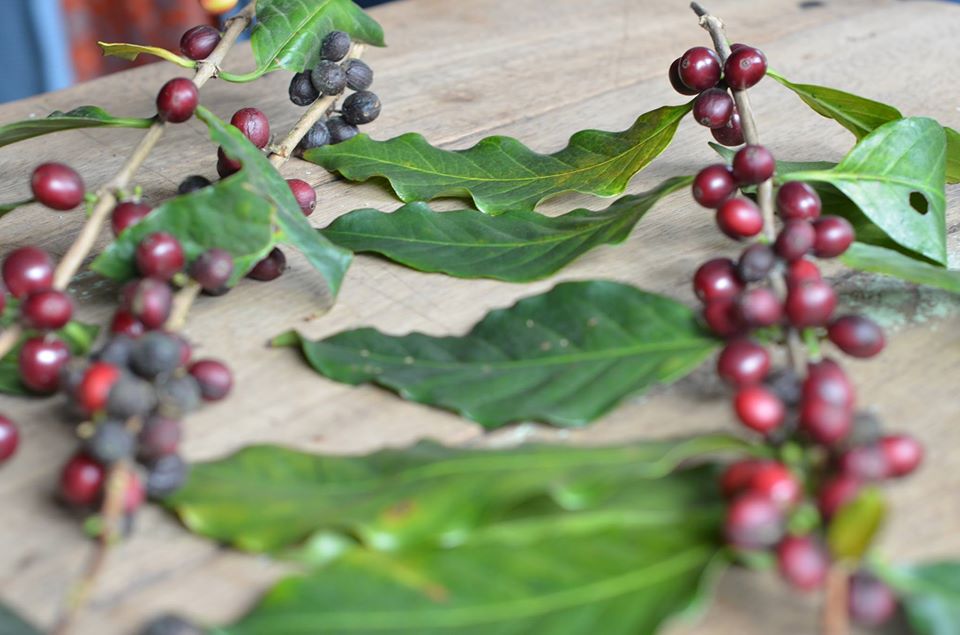
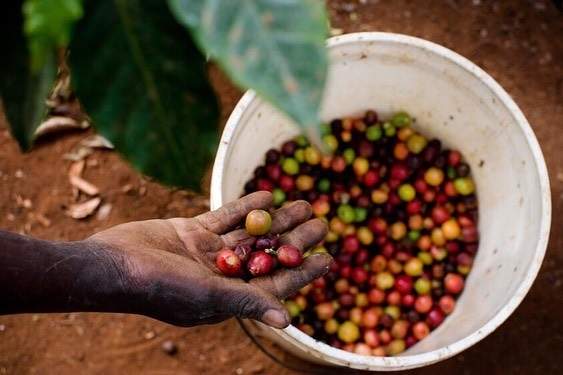
The coffee cherries after being harvested
Find a semi-shaded place to keep your coffee plant.
Do make note that coffee plant does not need direct harsh sunlight so find a good place for it to grow well.
It can also be kept indoors as long as they get some amount of sunlight each day.
Step 3
The coffee plant likes moisture and therefore you must ensure that the soil is always slightly moist and does not get dry.
The test to check whether the soil is adequately damp is to insert a stick in the soil. If it goes into the soil easily, then the soil moisture content is good.
While the soil must be moist there must not be any stagnant water on the surface.
Cocopeat is added to the soil to help it retain moisture.
How To Propagate Coffee Bean
Allow the coffee bean to ripen well. Once it is dried up, sow the bean into the same pot that you have made.
Once sown, ensure that the plant is kept under indirect sunlight.
Air Layering is another method that is used to propagate
Click here to watch the video about following the air layering technique.
Things To Know
Coffee growing in a bucket.
Once every 10 or 15 days, do add more compost 2. Do not add any chemical fertiliser, pesticide, or anything additional to the plant 3. If you have a pest attack, just use a neem spray or make a mixture of Ginger-Garlic-Green Chilli (GGG) 4. To make the GGG mixture, take equal quantities of all three, make a paste, strain it and use that solution on plants, which have been attacked by pests. 5. Once the berries start turning brown, you can harvest them. 6. This can then be taken to a local coffee blender. 7. To add richness to the coffee, Indira adds chicory to the coffee powder and says her blends are usually 80 per cent coffee and 20 per cent chicory. 8. You can grow coffee across India, and Indira says that all one needs to keep in mind is to provide it with a shaded area to grow. 9. There is no particular season in which one needs to start growing coffee, just make sure that it is placed in a shaded area. 10. Coffee beans may be available at your local nursery and if you are unable to find it you can reach out to Indira as well. 11. If you get a graft and grow it, the plant will take about two years to grow and fruit. 12. Whereas if you start from scratch and sow the seeds then a minimum of five to six years is needed. So patience is the key. 13. Ensure that you water the plant every day and if the soil surface feels dry then twice a day as well. 14. You could also consider making your own cocopeat, which is nothing but the dried husk of the coconut churned in a mixie to get a good powder-like consistency. This, when sprinkled on the plant surface, helps to retain moisture for longer.
How And When To Harvest Coffee Berries
Wait for the berries to ripen and turn brown.
Pluck the ripened berries and remove the skin off the seed/bean.
Immerse all the seeds/beans into water and let it be until the skin and pulp completely leaves the seed/beans.
Sun dry the seeds/beans well to remove all water and moisture.
Once done, you can take the seeds/beans and get the coffee ground or do it at home.
You can click on the video below for a better understanding of how to grow coffee and care for the plant.Prom
“Please grow it by yourself and just refrain from using chemical fertilisers. Collect all your wet waste and make your own compost,” she says in conclusion.
If you want to reach out to Indira and get coffee seeds from her to grow your coffee then you can reach out to her via this Whatsapp group or through her Facebook group.
(Edited by Vinayak Hegde)
source: http://www.thebetterindia.com / The Better India / Home> The Better Home / by Vidya Raja / October 06th, 2020
The Coffee Board of India has released geographical indication (GI) tag for five coffee varieties grown in the country. Of this, three are from Karnataka and one each from Kerala and Andhra Pradesh. The GI tag will help all the five coffee brands get maximum market and price for their premium produce across the world. These varieties are Coorg, Bababudangiri, Chikmagalur, Araku Valley and Wayanad coffees.
The Board had obtained GI registration for unique regional coffees grown in these regions during March 2019. Previously, GI registration was obtained for two specialty coffees such as Monsooned Malabar Arabica and Monsooned Malabar Robusta in 2008.
The region-specific GI tags will increase the credibility and visibility of Indian coffees in the international market which will further boost export earnings, the Coffee Board said in a statement.
Further to the registration, the GI tagged coffees are promoted in various national and international forums, it said.
The board has also invited coffee growers to register their coffees with the board so that they can brand their product before selling in the domestic and international markets.
The Coffee Board has also collaborated with Indian Missions in key destinations such as Berlin, Helsinki, Tallinn, Burssels, Shanghai, Moscow and Sao Paulo for an effective overseas promotion of Indian coffee.
As part of its efforts to promote the consumption of coffee in the domestic market, the Board is taking up a year-long, nationwide programme with the help of a special grant of $90,000 from International Coffee Organisation (ICO) for building capacity of nearly 200 entrepreneurs in coffee business, a Coffee Board official said.
This is expected to help in bridging the gap in coffee value chain in the domestic market, especially in non-southern regions of the country. Apart from the capacity building programmes for budding entrepreneurs, the Board proposes to conduct awareness programmes for promotion of coffee consumption in India, the Board said in a statement.
source: http://www.deccanherald.com / Deccan Herald / Home> Business> Business News / by Mahesh Kulkarni / DHNS, Bengaluru / October 01st, 2020
These artisanal coffee brands are creating exciting new ways of drinking your morning java
The world has been in the throes of the third wave of coffee for a while now. Artisanal sourcing, roasting, and blending of coffee is par for the course. Terms like flavour profiles, cultivars, and tasting notes are no longer restricted to the realm of wines. So what next?
The fourth wave is all about people—the producers and the roasters—and their experiments to create a complex coffee with layers of flavours. “We can alter the flavour or unlock new flavours by intervening at various stages in the life span of the coffee bean. This can be at the plant-level or when the coffee cherry is ready to be pulped (the process of loosening the pulp from the bean) or at the drying stage, and of course, at the roasting stage”, says Ashish D’abreo, co-founder of Bengaluru-based Maverick & Farmer Coffee Roasters.
On the occasion of International Coffee Day, we look at what’s new in the artisanal coffee space in India.
The art of fermentation
Fermentation has been a mega food trend over the past couple of years and obviously, coffee growers are experimenting with it too. While it occurs naturally, the trick lies in controlling the process and fermenting the coffee just so. “Fermentation brings out the juiciness and complexity of flavours in a coffee. We carry out anaerobic fermentation, where the coffee cherries are placed in a tank of water and we monitor the pH level and sugar content. Under-fermented coffee is just a waste of resources, while over-fermentation produces an unappetising aroma of rotting fruit, so the process has to be quite precise,” explains Rahul Reddy, founder of the Mumbai-based Subko Specialty Coffee Roasters, which offers a 30-hour fermented single-origin (Ratnagiri Estate, Karnataka) coffee with notes of maple syrup, candied pecans and apricot.
Maverick & Farmer took things to another level at their Ajjikuttira Estates in Coorg, where third-generation coffee farmer (and co-founder) Tej Thammaiah fermented the coffee beans with orange juice to create ‘Orange You Curious?’ coffee. “Yeast, bacteria, and sugars are naturally present in both the coffee pulp and orange juice, which we ferment together for 24-36 hours,” explains Thammaiah. The beans are then shade-dried for about three weeks to produce a unique coffee with refreshing citrusy notes. “The point was to unlock flavours that are normally not found in coffee. We tried this with several other ingredients; some experiments failed but some were successful; for example, we have a micro-lot of lactic acid bacteria fermented coffee called ‘Milk and Honey’ launching in October,” he adds.
No smoke without fire
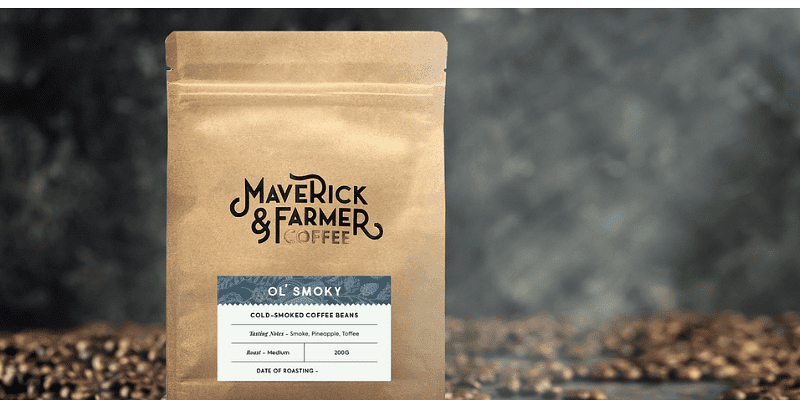
At the start of the drying stage, when the pulp has been stripped off, the tender green bean is porous and ready to imbibe any flavours or influences that it is exposed to. “A smoky note is a desirable flavour in coffee, but until now most of it came from really dark roasting coffee. While it’s enjoyable, you also get a lot of burnt flavour and the natural, delicate sweetness of coffee is completely lost. Our challenge was to bring in the smokiness without dark-roasting,” explains D’abreo. This resulted in “Ol’ Smoky” where the coffee beans are smoked with leaves and wood from fruit trees in a closed room for 13-14 hours. The source of the fire is not in the same room; rather the smoke is let in through a hole. “This introduces a nice smokiness to the coffee while leaving the natural sweetness and notes of Arabica intact. Ol’ Smoky is possibly the world’s first cold-smoked coffee and we are happy that we have been able to create something innovative”, adds D’abreo.
As the coffee beans dry further, roasters are experimenting with introducing new flavours—a favourite method is to ‘age’ the beans in whisky barrels to imbibe flavours such as oak, caramel, and vanilla. Mumbai-based Dope Coffee Roasters offers Double-Barrel Blend, a limited edition coffee from Harley Estate (Karnataka) that is aged in Amrut whisky barrels, producing a complex cuppa with a smooth, sweet finish. “Once the coffee is processed at the farm, we age it in the barrel for about a month. Since coffee green beans are so sensitive, they take on the malty, smoky aromas from the barrel. Unlike most artisanal coffee, this is 100 per cent Robusta, which we believe is India’s specialty and we are happy to see customers accepting it. We will shortly launch this as a cold brew as well,” says Rizwan Amlani, CEO and co-founder of Dope Coffee Roasters. Subko offers an interesting variant of this by cask-ageing cascara (skin of the coffee cherry) for 10 days, which is then cold-brewed for 16 hours and served with tonic water and jaggery.
Considering India’s status as prime coffee-growing country, there’s plenty of room for experiments at every stage of the coffee life cycle. “We have lived through the third wave and it’s time to take things forward. Our customers want to experiment; they are no longer fixated on one brand or blend and are excited to try new flavours. So our challenge is to see what else we can do to develop new tasting notes in coffee”, says D’abreo. The fourth wave is here to stay and Indian artisanal coffee brands are at the forefront of innovation. That’s sweet news for the coffee connoisseur.
source: http://www.vogue.in / Vogue / Home> Culture & Living / by Prachi Joshi / October 01st, 2020
Kanubari in Arunachal Pradesh so far known for its lush green tea gardens may soon be recognized for coffee.
With over more than 400 hectares of land and around 400 farmers, the coffee beans are now bearing a visibility.
Gabriel D. Wangsu, also chairman, APSCIT and e-Gov, said that coffee offers scope for economic growth and help maintain natural equilibrium.
Earlier, Joint Director of the Coffee Board of India, Dr CG Anand, who arrived here from Bangaluru to study the feasibility of coffee cultivation, said that Kanubari is suitable for robusta coffee and success stories of other parts of India can be replicated here.
Its distinct taste can be traced to the geographical speciality of its plantation in Coorg
Image Credit: Supplied / gulfnews.com
You experience the flavour of Levista, right from the beans to the coffee you drink. The beaming spirit of SLN Group is like a perfect cup of coffee — fulfilling, hearty, crisp, wholesome and so gratifying since 1956.
Levista’s distinct taste can be traced to the geographical speciality of its plantation, which is rooted in Coorg, the coffee capital of India. It is born from the rich expertise of a company that supplies coffee to leading Indian and global coffee companies, and is among the top ten coffee exporters of India. Millions of coffee drinkers wake up to Levista every morning. It is the coffee for coffee lovers, and across the world, people have placed their trust in the timeless flavour of its legacy.
Wafting across the world
Levista has definitive plans in place to spread its aroma across 10 countries, and has undertaken brand building associations with leading entities.
It also has Café Levista, located strategically across cities for discerning coffee lovers, to enjoy a wholesome experience with friends and loved ones. By 2025, 500 such outlets will be operational in India and overseas to deliver its rich taste and heritage. Levista pours the best quality brew made from handpicked beans, with offerings across instant, filter, and artisanal range of coffees.
An association befitting Kings
Recently, Levista has proudly associated with the Chennai Super Kings (CSK) as their official licensed coffee partner.
It’s a distinctive milestone for two big brands to come together during the Indian Premier League, as the action shifts to the UAE this season.
To make it truly memorable, there will be CSK combo packs which will be retailed as a limited edition, along with the team’s memorabilia.
It will indeed be an unbeatable mix for coffee and cricket fans, when the world is watching. The quality and flavour of Levista resonates with the vivacity and passion of CSK.
source: http://www.gulfnews.com / Gulf News / Home> Lifestyle> GN Focus Report / September 13th, 2020
Maverick & Farmer, founded by three passionate coffee entrepreneurs, caters to coffee lovers who want new flavours in their brew. Co-founder Ashish D’abreo speaks to YSWeekender about the evolution of artisanal coffee and the company’s unique blends
Whether you love your coffee cold, blitzed to perfection with ice cubes, or brewed hot and delicious in your percolator, it is the drink that gives you that happy buzz and takes you through the day. But with time, people wanted more from their coffee. Some wanted it freshly roasted, a few liked it strong and black, while others wanted nutty, sweet, and tropical flavours in their brews.
Coffee can be served in a variety of flavours and textures (Pic credit: Shutterstock)
Over the years, coffees have been created and developed to suit every palate, right from house blends to different degrees of roasting to a gamut of innovations and textures .
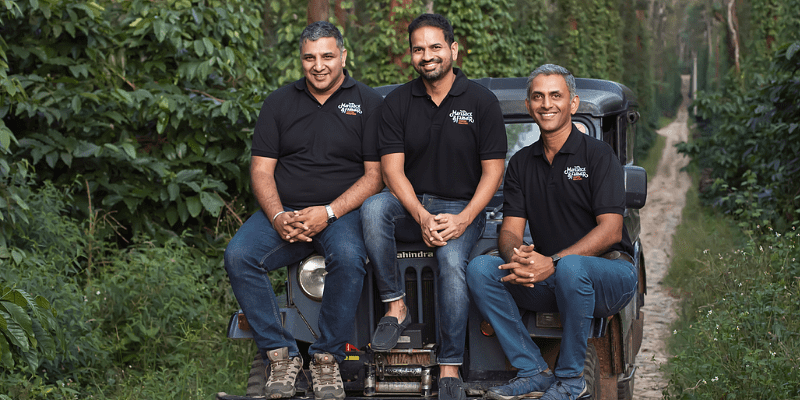
Maverick & Farmer Coffee Roasters started operations in 2018, founded by three passionate coffee entrepreneurs — Sreeram G, Tej Thammaiah, and Ashish D’abreo.
Coffee entrepreneurs (left to right) Sreeram G, Ashish D’abreo and Tej Thammaiah who founded Maverick & Farmer
Tej Thammaiah is a third-generation coffee farmer who looks after the Ajjikutira family estates in Pollibetta, Coorg. Ashish D’abreo is the head roaster and barista, while Sreeram G leads sales. The co-founders are on a constant endeavour to create innovative variants of coffee that imbibe different plantations and natural fermentation methods.
In an interaction with YSWeekender, Ashish D’abreo, Co-founder, Maverick & Farmer, tells us about the company’s latest flavours and the USP of the brand.
YSWeekender (YSW): Can you tell us about your latest coffees and what makes them special?
Ol’ Smoky coffee was launched recently
Ashish D’abreo (AD): In keeping with the pursuit of creating unconventional coffee, we have six coffee blends that are set to launch in a staggered manner over the next 12 weeks. These are a result of a lot of experimentation on the farm and in our roastery.
The first two that were launched last week are called ‘Ol’ Smoky’ and ‘Orange you curious?.’ Those who love a mellow, sweet-smoky lining to their favourite drink, our Ol’ Smoky creation is for them as it is prepared from freshly pulped top-grade Arabica green beans that are cold-smoked for 13-14 hours in a smokehouse.
Orange You Curious? is created by fermenting freshly pulped coffee beans with orange juice. Both the coffees are available on our website: www.maverickandfarmer.com
YSW: How was the idea of Maverick and Farmer conceived, and what is unique about your brand?
Maverick & Farmer coffee roasters are here to take Indian coffee past the third wave of coffee (which predominantly deals with origin, terroir, roasting, etc.) and introduce a whole new world of coffees that unlock so much more than what the species, terroir, or roasting can offer.
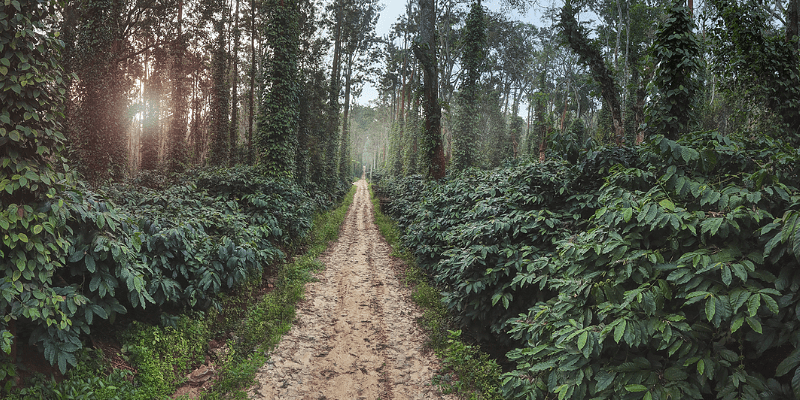
A coffee estate
There are two sides to our coffee brand — the farmer, with its in-depth understanding of coffee growing heritage, rules, experience, and rich knowledge — and the Maverick, the rule-breaker, boundary pusher, and experimenter. This is what makes us unique, and reflects in our coffee offerings.
Our coffee primarily comes from our farms in Coorg, but we also work with other farmers from different growing regions when we require coffees that bring a different uniqueness to our offering.
YSW: What is artisanal coffee?
AD: The term ‘artisanal coffee’ implies that the producer is growing, processing, roasting, etc., coffee from a traceable source, in a manner that highlights the unique flavours and tasting notes.
YSW: How do you come up with new flavours, and how are they tested out?
The flavour of the coffee depends on the quality of the coffee beans
AD: Most of the work happens during non-harvesting months — from March to October — and most work happens on paper. We’re constantly brainstorming on ideas, lines of thought, and wish lists. During the harvest season, we can actually put all of this into practice. We spend a lot of time together on the farm, executing our ideas, drying, roasting, tasting, and journaling.
YSW: Which countries offer the best kinds of coffee?
AD: I would say India because we have some very unique characteristics of our coffee. Apart from India, I would say, (and this is a personal opinion) — Kenya for the flavours, the importance given to R&D, and meticulous quality control; Guatemala for its bright, sweet notes; and Ethiopia for being the birthplace of coffee, as well as its floral and fruity coffees.
YSW: Can you give us some tips on how to make a good cup of coffee?
Freshly roasted coffee makes the best brew
AD: Brew coffee that’s freshly roasted. Stale coffee or dead coffee is unidimensional and gets the whole brewing process off on the wrong foot. Choose a grind size that’s perfect for your brewing equipment. Follow instructions only for the first time, and after that, adapt recipes and brewing techniques to what you think works best for you.
YSW: What are your plans for Maverick & Farmer in the days ahead?
AD: We don’t have much time until the next harvest. There’s still a lot of work left to be done, directions, and processes to be finalised. We have quite a few new products and café launches in the pipeline in the future.
(Images credit: Pavan Srinivas)
source: http://www.yourstory.com / Your Story / Home> Your Story> YS Weekender> Food and Beverages / by Asha Chowdary / September 11th, 2020
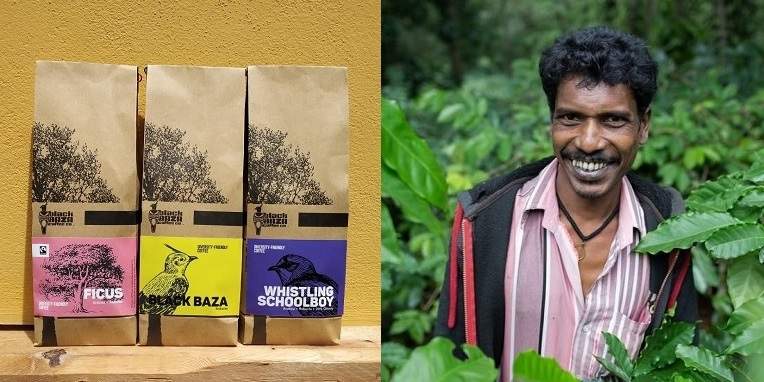
Have you explored Black Baza Coffee’s lineup, yet?
Very few coffee lovers actually research how ethical their go-to fair trade coffee brand really is, but Black Baza Coffee ‘s biodiversity-friendly, fair-trade coffee production is going the whole mile when it comes to ethically responsible community-building. The Bengaluru-based label is committed to the idea of ‘creating a local, participatory and meaningful movement for coffee.’ During her PhD in coffee and sustainability, Arshiya Bose, the founder of the label explored some functional biodiversity-friendly coffee farming practises which helped her get a better perspective on responsible production.
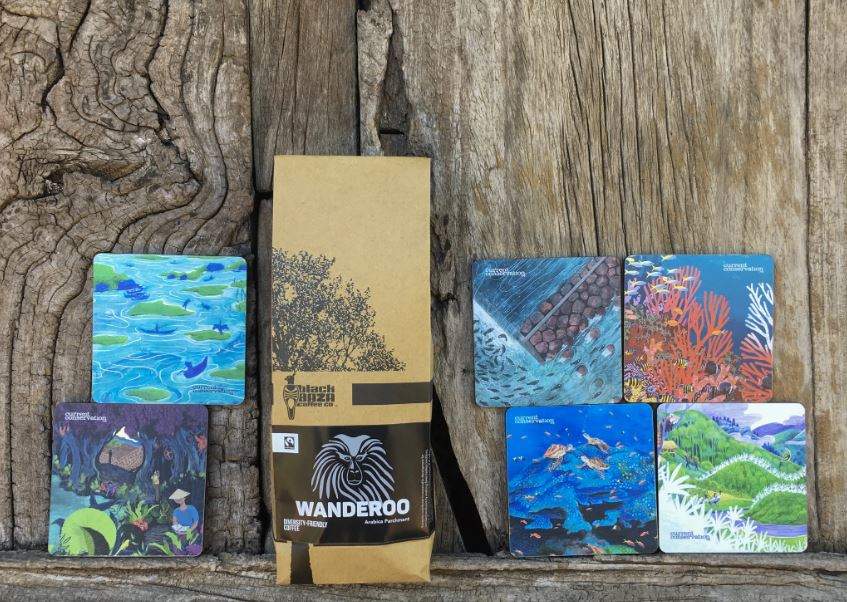
The rich and balanced Wanderoo
“Through my research I met several smallholder coffee producers, and the brand is committed to the idea of helping them grow. Black Baza Coffee is not just about eco-friendly practises but we focus on biodiversity conservation. We take a look at how various wildlife and plants make use of the coffee farms and how they can be conserved on these farms, which also includes changing the way we farm. So we go beyond organic, from looking and understanding habitats to sticking to our all-natural agenda,” Arshiya tells us. Not to mention Black Baza’s line-up is amazingly diverse, featuring coffees with layered flavour profiles, be it fermented Robusta with spicy flavour notes or washed Arabica with a balanced acidity.
“Our Ficus coffee is named after this tree, our focus for conservation efforts in our farms,” the label writes on its Instagram page
In fact, you can even follow Black Baza’s Instagram page for their excellent fieldwork stories. We caught up with Arshiya to explore her vision further.
Black Baza Coffee has a focus on nurturing smallholders producers…
Yes, we do not work with coffee estates so we typically look at those coffee growing communities which are marginalised and vulnerable, particularly at a time like this and we work closely with them. We work with those who need our input and support the most and we are actually one of the few certified fair trade coffee brands in the country. We work with around 650 producers, we help set up coffee collectives and cooperatives. We source our coffee from The Biligirirangana Hills in Karnataka, Nilgiris, Coorg etc.
Tell us about your clientele. Do most of them share the label’s philosophy?
Yes, we have a really loyal base of customers who actively want to support communities which have suffered from the shutdown and the pandemic in general. We already had a steady base, but it has definitely grown since the pandemic started.
How has the label’s objective evolved in the four years since you started?
We are not a typical coffee brand, we function like a social enterprise, and we have definitely grown. We started out with four producers and we now work with 650, we have been able to reach so many communities who needed our support. We have also been able to source so many distinct varieties of coffees with varied flavour profiles, that’s been really interesting.
Tell us about how you’ve named each variant, like the ‘Otter,’ or the ‘Ficus’?
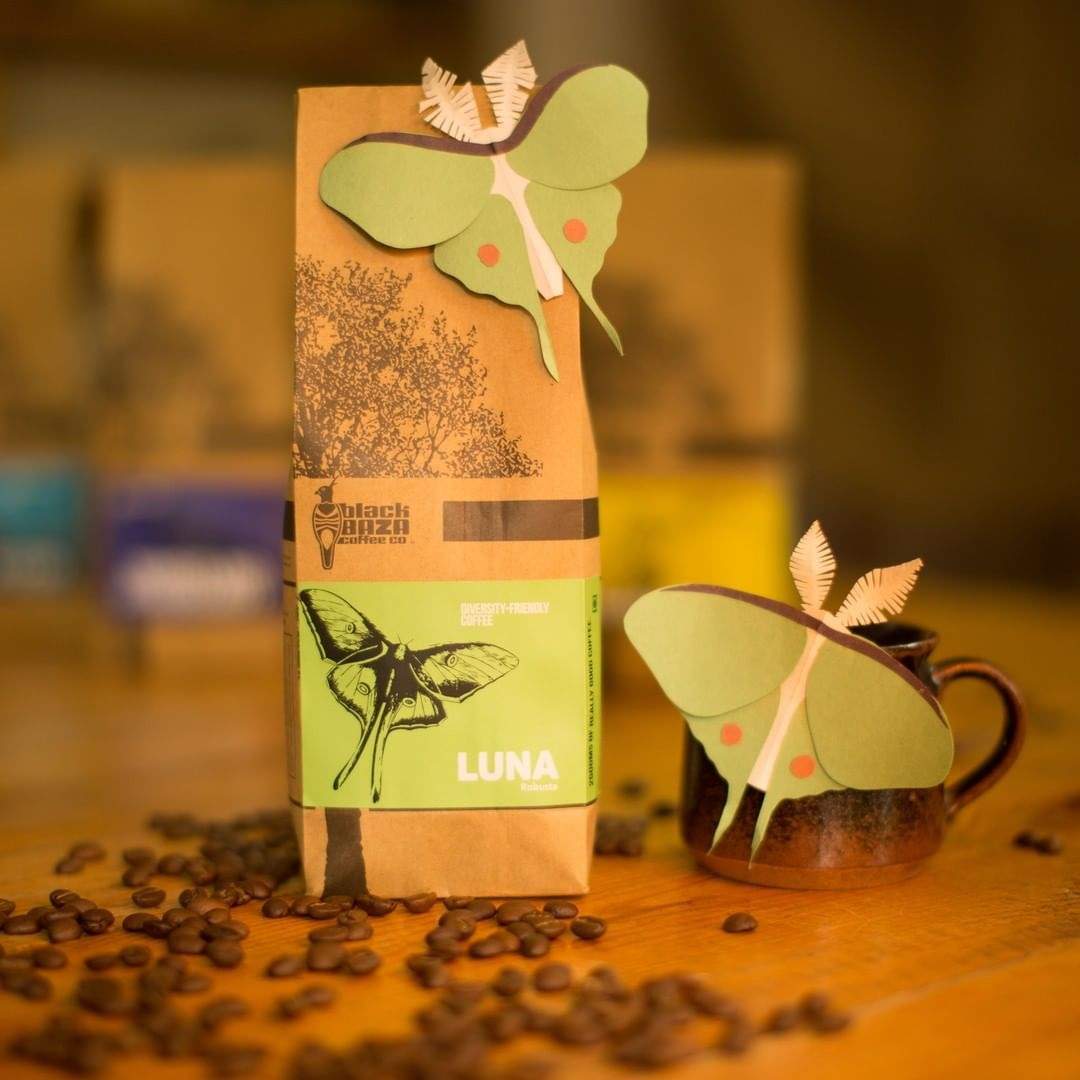
These coffees have been named depending on where they are grown, and represent the idea of conserving particular species of fauna which inhabit the region. The Luna coffee, for instance, is named after this interesting species of moth found in Indo-western ghats, we actively make observations of the luna moth on coffee farms, which tells us about their habitat or the vegetation around them. The names are also symbols of what we’re trying to achieve, it speaks to people about the kind of biodiversity which exists in our forests and why conserving them is so crucial.
source: http://www.indulgexpress.com / The New Indian Express – Indulge Express / by U. Roy / August 14th, 2020
There’s more trouble brewing for Indian coffee exporters, who are not just facing a slump in overall demand due to the Covid-19 pandemic, but also staring at a loss of share in Italy, their largest export market, to exporters from Uganda.
Indian coffees are facing stiff competition from low-cost producer Uganda in the Italian market, which they have been dominating for over past three decades now. Italy accounts for about a fifth of India’s coffee exports.
Indian coffees in Italy are largely sold in the premium segment, such as in cafes and coffee bars. Brazil, the largest coffee producer, dominates the Italian market with half the market share, followed by India, which has a share of around 20 per cent, and other major producers such as Vietnam and Uganda.
“The Ugandans are trying to get as much as possible in the Italian market in the current scenario and that’s a big worry for us,” said Ramesh Rajah, President of the Coffee Exporters Association.
The Ugandan robustas, which are comparable to the Indian variety in terms or quality, are priced cheaper by at least $200 per tonne or about 20 per cent, which is attracting buyers’ interest in Italy, he said.
“During normal circumstances, consumers want quality and are willing to pay more. As the Italian economy is facing a tough times due to the pandemic, consumers are starting to look for better-value coffee. They now see Uganda, which is 20 per cent cheaper than India, as a good value proposition. Vietnam is even cheaper but because of taste and other factors, it is mainly sold commercial packaged coffee segment and not in the premium segment of Italy. The premium segment got more affected during the pandemic than the commercial coffees and is hitting us the most,” Rajah said.
Shipments drop 27%
Coffee shipments to Italy in the first half of calendar 2020 have dropped 27 per cent at 36,547 tonnes, compared to 50,513 tonnes in the same period last year. The arabica shipment to Italy was 14 per cent lower at 4,774 tonnes (5,577 tonnes), while robusta exports took a major beating as shipments were lower by 27 per cent at 31,134 tonnes (42,658 tonnes). During the same period, total coffee exports from India were down 16 per cent in volume terms and value at 1.78 lakh tonnes (2.11 l t) and $404 million ($482 m) respectively.
“For the unwashed robustas, India is facing competition from lower-priced origins like Uganda. Although the Indian quality is sought after, importers do consider more price-efficient coffees. This is more evident under the current Covid-19 circumstances, where more competitively priced coffees are likely to find favour with buyers,” said Anil Ravindran, Partner at RV Commodities, an exporter in Bengaluru.
In fact, the Ugandans are trying to regain their market share in Italy from the India exporters, to whom they had lost market share about three decades earlier. “We took the market 30 years ago, and they are trying to come back now,” Rajah said.
Logistical challenges
Indian exporters had displaced the Ugandans in Italy as the land-locked African producer had faced logistical challenges in shipping out its coffees then. “We never tried to undercut others when we gained the market in Italy. Our selling proposition was reasonable price and reliable supplies throughout the year and our coffees are better prepared and have less imperfections. We gave better products and started getting premiums. As the customers started getting used to our coffees, the premiums started going up,” Rajah said.
So, it is these premiums that are proving to be a challenge for the exporters in retaining their markets. Though the quantum of premium has come down, the Indian robustas still attract a higher price over the London terminal (LIFFE). At present, the Indian robusta cherry is attracting a premium of $500-$600 per tonne over the LIFFE, while a buyer in Italy can get Ugandan coffee at $250-300 above the terminal price. “We are seen as unreliable now as our premiums are too high. Losing the market to Ugandans will have a long-term impact,” Rajah said.
Further, Indian exporters are finding it difficult to match Ugandan prices as that would mean having to source cheap and reduce the prices, which would hurt the growers’ realisations at the back-end. This, when growers are already reeling under the impact of multi-year low prices.
Rajah said the Government should step in and immediately support the exporters to defend their markets, either by increasing the incentive under the Merchandise Exports from India Scheme (MEIS) to 5 per cent, or implementing the Remission of Duties and Taxes on Exported Products (RoDTEP) scheme at the earliest, while ensuring credit facility at reduced interest rates.
source: http://www.thehindubusinessline.com / Business Line / Home> Agri-Business / by Vishwanath Kulkarni / July 09th, 2020
If rains do not play spoilsport, India’s coffee production this year will be in the range of 3,20,000 tonnes to 340,000 tonnes, according to planters.
This is far better than the last two flood-hit years, when production was way below 3,00,000 tonnes.
As of now, coffee plantations have received only 30% of the rain, including the blossom showers in March and the showers in the following months. Rainfall during August and September will be the deciding factor as excessive rains can lead to floods, landslides, wet-footing (coffee plants standing in water and decaying) and berry-shedding.
“This year’s crop is expected to be much better than last two years,” said Bose Mandanna, a major planter in Kodagu and a former Coffee Board member.
“We have received some rain at the time of spike formation and flowering. Another 50-60% of well-distributed rains are needed for best berry development, spring cultivation and recharging of water tables. If all goes well we will have a bigger crop this year.’’
Ramesh Rajah, President, Coffee Exporters Association said, “The next two to three months will decide the future. We can’t afford to face another year of huge losses.’’
Due to excessive rains, flooding and water logging, the country’s coffee production was below the annual average of 300,000 tonnes in 2018 and 2019. In the current crop year, the planters expect a 40% increase in coffee production, with Robusta at 2,40,000 tonnes and Arabica at around 100,000 tonnes. The Coffee Board’s crop estimate will come out in September/post-monsoon.
Meanwhile, the labour shortage has become even more acute as a large population of workers returned home in the wake of the pandemic.
“We need to have more workers returning by harvest time in December. Labour situation has always been bad and Covid-19 has made it worse. Due to shortage of labour a lot of our operations are on hold,’’ said KPA chairman Shirish Vijayendra.
Harvesting of Arabica will commence in December, while Robusta harvest will be spread across January and February.
source: http://www.thehindu.com / The Hindu / Home> Business / by Mini Tejaswi / August 01st, 2020
WELCOME. If you like what you see "SUBSCRIBE via EMAIL" to receive FREE regular UPDATES.
Read More »