If rains do not play spoilsport, India’s coffee production this year will be in the range of 3,20,000 tonnes to 340,000 tonnes, according to planters.
This is far better than the last two flood-hit years, when production was way below 3,00,000 tonnes.
As of now, coffee plantations have received only 30% of the rain, including the blossom showers in March and the showers in the following months. Rainfall during August and September will be the deciding factor as excessive rains can lead to floods, landslides, wet-footing (coffee plants standing in water and decaying) and berry-shedding.
“This year’s crop is expected to be much better than last two years,” said Bose Mandanna, a major planter in Kodagu and a former Coffee Board member.
“We have received some rain at the time of spike formation and flowering. Another 50-60% of well-distributed rains are needed for best berry development, spring cultivation and recharging of water tables. If all goes well we will have a bigger crop this year.’’
Ramesh Rajah, President, Coffee Exporters Association said, “The next two to three months will decide the future. We can’t afford to face another year of huge losses.’’
Due to excessive rains, flooding and water logging, the country’s coffee production was below the annual average of 300,000 tonnes in 2018 and 2019. In the current crop year, the planters expect a 40% increase in coffee production, with Robusta at 2,40,000 tonnes and Arabica at around 100,000 tonnes. The Coffee Board’s crop estimate will come out in September/post-monsoon.
Meanwhile, the labour shortage has become even more acute as a large population of workers returned home in the wake of the pandemic.
“We need to have more workers returning by harvest time in December. Labour situation has always been bad and Covid-19 has made it worse. Due to shortage of labour a lot of our operations are on hold,’’ said KPA chairman Shirish Vijayendra.
Harvesting of Arabica will commence in December, while Robusta harvest will be spread across January and February.
source: http://www.thehindu.com / The Hindu / Home> Business / by Mini Tejaswi / August 01st, 2020
So what if the cozy coffee bar is a thing of the past? With little imagination and lots of enthusiasm, coffee outings can be replicated at home.
“A cup of coffee shared with a friend is happiness tasted and time well spent.”
Coffee dates in a cozy cafeteria with background music are what youngsters of Ludhiana are missing the most during this pandemic.
With the graph of Covid-19 cases rising, city’s coffee lovers are avoiding going out. They are making their own coffee corners and coffee stations at their homes instead.
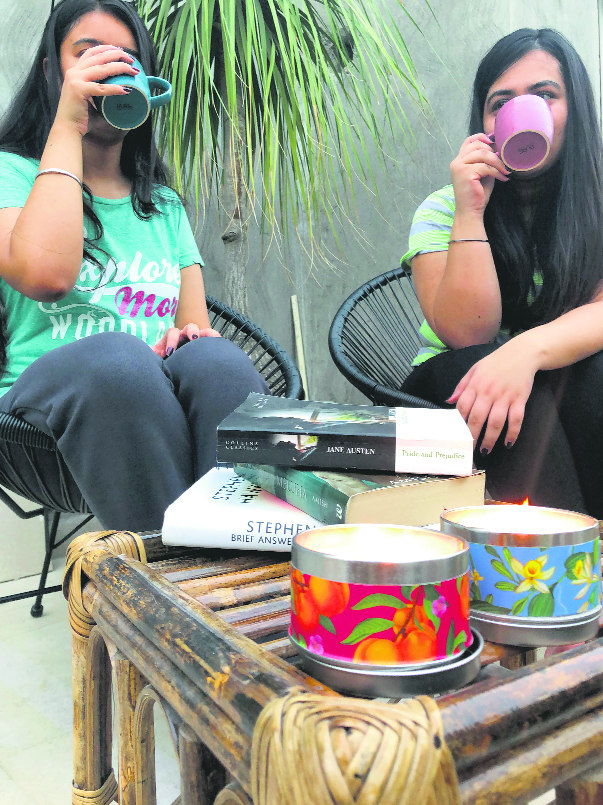
Friends are the ones with whom we love to enjoy our sip. Meet, Jasmeen and Harleen, an engineering and medical student, who are back to their hometown as colleges are shut.
“Harleen is attending a medical college and I am an engineering student and we both study in Patiala. Best pals since childhood, though we study at different colleges, we often met in the evenings over coffee. We both used to share our college life, exciting projects, hostel life over a cup of coffee and the evening would just pass away in a blink. Now, coffee evenings are what we are missing the most since the outbreak of the pandemic,” says Jasmeen.
So, the idea of creating their own coffee corner came to their mind. And now, both the girls have resumed their coffee evenings. Since they live just a couple of houses away, coffee evenings have become a regular affair with these two.
Coffee dates in a cozy cafeteria with background music are what youngsters of Ludhiana are missing the most during this pandemic.
With the graph of Covid-19 cases rising, city’s coffee lovers are avoiding going out. They are making their own coffee corners and coffee stations at their homes instead.
Friends are the ones with whom we love to enjoy our sip. Meet, Jasmeen and Harleen, an engineering and medical student, who are back to their hometown as colleges are shut.
“Harleen is attending a medical college and I am an engineering student and we both study in Patiala. Best pals since childhood, though we study at different colleges, we often met in the evenings over coffee. We both used to share our college life, exciting projects, hostel life over a cup of coffee and the evening would just pass away in a blink. Now, coffee evenings are what we are missing the most since the outbreak of the pandemic,” says Jasmeen.
So, the idea of creating their own coffee corner came to their mind. And now, both the girls have resumed their coffee evenings. Since they live just a couple of houses away, coffee evenings have become a regular affair with these two.
“Cozy chairs, few books, background music, candles for the aesthetics and voila, here we are! With our very own coffee corner! The weather decides the place and the flavour of the coffee. If the weather is pleasant, we sit outside, otherwise we have a small corner near the window in our rooms. Coffee date means we both get dressed up and catch up, which has actually added zing to the otherwise boring routine. We decided not to meet in our casual comfy pyjamas but get ready for the evening,” says Harleen.
Whether the brew will be hot or cold also depends on the weather. Both of them have numerous flavours to add to their coffee. Apart from regular Nescafe, they relish the hazelnut, vanilla, cappuccino, caramel flavours and sometimes South Indian filter coffee brought specially from Coorg. Both of them know the art and craft of making coffee and are well versed with the flavours.
Their discussion over coffee ranges from college to friends to Netflix, movies to books. Both the girls love collecting coffee mugs as well and buy them as souvenirs whenever they visit a new place. They both have an interesting collection. But then, that’s another story.
source: http://www.tribuneindia.com / The Tribune / Home> Lifestyle / by Manav Mander / July 03rd, 2020
India may be one of the major exporters of coffee in the world, but when it comes to high quality coffee, the market is extremely small. If the market is expanded, then India will hold a huge potential as a high quality retailer. Coffee is more about what is in a cup, creating an experience through the ambience of stores it is vended from. Besides innovating coffee beverages on the menu with the food that complements it, Sushant Goel, co-founder and director, Third Wave Coffee, tells Nandita Vijay, in an email interview.
Excerpts:
How would you describe the current scene for coffee in India?
India may be one of the major exporters of coffee in the world but when it comes to high quality coffee, the market is extremely small. If we continue to expand this market, India has a huge potential to become one of the major retailers of high-quality coffee. For an exceptionally long time India has been seen as a tea-drinking-country but this is slowly changing, thanks to millennials who are especially open to trying new stuff. Coffee has become a ‘go-to-beverage’ for them and a café with an appealing ambience is the ideal ‘go-to-place’ for experience seeking millennials.
What are the visible trends that you sight in coffee consumption and outlets in India?
Today, we see a visible shift with the consumption pattern moving from just ‘eating out’ to ‘eating out which is experience-driven’. This is mainly because of the millennials who comprise 34% of India’s population and are inclined towards coffee. This trend will fuel the QSR (quick service restaurant) segment at a much faster rate in the near future.
What are the challenges for coffee entrepreneurs like you to grow?
We aim to create an experience around coffee in India through cafes focussing on category building among millennials. In order to provide this premium experience, locations of cafes must be in prime areas. However, access to such real estate is tough in India, especially in cities like Bengaluru, Hyderabad and Pune.
How has Third Wave Coffee (TWC) fared since its inception in 2015?
Since inception, TWC has achieved tremendous success. Our focus has always been on introducing Indians to delicious coffee brewed to perfection with an innovative twist. It was not easy in the beginning as the market was exceedingly small. We spent a year on research and development and in setting up the supply chain. As of today, we have 10 stores in Bengaluru and two stores each in Pune and Hyderabad. We plan to set up more stores in the near future in across India.
How have you positioned TWC in a market which is brimming with cafes?
Now TWC prides itself on innovation and delicious coffee brewed to perfection. This is seen in the variety of beverages featured on our menu. Right from pouring the perfect French Press, Pour Over, AeroPress or Syphon to flavourful lattes like Orange Zest Mocha, La Vie En Rose, Sea Salt Mocha, the TWC drives itself towards the single-minded effort of bringing delectable coffee to Indians at accessible prices.
What are the company’s key differentiators?
For us, coffee is more about what is in a cup, it is about creating an experience through the ambience in our stores, innovative beverages on the menu and the food that complements it. Our aim is to ensure that our customers have a memorable experience at the store which is worth reliving. We are providing a delicious coffee experience while building a brand. We achieve this by taking great care to ensure quality, flavour, and freshness right from bean up to the perfectly brewed delicious cup of coffee. With 100% Arabica coffee sourced directly from origin, freshly roasted in small batches and ground at the cafe, TWC aims at serving delicious coffee that is brewed to perfection.
Which are the fastest growing offerings in food and beverage?
As far as beverages go, cold brews and ice lattes are fast moving products. Our fusion-based iced lattes too are much raved. Baked food items on our menu are fast moving since they are wholesome, indulgent and complement our beverages.
How have you managed the real estate costs in the city as you expanded?
We primarily choose our location based on the concentration of our target customers. Our focus here is to build the brand among the right target customers and if required, we set up shop in locations that our target customers often frequent, even though it is at a premium.
Provide your growth path from the first cafe to the 14th and at what duration did this take place?
We started off with high street locations in Bengaluru to give customers an experience of coffee brewed to perfection. In order to cater to different consumer segments, we have adapted our store formats uniquely basis the location it will be housed in.
What kind of funding was raised to set up the first cafe and then move on to the 14th? How receptive are VCs and PEs to fund coffee ventures in India?
While the initial funding was bootstrapped, the quality of our food and beverages was one of the main factors that helped us open 14 stores. For VCs and PEs to fund, it depends on how the offerings are positioned from the competitors.
Is it the physical coffee bars or the online sales which are garnering much of the revenues for you?
Currently, with the Covid-19 lockdown restrictions, our takeaway sales are more or less equal to the sales fulfilled by our delivery partners.
What led you to have a dedicated app and how is it faring?
Well, a few years ago the idea of ‘pre-purchase’ was rare, and we realised early that the ‘app’ culture of today’s millennial would be the apt way to introduce them to the ‘experience of a perfect brew’. They were conscious of the fact that only a brand with remarkably high brand equity would make customers pre-buy future orders. Thus, we embarked on the ambitious project of creating an app that would sell subscriptions in India.
Through the app customers rewarded with Third Wave Coins for every transaction, and on reaching certain milestones the coins could be redeemed for free food and beverages. TWC then launched an array of attractive beverage offer packs on its app. A wide variety of packs were introduced for customers to choose from depending on their preferences. There are subscription packs for Summer Special packs, Cold Beverages pack, Cappuccino, Classic, Manual Brew, Coffee bean pack, etc. This was an ambitious project as there was no coffee app selling subscriptions in India. In just four weeks we witnessed 10,000 downloads, with 60% coming in from referrals, indicating the love consumers had for the brand.
You have bagged awards. Give us the details.
Our company was ranked 15th in the Top 50 Coffee Shops in the world by Big Seven Travel. The others are the National Barista Championship 2018, 2019, Won Women Star Brewing Barista Championship (WCAI) 2019, Top 10 Cafés to Open in India 2016, NDTV and the Café of the Year- Restaurant Awards 2019, South India edition and the India International Coffee Festival 2018- Best Micro Roaster-Café Award 2018 for French Press Coffee.
In this Covid-19 scenario how has the business been able to cope?
There is no doubt that the pandemic will have an impact on all businesses, but we have to stay resilient. We follow the state’s lockdown regulations with limited stores open for takeaways and deliveries. We did not want our customers to lose out on their favourite brews so went ahead with the launch of the new menu. To nudge consumers to make coffee at home, we had our Baristas create videos on making beverages at home without complex equipment. We have not let the pandemic come in the way of our customers enjoying their cup of coffee and we have ensured our coffee and coffee beans reach them through orders serviced by our delivery partners. We know our customers are missing their favourite café, so with every delivery to rekindle good memories we are sending across the ‘Spotify’ a digital music platform with playlists from our store.
What are the measures adopted to keep your staff safe? What are the likely future efforts to grow the business post this pandemic?
We have made a mandatory single-point-entry for our staff in our cafes while ensuring meticulous and regular sanitisation of our stores. We have regular temperature checks of our staff and delivery partners. We have additionally set up contactless delivery stations at our stores. We will follow the government guidelines to ensure safety of our patrons and employees.
source: http://www.fnbnews.com / FnBnews.com / Home / by Nandita Vijay / June 08th, 2020
If you’re a coffee fanatic, then maybe you should know a little bit more about your favorite drink. We’ve assembled some interesting facts for you, so read on and learn a little bit about the dark stuff that keeps you going.
1. ITS ONLY BEEN AROUND FOR 500 YEARS
Coffee’s origins go back to the early 15th century. At least, that’s where the solid records begin. They show people exporting coffee out of Ethiopia.
As you’d think, there are a lot of myths about coffee. One of the myths places the original use with a shepherd in Ethiopia who went for it after observing his livestock acting lively once they ate some of the beans. That particular myth may be part of how coffee was found, but it’s impossible to verify if the commonly accepted 500AD date was actually the first human use of the bean.
The history of coffee has actually been quite spotty. It was called out repeatedly and its introduction to the western world was quite controversial. It’s an amazing subject if you care to look into it.
While it’s commonplace today, that’s a recent development.
2. COFFEE BEANS ARE SEEDS
While many people think of coffee fruit as beans, the truth is a little more complicated than that. More accurately, they’re the pit of the berry and not a bean at all.
Beans are their own thing. The berries which grow on the coffee tree have a stony inner portion like an apricot. This is what we use to make our coffee.
The seeds we usually consume in our coffee come from ripe berries. As the berry matures, the chemical constituents of the coffee change. Green coffee beans from immature berries are sometimes used to create supplements but aren’t generally sold as coffee.
3. DECAFFEINATED COFFEE IS STILL COFFEE
Many people aren’t quite sure what decaf really is. Coffee fanatics often wonder if it’s just a pale imitation of the real thing.
The truth is that decaffeinated coffee is still made from coffee, it’s just been subjected to one or another of the various decaffeinating processes. The taste difference is due to the fact that 100% selective chemical removal is almost impossible.
And many people don’t care for the taste difference in the slightest.
That said, it’s a great option for those who aren’t able to drink regular stuff anymore. There’s still a very minor amount of caffeine left in the beans, but it’s not enough to affect most people.
It’s not the first pick of most people, but the fact remains that decaffeinated coffee is still derived from the same place.
4. BRAZIL PRODUCES MORE COFFEE THAN ANYONE
South America produces roughly 45% of the coffee in the world. Brazil is the largest exporter of coffee and has a large portion of the market share.
Turns out bringing the beans across the Atlantic was a great idea. Coffee thrives in the tropical client of South America, creating huge harvests. Most of the leading exporters in the world come from that region.
The second-largest single exporter is Vietnam, another tropical region that received the coffee plant relatively late.
Coffee comes from the tropical belt all over the globe. At the current time, however, the top three exporters are Brazil, Vietnam, and Colombia. It’s a pretty amazing spread for a plant that originally showed up in Africa.
5. COFFEE HAS MORE CAFFEINE THAN ESPRESSO
Most people think of espresso as the strongest form of coffee.
And they’re not wrong. Ounce for ounce espresso has a bit more caffeine. A standard “shot” is 2oz of fluid, and contains roughly 80mg of caffeine.
On the other hand, coffee is usually measured in 12oz cups. A 12oz cup of coffee has around 120mg. So, the truth is that most people going for a cup of coffee in the morning will find it more to their benefit to use the simpler drip machine.
Of course, you can always add them together as well. It really does gives us a lot more variety in our caffeine choices, however, which is the most important part of the process.
6. COFFEE’S MODERN USE HAS 3 DISTINCT WAVES
Coffee has been through three main waves in modern use.
The first was in the 1850s onwards. Coffee was considered a standard good in many places. The roasting process was nearly identical and strong cups of black coffee were the norm. It was a utilitarian time and it was a utilitarian drink.
Eventually, cafes took over with a focus on creating the various drinks that we have today. Iced coffee, cold brew, lattes, and other coffee-based drinks became the norm. The focus was still on the drinks, however, rather than the original beans.
Nowadays there’s a lot of focus on the origin and process of different beans. This “artisanal coffee” trend is quite new and shows a massive rebranding of coffee in the last few decades.
Still, anything for a better cup right?
SATISFY YOUR ROASTED CURIOSITY
Coffee has a fascinating history, incredible chemistry, and an even better effect. Learning more about it should be at the top of any true enthusiast’s list. This is only a sampling of the strange information that abounds around our favorite drink, however, and there’s always more to learn!
source: http://www.t2online.com / Times Square Chronicles / Home> Food and Drink / May 14th, 2020
Now, filter coffee for conference calls: Chennai-based coffee startup Farmgate is bringing Arabica beans from Coorg to store shelves, and filter coffee machines to workplaces.
“We have been producing coffee for over 100 years,” says 30-year-old Lakshmanan Sevugan, about his family’s coffee estates in Coorg.
So far, however, the family has only been supplying quality Arabica and Robusta beans to coffee makers and agents. Now, the millennial entrepreneur is changing things. “Usually, these sales that happen through a farm gate, where agents come and buy, are called farm gate sales,” he says, explaining the logic behind the name of his new coffee brand.
Farmgate Coffee, ironically, aims to do the exact opposite of traditional farmgate sales. “We want to give our customers the direct farm to cup experience,” says Lakshmanan. This is what the startup has been trying to do ever since its launch in August.
Arabica beans are brought from the estates in Coorg to Chennai, roasted, ground and blended in Mylapore, and packaged in specific blends with chicory, at Farmgate’s corporate office in Nungambakam. They are then sent to clients like restaurants and coffee shops, each of which orders a unique blend for customers.
“We are focusing on Arabica for now. I have grown up drinking this coffee. I like it to be 100% coffee, but the studies we did show that people prefer different blends,” shrugs Lakshmanan. In fact, 60% of the people they studied with preferred coffee mixed with chicory “because they do not like the pure bitterness of it,” says Lakshmanan.
The coffee is not only for businesses, however. A specific 80% medium-roast coffee to 20% chicory blend, called Namma Chennai, is packaged for retail, and has shown up at a few store shelves around the city. Two more will be up by the end of this year.
“We don’t have distributors as such; we operate the entire supply chain ourselves, since we are still a small startup,” says Lakshmanan. His ambitions don’t end there, probably because his love for coffee itself doesn’t end at the pick stage or with any particular roast, but in a dabara of steaming filter coffee. “I love filter coffee; I would take a break and walk out to drink some, back when I had an office job.”
Lakshmanan is convinced that most office-goers — not only in Chennai and Bengaluru but also Mumbai, Delhi and other parts of the country — would jump at the chance to have filter coffee at work. “But all they get are cappuccino machines, or the option of getting filter coffee delivered from somewhere. It doesn’t taste the same,” he says.
So next up Farmgate’s sleeve is a filter coffee solution, including a blend and a filter coffee machine. “It is a pure play filter coffee vending machine, a separate vessel where decoction is collected, and kept heated at 70 degrees Celsius over a hot plate,” he explains. The machine — currently used by the Farmgate team in their office — then lets the drinker choose a ‘filter coffee’ option.
The device is not developed by Farmgate, but by a private firm that they have tied up with. “We are still a small startup, we don’t have the budget to make our own machines. Just like we don’t have the budget to set up our own roastery, yet.”
Farmgates coffees are roasted and ground, according to its clients’ requirements, at Sundaram Coffee in Mylapore, which has been in the business for over 70 years. Coffee beans are sent to Sundaram every other day, and roasted, cooled, then ground in small batches of five kilos each. “The lesser the amount, the more attention we can give while roasting, and the better taste we get,” says Magan Pradeep, branch manager of Sundaram Coffees in Mylapore.
Back in the coffee estates, picking season has begun. “Arabica till January and Robusta till March. So I will be visiting Coorg more frequently over the next few months. I’m going there next week, in fact,” smiles Lakshmanan.
source: http://www.thehindu.com / The Hindu / Home> Life & Style> Food / by Megha Majumdar / November 18th, 2019
– Importers in coffee drinking nations have brought orders forward by a month
– Strong demand amid expectations of tightening supply has pushed up prices
– In Brazil they are near record levels at £85 per 60kg bag of coffee beans
________________
The price of coffee is set to rise as countries stockpile in case supply chains are hit by coronavirus.
Importers in major coffee-drinking nations are bringing forward orders by up to a month to avoid shortages.
Prices are heading upwards because of strong demand amid expectations that supplies, which were tight before the virus struck, will tighten further.
Coffee prices are soaring as importers in major coffee-drinking nations race to stockpile the bean amid fears of a global shortage due to coronavirus (stock image)
Prices in Brazil are close to record levels – nearing £85 per 60kg bag. Supply chains are backing up because of severe restrictions on international movement.
‘We had requests from buyers in all major countries,’ said the head of one of the largest coffee exporters in Brazil, the world’s leading producer, asking not to be named.
‘Basically all the largest roasters in the world. They want to have the beans there quicker, just in case.’
Carlos de Valdenebro, Colombia director for exporter Caravela Coffee, said: ‘Everyone is trying to speed things up.’
A UK-based coffee trader said: ‘Roasters and traders are stocking up because they anticipate supply disruption.’
In Brazil prices are already approaching near record levels of £85 per 60kg bag
Brazilian coffee exporters association Cecafe said shortages might occur in the coming months even though the country could harvest its biggest coffee crop ever, around 70million bags.
Roberto Velez, of Colombia’s growers federation, said: ‘We have maybe one of the best prices in history. But with that price we’re facing logistical problems – coronavirus, fear.
source: http://www.dailymail.co.uk / Mail Online / Home> News / by Daily Mail Reporter and Luke Andrews for MailOnline / April 01st, 2020
An excerpt from Harish Bhat’s book “An Extreme Love of Coffee”. Harish Bhat is the author of the bestselling book “Tatalog” and chairman of Tata Coffee Ltd.
Author Harish Bhat. Harish is chairman of Tata Coffee Ltd. and brand custodian of Tata Sons Pvt. Ltd.
Three shrines of coffee have I now foreseen, three goddesses that nurture our love for the bean. From river to ocean, each shows you the way. Find me these shrines, and then will I say: Here’s my treasure, let it fill up your day.
Rahul read the lines aloud to Neha for the tenth time that morning. What did they actually mean? Both of them looked at each other silently and acknowledged that they were stumped. Totally clueless.
Outside, dawn had broken and they could hear the high-pitched charr-charr notes of a single woodpecker breaking the stark silence of the coffee plantations around them. Inside, most of the coffee beans had fallen off the bed and were strewn all over the floor. It had been a memorable night and now they knew for sure that coffee was a great stimulant.
But where was the stimulant that would help them figure out this puzzle, one written by a mysterious monk who had died long ago, leaving a great treasure hidden? Where were these three shrines that the monk had spoken of? Where exactly should they begin?
Pooviah brought them their morning coffee in an elegant tray with a pot and two cups of white bone china. ‘Sir, I used those pink coffee beans you gave me to make coffee for Madam and for you today. The smell of this coffee is getting better with each passing day, Sir.’
The old woman’s coffee! In the midst of all the other excitements of the past two days, Rahul had nearly forgotten about this. ‘Yes, yes, Pooviah, please pour coffee for us.’
The walnutty flavour came back to them once again. Superb! As they sipped the coffee, Neha leant back and read the puzzle once again. Suddenly, she could clearly see the author himself, the venerable monk. He appeared vividly in her mind. Orange-robed monk, fat, bald and peaceful, walking somewhere. Where was he walking to? And then, behind the monk, she saw flowing waters. A few words from the puzzle swam in front of her now-dilated pupils: From river to ocean, each shows you the way.
She sat up with a start. ‘Rahul, listen. Listen to me. We need to go to a river, one that will show us the way to the first shrine. That’s what the monk meant when he wrote “from river to ocean”. The river first, and then the ocean will show us the way. That’s why he put those words in his note, to give us a clue. I can see him in my mind, Rahul. He is walking by that river, right over there, right now.’
Rahul glanced at the lines once again. What Neha said made sense. They had nothing else to go on anyway. Then, he remembered something, a local guidebook kept in their room that he had briefly gone over yesterday. It spoke of a river nearby. He went into the room, brought out the small guidebook, turned a few pages, and began reading aloud:
The Kaveri is the patron goddess of all coffee growers in Coorg. Flowing through the beautiful coffee plantations and nurturing them like her own special children, the Kaveri is the great river of this region. Originating in the foothills of the Western Ghats, the river meanders through the region of Coorg and the vast Deccan plateau before it eventually flows into the Bay of Bengal. The Kaveri quenches this region’s thirst for water and makes it one of the most fertile lands known to mankind. From these lands of the Kaveri come some of the finest coffees the world has ever known.
Rahul turned to Neha. ‘Neha, I think you are absolutely right. We must go to the Kaveri. That’s where we will begin.’
He continued reading the guidebook.
The Kaveri is not merely a river, but a goddess who is worshipped by everyone in this coffee growing region of Coorg. The unique coffee of Coorg springs from the sweet waters of this sacred river. Coffee requires a lot of water for its flowering, and the Kaveri provides it in abundance. The varieties of coffee grown on the fertile banks of the Kaveri are known for their robust body, light acidity and soft liquor, making them some of the most sought-after beans in the world.
Rahul paused here, absorbing this beautiful description of the coffee. ‘Robust body, light acidity, soft liquor, wow! I must taste these coffees from the banks of the Kaveri.’ Then he saw something in the guidebook which made his pulse quicken. He read it out in hushed tones:
There are many shrines built for the Kaveri, to worship and celebrate this goddess, who is the presiding deity of the region. The best known shrine is located at the source of the river called Talakaveri. The river originates near this shrine, as a spring, and the water then flow underground to emerge as the magnificent Kaveri some distance away. The road to Talakaveri is surrounded by coffee plantations and suffused by the intoxicating aromas of coffee. Many monks and holy people visit this shrine throughout the year.
Rahul turned to Neha. ‘We must go to Talakaveri, Neha. I am sure that is where our Japanese monk has left directions for us. He must have visited this shrine and left something there. This is a shrine of the river that nurtures coffee, and so it is a shrine of coffee itself. That is what the monk must have meant. This is where our search must begin.’
Excerpted with permission from An Extreme Love of Coffee: A Novel, Harish Bhat, Penguin India. Read more about the book here and buy it here.
source: http://www.thedispatch.in / The Dispatch / Home> Book House / by Harish Bhat / March 30th, 2020
Tata Coffee Limited, a subsidiary company of Tata Consumer Products Limited announced the launch of its e- commerce platform www.coffeesonnets.com.
The website debuts with three unique variants of luxury single origin specialty coffee named ‘The Sonnets – Voice of Our Estates.’ Through this online platform, Tata Coffee aims to make its finest estate coffees available to consumers across India. These single estate coffees are processed uniquely with great care, undergoing intense sensorial evaluations by expert tasters. Only the finest and the rarest coffees are carefully selected to be used in The Sonnets range of coffees, showcased this season.
The coffees are directly sourced from two of Tata Coffee’s 19 estates located in Coorg region of Karnataka. These estates- Goorghuly and Woshully are recognized for growing some of the best Arabica Coffees in the country.
Speaking on the occasion, Chacko Thomas, MD & CEO, Tata Coffee Limited, said, “The Sonnets-The voice of our estates’ aims to give coffee lovers across the country access to some of our finest estates’ coffees through our e-commerce platform. Each variant in these reserve single origin handpicked coffees belong to a single estate and are not a blend. Since they are grown in specific regions using unique processing techniques, this makes them special and truly limited-edition coffees. The Sonnets promise a once in a lifetime sensory experience in a cup.”
The Sonnets come in three different flavors and roast profiles (light roasted, medium roasted and medium-dark roasted) Gold Honey, Red Honey and Yellow Honey.
The e-commerce site www.coffeesonnets.com is designed to give customers a smooth buying experience of these luxury coffees in a few simple steps. The homepage introduces the customers to Tata Coffee and its 100 years of heritage, has comprehensive information on the products, links to latest blog posts and stories from the estates and other relevant information pertaining to online purchases.
source: http://www.indiaretailing.com / Progressive Grocer India/ Home> Food> Food & Grocery> Retail Hub / by India Retailing Bureau / March 05th, 2020
Family tragedy prompted Kambihalli Estate’s revival in Karnataka
In addition to growing coffee, the women of Kambihalli Estate also run Halli Berri cottages, a luxe homestay. (Christabel Lobo)
When Nalima Kariappa took over the day-to-day management of her family’s 200-acre coffee estate in Chikmagalur, in the southwestern Indian state of Karnataka, after her husband’s death in 2007, she never imagined just how far the family business would come.
“Frankly, I wanted to close and go after my husband was diagnosed with cancer. At the point that he was preparing the estate’s affairs, we had decided that we would sell and go settle in Mysore or Coorg,” says Nalima. “But toward the end, I think he got emotional and sentimental and said no.”
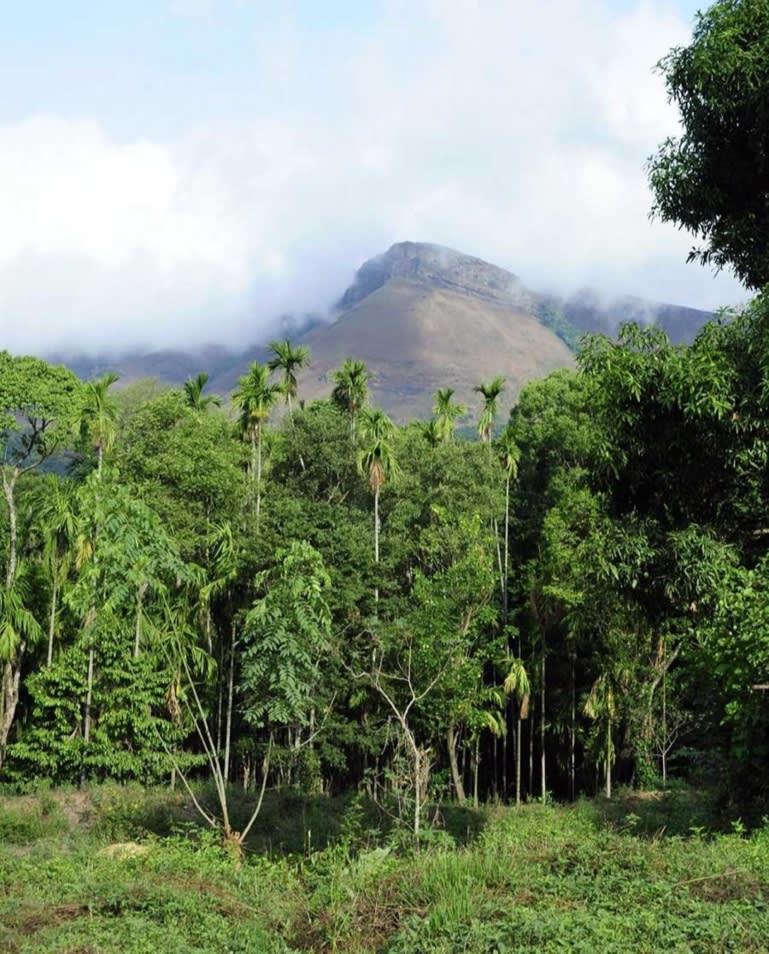
Nestled in the foothills of the Baba Budangiri mountain range, the Chikmagalur district is a densely forested region in which coffee plants flourish. Legend has it that Baba Budan, a revered Sufi ascetic, smuggled seven unroasted seeds of the coffee plant from Mocha in Yemen on his journey back to India in 1670. Until then, coffee cultivation was exclusive to the Middle East and the sale of seeds was strictly forbidden; only roasted or ground beans could be exported.
Baba Budan’s first coffee farm started a practice in India that thrives in estates like Nalima’s Kambihalli centuries later. Today, the state of Karnataka is the largest producer of coffee in the country, with Chikmagalur the second most productive district in India, growing an estimated 78,000 tons of coffee in 2018-19.
While most of India’s coffee estates are now owned by large corporations, a few still belong to families like the Kariappas, who are hoping to keep the tradition alive.
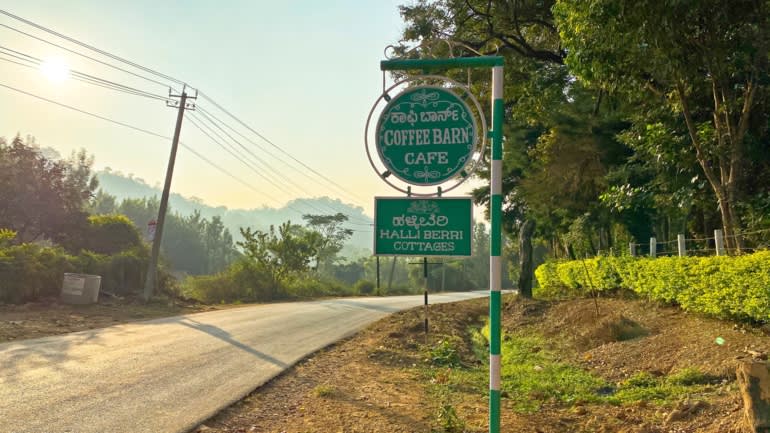
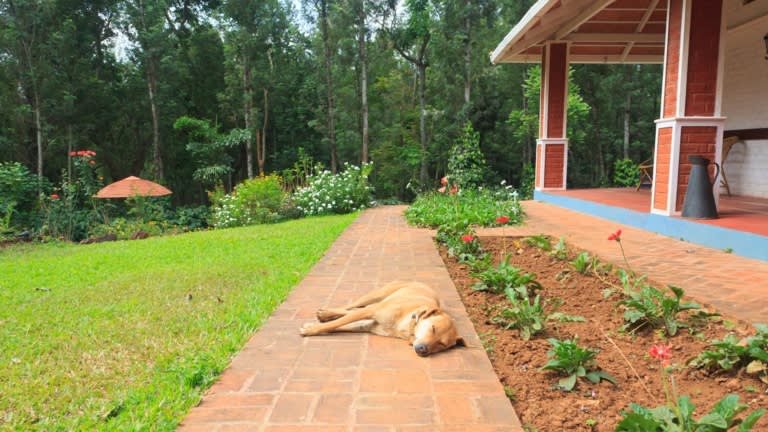
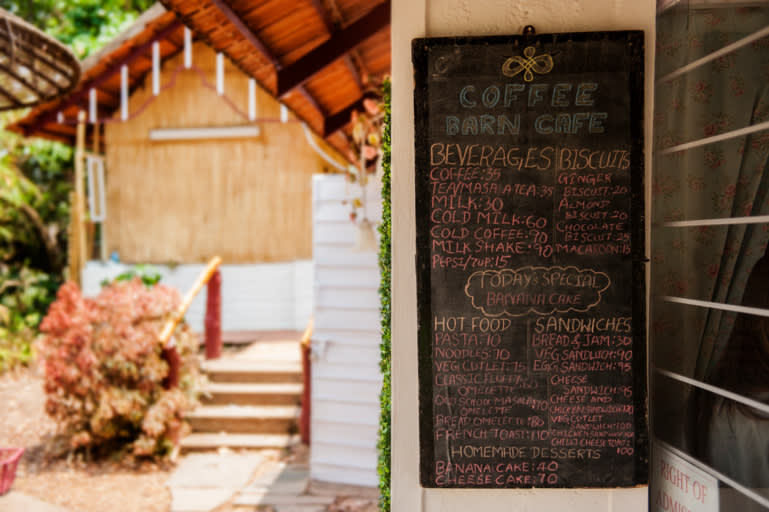
Top: Nestled in the foothills of the Baba Budangiri mountain range, the lush estate also grows Areca palms, cinnamon and cardamom plants. Middle: A sign for Coffee Barn Cafe, a casual spot along the main road run by the Kariappa women. Bottom: Lucky, one of the estate’s two guard dogs, takes a mid-afternoon nap. (Top photo courtesy of Halli Berri; middle and bottom photos Christabel Lobo)
In 1948, after cashing out of his inheritance, the grandfather of CP Kariappa, Nalima’s husband, moved from his hill station hometown of Kodagu, formerly known as Coorg, and headed north to Chikmagalur, where he purchased 40-50 acres of lush, fecund land to open the Kambihalli Estate.
Named after the iron-rich soil that the area is known for — kambi is iron in the local Kannada language, halli means village — the estate grew over the years to its current size of almost 180 acres.
As a result of her husband’s untimely death, Nalima and her three daughters — Maanavi, Anusha and Tejini — found their way along an uncharted path. In 2008, they opened the Coffee Barn Cafe, a casual spot along the main road for travelers. It was around the same time that they had their coffee beans certified by the Rainforest Alliance, an international nonprofit focused on ensuring that farmers meet adequate international standards of environmental, social and economic sustainability.
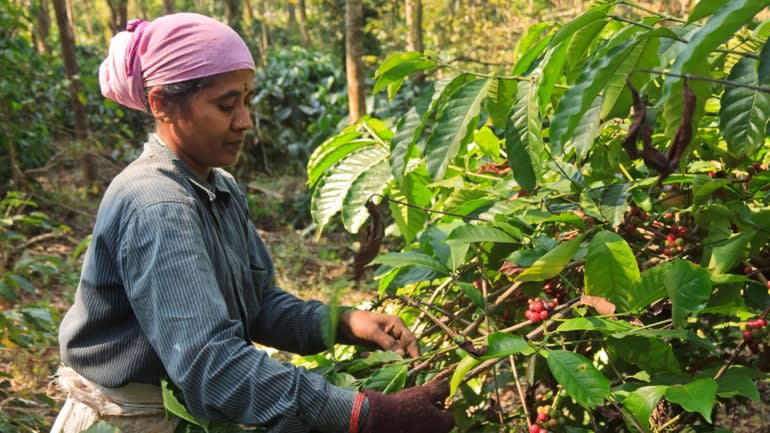
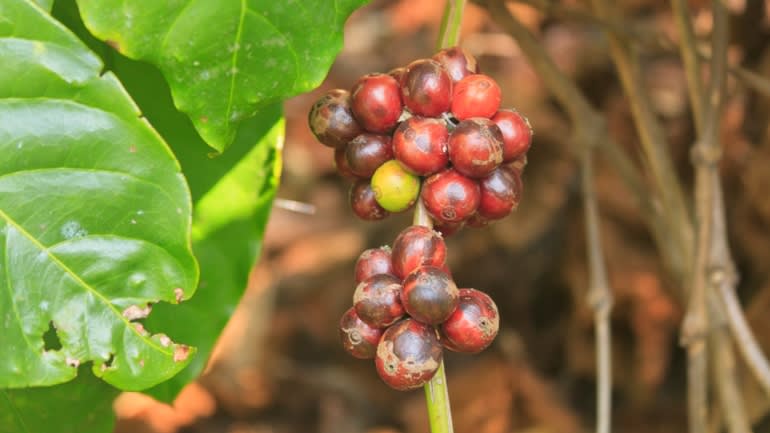
Top: A permanent worker deftly picks cherries. Kambihalli has a permanent workforce of approximately five people that work year-round. Middle: Ripened robusta cherries ready to be picked during harvest. Bottom: Fresh-brewed cups of coffee are not the only thing on Coffee Barn Cafe’s menu. Customer favorites include their homemade cheesecake and cookies. (Top and middle photos Christabel Lobo; bottom photo courtesy of Halli Berri)
In 1948, after cashing out of his inheritance, the grandfather of CP Kariappa, Nalima’s husband, moved from his hill station hometown of Kodagu, formerly known as Coorg, and headed north to Chikmagalur, where he purchased 40-50 acres of lush, fecund land to open the Kambihalli Estate.
Named after the iron-rich soil that the area is known for — kambi is iron in the local Kannada language, halli means village — the estate grew over the years to its current size of almost 180 acres.
As a result of her husband’s untimely death, Nalima and her three daughters — Maanavi, Anusha and Tejini — found their way along an uncharted path. In 2008, they opened the Coffee Barn Cafe, a casual spot along the main road for travelers. It was around the same time that they had their coffee beans certified by the Rainforest Alliance, an international nonprofit focused on ensuring that farmers meet adequate international standards of environmental, social and economic sustainability.
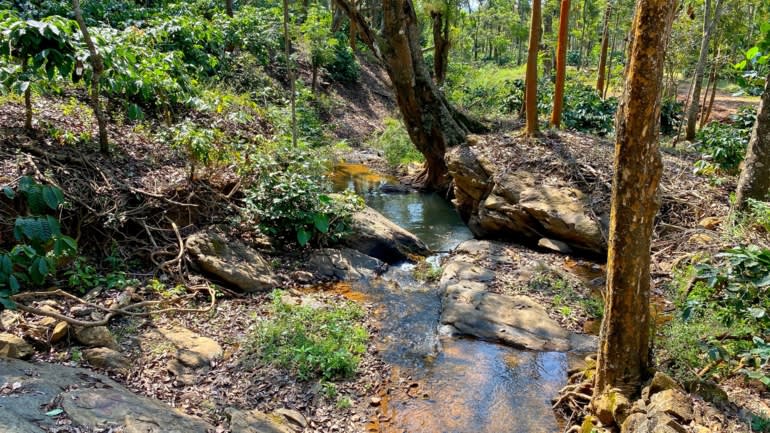
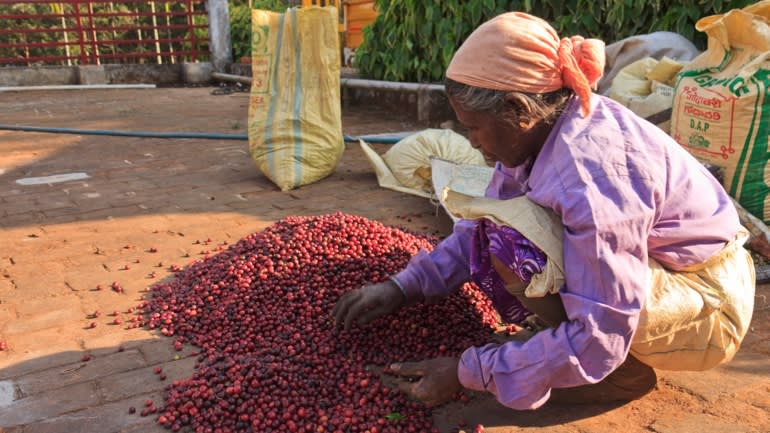
Top: The 200-acre estate offers well-marked trails, many that run along the river, for visitors to explore. Bottom: Manual sorting for underripe or overripe cherries is always carried out before the day’s harvest can be weighed and processed. (Christabel Lobo)
India is one of several countries where coffee plants grow under the shade of a verdant rainforest canopy. These trees not only prevent soil erosion but provide an additional source of income for coffee farmers — intercropping with pepper vines, areca palms, cardamom, cinnamon and orange trees is common practice.
The canopy promotes a thriving and diverse ecosystem for wild animals and birds to inhabit. Sambar deer, leopards, peacocks, wild boar, giant flying squirrels and 32 species of migratory birds call the Kambihalli Estate home.
During harvest season, typically December to March, the estate is abuzz with activity from dawn till dusk. Contract workers begin hand-picking ripened berries, commonly known as coffee cherries, averaging approximately 1,000 kg per day. This cumbersome process begins after green, unripe cherries from arabica coffee plants have turned a bright or dark red color, signaling peak ripeness.
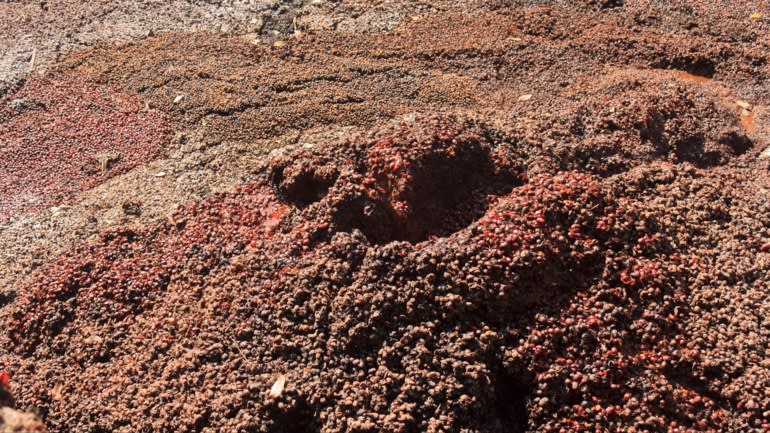
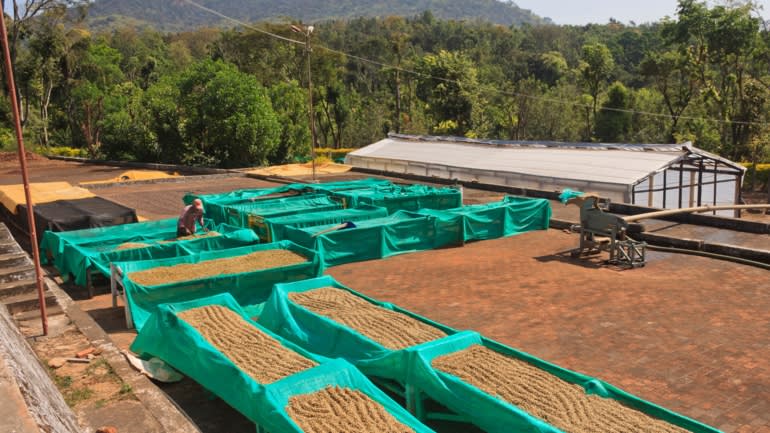
Top: The skin and pulp collected during processing ends up in a huge pile that is eventually converted into manure used to fertilize the soil for next year’s harvest. Bottom: Separated coffee beans are left to dry out in the sun for several days before they can be de-hulled and sent off-site to be roasted and packaged. (Christabel Lobo)
Once picked, the ripe cherries are immediately processed to ensure quality and freshness. Unripe or overripe ones are separated by hand before the day’s harvest can be weighed. Kambihalli makes use of the wet-process method, separating the beans from the skin. This results in a cleaner coffee that is fruitier in flavor, and overall is a less labor- and resource-intensive process.
The skin and pulp collected during the process are eventually converted into manure and used to fertilize the soil for another year of growth. The separated coffee beans, now referred to as washed, are then left to dry in the sun for several days. Finally, they go through hulling, where the dried husks are removed before being sent off-site, where they are graded, roasted, powdered and packaged.
Kambihalli sells its robusta beans in the wholesale market, while its arabica beans are marketed as Halli Berri, which plays on the term “coffee berry.” (It is not meant to have any connection with the actor Halle Berry.) Served throughout the estate and sold at their on-site cafe, a freshly brewed cup of Halli Berri’s single origin ground coffee has a slightly acidic flavor profile with notes of cinnamon, citrus and nuts — all thanks to the iron-rich soil and intercropped plants.
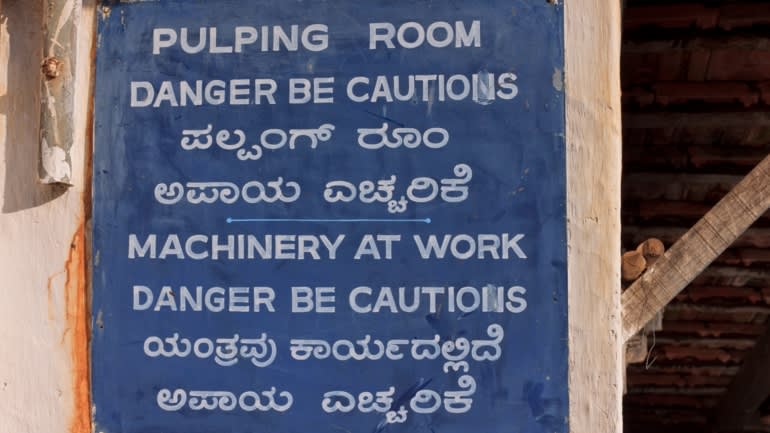
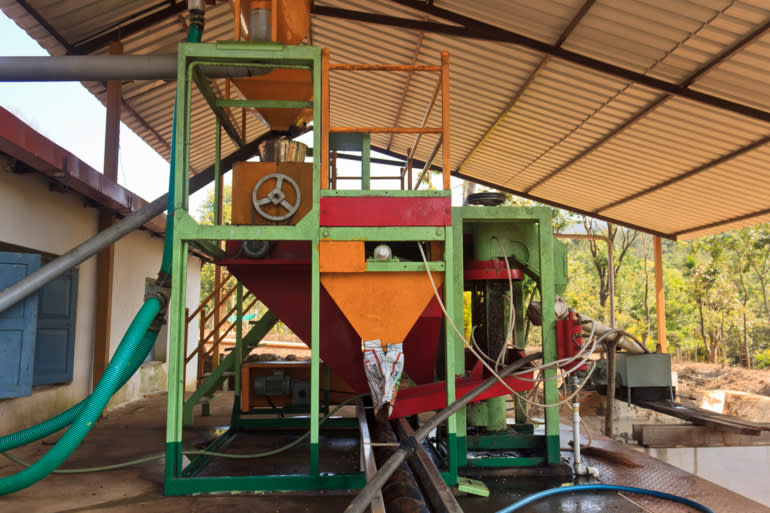
Top: Kambihalli uses a wet-process method to separate the beans from the skin. The day’s harvest, after being weighed, passes through the pulping room where the bean is separated from the skin and pulp. Bottom: The machine used to separate the coffee bean from its skin and pulp. (Christabel Lobo)
It has not been easy, of course. Infestation by white stem borers, pests notorious for attacking the stems of arabica plants, early on in Nalima’s tenure led to a drastic decrease in annual coffee production, which she says is just now starting to recover.
“From 10 loads — each load is 10 tons — we’ve gone down very drastically to producing just three loads,” she says, attributing it to her lack of experience in coffee farming. “We lost a lot of acreage to the infestation. As a result, we had to cut everything down and start planting robusta instead.”
Today, Kambihalli grows an equal amount of robusta and arabica coffee plants; arabica ripens faster and tastes better but robusta is more resilient to insect attacks. According to the Rainforest Alliance, diversification is the key to helping farmers protect themselves from market volatility and the increasing effects of climate change.
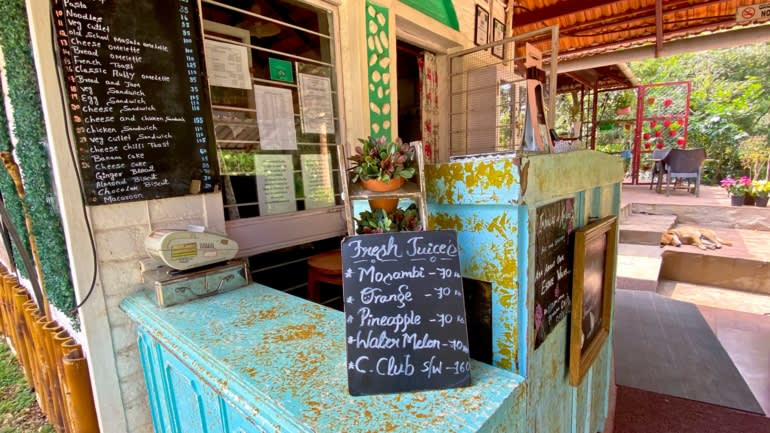
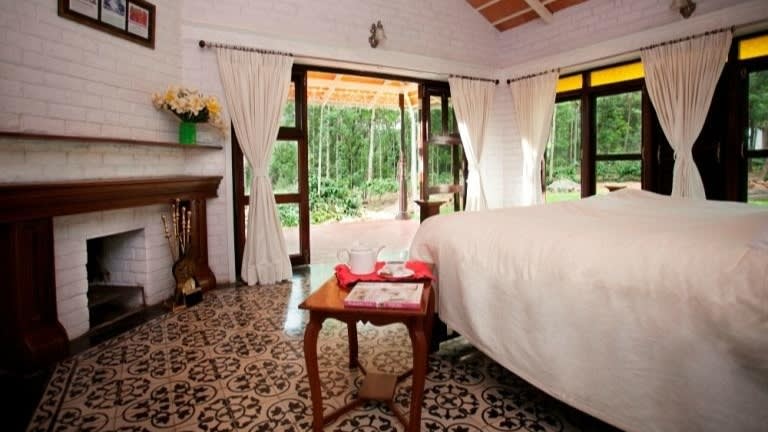
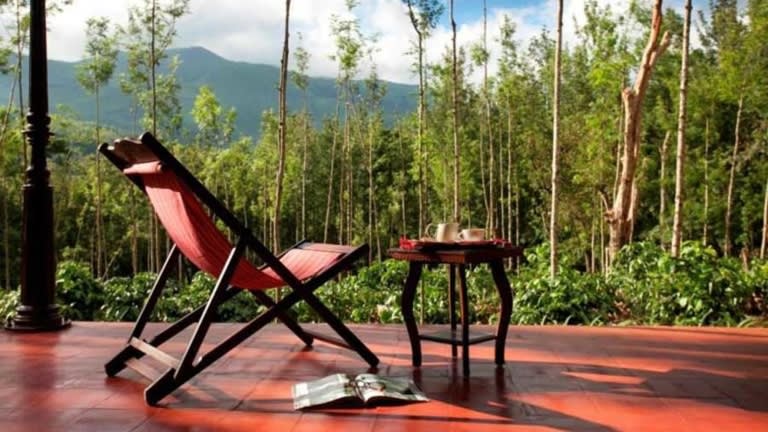
Top: Fruit from the local farmers market is used to make the selection of seasonal fresh juices on offer at Coffee Barn Cafe. Middle: The colonial-style cottages at Halli Berri are bright, TV-free spaces with distinct handmade Athangudi-tiled floors. Bottom: A cozy private veranda overlooks the verdant rainforest canopy with the Baba Budangiri mountain range in view in the distance. (Top photo Christabel Lobo; middle and bottom photos courtesy of Halli Berri)
Charan Kumar of the Indian Coffee Board says that while most of the coffee made in the Chikmagalur region is exported, the board is pleased Kambihalli chooses to sell its arabica within the country. However, “As India currently stands fifth in terms of worldwide coffee production, many [producers] still choose to sell directly to the wholesale market for a guaranteed source of income.”
Halli Berri is also the name of the luxe homestay which the Kariappa women run on-site. “Whenever relatives came, or guests came, we would put them up there, and they would love it,” says Nalima of the colonial-style cottages with rustic details and antique furnishings initially built for her daughter Anusha. “People started asking to book rooms, and I said, ‘Why don’t we just start doing that?'”
In 2010 they converted part of the property into a getaway for up to 18 guests, which is not just TV- and WiFi-free but emphasizes sustainability: Solar lights are used on the garden pathways at night, while the bathrooms utilize recycled water and are stocked with homemade soaps, shampoos and shower gels.
A series of trails through the expansive property offers visitors a chance to be mindful — the only guaranteed sounds are of the birds playfully chirping, frogs croaking, brooks babbling and the wind rushing through the treetops.
“I never even thought that we would make it this far,” Nalima says with a sigh as she reflects on Kambihalli’s success. “I’ll admit I was a little bit weary. But thanks to the support of our family and through word-of-mouth, we’ve made it work.”
As harvest season comes to a close, Nalima’s plans for the year include a focus on bean specialty and taste. “If we put a little more effort into the use of organic fertilizers, we found that we’re getting a better taste that our customers thoroughly appreciate. So even if I am a little brand, my coffee can be far superior, which I think is the way forward for us.”
source: http://www.asia.nikkei.com / Nikkon Asia Review / Home> Life / by Christobal Lobo, Contributing Writer / March 25th, 2020
Belonging to an agrarian economy, it has always been one of our core visions to put Indian coffee farmers on the map, while taking the hospitality experience in the world of coffee to a new height.
AN ODE TO BABA BUDAN , a 16th-century Sufi saint, Baba’s Beans was founded by Mrinal Sharma along with her friend Sadhavi Sharma. Their mutual addiction for coffee and a desire to build something of their own brought them together to start Baba’s Beans. They have created a niche market for their brand while curating bespoke FnB experiences. The company sources coffee from Coorg and Chikmagalur in Karnataka.
The duo through their effort to understand the coffee making, have created a market opportunity to add a speciality offering for their customers at an extremely low cost. “Our value chain is designed on the imperative of delivering a quality lifestyle product; impregnated with finesse in flavour, adventure in the cup and sustainability in its long-term impact on the society,” says Sharma.
Baba’s Beans bootstrapped themselves since the inception, Mrinal says, “We have carved out a niche for Indian coffee experiences in the hospitality industry through our coffee bars. We have helped our collaborating hotels realize the untouched potential for an increase in revenues and profitability.” She also emphasizes that Baba’s Beans as a brand fills gaps throughout the supply chain of the high-value commodity.
“Belonging to an agrarian economy, it has always been one of our core visions to put Indian coffee farmers on the map, while taking the hospitality experience in the world of coffee to a new height,” adds Sharma.
Baba’s Beans offers to curate a value added portfolio addition to hotels to create a meaningful impact on the agricultural scope of the humble coffee bean in India, says Sharma. The company has been growing at an annual growth rate of 30 per cent since 2017.
Mrinal says that as she belongs to an agrarian economy, her vision culminates in the trade of one of the finest crops grown in India. “From the beginning, we were sure that we will deal only in Indian Coffees because this provide us with a realm of infinite possibilities that unfold themselves gradually.” Coffeehouse in earlier times was an assembly point for likeminded people, a perfect atmosphere for intellectual debate, adds Mrinal.
While the coffee company has made good progress in the B2B side of the business, including the supply of coffee to cafes, bars and niche events and forums across the national capital region. However, leaving no stone unturned, Mrinal adds that they are also selling through e-commerce portals and few social media platforms. “Each of our products like the Roaster Booster blend showcases the fine art of roasting, which is not the highest elevation coffee but is a good cup of strong everyday coffee,” specifies Mrinal. The future endeavours include expanding across Delhi along with the introduction of newer tastes and concoctions in the northern region of India.
source: http://www.businessworld.com / Business World / Home / by BW Online Bureau / March 24th, 2020
WELCOME. If you like what you see "SUBSCRIBE via EMAIL" to receive FREE regular UPDATES.
Read More »