Category Archives: Coffee News

Emergence Of Indian Coffee Industry

As the divisions of Coffee Day – the B2C service Cafe Coffee Day, in B2B the Coffee Day Beverages, Coffee Day Exports and Coffee Beans is sold to customers
CoffeeBizKF30mar2017

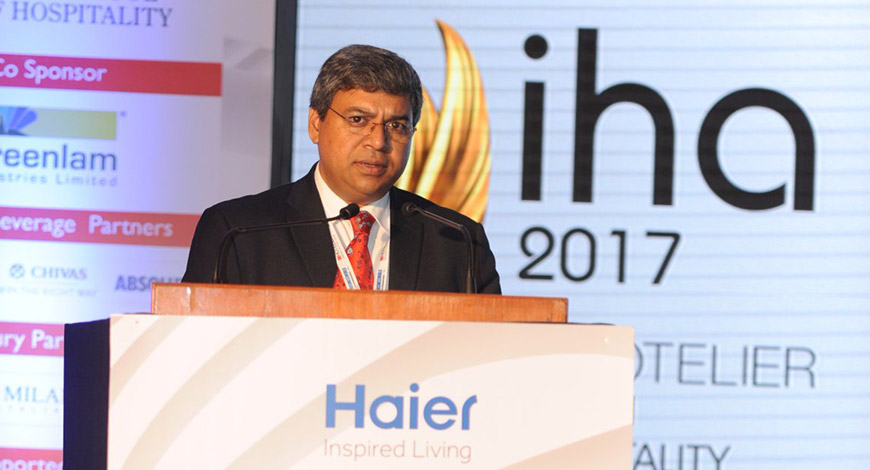
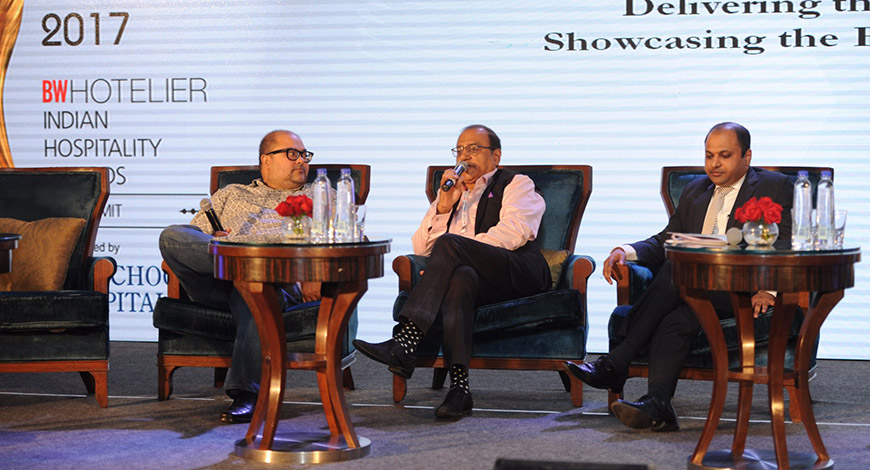
The caffeine buzz has caught up in all cities in India closing the generation gap which once drank tea and coffee. At the BW Hotelier Indian Hospitality Awards & Summit 2017 at The Leela Ambience Hotel, Gurugram, a session on “Showcasing the Best of Indian Coffee” moderated by Bikramjit Ray, Executive Editor of BW Hotelier, the panelists spoke about the growing importance of coffee in the contemporary times.

The session was opened by Abhrajyoti Chatterjee, from Coffee Day who mentioned how their brand intends to serve coffee with passion. Coffee Day is a brand which exports coffee to Europe, Middle East, EU and many other places. They even have 1500+ acres of area for the production of coffee.
CoffeeBiz02KF30mar2017

As the divisions of Coffee Day – the B2C service Cafe Coffee Day, in B2B the Coffee Day Beverages, Coffee Day Exports and Coffee Beans is sold to customers. Their brand has 41000 coffee machines in India with presence in over 1000 cities. Every year Coffee Day expands in nearly 100 cities. The machines like BMF, Indus, Sienna, Orion are the several machines which produce coffee. It also has divisions such as Coffee Day Lounges and Express Outlets in India.

The national coffee brand has a presence in 28 states, 127 cities and 665 technicians. Their huge setup which is only a backup and then we have our various outlets across India. The variations of coffee are like morning java, classic roast, filta fresh, arabica and robusta blend.

During the session it was discussed how the idea of coffee and tea could be interchanged in the earlier days. However, India is the fifth largest producer of coffee in the present times.

The session covered by Vishrut Gupta, Director Food & Beverages, Pullman New Delhi Aerocity Delhi and Sanjiv Mediratta, Group Advisor, F&B Soution and New Business Strategy, Coffee Day discussed how they are bringing a new experience for millennial in coffee. The idea of an expresso was mixing coffee with chocolate powder. More people are educated about coffee at present.

The QSR has had an impact on the purchase of coffee on people. The taste for coffee being lighter or stronger is understood by people. People liking to click more pictures with coffee is also gaining more customers for this beverage. The automatic machines also gives people the right experience of coffee.

Innovation was always present in food; but was lesser for beverages. Whether expresso, americano or latte, the youth being more exposed to the world is aware of the global trends of coffee.

source: http://www.businessworld.com . BW – Business World / Home / by Anisha Aditya / March 24th, 2017
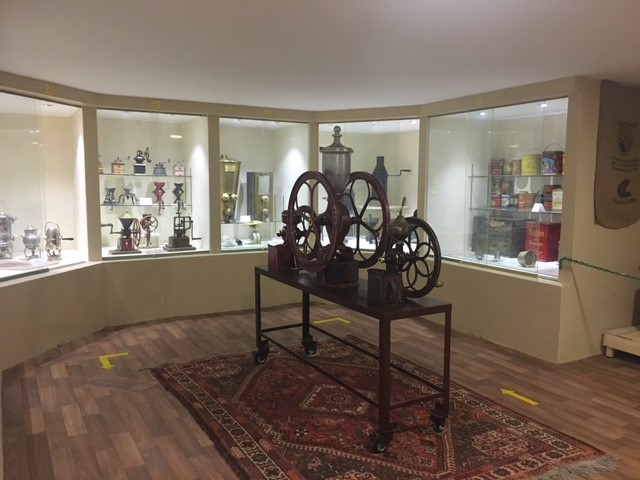
VIDEO: Coffee museum in Saudi Arabia presents history of the beverage

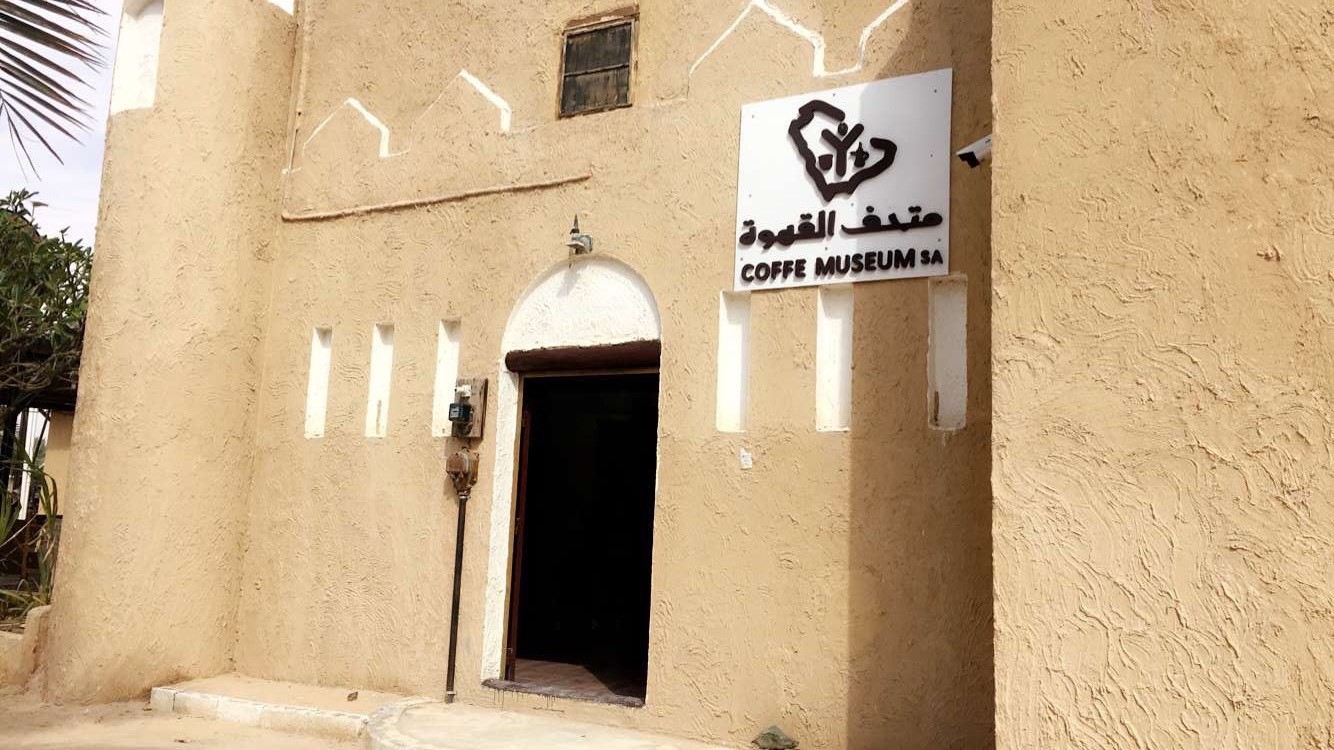
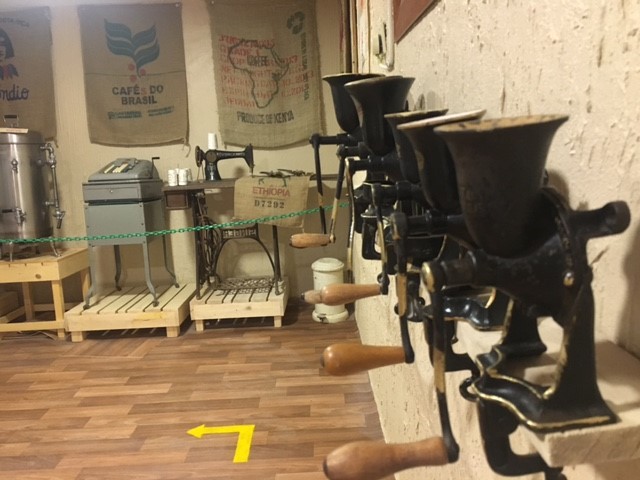
At a museum in Al-Ahsa, in eastern Saudi Arabia, researcher Abdullah Al-Hijris told Al Arabiya about the history of the bean that originated in the fifth-century, explaining the secret methods of roasting and grinding one of the world’s most favorite drinks.

CoffeeSaudi01KF30mar2017

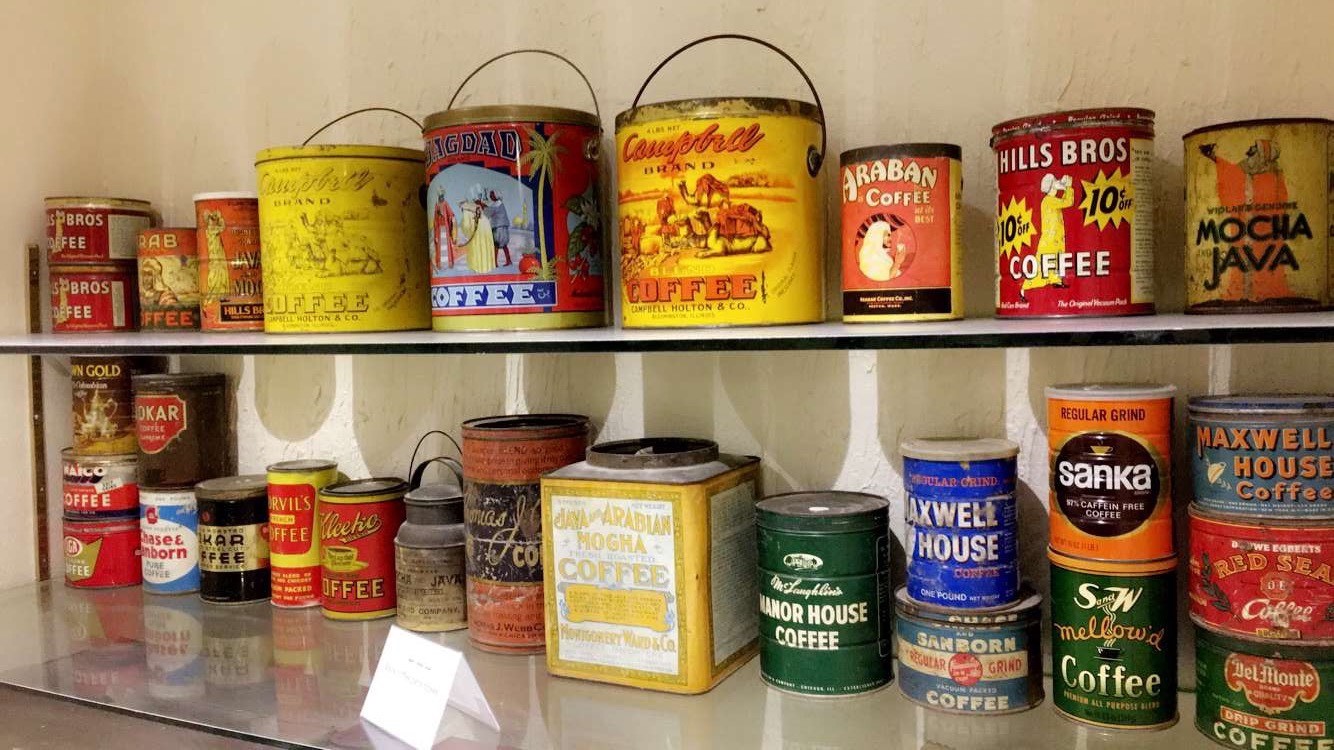
Al-Hijris said that the coffee museum, which was adopted by the National Authority for Tourism and National Heritage (CNTA) and is in line with the Kingdom’s 2030 vision, includes a collection of historical coffee items and tools up to more than 100 years old.

The researcher explained that the museum includes a laboratory to conduct scientific research on all types of coffee.

CoffeeSaudi02KF30mar2017

The museum also has an external building used to host visitors and offer them Arabic coffee.

CoffeeSaudi03KF30mar2017

CoffeeSaudi04KF30mar2017

source: http://www.english.alarabiya.net / Al Arabiya / Home> Lifestyle> Art & Culture / by Staff Writer, Al Arabiya Net / Sunday – March 26th, 2017
Video: source: http://www.youtube.com

How this coffee startup founder is pursuing three diverse professions at once

“Boredom at work sets in soon nowadays. This is probably the reason why IT professionals opening restaurants is on the rise,“ says Ashish D’Abreo (40), on the logic driving him to pursue three diverse professions.

ashishKF22mar2017

“Boredom at work sets in soon nowadays. This is probably the reason why IT professionals opening restaurants is on the rise,“ says Ashish D’Abreo (40), on the logic driving him to pursue three diverse professions.

When not building brands as a creative director of an ad agency (Origami Creatives), D’Abreo is either blending barista for his artisanal coffee startup (The Flying Squirrel) or delivering dialogues on stage as a freelance theatre artist over weekends.

Mind you, this jack of all trades has met with enough success in each sphere. His 15-year-old ad agency has clients like Chai Point, Caratlane.com and Bluestone.com. After gaining foothold in the online space, his coffee company recently ventured into the offline market with a microroastery café.

The avid coffee drinker has been dabbling in theatre for over a decade. This weekend too, he is performing in a play called `Park’ at Ranga Shankara. “When I was with Rafiki Theatre, I would act in 2-3 productions. Since my plate is full today , I just invest in one production at a time with Sandbox Collective,“ says D’Abreo, an MBA graduate from St Jose ph’s Colle ge of Commerce.

Question is how did a copywriter arrive at this triangle of work in the first place? “Idea was that when we can ideate for other brands, why not our own,“ says D’Abreo, who launched his coffee startup in 2013.Little did he know that the hobby of selling gourmet coffee from his friend’s plantation in Coorg would scale up one day.

D’Abreo traces the roots of his success in being an ad-man. “At my ad agency, we played each other’s roles all the time -be it design, layout, press visits, photoshoots or menial desk work. All streams flowed into each other seamlessly . Brainstorming sessions, where we switched from vodka to jewellery brand in a split second, coached me to juggle efficiently,“ says D’Abreo.

Each chosen profession gets a fair share of his time every day. “My play rehearsals are usually in the morning. By midday, I start looking into the online coffee orders and the micro roastery. Post-lunch, I dedicate time to my creative agency,“ says D’Abreo, who advocates the joint venture entrepreneurship module for those who wish to add professions to their career repertoire.

The father of a six-year-old also lists communication, support from family and time-management as requisites. Of course, travel and cooking often for family add brownie points besides working as his stress-busters.

“One is constantly trying to wear different thinking hats. However, it’s in this challenge that your life runs like a well-oiled machine and becomes interesting. This juggle is nirvana for me,“ he notes.

source: http://www.tech.economictimes.indiatimes.com / ET Tech / Home> Technology News> Latest Technology News> People / by Smita Balram / ET Bureau / March 22nd, 2017

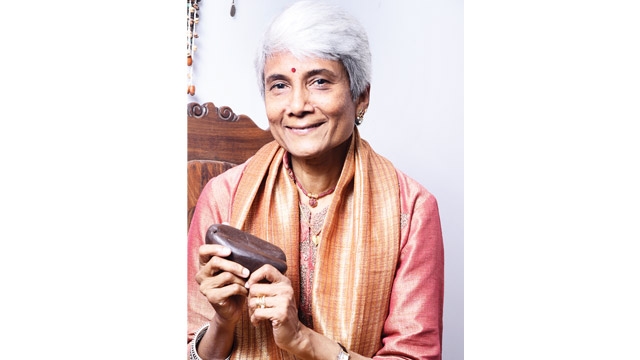
Bean there, done that: Meet Asia’s first female coffee expert, Sunalini Menon

Sunalini Menon started out as an assistant cup taster for the Coffee Board of India in 1971

The journey of Asia’s first female coffee expert, Sunalini Menon, is one of beating the odds while consuming copious amounts of coffee, says Phorum Dalal

“But she is a woman, and will be married off soon,” a panel argued.

The year was 1971, and the dilemma was whether to give the candidate a job of an assistant cup taster on the Coffee Board of India.

She had topped the written examination and oral tests, competing with PhDs and coffee experts, but the hesitation was due to her gender.

The person in question was Sunalini Menon, who spent the next 25 years, sipping, slurping and spitting coffee, identifying flavour notes, and determining the quality of the drink for coffee growers in India.

“The slurping is to expose the sip to oxygen and open its flavours, and spitting is to avoid consuming so much coffee,” the tiny figured lady explains with a broad smile when we meet her in Coorg.

Her melodious voice has us in rapt attention, as she excitedly spoke of Block no. 19, Tata Coffee’s micro lot from the Nullore estate, selected last year by Starbucks for sale under the Reserve Brand in USA.

Menon, who consults several traditional coffee growers, has carved a niche for herself. She closely worked on the micro lot (cream of the crop with artisanal properties, usually sold in small quantities for a higher price) that put Indian coffee on the global map.

The seed was sown in childhood. “In the summers, we would go to Polachi in Coimbatore and visit the tea plantation my uncle was posted at. Labourers picked tea and put it through steaming, drying and rolling processes. During tastings, the tea master would use a penny to weigh the tea. Tasters would slurp, sip and spit out the liquid,” says Menon.

Imitating them, the kids would take the leftover tea “gargle and make horrendous noises,” laughs Menon.

After a degree in dietetics, while applying for scholarships in New York Institute of Dietetics, Menon saw Coffee Board of India’s job ad for an assistant cup taster, and “memories of sipping, slurping and spitting came flooding back.” As no woman had ever held the post, she was sure she wouldn’t make it, but soon she completed the board’s two-member team.

The board sent her to Witnerthone near Zurich for a year-long intensive course in coffee tasting in 1976, followed by a six-month review training in 1982.

“My hosts exposed me to a lot of international coffees from Peru and Costa Rica, and also sent me to Germany. This was an eye opener, and palate too, because at the time, India didn’t have such exotic coffees. I learnt to identify characters and use my palate to decipher coffee”. When she returned, her boss had retired and she took over to become India’s first cup taster.

Friends and family would tease her, “Your job is to take coffee breaks. What fun’.

The sensorial method, though, involved a lot: focusing on fragrance, aroma, flavour, aftertaste, acidity, mouthful, sweetness, balance, uniformity, overall taste and cleanliness of the cup to determine the coffee’s quality.

“One that secures 80 or above is considered a speciality coffee,” explains Menon, adding that the science and chemistry behind the cup can also be evaluated individually to provide accurate results. “But so far, a holistic scientific value hasn’t been arrived at to conclude on the cup rating. Till it does, I guess we tasters will have a job,” says Menon.

After the market liberalised in 1996 and growers could sell their own coffee, the board shifted focus to research and training. Menon moved to Japan, where her husband was posted, but coffee growers coaxed her to return and continue independent quality checks and research on their plantation.

“Coffee has come a long way in India, primarily a tea growing country. The British introduced the coffee plant from Ethiopia. A drink for the elderly and usually consumed at home, it didn’t have a special aura. But the vision of grandmothers using the dabba filter to brew their cup has become a fad after Café Coffee Day (CCD) launched in Bengaluru in 1996,” recalls Menon.

That’s why, Block No 19 is special. Indian coffee being selected for a limited edition sale by an international company will encourage more plantations to work on micro lots. This milestone has opened a door to make artisanal Indian coffee a stand out,” says the woman who has paved way for women tasters in India. As for her poison, it’s “a blend of robusta and Arabica beans. Black please,” she signs off.

source: http://www.dnaindia.com / DNA India / Home> Lifestyle / DNA Sunday Team / Sunday – March 05th, 2017

African Fine Coffee event kicks off in Ethiopia’s capital

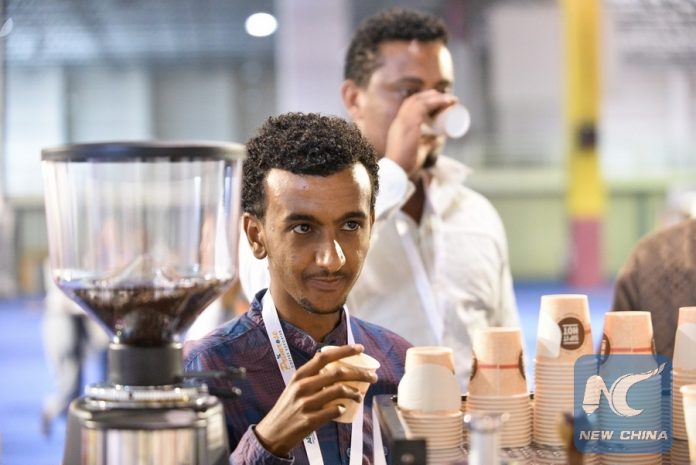
Participants taste coffee during the 15th edition of African Fine Coffee Conference and Exhibition in Addis Ababa, capital of Ethiopia, Feb. 15, 2017 (Xinhua/Michael Tewelde)

Addis Ababa, (Xinhua) :

Attracting regional and international coffee roasters, traders, producers, professionals and connoisseurs, the 15th edition of African Fine Coffee Conference and Exhibition kicked off in Ethiopia’s capital Addis Ababa on Wednesday.

With the objective of reshaping African coffee industry, the three-day event from Feb. 15 to 17 is expected to have intensive discussions on policy and trade development across the African coffee value chain.

The African Fine Coffee Association (AFCA) and the Ethiopian Coffee and Tea Development and Marketing Authority, have co-hosted the event under the theme, “Reshaping African Coffee Industry for Productivity and Investment.”

The participants are also expected to discuss ways of boosting coffee production on the African continent, and the exhibitors from across the world showcase their coffee products, machinery and packaging facilities, among others.

The conference is a buyer-oriented event which brings together buyers from all over the world to build key trading relationships and discuss issues impacting on production, trading environment and policy interventions necessary to grow the coffee industry worldwide, according to the organizers.

The event is also expected to provide an opportunity for business-to-business engagements and for buyers to taste best coffee from Ethiopia and the rest of Africa.

Officially opening the event, Ethiopian President Mulatu Teshome reiterated that his government attaches great importance to the coffee industry as it is backbone of the country’s commodities export.

“Around 20 million people are directly or indirectly deriving their livelihoods from coffee. Hence, as major agricultural export product, it generates about 26 percent of Ethiopia’s total export earnings. Ethiopia is the largest producer of coffee in Africa and the fifth largest coffee producer in the world, next to Brazil, Vietnam, Colombia, and Indonesia, contributing from 7 to 10 percent of total world coffee production,” noted the president.

It has been recognized that new markets have been identified in order to benefit coffee farmers and also to encourage all stakeholders in coffee industry, according to the president.

“In this regard, China, Russia, Middle East, and the Far East economies, Australia, and consuming African countries of Algeria, Tunisia, and Sudan among others offer a lucrative option and price incentives to the Ethiopian coffee,” he said.

Bagersh Abdullah, Board Chairman of African Fine Coffee Association (AFCA), stated that African Fine Coffee Conference and Exhibition has become one of the top events in the world.

“This conference has a lot of value because we are at the beginning of the coffee season and I am hoping that by being here the delegates the buyers, many, many buyers are here will have the chance to see, believe and taste the coffees and we are going to ship first class coffee out of Ethiopia this year,” he said.

Eyasu Abraha, Ethiopian Minister of Agriculture and Natural Resources, said on his part that the government has been taking various measures to tap Ethiopia’s huge potential in the sector and boost coffee productivity in the country.

“Ethiopia has a huge potential to increase coffee due to processing, suitable climate, soil, indigenous planting material, and sufficient rainfalls in coffee growing belts of the country. To this end, government is committed to more than ever before to tap the huge potential that exists to increase coffee productivity through undertaking research and development interventions.”

African Fine Coffees Association (AFCA) is an association with coffee sectors in 11 member countries, namely Burundi, DR Congo, Ethiopia, Kenya, Malawi, Rwanda, South Africa, Tanzania, Uganda, Zambia and Zimbabwe.

Over 100 exhibitors participate in the exhibition showcasing their coffee products, machinery, and packaging among others, according to the organizers.

source: http://www.nazret.com / Nazret.com / Home> Business> News / February 16th, 2017

International Expo on Tea & Coffee comes back to Mumbai with brand new features

From 16th – 18th Nov 2017

The vision of World Tea Coffee Expo Mumbai India is to expand the Indian Beverage business by providing all sourcing requirements under one roof

Growing in size and stature every year, the 5th edition of World Tea Coffee Expo comes back to Mumbai from 16th Nov – 18th Nov 2017 with a host of enhanced features and activities covering the entire gamut of the Hot Beverage sector.

Globally recognized at a complete trade show for Tea, Coffee and allied sectors, the three day annual event shall witness about 90+ exhibitors from 8 countries showcasing latest innovative products, machineries, equipment, packaging, technologies, vending solutions, flavours, Retail Chains, certifications, Premixes, government boards etc.

The 5th edition shall have additional features like an upscale Display showcase, wider range of networking events, a special section for e-commerce companies, more educational content and speakers at Conference and interactive workshops – including tasting sessions – by some of the best Baristas/Trainers, Tea Sommeliers and Chefs. 5th World Tea Coffee Expo Mumbai India is supported by Sri Lanka Tea Board and leading associations and chambers from across the world have pledged their support to this important industry initiative.

Since its launch in 2013, the expo has brought global industry players closer, enabled mega deals in addition to being the definite launch pad for new products and technologies especially for start-ups and SMEs who aspire for national / international expansion but have low budgets.

The 2016 edition hosted 67 companies – including Pavilions from Tea Board of India and Sri Lanka Tea Board – which showcased their best to a business visitor base of 3400+ which included senior level decision makers comprising of Retailers, Wholesalers, Distributors, hypermarkets/multi-product retail chains, Tea/Coffee Estate owners, potential franchisees, purchase managers of medium-to-large offices, HoReCa sector professionals many of whom placed large orders with exhibitors. The 2-day hi level conference discussed issues facing the sector and workshops on last day imparted technical skills. Experts from across India were a part of the conference and workshops.

“This niche Expo provides the perfect environment for the hot beverage industry to meet face-to-face and develop real business opportunities. WTCE facilitates participants to strike bulk deals, joint ventures/alliances, franchise deals, appoint marketing agents, knowledge-sharing, meeting government officials and generate large number of business leads.” said Ms Priti Kapadia, Director, Sentinel Exhibitions Asia Pvt. Ltd, the organizers of this unique trade show.

The global market for RTD (Ready-to-Drink) Tea and Coffee is expected to reach $150 billion by 2021 with an annual growth rate of 7%. The Asia-Pacific region is the largest market and also showing maximum growth. The Indian tea and coffee market is one of the largest in world in terms of production, consumption and growth prospects. However, future success depends largely on use of latest technology, seamless upgradation of existing facilities, adapting to ecommerce and cost effective processing – something WTCE strives for. For further information please log onto www.worldteacoffeeexpo.com or call on +912228625131 or email to info@worldteacoffeeexpo.com

source: SentinelPR priti@publicrelationindia.com / Press Release / February 21st, 2017

Large exports to ‘put pressure on coffee prices’, says ICO

The International Coffee Organization flagged the potential for “pressure on” coffee prices from supplies, even amid a fierce debate in Brazil, the top producer and shipper, over the extent of bean inventories.

The ICO, while noting that month-average coffee prices as measured by its benchmark index had “significantly improved” last month, recovering more than half the 9.7% lost in December, they remained well below November highs reached on concerns over dryness in Brazil and Vietnam.

“In view of the steady level of exports, and news of more favourable weather conditions in Brazil, the positive [price] trend reversed towards the end of January,” the organisation said.

World coffee exports for the October-to-December period, the first three months of 2016-17, totalled 29.8m bags, a rise of 8.3% year on year, led by a 23% surge in shipments of the “other milds” beans shipped from the likes of Honduras and Peru, but with increases in the other major segments too.

Shipments of robusta beans rose 7.9% to 10.5m bags, defying worries over poor weather feared to have hit production in major growing countries, concerns which helped London robusta futures hit a five-year high of $2,282 a tonne on January 19.

‘Pressure on price levels’

The export data – combined with ideas of stockpiling in importing countries such as the US, where December inventories, at 6.26m bags, were the largest for the month in 23 years – boded ill for prices, the ICO said.

“Large export volumes and high levels of stocks in consuming countries seem likely to put pressure on price levels,” the organization said.

The comments chime with those of some other commentators, such as Judith Ganes-Chase, who raised questions to the market premise “that supplies would run low following a multitude of production issues the past three seasons”.

Noting continued strength in coffee exports, Ms Ganes-Chase said that “the “key indicator of supplies starting to be exhausted has not been flashing.

“In fact, the opposite has happened,” with data showing that shipments for the first three months of 2016-17 “are up sharply from all types of coffee and this is keeping consumer warehouses well stocked”.

Robusta stocks dispute

However, the comments also come amid enhanced uncertainty over supplies in Brazil, which has suffered successive under-par robusta coffee harvests, even as arabica output last year hit a record high.

While robusta stocks were reported by the Conab bureau to have dwindled to some 2.1m bags – prompting Blairo Maggi, Brazilian agriculture minister, last week to flag the likelihood of the country opening up to unprecedented imports of the variety – a decision on buy-ins was postponed on claims of far biggest inventories.

Producers in Espirito Santo, Brazil’s top robusta-growing state, claimed stocks of some 4m bags, saying that the survey by Conab bean-counters had been incomplete, and not included all warehouses.

Arabica tightness too?

Meanwhile, Brazil’s Cooxupe, the world’s largest coffee co-operative, on Thursday undermined ideas of ample arabica stocks, saying that tightness in robusta supplies was prompting many buyers to switch beans.

Supply tightness will reach the arabica market around May, Cooxupe said, just ahead of the next harvest.

“Almost all Brazilian coffee exporters sold a lot of [arabica] beans to local industries lately,” Cooxupe chief trader Lucio Dias said.

“Domestic consumption is reducing the amount of arabica available for exports.”

Brazil data uncertainty

While respected data on Brazil’s coffee exports are readily available, including from exporters’ group Cecafe, statistics on production are viewed by many investors as less thorough, with Conab viewed as tending to underestimate output.

Conab’s initial forecast for 2017-18 foresees an 8-15% decline in domestic output, to 43.65m-47.50m bags.

“However, some independent sources indicate much higher figures for the total production of Brazil,” the ICO said.

Best-traded arabica futures for May stood at 148.00 cents a pound in morning deals in New York, a rise of 0.3% on the day.

In London, robusta futures for March, the best-traded lot, stood down 0.1% at $2,123 a tonne.

source: http://www.agrimoney.com / Agrimoney.com / Home / by Mike Verdin, UK / February 10th, 2017

Wake up and smell the coffee!

ArshiyaKF13feb2017

Kochi :

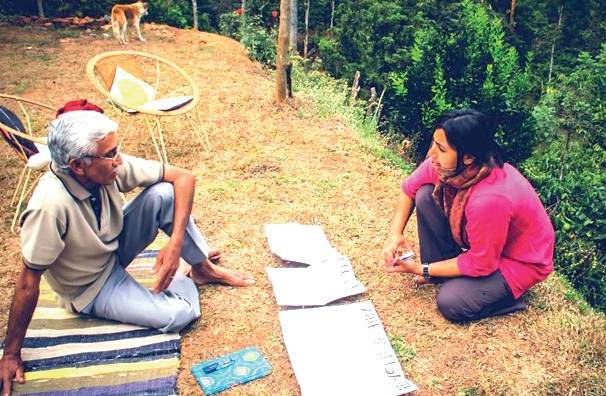
Some of the coffee tasted bland, others were a bit over-the-board bitter. The 33-year-old Arshiya Bose, social entrepreneur and owner of Black Baza Coffee who was in Kochi recently to hold a coffee-tasting session, says that there is no short cut to making a good cuppa of coffee.

Arshiya02KF13feb2017

So, Arshiya takes her students on a trip on the perfect ways of making coffee. At the end of the session, she introduces them to the Black Baza Coffee, which is warm and has the lure of a refreshing evening drink. What’s unique with this coffee is not only the way it is processed, but that the beans are grown in the most fertile of soils in India – right next to the Kodagu and B R Hills in Karnataka, where the river Cauvery flows in all its glory.

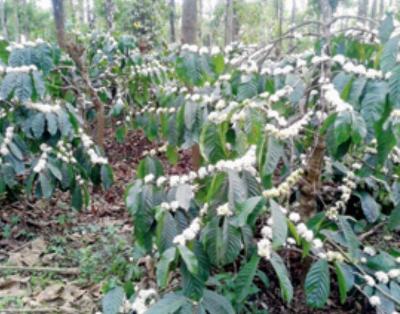
Karnataka-based Arshiya Bose is currently on a mission to promote this coffee, which is grown under large tree canopies, right next to the river beds. According to her, Indians have forgotten the taste of original and eco-friendly coffee, and has hence taken it upon herself to bring back the lost glory.

“Indians drank one of the most unique coffees in the world. In the past, the coffee beans, especially in Karnataka, were grown under forest covers and under shades of trees.

However, constant deforestisation forced our farmers to grow coffee directly under the sunlight,” she said. According to her, this method was detrimental to the environment (as it encouraged deforestisation), and also led to early maturation of the coffee beans, which supposedly also lead to a compromise in quality and taste.

For this, Arshiya got in touch with farmers who were growing coffee beans in Karnataka.

“ This is how we zoomed in on Kodagu and B R Hills. We said we would buy their produce and sell it across the country, if they were willing to heed to the eco-friendly norms. They agreed. So, they started growing coffee under available trees and were given the responsibiltiy to look after it too,” says Arshiya.

Right now, Arshiya’s Black Baza Coffee, named after the small bird of prey found in heavenly dense forests of South and South East Asia, is sold across the country. In Kochi, it is available at Pepper House Cafe.

source: http://www.newindianexpress.com / The New Indian Express / Home> Cities> Kochi / by Princy Alexander / Express News Service / February 05th, 2017

Coffee prices climb to a five-year high

coffeeKF26jan2017

Bengaluru :

Coffee growers in Karnataka, who went through a rough patch recently, are happy, thanks to a huge drop in production and supply from major coffee-growing countries in the global market.

Growers in Kodagu, Chikkamagaluru and parts of Hassan are upbeat after coffee prices hit a five-year high despite the state registering a low yield this time due to severe drought and demonetization.

According to a senior official in the coffee board, Bengaluru, severe drought in major coffee-producing countries like Brazil, Vietnam and Indonesia has resulted in poor yield and quality issues. As a result, there’s a great demand for Indian coffee, 70% of which is produced in Karnataka.

According to Kabir, a leading coffee dealer in Madikeri, Kodagu, coffee prices are rising for the past fortnight and the trend is expected to continue till April. A 50-kg bag of Robusta variety, produced mostly in the state, costs Rs 4,000 while Arabica costs Rs 9,600. Last year, the average price of Robusta was Rs 3,000 and Arabica Rs 4,600.

The prices have picked up in the retail market too after remaining at a low for the past five years. The prices range between Rs 150 and Rs 200 a kg.

Coffee board former vice-chairman Sannuvanda M. Kaverappa added that a shortfall of 2.08 million bag of 60 kgs each in the international market this year will lead to a rise in coffee prices in India.

“About 70% of Indian coffee will be exported and the rest will meet the domestic demand,” he added.

B S Jairam, president, Karnataka Grower’s Federation (KGF), said the Robusta yield has been good this season in the state compared to Arabica.

“Most growers are in distress owing to poor yield. The drought, labour crisis and demonetization have virtually pushed growers to the wall. The marginal current price rise will definitely not compensate for losses over the years,” said Karnataka Planters’ Association chairman M M Chengappa.

(With inputs from G Rajendra in Madikeri)

source: http://www.timesofindia.indiatimes.com / The Times of India / News> City News> Bangalore News / by Manu Aiyappa Kanathanda, TNN / January 26th, 2017

Nyamasheke moves to enhance coffee quality, farmers’ income

Nyamasheke seeks to create more jobs along the coffee value chain.

The quality of coffee is critical in the marketing of the beans locally and on the global arena. This fact is not lost on one of the major coffee producing areas in Rwanda, Nyamasheke District.

The district has been attracting investors to setup more coffee washing stations to help increase the quality and quantity of coffee production. The initiative also aims at job-creation as part of efforts to support realisation of the second Economic Development and Poverty Reduction Strategy (EDPRS II) objectives.

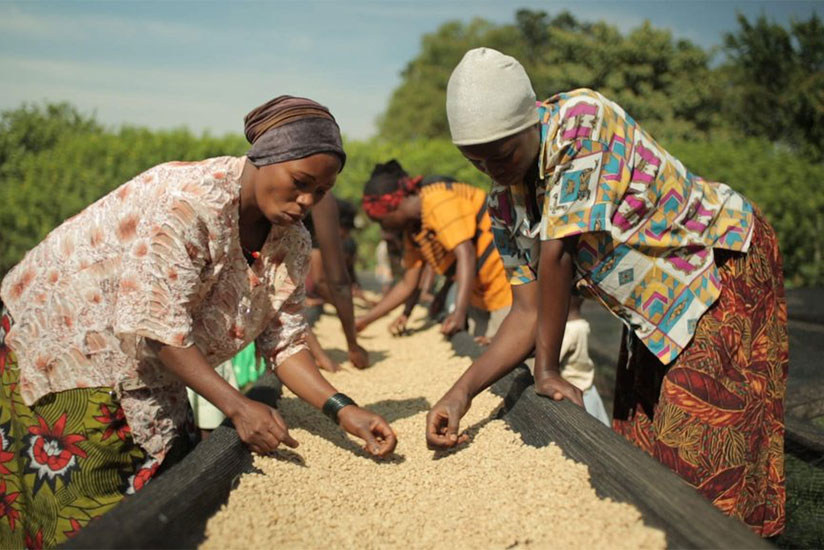
Coffee production in Nyamasheke contributes at least Rwf3 billion of the farmers’ income per year, according to district officials. The officials said seven new washing coffee stations will be commissioned this year, increasing the number of stations from 50 to 57 stations across the district, Polyphile Harerimana, the district cash crops officer, said. He added that besides boosting quality, the growing number of stations will increase farmers’ revenue and support economic growth.

Besides, doubling the proportion of coffee exported as fully-washed, Rwanda could increase coffee exports by 10-20 per cent, according to a study done in 2015. Only 30 per cent of Rwanda’s coffee is characterised as fully-washed at export and, yet coffee washing stations operate at little more than 50 per cent capacity.

Nyamasheke District has been attracting more investors in coffee production since 2013 when one of coffee washing stations in the district scooped the best coffee producer during the fourth edition of Rwanda Cup of Excellence competition. The annual contest rewards the best local coffee and is the most esteemed international award given to farmers with quality coffee. “Before the introduction of washing stations, coffee had less value and one kilogramme would cost about one dollar. But since washing stations were created the cost of the crop increased up to four dollars,” Harerimana said.

Karambi, Macuba and Nyabitekeri sectors located near the shores of Lake Kivu are some of the areas in the district that are favourable for coffee growing. Rwanda mainly grows Arabica coffee given its mountainous nature.

Harerimana said the district targets to produce 16,000 tonnes of coffee this year. Last year, the production was more than 11,000 tonnes while in 2015, the district produced 14,000 tonnes. He said this year farmers have increased use of fertilisers to 821 tonnes, adding that trees are also sprayed to guard against pests and diseases.

A 2015 survey showed that the number of coffee trees in Nyamasheke has increased to 13 million, up from eight millions of trees in 2009.

During the 2015 edition of Cup of Excellence competition, eight coffee washing stations from Nyamasheke were among the top 20 finishers. Therefore, it is no surprise that more investors are putting their money in the district’s coffee sector. Harerimana said the district works closely with farmers to ensure quality along the value chain to guarantee better returns. Annonciata Mukandanga, a farmer, said the increasing number of washing stations will boost morale as farmers will be assured of ready market, adding that it will also ensure quality of the crop.

Andre Iyakaramye, another farmer, said the setting up of more washing stations in the district has helped increase farmers’ income and welfare, adding that he is now classified in the third category in Ubudehe classification, thanks to coffee farming.

Rwanda’s coffee exports grew by 10.9 per cent in volume over the first half of last year, with 5,956.9 tonnes shipped out compared to 5,141 tonnes of coffee that were exported over the same period in 2015, according to figures from the central bank.

source: http://www.newtimes.co.rw / The New Times, Rwanda / Home> Business / by Frederic Byumvuhore / January 24th, 2017