Category Archives: Nature

India’s Two Scotlands

Meghalaya’s Shillong and Karnataka’s Coorg are similar, says Ratan Bhattacharjee
Coorg

One of the most popular poems by Wordsworth is ‘The Solitary Reaper’ about a highland girl reaping the harvest in a pasture in Scotland with a song on her lips. This is a familiar sight for a visitor to Shillong or Coorg.
Shillong is the 330th most populous city in India with 143,229 people according to the 2011 census. It is said that the rolling hills around the town reminded the British of Scotland. So did Coorg down south in Karnataka. They found the mist-laden pastures of Shillong and Coorg to be the closest to the paradise they knew back home and began referring to these two hill stations as the Scotland of the East.

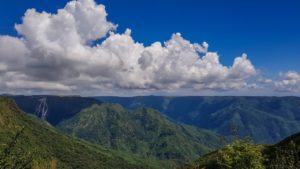
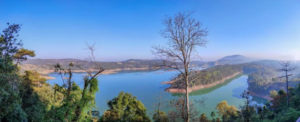
There are indeed many similarities between Shillong, Meghalaya’s capital, and Scotland. Shillong’s landscape is beautified with rolling, cloud-kissed hills bestowed with lush greenery. It is often difficult to tell Scotland from Shillong from photographs without any captions. One has to take a backseat in a car on the roads to Cherrapunji, Mawlynnong and the curvaceous Shillong Bypass and let the hair flutter in the breeze and draw in the hypnotic sub-Himalayan panorama. The glittering waterfalls along the roads and the lakes in and around Shillong – boating on Umiam or Ward’s Lake is otherworldly – have a stunning resemblance to those in Scotland. Then there are several places untouched by mass tourism where you can pitch a tent and connect with nature. Shillong and Scotland also have culture connect – the Scottish are as colourful as the Khasis and are proud of their heritage.
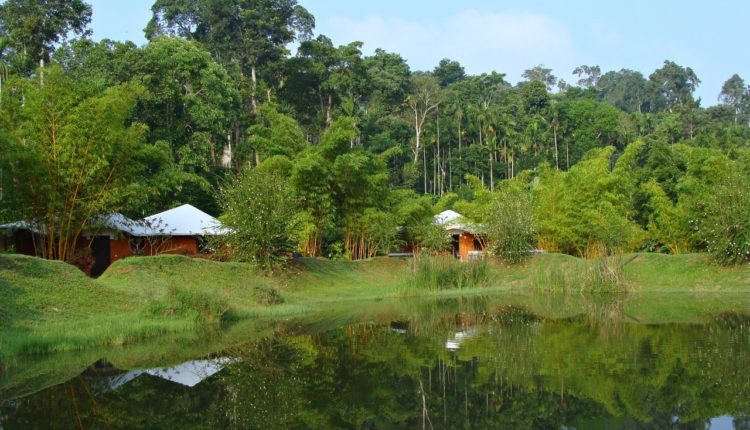
Located along the Western Ghats, Coorg is a coffee-producing hilly area well-known for its jaw-dropping scenery and opulence. This misty landscape nurtures a rich culture and a unique clan – the Kodavas who are specialised in martial arts and are widely known for their hospitality. Heavenly Coorg is ideal for lazing around or going on a challenging trek or indulging in an adventure at Abbey Falls or relishing the spicy curries and the heart-melting handmade truffles.
Shillong

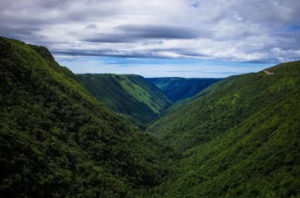
Coorg is also called Scotland of India because of its hills – Karkala, Savandurga and Nodda – lording over the coffee plantations. They are lush green mountains of foggy rolling hills with miles of walking trails. The climate is as cool as in Shillong, albeit a shade warmer than in Scotland. Madikeri or Mercara, the headquarters of Coorg is a beautiful hill town. The Chiklihole Reservoir is a wonderful place far from the madding crowd. The Dubare Elephant Camp will please wildlife enthusiasts as much as the Harangi Dam or Honnamana Kere Lake. Kotebetta is the third highest peak in Coorg. Mallalli Falls is one of the best places reminding at every moment of the beauty of the Scottish Highlands or Elephanta and Seven Sisters Falls in Meghalaya.
Coorg is the coffee cup of India and there is no doubt that the people there have Celtic roots, as their traditions and rituals reflect. They celebrate many festivals such as Makar Sankranti, Ugadi and Easter. The locals celebrate Christmas by lighting candles in their homes. The traditional dress of the Coorgis is similar to the Scottish kilt. Their attires have interesting patterns and designs. The cuisine of Coorg, like Shillong’s, has something in common with Scottish dishes made from pork and beef.
Coorg is also home to some magnificent forts and palaces that date back to the medieval era. These structures are a testament to its rich history and culture. One of the most popular forts in Coorg is the Madikeri Fort. Mudduraja, the prominent Haleri king built this fort in the 17th century. It is made from granite and features several turrets and bastions. The British army rebuilt this imposing structure in the late 1800s, and it now serves as a hotel and museum. Other notable colonial bungalows include the Raj Bhavan (Governor’s House) and the Deva Raya Paana (Toddy Tapper’s House). The British built them between the 18th and 19th centuries.

Like Shillong, Coorg is known for its “perfect weather” in spite of the incessant rains. The temperature is mild and comfortable, and the weather is usually sunny with a few scattered showers. This makes Coorg a popular tourist destination like Shillong, especially during the summer months. Coorg and Shillong are also connected to Scotland through the celebration of music in its many forms. All are great hosts of music festivals.
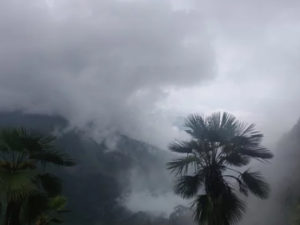
That’s astounding nature, as many would say. Just like Shillong and Coorg that find so many points of commonality, other places in India find resemblances with foreign destinations too. Some of them to find appropriate mentions would be Andaman and Nicobar Islands and Phi Phi Islands, Thailand, Gulmarg, Jammu and Kashmir and Switzerland, Gurudongmar Lake, Sikkim and Jökulsárlón Lake, Iceland, Thar Desert, Rajasthan and Sahara Desert, Africa and Chitrakote Falls, Chhattisgarh and Niagara Falls. There are many more, as travel enthusiasts would enlist them. However, it resounds that scenic beauty in India is infinite beginning with Shillong, itself.

Just like the Scottish hold immense pride in their culture, land and its people, similarly,  the Khasis of Shillong, and the Kodava’s of Coorg hold their culture and indigenous identities in high regard, worshipping their ancestors and preserving their folklores.

Julia London once said about Scotland: “There are few places in my life that I’ve found more ruggedly beautiful than the highlands of Scotland. The place is magical – it’s so far north, so remote that sometimes it feels like you’ve left this world and gone to another.” This holds true for Shillong and Coorg too.

(Ratan Bhattacharjee is a contributor at The Shillong Times)

source: http://www.theshillongtimes.com / The Shillong Times / Home> Sunday Pullout / by Ratan Bhattacharjee / September 25th, 2022
Wildlife Biologist From Kodagu In Project Cheetah Core Team

Mysore/Mysuru:

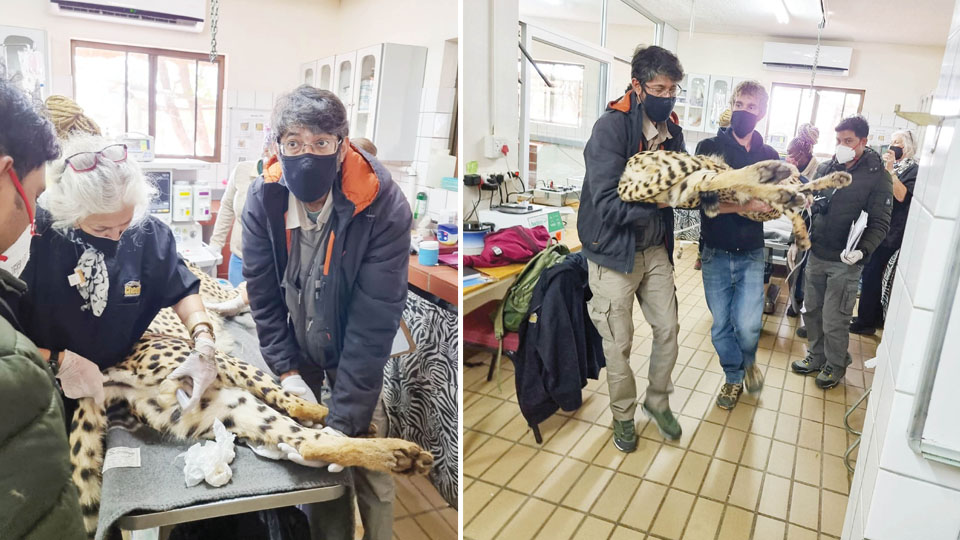
A wildlife Biologist and Ecologist from Kodagu is in the team that brought eight Cheetahs (Acinonyx jubatus) from Namibia to Madhya Pradesh’s Kuno National Park which were released by Prime Minister Narendra Modi on Sept. 17.

C.M. Bipin of Kodagu is in the core management team of Dr. Yadvendradev Vikramsinh Jhala, Lead Scientist for Project Cheetah and Dean of Wildlife Institute of India.

Bipin conducted extensive fieldwork and ground study before the extinct felines were reintroduced in India. Project Cheetah is the world’s first inter-continental large wild carnivore translocation project.

C.M. Bipin has been working on Project Cheetah since 2011 as a Project Associate at the Wildlife Institute of India, Dehradun, autonomous wildlife research and natural resource service institution under the Ministry of Environment Forest and Climate Change (MoEF&CC), Government of India. Bipin’s name figures prominently among the survey team for the project.

Hailing from Kanoor village near Ponnampet in South Kodagu, Chottekmada Bipin is an Industrial Engineering Management graduate who pursued his passion for wildlife and nature. He finished his schooling at St. Anne’s School, Virajpet and college at Sathya Sai Loka Seva Trust, Alike. His parents Monnappa and Tara Monnappa, retired teachers, are settled in Kanoor.

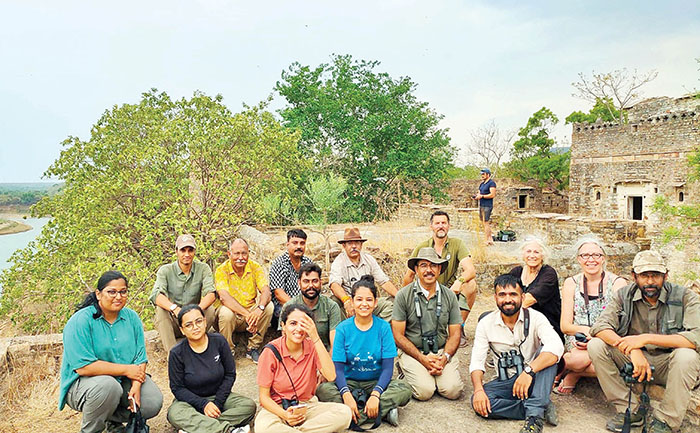
Bipin (extreme right) seen with Project Cheetah team members in Namibia where they underwent training.

Engineer to Ecologist

Speaking to Star of Mysore from the Kuno National Park where he is monitoring the Cheetahs, Bipin said that though he worked for an electronics company in Bengaluru soon after his engineering at the RV College, nature and wildlife was his passion.

“I was feeling suffocated, so I left and joined a conservation and ecology team at the Centre for Wildlife Studies, Bangalore, in 2004 working on monitoring tigers and prey populations in Karnataka. During this period, I felt the need of educating, better-equipping and training myself in wildlife science and nature conservation and I completed my M.Sc. in Wildlife Biology,” he said.

Bipin later joined National Centre for Biological Sciences in Bengaluru in 2008 for his Master’s and subsequently joined the Wildlife Institute of India, Dehradun in 2011 and has been involved in Project Cheetah.

“As part of the project, the landscape of five States — Rajasthan, Gujarat, Chhattisgarh, Uttar Pradesh and Madhya Pradesh — were studied. 10 places were identified as suitable for Cheetah reintroduction and among them, five were shortlisted with the Kuno National Park in Madhya Pradesh, Shahgarh landscape and Mukundara Hills Tiger Reserve in Rajasthan and Nauradehi Wildlife Sanctuary in Madhya Pradesh being identified as priority ones,” Bipin revealed.

Court case

When the project work was on, in May 2012, the Supreme Court stalled the plan to reintroduce Cheetahs into Kuno sanctuary fearing they may come into conflict with a project to reintroduce lions into the same sanctuary.

But in 2020, the SC lifted its stay, clearing the project after an affidavit filed by the National Tiger Conservation Authority (NTCA) to take the plunge — under the guidance from an expert committee headed by Dr. M.K. Ranjitsinh, the architect of Wildlife Protection Act — and go ahead with plans to bring the African cat to India.

“During the period of stay, I started work on the population recovery and habitat improvement of the critically endangered Great Indian Bustard, the grassland and open forests habitat of which the Cheetahs roamed in our country once and I re-joined the Cheetah Project after the Court clearance,” he said.

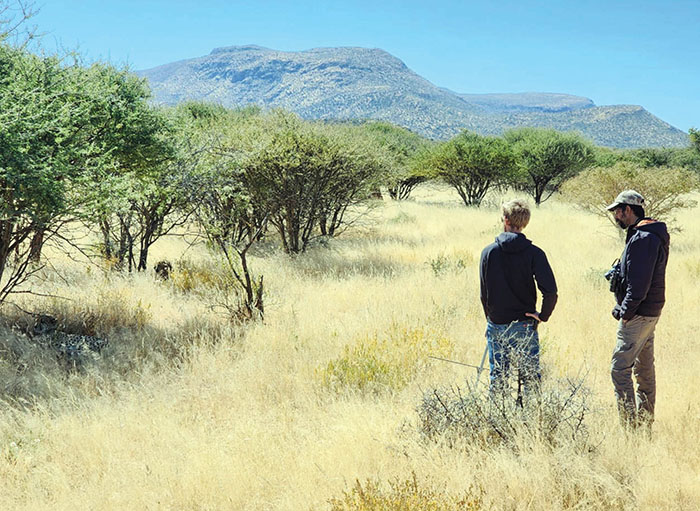
Picture shows the landscape of Namibia that is ideal for the Cheetah habitat being studied by Bipin and a colleague. Kuno National Park in Madhya Pradesh where the Cheetahs have been reintroduced has a similar landscape.

Training in Namibia

Bipin was sent to Namibia and South Africa with the team during June 2022 for a training in handling the Cheetah, habitat management, research, methods of conservation at different levels and how to avoid conflict with villagers living on the forest fringes.

“I gave technical inputs after ground studies along with my team and additionally wore many hats as and when needed including providing assistance required in administrative, financial, legal and policy matters. As the days for the release drew close, though rainy season in India is a difficult period to release Cheetahs in India due to inaccessibility to many forest areas and logistical constraints, it would have been wise to wait for the monsoon to end,” he explained.

September was the ideal month and the occasion was PM Modi’s birthday. The officers of Madhya Pradesh Forest Department, NTCA and MoEF&CC at various levels very efficiently coordinated and performed their roles meticulously in making the project a reality, Bipin added.

Adequate prey base

“The Kuno National Park, situated on the northern side of Vindhyachal mountains, can handle 35 Cheetahs and has an inviolate area of 748 sq.km. where the Cheetahs have a suitable area of up to 6,800 sq.km surrounding them. We had identified four more areas apart from Kuno National Park and the project Cheetah entails bringing 50 big cats from Africa in the next five years and in the long run establishing a viable cheetah metapopulation in the country,” he said.

The Kuno National Park has a good prey base for Cheetahs, comprising the four-horned antelope, chinkara, nilgai, wild pig, spotted deer and sambhar.

Cheetahs will help restore open forest and grassland ecosystems in India and its dwindling wildlife. This will help conserve biodiversity, consolidate and enhance the ecosystem, mitigate climate change and boost the local economy with various livelihood opportunities.

“Extensive hunting of Cheetahs and habitat loss led to their extinction. The ‘African Cheetah Introduction Project in India’ was first mooted in 2009 by Wildlife Trust of India and we have come a long way in finally bringing the fastest animal on earth to India,” Bipin added.

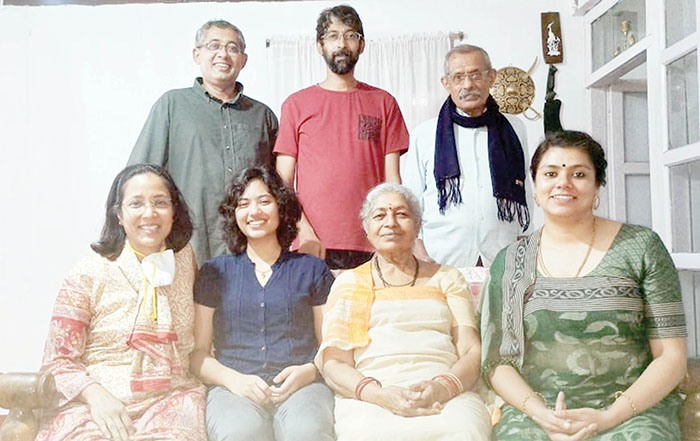
Standing L-R Bishan (Brother), Bipin, Monnappa (Father), Sitting L-R Rema Bishan, Sachitha Bishan, Tara (Mother), Amrita.

Mother happy

 Elated over her son being in the core Project Cheetah team, Bipin’s mother Tara Monnappa told Star of Mysore that the family is proud of Bipin’s achievements. “I don’t have any words to express and he has been passionate about nature since childhood. I am glad he could pursue his passion with full vigour,” she said.

In fact, Bipin’s wife Amritha too is a sociologist and conservationist and works for The Nature Conservancy, a global environmental organisation, working in areas in Assam. Her specialisation is communities living in villages on the fringes of forests and their interactions with wildlife and nature.

Bipin’s elder brother C.M. Bishan is an Orthopaedician in Gonikoppa, Kodagu and an avid wildlife photographer.

source: http://www.starofmysore.com / Star of Mysore / Home> News> Top Stories / September 22nd, 2022

Coorgi Kachampuli: The Secret Of Kodava Cuisine

The essence of Madikeri, this signature ingredient is at the heart of Coorg’s culinary tableau

Coorgi Kachampuli: The Secret Of Kodava Cuisine

One of the most underrated profiles in the world’s taste arsenal is sour. Too often associated with unpleasant tastes, it takes a lot of finesse to balance sour flavours and make them shine. Luckily, this is something that India excels at. Whether it’s tamarind, lemon, vinegar or tomatoes, many of our regional cuisines employ souring agents as a standard part of their flavour profiles. For the Southern town of Coorg in Karnataka, there’s a very unique addition to this sour family in the form of Kachampuli.

Also known as the Malabar Tamarind or Kudam Puli, Kachampuli is a deep, dark vinegar native to the region made from the ripe fruits of the Garcinia gummi-gutta tree which are commonly found in the evergreen forests of Coorg. The fruit is a member of the mangosteen family and has a distinct sharp sour taste and a lingering aftertaste that is totally unique among the common souring agents in India. It’s an essential part of Kodava cuisine, especially when cooking meat due to the amylase enzymes it produces that help to break down proteins, but it can also find its way into fish and vegetarian dishes too. 

It can be used in its fresh form, soaked and then cooked in a similar way to tamarind. It can also be converted into a type of vinegar by slightly fermenting the fruit and simmering it down to a dark reddish-purple liquid which retains its signature tartness while also lending fruity overtones.

The main characteristic of Kodava cuisine is the use of local and seasonal ingredients. The forests and paddy fields of the Coorg region are verdant and lush, ensuring that there’s always plenty of fresh produce available throughout the year. Foraging is also an integral part of Kodava traditions and Kachampuli is an essential ingredient in many of their signature dishes including the famous Pandi Curry. 

Kachampuli has plenty of benefits beyond being a great taste enhancer. Like many acids, the fruit can be a great digestive and some consider it to be an effective appetite suppressant and weight loss aid. It also has Hydroxy citric acid (HCA) which is thought to boost metabolic rates and combat lipid peroxidation, thereby maintaining liver health.

If you want to take your tastebuds on a trip to Coorg and experience the magic of Kachampuli, here’s a quick and easy recipe that lets the ingredient shine.

Typical Coorgi Pandi Curry with Kadambuttu / Image Credits: edible.travelssk_/Instagram

Ingredients:

Masala Blend

  • 2 tbsp oil
  • ½ tsp mustard 
  • ½ tsp jeera
  • curry leaves
  • 1 finely chopped onion
  • 1 green chilli finely chopped
  • ½ tsp turmeric 
  • ½ tsp salt
  • 1 tsp roasted gram powder
  • 1 tsp Kachampuli vinegar or fresh kachampuli
  • ½ tsp jaggery

For Serving

  • 2 cups puffed rice
  • 2 tbsp finely chopped onions
  • 3 tsp roasted gram powder
  • 2 tbsp finely chopped tomato
  • 2 tsp coriander leaves, finely chopped
  • A handful of sev mixture

Method

  • In a large pan heat oil and add mustard, jeera and a few curry leaves. Let it splutter.
  • Next, add the finely chopped onion and green chilli. Sauté well till it turns almost golden.
  • To this, add turmeric and salt. Sauté for another minute.
  • Add the Kachampuli and the jaggery.
  • Saute this mixture for 3 minutes.
  • Next, add roasted gram powder and mix well.
  • In a large mixing bowl take 2 cups of puffed rice, add in ¼ cup of the prepared masala blend, 2 tbsp onions, 2 tbsp tomato and 3 tsp roasted gram powder. Mix it lightly.
  • Serve garnished with a few coriander leaves and the sev mixture

source: http://www.slurrp.com / Slurrp.com / Home> Articles / by ShireenJamooji / August 05th, 2022

Kodagu: 21 flood-hit people shifted to Koynadu relief camp

Debris, including logs, has blocked free flow of rainwater

The houses of five families consisting of 21 people in Koynadu near Sampaje in Kodagu were flooded after heavy rains on Monday night. The flood waters entered the houses after debris consisting mainly of wooden logs that swept away in flash floods blocked Kindi bridge in Koynadu, flooding nearby houses.

Virajpet MLA and former Speaker K.G. Bopaiah, Deputy Commissioner B.C. Satish, tahsildar and others visited Koynadu and gave directions for shifting the affected families to the relief camp. The MLA and the DC also told the Forest Department officers to immediately clear the debris that has blocked free flow of rainwater.

On the occasion, five flood-affected families of Koynadu, two families of Sampaje and two families of Chembu were given relief cheques of ₹10,000 each by the district administration.

The affected families have taken shelter in the relief camp.

The relief camp at Sri Ganapathi Temple’s Kala Mandira at Koynadu that was closed recently was reopened to accommodate the flood affected families. “Basic facilities for the families have been arranged,” the authorities said in a press release here.

Meanwhile, teams of NDRF and the Forest Department conducted a joint operation of clearing wooden logs that have blocked free flow of water at Kindi bridge.

source: http://www.thehindu.com / The Hindu / Home> News> India> Karnataka / buy Special Correspondent / August 02nd, 2022

A Nature Lover Plants 1 lakh 80 thousand plants in Kodagu

Kodagu:

In today’s situation where there are many people who think that I can get rich by acquiring property and money, this goldsmith has some love for the environment. Therefore, there is a great desire to earn money by trading gold and silver and to preserve the environment for the next generation. Trader Rajendra Singh has been continuously planting and nurturing plants for the past many years without any publicity. Rajendra Singh is originally from Rajasthan, residing in Siddapur, Virajapete taluk of Kodagu district. He settled in Kodagu 20 years ago.

Rajendrasingh, who was concerned about the environment from a young age, has a great love and concern for the environment. The reason for that is that Rajendra Singh, who was born and brought up in the desert of Rajasthan, felt that if there were no trees, he would face such difficulties.

Planting and nurturing work

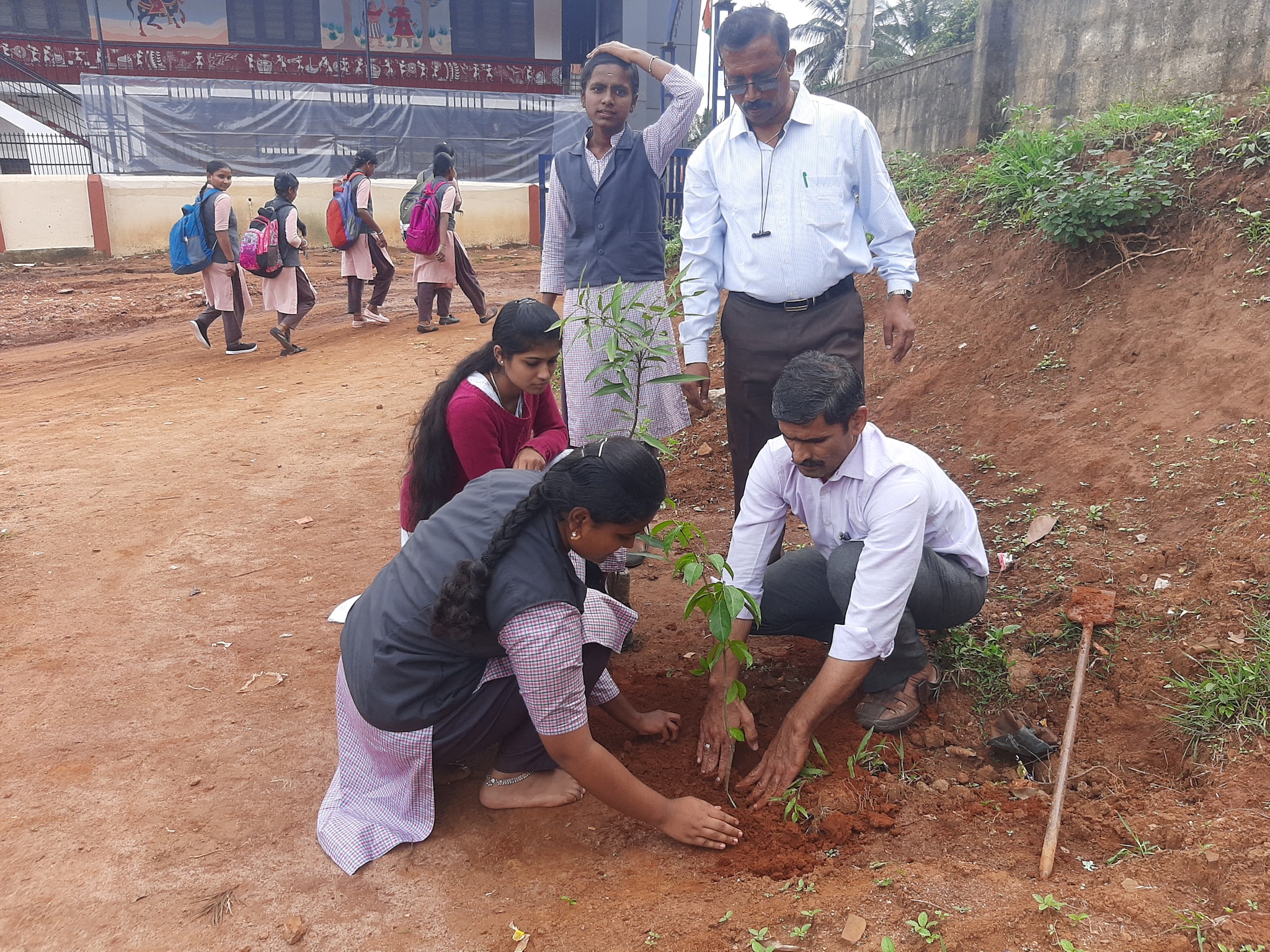
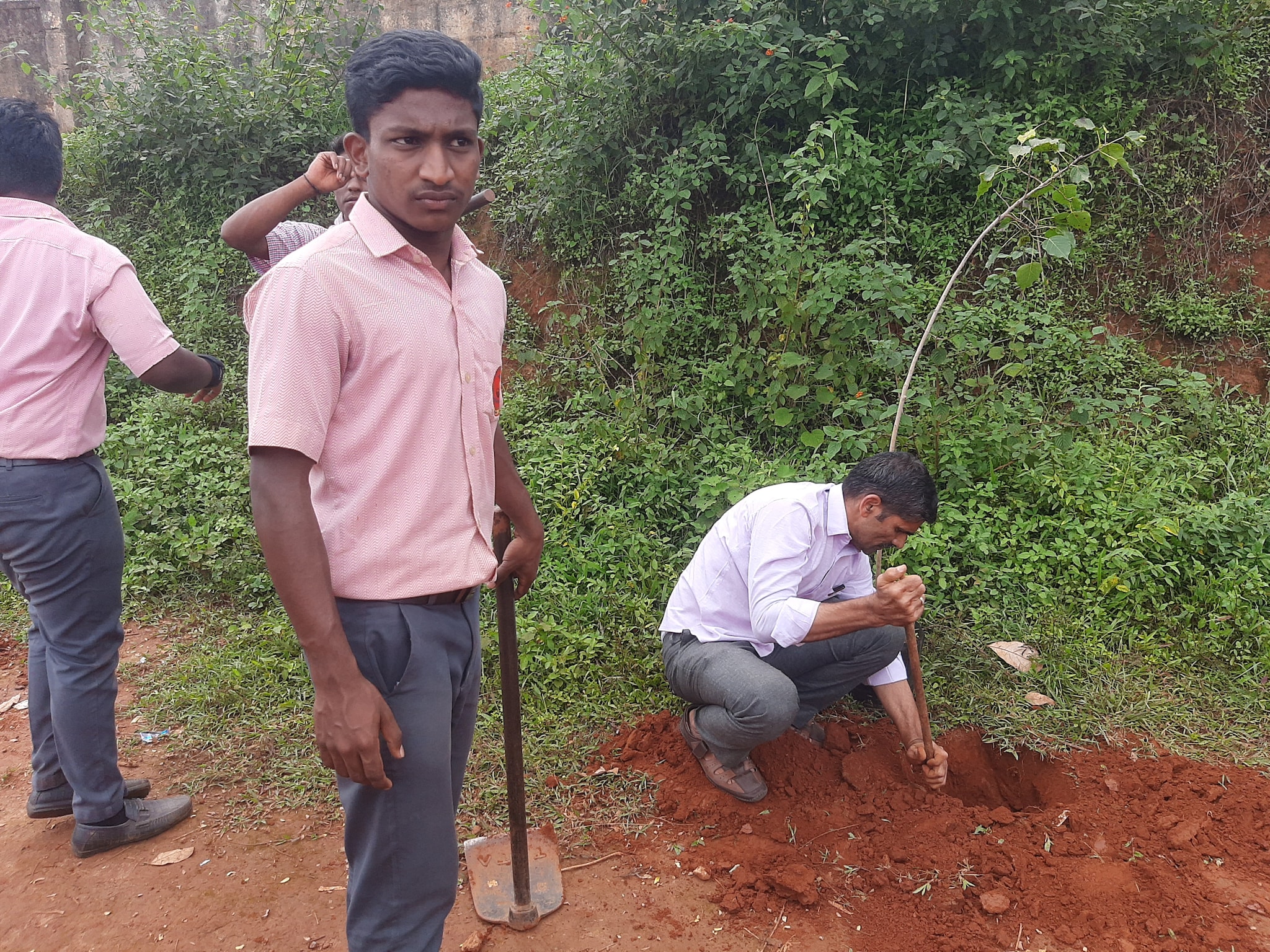
Thus, even after coming to Kodagu, his concern for the environment did not diminish. They are constantly doing the work of planting and nurturing plants in school college premises, bank police station and government office premises.

A Nature Lover Plant 1 lakh 80 thousand plants in kodagu rsk mrq
Planting

What does Rajendra Singh say?

Especially in 2014, thousands of trees were cut down while the high tension line was being laid in Kodagu to Kerala. As a result, there was a lot of ups and downs in Kodagu without rain as before. Such a situation was created that if it came, it would pour down immediately, otherwise it would not rain at all. Rajendra Singh says that he was very bored by this and started planting a lot of plants.

Rajendra Singh who planted 1.80 lakh saplings

So far, approximately 1.80 lakh saplings have been planted and nurtured in school and college premises of various taluks of Kodagu, government offices, schools and colleges of Priyapatnam, Mysore taluk and Hunsur taluk. Besides, they are planting plants on roadsides and in forest areas.

Students are aware of the environment

They are watering the plants they have planted themselves during summer. Realizing that the work of planting and growing plants is not possible on his own due to the environmental degradation, Rajendrasingh is making students aware of the need to plant and grow plants before going to schools and colleges.

Planting

A businessman is also very concerned about the environment

Besides, they are working to encourage students to plant and grow plants by conducting various competitions and giving prizes. On the whole, the locals are appreciating his concern to save the environment even though he is a gold and silver trader.

Rainfall has decreased in Kodagu region since last one week. Two weeks ago there were scattered landslides along with rain in Kodagu environment.

source: http://www.irshivideos.com / IV News / Home> Latest News & Updates / August 01st, 2022

Rafting Thrill Draws Tourists To Rapids At Dubare, Barapole

Kushalnagar:

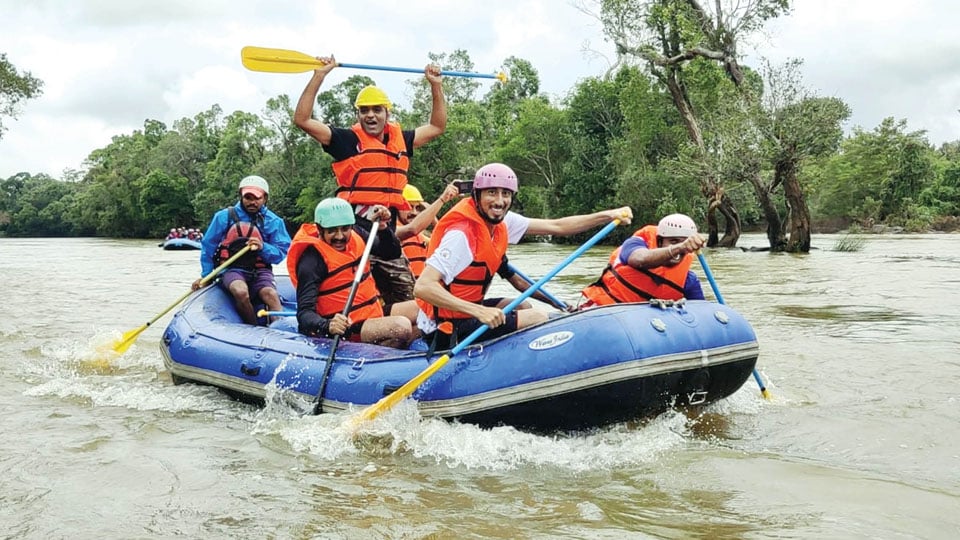
Adventure lovers who have been pining to get some adrenaline rush are heading towards Dubare and Barapole in Kodagu district for whitewater river rafting and rappelling in the rapids. Rafting in the Cauvery and at Barapole is an exhilarating experience. Rafting usually starts once the inflow into the Cauvery and Barapole increases and the level rises. A raft is a rubberised, inflatable boat with different carrying capacities.

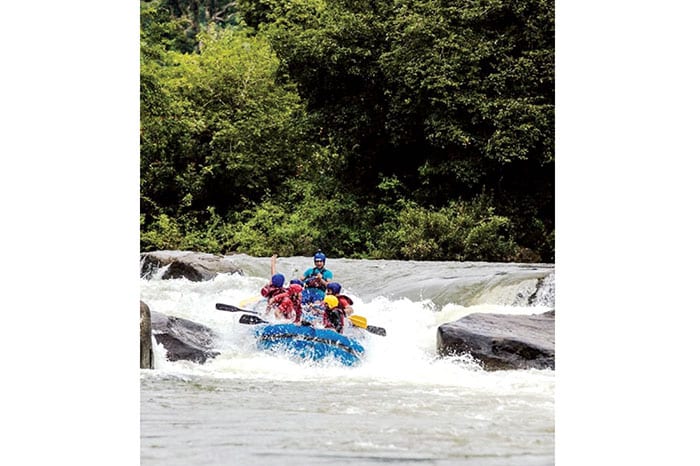
A 7-kilometre journey at Dubare will take about one-and-a-half hours while it is shorter but adventurous at Barapole’s 4.5-km rafting. The tranquil water may be a deceitful thing along the course of the Cauvery and Barapole as one hits the rapids (a section of the river where the water moves very fast particularly over or bisecting the rocks).

If one is tired of their mundane schedule and wants to try something adventurous with friends then river rafting is one of the perfect and thrilling options that one can opt for. The thrill, however, is not without a certain amount of risk. However, the risks are what enhance the river rafting experience for many adrenaline junkies.

Rapid adventure

At Dubare, rafters will get to experience two rapids and swimming is allowed at two places. Barapole has more than nine Class 2 Class 4 rapids and is set on the banks of the Kithu Kakathu River (KKR). The river is a turbulent one all along its route as it flows through the Brahmagiri hills to the Arabian Sea via Kerala.

While June to the end of September is the ‘whitewater’ season, October to December or January is a ‘stillwater’ season. After which, the water level depletes. Whitewater is formed in a rapid when a river’s gradient changes enough to generate so much turbulence that air is trapped within the water. This forms an unstable current that froths, making the water appear opaque and white. Stillwater is part of a stream where no water current is visible.

The response for rafting is pretty good with over 2,000 rafters during weekends and over 250 rafters daily. At Dubare, there are 70 rafts and 70 guides while Barapole has 9 rafts and 9 guides. Soon, 10 more rafts will be added to the existing fleet at Dubare as there is a huge demand.

Safety is of paramount importance here and all the guides are well trained. Life jackets are worn by all the rafters and the guide and at Dubare, each life jacket can withstand a weight of 180 kgs and there is little chance of drowning. Rafting at Dubare costs Rs. 600 per person and Rs. 1,200 at Barapole. Each raft can carry six rafters and one guide.

Speaking to Star of Mysore, Pavan of Coorg Water Rafting Sports and Adventures, Barapole, said that the response is good. “Only those who are passionate about rafting and adventure come here and we have many regulars. It is quite challenging and tests the adventure spirit,” he said.

Barapole

Need changing room for ladies

C.L. Vishwa, raft owner and former President of Dubare Rafters Association, said that they desperately need a changing room at Dubare for ladies and girls and also there is a need to establish a drinking water facility.

“If the District Administration wants to attract more tourists to Dubare, then a hanging bridge is a must for tourists to reach the Elephant Camp from one side of the Cauvery river. Unfortunately, the tourist-friendly project has been shelved by officers without a vision,” he added.

Rules and regulations

The Kodagu District Administration has came out with a 23-point formula to ensure safety. The operators must secure permission from the Departments of Police, Forests, Fire Force and Tourism, and employ trained guards to accompany the rafters. Every one of them should have ID cards issued by Tourism Department and should be trained in first-aid methods. Smoking and drinking is prohibited during rafting. Rafters should also obtain permission from the Karnataka Inland Water Transport Department.

source: http://www.starofmysore.com / Star of Mysore / Home> News> Top Stories / July 24th, 2022

Kodagu’s slush sports festival evokes warm response

Many take part in programme despite intermittent drizzle

Providing a reprieve from the stress and strain of a vigorous monsoon which tends to wreak havoc in Kodagu, was the slush field sports conducted by the district administration, on Saturday.

The monsoon in Kodagu tends to conjure up images of flood and landslips. But with the rains abating, the people put their worries behind to take time off and participate in the 30 th State-level slush field sports organised at Kaggodlu village in Madikeri taluk.

It was conducted by the Kodagu district administration, Zilla Panchayat and Department of Youth Empowerment and Sports and inaugurated by Appachu Ranjan, MLA. He recalled that in earlier days, every farmer or landlord in Kodagu used to take part in slush sports after sowing and it helped bring the community together and strengthened bond.

The competition drew people from different parts of the district who braved the intermittent drizzle and encouraged the participants who were drenched in muddy water and slush and gave a display of their prowess in different games. The festival was open to boys and girls as also men and women and included 50 metrerace, 200 metre race, 400 metre race , throwball, volleyball, tug-of-war etc.

source: http://www.thehindu.com / The Hindu / Home> News> India> Karnataka / by Special Correspondent / July 23rd, 2022

Coffee Berries Turning Black Due to Excess Rains in Karnataka

Chikkamagalur received 132% more rainfall from June 1 to 17, while Hassan received 124% more and Kodagu, the largest coffee-producing district, received 109% more. This is causing crop losses, putting an end to growers’ hopes for a bumper crop.

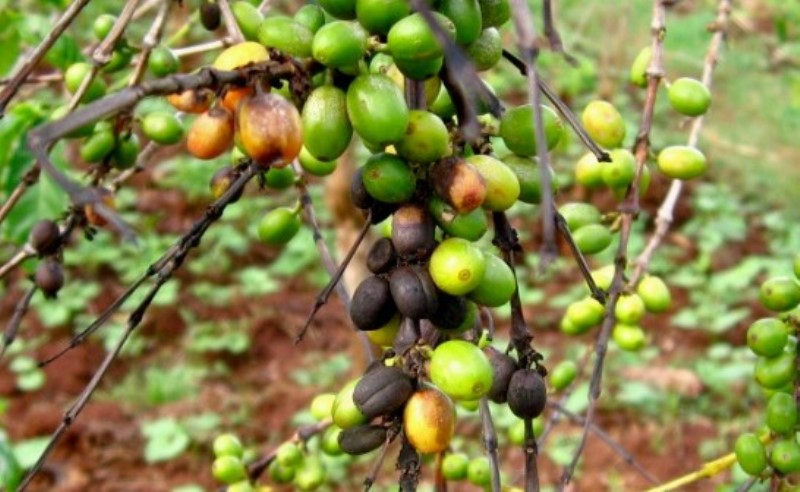
Excessive and continuous rains in the first two weeks of July triggered diseases such as root rot, leaf rot, and wet feet conditions, causing the leaves and berries on coffee plants to turn black and drop, according to growers. This is causing crop losses, putting an end to growers’ hopes for a bumper crop.

To date, the ongoing monsoon season has brought heavy rains to key coffee-growing regions in Karnataka, which account for 70% of the country’s coffee output. Chikkamagalur received 132% more rainfall from June 1 to 17, while Hassan received 124% more and Kodagu, the largest coffee-producing district, received 109% more.

The average rainfall in the South Kodagu region during the July 9-15 week was 272 percent higher this year than the previous 10-year average. Some areas, such as Balele, received 349 percent more rainfall than the 10-year average, while Gonikoppal and Virajpet received 310 and 288 percent more, respectively.

“Not only have the heavy and continuous rains harmed the standing crop due to black rot, stalk rot, and wet feed conditions, but planters have also suffered collateral damage from shade tree falls caused by the strong winds.” Flooding has occurred in some areas, and planters have suffered losses as a result of water logging. While it is too early to estimate crop losses, they could be around 25% in Chikamagalur and 20% in Kodagu,” according to N Ramanathan, Chairman of the KPA.

The percentage of dropping is higher in several villages that have historically received more precipitation. Coffee Board officials stated that they are assessing the impact of the excessive rains and have been advising growers on how to manage premature berry drop and black rot/stalk rot diseases in the root zones of the plants.

According to Jeffry Rebello, vice-president of UPASI, the situation is fluid because it is still the first half of the monsoon season and too early to assess crop losses“If there are more bouts of heavy rains, there could be more impact,” Rebello said, estimating current losses at around 15%.

Other plantation crops, such as cardamom and pepper, have suffered losses, according to B S Jayaram, a coffee grower in Mudigere. “We have requested that the district authorities survey crop losses in order to quantify the impact,” said Jayaram, former president of the Karnataka Growers Federation.

In its recent post-blossom or early estimates, the State-run Coffee Board put the crop size for the year 2022-23, which begins in October, at a record 3.93 lakh tonnes, 15% more than the previous year’s 3.42 lakh tonnes.

source: http://www.krishijagran.com / Krishi Jagran / Home> Agriculture World / by Shivam Dwivedi / July 23rd, 2022

Shaji of Suntikoppa rescues 4,000 snakes in 20 years

In 2021, he had safeguarded 17 eggs of a snake found in the coffee estate of Panyada Ananda Basappa.

Many people cause harm to snakes but only a few rescue and release them into the forest. Snake expert Pushpadhara is one among them.

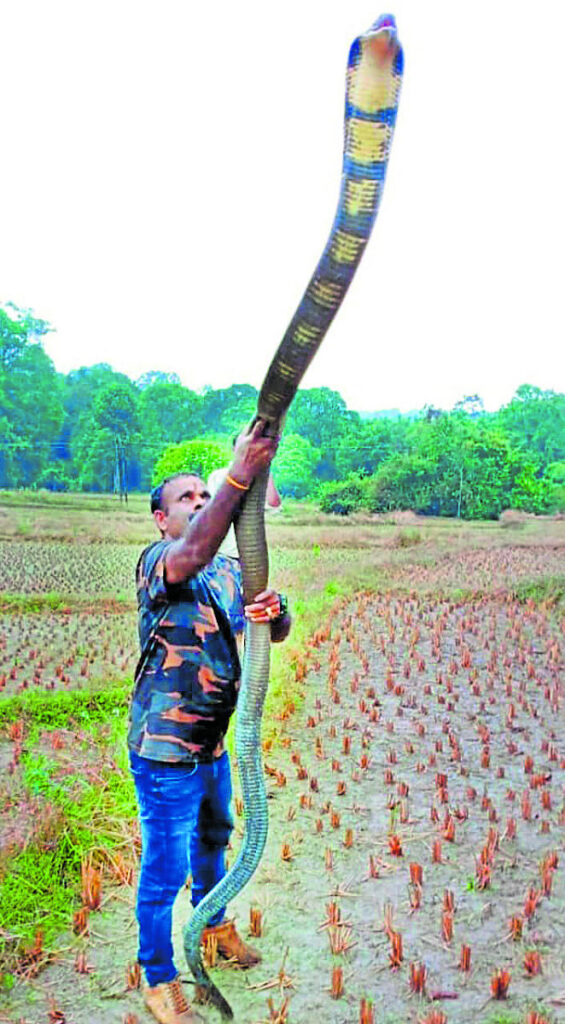
A resident of 7th Hosakote in Suntikoppa, he is popularly called ‘Snake Shaji.’ On getting information on snakes entering houses or shops or other places, he rushes to the spot, rescues and releases them into the forest. 

He has been engaged in rescuing snakes for the last 20 years. He has rescued around 4,000 snakes (both venomous and non-venomous).

A majority of the rescued snakes are cobras. More than 30 pythons were caught and released into the forest. 

“I am also trying to create awareness among people on snakes. Many have a notion that touching snakes will decay a part of their body. I am trying to create awareness on the superstitious beliefs on snakes,” he said.

In 2021, he had safeguarded 17 eggs of a snake found in the coffee estate of Panyada Ananda Basappa. After the hatchlings came out of the eggs, they were released into the forest. 

“People should not panic on noticing snakes inside the house or farmland or inside the vehicles. Nobody should hurt the reptiles. If they dial me, I will rescue the snakes,” said Pushpadhara.

“Snakes play a pivotal role in maintaining balance in nature,” he said. 

The snakes eat rats and rodents that damage crops in the field and help in saving the crops. These creatures are helpful to farmers, he added. 

He has caught snakes not only in the district but also in Sringeri, Mysuru, Sullia, Kushalnagar, Suntikoppa, Madikeri and Periyapattana.  “I don’t ask money for rescuing a snake but some people give money for the fuel expenses of the vehicle,” he said.

For details, people can contact Shaji at 94487 92261.

source: http://www.deccanherald.com / Deccan Herald / Home> State> Karnataka Districts / by DHNS, Suntikoppa / July 16th, 2022

CM Begins Two-Day Flood Damage Assessment Tour From Kodagu

Madikeri/Mysuru:

Chief Minister Basavaraj Bommai began his two-day, four-district tour this morning to assess the flood damage and provide relief measures.

He arrived at the Mysore Airport on a special flight this morning and travelled by road to Madikeri via Kushalnagar. Accompanied by Revenue Minister R. Ashoka, Energy Minister V. Sunil Kumar and Kodagu District Minister B.C. Nagesh, the CM held a high-level meeting with district officials at the DC Office.

MP Pratap Simha, MLAs M.P. Appachu Ranjan and K.G. Bopaiah and MLC Suja Kushalappa, Deputy Commissioner Dr. B.C. Satish were also part of the meeting that was in progress when we went to press.

Earlier, the CM visited the flood-hit Manjunathanagar in Madikeri and inspected a house that collapsed. The CM released a cheque for Rs. 95,000 to Gopal, the owner of the house.

After the meeting, the CM is expected to interact with the people who have been provided food and shelter at Koynadu Ganapathi Temple Hall. He is also expected to visit Chembu village in Madikeri Taluk where a couple of quakes have been reported. The CM will later proceed towards Mangaluru and will visit Udupi and Karwar tomorrow.

CM Basavaraj Bommai addressing media persons at Mysore Airport in Mandakalli this morning before travelling to Kodagu by road. Ministers S.T. Somashekar and Sunil Kumar, MLAs S.A. Ramdas and L. Nagendra, Deputy Commissioner Dr. Bagadi Gautham and others are seen.

‘State prepared to tackle floods’

Earlier, speaking to reporters at the Mysore Airport, Bommai said that the entire Government machinery is on the job of tackling floods and other natural disasters caused by torrential rains. He maintained that rescue, relief and rehabilitation operations in areas affected by natural calamities are on in full swing.

“The survey to assess loss of lives, livestock, livelihood and damages caused by floods, landslides, landslips, tremors, earthquakes, sea erosion etc., is almost complete. There is no dearth of funds under NDRM (National Disaster Response Management),” he claimed.

The Government has sought the help of experts to find permanent solutions for the problems faced by people living along river beds and catchment areas. Efforts are on to shift people living in low-lying areas and other dangerous zones to safer places.

Commenting on the flood situation in Kodagu, Bommai said that he came to know that people living in danger zones were hesitant to relocate to safer places. As such, the district administration has been instructed to convince them to move to safer locations as a permanent solution.

Boards and Corporations

When asked about reports that Heads of several Boards and Corporations would be changed, Bommai said that the BJP Core Committee has decided to replace Chairmen of Boards and Corporations who have completed 18 months in office. Accordingly, the list is being prepared, he said while refusing to divulge more.

Mysuru District Minister S.T. Somashekar, Energy Minister V. Sunil Kumar, MP Pratap Simha, MLAs L. Nagendra, S.A. Ramdas and G.T. Devegowda, MUDA Chairman H.V. Rajeev, Deputy Commissioner Dr. Bagadi Gautham and other officials were present at the airport.

source: http://www.starofmysore.com / Star of Mysore / Home> News/ July 12th, 2022