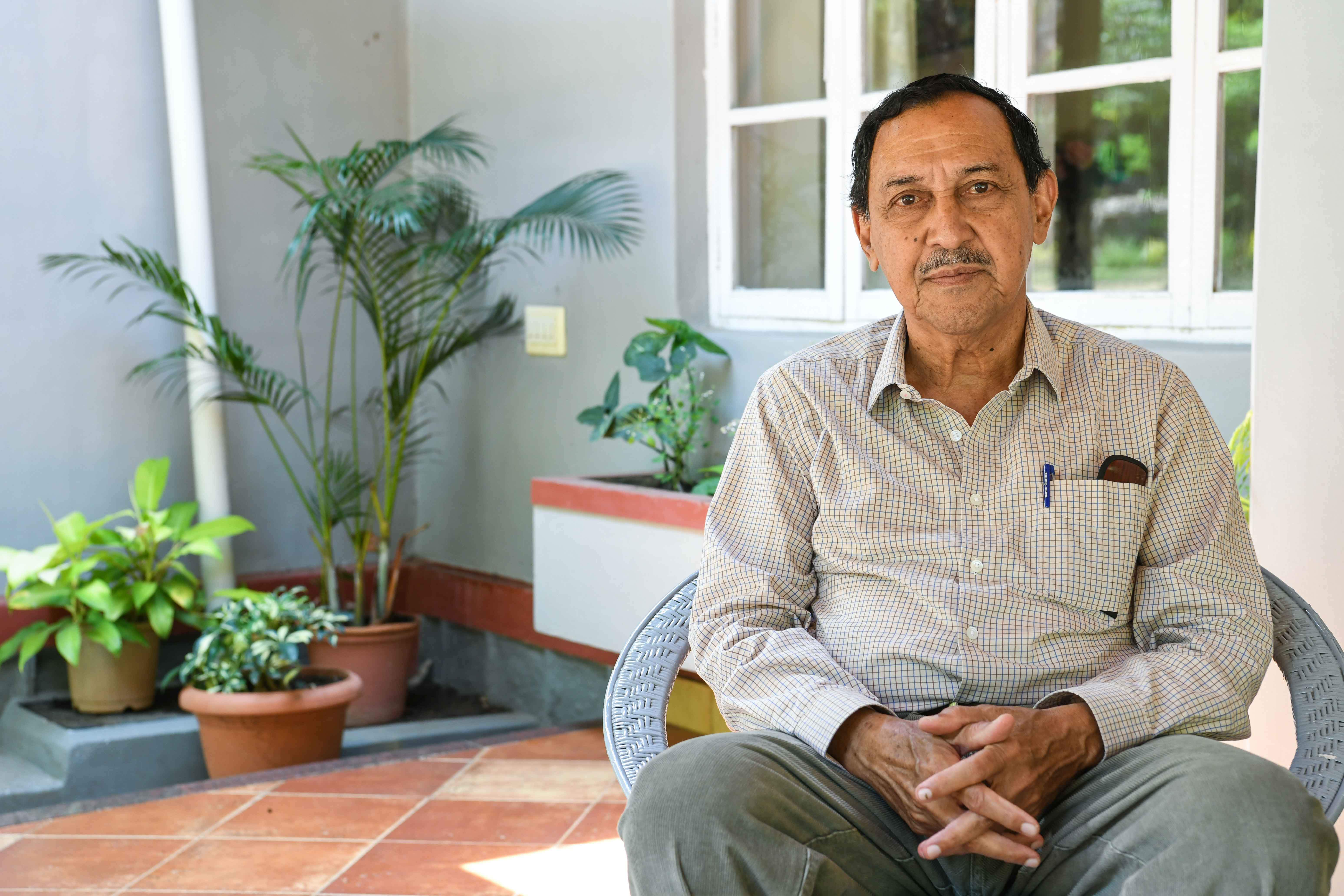
Surendra Varma, a scientist at Indian Institution of Science, said he was happy to see the turnout during the festive season.
Bengaluru :
Heavy rain and Deepavali celebrations didn’t stop corporate communication professional, Danielle S, to attend an event organised by Friends of Elephants, an informal group dedicated to promote wildlife diversity. “I have attended previous events of this group. I was out of town and came back soon to attend it. These are good knowledge-sharing platforms,” she said, adding that she and her friends believe in celebrating festivals in meaningful ways like this.
Friends of Elephants conducts panel discussions and art and cultural activities on every fourth Sunday. Titled Elephants, Tigers and Lions (conservation and conflict), their last event on October 27 included movie screenings like Shanti Samsara by Ricky Kej, talks by Manoj Kumar, chief conservator of forests, Kodagu Circle, and Ravi Chellam, wildlife expert, and panel discussion with speakers and villagers from Bandipur. The forest officers shared their experiences of tackling wild animal attacks in estates and their translocation, while villagers shared how difficult their day-to-day life is because of animal attacks.
Surendra Varma, a scientist at Indian Institution of Science, said he was happy to see the turnout during the festive season. “We had organised one event during an IPL match in the city. There was no drop in the number of participants,” he added.Prabha Ramakrishnan, a resident of Indiranagar, said she always tries to attend the events. “We are a small group of women who are interested in nature and wildlife. We go for trekking, visit wildlife sanctuaries and attend events. Why should one miss such events in the name of festival?,” she asked.
source: http://www.newindianexpress.com / The New Indian Express / Home> Cities> Bengaluru / by Lesly Joseph / Express News Service / October 29th, 2019
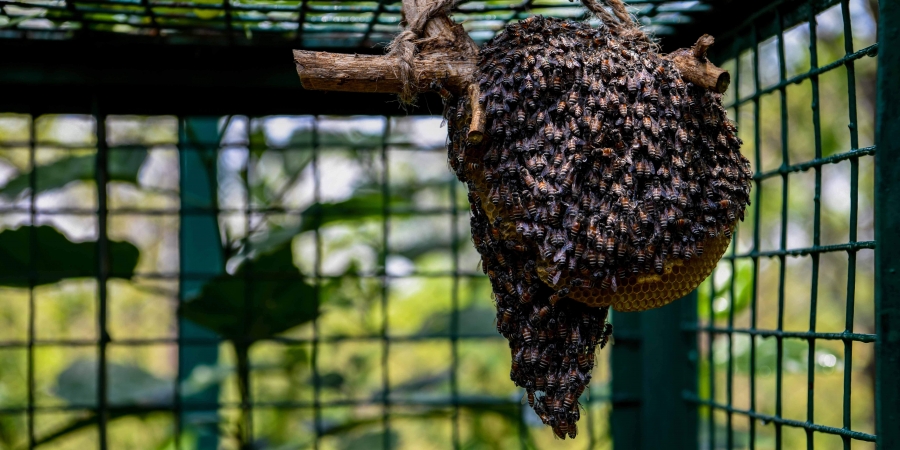
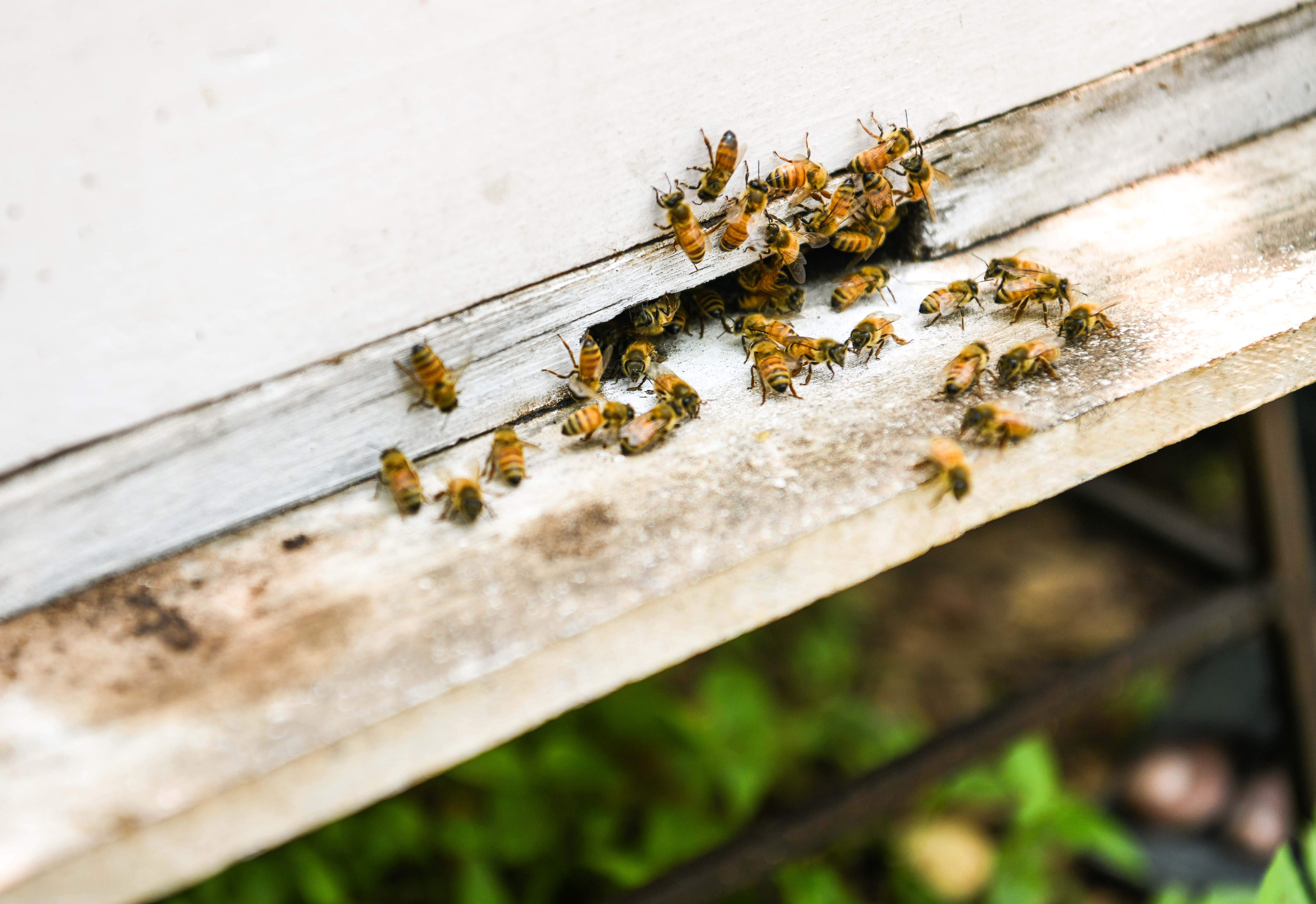
Indian and European bees are the most sought after while stingless bees are slowly catching our attention for its medicinal properties.
(Photo | Meghana Sastry, EPS)
Your favourite mango will definitely become dearer if not extinct, if we don’t act now. Pollinators, which include bees, need a major protection boost.
There are 2,00,000 pollinators of which honeybees are the most sought after, why?
There’s a popular saying ‘as busy as a bee’. That term comes from the fact that honey bees are the only species who identify a flower and make multiple visits to the same flower until they get all the nectar and pollen out of it. They are the best pollinators and work in the most methodical fashion. From identifying to communicating and dividing work. Their social structure is fascinating and one that we can learn a lot from. There are 20,000 types of bee species of which the ones mentioned below are the most popular types in India. Indian and European bees are the most sought after while stingless bees are slowly catching our attention for its medicinal properties.
Common Name Scientific Name Natural Nesting Site Honey Yield
(KG)
____________________________________________________________
Indian Bees Apis Cerena Cavity, Termite Mounds, Tree Hollow etc. 8-10
European Bees Apis Mellifera Cavity 25-30
Rock Bees Apis Dorsata Tree Branches, Buildings etc 30-35
Dwarf Bees Apis Florea Twig in a bush <1
Himalayan Rock Bees Apis Laboriosa Underside of rock cliffs 40-45
Indian Stingless Bees/Dammer Bees Tetragonula Iridipennis Cavities, Hollows in tree trunks and walls <500 grams
_______________________________________________________
There’s been a lot of buzz about bees going extinct and people have been trying to find a way around it.
Here is a story from beekeepers who have found it very lucrative to harvest them.
There are multiple beekeepers like Apoorva - the bee man of India and organisations like the University of Agricultural Sciences in GKVK, Bangalore who conduct workshops and help people understand the importance of bees, train them on beekeeping and provide them with bee boxes.
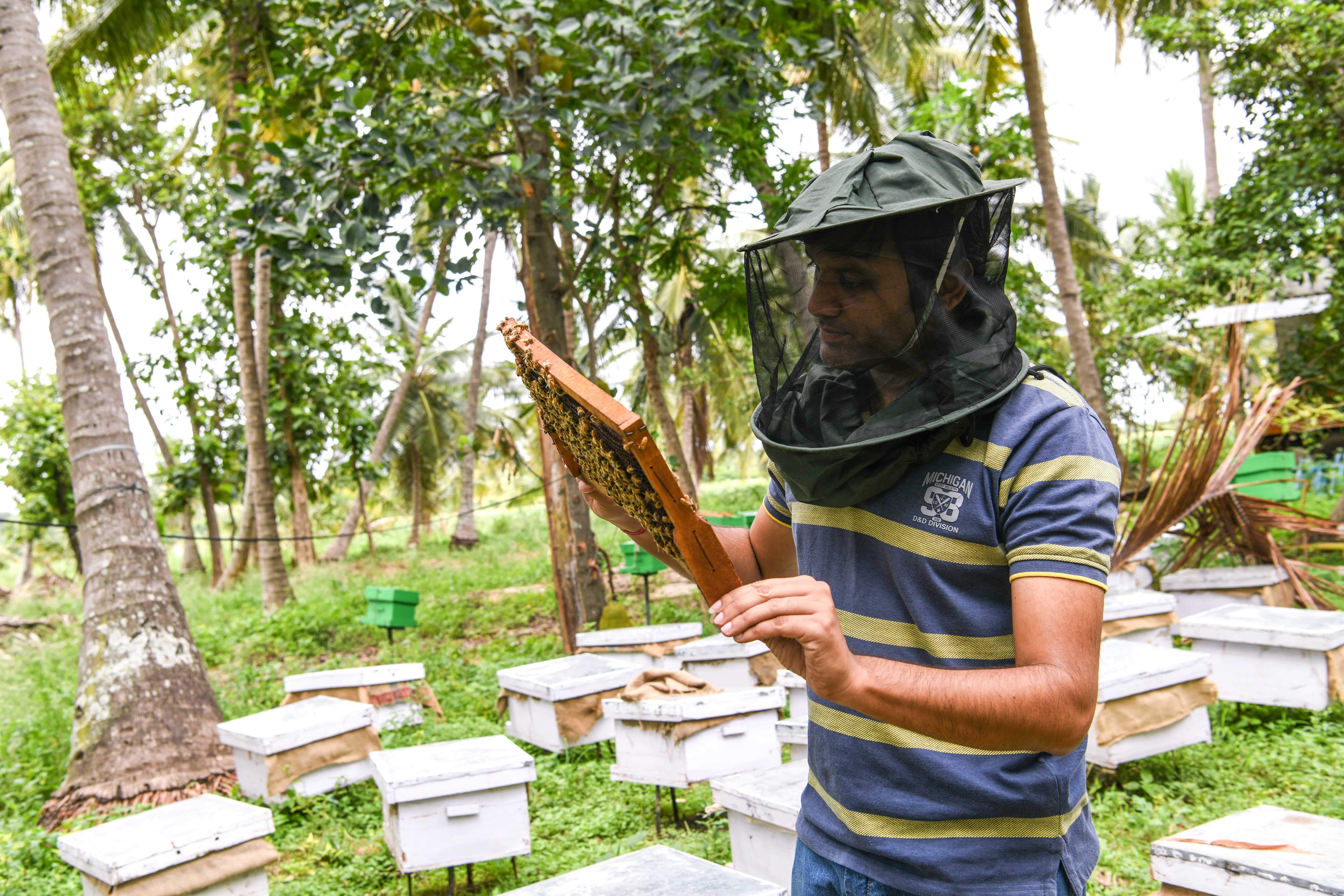
Apoorva visits his bee farm in Bidadi regularly to check the health of the bees. He is a mechanical engineer but a beekeeper by profession. He found his passion for bees even before he graduated and took it up soon after. He’s been working on bees for over 10 years and works closely with farmers across the country. He travels, meets farmers, trains them, gives them bee boxes, follows up with them on the progress and reviews the health of the bees regularly. He also helps them sell their produce. While Apoorva works with a lot of people across the country, this is a story close to home where he’s been working with flood victims in Coorg.
He is involved in multiple activities such as honey production, bee breeding, manufacturing beekeeping equipment, selling honey and beehive by-products, mainly wax. His company’s annual turnover is over 2 crores. He has both Indian and Italian bees.
He initially collected bees from hives and then started breeding them in his apiary during the natural division season of bees. He also buys colonies from farmers when they multiply. This bee farm is near a cornfield which is rich in pollen. It is important to understand your demography he says. Having bee flora next to an apiary is very beneficial to harvest more honey and keep bees in good health. He harvests Indian bees in forests and hilly regions and also promotes only Indian bees to farmers as it’s easier since most of them cannot handle migratory beekeeping.
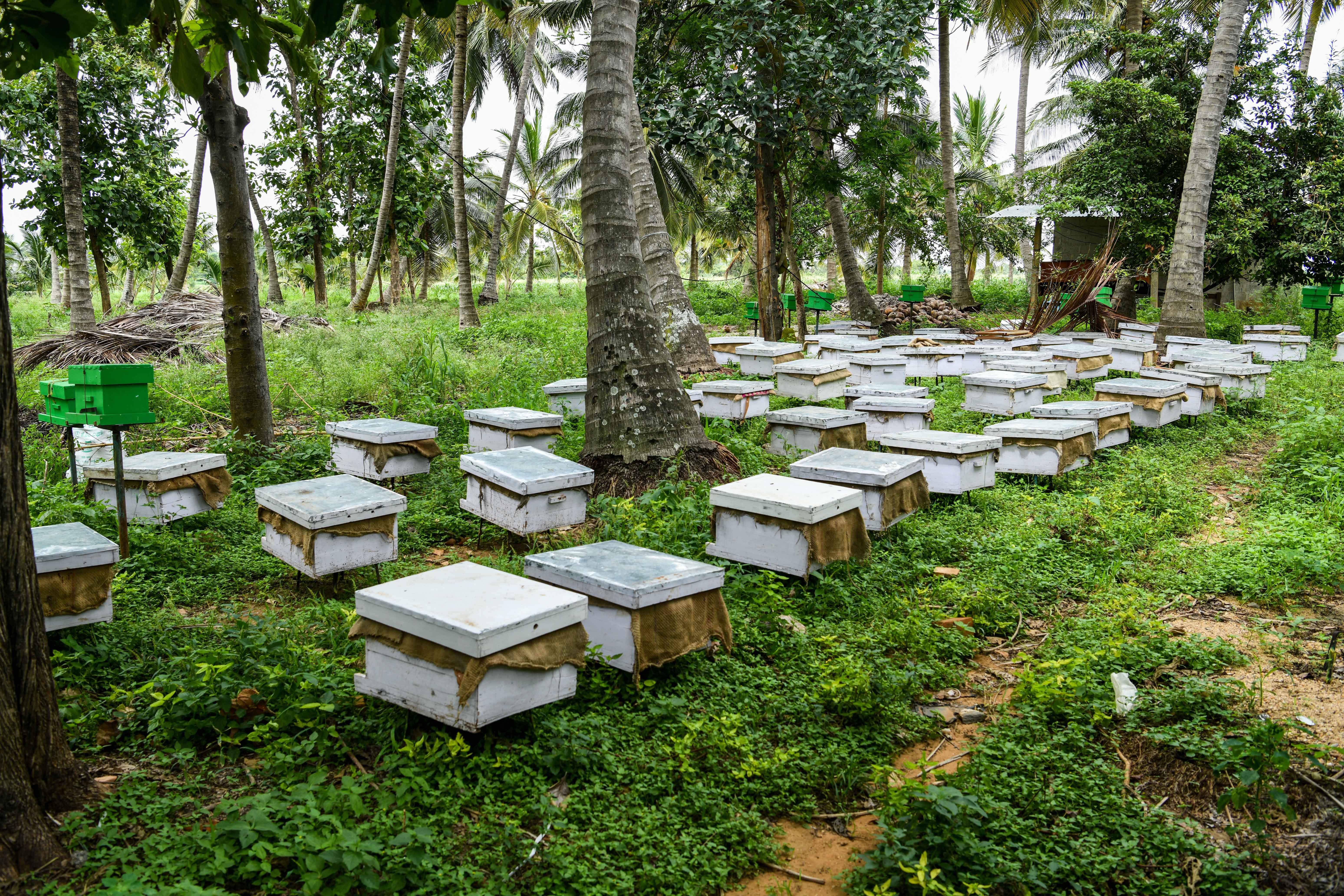
European bees which in India are Italian bees requires 4-7 migrations in a year for which, he travels around 1,200 kms pollinating thousands of acres in North Karnataka mainly Sunflowers, Til, Niger, Coconuts, Arecanuts, Banana, Avacado, Litchi and more. Honey yielding fields for Italian bees are Sunflowers, Eucalyptus, Til and Niger. He has more than 200 colonies now and will split them to make about 800 during the breeding season. A farmer keeps anywhere between 4-25 boxes. He needs about 3 boxes per acre and has to distance each colony by at least 10 feet.
Bee Harvesting has helped Coorg flood victims make a livelihood
Vijay Panduranga talks about the effects of the flood and the rehabilitation work in Coorg.
After the floods in 2018 that hit Coorg, a lot of farmers lost their land in turn livelihood and haven’t received much relief from the government. There were rescue operations but then not much is being done on the rehabilitation front.
With paltry compensation from the govt. Coorg flood victims are finding solace in the new beekeeping venture. Nectar flow is an initiative/program started by a few local people, spearheaded by Retd. Brigadier Devaiah to help provide a steady income to people interested in beekeeping. People have seen returns in the 1st few months. They say that the money that comes in lets them breathe. While beekeeping in an age-old tradition in Coorg, the methods are ancient. Devaiah was on the lookout for someone with a scientific approach to help them and that’s when he found Apoorva and sought help. Apoorva readily agreed and continues to work closely with the farmers. He has helped the farmers understand the species better, eventually getting them better yields. At Coorg, each farmer makes a minimum of 5 kgs of honey per year and each box sells at Rs. 600/- per kg. They also make money by selling colonies at Rs. 1,500/- per colony. Farmers produce about 2-3 kgs of beeswax per year which is approximately Rs. 350/ kg
Farmers from the North East, Chhattisgarh, Coorg and other parts of India find it difficult to sell the honey and wax that they produce. Apoorva helps them by buying the whole lot from them, filters them further if there’s moisture and sells them as and when he gets enquires. Honey is labeled as per the flowering season such as litchi, cardamom, clover, mustard, chilli, etc., the honey tastes different too.
The by-products such as beeswax, royal jelly and bees venom are other sources of income and, used in pharmaceuticals and beauty products.
The below-mentioned statistics are only an example of how bee pollination increases the yield anywhere between15% – 80%. These are scientifically proven numbers in ideal conditions (these are underestimated values).
Estimated global economic value of pollination is 217 billion USD in 2005
_______________________________________________
Crop Increase in yield per acre (%) Increase in yield per acre Income generation by pollination per acre
_______________________________________________
Coffee 15% 5 Bags 15,000/-
Aracanut 25% 2 Quintals 64,000/-
Coconut 20% 3,000 nuts 36,000/-
Banana 20% 5 Quintals 10,000/-
Watermelon 80% 4 Tonnes 20,000/-
___________________________________________
Farmers tell us their personal stories of how beekeeping has helped increase their yield with pollination in crops such as coffee, fruits and spices. They also make a good livelihood but extracting honey and wax. What they make is pure and unadulterated making the quality far more superior than the ones available off the shelves at supermarkets.
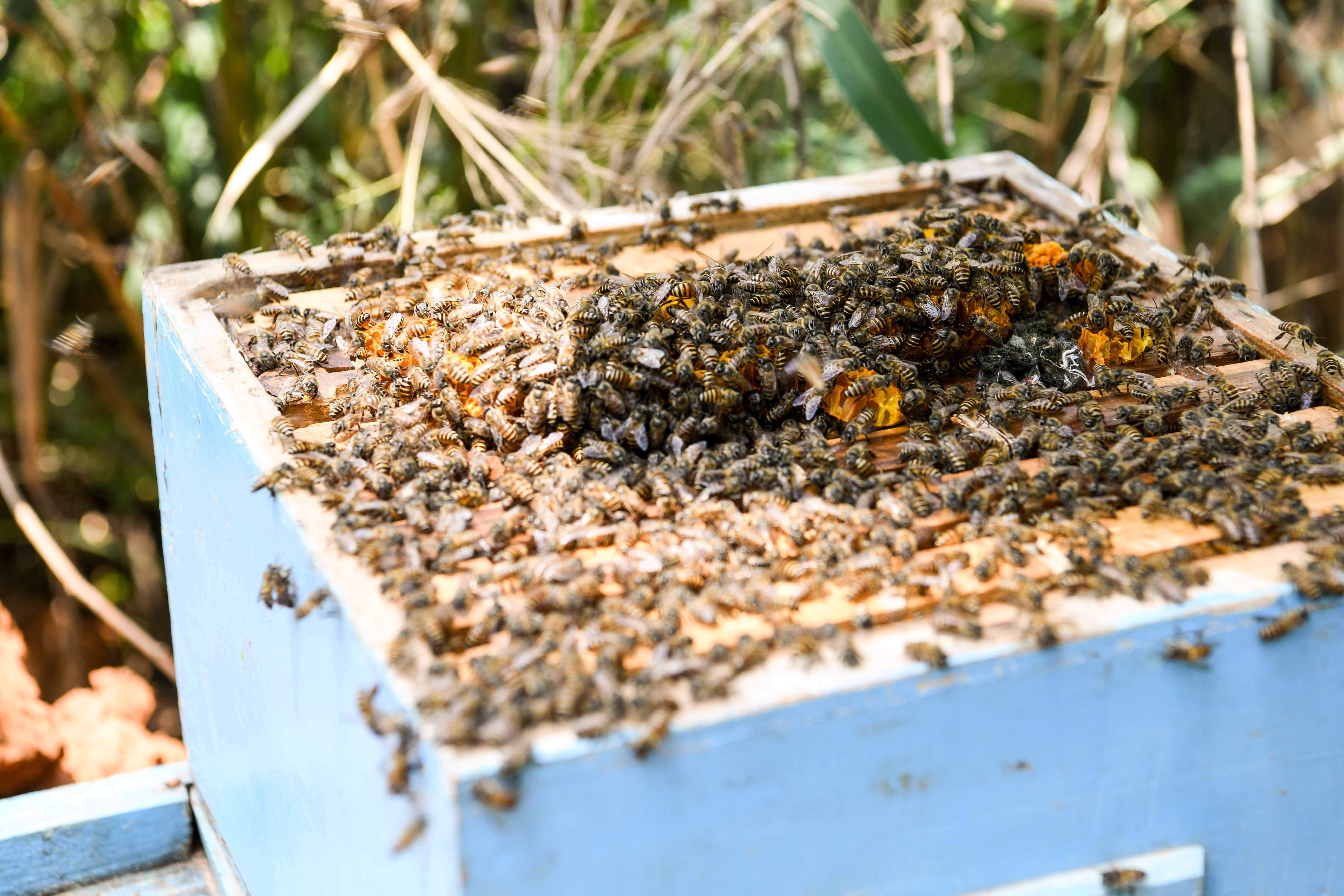
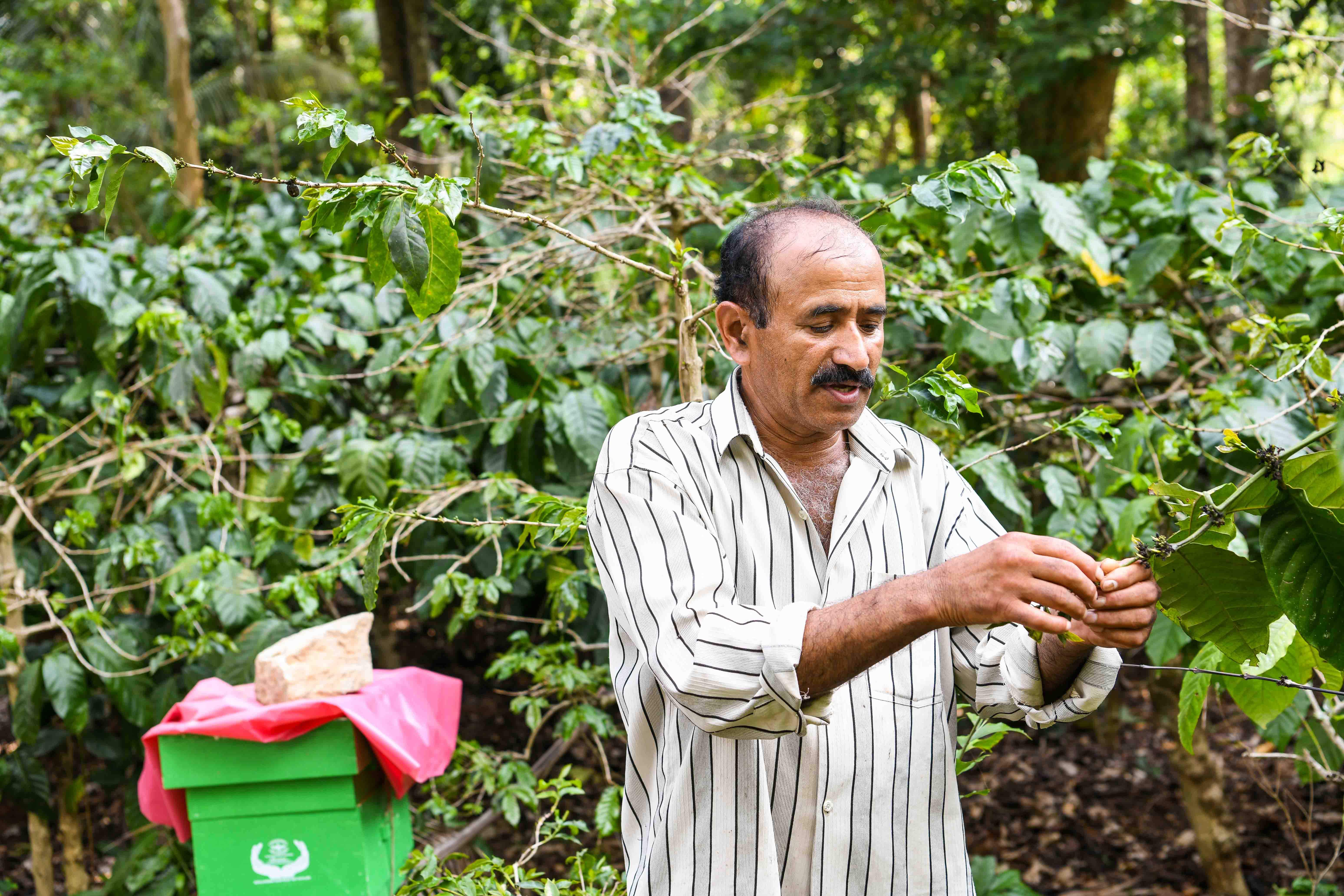
This is what a bee box looks like. This is one bee colony. They come on top to feed. There are multiple wooden frames inside quoted with wax, which help them construct combs.
Every bee box has an opening at the bottom which allows the bees to move in and out of it, to go out and collect nectar and pollen. Some farmers who have these bee boxes are also given out on rent for pollination to seed producers or other farmers who are in need of pollination.
Naganna (Saachi) Kalappa lives 3 kms away from the main Madhapur town in Somwarpet Taluk. He has been harvesting bees for 18-20 years. Bees were available in abundance then as the ecology was healthy and rich, and filled with plants that the bees needed to survive. However, the species has seen a massive decline in numbers as the human population has been increasing and trees are being cut down for personal benefits such as planting silver oak trees as it yields timber and in a short span of time. Since the decline in numbers, they now need to procure boxes and up their skills and knowledge. After adopting this scientific method, he has benefited as his crops are multiplying. He is making enough money to take care of the needs of his family. He also says I request people to stop destroying forests and help in sustaining them and grow trees that are required for agriculture instead of timber to improve the ecology.
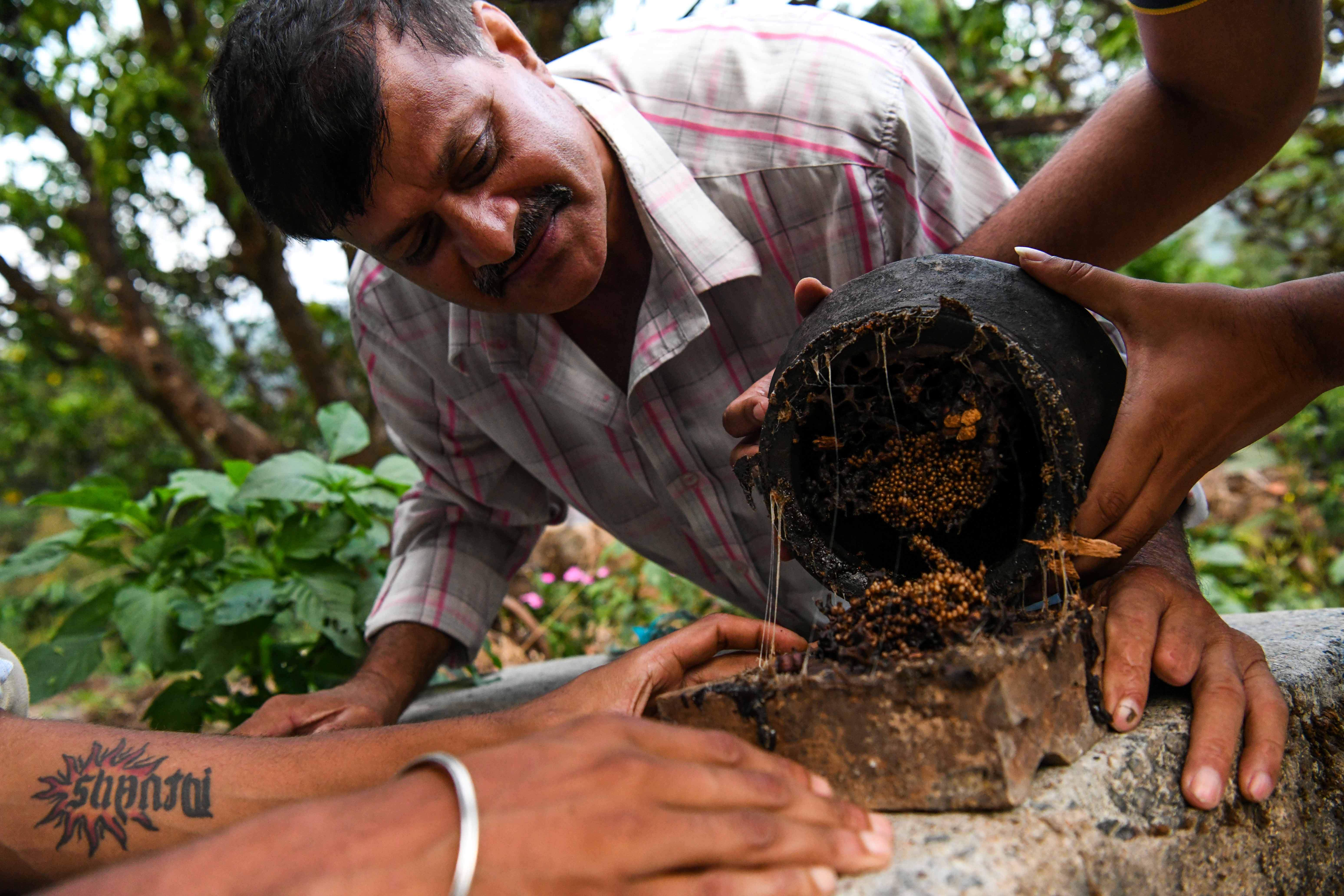
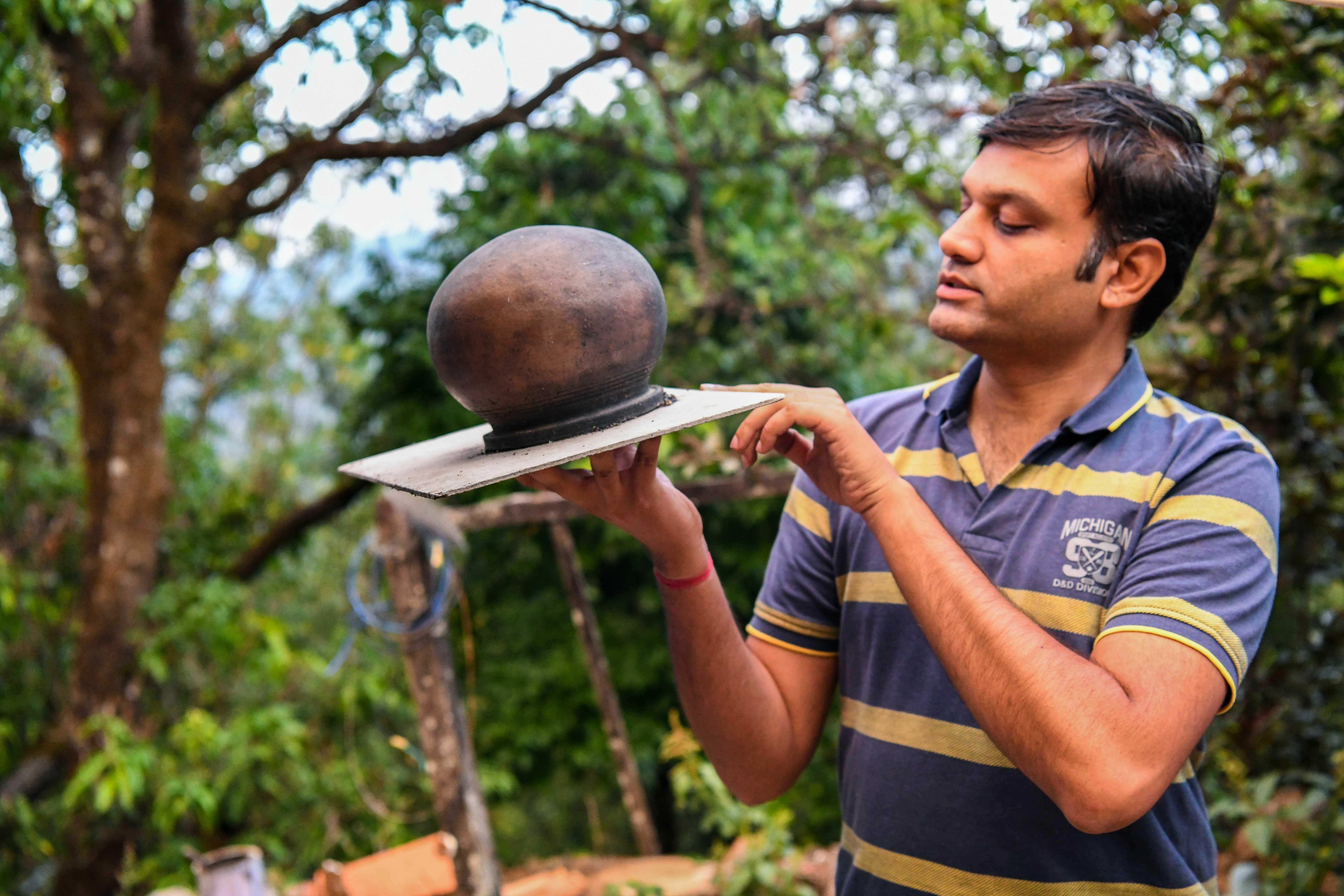
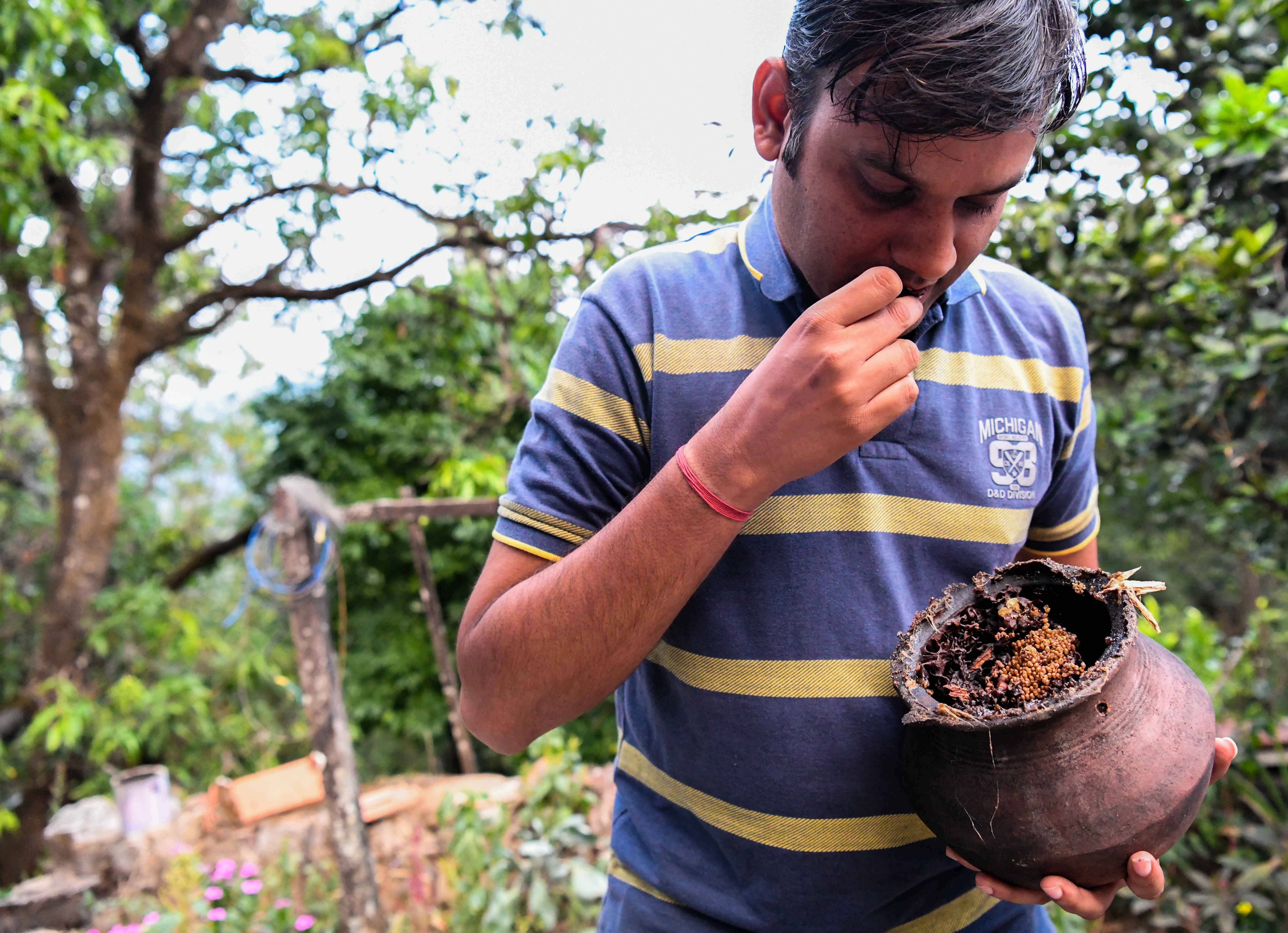
Thammaiah CB (Dolly) lives 7 kilometers away from the main Madhapur town in Somwarpet taluk in the Coorg district. This part of Coorg witnessed the worst of nature’s fury in 2018. While he has been harvesting Indian Apis Cerena Bees in boxes he also harvests stingless bees in pots. The quantity of honey is way lesser than what is produced by other bees however, the quality is far more superior as it has a lot of medicinal properties and is sold at a much higher rate.
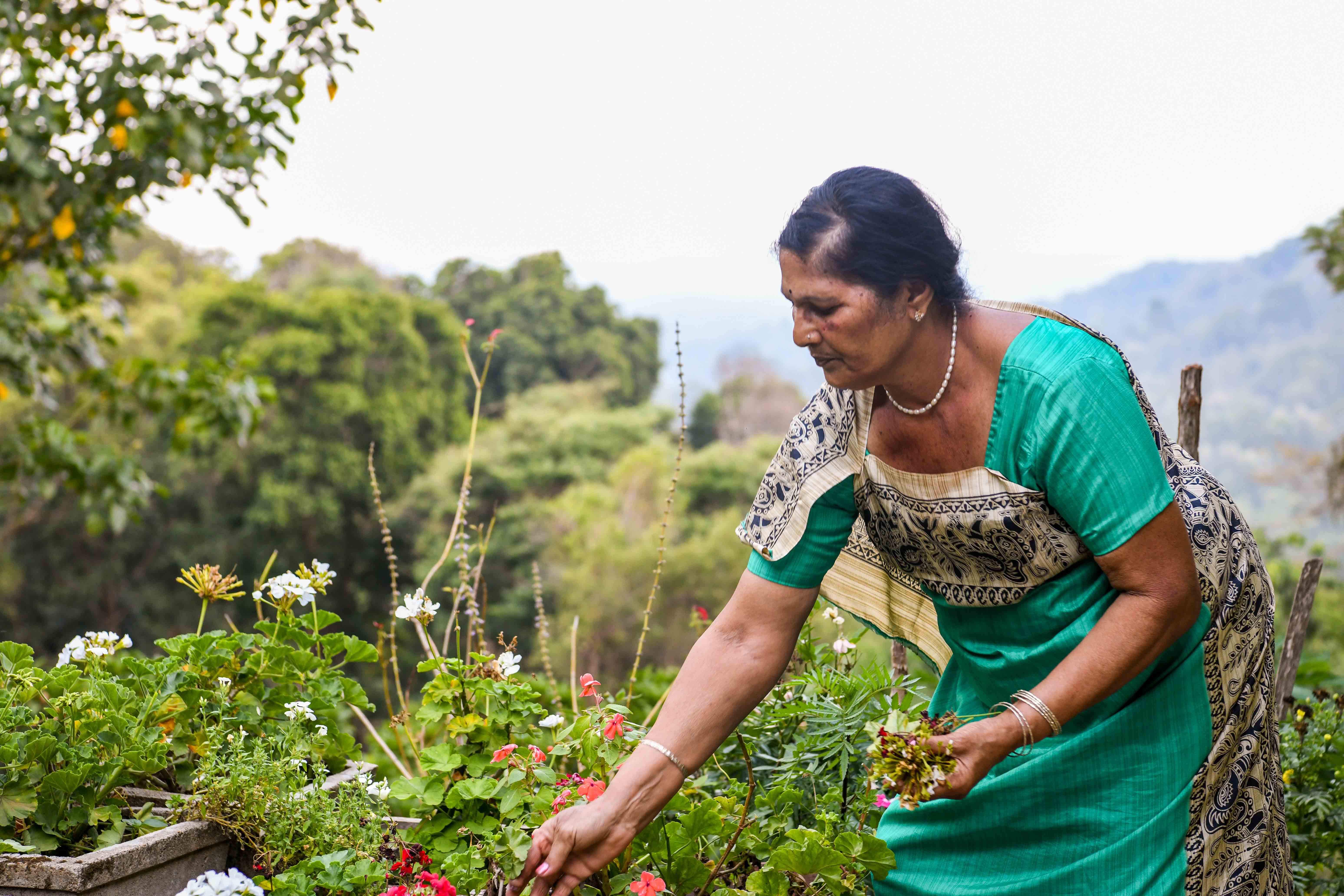
Thammaiah’s mother tends to her garden every day. She says it isn’t enough if you just harvest bees and have a coffee estate, it is very important to understand what kind of flowers and fruits attract them and cultivate them in your garden. This helps in increasing pollination and nectar production.
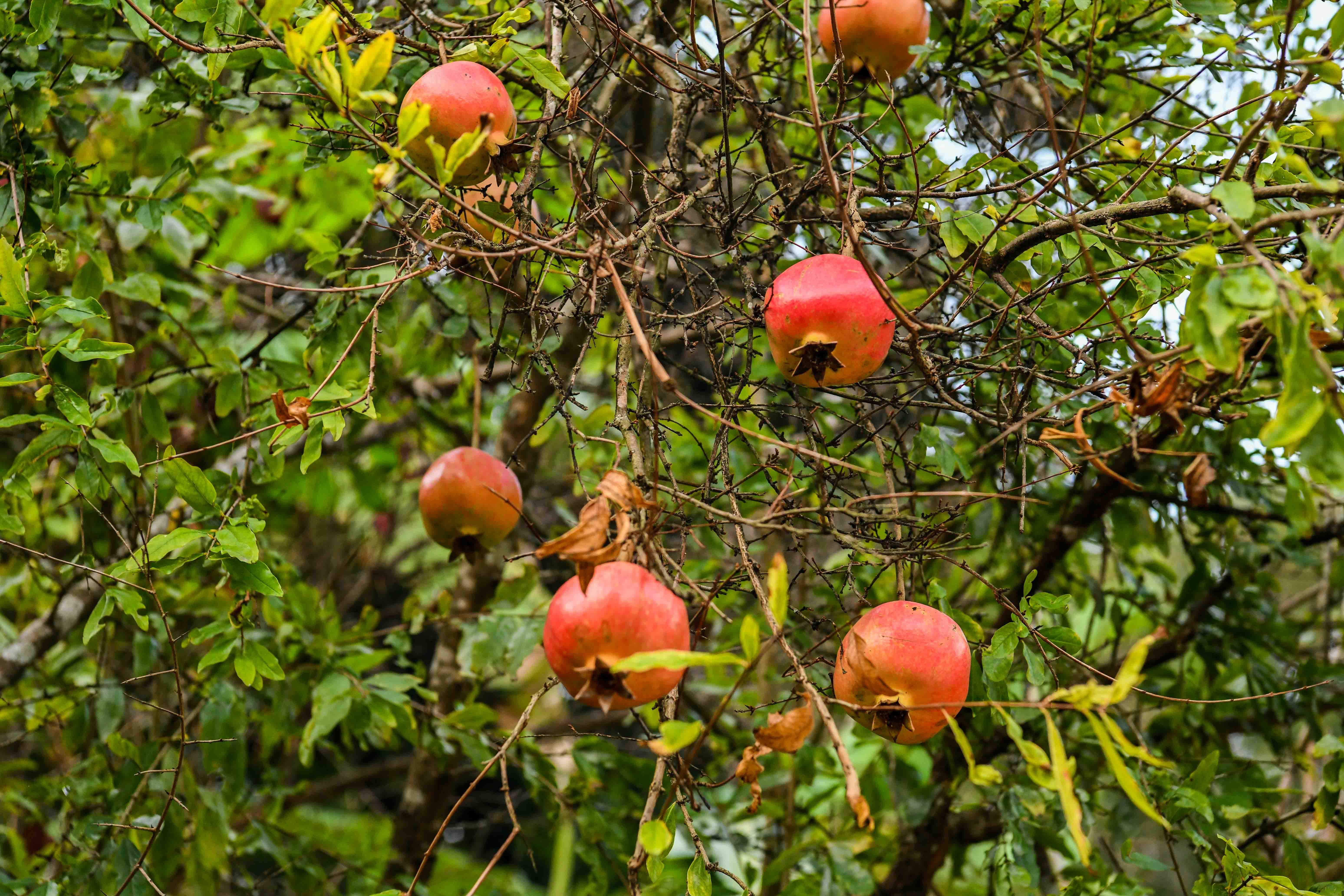
Fruit especially those with seeds are good pollinators.
Plants that one should cultivate to yield better results
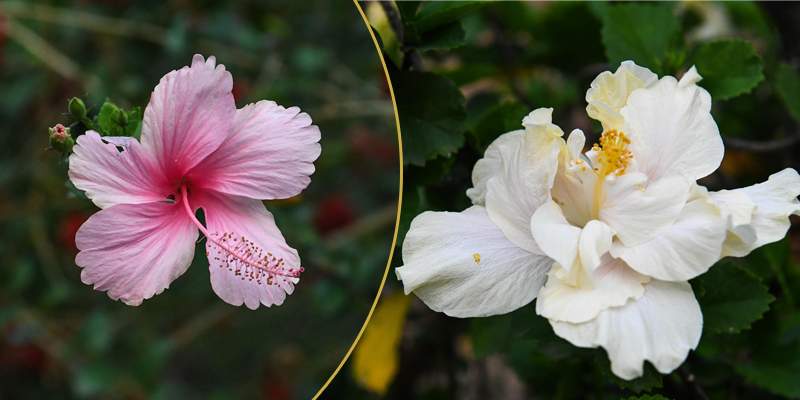
Nectar: Plants such as Avocado, Litchi, Hibiscus etc.
Pollination: Plants such as Sunflower, Sesame, Mustard, Coriander, Niger, Coconut and more (bees are attracted to vibrant colours such as yellow and blue)
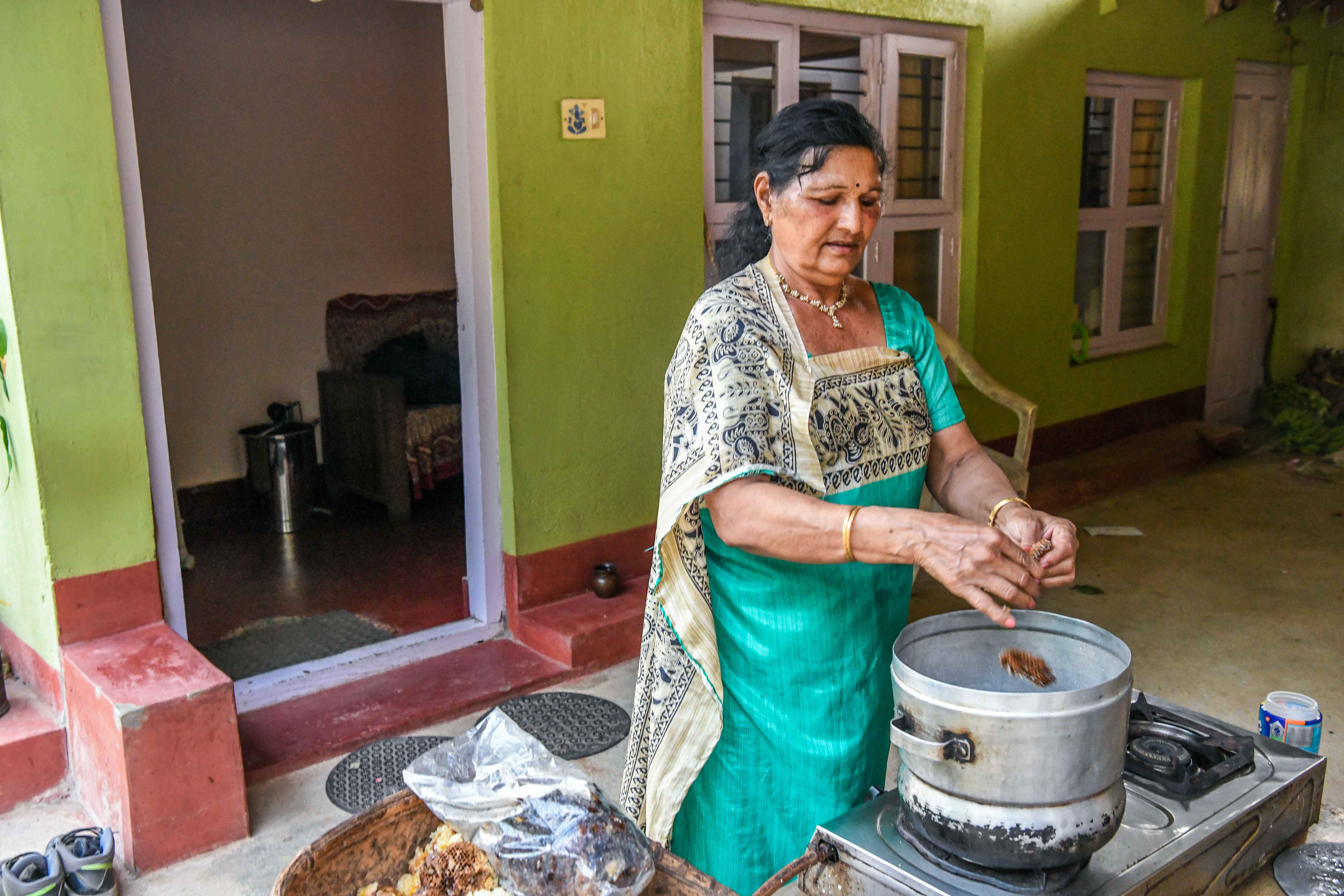
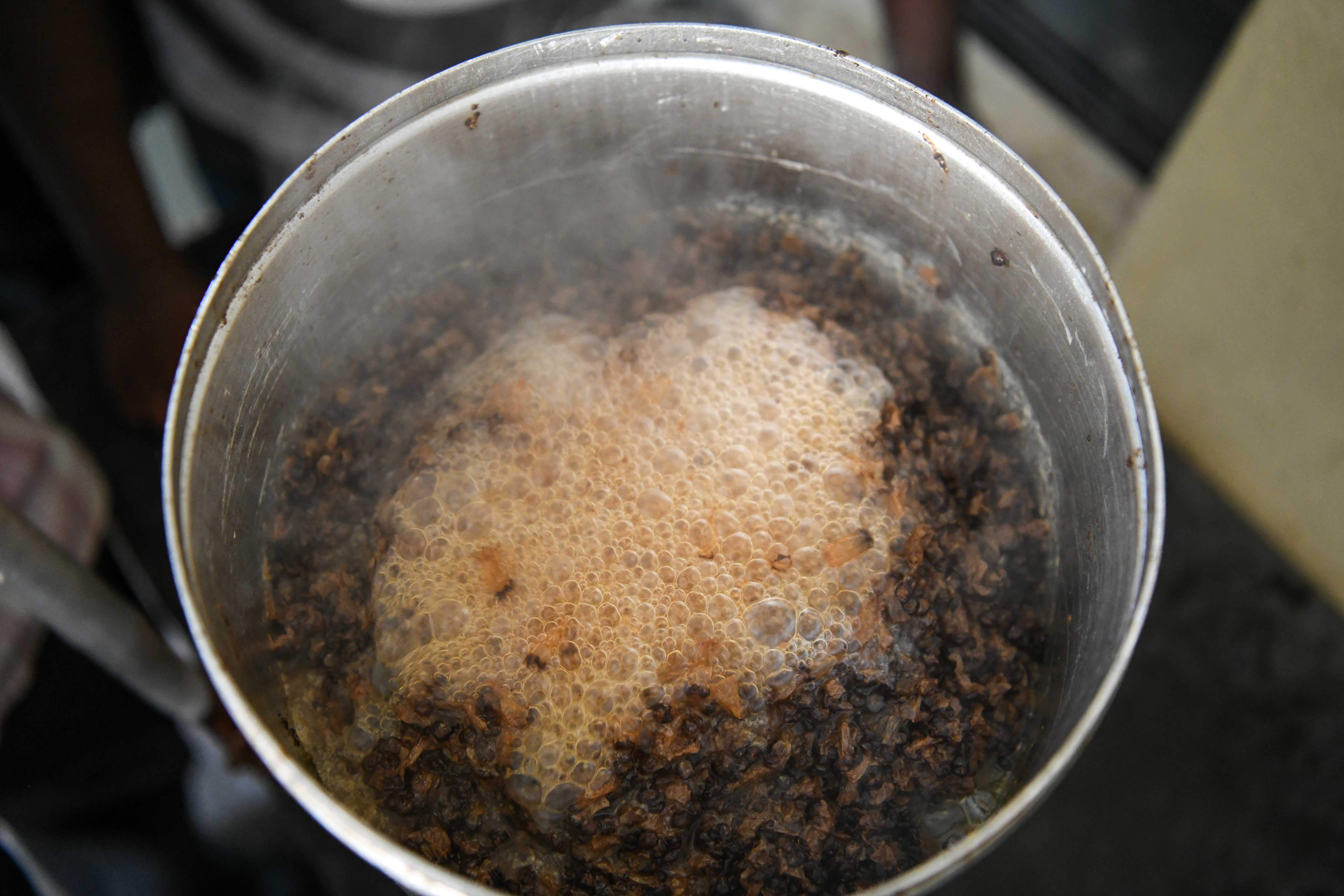
She also makes beeswax at home which is another income generator. She says that it is not a very laborious process and demonstrates. You first break the comb into a utensil with enough water and let it boil.
You let it boil until it reaches the required consistency.
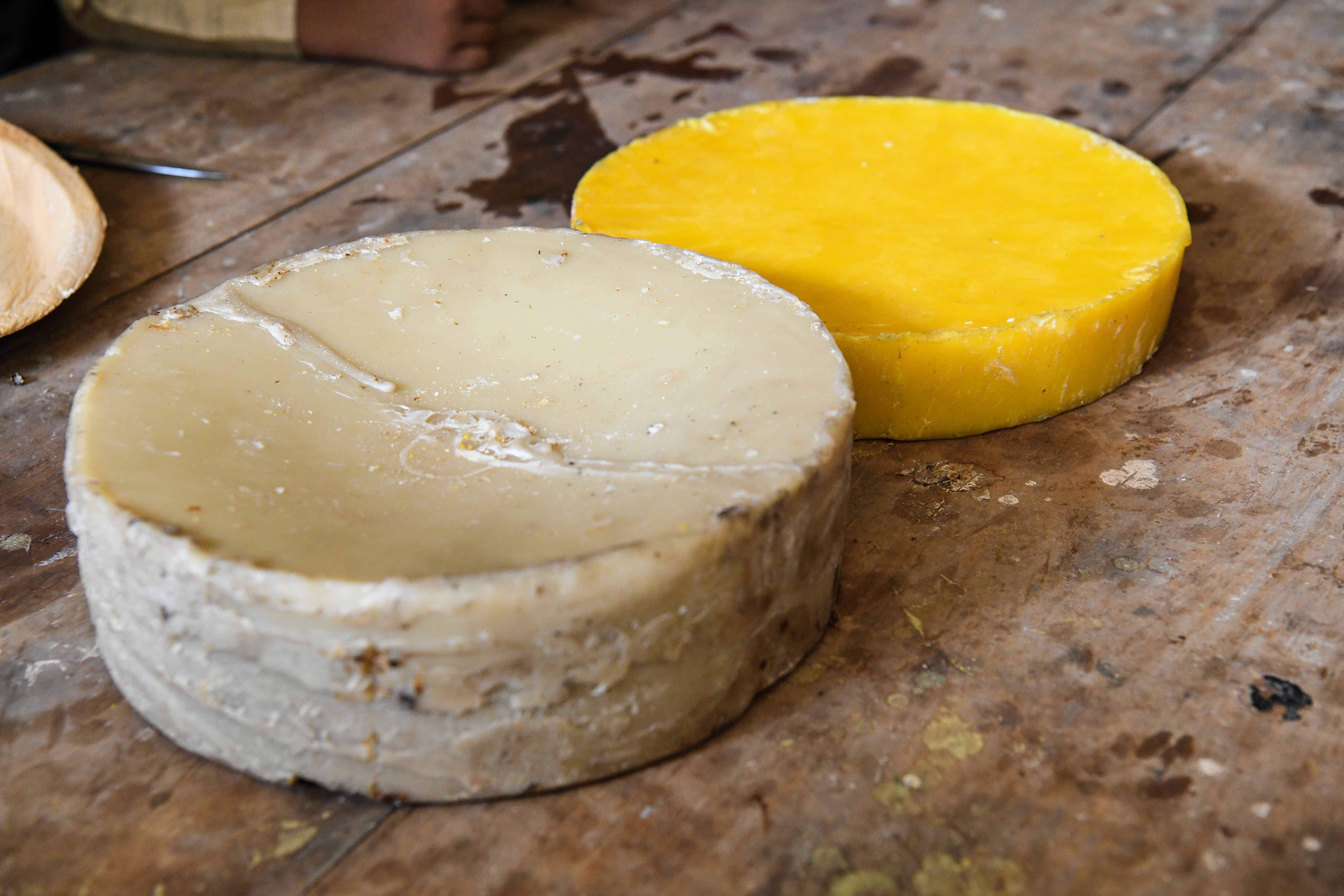
You then squeeze out all the excess water and use the residue to make wax cakes.
This is the final product.
Apoorva pays regular visits to all the farmers across the country and conducts a health check.
It is very important to taste it as well. Every house he goes to gives him honey to taste. He jokes and says I am glad I don’t have diabetes. If I did, for the amount of honey I consume, I would be in a lot of trouble.
Bose Mandanna is the fourth generation coffee grower. He moved back to Coorg 53 years ago after completing a bachelor’s degree in Agricultural Economics. He talks of how he has seen farming change in the years to come. Back in the day farming was done in a very environmentally friendly way. Over a period of time, when they found pests taking over the plantation, they used some chemicals to deal with the pest issue. However, they soon realised that they were not only harming humans but also the bees and other pollinators in the environment. These chemicals known as weed killers have cancer-causing properties. On realising this, they decided to go back to organic farming. However, a lot of farmers have been affected by this chemical especially in Punjab as they are one of the largest agriculturists, and the Punjab mail is popularly called the cancer express as a lot of them are coming to Bombay for treatment. Also to note the groundwater gets affected by these chemicals. People are saying that there are bee-friendly pesticides available. He jokes and says “there are all chemicals and they cannot be friendly, they might not kill you but make you unconscious”. Please avoid chemicals and use bio controlled agents.
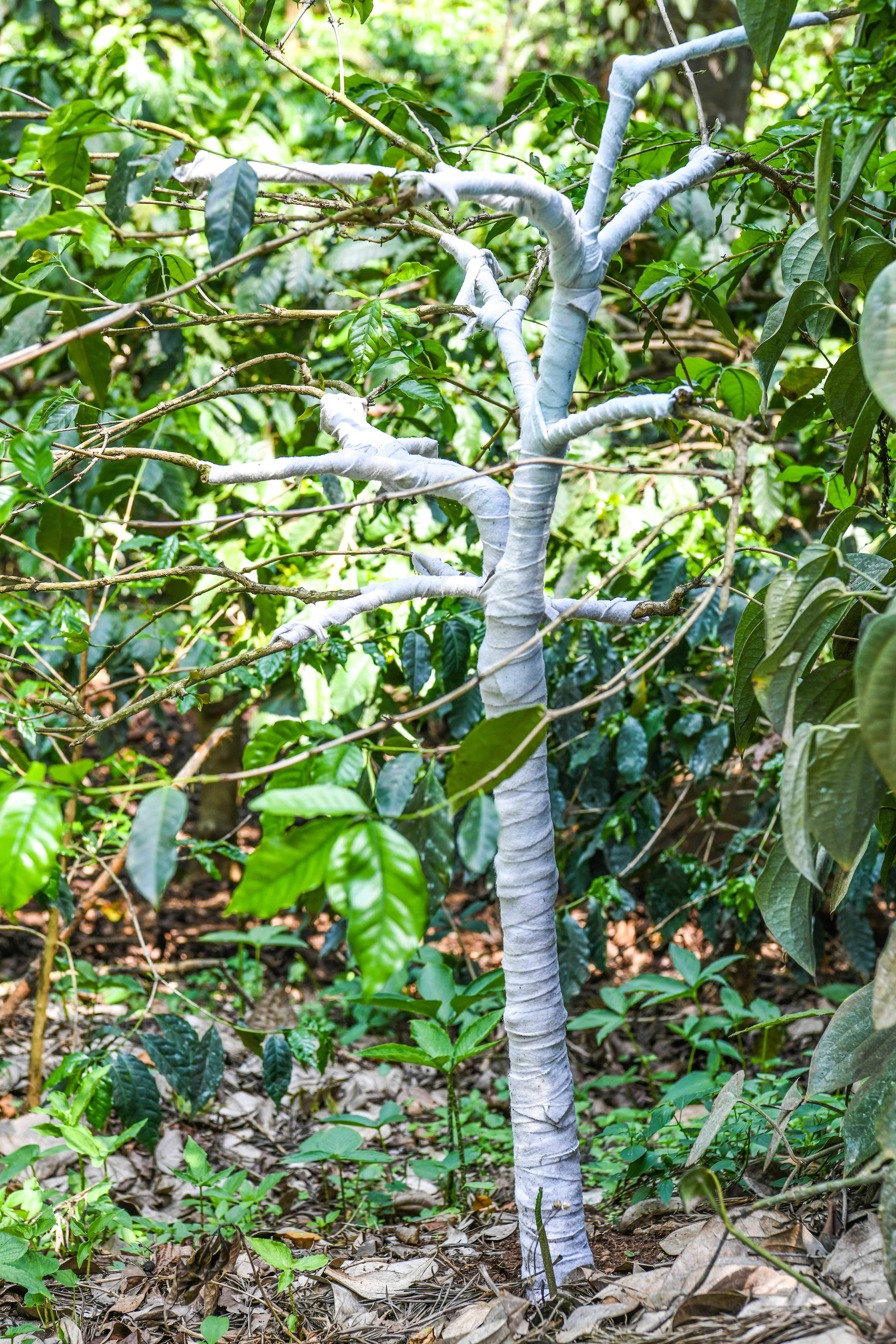
White Stem Borer Problem: These pests are known to attack the coffee plants and wreak havock hence they wrap the plants with white cloths to avoid this menace. There is a mild chemical in it but it only
touches the trunk of the plant and does not reach the coffee flower thereby not harming humans or bees.
May 20th is International Bees Day. UAS in GKVK conducted a 2 day class for people interested in beekeeping. Urban beekeeping is also becoming popular as people from the cities have started showing
interest.
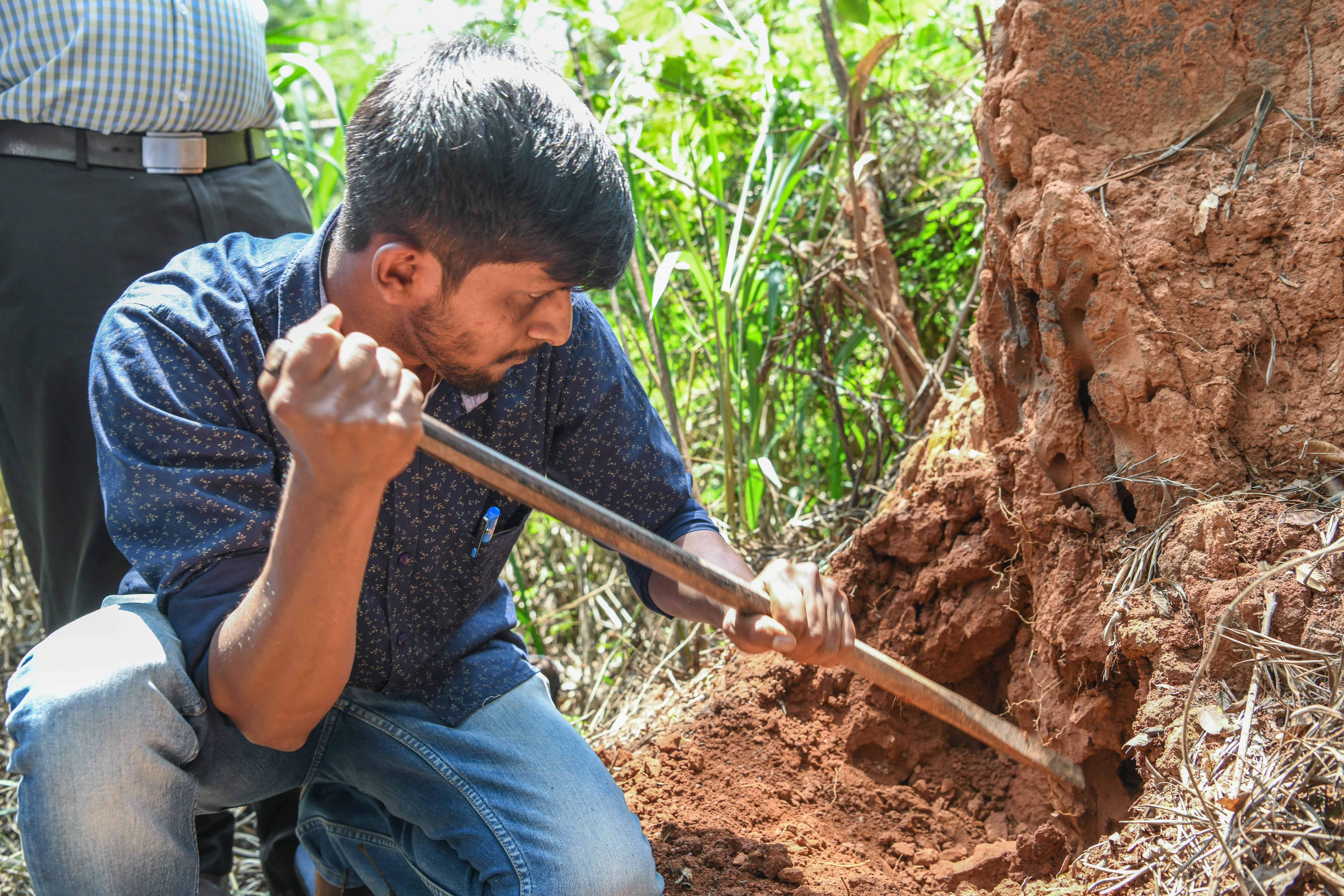
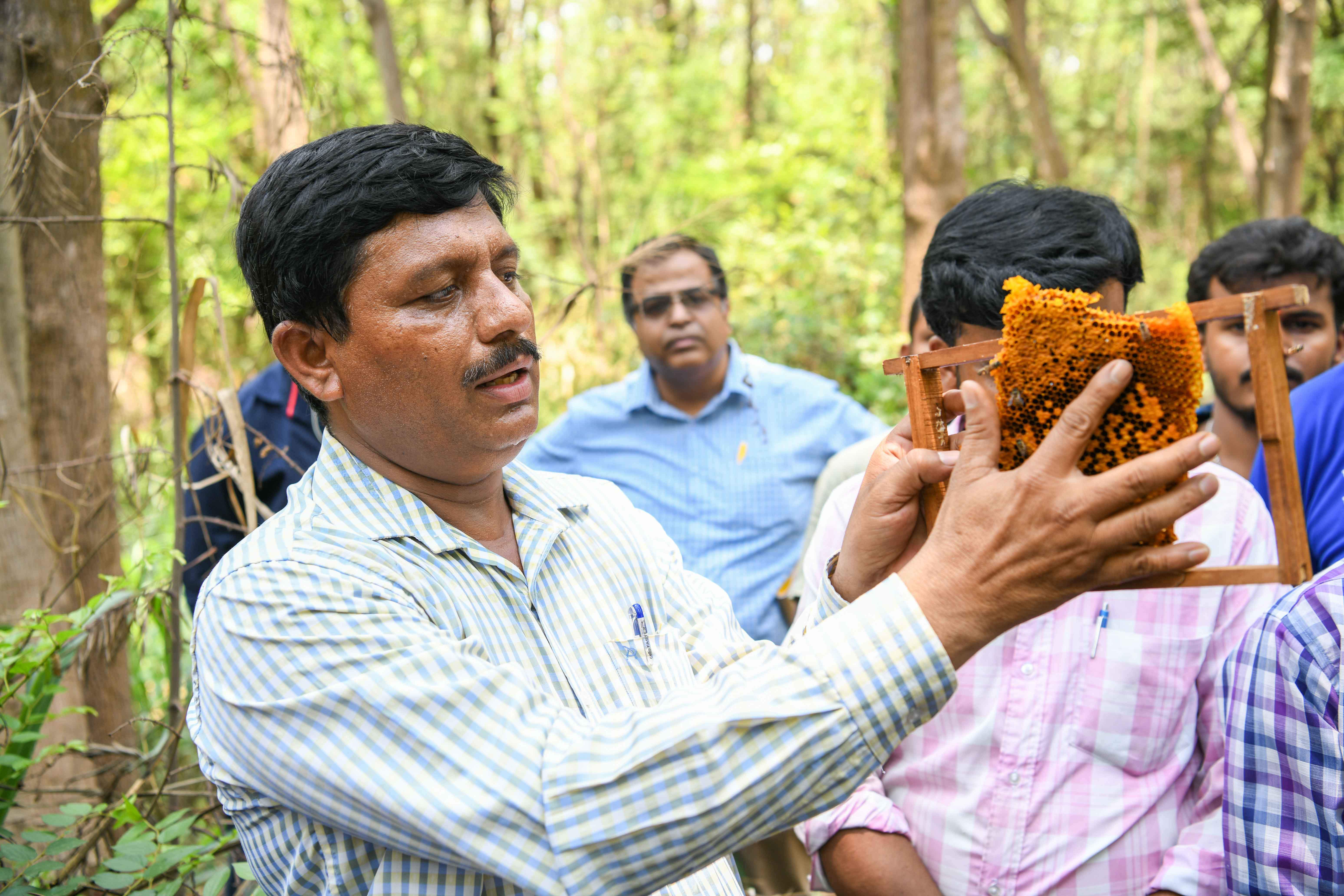
The staff showed them how to identify and dig out for a beehive as they can build hives anywhere. This has to be done with caution so as to not break the hive.
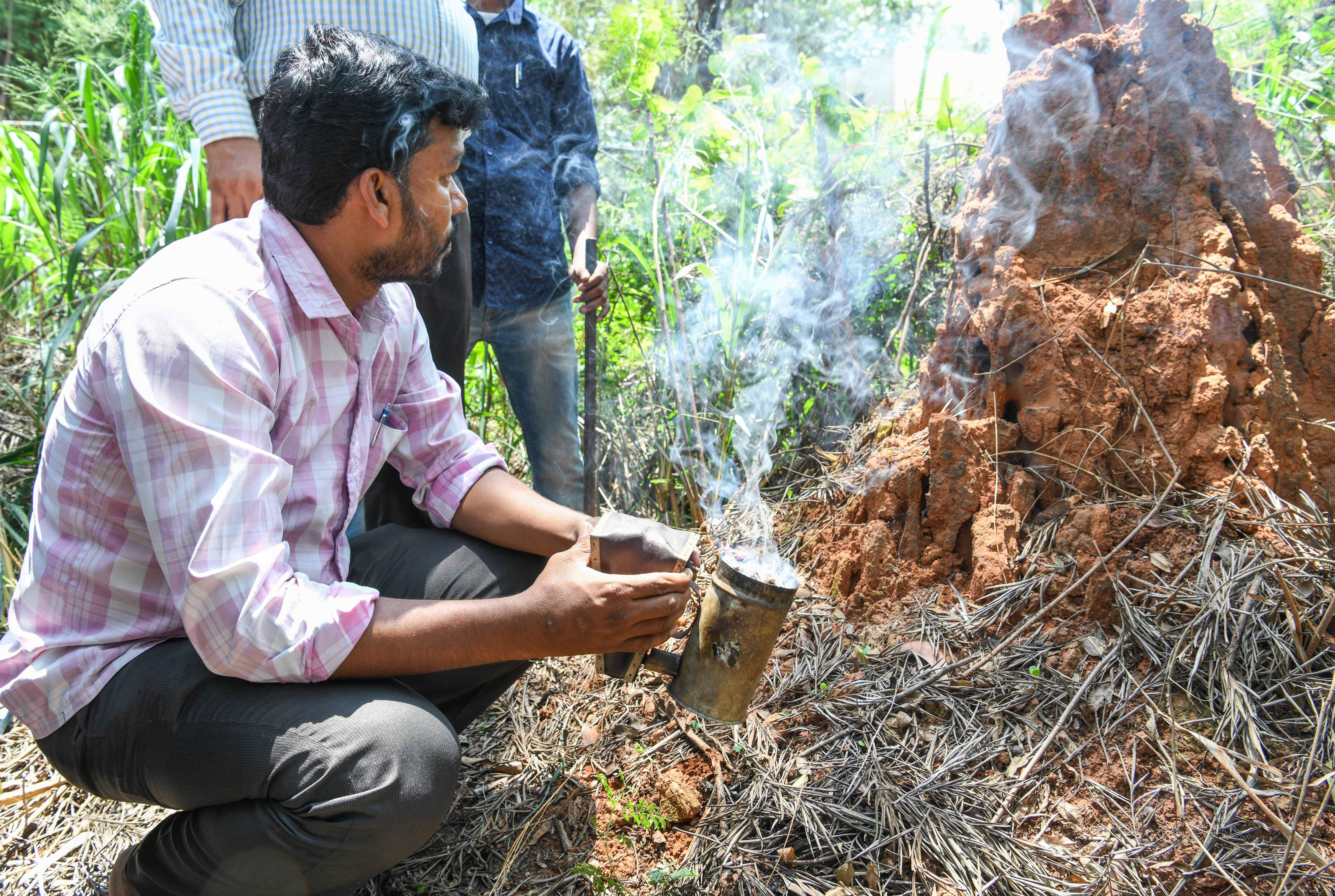
You then mildly sedate the bees with some smoke by burning dry cotton cloth and get the comb out
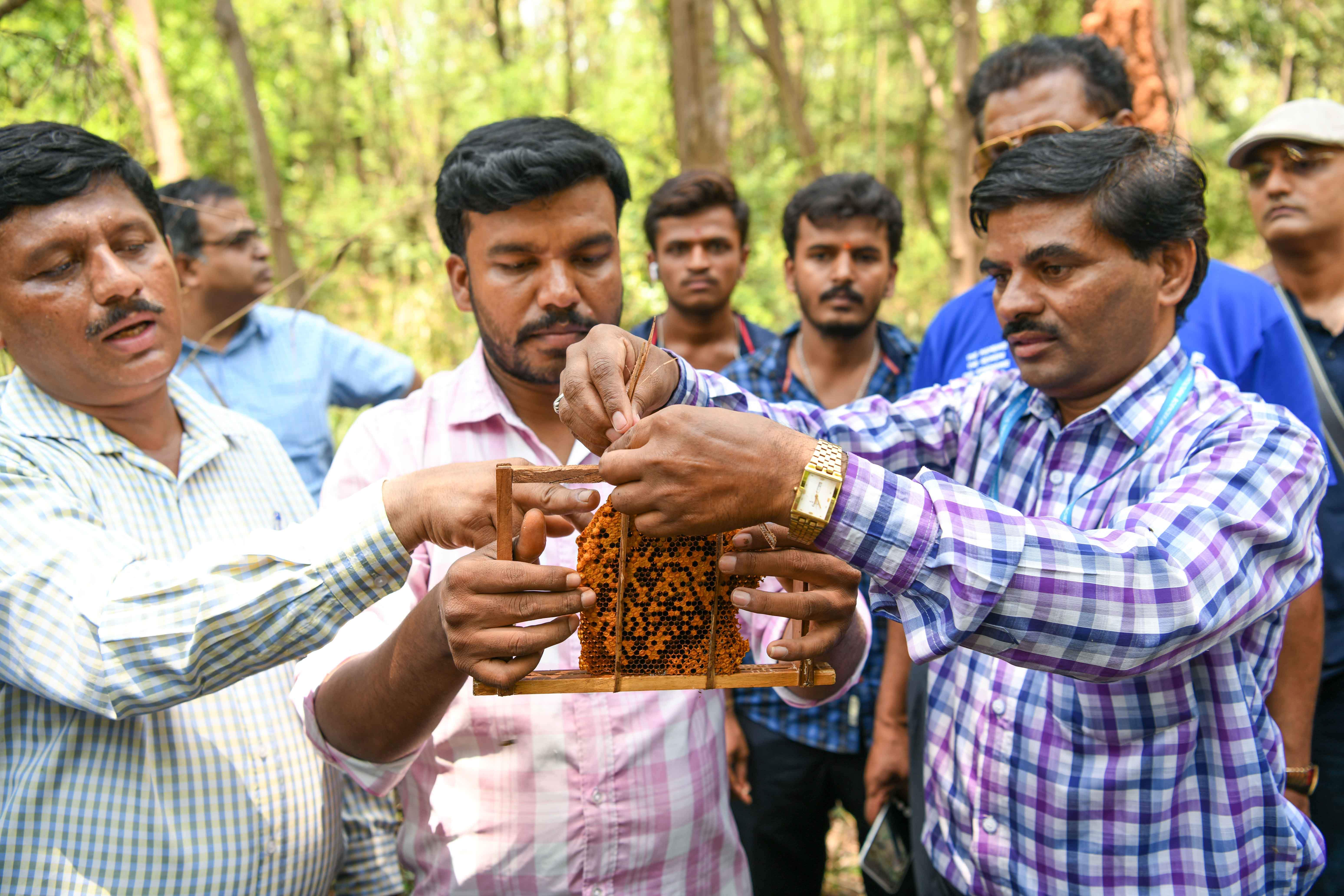
Once you get the comb out, you tie them tightly to a frame but not so tight that they break.
Students learn to tie the comb to the frame.
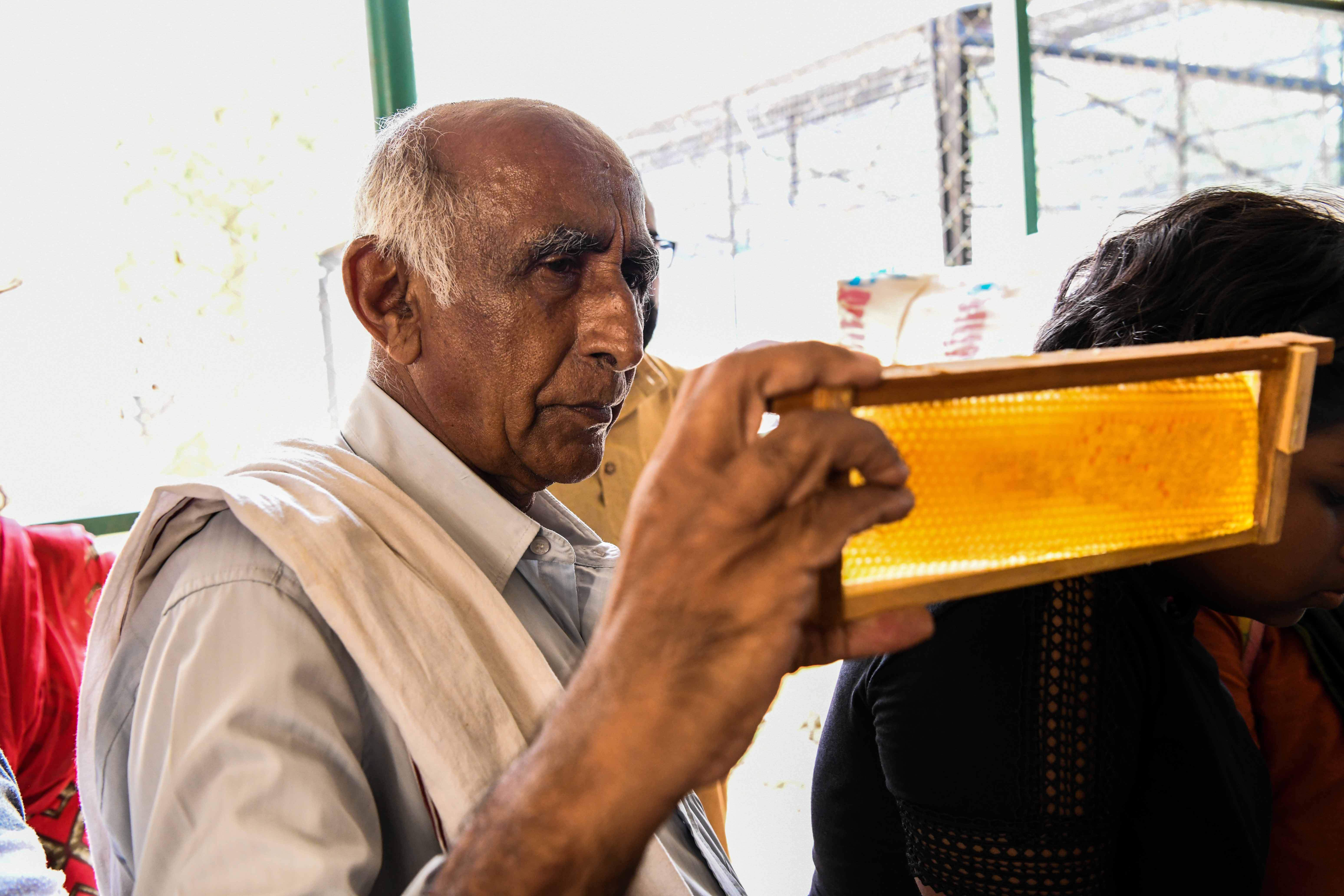
While they learn to make honey, a student observes the comb.
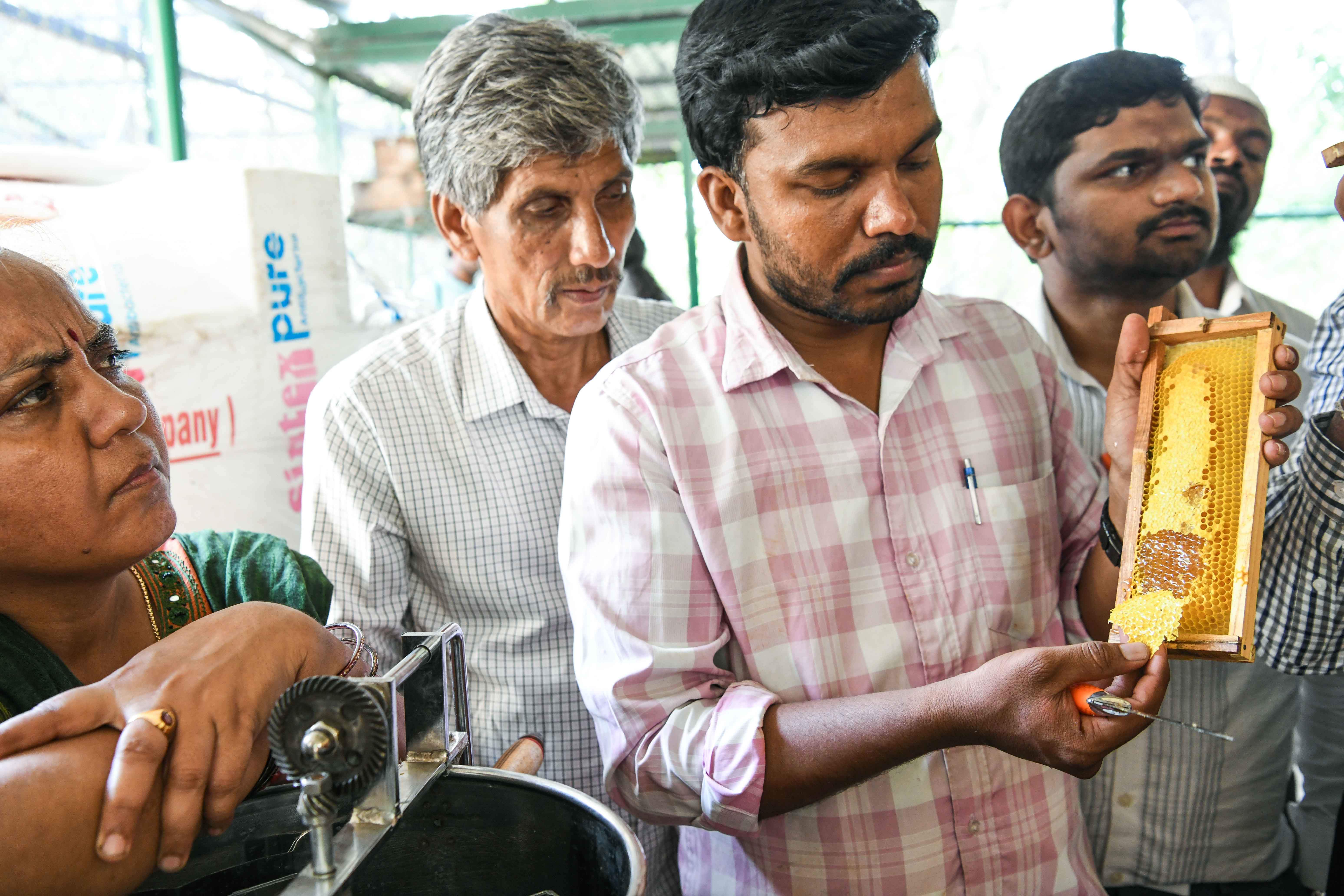
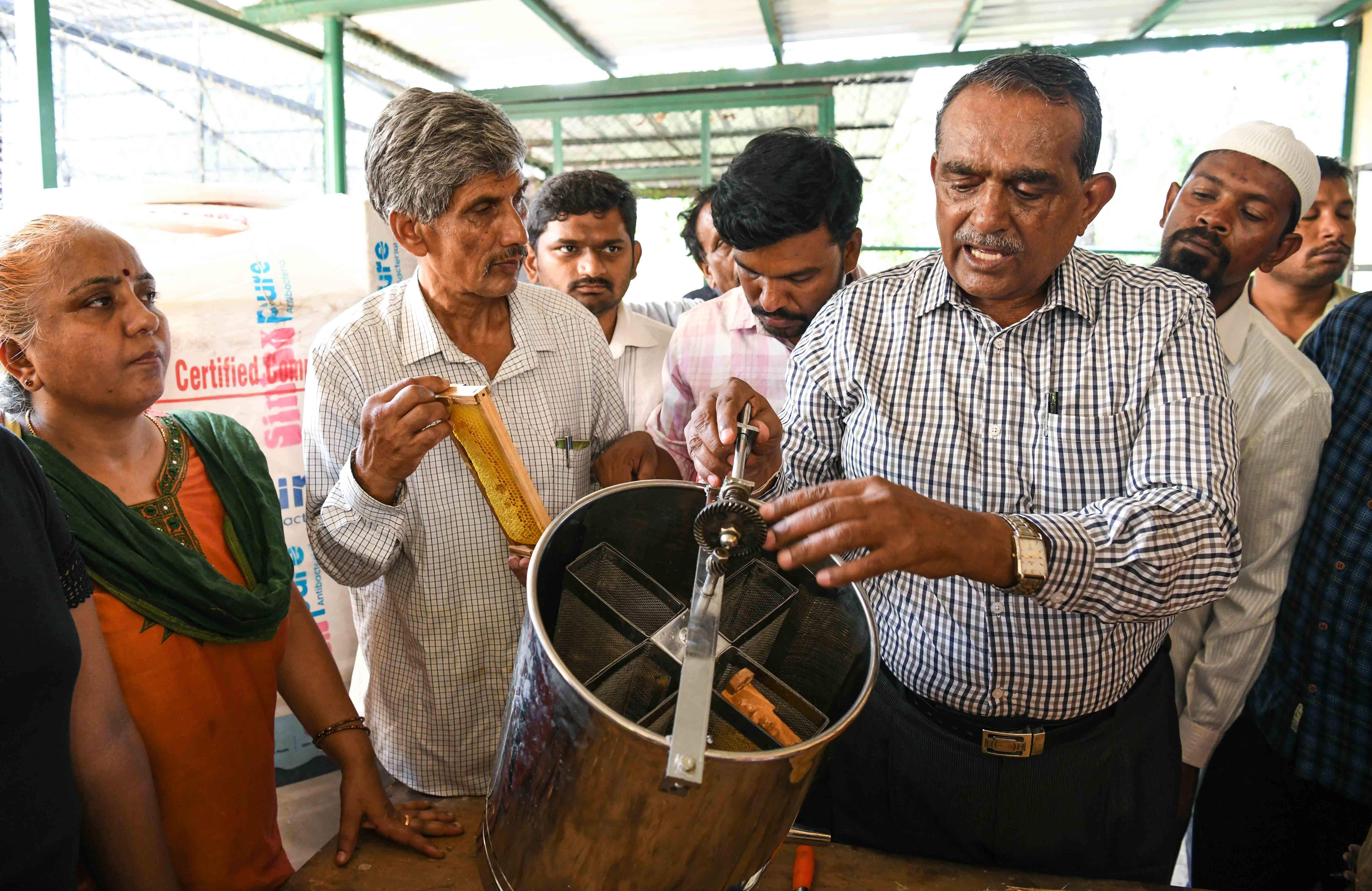
Santosh from the faculty shows the class how to peel the comb before you can put it into a vessel to churn honey. The peeling has to be very fine.
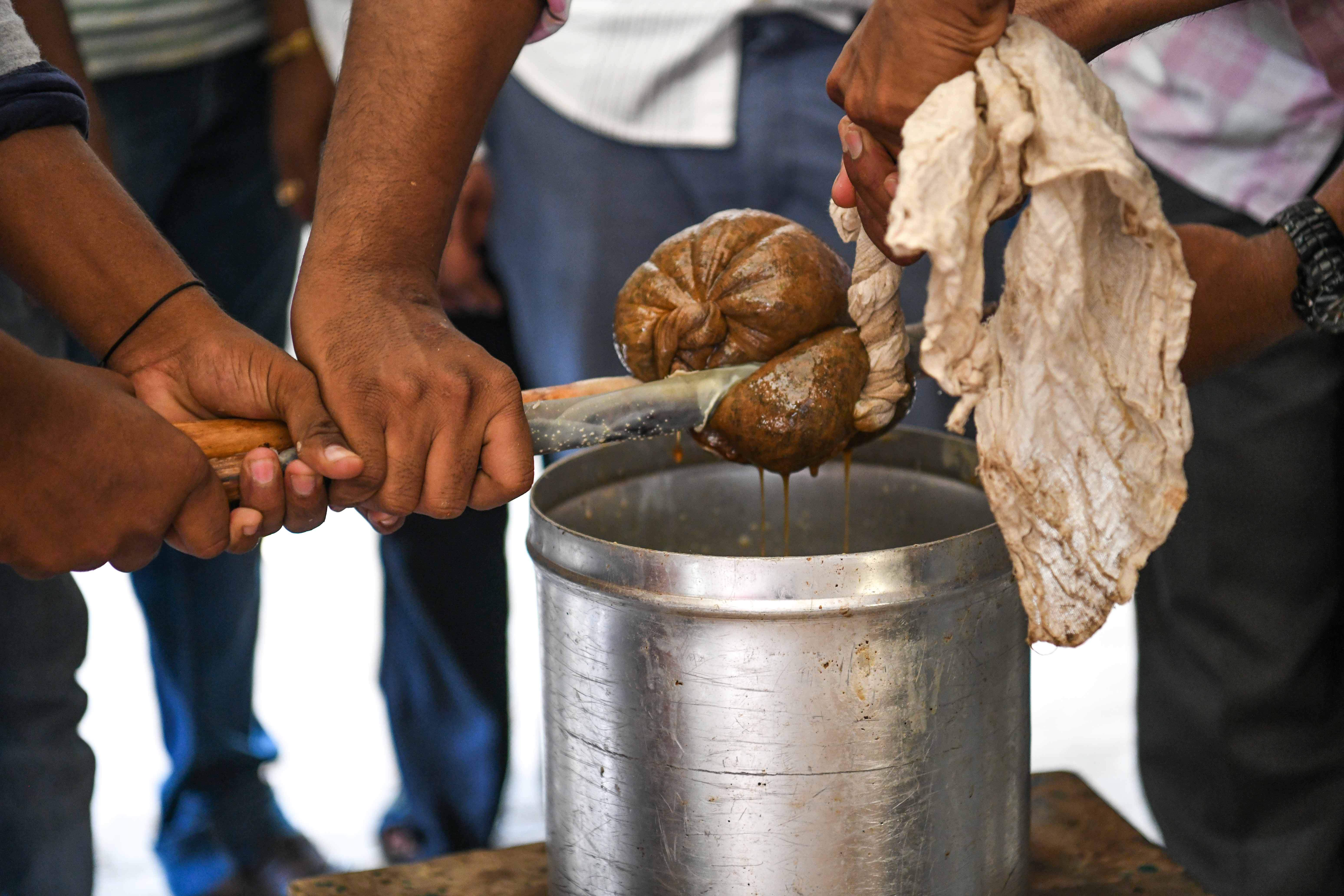
These are the machines in which you put the combs in to extract honey. These machines are also made by Apoorva and sold to the farmers. There is a particular way the combs have to be kept and then manually churned.
A small community of farmers can only do so much, the government needs to step up and help take this initiative forward, make this bigger and reach more people.
source: http://www.newindianexpress.com / The New Indian Express / Home> Specials / by Meghana Sastry / Express News Service / October 28th, 2019
A few years ago, George Ramapuram fell seriously ill and preservative-induced food was a total no-no. So, the Coorg family decided to make it themselves!
The Earth Reserve was formed in 2017 and is based in Coorg. It has nine people and makes jams, pickles and preserves.
So far, so normal. But two things that will make their products the most unique bottle on your shelf.
Firstly, they get fruits entirely from the wild and organic – no farms, no harmful chemicals.
Every day, a couple of hands to go into the wilds of Coorg and collect organic ripe fruits, spices and vegetables. The fruits are then sun-dried.
And here’s the second fantastic thing about these products – 64-year-old Sheela handmakes these delicious jams and pickles and is involved until the very last step. You will be eating preserves made from the hands of a mother – literally!
Now that is special indeed.
How it all came about:
“Contains artificial colouring and preservatives”- a sign that should ideally motivate one to keep the product back in the shop shelf. For the sake of convenience, we continually risked our health.
For 27-year-old architect George Ramapuram, this realisation came after months of hospitalisation, due to a pancreatic condition he had developed.
“We were forced to go out hunting for jams, pickles and juices that contained no preservatives but we could not find them in the market. Back when we were young, this was no problem. Our mothers and grandmothers would always have containers of such foods ready. When we found it nearly impossible to get preservative-free food in the market, we decided to go back to those roots,” Thresi, George’s sister shares with The Better India.
At the time, Thresi had just returned from the USA and was caring for her ill brother. The two bounced ideas off each other to see if this can be scaled on a market level.
Preservative-free, organic, handmade foods. Would people like them?
The two had grown up eating jams, pickles and juices made from the wild fruits that grew in their backyards.
Plums, figs, passion fruit and mango – all grew in their hometown of Coorg. Their mother, Sheela, would pluck them, dry them and make them into delicious preserves for the children to have.
The jams and pickles were always made in abundance and shared with friends and family. What Thresi and George wanted was for these to be sold commercially so people across India could get the goodness of preservative-free handmade food at the click of a button.
“It was an exciting but quite ambitious project. Asking mom to make jams and pickles for friends and family is one thing. But making a business from this idea also requires us to consider costs, resources as well as the responses we may get. Plus, we wanted our products to be purely handmade, so that was another challenge,” she adds.
Through cautious experiments, the Ramapuram trio set a process for The Earth Reserve.
And the idea has worked indeed.
“We hadn’t expected such a positive response from not just Karnataka but also Delhi, Madhya Pradesh and several other states. We are excited to expand into bath and body ranges too!” Thresi says.
Completely organic and handmade, just like your grandma made them, these food preserves are as healthy as they are tasty. Click here to purchase them and make a tasty addition to your kitchen!
(Edited by Vinayak Hegde)
source: http://www.thebetterindia.com / The Better India / Home> Food> The Better Life / by Tanvi Patel / October 01st, 2019
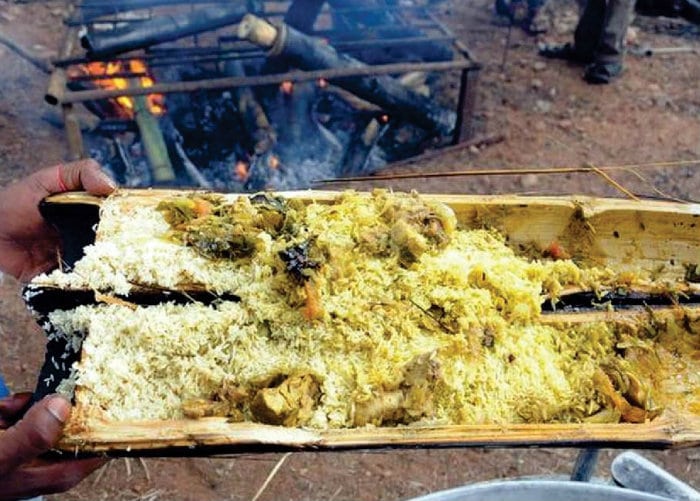
Tribal food section at ‘Dasara Aahara Mela’ to be held at Scouts and Guides Grounds will have new inclusions with more delicious Bamboo Biriyani to tickle the taste buds of foodies.
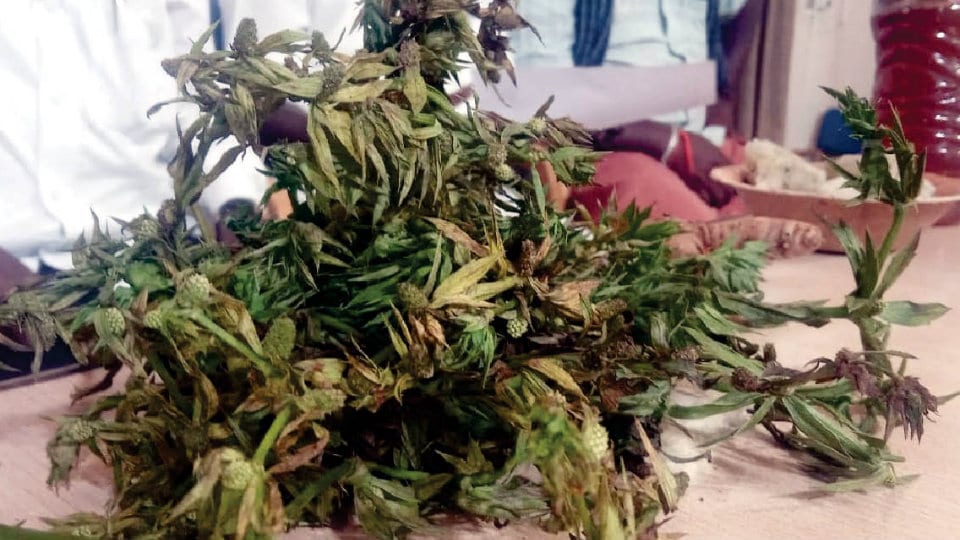
Addressing a press meet at Pathrakarthara Bhavan yesterday, Karnataka Adivasi Rakshana Parishat State President M. Krishnaiah revealed that special wild coriander leaves, curry leaves and turmeric usually grown in forests would be used to spice up the popular bamboo biriyani to give a new look and rare and exotic taste. He said that tribal foods are being served at ’Aahara Mela’ since 2014 and has been very popular.
Continuing, Krishnaiah said that the exclusively and traditionally decorated stall would deliver ‘Haadi Mane Oota’ (tribal home food) with authentic tribal delicacies other than Bamboo Biriyani like boiled sweet potato with honey, ‘Bidirakki Payasa’, ‘Makali Beru tea’ and crab soup with ragi balls. They will be priced at Rs. 50 (a bowl), Rs. 50 (a cup), Rs. 20 (a cup) and Rs. 100 (a plate) with the popular Bamboo Biriyani at Rs. 180 a plate, he said.
Krishnaiah further said that Nagamma will be back with her herbal medicines. She sells herbal medicines and medicines to cure skin diseases. Nagamma, a nature therapist or Naati Vaidya, will come from Doddabettageri Village in Dubare Forest of Kodagu district to provide medicines to visitors. Krishnaiah added that a 30-member team would be readying the stall and prepare food for visitors.
source: http://www.starofmysore.com / Star of Mysore / Home> News / September 27th, 2019
This is in response to the letter by Geologist Mrinmoy Chakraborty (SOM dated Aug.11, 2019) defending the views of the Geological Survey of India (GSI) published in SOM dated Apr.25. I write this to bring to light a few facts that go to show that Chakraborty has hastened to defend the warnings given by GSI a bit too early and to furnish some clarifications regarding the extreme events that wreaked havoc in Kodagu this August and perceptions arising out of them.
The series of landslides that devastated Kodagu in 2018 occurred mostly during the period 15th, 16th and 17th August. Some intriguing data on rainfall pertaining to this period tells the story. This data is from the rain gauge at Kudigana, a place near the border of the catchment of Harangi, which witnessed the worst kind of disasters in 2018.
Record rainfall
Till 6th August, the station had recorded about 5,500 mm of rain, and then on rainfall on the successive days read (in mm): 81, 250, 269, 90, 115, 121, 262, 295, 320, 461 (16th), 394, 197, 164, 95, the total for the fortnight amounting to 3,114 mm (Mysuru’s annual rainfall is 780 mm). Probably the 5-day extreme rainfall recorded then at Kudigana (1,686 mm) is the highest ever recorded in the rain gauging history of Kodagu (which extends for over 120 years now), the earlier highest being 1,462 mm in 1964 pertaining to the station of Bhagamandala.
On the other hand, the records at Kudigana for this year read thus: Total rainfall up to 1st August – 2,041 mm; then on – 30, 0, 16, 136, 183, 254, 312, 276, 298, 158, 90, 46, 35, 100 (15th), during the next 14 days – this is the period when the floods ravaged the district. The extremes here are just about 75% of last year’s and the total for season up to 20th Aug. is not even half of last year’s (nearly 4,090 and 8,614 mm respectively).
Once in 10-12 years
The highest one-day rainfall recorded this year has been reported from Bhagamandala, places around which contribute to flow in Cauvery and stands at 400 mm. The seven-day extreme for this year here has been 1,142 mm. Strangely, these values have return periods of 12 years and 10 years respectively.
This means, the type of flood-causing rain that fell this year occurs, according to data available, nearly once in 10-12 years. Even the flood magnitudes in the four rivers of the basin that were reported this year have return periods of 15 – 20 years.
On the other hand, the rainfall of 2018 that caused havoc in areas around Madikeri and in the catchment of Harangi shows a return period of over 50 years! This is the reason why even though Kodagu experienced severe floods this August, only just a couple of incidents of severe landslides have occurred.
Technical data
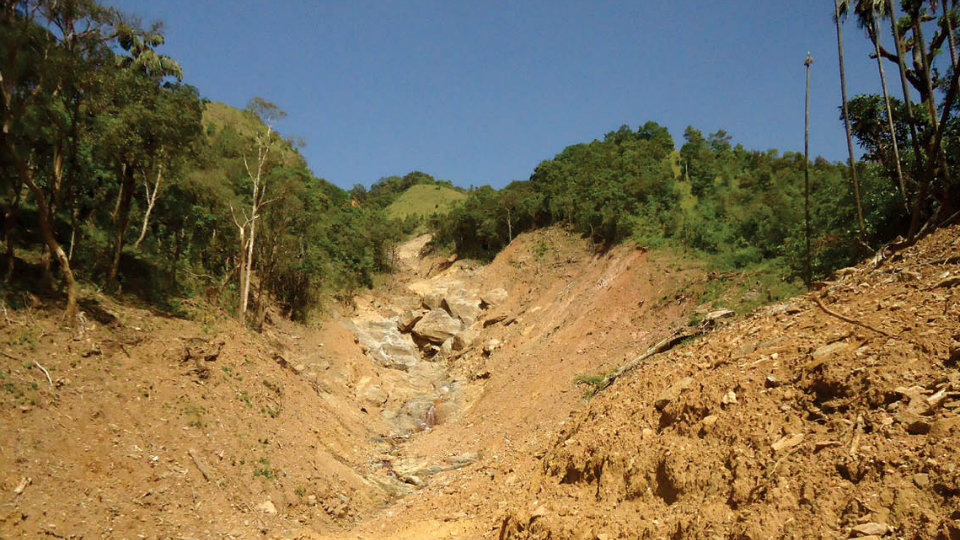
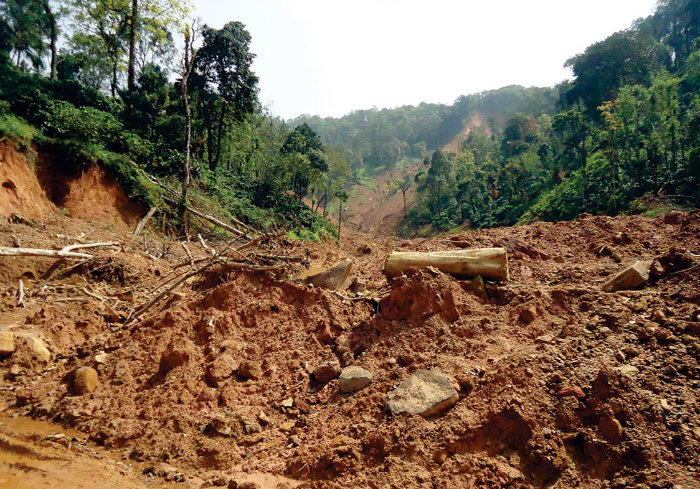
Very often, blockage of roads due to mud falls from tall and nearly vertical cuttings (Plate 1), many times triggered by uprooting of trees and washing away of the valley side road formations, are also termed as landslides, while the landslides of 2018 were removal of unimaginably large portions of hills, mostly in the valleys.
A large number of the over 150 landslides that occurred then got initiated far away from the highways and inhabitations (Plate 2), in total contrast to the common belief that tampering with nature and cutting land indiscreetly is the root-cause of landslides.
Many of these slides carried tens of thousands of cubic meters (like 200 m x 100 m x 2 m) of earth submerging hundreds of hectares of land downstream in mud (Plate 3 and 4). However, even earth falls of volume of a few hundred cubic meters (20 m x 10 m x 2 m) block roads and cause damage to houses — only one landslide of the former nature has been reported this year. It is not strange that extremes not quantified by measurements are blown out of proportion, painted colourfully and projected as catastrophes in this era of rampant use of mass and social media.
Predictions fail
Dr. H.S.M. Prakash, Director General of GSI, is reported to have explained (SOM, 25th April) thus: “There are indications of excessive downpour happening in five phases just like last year …”; “likewise, three to four more similar downpours are likely to be experienced… The rainfall in August is likely to result in floods”. Yes, one spell of rainfall has resulted in floods. But what about the rest? It is a common experience that any astrologer, once approached, would point out a number of cases in which his predictions have gone perfectly right, hiding others! The fact is that rainfall in Kodagu this year has been very poor except for that one spell — even after that week of deluge, the total seasonal rainfall for the year remains 25-40% lower than the normal (except in small pockets of Virajpet), while the last year it was about 25-50% higher than the normal.
Strong low pressure
It is claimed by Chakraborty (SOM, 11th Aug.) that the predictions for this year have been those based on “evidences”. Dr. Prakash had explained: “There is a possibility of heavy rain being caused due to volcanic eruptions in Hawaii and Mauritius. And, as if an indication, it has already started raining in Kodagu (in April)”.
It is utterly sad that an agency with a legacy of 200 years has fished out evidences for the floods in August, in the excessive rainfall of April! It is well established that the pre-monsoon rains of April and May are a phenomenon occurring due to local convections, while the monsoon rains in Kodagu are due to the global circulation, aided by strong low pressures in North/ Central India and the local orography (high rising mountains) of the Sahyadris.
It is now popularly known that the excessive rainfall of the ten days of August this year has been due to a strong low pressure that developed in the Odisha coast, and experts from GSI claim it to be due to excessive heat of magma in Mauritius!!
Better to err on safer side
Being half correct about events not known of is one hundred perfect in Statistics — probably the messengers, the people at the helm of affairs, believe that it is better to err on the safer side than on the other. Sweeping and arbitrary long-range predictions are not only unwarranted, but are also dangerous.
Rather, there shall be healthy introspection and debate on why even extreme events of smaller magnitude have been resulting in excessive damages in recent days. Further, very little of the Hydrology of this region has been understood, much remains to be done. It is hoped that the agencies concerned take a more pragmatic and purposeful look at the recent events and use them to learn about the region.
– Yadupathi Putty, Mysuru, 3.9.2019
You can also mail us your views, opinions, and stories to voice@starofmysore.com
source: http://www.starofmysore.com / Star of Mysore / Home> Voice of the Reader / September 16th, 2019
India’s first environment school — World Environment School — is all set to be opened in Coorg, Karnataka. It will also be the first school in entire South Asia to take a leading role in promoting and delivering environmental education with sustainability at its core. Spread over a hundred acres across the beautiful hills of Coorg, the school’s focus will be to build strong environmental and moral values among its students.
Mobius Foundation, a non-profit organization working towards environmental sustainability, in partnership with the UK-based Whitgift School announced the launch of this initiative at International Conference on Sustainable Education.
“WESc will be operational from 2021 for Grade 6 to 12 students from India and around the world. The school will cater to the parents who want the next generation to be actively involved in the protection and sustainability of the environment apart from a world-class education,” said Pradip Burman, Chairman, Mobius Foundation.
WESc will offer an international curriculum with affiliation from Cambridge Assessments and International Baccalaureate.
“The need for environmental education is growing rapidly as the degradation of the environment is taking place at a fast pace and we have taken a lead role in this direction by launching India’s first environment school,” said Chris Ramsay, Head Master, Whitgift.
source: http://www.dailypioneer.com / The Pioneer / Home> India / by PNS, New Delhi / September 12th, 2019
Isha Foundation Chief Sadhguru Jaggi Vasudev at the launch of ‘Cauvery Calling’ campaign, at Talacauvery in Kodagu, on Tuesday. Actors Rakshith Shetty and Diganth took part in the rally.
Cauvery Calling, a campaign conceptualised by Isha Foundation was launched in Talacauvery, the birthplace of River Cauvery, on Tuesday.
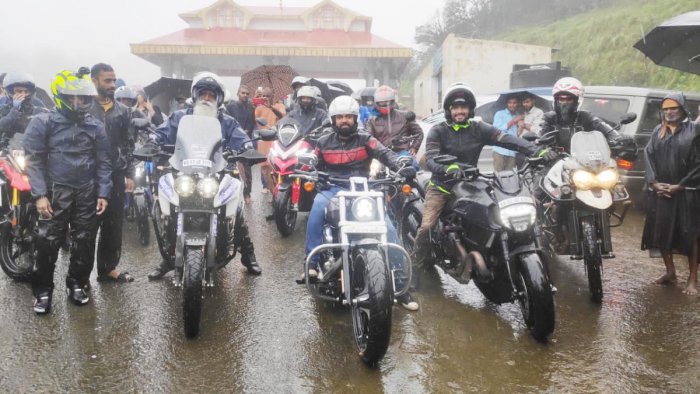
Isha Foundation Chief Sadhguru Jaggi Vasudev rode a motorbike himself to arrive in Madikeri on Sunday. Film actors Rakshith Shetty, Diganth and Shashi followed him.
A puja was offered at the ‘Theerthakundike’ in Talacauvery, earlier to the launch event.
Sadhguru Jaggi Vasudev said that through the campaign, there is an aim to plant 242 crore saplings on the banks of River Cauvery.
Trees help to increase the capacity of soil to retain water. Isha Foundation will work towards getting the necessary assistance from the government, he said.
He pointed out that the River Cauvery has become thinner by 39% in the last 70 years.
“The groundwater level in the river catchment area has been depleting drastically. Due to excessive deforestation in the catchment areas of the river, water is not flowing further and the river is getting dry even before reaching the sea. As a result, a drought-like situation has been arising during the months of April-May itself. This has created repercussions in terms of droughts in Karnataka and Tamil Nadu. Around 47,000 farmers living on the banks of River Cauvery have ended their lives in the last 10 years. It is noteworthy that the places of massive landslides have been due to excessive human interference. It is the need of the hour to wake up to the warning sign,” said Sadhguru Jaggi Vasudev.
Udupi-Chikmagalur MP Shobha Karandlaje said that the Central and the state governments will support the ‘Cauvery Calling’ campaign.
This month, the state government will sign a memorandum of understanding with Isha Foundation in this regard, she said.
MLA K G Bopaiah strongly felt the need to conduct a scientific study so as to know the reason behind massive landslides in Kodagu. He also demanded action against those who have encroached the government lands.
Air Marshal (retd) K C Nanda Cariappa and sportsperson Ashwini Nachappa were present during the programme held at Crystal Hall in Madikeri.
PM tweets
Replying to a tweet by Sadhguru Jaggi Vasudev, Prime Minister Narendra Modi tweeted at 4.13 pm on Tuesday, conveying his wishes to ‘Cauvery Calling’ campaign.
“Happy to know about your effort. It will surely add to the endeavour of harnessing Jal Shakti and preventing unnecessary wastage of water,” said the prime minister.
He also wished Sadhguru on his birthday saying, “Also wishing you a Happy Birthday! Praying for your long life and best health!”
15-day bike rally
The motorbike rally organised as a part of ‘Cauvery Calling’ campaign will pass through Hunsur, Mysuru, Mandya and Bengaluru. Public functions will be held in these places. The rally will reach Bengaluru on September 8.
The bike rally will traverse a distance of 1,500-km in Karnataka and Tamil Nadu and will culminate in Chennai on September 17.
source: http://www.deccanherald.com / Deccan Herald / Home> State> Mangaluru / by DH News Service, Madikeri / September 03rd, 2019
Chief Minister B S Yediyurappa releases the handbill on ‘Cauvery Koogu’ campaign.
Chief Minister B S Yediyurappa had a discussion with Isha Foundation’s Sadhguru Jaggi Vasudev on ‘Cauvery Calling’ campaign which will commence on September 3 from Talacauvery in Kodagu district.
The latter met the chief minister in Bengaluru on Thursday, in connection with the campaign, and sought coordination from the state government.
Responding positively to the request made by Sadhguru, the chief minister said that the state government will extend necessary cooperation.
Speaking on the occasion, Udupi-Chikmagalur M P Shobha Karandlaje lauded the ‘Cauvery Calling’ campaign led by Isha Foundation under the guidance of Sadhguru Jaggi Vasudev and called upon the people to join hands with the movement for a better tomorrow.
The ‘Cauvery Calling’ drive will be flagged off from Talacauvery, the birthplace of River Cauvery, on September 3, proceed through Thiruvaroor and will culminate in Chennai.
‘Cauvery Calling’ is a part of ‘Rally for Rivers’ campaign conceptualised and implemented by Isha Foundation.
The journey covers a distance of 1,500 km. Public awareness programmes will be held along the course of the campaign, stressing on the need to undertake steps to conserve River Cauvery.
Many celebrities, sportspersons, political figures and entrepreneurs have already associated themselves with the campaign, which has gathered an immense response from the general public, especially from the farmers.
The drive also focuses on planting saplings along river banks and improving the economy of farmers. ‘Cauvery Calling’ campaign will support farmers to plant 242 crore trees to rejuvenate River Cauvery.
source: http://www.deccanherald.com / Deccan Herald / Home> State> Mangaluru / by Adithya K A / DH News Service, Madikeri / August 29th, 2019
Unexpected wonders abound when immersed in the Coorg culture of southern India.
A thunderclap heralds the first, early rains of the monsoon season minutes after my arrival in the misty highlands of Coorg in southern India. From the deck of the Taj Madikeri Resort and Spa, cantilevered over a seemingly infinite valley, I have a dress-circle view of the approaching stormfront and rolling peaks silhouetted to the horizon. Swallows pirouette as front office manager Anant Marwah describes the coming wet season, when clouds billow into the open foyer and pass through the body like shivers. “You should see the monsoon — it’s amazing,” he says. “Mother Nature does most of the work here.”
Despite its name the resort is not, in fact, in Madikeri, the hill-station capital of Coorg district in Karnataka state. This is frustrating because I’d hoped to be staying in the heart of the land eulogised by Irish writer Dervla Murphy for its sacred forests and coffee-scented hills. But my disappointment is short-lived. The property, 1200m above sea level and 9km from Madikeri down a broken road flanked by rice paddies and the odd azure kingfisher, turns out to be a microcosm of Coorg culture.
A guestroom at the Taj Madikeri
Its 63 cottages and villas, carefully built over seven years to minimise disruption to the landscape, sit cloistered in 12ha of rainforest and coffee plantations. Constructed from recycled timbers and bricks made on-site from marsh soils (the quarry is now a pretty lake between the herb garden and main pool), the cottages’ external walls are coated in natural mud paint so as not to disturb wildlife. Pitched-roof interiors feature vast, screened windows over the semi-wilderness, fireplace snugs and fish-trap decorations woven by local tribal people. Barking deer stalk the grounds at night.
But it is the indigenous Kodava staff who give the hotel its strongest character and meaning. Colonel Pattamada Muthana, retired, commutes daily from Madikeri to the hotel’s onsite “conservatory”, a compact museum where he shares his people’s story with guests. Displays depict Coorgi dress, marriage rituals, faith and other traditions.
Dressed in camel corduroys, braces and impeccably polished boots, his kind face framed by specs and a faintly regimental moustache, Colonel Muthana explains how the Kodava view themselves as a distinct tribe, despite not being recognised as such by the Indian government.
“For some reason we were not scheduled, maybe because nobody knows our origin,” he suggests. But many Kodava suspect their ancestors were followers of Alexander the Great, who fled here after the Macedonian king’s failed bid to conquer India.
Guide Amaanda Pradhan Poovanna, known as Pradhan, picks up the Kodava creation story during a dawn hike to the top of Nishani Peak.
“It’s still believed we don’t belong to India, that we are descendants of Persians,” he explains as we pass by tiger pug marks, perhaps a week old, on the track.
The Kodava language, a hybrid of southern tongues and about 200 Persian words, and their distinctive features set them apart from other Indian peoples. “The ladies are fairer and they have blue eyes. The men have broader noses and curly hair, and most of them are from the warrior race.”
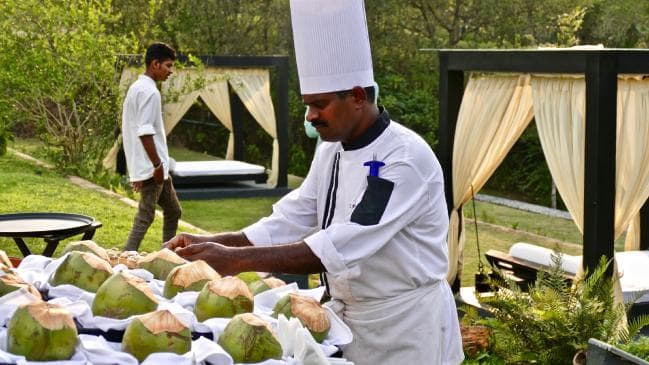
Coconut refreshment station at the end of a nature walk.
Kodava men often seek army careers. “If there are two sons, one will definitely be in the army,” Pradhan explains. “The other will be in sports. I am the only son, so my parents didn’t let me join the army. But I play hockey, for 15 years now.”
The cries of jungle fowl and yellow-throated bulbuls greet us as we emerge from a shola grove on to a grassy summit with a mesmerising sweep of highland scenery.
“What you are breathing is the purest oxygen, totally unpolluted,” he grins. I learn so much from Pradhan about life in Coorg (also known as Kodagu in post-colonial India), from the timing of the harvest calendar — cardamom in October, arabica coffee berries and rice in November-December, robusta berries in January, pepper in March — to the local diet of smoked boar meat and booze.
The Kodava are keen and resourceful drinkers, making wine out of everything from coffee to bird’s-eye chillies. “Without liquor and meat nothing happens in Coorg,” Pradhan assures me.
Privileged access and insights into local traditions are hallmarks of my 10-day, tailor-made swing through South India with Adventure World Travel. Even if I had been staying in the heart of Madikeri, I can’t imagine understanding the region as well as I do within the confines of the Taj resort.
Every aspect of the hotel is steeped in Coorgi culture, from ritual gudda baths of wood-heated local water rich in minerals and fragrant with lime leaves, to the seasonal and regional menus of executive chef Jose Thachil. Hel hails from neighbouring Kerala so is well versed in South India’s spice bounty of pepper, cloves, cardamom and kokum that has lured Roman, Greek and Arab traders to the Malabar Coast since ancient times. He prepares fish steamed in cardamom leaves and pork slow-braised in a cocktail of spices and laced with syrupy black kokum vinegar, a staple Kodava condiment so tart it makes the cheeks flinch.
On a nature walk through some of the resort’s 70ha green belt, Pradhan shares his ancestral knowledge of forest medicines.
Wild tobacco is used on the skin as a leech repellent during the monsoon. Peppercorns and basil are blended into a paste to “keep the throat clear”; Brahmi leaves are considered very good for children’s hair and memory. “If you eat one Brahmi leaf, one basil leaf and one neem leaf every morning, you will stay away from all the diseases,” he says.
There are thousands of wild elephants in these hills, though we see none. Leopards also prowl the highlands, and king cobras, the world’s largest venomous snake, come in XL sizes here. The biggest one discovered to date was 8m long.
A Malabar flying frog. Picture: Alamy
Above us, flying lizards, frogs and squirrels have adapted to life in the treetops. Frogs thrive in the annual six-month monsoon, from May to October. The Malabar gliding frog is just one of more than 40 species, which include dancing frogs and purple frogs. Mushrooms are abundant too, including a fluorescent green fungus that switches on and off like a light. Only four of the 400 types are edible and Kodava children are taught to tell them apart from an early age.
We trace the boundary of a sacred grove where a temple dedicated to the fearsome Kali, goddess of destruction, protects the wilderness from trespassers.
These devara kadu, or “forests of the gods”, were once common across India but succumbed gradually to agriculture and development. They persist in the south, particularly in Kerala and Coorg, where, says Pradhan, “we value the importance of the wildlife and forests because they give us food, oxygen and rainfall”. He opens my eyes to Coorg’s charmed surroundings. After dinners I sit outside my jungle house in the blackness as fireflies blink brightly all around me.
Insect orchestras with frog percussion sections serenade me to sleep each night. The sweet song of the Nilgiri coucal and the dirge of the tone-deaf Malabar whistling thrush wake me at sunrise.
On the last morning, bags packed and waiting for a jeep to collect me, I’m taking one last, deep draught of my surroundings when something crashes into the tangle of branches outside my windows. I step closer to see what it is and stand eye-to-eye with a Malabar pied hornbill. It looks as shocked as I do to find itself so close to such an exotic creature, and stays frozen in a bid to blend into its surroundings. This is not easy when you are a large black bird with an enormous yellow bill and casque, so we just stand there, staring at each other, in a fitting farewell to an adventure defined by unexpected wonders.
Kendall Hill was a guest of Adventure World Travel and Taj Madikeri Resort & Spa.
In the Know
Adventure World Travel tailors holidays, from flights to accommodation and experiences. Its 11-night South India itinerary from Chennai to Bangalore via Tanjore, Hyderabad, Bekal and Coorg includes stays at members of the luxury Taj Hotels group, breakfasts, internal flights, tours and activities, all transfers and sightseeing by minibus. From $7295 a person twin-share.
Singapore Airlines has excellent connections between eight Australian cities and South India, flying to Chennai, Bengaluru, Hyderabad and Kochi via Singapore.
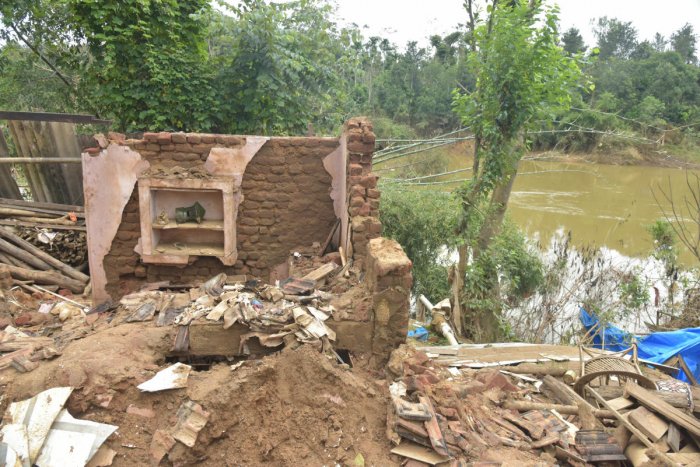
This collapsed house on the river bank at Karadikodu in Virajpet taluk of Kodagu districtis a tell-tale sign of disaster. A study by EMPRI shows that encroachment and construction activities in the 300-meter buffer zone on either side of the river pose a
The submergence of hundreds of houses on either side of Cauvery river in Virajpet taluk may only be the beginning of a major disaster in riparian states as destruction of river ecology and encroachment of buffer zones have made the region vulnerable to climate change.
Entire villages have washed up within 100 meters from the river basin, with the distance between the house and the river reduced to about 10 feet at Bethri, Karadigodu, Guhya and Kondangeri. As flood survivors complained about the damage, Cauvery flowed quietly, taking the rejects from the houses pushed into its basin.
A study by Environment Management and Policy Research Institute (EMPRI) submitted to the government last year shows that the encroachment and construction activities in the 300-meter buffer zone on either side of the river poses a serious threat to both the river and people dependent on it.
To analyse land use, the study relied on satellite data, census maps which were verified with GPS-based data from the ground. Tracking change in land use and land cover along the buffer zone in Karnataka, experts saw that the built-up area alone increased by 941.05 acres between 2003-04 and 2014-15. “Built-up (rural area) expanded by 77% and built-up (urban area) expanded by 31%. This is identified as prominent change. In Kodagu, the total built-up area along the buffer zone jumped from 3% to 8%,” the study says.
Principal Chief Conservator of Forests (EWPRT) Ritu Kakkaar, who headed the working group that conducted the study, said the absence of a law to monitor the buffer zones should be rectified. “The 300-meter standard buffer zone should be monitored constantly. Any development activities in that area should be restricted and sand mining should be stopped immediately. These are major reasons contributing to floods,” she said.
There are 260 villages, 168 in upper Cauvery sub-basin and 192 in mid sub-basin and some, as seen in Virajpet, have come up within 100 meters of the river. Besides encroaching the buffer zones, the human activity has also eroded the river ecology.
The study has also raised concerns over the lack of coordination in monitoring water quality of the river. While the water quality data by Central Pollution Control Board revealed that 24.6% of Cauvery river stretch in Karnataka has been polluted and is unfit to drink without proper treatment, the Karnataka State Pollution Control Board data put the water quality at Class C (fit for drinking) for years. The central body’s number puts the water in Class E category.
Worryingly arsenic, chromium, copper, cadmium, zinc and lead were found in river water and the study attributed this to the human activities through industrial effluents, sewage and automobile wastes.
Minister S Suresh Kumar said he has already proposed shifting of the flood-hit villages located on river banks. “I have urged the zilla and town panchayats to pass a resolution to shift them to alternative houses in safe zones, instead of awarding compensation. Ultimately, people have to be taken into confidence,” he said.
The minister said he has told district officials to stop the flow of raw sewage into the river in Kushalnagar and set up a treatment plant at the earliest.
source: http://www.deccanherald.com / Deccan Herald / Home> State / by Chiranjeevi Kulkarni / DH News Service / Virajpet (Kodagu District) / August 23rd, 2019
WELCOME. If you like what you see "SUBSCRIBE via EMAIL" to receive FREE regular UPDATES.
Read More »