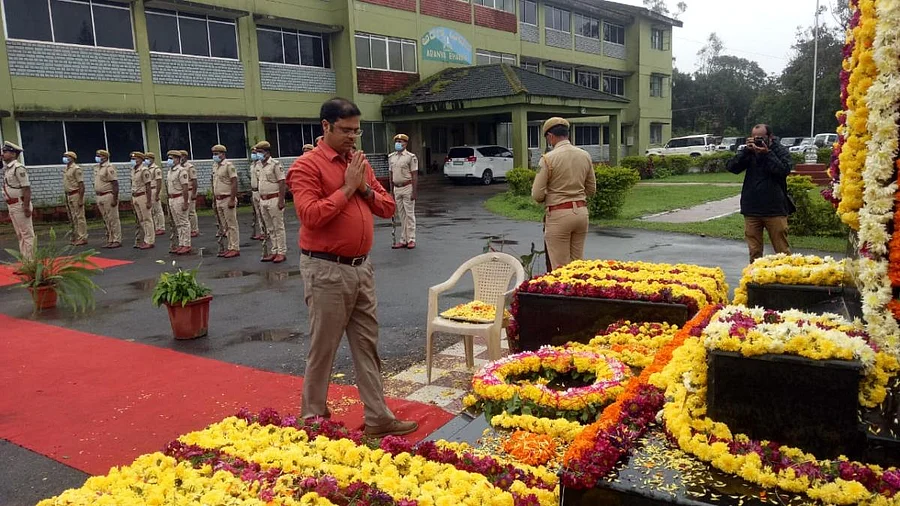
National Forest Martyrs Day was observed on Saturday by placing a wreath near the memorial in Aranya Bhavana in Madikeri.
National Forest Martyrs Day was observed at Aranya Bhavana in Madikeri; the sacrifices of forest staff were remembered.
September 11 is observed as National Forest Martyrs Day.
As many as 363 people from the Bishnoi community opposed the felling of trees in the Khejarli region. The trees were felled for a new palace to be built for Maharaja Abhay Singh of Jodhpur.
A total of 363 Bishnoi people were killed by the soldiers on September 11 in 1730. The Central Government, considering the sacrifice of the Bishnoi community, declared them as martyrs and announced September 11 as National Forest Martyrs Day.
Four martyrs from the district were remembered on the occasion.
Officials said that the forest personnel sacrifice their lives while safeguarding forest and wild animals. There is a need to conserve natural resources and wild animals for future generations.
Kodagu Circle Conservator of Forest Takhat Singh Ranawat, Madikeri DCF A T Poovaiah and others were present.
source: http://www.deccanherald.com / Deccan Herald / Home> India> Karnataka / by DHNS / September 12th, 2021
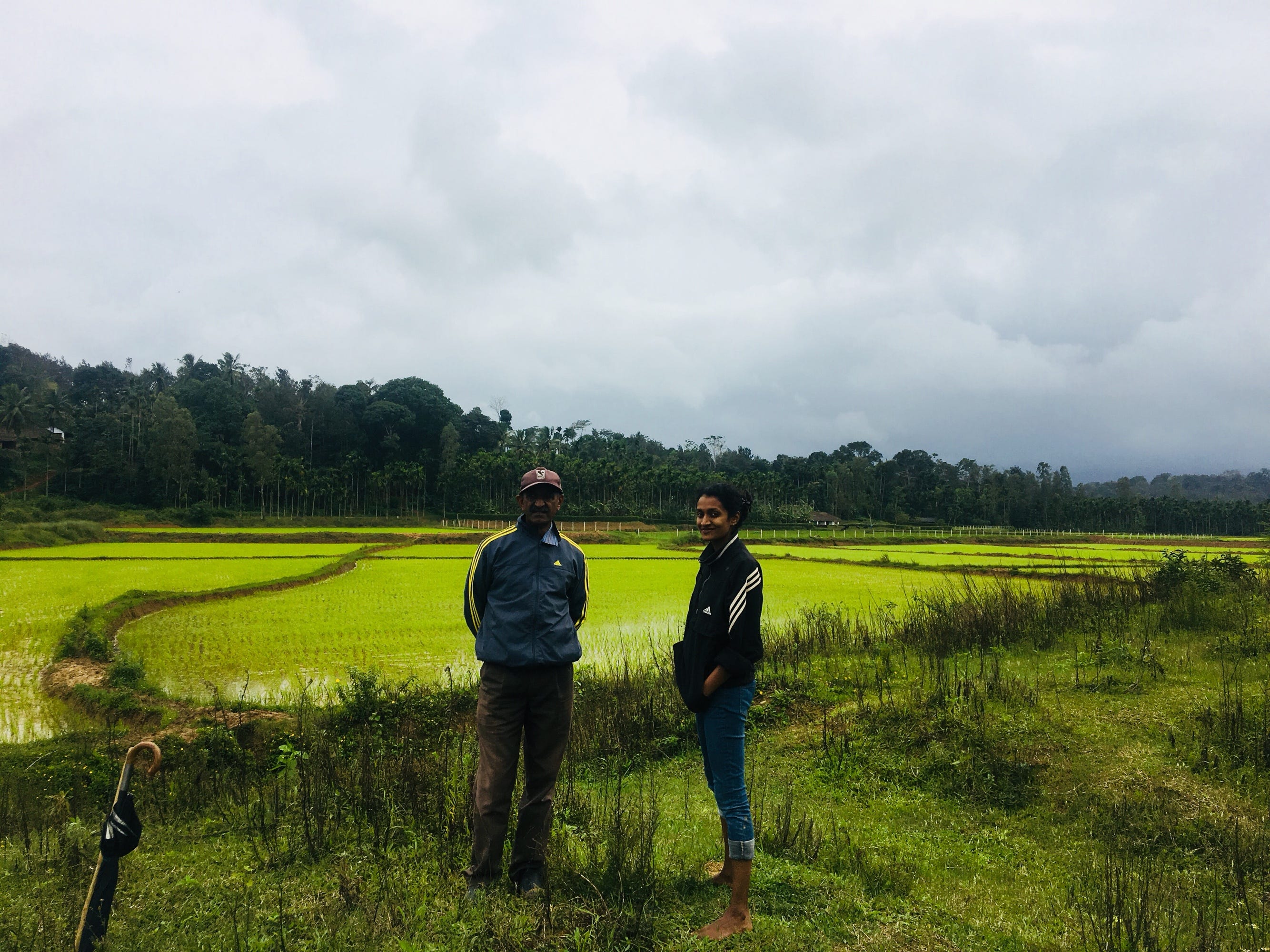
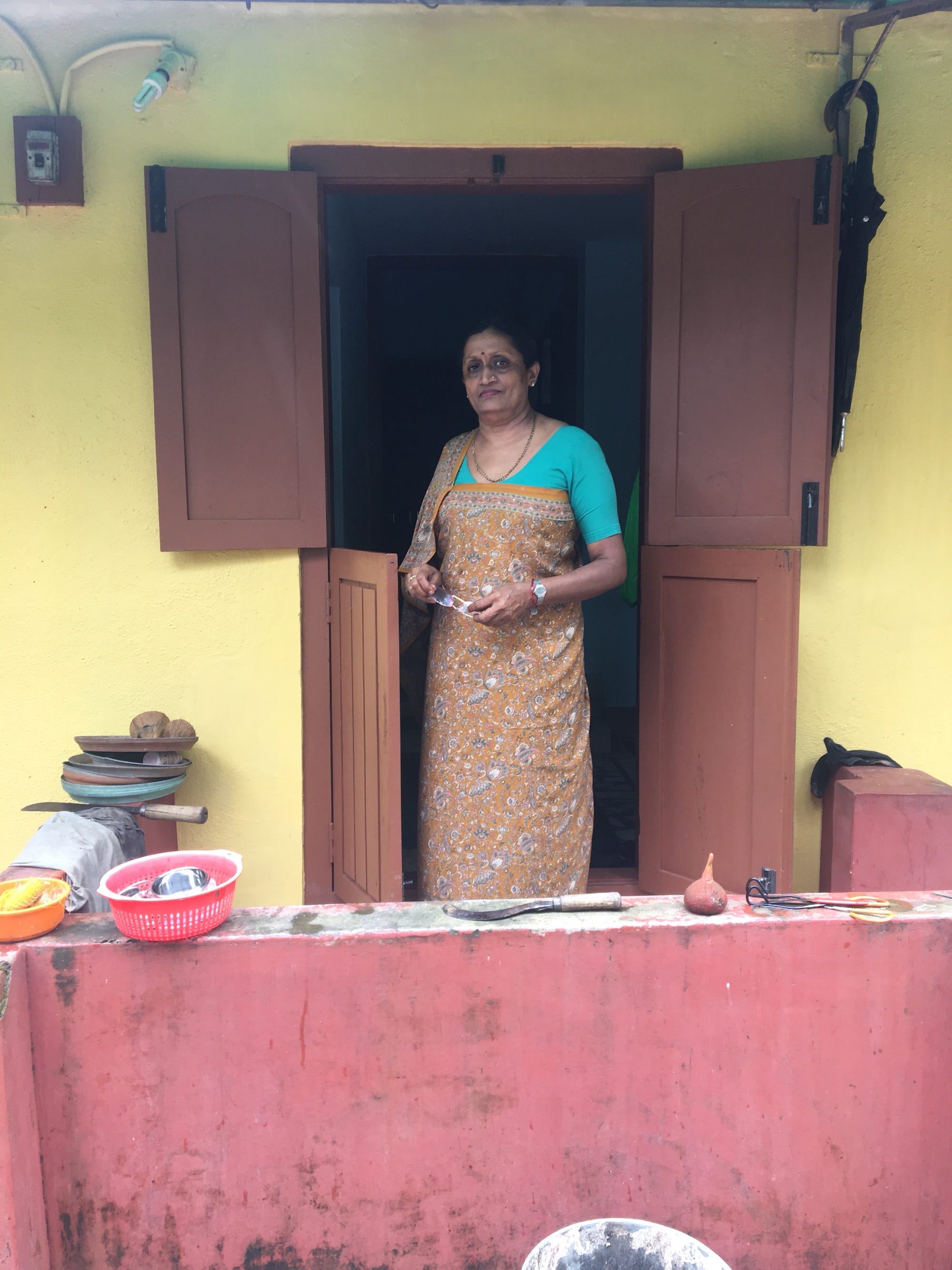
Kechamada Uthapa and his daughter Pooja taking me on a tour of his paddy land.Mrs Uthappa in their home in Kutta, Coorg.
Two weeks before the devastating rainfall that destroyed large parts of Coorg, I had the privilege of spending a few days with Mr Kechamada Uthappa, and his family. Mr Uthappa, who lives in the Kutta region of Coorg, is one of the few planters who still grows paddy. A little known fact is that paddy is the traditional crop of Coorg and not coffee, that it is now famous for.
After an interesting conversation with his daughter Pooja, an environmental engineer, I learned that paddy cultivation actually helps with rejuvenating the river. So I made way up to Coorg to see this for myself. While I did learn about how this happens, it was the warmth from Mr Uthappa, with his wry sense of Kodava humour, incredible energy at 67, infinite patience in answering my questions, his wife who gently guides the whole household and his daughter, who is a true a daughter of the soil, gave me an incredibly real and fulfilling experience in this ‘digital world’, it honestly made me happy.
After meeting them, I have come to believe that, If geography is destiny, then the people of Coorg are the guardians of River Cauvery.
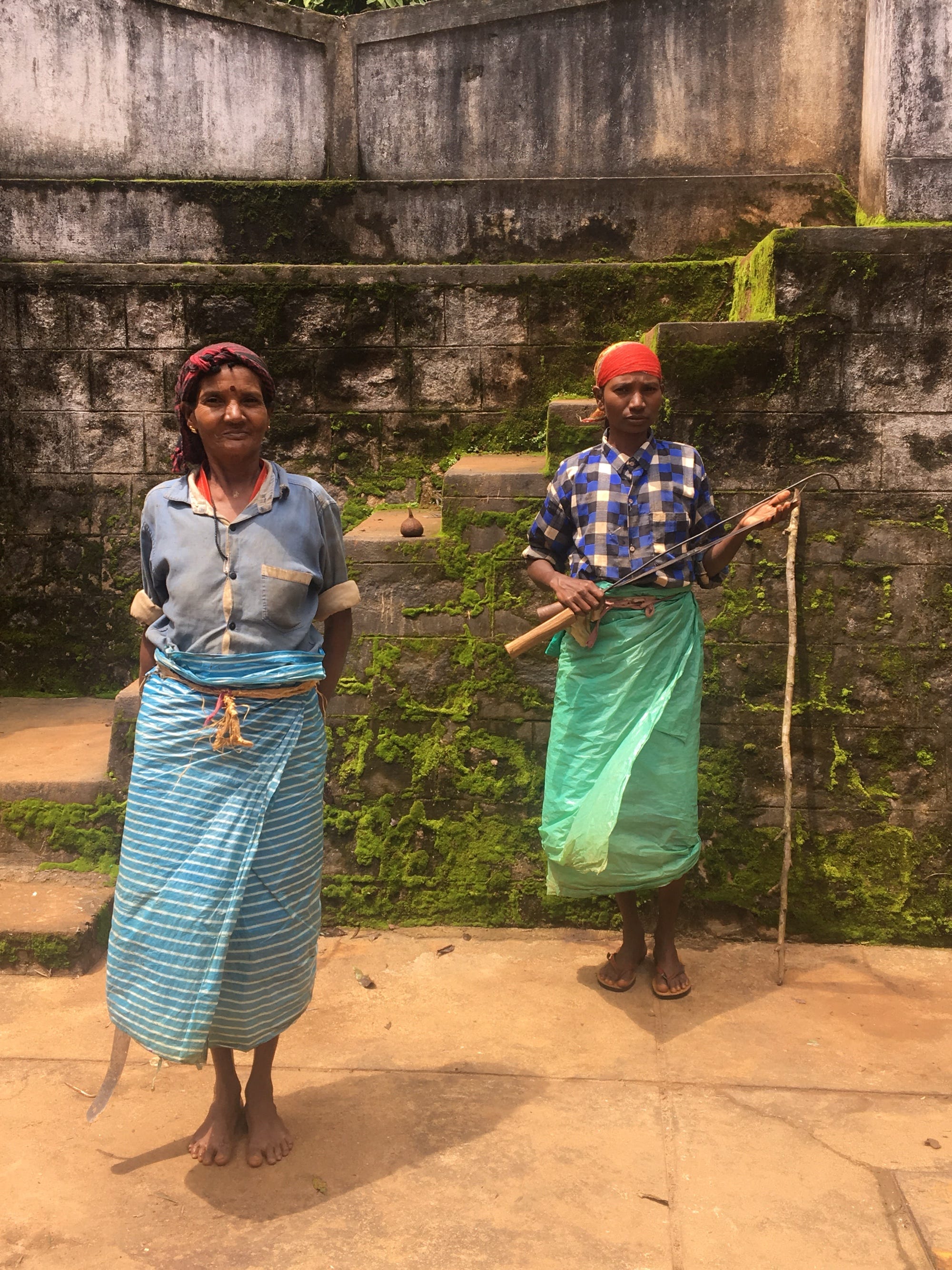
Paddy plantation Women who work in the fields and estate, totally impressive.Women who work in the fields and estate, totally impressive.
In the old days the land was seen as a boon from the Goddess Cauvery and the land belonged to her. They celebrated the river and did everything in their power to care for her. To them it was ‘Cauverammas Bhoomi’.
‘Naati Pani’or paddy cultivation is what deeply connected the people of Coorg to their land and River Cauvery. It was also the most exciting time of the year, with every one coming together, it was almost like a celebration of the river itself. Owners used to plough the land themselves and shared a close relationship with the workers. Everyone would sing songs of the Cauvery to make their work light. They valued the river because she provided for them. They worked hard for their food and rice was a staple in their diets – think akki ottis and kadambuttus. Rice is not something they ordered online, unlike our generation who have a very transactional relationship with food.
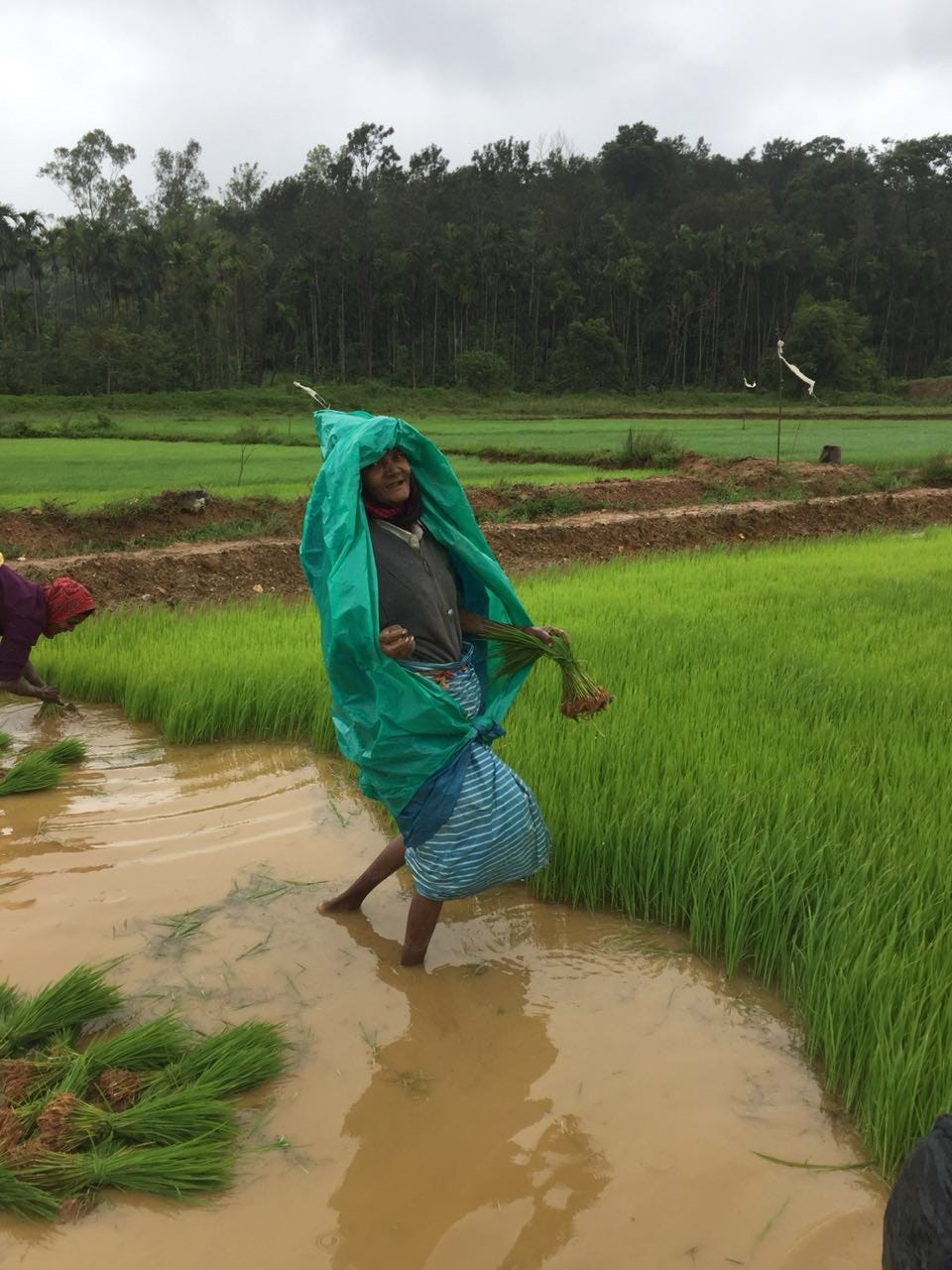
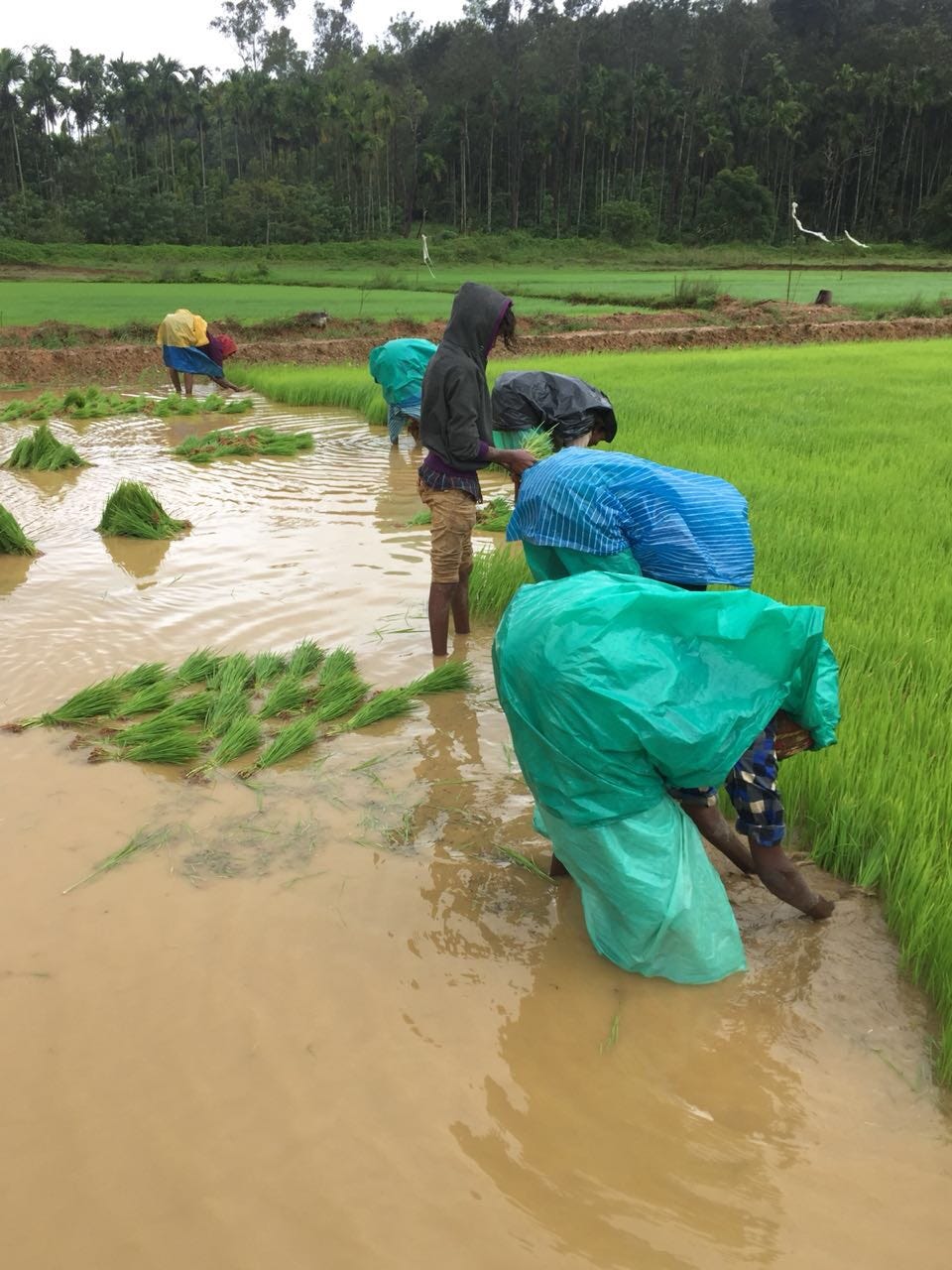
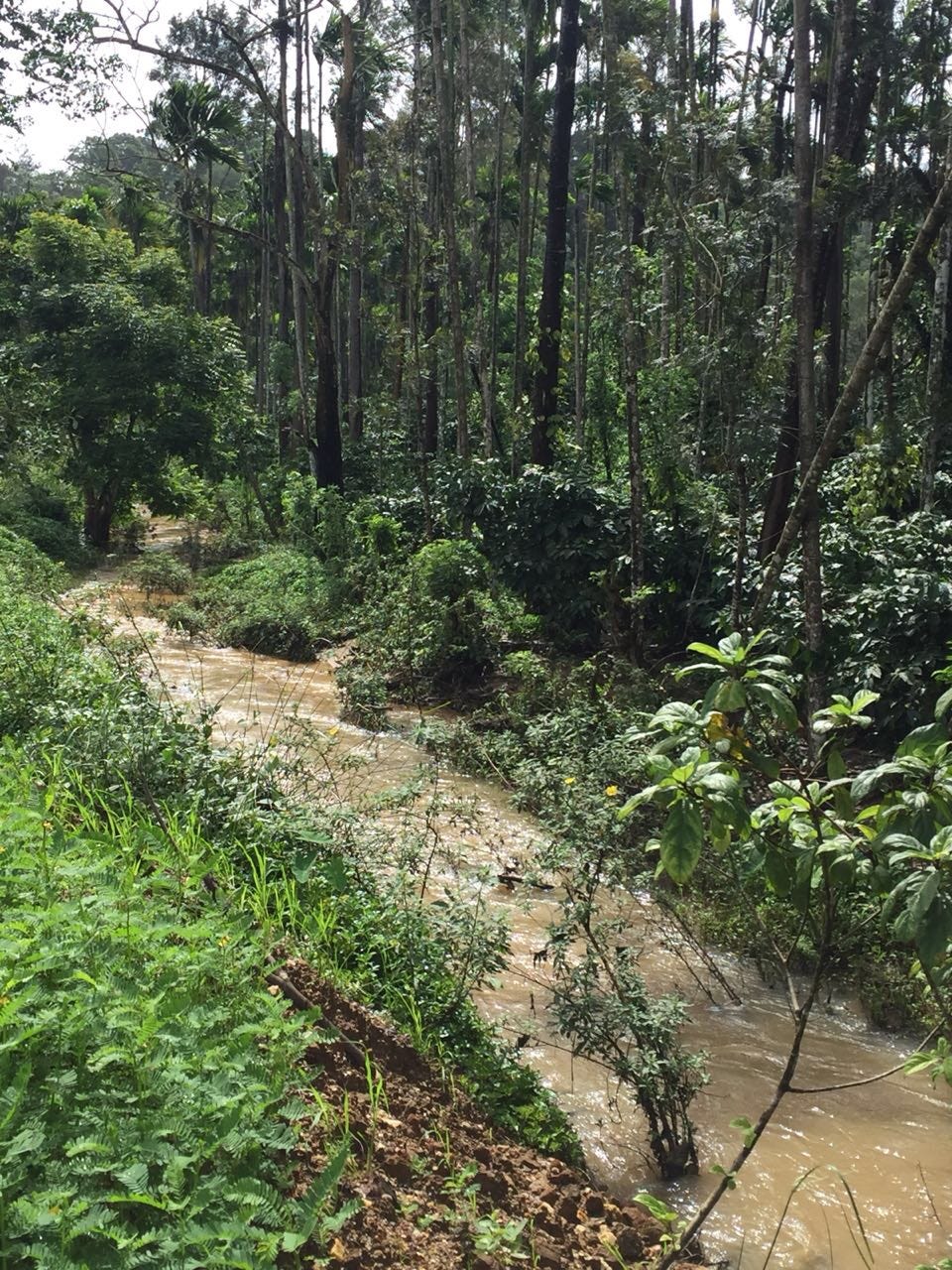
Workers planting PaddyStream going back into the Lakshman Tirtha
‘Naati pani’ requires a lot of work and patience. Infact, Mr Uthappa says that it requires ‘Aar-Ambu’ or 6 arrows – fertile land, cattle, workers, rain, seeds and implements. The relationship with ‘Naati’ is also very intrinsic with water – The rain feeds the fields and the fields feed the river and recharge the ground water. Most planters today have even built large tanks to harvest rain water.
The land is divided into multiple fields and work begins in the cold wet monsoons and ends six months later. Mr Uthappa remembers how his grand mother would wake them up at 4 am to begin paddy work in the fields – she would ensure there was enough food and drink for everyone including the labourers.
pix04
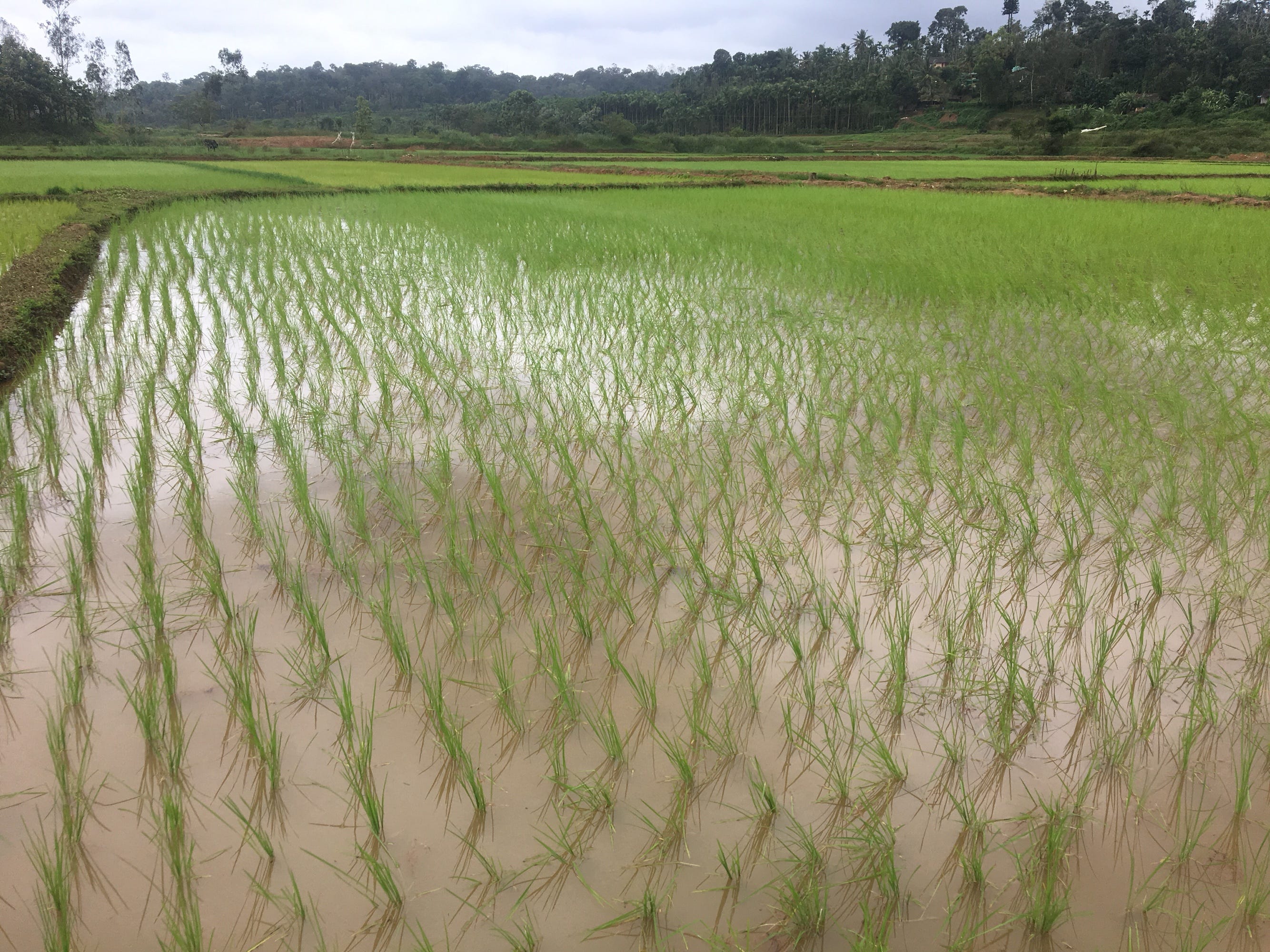
The paddy land is usually dived into Baleya theva – the biggest field, the Yaka – the sowing field which was slightly elevated so that it could retain water and was always situated closest to the stream, Chali or the central field allowed for the flow of water and Podup which is clay soil that has spring like properties and the Pada butta bel or fallow land.
Each of these fields is fed by rain water and controlled by shallow streams which is then fed back into the river. Mr Uthappas fields feed back into the Lakshman tirtha, a tributary of the Cauvery. Most of the knowledge and traditions and even geographical understanding on what should be grown is passed down orally and Mr Uthappa is hopeful that today, even though most of them don’t encourage their children to work in the fields there will be a time when everyone will come back to their roots.
The end of ‘Naati pani’ is celebrated with Kail-Podh. In keeping with their martial traditions all the implements would be polished, decorated with the ‘Thok-poo’ (which is now available only in the ‘Devara Kadus’ or Sacred forest groves maintained by each village). It was also a time where they could enjoy a break from their hard labour of ‘Naati pani’ and food, song and folk dancing would be indulged in.
Unfortunately, today most of the paddy fields are being left fallow or being converted into ‘holiday home sites’, reducing the ground water levels, changing the culture and even the food habits. The koile meen (fish commonly found in paddy fields), local rice varieties like Doddi and Boliya are fast disappearing. Reality is that rice is now being bought by the Karnataka government from Andhra Pradesh (where incidentally I am from).
It hit home when Mr Uthappa, told me of a kodava saying, “if you want to ruin a man you don’t need black magic, all you have to do is ask him to replace paddy for coffee or other crops and the land will run dry.” It makes you think if you would still be able to relish your cup of ‘bella coffee’ if there was no paddy planted in Coorg?
So as you celebrate Kail-Podh this year with Pandhi curry and Kadambuttus, or have ever visited Coorg and enjoyed her hospitality, remember that you are the guardian of River Cauvery and send out a special thought to all that she has provided.
Follow our series about the #CultureOfWater @SaveRiverCauvery on Facebook, Twitter and Instagram.
source: http://www.medium.com / Medium.com / Home / by Rohita R Madappa / September 02nd, 2018
Growers of coffee and pepper, the key commercial crops in the district, may land in trouble, if the situation continues.
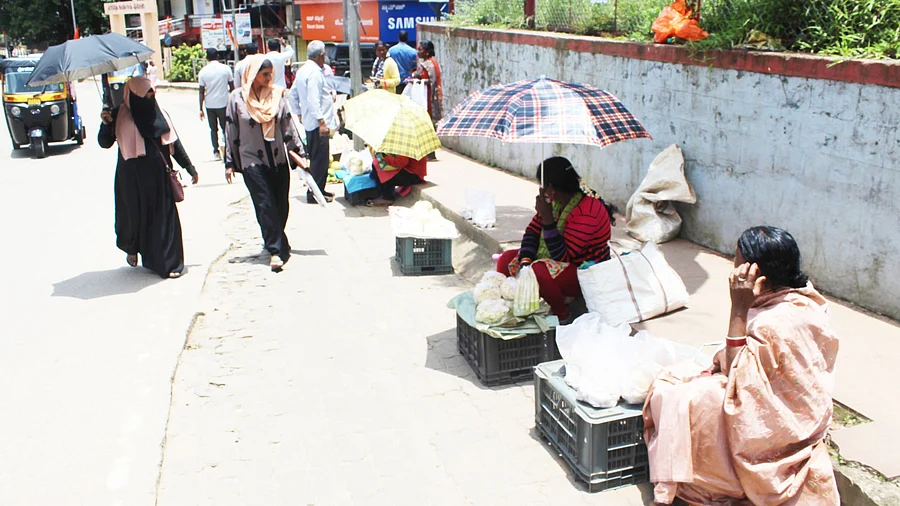
People and street vendors use umbrellas to protect themselves from the scorching sun in Madikeri, an unusual scene in August. Credit: DH Photo
In monsoon every year, Kodagu is among the districts to receive the highest rainfall in the state. But this year, except for a few days in July, the rains have played hide and seek here.
The situation is best captured in the maximum temperature of 30º Celsius recorded in Kodagu district on August 11, creating panic among people, especially agriculturists.
Usually, August is a wet month for the district. The rains bring down the temperature to less than 25º Celsius. However, this time, the rains are conspicuous by their absence, pushing up the mercury levels. The 30º Celsius recorded in August this year is the highest in the last five years.
It is common sight for people to sport umbrellas for protection when the skies open up. But umbrellas are out for an unusual reason in the district these days, protection from the hot sun.
Coffee & pepper
It is now common talk in the district that growers of coffee and pepper, the key commercial crops in the district, may land in trouble, if the situation continues. There has been no rain in the first 15 days of August. This month, there is a 81% shortage of rains.
Instead of the normal of 31 cm rain, there was only 5 cm rain. In the current monsoon, the district is facing a 42% deficit in rainfall.
Coffee grower Harish Madappa from Srimangala said the Lakshmanateertha river was not even half full.
Drinking water
In previous years, there would usually be floods in the river. The situation is so dreary this time that there could even be a shortage for drinking water, he said.
Agriculture department joint director Shabana M Sheikh said that only 40% transplantation of paddy has been undertaken in the district this year. The crops will be affected, if there are no rains in the near future, she said. Krishi Vigyan Kendra weather expert Chengappa said the monsoon clouds are weak as of now. There is no possibility of heavy rain in the next five days, he said.
Special prayers
The Akhila Kodava Samaja has planned to offer special prayers at the Padi Iggutappa temple on August 17 for rains. The Samaja’s youth wing president Chammatira Pravin Uttappa said this was the first time he had seen prayers being offered for rains in the month of August.
source: http://www.deccanherald.com / Deccan Herald / Home> India> Karnataka / by K S Girish / August 17th, 2023
Coorg, known as the Scotland of India, experiences a surge in tourism post-monsoon due to heavy rainfall. The Chiklihole Dam, famous for its half-moon shape and serene water flow, attracts thousands of tourists. Accessible from Madikeri, tourists can enjoy the beauty of Coorg’s waterfalls like Abbifalls and Mallalli Falls.
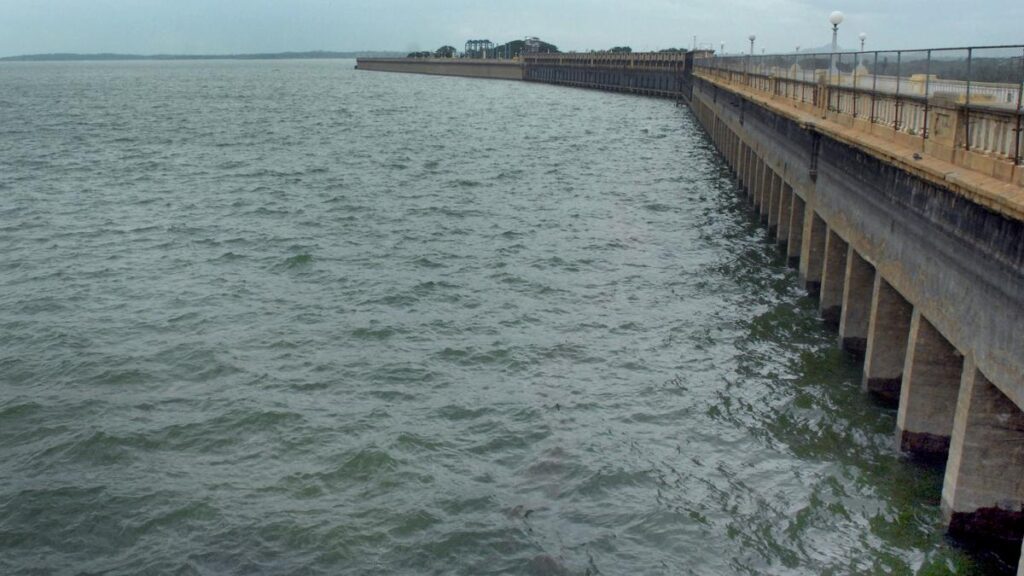
The Scotland of India has been blooming with tourists, with a surge in rainfall. Coorg sees a spike in tourism, post the monsoon season begins. With a hefty rainfall, the city has been spiking with tourism. The CHiklihole dam in the Kushalnagara of Coorg district has raised to fame with its beautiful half-moon shape, tagging along with the name ‘mini-Niagara’.
Though a dam, the water flows along a half-moon shape in the dam and attracts visitors. Each and every tourist place in Coorg resides with silence and quietness. The water flow along the reservoir is very peaceful, besides the noise created by the tourists and the birds chirping along the dam.
The Chiklihole Dam fills up every monsoon, and the dam attracts thousands of tourists every year. Tourists from far away places come to see this beautiful water flow in the dam.
How to reach?
Chiklihole Dam is about 26km from the district place Madikeri. There are no bus facilities, however, one can travel to Suntikoppa in their own vehicle and later Book an auto or a jeep until the dam. This dam is constructed in the Meenukolli reserved forest and provides water to the villages of Kushalnagara and Piriyapattana.
The breeze along the bridge beside the dam will make you dance to the waves of the dam. Meanwhile, the dam fills up during monsoon and calls the visitors.
Tourists can also consider visiting Abbifalls, Abhyat Mangala Falls, Mallalli Falls and Iruppu Falls in the surrounding. Coorg always lives up to its name – Scotland of India, be it during the monsoon and summer.
A file photo of the Krishnaraja Sagar in Mandya district.
The water level in the Krishnaraja Sagar (KRS) across the Cauvery breached the 100-ft mark on Tuesday morning and attained 102.35 ft by night owing to heavy rain in the catchment area of the river for the last few days. Meanwhile, water level in the Kabini reservoir in H.D. Kote taluk of Mysuru district is nearing the full reservoir level.
The southwest monsoon, which was weak in Kodagu during June and a greater part of July, gained traction during the last few days consequent to which heavy to very heavy rain lashed the district, bridging the deficient significantly.
This also helped increase the volume of the inflow and enabled the KRS to cross the 100-ft mark, which seemed unlikely till a few days ago. The reservoir level was 91.24 ft on Saturday.
While the reservoir level has crossed the 100-ft mark as against the full reservoir level of 124.8 ft, the live storage in the dam increased from 16.69 tmcft on Saturday to 22.81 tmcft on Tuesday, an increase in the storage by 6.12 tmcft in less than three days. But it is pertinent to note that this is only 46% of the dam’s gross capacity of 49.45 tmcft.
Inflow and outflow
The inflow was at the rate of 48,025 cusecs on Tuesday morning and increased to 49,280 cusecs at night, according to the Karnataka State Natural Disaster Monitoring Centre (KSNDMC) and the outflow was at 5,449 cusecs. The current trend of increased inflow into the KRS may last so long as Kodagu receives copious rain coupled with an increase in the discharge from the Harangi where the outflow was hovering around the rate of 30,000 cusecs on Monday, dropped to 20,000 cusecs on Tuesday afternoon and further declined to 13,000 cusecs by evening.
The forecast
The ICAR-Krishi Vigyan Kendra at Gonikoappal, which is the District Agro Meteorological Unit of Kodagu, has forecast rainfall from 41.6 mm in Somwarpet to 60.9 mm in Madikeri and 59.9 mm in Virajpet, on Wednesday. But from Thursday onwards, the forecast indicates that the rain will abate and the three taluks are expected to receive between 8.7 mm and 14.7 mm rainfall on Thursday and 1.5 mm and 3.1 mm on Friday with a further decline by Saturday. Consequently, the rate of inflow into the Harangi and the KRS in the downstream will also abate.
Kabini nearing FRL
The Kabini reservoir at Beechanahalli in H.D. Kote taluk of Mysuru district is inching closer to attaining the full reservoir level of 2,284 feet.
This is due to heavy inflow consequent to rain in the catchment area of the river in Wayanad, Kerala, in the upstream region. The rate of inflow was 25,485 cusecs and the water level was 2,281.27 ft on Tuesday. The authorities have announced that the outflow from the dam was stepped up from the rate of 15,000 cusecs to 20,000 cusecs and said the Bidarahalli bridge could be partially submerged.
Kabini is the first reservoir that tends to get filled up as early as late June or in the first week of July during monsoon but this year scanty rain resulted in poor inflow into the reservoir. The gross storage capacity of the reservoir is 19.52 tmcft against which the live storage on Tuesday was 17.79 tmc ft.
source: http://www.thehindu.com / The Hindu / Home> News> India> Karnataka / byThe Hindu Bureau / July 25th, 2023
Helps Forest Officers effectively plan operationsand drive pachyderms back into jungle.
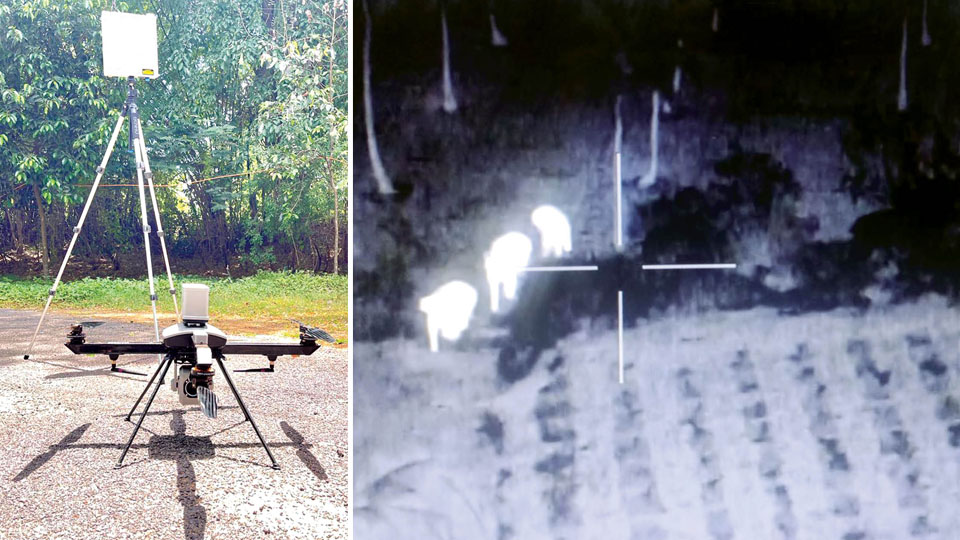
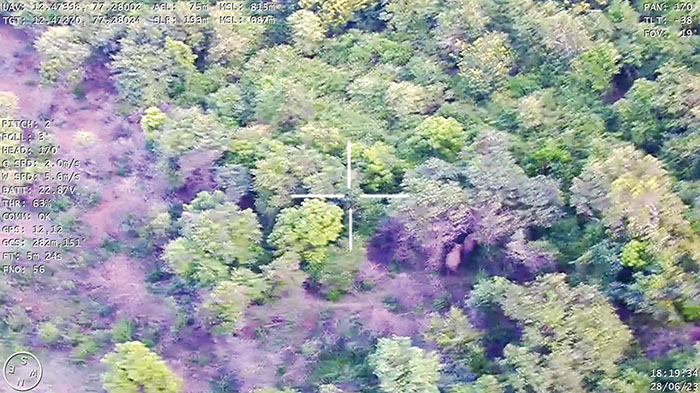
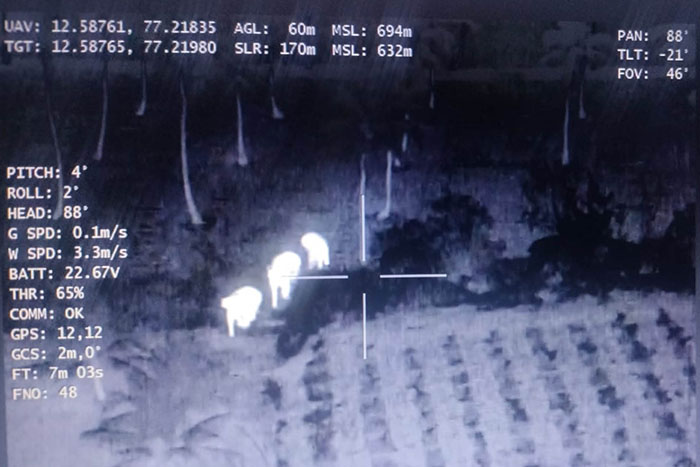
Amid the rise in the human-elephant conflict in some forested pockets of Kodagu along the Nagarahole Tiger Reserve, the Forest Department has deployed a hi-tech thermal drone to keep track of daytime and nocturnal movements of wild elephants inside forest ranges and human habitats.
The drone technology was first used in Nagarahole to control forest fires and now, there are three such drones there. However, a need was felt to acquire a thermal drone due to the increasing human-elephant conflict.
Sources said while managing the human-elephant conflict, the safety of elephants and also humans has been a major concern for the Forest Department and the wildlife activists as deaths of animals are being frequently reported from various parts of the district as they come into contact with live electricity wires.
Due to the need, one thermal drone was brought to Nagarahole in January this year at a cost of Rs. 25 lakh. Monitoring the movement of the elephants has always been a challenge for the Department amid several limitations.
“Now we have been using a thermal drone and it detects live objects through their body temperature and those get flashed on the computer screen. It gives us a proper count of a herd and the number of calves,” Nagarahole Tiger Reserve Director Harshakumar Chikkanaragund told Star of Mysore.
The drone can also be used to drive the elephant herd away from a potential danger area as its location can be pinpointed. The drones are not only helping the staff determine the herd composition and drive them in a desirable direction but also prevent casualties.
Heat signatures of living species
Unlike drones with normal cameras that rely on light signals to capture images, thermal drone cameras pick up heat signatures of living species in motion. This makes thermal drones ideal for deployment after sunset, complementing the use of normal drones during daylight hours.
“By accurately detecting herd movements, determining their composition and tracking elephant directions, objective decisions can be made for deploying elephant squads. Thermal drone cameras have become an invaluable asset for night-time operations. They enhance situational awareness, ensuring efficient management of wild elephant movements and mitigating potential conflicts,” Harshakumar added.
According to Deputy Range Forest Officer (DRFO) Yogeshwari Desai, who has been trained to use the thermal drone, the machine has a 2-km range and can fly 400 metres above the surface. It has a powerful thermal sensor and night vision ‘positive image’ technology cameras. It is convenient to use and the exact location can be ascertained. If one has to do physical combing even for a 2-km range, a lot of manpower and equipment is needed,” she explained.
Easy navigation inside woods
The camera on the drone operates based on the location information obtained via GPS, enabling easy navigation of the elephants’ whereabouts. Additionally, the drones produce minimal noise, allowing the staff to monitor animals such as elephants, tigers and other wildlife without causing any disturbance
During the night, the thermal drones conduct operations using radar, ensuring that local residents are not inconvenienced. Once the specific location of the elephants is identified, the information is sent to the Task Force and the teams proceed to drive the elephants back into the forest.
It also becomes easy to spot the origin of forest fire and extinguishers can be rushed to the place, she said. The drone has a backup of 40 minutes and after that, the battery must be charged. The drone has three batteries.
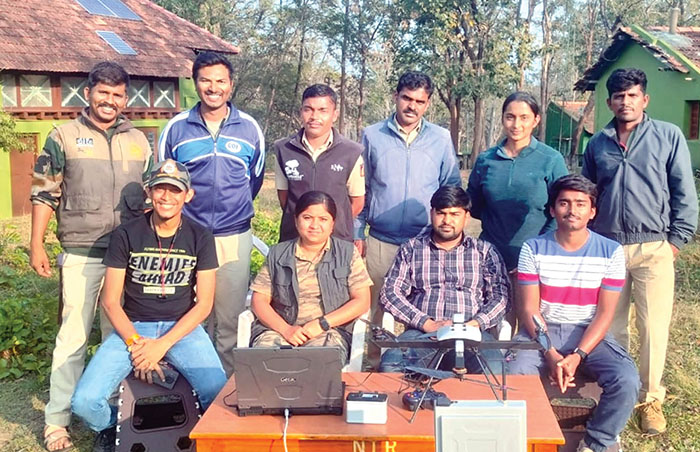
The team that has been trained to operate thermal drone at Nagarahole.
Trained team
Before the drone was deployed, a New Delhi-based team trained eight operators at Nagarahole. They are DRFO Jyothi Kumar and Forest Guard Sunil Nellebidu (Antharasanthe), DRFO B.B. Mahesh Kumar (D.B. Kuppe), DRFO Chethan Kumar Kolur (Nagarahole), DRFO Yogeshwari Desai (Anechowkur), DRFOs K.K. Arpitha and H.N. Madhuprasad (Hunsur) and Forest Guard Basavaraju (Veeranahosahalli).
The operators were trained for six days at Dammanakatte, Veeranahosahalli and Moorkal ranges that abut human habitats. The Nagarahole Director further said that they will seek aid from wildlife-related organisations, NGOs and firms to sponsor more such thermal drones for effective management of conflict zones.
source: http://www.starofmysore.com / Star of Mysore / Home> Feature Articles, Top Stories /July 18th, 2023
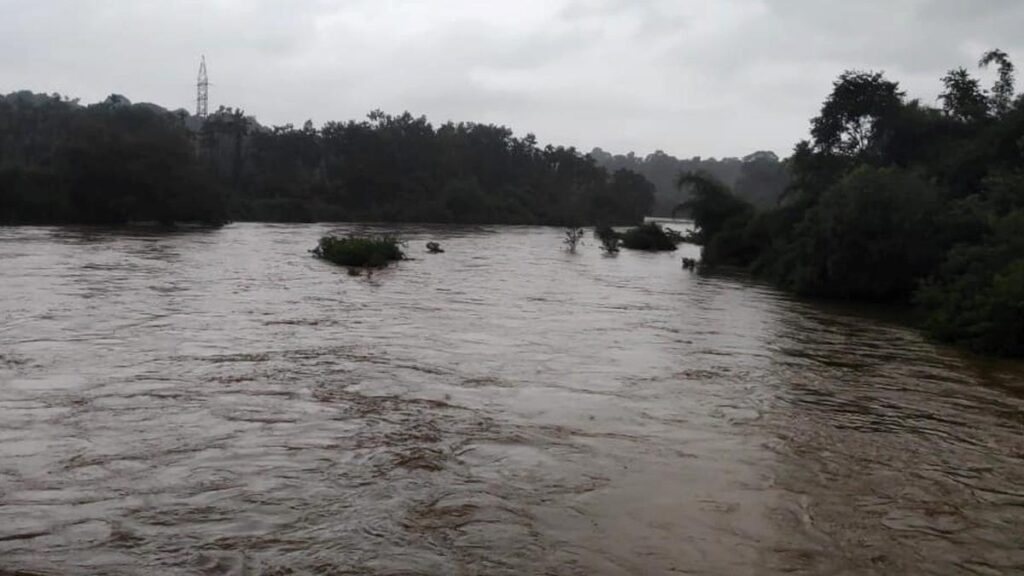
The Cauvery near Betri in Kodagu district brimming with water due to heavy rains on Thursday. | Photo Credit: SPECIAL ARRANGEMENT
All schools and anganwadis in Kodagu will remain closed on Friday as a precautionary measure in view of the incessant rains across the district.
A communique was issued by Deputy Commissioner of Kodagu Venkat Raja. Meanwhile, the India Meteorological Department (IMD) said monsoon was vigorous and active over south interior Karnataka with very heavy rainfall of 120 mm reported in Bhagamandala during the 24-hour period ending 8.30 a.m. on Thursday.
The IMD has forecast heavy rains at isolated places over Shivamogga, Chikkamagaluru, Hassan, and Kodagu district on July 7 and 8.
Though the monsoon progression into Kodagu has been slow, the last 72 hours has shown some traction with moderate to heavy rains in the Cauvery catchment areas.
The cumulative rainfall since the advent of South West Monsoon since June 1 till date is below normal in Kodagu (-79%), Mysuru (-40%), Mandya (-23%), Hassan (-63%), and Chamarajanagar (-32%).
But the 24-hour period ending at 8.30 a.m. on Thursday saw Kodagu registering 58.12 mm of rainfall and this has been the trend since the past few days shoring up hopes of monsoon gaining vigour.
Apart from Bhagamandala (120 mm), heavy rains were also recorded at Sampaje (98.5 mm), Shantalli (100 mm), Madikeri Kasaba (54.20 mm), Napoklu (76.40 mm), Virajpet (68.4 mm), Hudikeri (53.3 mm), Srimangala (59.4 mm), Ponnampet (50 mm), and Ammathi (50 mm). Rains have also lashed other places like Suntikoppa, Kushalnagar, and Kodlipet.
The inflow into the Harangi reservoir was at the rate of 1,557 cusecs and the inflow is expected to increase owing to the current spell of rains in the next few days.
However, the cumulative rainfall since the advent of south west monsoon from June 1 till date is below normal in Kodagu (-79%), Mysuru (-40%), Mandya (-23%), Hassan (-63%), and Chamarajanagar (-32%).
source: http://www.thehindu.com / The Hindu / Home> News> India> Karnataka / by The Hindu Bureau / July 06th, 2023
Bandadka village in Coorg, known as the Scotland of India, faces challenges during the rainy season. Lack of road connectivity, proper bridge, electricity, and necessities affect villagers. Despite requests, the authorities have not provided adequate facilities, putting lives at risk.
Coorg is known as the Scotland of India. It shines with lush green vegetation, numerous waterfalls and rich culture. However, during the rainy season – the lack of basic necessities in the villages comes to the fore. One such unfortunate village is the Bandadka village of Sampaje taluk.
The village has no road connectivity to the city. Every rainfall disrupts their peace. Agony takes over as the flow of the river is alarming. The local panchayat has not yet been able to provide the village with a proper bridge.
‘Jeevanadi’ going dry: Coorg suffers in tourism
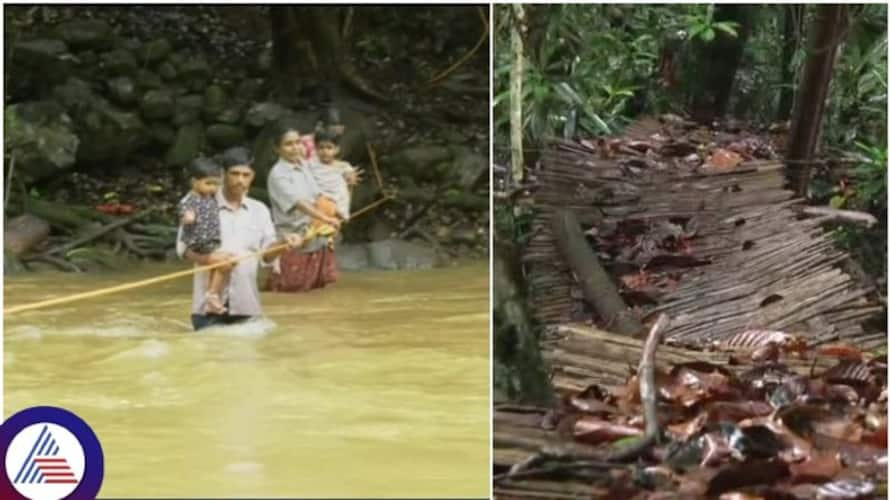
During rainfall, it is risky to cross the Payashwini river, which flows along NH275. If one wants to reach the village, crossing the river while holding on to a rope is mandatory.
The villager’s lack of electricity, road connectivity, and even the link bridge connecting them to the taluk is breathing its last. Surprisingly, even after 75 years of Independence, there are such villages in the state, especially in the tourist hotspot of Coorg, which lack the necessities.
The link bridge connecting the village and outskirts is ready to set sail if the people set their foot on it. There are five families in the village. Three of them comprise of old-aged people who are leading their lives in danger. The river flow during summer is very low, so the villagers’ daily life is not disrupted. Only during the rainy season do they undergo an adventurous river crossing every day. The Payashwini river, called the Chandragiri river, flows across Sullia, Jalsoor, Chengala and Kasargod.
Karnataka: Expect rainfall within 24 hours; ‘Orange’ alert for the coasts
The Panchayat used to construct a small bridge for the villagers once in 3-4 years. This year, the one constructed last time is on the verge of collapsing into the river.
For medication, villagers must walk 2.5 km through the wild forest, which elephants and leopards inhabit. They should walk through the small dam and reach NH 275 for transport. The villagers complain that even after requesting the ministers, Panchayat and District administration to provide them with the facilities, no one seems to care.
source: http://www.newsable.asianetnews.com / Asianet News Able / Home> English News> India News / by Vijaykumar Patil / July 04t, 2023
While 70% of saplings are that of native trees, 30% are crops that have some economic value.
Picture for representational purpose only | (Pic: Express)
The College of Forestry at Ponnampet, in collaboration with Sucden India, is involved in an afforestation drive across Kodagu. The initiative called the Sustain Landscape Project involves the distribution of native varieties of tree saplings among farmers.
Plans are afoot to plant them across sacred groves in the district.
Kari Mara (Diospyros ebenum), ‘Karadimara (Chukrasia tabularis), Dhoopa mara (Vateria indica), Kari Dhoopa (Canarium strictum) to name a few, are native trees that once dotted the Kodagu landscape.
Older generations are familiar with the tree species but these are alien to the present generation. The increased demand for wood and medicines along with galloping urbanisation has led to plummeting of the native trees. To revive the trees, Ponnampet Forestry with support from Sucden India this sustainable plan was devised.
“Community forestry is being promoted through the project with seedlings of the native trees being distributed to the farmers of the district. We have been conducting this initiative for the last three years. Final-year students of the college look after the seedlings of the native trees and a few economic crops, under the experiential learning model. The students receive stipends from Sucden and the seedlings raised in the college nursery are then distributed to farmers,” said K Nanaiah, assistant professor of the college.
Look at the numbers The seedlings are distributed for free to the farmers. While 70% of saplings are that of native trees, 30% are crops that have some economic value, he said. Since 2020, a total of 250 farmers (the majority in South Kodagu) have received the saplings and raised them. The college students have also planted saplings across river banks and other protected areas across South Kodagu.
This year, they plan to expand the initiative across Kodagu, he said. The college has invited the participation of various Sacred Grove Temple committees. “Communities must be involved for this sustainable initiative. If this does not happen, we will devise other plans to plant these saplings,” he said.
The project initiative has achieved a success rate of over 50% with 25,000 to 30,000 saplings have been planted so far. They are now targeting 60,000 plantations by this year.
source: http://www.edexlive.com / Edex Live, The New Indian Express / Home> News> Kodagu / by Prajna GR / July 03rd, 2023
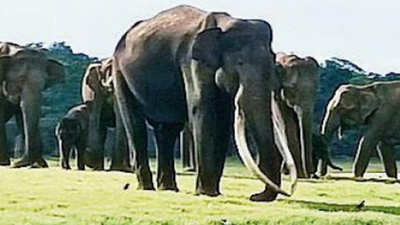
The recent census of elephants in Kodagu forests has indicated that there are 1,103 jumbos in the jungles. The census was taken up for three days last month. The number of elephants has increased in Kodagu though the region is in the middle of human-wildlife conflict.
Conservator of forests (Kodagu circle) BNN Murthy and DCF (Madikeri division) AT Poovaiah said that the census was taken up after a gap of six years. The elephant census, which was conducted in Karnataka, Kerala, Tamil Nadu , was conducted in 23 ranges of four divisions in the district namely Madikeri, Virajpet, Madikeri wildlife division, and Nagarahole Tiger Reserve. About 800 personnel were involved in the census.
The elephant census was conducted in three phases. On the first day, the number of elephants was directly recorded through a block count. On the second day, indirect enumeration was done and on the third day, enumeration was done using the lake and dams by observing the number of elephants coming to drink water.
For enumeration operations, the enumerators roamed forest areas on foot and recorded the marks of elephants seen in the forest as per the prescribed document. The number of male, female and baby elephants in a herd of elephants was determined, officials noted.
There were 200 teams of three people each. Arms were provided to each team as a precautionary measure, the officials stated.
The forest officials said that there are a large number of elephants dwelling in the plantations also and if this number is detected, the number of elephants will increase substantially.
source: http://www.timesofindia.indiatimes.com / The Times of India / Home> News> City News> Mysuru News / by G. Rajendra / TNN / June 07th, 2023
WELCOME. If you like what you see "SUBSCRIBE via EMAIL" to receive FREE regular UPDATES.
Read More »