Slow Down And Sip: Inside India’s Most Beautiful Forest Coffee Retreats
India’s forest estates are redefining the way we experience coffee and travel. For those seeking renewal, these sanctuaries serve as gentle invitations to slow down and reconnect.

India’s forest coffee estates offer immersive, sensory-rich experiences.
For travellers craving a gentler rhythm, India’s forest-backed coffee estates offer a chance to exchange hurried itineraries for meaningful, sensory-rich experiences. Here, mornings begin with mist rolling through ancient canopies, days unfold in unhurried conversations with nature, and every cup of coffee tells the story of the land it came from. These retreats are not merely stays. They are immersive journeys into India’s most soulful coffee heartlands, where wilderness, community, and craft brew a deeper connection to place.
1. Beforest, Poomaale Forest Collective, Coorg
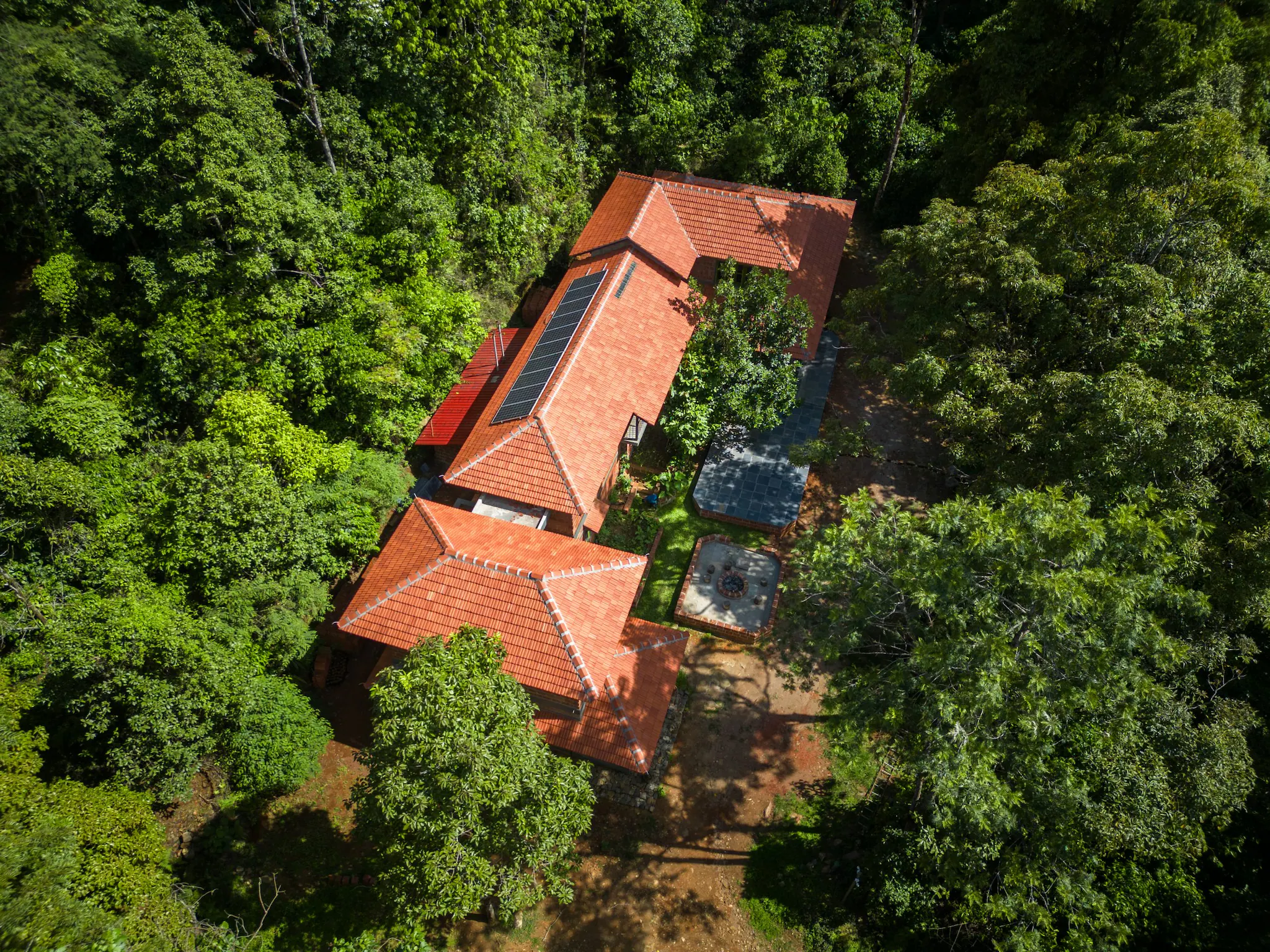
Tucked within dense, wildlife-rich forests, the Poomaale Collective offers an intimate window into forest-grown, shade-nurtured coffee. Its community-led model protects native biodiversity while cultivating Bewild coffee, celebrated for its terroir shaped entirely by natural forest systems. Long nature walks, streamside quiet time, and unhurried mornings with freshly brewed estate coffee define the experience. Curated meals made from local produce elevate the stay further, making this a sanctuary where sustainability, artisanal craft, and serene luxury coexist effortlessly.
2. Tata Coffee Plantation Trails, Chikmagalur
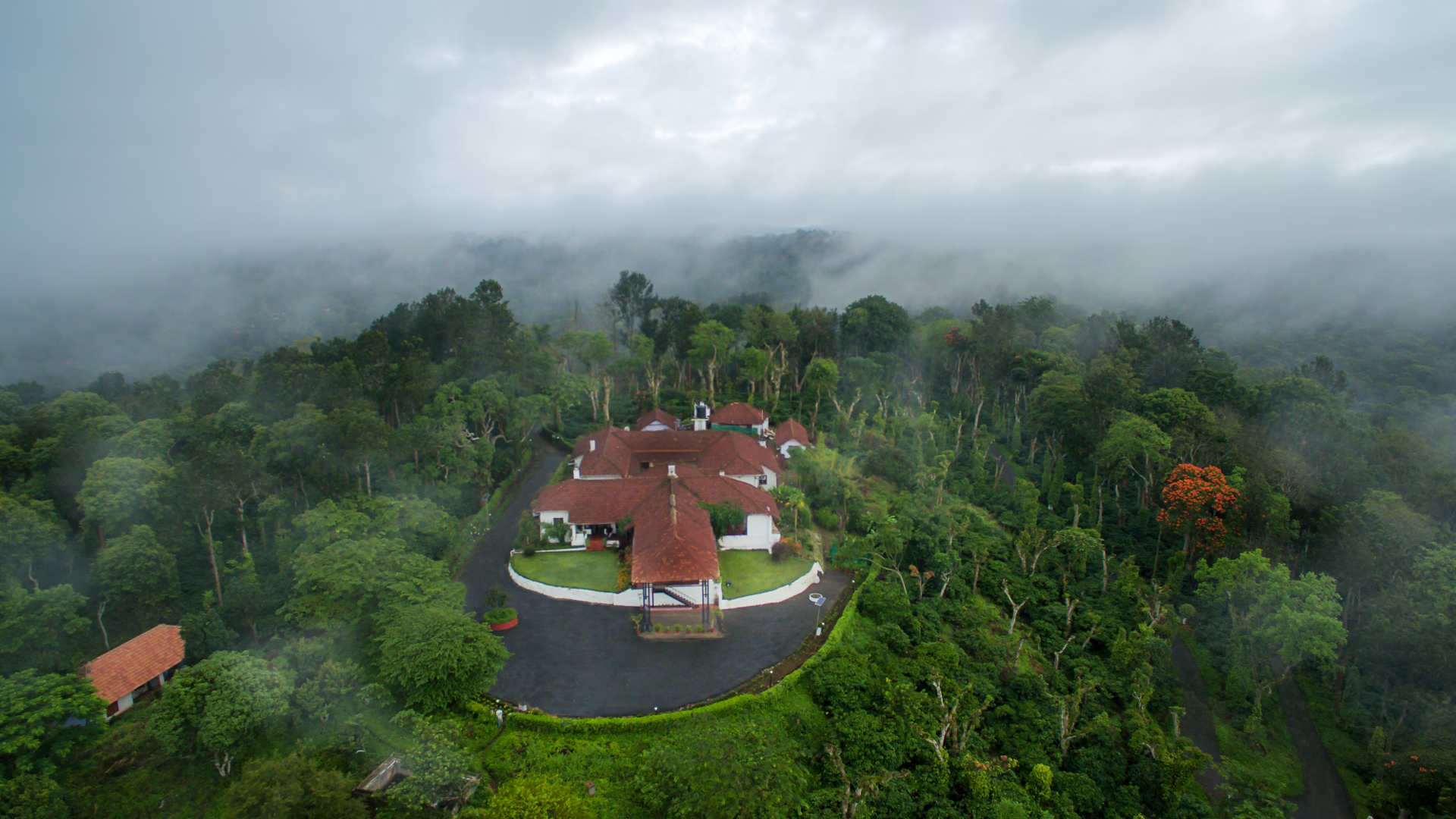
These heritage bungalows pair colonial-era charm with expansive, thriving coffee plantations. Guests can join guided estate walks, explore traditional shade-grown practices, and enjoy green, undulating slopes while sipping aromatic brews. Evenings unfold on vintage verandas overlooking hills washed in golden light. Restored bungalows with old-world interiors offer comfort steeped in history, turning coffee into a narrative – one that honours the legacy of India’s earliest plantations.
3. Kerehaklu, Aldur
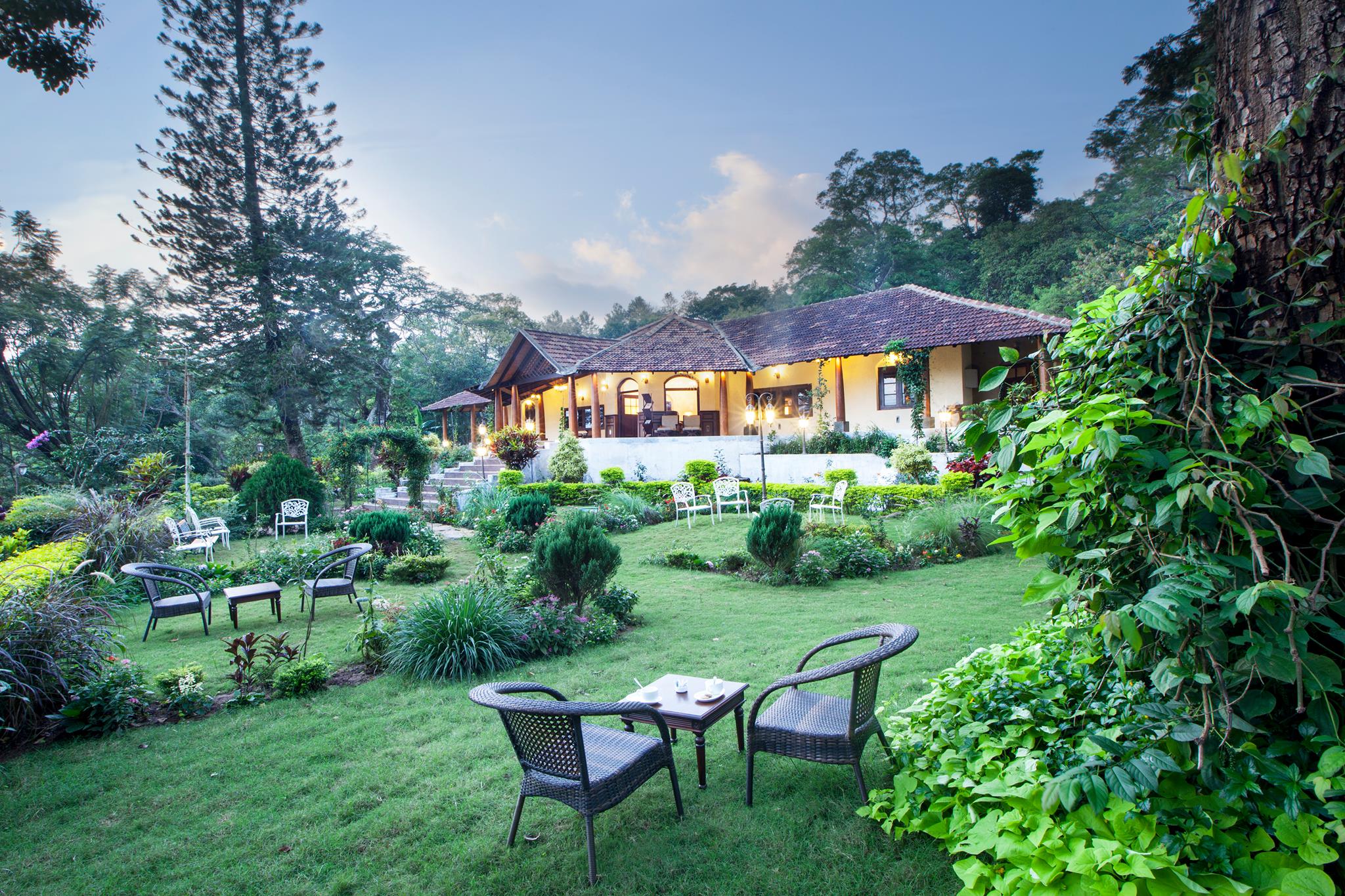
A quiet eco-retreat nestled in the Western Ghats, Kerehaklu embraces conservation, small-batch farming, and slow living. Its forest cottages, birding trails, and mindfulness-led experiences invite visitors to disconnect from noise and reconnect with nature’s subtler textures. Whether it’s engaging with local communities, understanding regenerative farming, or discovering hidden reading nooks under the trees, Kerehaklu appeals to travellers seeking off-the-grid immersion and authentic, nature-first living.
4. Evolve Back Coffee Trails, Coorg

Offering luxury without distancing travellers from the land, Evolve Back blends curated indulgence with a deep-rooted sense of place. Private pool villas, guided plantation tours, and bean-to-cup sessions turn coffee into a multisensory experience. Stories of heritage and ecosystem harmony are woven into every activity, from lakeside walks to immersive tastings, making it an ideal retreat for slow travel enthusiasts who appreciate refinement but value grounded, nature-led exploration.
5. Old Kent Estates, Suntikoppa
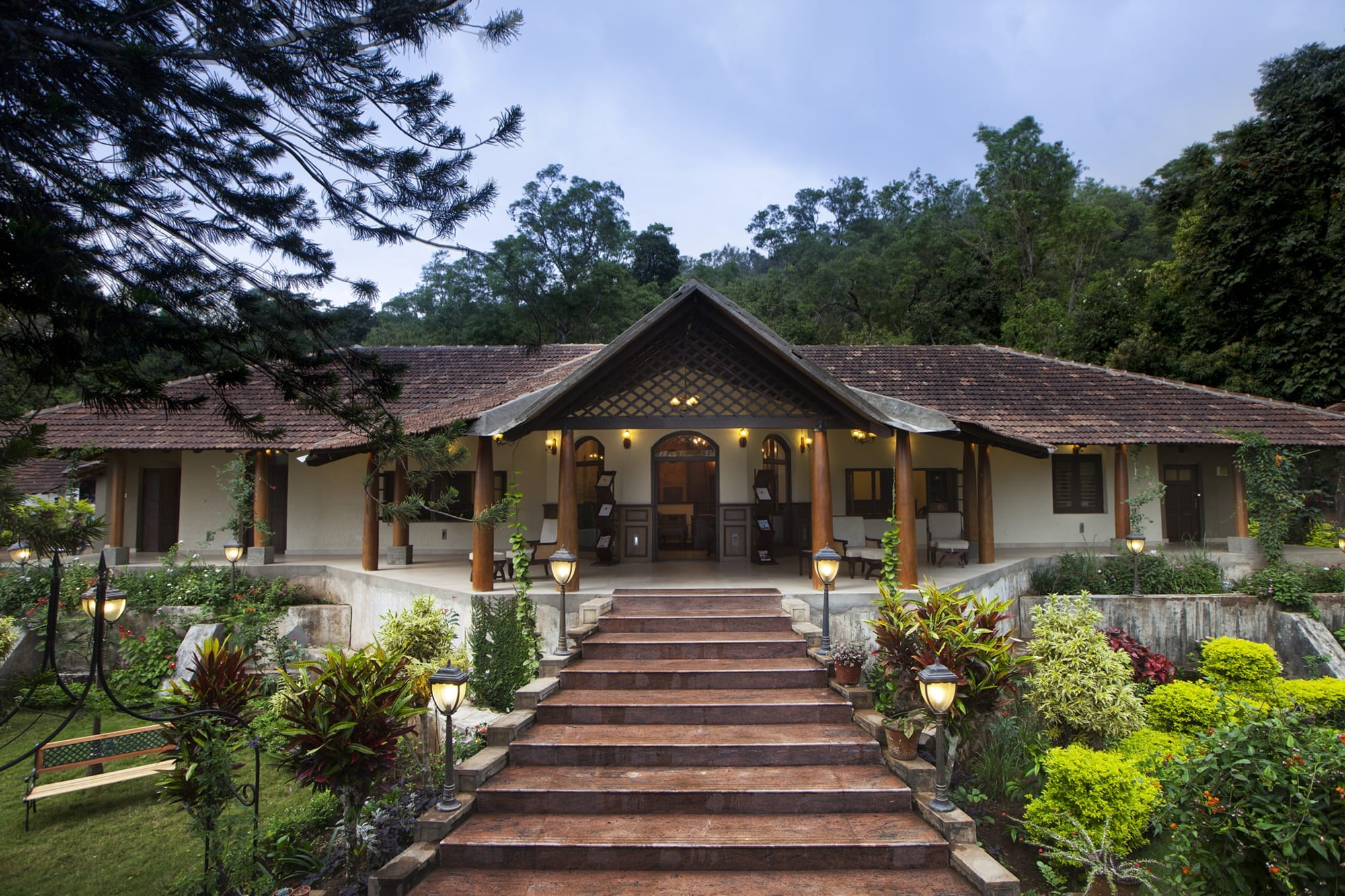
Spread across 200 acres of forests and coffee slopes, Old Kent Estates brings British-era heritage together with contemporary comfort. Guests can wander through quiet trails, explore traditional roasting practices, or simply soak in panoramic views of the plantation. With its curated wellness experiences, gourmet dining, and calming landscapes, Old Kent offers a deeply restorative retreat, perfect for those wanting forest serenity without giving up modern luxury.
source: http://www.news18.com / News18.com / Home> Lifestyle> Travel / by Snighda Oreva / November 25th, 2025
Kodava author Maletira Thimmaiah passes away in New York
Mysore/Mysuru:
Maletira B. Thimmaiah, (83) former Attorney at Law, Federal Court of America, originally from Kukloor Village, Virajapet Taluk, Kodagu, passed away at his residence in New York, the United States of America (USA), at 9.30 am (IST) yesterday.
He leaves behind his wife, Chondu Chondamma (Machamada), and sons, Pavan and Ashwin, residents of New York.
Maletira B. Thimmaiah was the author of a book on Kodavas titled, ‘Who are we Kodavas?’ (English) and ‘Navyaaru Kodavaru?’ (Kannada).
The book was released in Mysuru on Nov. 25, 2018 and it traces the origin of Kodavas, their customs, the rich history of more than 5,000 years and how a land of such uniqueness was being systematically ravaged by invaders, modern laws and urbanisation.
A memorial service for Thimmaiah will take place on Tuesday (Nov. 25) in the late afternoon into the early evening at the Matthew Funeral Home in Staten Island, New York.
The cremation will take place on Wednesday morning (Nov. 26) at the Rosehill crematory in New Jersey.
source: http://www.starofmysore.com / Star of Mysore / Home> News / November 24th, 2025
Boseraju promises funds for Kannada Sahitya Parishat building in Kodagu
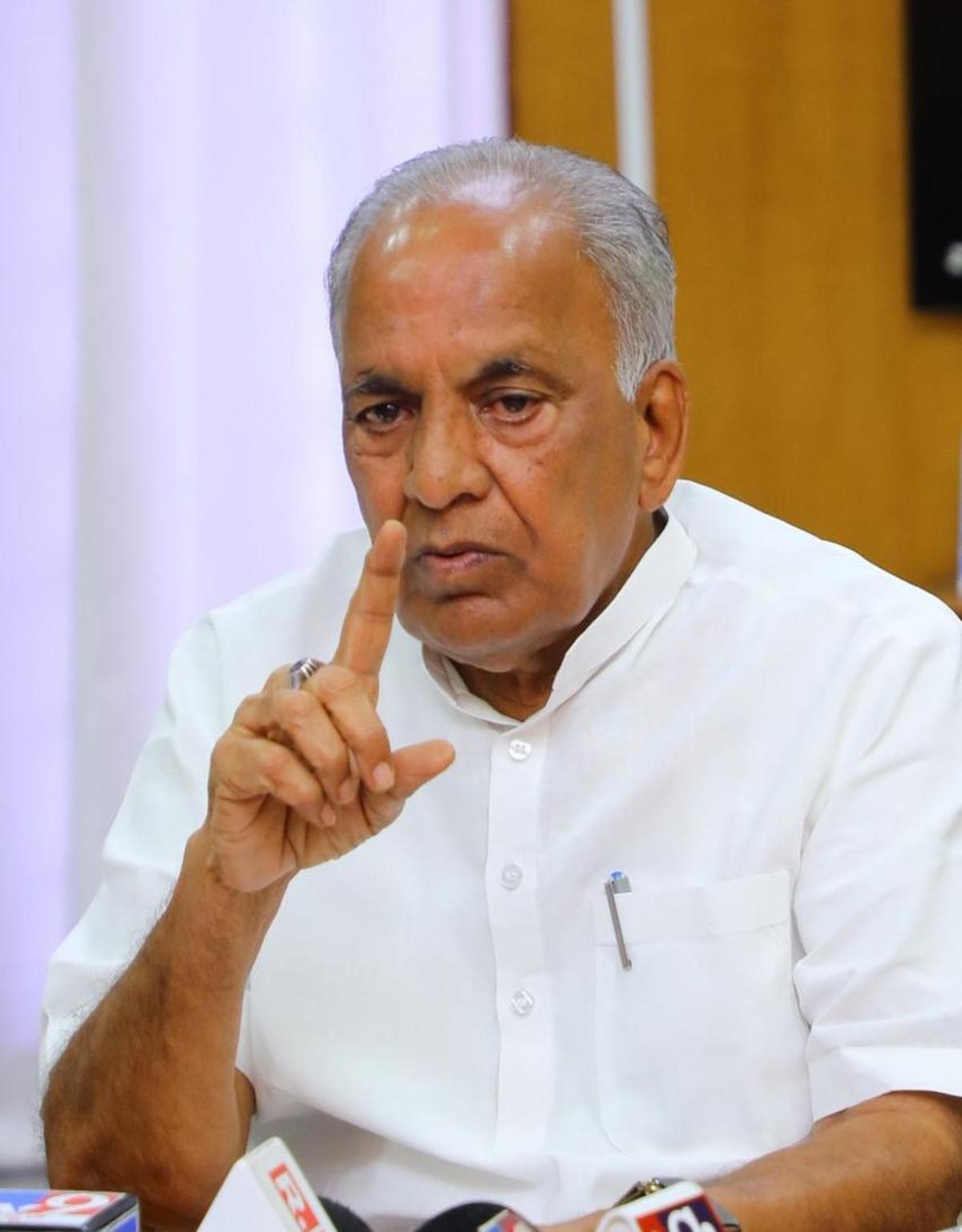
N.S. Boseraju said the State government is committed to protecting the Kannada language and culture and would extend full cooperation for the construction of the building. | Photo Credit: File photo
Kodagu district in-charge Minister N.S. Boseraju has promised funds for the construction of the Kodagu District Kannada Sahitya Parishat (KSP) building.
Speaking in Madikeri on Saturday (November 22), the Minister said the State government is committed to protecting the Kannada language and culture and would extend full cooperation for the construction of the building.
Mr. Boseraju said he would soon meet Chief Minister Siddaramaiah along with the MLAs of the district and secure grants for the purpose. In addition, efforts will also be made to obtain financial assistance from the Agricultural Produce Market Committee, City Municipal Council, Town Municipal Council, and gram panchayats of the district, he added.
A.S. Ponnanna, Virajpet MLA and patron of the building construction committee, announced a contribution to the building from the MLA Local Area Development Fund, apart from making personal contributions.
Similarly, Dr. Mantar Gowda, MLA from the Madikeri constituency, promised that he will allocate ₹25 lakh from his MLA grants this year and ₹25 lakh next year.
T.P. Ramesh, former president of the Kodagu KSP, spoke at length on the 50 years of KSP’s service in Kodagu. He recalled that 0.6 acres of land were allotted during the tenure of then Chief Minister S. Bangarappa. In 2014, Akhila Bharata Kannada Sahitya Sammelan was conducted in Kodagu and out of the total grants allotted for hosting it, ₹10 lakh was deposited for the construction of the building.
M.P. Keshav, president of the Kodagu KSP, said that after a long wait, the construction of the building in Kodagu is set to commence.
Kodagu Deputy Commissioner Venkataraja, Kodagu Zilla Panchayat CEO Anand Prakash Meena, and other officials were present.
source: http://www.thehindu.com / The Hindu / Home> News> India> Karnataka / by The Hindu Bureau / November 23rd, 2025
The Task Movie Review: Chase against time and truth
The Task is a brisk, well-meant chase thriller, constantly running even when unsure of where it wants to arrive
The Task Movie Review
Director Raghu Shivamogga’s The Task opens like a procedural. An awards-stage interview is shown, that has the anchor (Tanisha Kuppanda) questioning a retired police officer (Achyuth Kumar) and a lawyer (Sangeetha Bhat) about their ‘celebrity status.’ The irony is clear. Those who became popular for serving the public are now remembered more by social media than by society. The film tries to maintain this half-truth, half-theatre tone, with mixed results.
At its core, the story springs from speculation that rose during the post-Covid confusion. Were covert medical experiments conducted on unsuspecting citizens? Raghu builds his narrative around the growing chatter on post-Covid cardiac issues. Instead of a slow-burn investigation, the film often feels like scattered footnotes stitched into a chase thriller.
Director: Raghu Shivamogga
Cast: Raghu Shivamogga, Shree Lakshmi, Jaya Surya R Azad, Sagar Ram, Achyuth Kumar, Sangeetha Bhat
The plot moves like a relay race. Siri (Shrilakshmi Bhat), a Kodagu-based schoolgirl raised by middle-class parents (Gopalkrishna Deshpande and Harini Sundarraj), suddenly becomes the center of unwanted attention. The girl, still in Class 10, believes it carries some strange importance. One side insists she must stay away from Bengaluru, while another demands she be brought there immediately. This tug-of-war forms the story’s moral hinge.
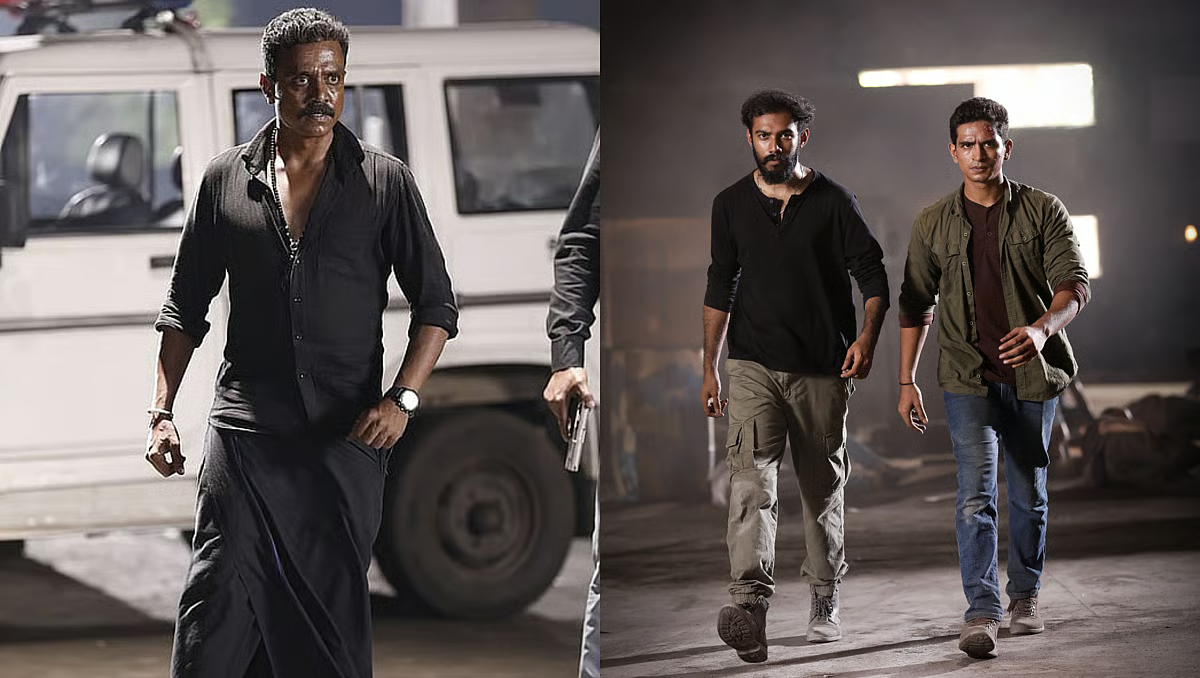
Vishnu (Sagar Ram) and Kanthi (Jaya Surya R Azad) take up the task of bringing Siri (Shree Lakshmi) to the city on instructions from the retired officer. The intervention is sought by the lawyers. They come from a place where idealism survives on borrowed time. Kanthi, an orphan raised by Vishnu’s parents, has seen the inside of jail. Both youngsters are martial arts enthusiasts and social workers who try to do good without documenting it online. Every family sees doctors as gods during a crisis. When those same people turn into a threat, the ground shifts violently. These two young men rise to confront those who exploit the system. Their camaraderie works, but the writing rarely gives them room to breathe, keeping them constantly on the run.
Once the narrative enters Kodagu, the film becomes a non-stop chase, and that is where the cracks appear. Boys run with the girl, villains run after them, police chase the villains, and a corporate doctor (Balaji Manohar) pulls invisible strings. Raghu wants the terrain’s winding roads to mirror the narrative’s twists, but many of these turns feel engineered rather than earned. Some moments land, especially when the film slows and lets fear gather in the silences. Many others feel like detours added merely to sustain tension.
Balaji Manohar exudes cold corporate menace in the film. Achyuth Kumar lends weary moral weight to the retired-cop role. Sangeetha Bhat complements him with quiet resolve. Shree Lakshmi, stays grounded, even while most of her scenes bring with loud emotions and rush. The young actors, Jaya Surya Azad and Ram Sagar, follow the director’s instructions with discipline. Raghu Shivamogga’s own performance as Burmappa, a deranged hunter with a gaze that curdles the frame, slices through the film. A chilling encounter with Siri stands out, raw, uncomfortable, and brutal. In that moment, the actor overtakes the filmmaker in him.
The final reveal about Siri’s kidnapping links the post-Covid medical conspiracy to the film’s social concerns. But the explanation comes too neatly, softening the tension built through the first half. Thrillers must earn their truth. Here, the truth feels narrated rather than uncovered.
Technically, the film moves with confidence. Arjun Raj’s stunt design gives the action its muscle. Pradeep’s cinematography uses Kodagu’s canopy with intent. Judah Sandy’s background score tries to keep the trail alive.
The Task is a brisk, well-meant chase thriller, constantly running even when unsure of where it wants to arrive. Raghu Shivamogga’s ambition is clear, the intent is honest, and the social concern is timely. The real question is this: do films like The Task show us the cracks in society, or do they let us run alongside the story without ever catching up? The film wants to warn, question, and provoke, yet its impact depends on how much the audience chooses to carry home.
source: http://www.cinemaexpress.com / Cinema Express / Home> Reviews / by A Shradhaaaa / November 22nd, 2025
Residents demand action as foamy wastewater continues to pollute River Cauvery
Foaming chemical-laden water flowing into the River Cauvery caused panic among residents, and several Sabarimala pilgrims who entered the river reported itching and other skin problems.
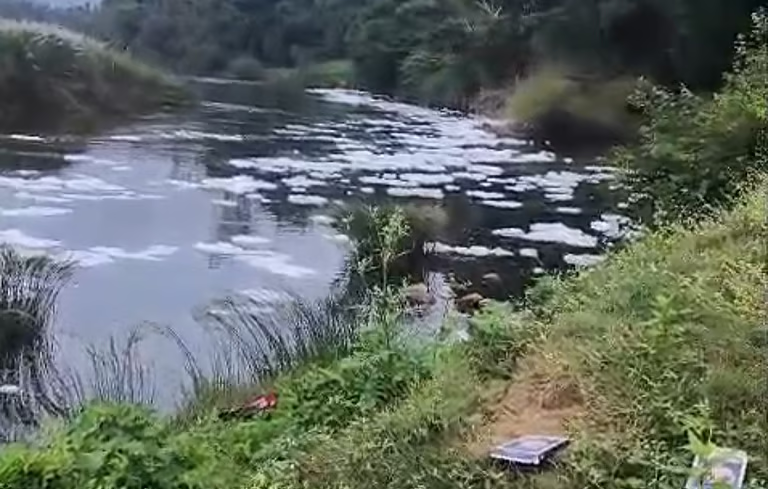
Foam-filled untreated water was let into the river, and several people who took a dip in the Cauvery near Kushalnagar complained of skin irritation.(Photo | Express)
Madikeri :
Numerous court orders, multiple notices, directions from the Human Rights Commission and countless complaints, yet none of these measures have ensured the protection of the River Cauvery, which allegedly continues to bear the brunt of rapid urbanisation.
Recently, foam-filled untreated water was let into the river, and several people who took a dip in the Cauvery near Kushalnagar complained of skin irritation. While residents have demanded strict laws to protect the river, the administration has allegedly turned a deaf ear.
Foaming chemical-laden water flowing into the River Cauvery caused panic among residents, and several Sabarimala pilgrims who entered the river reported itching and other skin problems.
Officials of the Karnataka Urban Water Supply and Drainage Board confirmed that the foamy water was the result of a pipeline fault, and added that illegal connections were allegedly being attached to unfinished underground drains, causing untreated water to be released into the river.
While officials rushed to the spot and repaired the broken pipelines, the river continues to suffer from unchecked urbanisation, with several commercial establishments allegedly letting untreated wastewater into it.
“River Cauvery is being polluted from its origin in Talacauvery and Bhagamandala, and the situation gets worse in Kushalnagar, where numerous commercial set-ups have encroached on the river’s buffer zone,” said Chandramohan, the convener of the Cauvery Swachata Andolana Committee.
He stated that several commercial buildings, including resorts and factories functioning within Kushalnagar limits, are allegedly letting wastewater directly into the river and no action has been taken to control the problem.
“The riverbank is being neglected due to vote banks,” he alleged, adding that the administration has not initiated stringent laws despite rising pollution levels.
He further lamented that no action has been taken to evict illegal establishments from the river’s buffer zone, despite numerous complaints to the municipality and district administration.
“We have submitted requests demanding stringent laws for the river’s protection to a total of eight Deputy Commissioners and seven Chief Ministers in the past 15 years. But no permanent measures have been put in place to curb illegal activities in the river’s buffer zone, and the river continues to face the brunt,” he said.
He demanded that the district administration maintain a separate file for the protection of the River Cauvery and appoint a nodal officer to ensure its preservation.
When questioned about the action taken by the Karnataka State Pollution Control Board, in-charge officer Umashanker said, “The foamy water was a result of a broken pipeline, which has now been fixed. Notices were issued to the concern to take corrective measures.”
However, residents argue that these notices are issued without any follow-up. “If stringent laws are not passed to preserve River Cauvery, it might be too late to save the river,” Chandramohan opined.
The Human Rights Commission has also instructed the Deputy Commissioner to take measures to control pollution in water bodies in the district. However, the DC was not available for comment.
Toxic water that leaked into the River Cauvery recently caused foaming in the river.
source: http://www.newindianexpress.com / The New Indian Express / Home> Karnataka / by Prajna GR / November 21t, 2025
Kelachandra Coffee appoints Coffee Board of India veteran to lead R&D
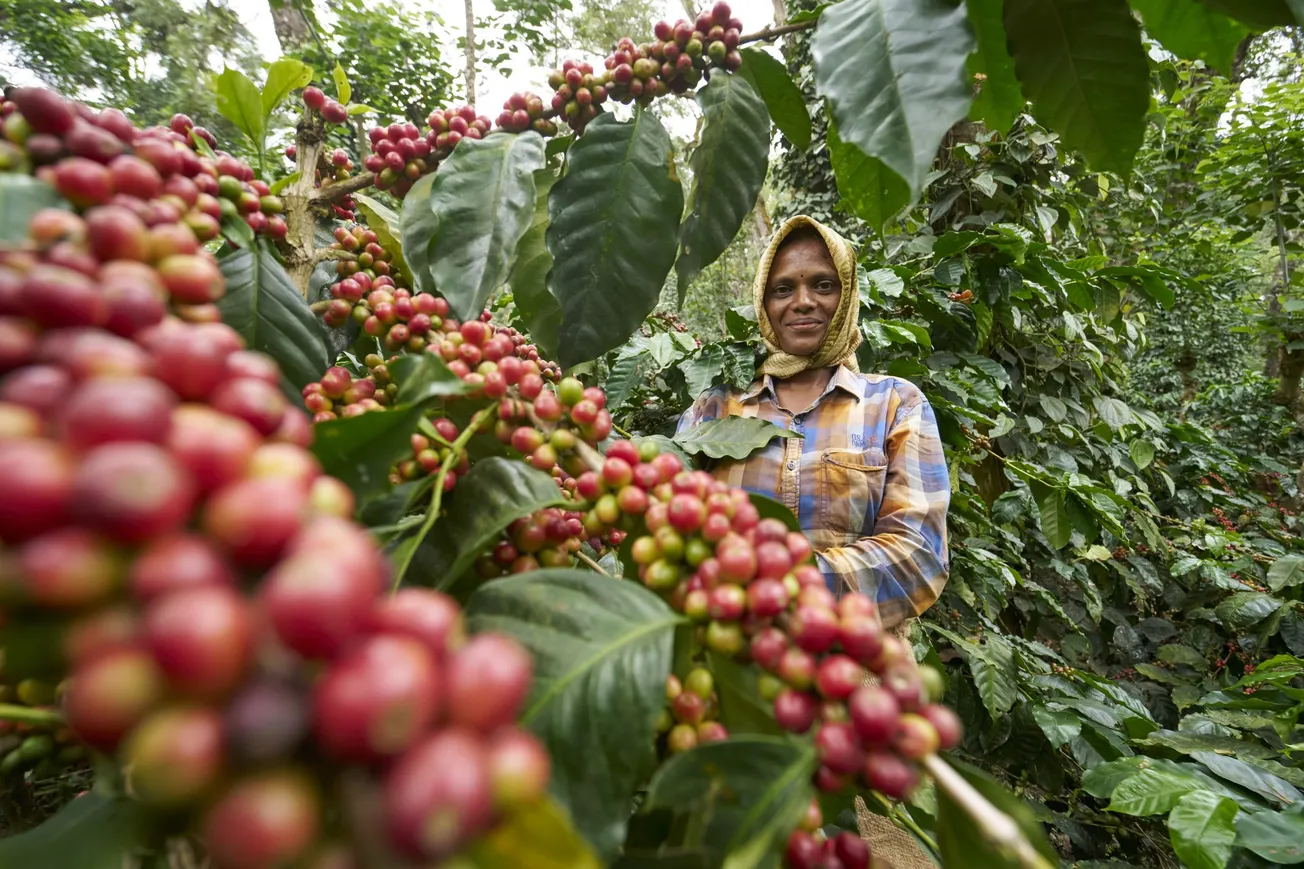
A coffee farmer on one of Kelachandra’s coffee plantations | Photo credit: Kelachandra Coffee
J.S. Nagaraja joins the Indian coffee plantation group to spearhead its sustainability projects and champion Indian coffee on the global stage
Kelachandra Coffee has appointed former Coffee Board of India executive J.S. Nagaraja to spearhead R&D strategy across its extensive plantation network.
Founded in 1995, Kelachandra is one of India’s largest privately held coffee plantations with approximately 6,500 acres across 15 estates in Karnataka and Kerala. Nagaraja joins the company as Head of Research and Development (R&D) to lead its sustainability initiatives, including carbon footprint and sequestration studies. His other responsibilities include optimising soil and leaf analysis, refining fertiliser use and advancing specialty coffee development.
“Dr. Nagaraja’s track record at the intersection of agronomy, sustainability, and innovation will be instrumental as we chart the next phase of Kelachandra’s growth. At a time when climate change and conscious consumption are reshaping our industry, his leadership will anchor our work on carbon sequestration, scientific validation of our specialty micro-lots, and the global positioning of our coffee as an authentically eco-friendly brand,” said Jagan Thimaiah, Executive Director, Kelachandra Coffee.
Nagaraja joins Kelachandra after a three-decade career with the Coffee Board of India, where he most recently served as Joint Director of Research.
“I am honoured to be part of Kelachandra at this pivotal moment in its journey. In the months ahead, my focus will be on strengthening our research agenda around soil health, climate resilience, and carbon sequestration, while advancing tools such as genetic fingerprinting to validate the uniqueness of our coffees,” Nagaraja said.
Kelachandra currently exports to specialty coffee roasters and premium retailers in Japan, Australia, Denmark, Norway, Germany and the Middle East. It also supplies some of India’s leading premium roasters, including Blue Tokai, Humble Bean, Third Wave Coffee and Dope Coffee.
source: http://www.worldcoffeeportal.org / Allegra World Coffee Portal / Home> News> India / by November 20th, 2025
Coffee Board of India sets a target to double production to over 7 lakh tonnes by 2047
Goal is to achieve 15% speciality coffee out of this 7 lakh tons, says Coffee Board Chairman M.J. Dinesh
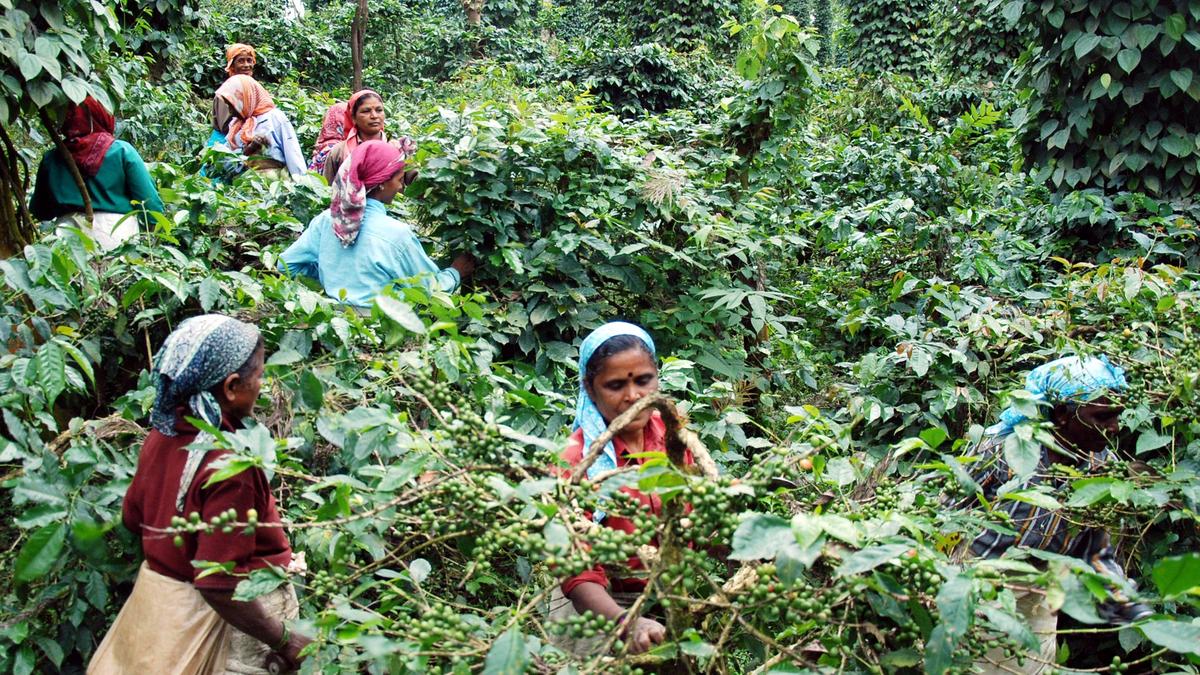
Three new coffee varieties would be released by the Central Coffee Research Institute during its centenary programme next month. File | Photo Credit: The Hindu
The Coffee Board of India on Monday said it has a target to double the coffee production to over 7 lakh tonnes by 2047. India currently produces 3.5 lakh tonnes of Arabica and Robusta varieties of coffee in about 4.05 lakh hectares of land.
Board chairman M.J. Dinesh said: “The board has set an ambitious target to increase our production to 7 lakh tonnes by 2047, when India celebrates 100 years of independence. Our goal is to achieve 15% specialty coffee out of this 7 lakh tonnes.’’
According to him, to achieve this production goal, the board has chalked out a comprehensive action plan.
Speaking at the Karnataka Planters’ Association (KPA) 67th annual general meeting here, he said about 1 lakh hectares will be brought under cultivation in Odisha and Northeast States like Nagaland. “We will increase land under coffee cultivation in non-traditional areas while we will also boost yield in the coffee heartland in Karnataka,’’ Mr. Dinesh added.
New varieties
He further said three new coffee varieties would be released by the Central Coffee Research Institute (CCRI) based at Balehonnur, during its centenary programme next month. “Over the past century, our scientists have released 30 Arabica varieties and three Robusta varieties. CCRI has one of the best germ plasm of over 400 varieties,” he said.
The board was also implementing clonal propagation of Robusta coffee tissue culture plants in collaboration with Jain Irrigation, which may be released by 2026-27, he further added.
Mr. Dinesh said the board was also designing the Indian Coffee Board Sustainability Certification Scheme (INDICOFS), which would offer a distinct global identity for Indian coffees. The board also introduced IndiaCoffee App, to help growers and exporters meet global traceability compliance mandated by the European Union Deforestation Regulation (EUDR) norms, he said.
Speaking on the occasion, Karnataka Energy Minister, K.J. George urged the planters community in the State to replicate the branding success of Araku Valley coffee growers.
Bhaskar Bhat, director, Tata Sons and former managing director of Titan, said coffee growers should focus on specialty and premium coffees to cater to the large and young growing population in the domestic market.
source: http://www.thehindu.com / The Hindu / Home> News> Cities> Bengaluru / by Mini Tejaswi / November 20th, 2025
Mandya and Kodagu district administrations discuss measures to control stray dog menace
‘All necessary measures should be taken to curb stray dogs while ensuring animal welfare and the safety of citizens’.
The district administrations of Mandya and Kodagu held separate meetings on Tuesday to discuss measures to control the menace of stray dogs in their respective districts in the light of the Supreme Court’s recent directions.
In Mandya, Deputy Commissioner Kumar directed the urban local bodies to take up Animal Birth Control (ABC) and anti-rabies vaccination programmes effectively.
All necessary measures should be taken to curb stray dogs while ensuring animal welfare and the safety of citizens, he said and emphasised the need for collection of information on stray dogs in schools and colleges, hospitals, government offices, railway stations, and playgrounds.
He also directed the officials to identify suitable locations for sterilisation surgeries. Also, appropriate measures should be taken to manage shelters for stray dogs in collaboration with animal welfare organisations and the Department of Animal Husbandry.
The guidelines of the Supreme Court must be strictly followed in the management of stray dogs and the sterilisation operations, he said.
Citing the Supreme Court orders, Mr. Kumar said stray dogs should be removed from high-risk areas like educational institutions, bus stands, railway stations, and hospitals. He issued directions for round the clock security in stadiums to prevent stray dogs from the entering the premises.
Students should be made aware of rabies while free anti-rabies vaccination programme should be taken up for stray and pet dogs, he said.
He directed the officials to set up a helpline to receive complaints regarding stray dog issues, and a nodal officer must be appointed at the district level to take necessary action.
In Kodagu, Deputy Commissioner Venkat Raja said the local bodies like city municipal councils, town municipal councils, town panchayats, and gram panchayats should earmark at least one acre of land within their jurisdiction and construct a compound wall to facilitate the relocation of stray dogs.
He said measures should be taken to relocate the stray dogs and ensure their proper protection while appointing nodal officers to conduct regular inspections to monitor the control of stray dogs.
He said the government and private hospitals should maintain adequate stock of anti-rabies vaccines so that timely treatment is provided to dog-bite victims.
“Whenever cases of dog bites or attacks by animals are reported, the local body officials must be informed and the government and private hospitals should ensure timely emergency medical services and first aid,” he said.
While Madikeri city municipal council Commissioner H.R. Ramesh informed the meeting that one and a half acre of land on the outskirts of Madikeri has been earmarked for locating stray dogs, the Deputy Commissioner instructed officials concerned that land be similiarly earmarked even in Somwarpet, Kushalnagar, Ponnampet, and Gonikoppal limits.
Kodagu District Health and Family Welfare Officer Satish Kumar said that 4,872 cases of dog bites were reported in the district in 2024 and 4,217 cases between January to October in 2025.
source: http://www.thehindu.com / The Hindu / Home> News> India> Karnataka / by The Hindu Bureau / November 18th, 2025
Colorectal Cancer: A silent killer that can be stopped

Colorectal Cancer (CRC) is a common and deadly disease that affects the colon and rectum. It can cause bleeding, pain, weight loss and fatigue. It is often mistaken for piles and not diagnosed early enough. CRC can be prevented by screening and through healthy habits.
CRC is the seventh most common cancer in India, with over 27,000 new cases and 19,000 deaths in 2018. It affects both men and women, mostly after 50 years of age.
Causes
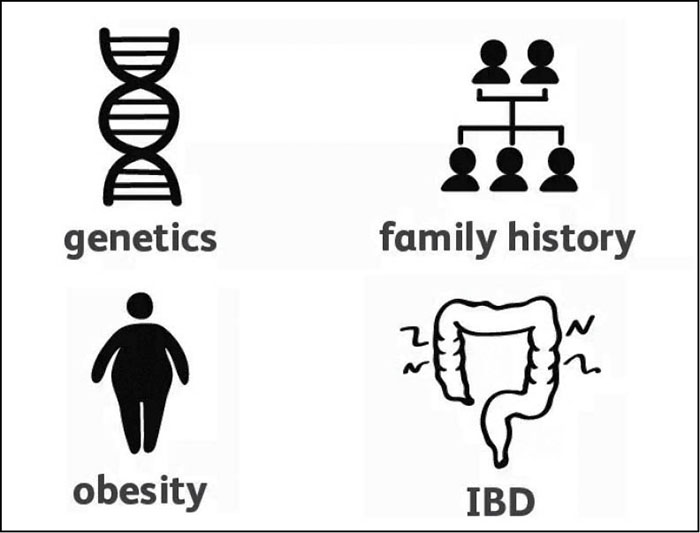
The exact cause of CRC is unknown, but some factors increase the risk:
Age: Older people are more likely to get CRC.
Diet: Eating too much red meat, processed meat and fat can raise the risk.
Obesity: Being overweight or obese can make CRC more likely.
Smoking: Smoking can damage the DNA of the colon and rectum cells.
Alcohol: Drinking alcohol can affect how the body works.
Inactivity: Not exercising can increase the risk.
Inflammatory Bowel Disease: Having long-term inflammation of the intestines, such as Crohn’s disease or ulcerative colitis.
Family history: Having a relative who had CRC or polyps can make CRC more likely.
Polyps: CRC usually starts from a benign growth called a polyp on the colon or rectum lining. The most common type of polyp that can turn into CRC is an adenoma.
Diagnosis, Screening & Staging
The best way to prevent CRC is to find and remove polyps before they become cancerous. This can be done by regular screening tests that check the colon and rectum for any problem.
Diagnostic and screening tests
Consult colorectal surgeon: This is the first and best step. A colorectal surgeon is a specialist who has extensive training and experience in diagnosing and treating CRC.
Colonoscopy & biopsy: This test uses a tube with a camera to look at and remove any polyps or tumours in the colon and rectum. It is usually done under sedation or general anaesthesia to make it comfortable for the patient.
Screening tests can lower CRC cases and deaths by removing precancerous polyps and finding early-stage tumours that are easier to treat.
Treatment
The treatment of CRC depends on many things, such as the type, grade, stage, location, and features of the tumour, as well as the patient’s health and choice. A team of colorectal experts is needed to ensure the best result. Each tumour is different and each patient is unique, hence an individualised treatment plan is chalked out by a robust multi-disciplinary team led by colorectal surgeons is vital.
A colorectal surgeon is a specialist who has extensive training and experience in performing surgery for CRC.

Treatment options
Surgery: This is the main treatment for most CRC cases. It involves removing the tumour, lymph nodes and some normal tissue around it. It can be done as open or laparoscopic and robotic methods. Minimal invasive techniques when carried out by specialists result in better patient satisfaction, early discharge, improved quality of life, lower blood loss, less pain, shorter hospital stay, faster recovery, lower risk of infection, lower risk of bleeding, lower risk of recurrence, lower risk of complications, etc.
Radiation therapy: This can be used before or after surgery to kill any cancer cells left behind. It works by using high-energy rays or particles to damage DNA. It can also help radiotherapy work better.
Chemotherapy: This is used for advanced or spread CRC that has reached other parts of the body. It works by using drugs that kill cancer cells or stop them from growing. It can also help radiotherapy work better.
Targeted therapy: This is by using drugs that target specific genes involved in CRC. They work by blocking or interfering with how these genes function. They can also help radiotherapy work better.
The five-year survival rate for CRC in India was around 50% in 2018. There is evidence that sub-specialisation in colorectal surgery improves outcomes.
By Dr. Nikhil Nanjappa, Consultant Surgical, Gastroenterologist & Colorectal Surgeon, Aceso BKG Health Care, Mysuru
source: http://www.starofmysore.com / Star of Mysore / Home> Feature Articles / by Dr. Nikhil Nanjappa / September 23rd, 2023

