Kodagu Deputy Commissioner (DC) Annies Kanmani Joy, who chaired the White Water River Rafting review meeting at her office on Nov.1, has decided to issue licences to 60 raft operators in the district next season.
The meeting also decided to continue those who were issued licences this year based on the recommendations of a Technical Committee.
Though river rafting is popular among tourists visiting Kodagu, the District Administration had temporarily banned it in early 2018 due to allegations of irregularities and the death of a tourist.
Razi Ahmed, a 21-year-old tourist from Hyderabad, died after he was assaulted with a wooden oar by some rafting crew at Dubare Rafting Camp coming under Nanjarayapatna Gram Panchayat near Kushalnagar.
The ban was imposed in the wake of several complaints from tourists and villagers that adventure activity organisers have no expertise in river rafting and some of them are organising such events just to make money. The ban was imposed as mandatory safety measures were not followed by organisers and lives were at stake. The ban, however, was subsequently revoked.
The DC directed the officials of Public Works Department (PWD), Fire and Emergency Services, Tourism and other Departments to conduct surprise spot inspections and assess the number of rafters operating at various rafting in the district.
A few members of the River Rafting Committee raised objections over the delay in issue of Fitness Certificates for boats following which the DC said that the certificates will be issued within a day from next year.
Tourism Department representatives were instructed to issue an advisory on the terms and conditions necessary to operate rafting including fixing of prices. The DC warned the guides of initiating legal action if they are found levying higher rates.
She instructed the Assistant Director of Tourism Department to issue press release and give publicity about the information pertaining to necessary guidelines. The DC also instructed the officials to put up a board containing the prescribed rates for rafting at Dubare and Barapole for the benefit of tourists.
Superintendent of Police Dr. Suman D. Pennekar instructed the officials to implement the rules that are in force at Barapole at Dubare too. Assistant Commissioner T. Javaregowda, PWD Executive Engineer Ibrahim, District Fire Officer P. Chandan, Tourism Department Assistant Director Raghavendra, River Rafting Committee Members Ritesh, Vishwa, Manjunath and others were present.
source: http://www.starofmysore.com / Star of Mysore / Home> News / November 04th, 2019
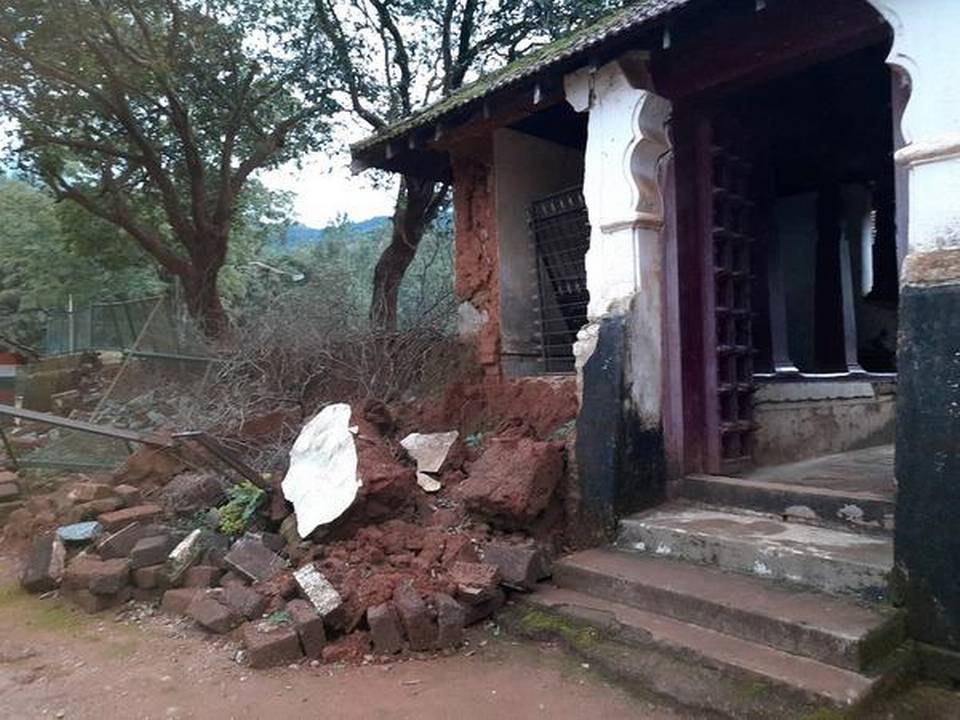
A portion of Nalknad Palace in Kodagu district collapsed a few weeks ago following torrential rains. | Photo Credit: M.T. Shiva Kumar
There is no sign of restoration work being taken up by the ASI.
Nalknad Palace, at the foot of the dense Tadiandamol, the highest peak in Kodagu district, once stood as a symbol of elegance, architecture and style. Today, it is crying for protection.
The two-storeyed building with historical significance, which is also known as Naalnaad Aramane, was built between 1792 and 1794 AD to commemorate the victory of Haleri king Dodda Veera Rajendra over Tipu Sultan. It has precious murals, pillars, various wooden carvings, dark rooms [or hiding rooms], secret passages, bathrooms and galleries of the 18th and 19th centuries.
A portion of the palace collapsed a few weeks ago following torrential rains. There is no sign of restoration works being undertaken, according to sources in the Archaeological Survey of India (ASI). An ASI source said repair work can be taken up only after the rains subside fully. As such, the chance of miscreants damaging the precious artefacts and structures at the palace is high, as the lone caretaker leaves after closing time (6 p.m.).
Hiding place
According to the ASI, Dodda Veera Rajendra decided to construct the palace at Yavakapadi at the foot of Tadiandamol as the place was thickly wooded. Although he won a battle against Tipu, he was still under the threat of enemy troupes. The legendary ruler saw the need for constructing an elegant structure with safety features in the dense forest area to use as a hiding place. Thus, Nalknad Palace was built, according to a history lecturer in Hunsur.
A sign put up outside the palace gives brief details of the building, including that Dodda Veera Rajendra built it to protect his family from enemies.
He married again in 1796 to Mahadevamma at the same palace and lived there until she died in 1807. An elegant wedding mantap, constructed for his marriage, still exists there and is the cynosure of all eyes arriving at the palace.
It was also the hiding place and last residence of Chikka Veera Rajendra before he surrendered to the British in 1834 AD.
The palace was a rendezvous point for miscreants till a few years ago, before the ASI took it under its wing. Later, the palace was restored. Unfortunately, irreparable damage has been caused to the murals and paintings on the walls, according to ASI sources.
The Haleri kings might have left precious artefacts at the palace when they deposed to the British. Sources say the artefacts might have been shifted elsewhere or stolen.
According to the visitor register, footfall at the palace is sometimes nil and at other times reasonable.
source: http://www.thehindu.com / The Hindu / Home> News> States> Karnataka / by M. T. Shiva Kumar / Mandya – November 04th, 2019
The Centre has decided to continue the British-era rule of exempting Kodavas and Jamma land holders in Kodagu district from obtaining licence for firearms such as pistols, revolvers and double-barrelled shotguns. The exemption has been given for 10 years, till 2029.
Kodavas worship weapons and guns are part and parcel of every festival and ceremony — be it birth or death — and the decision has been taken considering the cultural and religious sensitivities of the community. “Those who have been given the exemption are every person of Kodagu by race and every Jamma land tenure holder in Kodagu,” according to a Home Ministry notification.
Kodavas are the only community in India who are exempted from obtaining arms licences. “The arms or ammunition carried or possessed by any person being from Kodagu by race and every Jamma tenure holder in Kodagu and herein exempted while residing or travelling outside the district of Kodagu shall not exceed one rifle with 100 rounds of ammunition for the same and one smooth bore breech or muzzle-loading gun with 500 cartridges or the equivalent in leaden shot and gunpowder,” the notification said citing conditions of the exemption.
Case in High Court
Kodavas have been getting the exemption of obtaining arms licence since the British era and the Centre has provided exemption in the rules issued under the Arms Act, officials said. However, Captain (Retd.) Yaladalu K. Chethan, son of Yaladalu D. Keshavananda filed a Writ Petition in the Karnataka High Court on Jan. 8, 2018.
Chethan questioned the exemption granted by the Government of India to a certain class of people in the district in obtaining licence to possess firearms under Section 3 and 4 of the Indian Arms Act, 1959.
In his petition, (WP No. 1386/2018), Chethan, a resident of R.T. Nagar in Bengaluru, claimed that the continuation of the exemption, granted to some class of persons by the British Government in pre-Independent India in furtherance of their divide-and-rule policy, was unconstitutional, as it was based on irrational, fictitious and discriminatory grounds, such as race and ancestral land tenure.
Centre’s stand
Responding to the notice issued by the High Court, the advocate representing the Centre had informed the Court that a committee had been constituted by the Ministry of Home Affairs to review the Arms Act, including notification granting exemption to people of Kodagu. After receiving comments from all stakeholders, the Centre has now extended the exemption for 10 years.
Bengaluru Kodava Samaja, Akhila Kodava Samaja and Federation of Kodava Samajas backed the move to convince the Home Ministry on retaining and extending the exemption. Prominent persons from Kodagu in New Delhi and Bengaluru including Machimanda Thamoo Cariappa, Maneyappanda Pavan Ganapathy, Palecanda Nanju Nanjappa, Ithichanda M. Devaiah, Annalamada Sunil Achaiah, Mukkatira T. Nanaiah and Maletira Dhyan Chinnappa played a key role and also worked to retain this provision.
source: http://www.starofmysore.com / Star of Mysore / Home> News / November 02nd, 2019
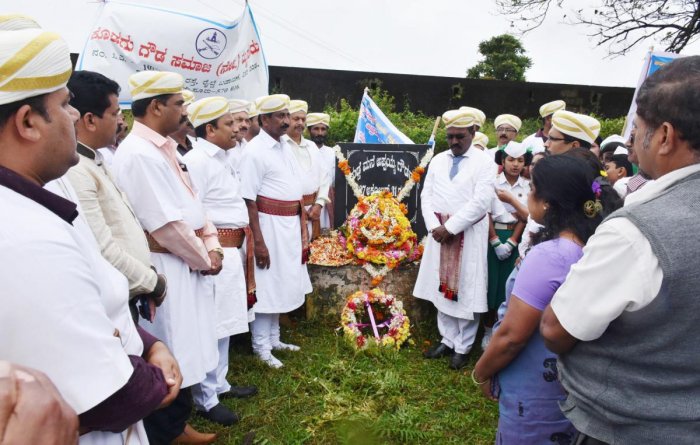
Tributes were paid at Guddemane Appaiah Gowda Memorial in Old Fort, Madikeri, on Friday.
The 182nd commemoration day of freedom fighter and martyr Subedar Guddemane Appaiah Gowda was jointly organised by district administration, Department of Kannada and Culture and Guddemane Appaiah Gowda Memorial Monitoring Committee, in Madikeri on Friday.
Dignitaries paid floral tributes to the statue of Appaiah Gowda at Field Marshal Cariappa Circle. Later, a silent procession was taken out till Old Fort.
Tributes were also paid at Subedar Guddemane Appaiah Gowda memorial, where he was hanged. Women sang ‘Lavani’ songs depicting the life and achievements of Appaiah Gowda.
District Congress Committee President K K Manjunath said that Guddemane Appaiah Gowda bravely fought against the British to save the people of Kodagu.
“Nobody can change history. One should not make efforts to misinterpret history. Instead, one should lead lives with peace and cordiality,” he added.
Advocate Vidyadhar said that more and more people need to know about the greatness of Appaiah Gowda, who laid down his life during the freedom struggle.
Karnataka Arebhashe and Literary Academy President Lakshminarayana Kajegadde said that a lesson on Guddemane Appaiah Gowda should be included in school curriculum. He fought against the British even before the Sepoy Mutiny, he added.
MLA K G Bopaiah, MLC Veena Achaiah, Deputy Commissioner Annies Kanmani Joy, Superintendent of Police Dr Suman D Pennekar and others were present.
source: http://www.deccanherald.com / Deccan Herald / Home> States> Mangaluru / by DH News Service, Madikeri / November 01st, 2019
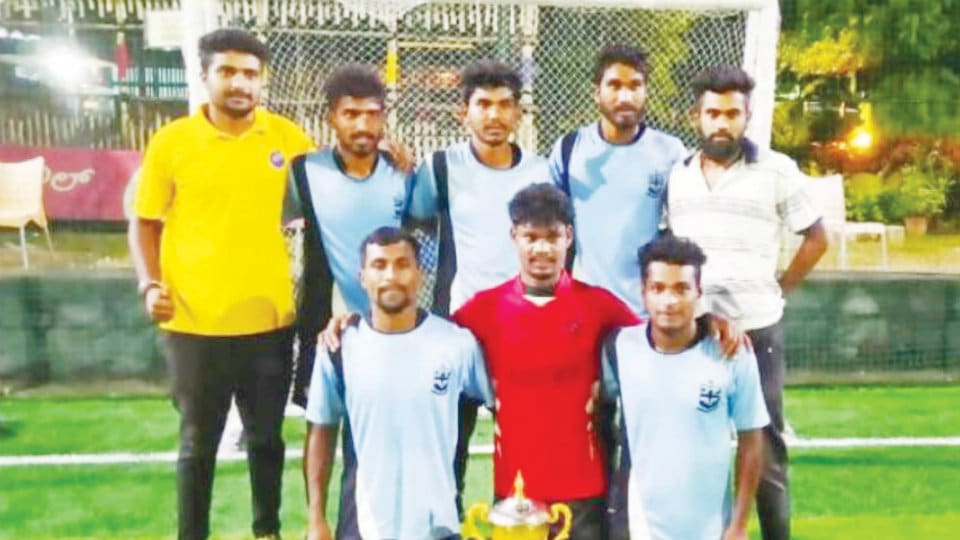
B.FC (Kodagu) defeated Fransa (Mysuru) 2-0 in the finals of Shield’s Football Tournament Season-3 played on Oct.27 at KMFC Turf, opposite K.R. Mill, on Mysuru-Bengaluru Highway in city.
The winning team is seen with the trophy — (standing from left) Nitin, Ranga, Divakar, Annappa and Lohit; (kneeling from left) Raju, Goalkeeper – Mani and Pagin.
Winners were awarded a cash price of Rs.20,000 with a trophy and the runners-up bagged home a cash prize of Rs.10,000 with a trophy in the tournament that saw participation from 28 teams.
source: http://www.starofmysore.com / Star of Mysore / Home> Sports / October 31st, 2019
An ultra sound scan indicated he had a kidney stone
Mysuru:
In a rare surgery, doctors at a government hospital in Virajpet removed a kidney stone weighing 800 grams from a 37- year- old man’s bladder on Tuesday.
Mohammed Rafiq, a daily wage worker from Kadanga village in Virajpet, was treated at the hospital after he complained of difficulty in passing urine and severe pain. “An ultra sound scan indicated he had a kidney stone. And an X- ray revealed it could be 8cm to 10cm in size, but we could not get the exact dimensions of the stone as its posterior length could not be measured. But when we opened up, we found it was much bigger. It was not easy, but after an long hour procedure, we succeeded in removing the stone. When we weighed it, we found it was 800 grams,” said Dr Vishwanth Chimpi, a general surgeon, who operated on Rafiq.
Speaking to the Deccan Chronicle, he added that while Rafiq must have had the stone for the past four to five years for it to have grown so big, it was only since the past one year that he had been getting intermittent pain, which intensified more recently. “As it was a calcium phosphate stone, it did not explode , but could not come out in the urine either as it was so huge,” he explained.
Dr Vishwanath admitted that the stone found in the daily wage worker’s body was the biggest he had come across, although three years ago he had removed a stone weighing 600 grams from a patient. Rafiq is now doing well.
source: http://www.deccanchronicle.com / Deccan Chronicle / Home> Nation> Current Affairs / by Shilpa P / October 24th, 2019
Surendra Varma, a scientist at Indian Institution of Science, said he was happy to see the turnout during the festive season.
Bengaluru :
Heavy rain and Deepavali celebrations didn’t stop corporate communication professional, Danielle S, to attend an event organised by Friends of Elephants, an informal group dedicated to promote wildlife diversity. “I have attended previous events of this group. I was out of town and came back soon to attend it. These are good knowledge-sharing platforms,” she said, adding that she and her friends believe in celebrating festivals in meaningful ways like this.
Friends of Elephants conducts panel discussions and art and cultural activities on every fourth Sunday. Titled Elephants, Tigers and Lions (conservation and conflict), their last event on October 27 included movie screenings like Shanti Samsara by Ricky Kej, talks by Manoj Kumar, chief conservator of forests, Kodagu Circle, and Ravi Chellam, wildlife expert, and panel discussion with speakers and villagers from Bandipur. The forest officers shared their experiences of tackling wild animal attacks in estates and their translocation, while villagers shared how difficult their day-to-day life is because of animal attacks.
Surendra Varma, a scientist at Indian Institution of Science, said he was happy to see the turnout during the festive season. “We had organised one event during an IPL match in the city. There was no drop in the number of participants,” he added.Prabha Ramakrishnan, a resident of Indiranagar, said she always tries to attend the events. “We are a small group of women who are interested in nature and wildlife. We go for trekking, visit wildlife sanctuaries and attend events. Why should one miss such events in the name of festival?,” she asked.
source: http://www.newindianexpress.com / The New Indian Express / Home> Cities> Bengaluru / by Lesly Joseph / Express News Service / October 29th, 2019
– Swamy said that it was about a year ago that he had the discussion
with BJP leaders to set up a development council for the ethnic
group in Karnataka
– The ethnic race can be found at Kodagu, a a rich coffee- and
pepper-growing district of the southern state
_________________________________
Bengaluru:
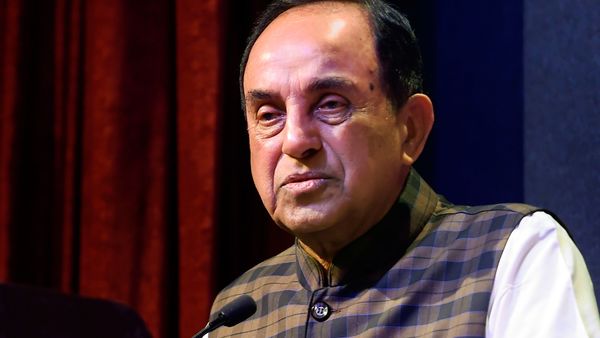
Senior Bharatiya Janata Party (BJP) leader Subramanian Swamy on Tuesday wrote to the Karnataka government requesting it to grant an autonomous development council for the Kodavas, a small race native to Kodagu, a rich coffee- and pepper-growing district in the southern part of the state.
Swamy said that it was about a year ago that he had the discussion to set up a development council for the ethnic group in Karnataka with BJP leaders like Amit Shah, Rajnath Singh and the late Anant Kumar.
“Shri Anant Kumar then said that if the council is not being separated from Karnataka, he would welcome the Codava Development Council with certain financial autonomy,” Swamy said in his letter. Using the colonial spelling, Coorg and Codava, to refer to the ethnic group, Swamy’s request reflects the sentiments of a section of Kodava’s, who have long since demanded a special status and a separate state.
The district that measures over 4,100 square kilometers and known for its coffee and spices growing regions spread across hilly terrains, has a population of over 5.54 lakhs and according to the 2011 census. The people of this race have excelled in the armed forces and in the field of sports, especially hockey among other areas.
“I think it will be good if you now take up this matter with the centre and see that this idea of Development Council as asked for by the Codavas is implemented at the earliest,” Swamy said.
Though there have been earlier proposals to include Kodava’s into the list of Scheduled Tribes and other categories of special status, this has not yet been implemented. Swamy mentioned the contribution of Kodavas in the Indian armed forces. The first Commander-in-Chief of the Indian army was Field Marshal K.M. Cariappa and was conferred the rank of Field Marshal on 28 April 1986. General K.S. Thimayya was awarded the Padma Bhushan in 1954 and took over as Chief of the Indian Army on 07 May 1957. There have been several people from this district who have joined the army. Swamy goes on to say that the race has been exploited by politicians with black money purchasing their coffee estates.
Currently, the Kalyana-Karnataka (formerly known as Hyderabad-Karnataka) region has been accorded special status to help overcome the regional disparity as these parts are home to some of the most backward regions in the country.
source: http://www.livemint.com / LiveMint / Home> Explore / by Sharan Poovanna / October 29th, 2019
Rahul Kamath, a man from the world of advertising and a newly converted lover of coffee, sat back in his chair.
Bengaluru :
When Rahul first developed an extreme love of coffee, he had not imagined even remotely where this affair would lead him. It had only been a year but this obsession had marked a sudden, clean and dramatic shift from his long-standing penchant for elaichi chai.
When his colleague Srinivasan, the accountant who sat in the cubicle next to his, commented on this change, Rahul was quick to respond, ‘It is elaichi chai that I’ve been having since my college days. How long can one keep drinking the same thick, inky stuff? Coffee, on the other hand, is so seductive and cool, man. Good coffee is like delicious, lingering sex, you know?’
Srinivasan, a nearly celibate Tamil Brahmin from Trichy [also called Tiruchi or Tiruchirappalli], did not like these casual mentions of sex in the office. However, well aware that Rahul was in an expansive mood, one where he would go on and on about assorted and inane things, Srinivasan persevered with the conversation, probably for the sake of friendship. It was only when it became quite likely that more graphic descriptions would follow to further illustrate what was already an inappropriate comparison that he thought it best to walk back to his cubicle. Shaking his head, he buried himself in the safety of his accounting ledgers where coffee and lingering sex thankfully made no appearances.
Rahul Kamath, a man from the world of advertising and a newly converted lover of coffee, sat back in his chair. He brushed back his thick black hair, stared into space and then closed his eyes. This almost always helped him think. Why did Srini go away so quickly? Rahul could never understand people who first initiated a conversation and then withdrew inexplicably. Unfortunately, there are plenty of such people in our offices these days—shallow guys with thick spectacles and a bucketload of grand degrees, most of them unable to hold a conversation for more than a few minutes. Let it go, let it go, Rahul, it is not worth the thought. Only a nice hot cup of freshly brewed black coffee was worth his time now; some lovely Americano would allow him to think and rise above the usual rut that was office civility.
Rahul took off for Red Horse Café, his favourite coffee place. It was small, cozy and warm, and just ten minutes away if one walked briskly. Just the thought of a steaming cup of Americano had geared him up for some thinking. He had read somewhere that Americano literally meant American coffee though it had actually originated in Italy. This nugget of information had intrigued him until he found an unconfirmed story suggesting that the name owed itself to American soldiers fighting in Italy during World War II. They used hot water to dilute the strong Italian espresso to produce the sort of coffee they drank at home. The Italians must have been aghast. But he doubted if anyone cared; after all Americano helped the Americans win the war.
Excerpted from An Extreme Love Of Coffee by Harish Bhat, with permission from Penguin Random House India.
source: http://www.newindianexpress.com / The New Indian Express / Home> Cities> Bengaluru / by Express News Service / October 30th, 2019
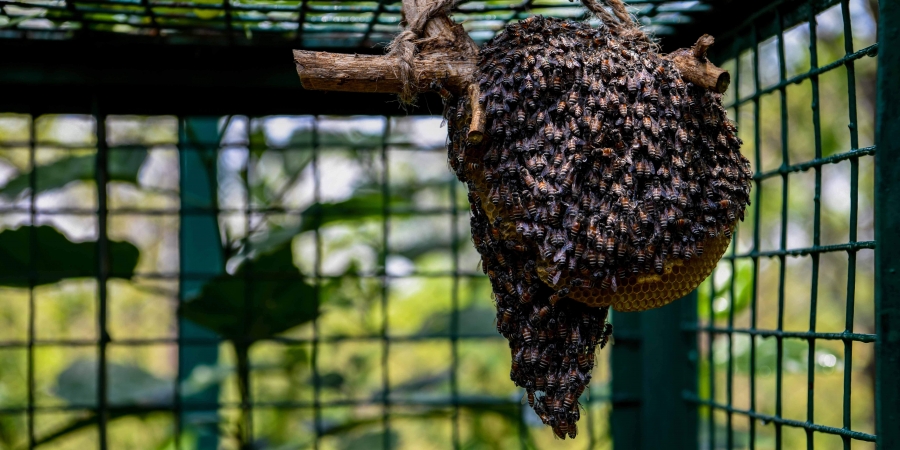
Indian and European bees are the most sought after while stingless bees are slowly catching our attention for its medicinal properties.
(Photo | Meghana Sastry, EPS)
Your favourite mango will definitely become dearer if not extinct, if we don’t act now. Pollinators, which include bees, need a major protection boost.
There are 2,00,000 pollinators of which honeybees are the most sought after, why?
There’s a popular saying ‘as busy as a bee’. That term comes from the fact that honey bees are the only species who identify a flower and make multiple visits to the same flower until they get all the nectar and pollen out of it. They are the best pollinators and work in the most methodical fashion. From identifying to communicating and dividing work. Their social structure is fascinating and one that we can learn a lot from. There are 20,000 types of bee species of which the ones mentioned below are the most popular types in India. Indian and European bees are the most sought after while stingless bees are slowly catching our attention for its medicinal properties.
Common Name Scientific Name Natural Nesting Site Honey Yield
(KG)
____________________________________________________________
Indian Bees Apis Cerena Cavity, Termite Mounds, Tree Hollow etc. 8-10
European Bees Apis Mellifera Cavity 25-30
Rock Bees Apis Dorsata Tree Branches, Buildings etc 30-35
Dwarf Bees Apis Florea Twig in a bush <1
Himalayan Rock Bees Apis Laboriosa Underside of rock cliffs 40-45
Indian Stingless Bees/Dammer Bees Tetragonula Iridipennis Cavities, Hollows in tree trunks and walls <500 grams
_______________________________________________________
There’s been a lot of buzz about bees going extinct and people have been trying to find a way around it.
Here is a story from beekeepers who have found it very lucrative to harvest them.
There are multiple beekeepers like Apoorva - the bee man of India and organisations like the University of Agricultural Sciences in GKVK, Bangalore who conduct workshops and help people understand the importance of bees, train them on beekeeping and provide them with bee boxes.
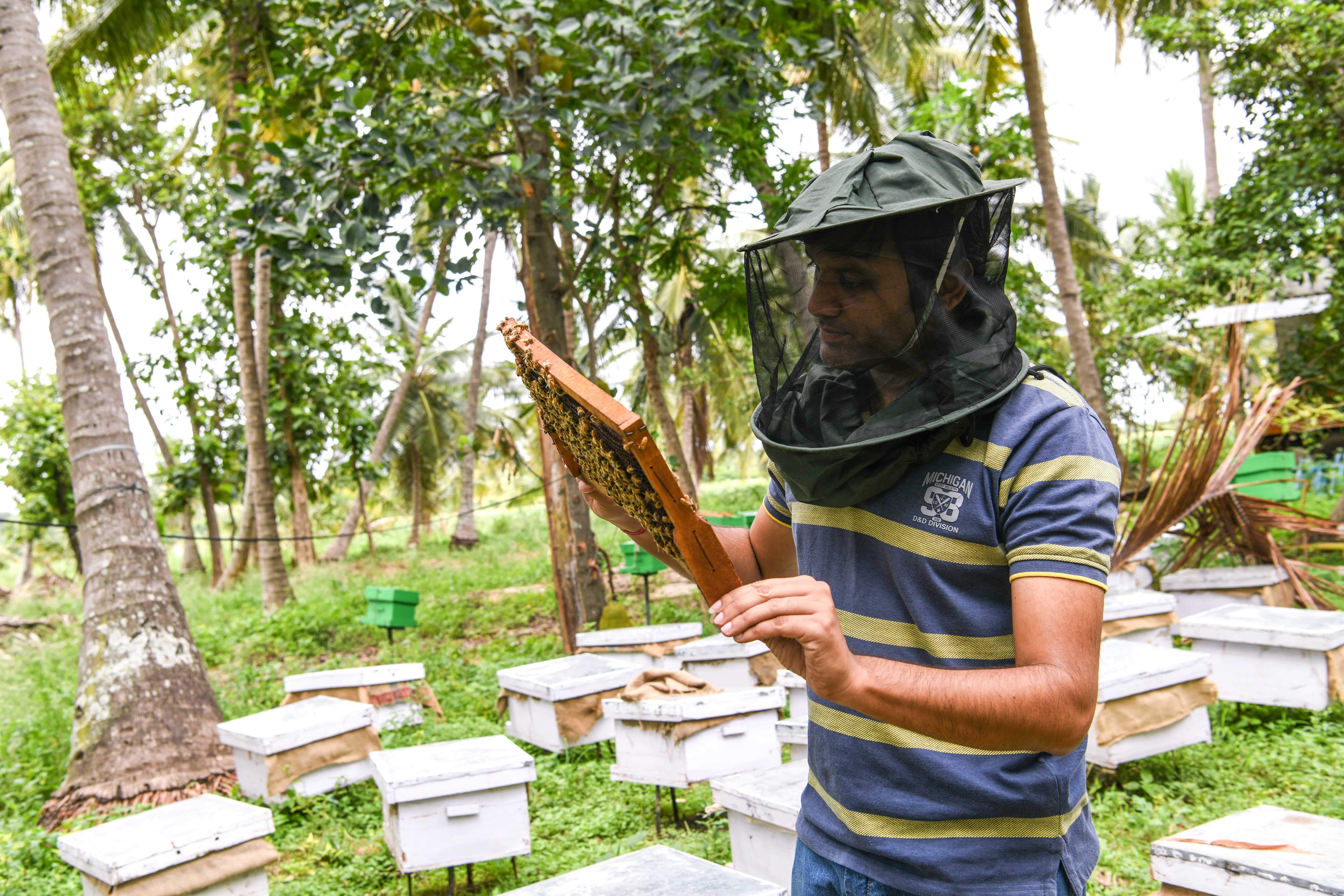
Apoorva visits his bee farm in Bidadi regularly to check the health of the bees. He is a mechanical engineer but a beekeeper by profession. He found his passion for bees even before he graduated and took it up soon after. He’s been working on bees for over 10 years and works closely with farmers across the country. He travels, meets farmers, trains them, gives them bee boxes, follows up with them on the progress and reviews the health of the bees regularly. He also helps them sell their produce. While Apoorva works with a lot of people across the country, this is a story close to home where he’s been working with flood victims in Coorg.
He is involved in multiple activities such as honey production, bee breeding, manufacturing beekeeping equipment, selling honey and beehive by-products, mainly wax. His company’s annual turnover is over 2 crores. He has both Indian and Italian bees.
He initially collected bees from hives and then started breeding them in his apiary during the natural division season of bees. He also buys colonies from farmers when they multiply. This bee farm is near a cornfield which is rich in pollen. It is important to understand your demography he says. Having bee flora next to an apiary is very beneficial to harvest more honey and keep bees in good health. He harvests Indian bees in forests and hilly regions and also promotes only Indian bees to farmers as it’s easier since most of them cannot handle migratory beekeeping.
European bees which in India are Italian bees requires 4-7 migrations in a year for which, he travels around 1,200 kms pollinating thousands of acres in North Karnataka mainly Sunflowers, Til, Niger, Coconuts, Arecanuts, Banana, Avacado, Litchi and more. Honey yielding fields for Italian bees are Sunflowers, Eucalyptus, Til and Niger. He has more than 200 colonies now and will split them to make about 800 during the breeding season. A farmer keeps anywhere between 4-25 boxes. He needs about 3 boxes per acre and has to distance each colony by at least 10 feet.
Bee Harvesting has helped Coorg flood victims make a livelihood
Vijay Panduranga talks about the effects of the flood and the rehabilitation work in Coorg.
After the floods in 2018 that hit Coorg, a lot of farmers lost their land in turn livelihood and haven’t received much relief from the government. There were rescue operations but then not much is being done on the rehabilitation front.
With paltry compensation from the govt. Coorg flood victims are finding solace in the new beekeeping venture. Nectar flow is an initiative/program started by a few local people, spearheaded by Retd. Brigadier Devaiah to help provide a steady income to people interested in beekeeping. People have seen returns in the 1st few months. They say that the money that comes in lets them breathe. While beekeeping in an age-old tradition in Coorg, the methods are ancient. Devaiah was on the lookout for someone with a scientific approach to help them and that’s when he found Apoorva and sought help. Apoorva readily agreed and continues to work closely with the farmers. He has helped the farmers understand the species better, eventually getting them better yields. At Coorg, each farmer makes a minimum of 5 kgs of honey per year and each box sells at Rs. 600/- per kg. They also make money by selling colonies at Rs. 1,500/- per colony. Farmers produce about 2-3 kgs of beeswax per year which is approximately Rs. 350/ kg
Farmers from the North East, Chhattisgarh, Coorg and other parts of India find it difficult to sell the honey and wax that they produce. Apoorva helps them by buying the whole lot from them, filters them further if there’s moisture and sells them as and when he gets enquires. Honey is labeled as per the flowering season such as litchi, cardamom, clover, mustard, chilli, etc., the honey tastes different too.
The by-products such as beeswax, royal jelly and bees venom are other sources of income and, used in pharmaceuticals and beauty products.
The below-mentioned statistics are only an example of how bee pollination increases the yield anywhere between15% – 80%. These are scientifically proven numbers in ideal conditions (these are underestimated values).
Estimated global economic value of pollination is 217 billion USD in 2005
_______________________________________________
Crop Increase in yield per acre (%) Increase in yield per acre Income generation by pollination per acre
_______________________________________________
Coffee 15% 5 Bags 15,000/-
Aracanut 25% 2 Quintals 64,000/-
Coconut 20% 3,000 nuts 36,000/-
Banana 20% 5 Quintals 10,000/-
Watermelon 80% 4 Tonnes 20,000/-
___________________________________________
Farmers tell us their personal stories of how beekeeping has helped increase their yield with pollination in crops such as coffee, fruits and spices. They also make a good livelihood but extracting honey and wax. What they make is pure and unadulterated making the quality far more superior than the ones available off the shelves at supermarkets.
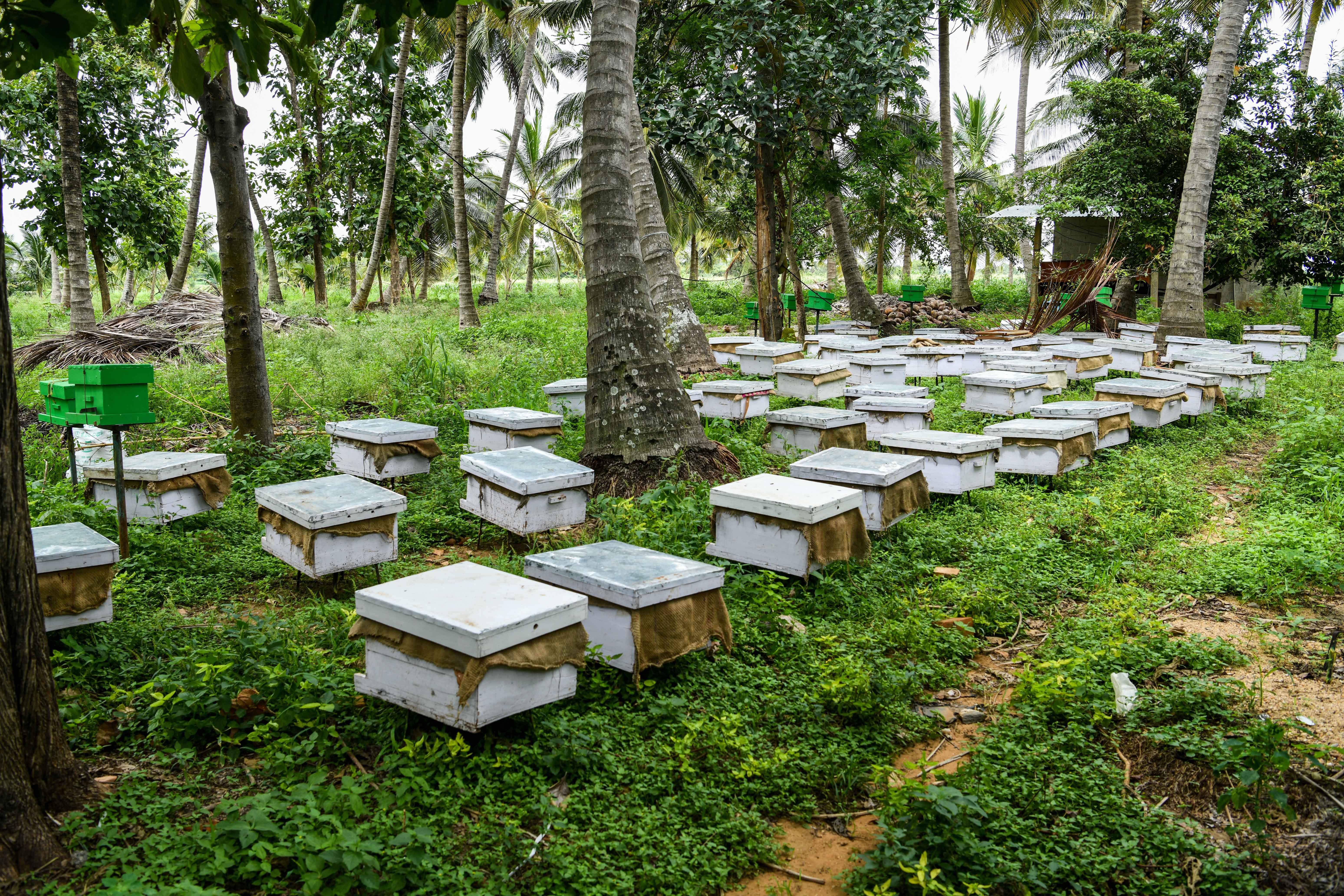
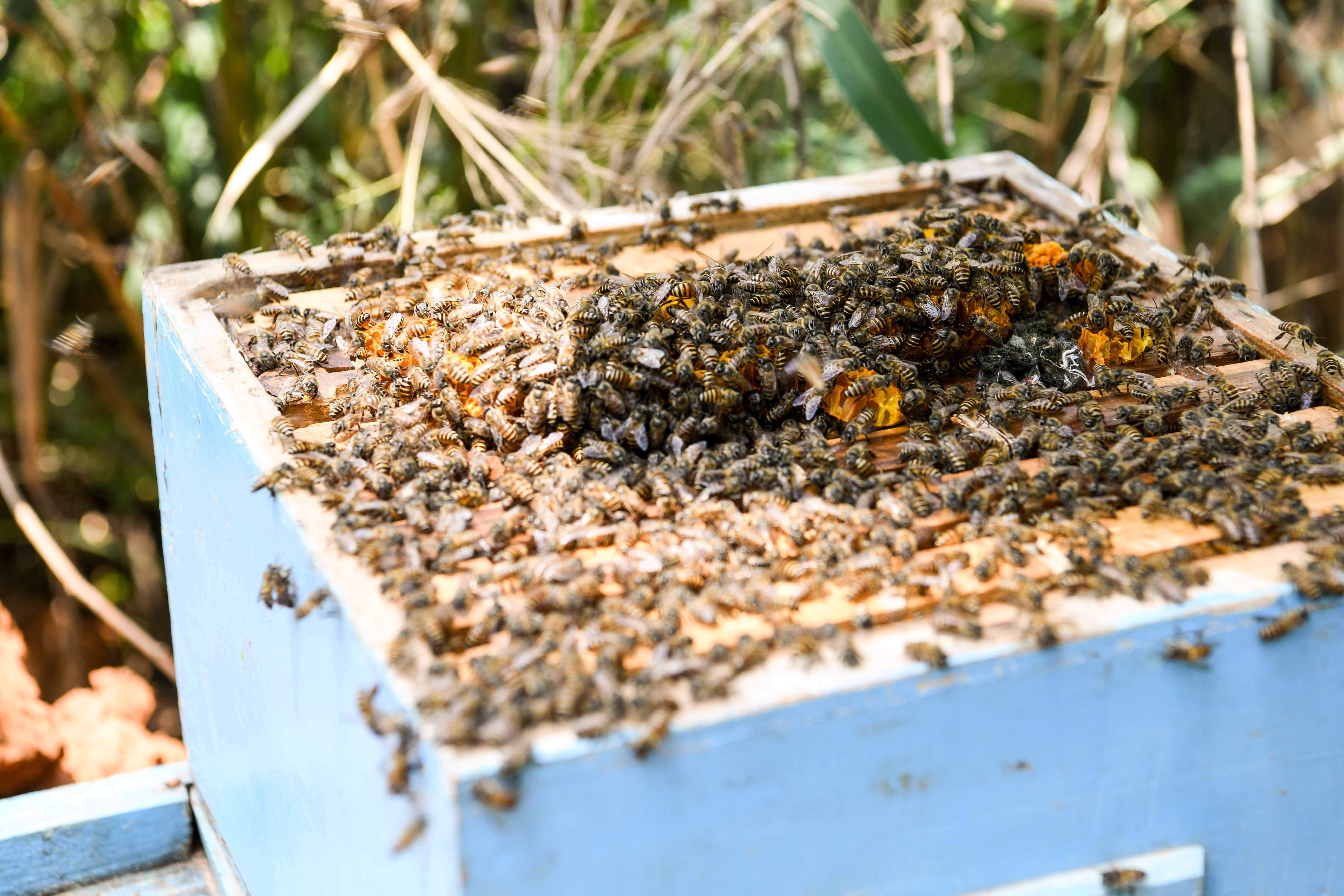
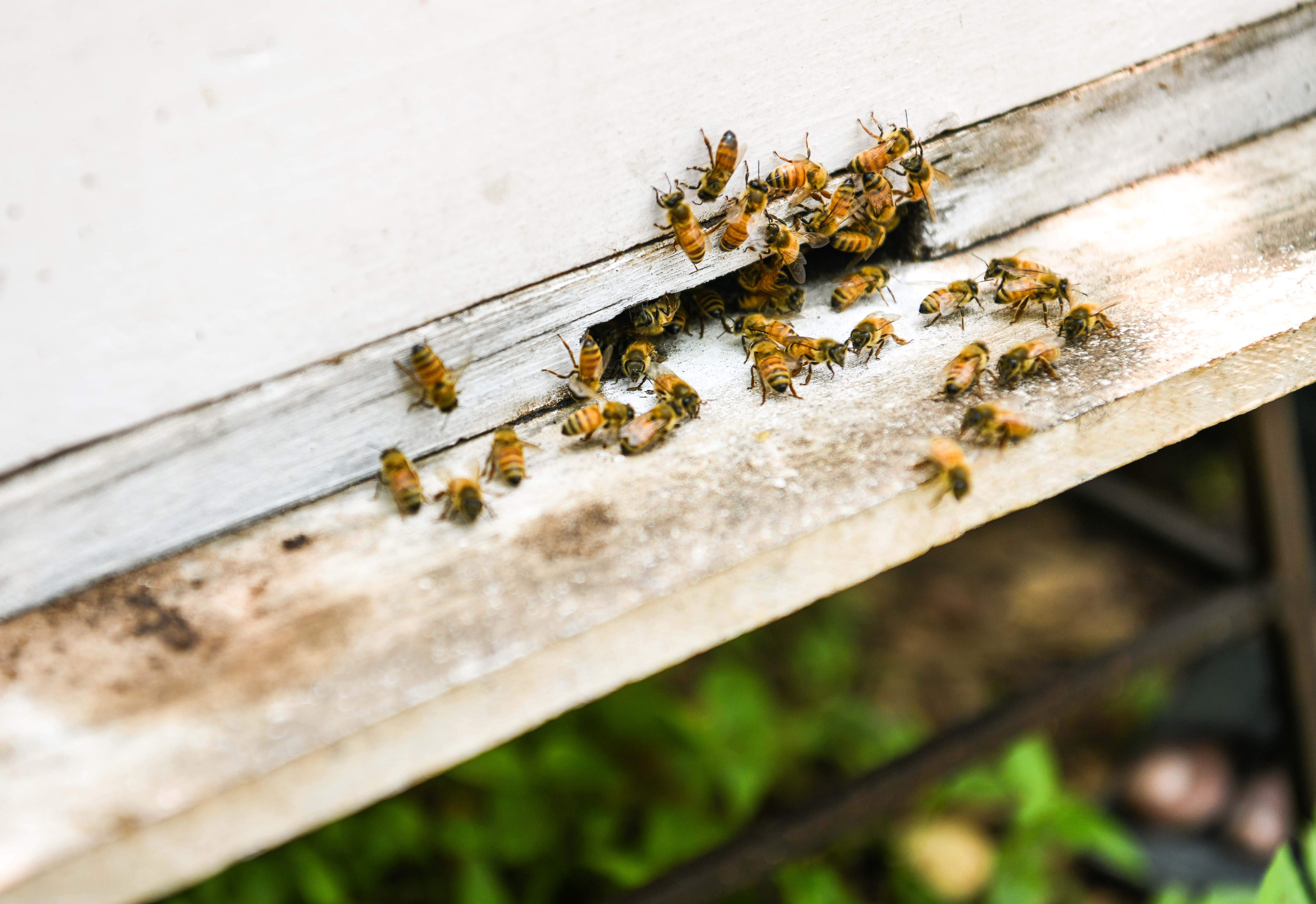
This is what a bee box looks like. This is one bee colony. They come on top to feed. There are multiple wooden frames inside quoted with wax, which help them construct combs.
Every bee box has an opening at the bottom which allows the bees to move in and out of it, to go out and collect nectar and pollen. Some farmers who have these bee boxes are also given out on rent for pollination to seed producers or other farmers who are in need of pollination.
Naganna (Saachi) Kalappa lives 3 kms away from the main Madhapur town in Somwarpet Taluk. He has been harvesting bees for 18-20 years. Bees were available in abundance then as the ecology was healthy and rich, and filled with plants that the bees needed to survive. However, the species has seen a massive decline in numbers as the human population has been increasing and trees are being cut down for personal benefits such as planting silver oak trees as it yields timber and in a short span of time. Since the decline in numbers, they now need to procure boxes and up their skills and knowledge. After adopting this scientific method, he has benefited as his crops are multiplying. He is making enough money to take care of the needs of his family. He also says I request people to stop destroying forests and help in sustaining them and grow trees that are required for agriculture instead of timber to improve the ecology.
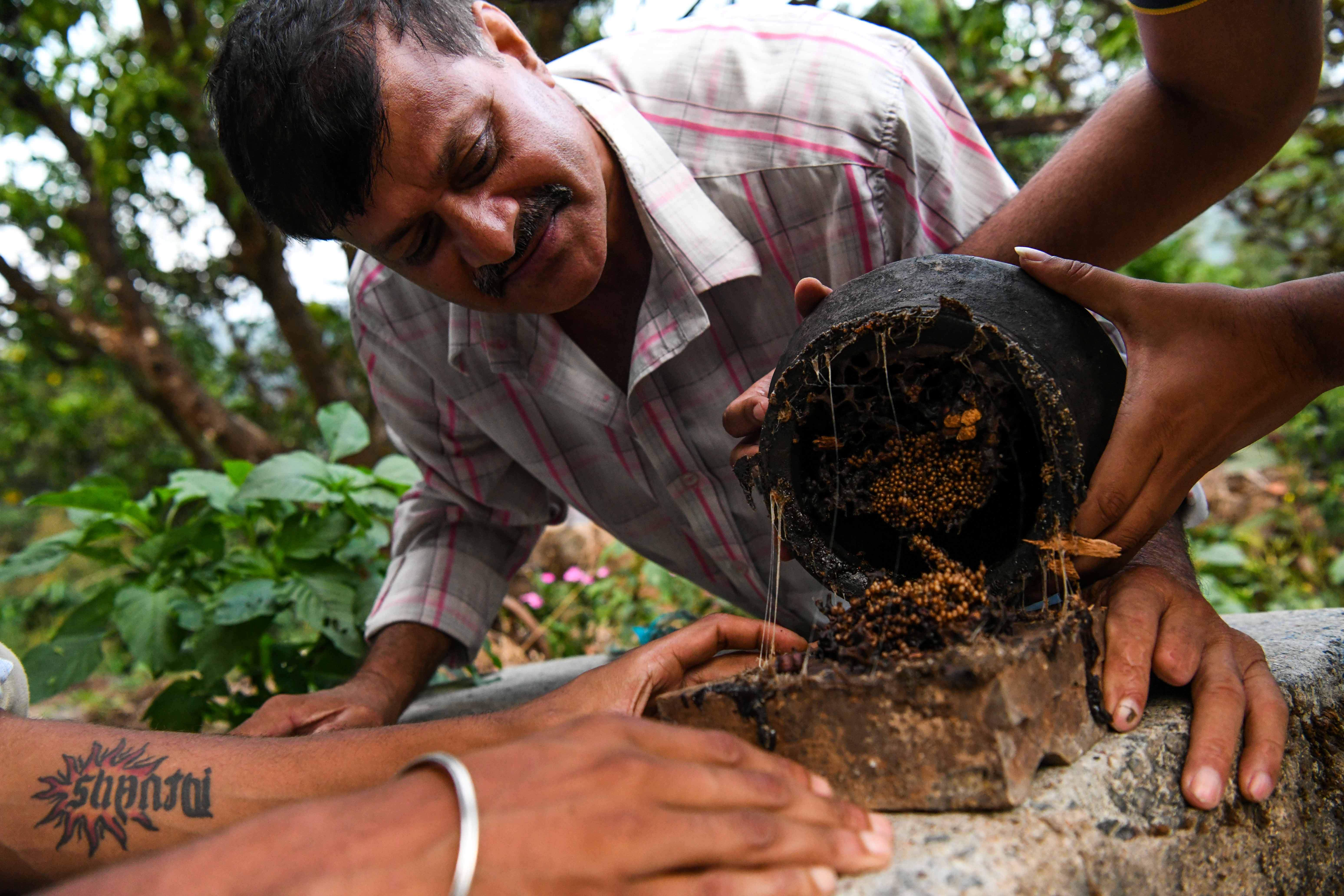
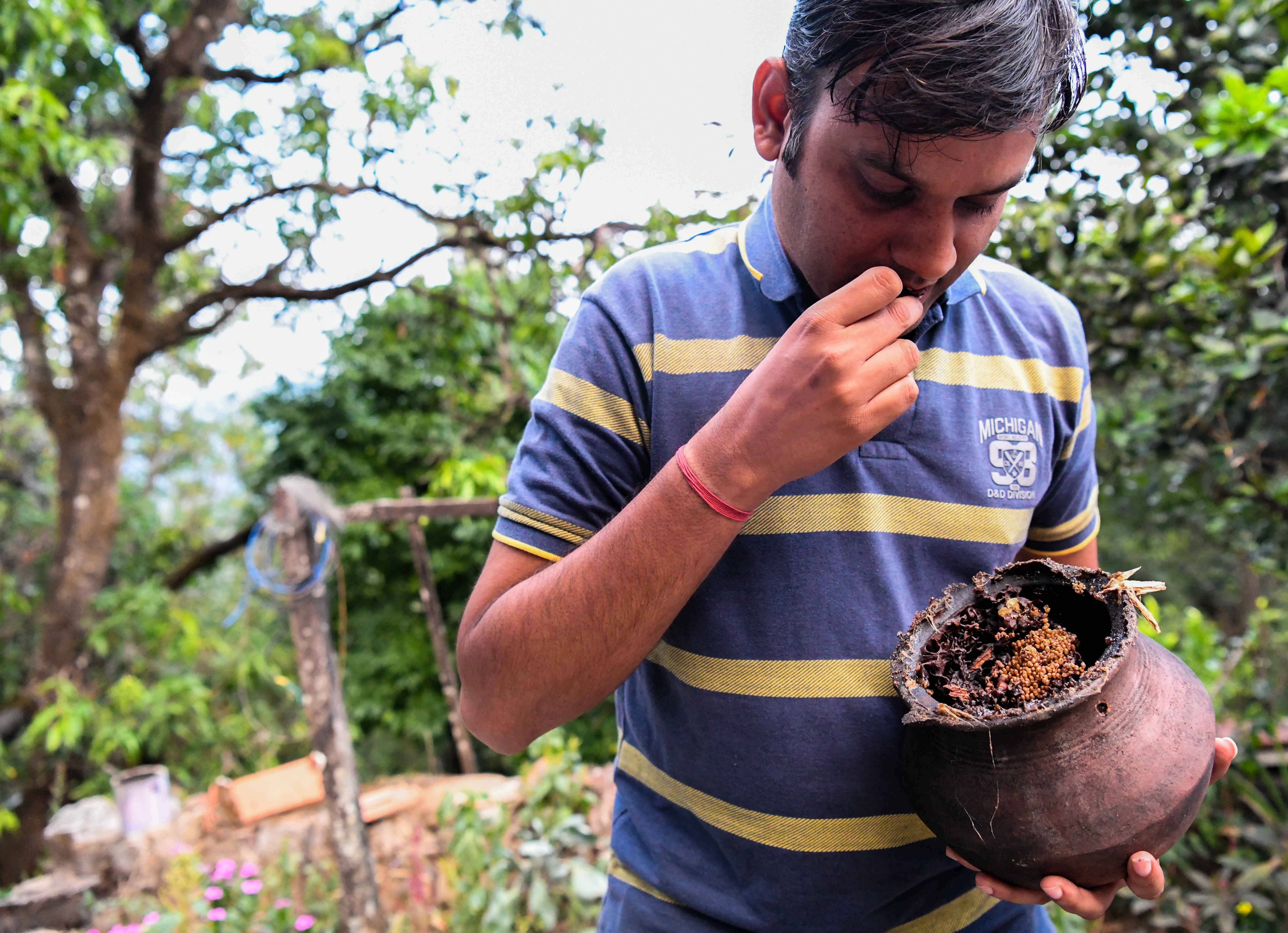
Thammaiah CB (Dolly) lives 7 kilometers away from the main Madhapur town in Somwarpet taluk in the Coorg district. This part of Coorg witnessed the worst of nature’s fury in 2018. While he has been harvesting Indian Apis Cerena Bees in boxes he also harvests stingless bees in pots. The quantity of honey is way lesser than what is produced by other bees however, the quality is far more superior as it has a lot of medicinal properties and is sold at a much higher rate.
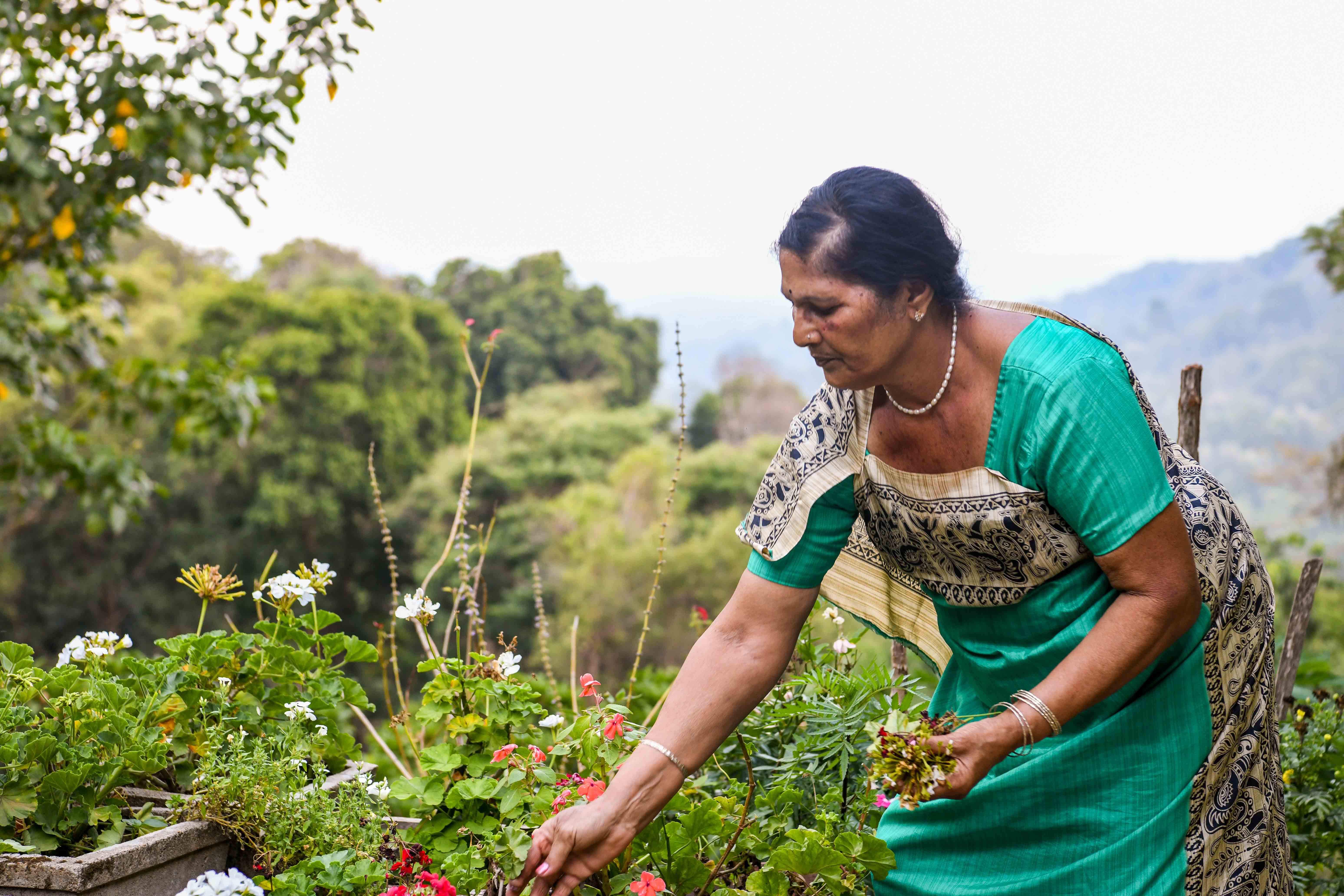
Thammaiah’s mother tends to her garden every day. She says it isn’t enough if you just harvest bees and have a coffee estate, it is very important to understand what kind of flowers and fruits attract them and cultivate them in your garden. This helps in increasing pollination and nectar production.
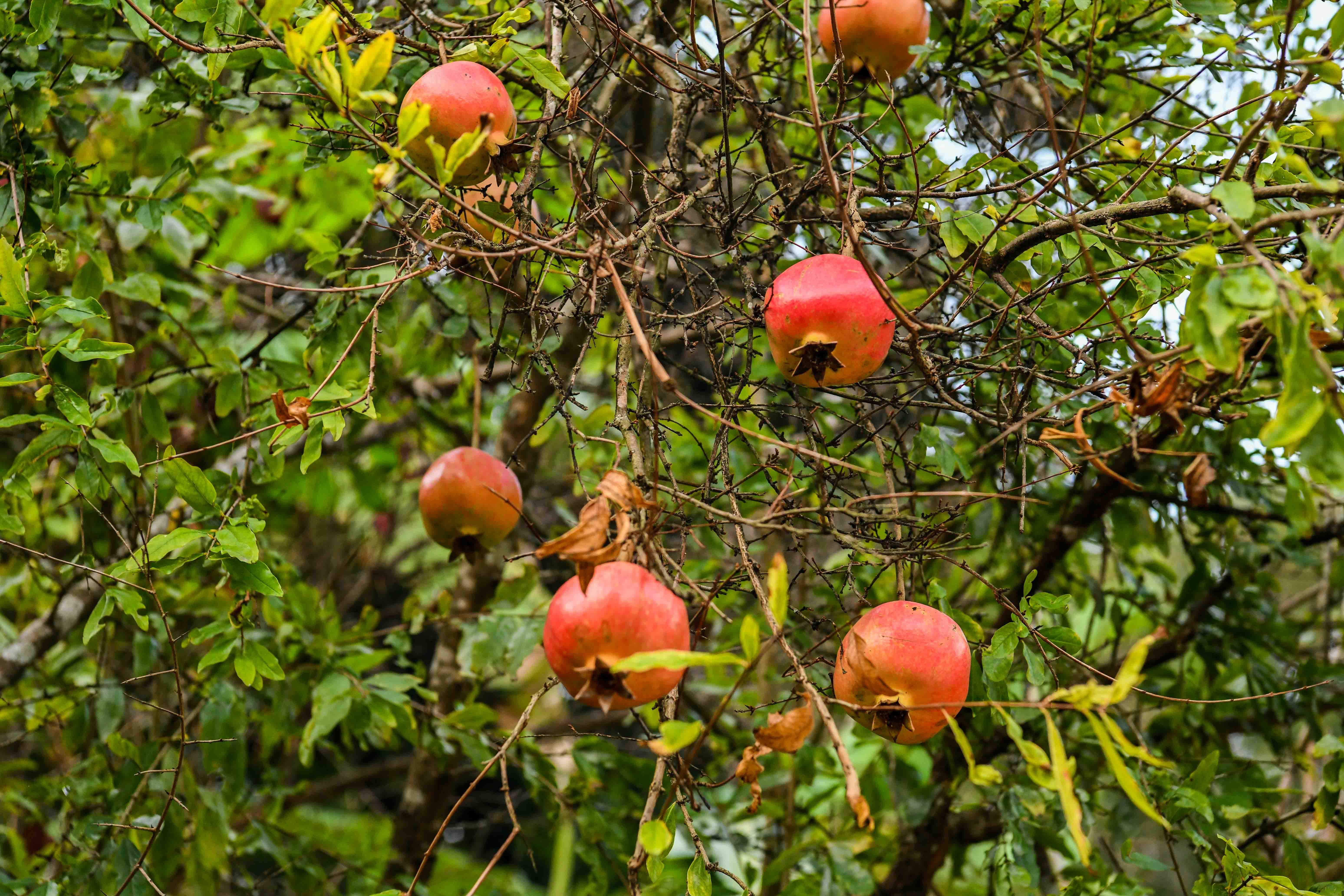
Fruit especially those with seeds are good pollinators.
Plants that one should cultivate to yield better results
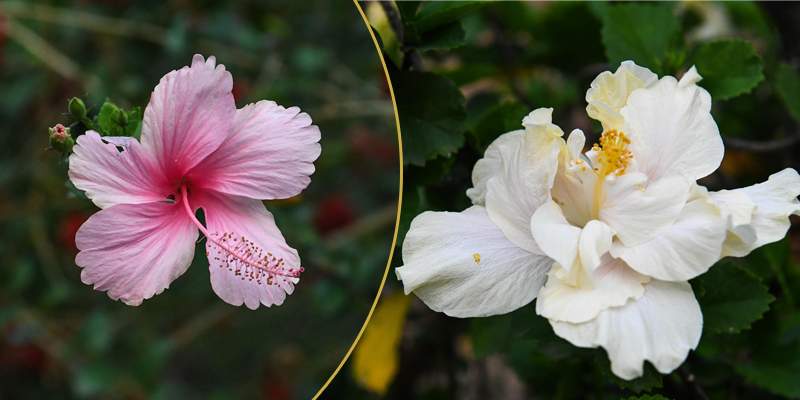
Nectar: Plants such as Avocado, Litchi, Hibiscus etc.
Pollination: Plants such as Sunflower, Sesame, Mustard, Coriander, Niger, Coconut and more (bees are attracted to vibrant colours such as yellow and blue)
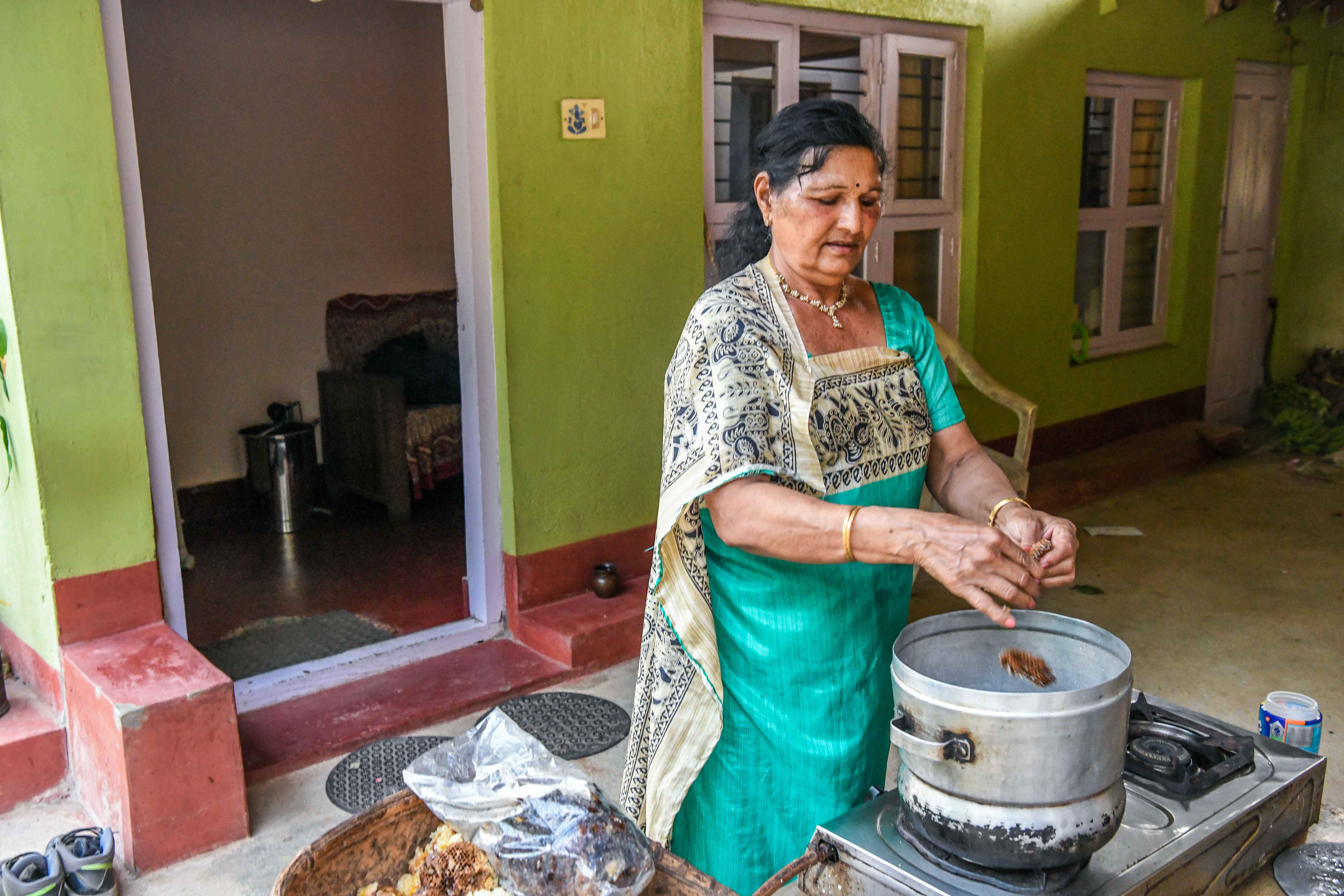
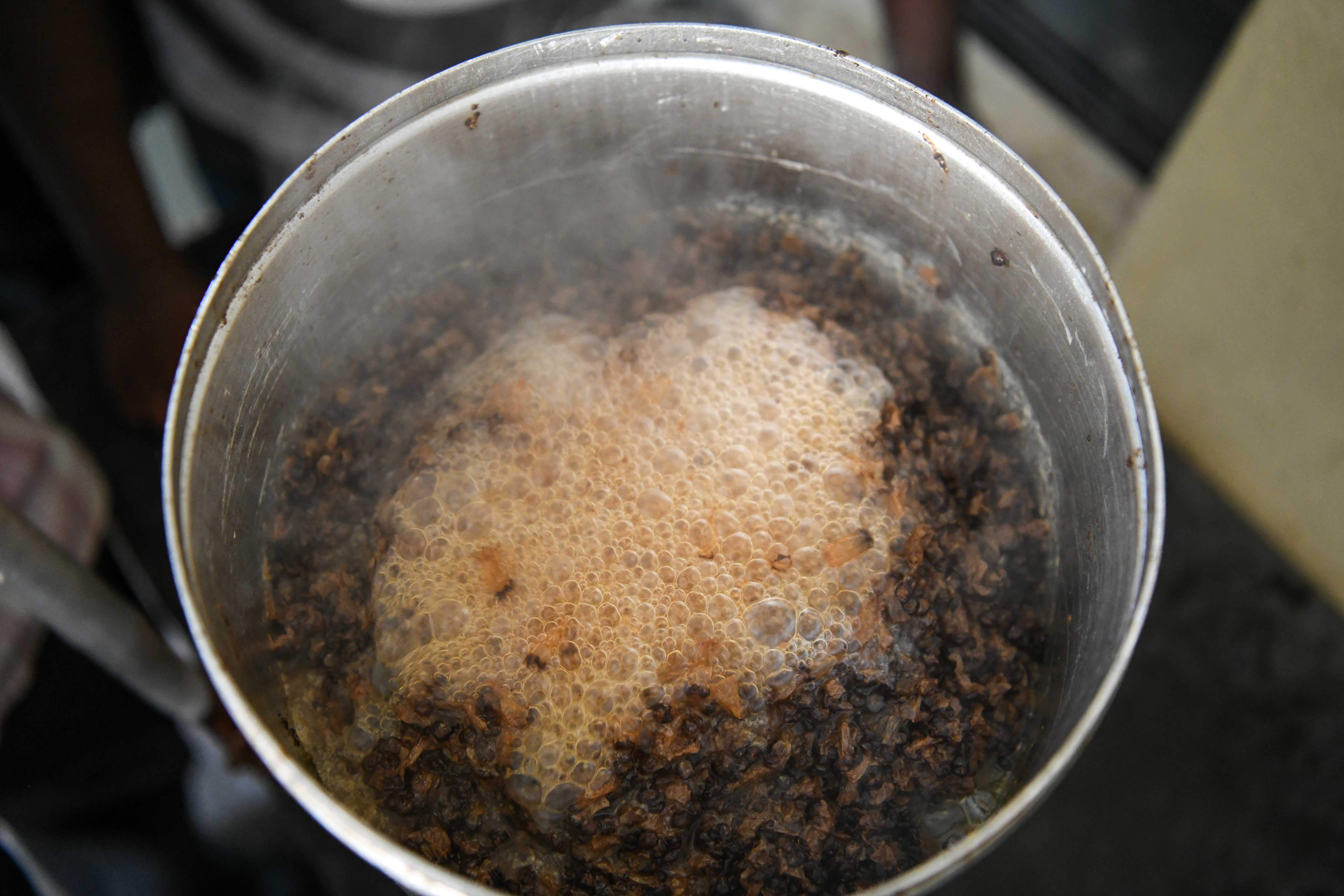
She also makes beeswax at home which is another income generator. She says that it is not a very laborious process and demonstrates. You first break the comb into a utensil with enough water and let it boil.
You let it boil until it reaches the required consistency.
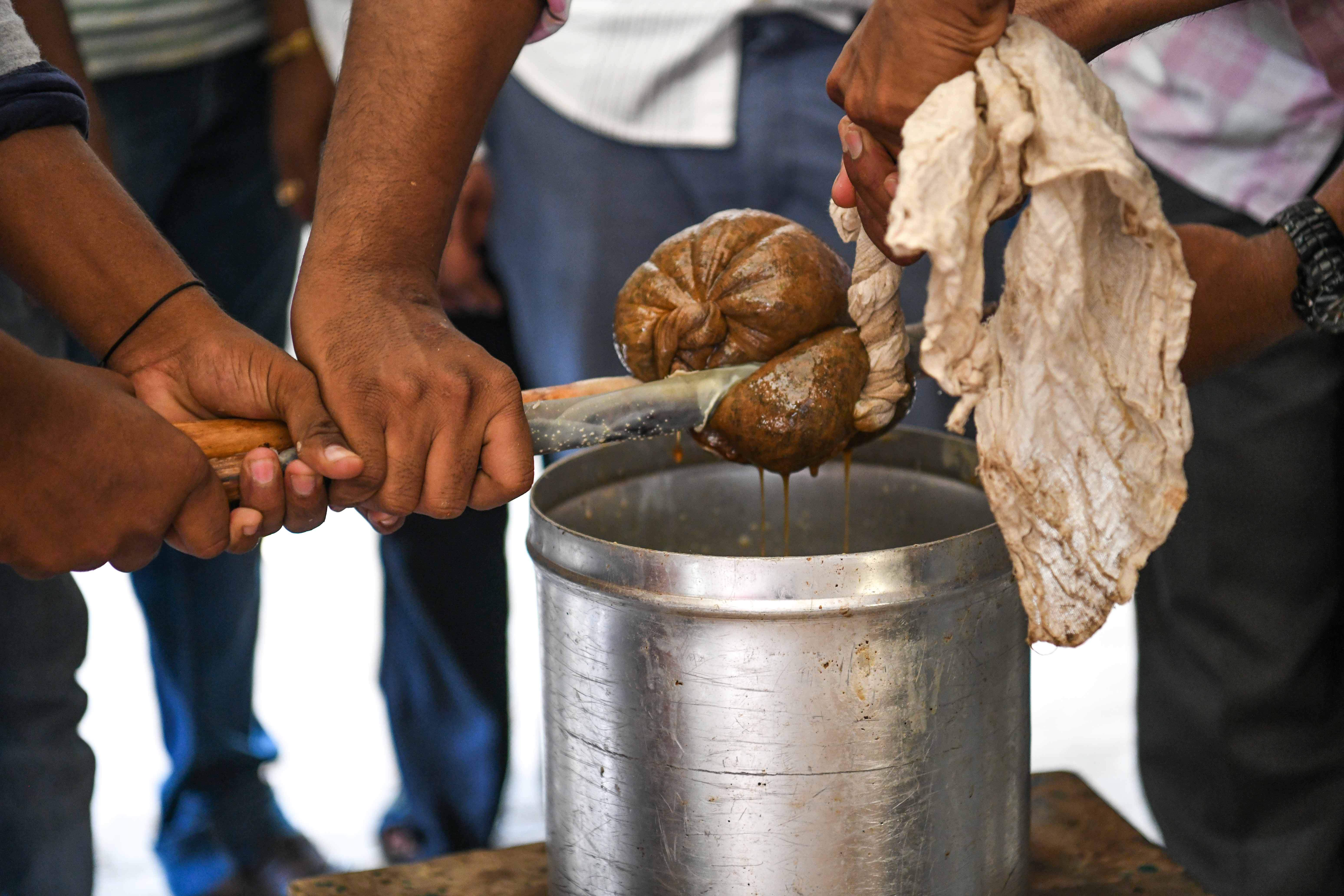
You then squeeze out all the excess water and use the residue to make wax cakes.
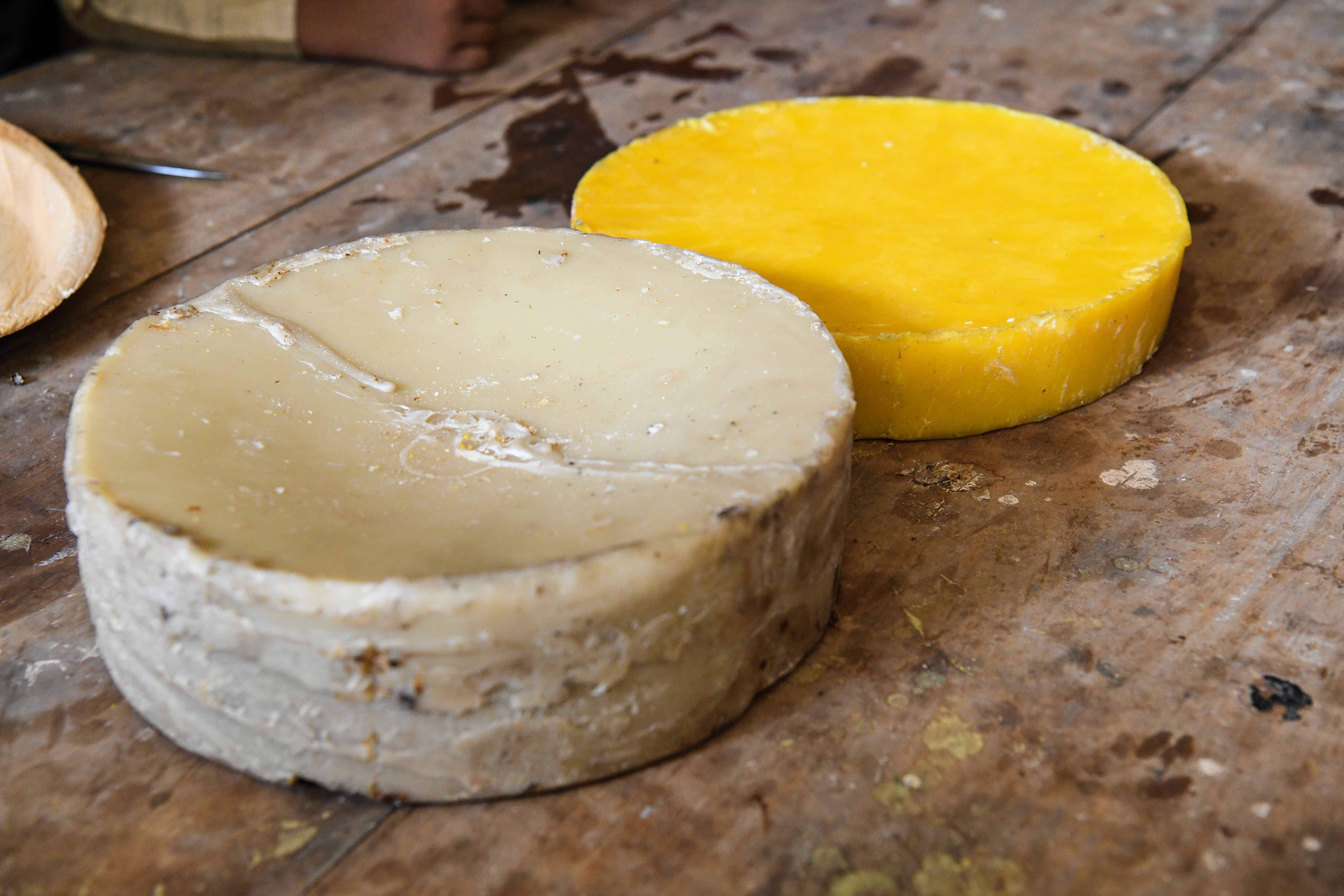
This is the final product.
Apoorva pays regular visits to all the farmers across the country and conducts a health check.
It is very important to taste it as well. Every house he goes to gives him honey to taste. He jokes and says I am glad I don’t have diabetes. If I did, for the amount of honey I consume, I would be in a lot of trouble.
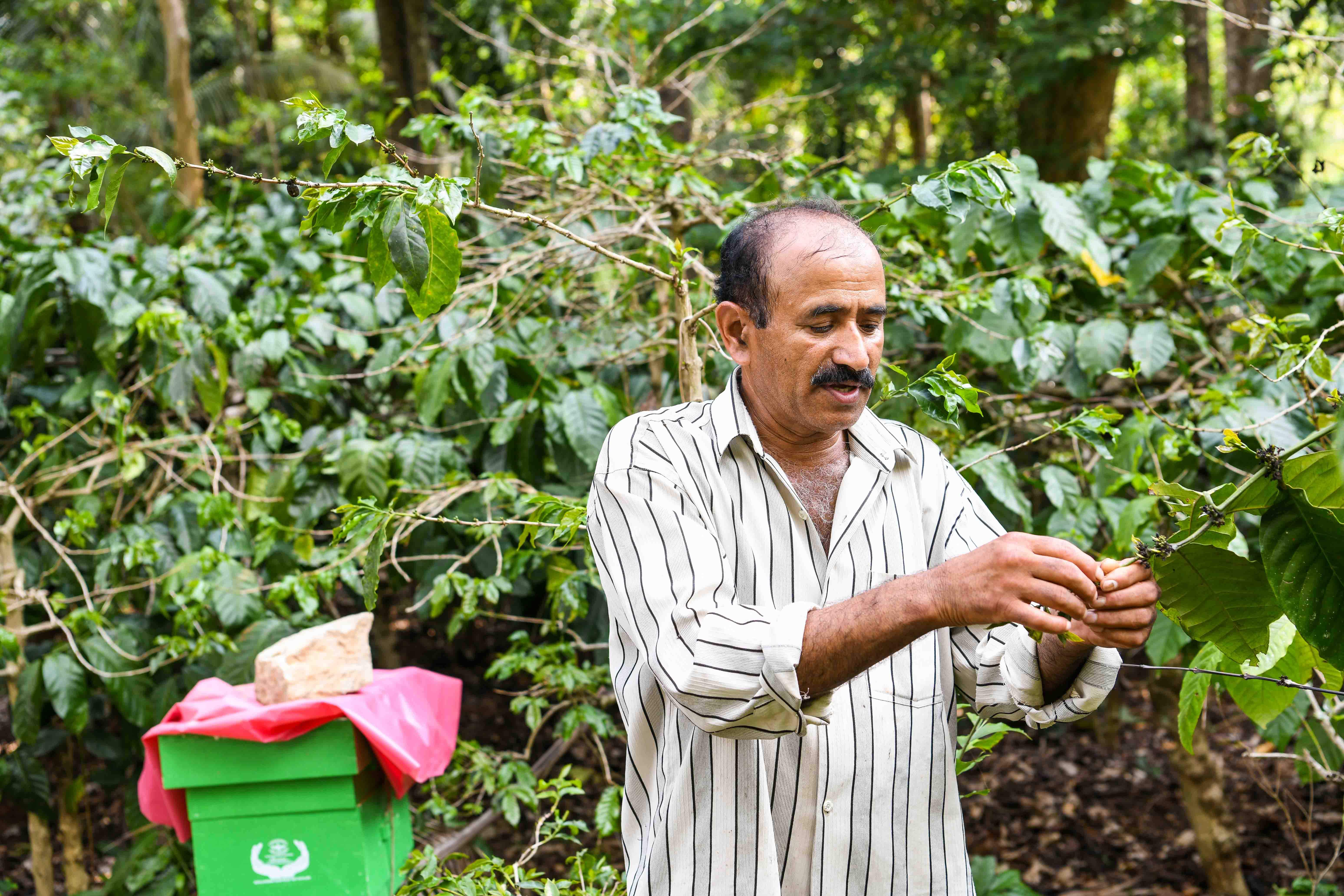
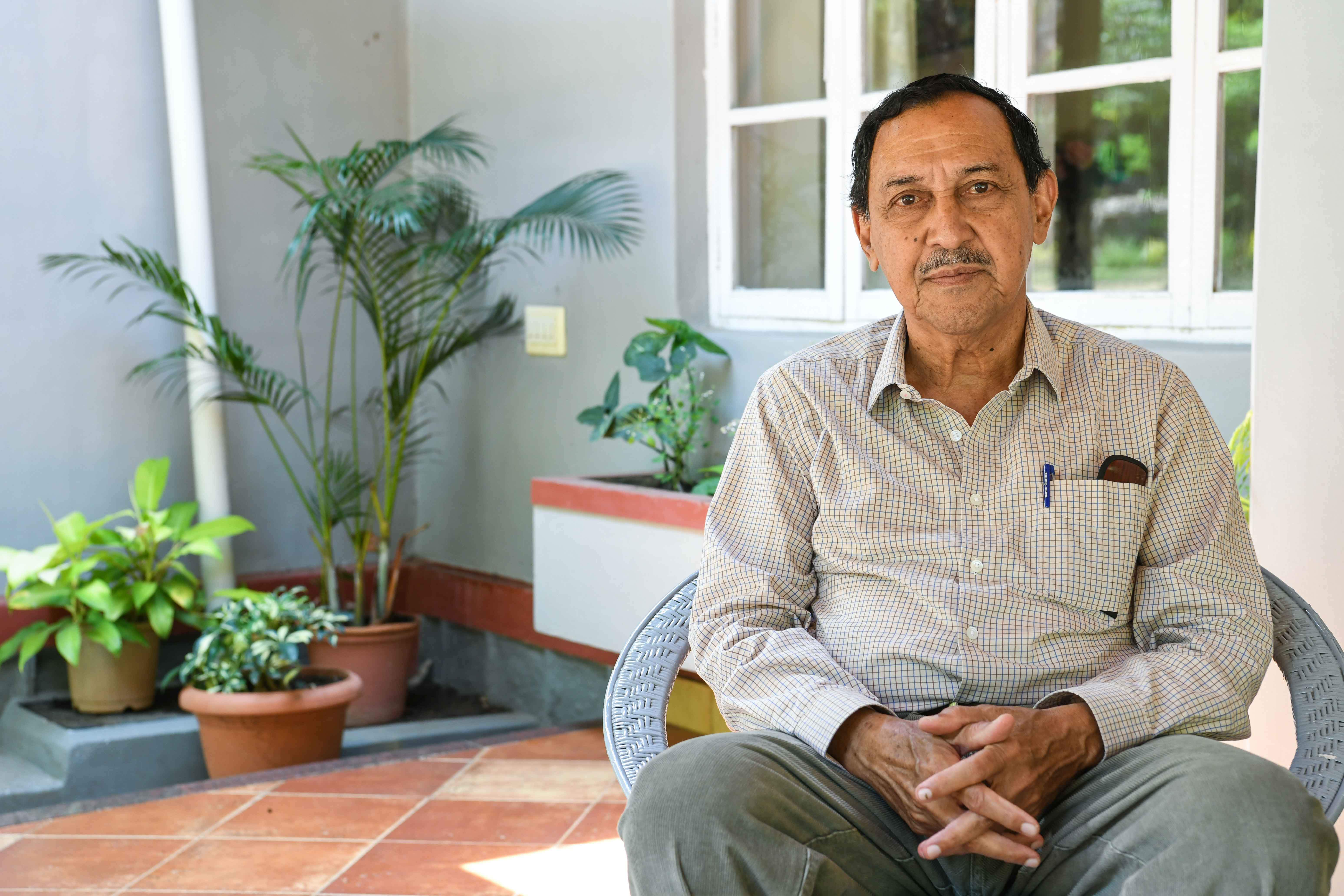
Bose Mandanna is the fourth generation coffee grower. He moved back to Coorg 53 years ago after completing a bachelor’s degree in Agricultural Economics. He talks of how he has seen farming change in the years to come. Back in the day farming was done in a very environmentally friendly way. Over a period of time, when they found pests taking over the plantation, they used some chemicals to deal with the pest issue. However, they soon realised that they were not only harming humans but also the bees and other pollinators in the environment. These chemicals known as weed killers have cancer-causing properties. On realising this, they decided to go back to organic farming. However, a lot of farmers have been affected by this chemical especially in Punjab as they are one of the largest agriculturists, and the Punjab mail is popularly called the cancer express as a lot of them are coming to Bombay for treatment. Also to note the groundwater gets affected by these chemicals. People are saying that there are bee-friendly pesticides available. He jokes and says “there are all chemicals and they cannot be friendly, they might not kill you but make you unconscious”. Please avoid chemicals and use bio controlled agents.
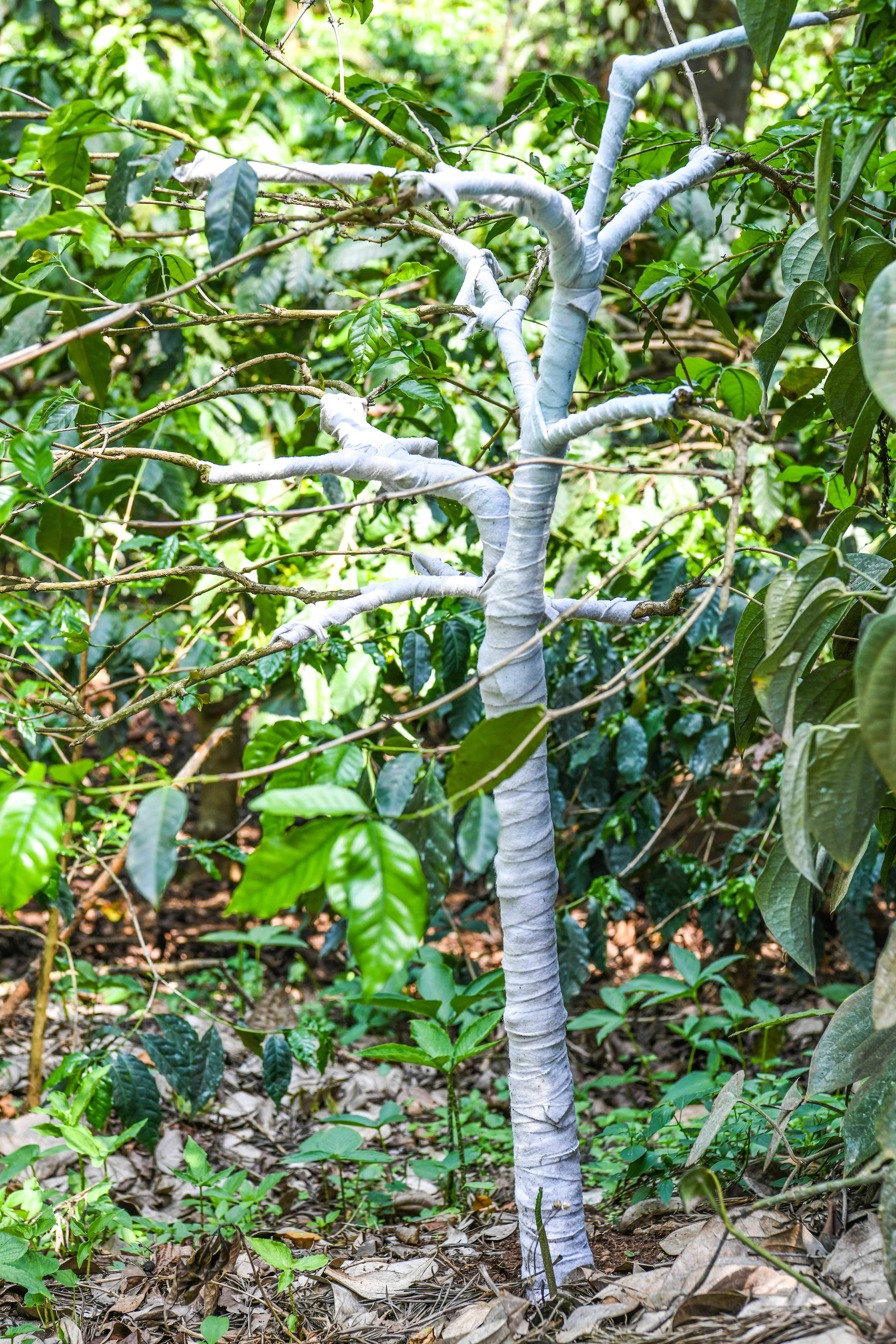
White Stem Borer Problem: These pests are known to attack the coffee plants and wreak havock hence they wrap the plants with white cloths to avoid this menace. There is a mild chemical in it but it only
touches the trunk of the plant and does not reach the coffee flower thereby not harming humans or bees.
May 20th is International Bees Day. UAS in GKVK conducted a 2 day class for people interested in beekeeping. Urban beekeeping is also becoming popular as people from the cities have started showing
interest.
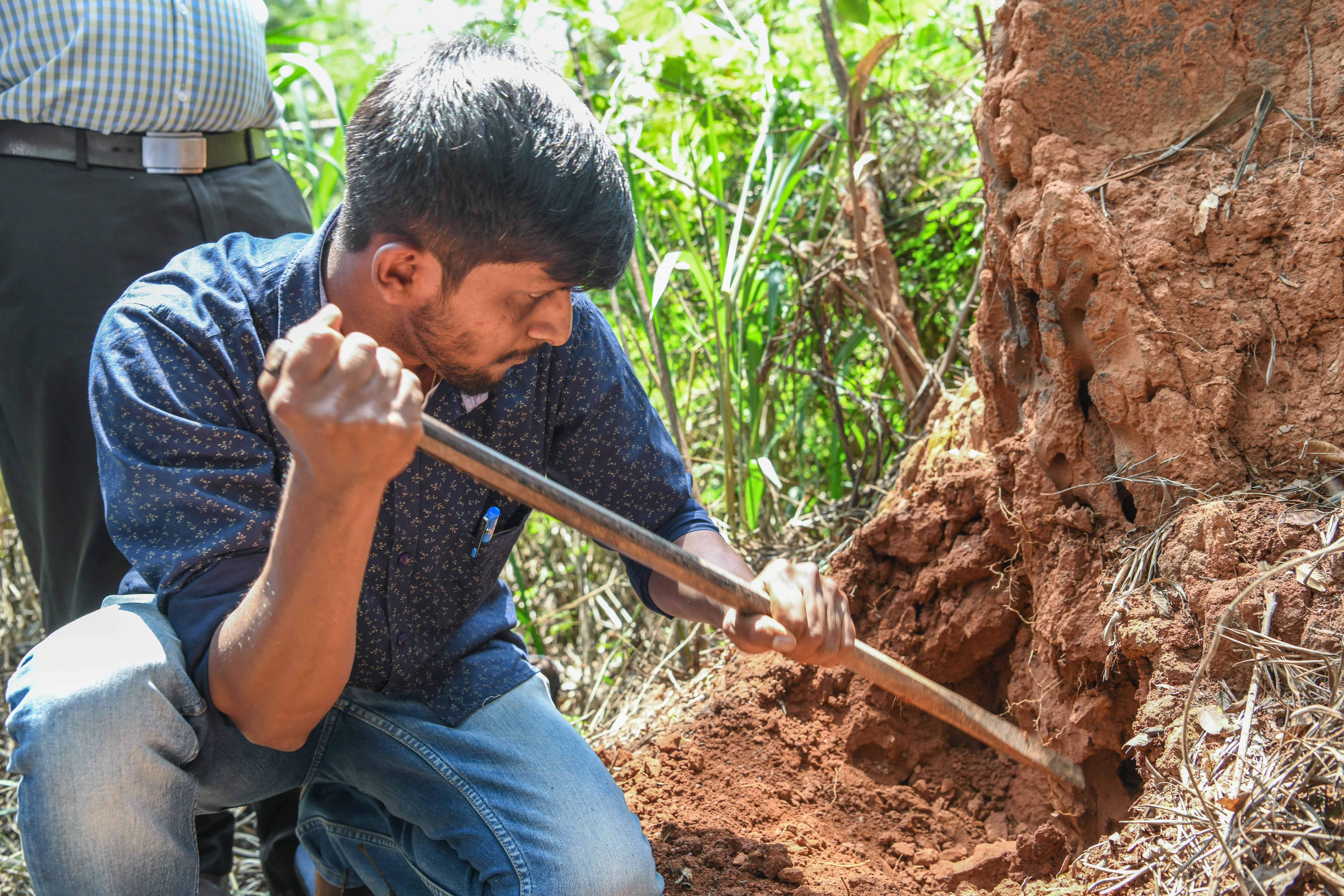
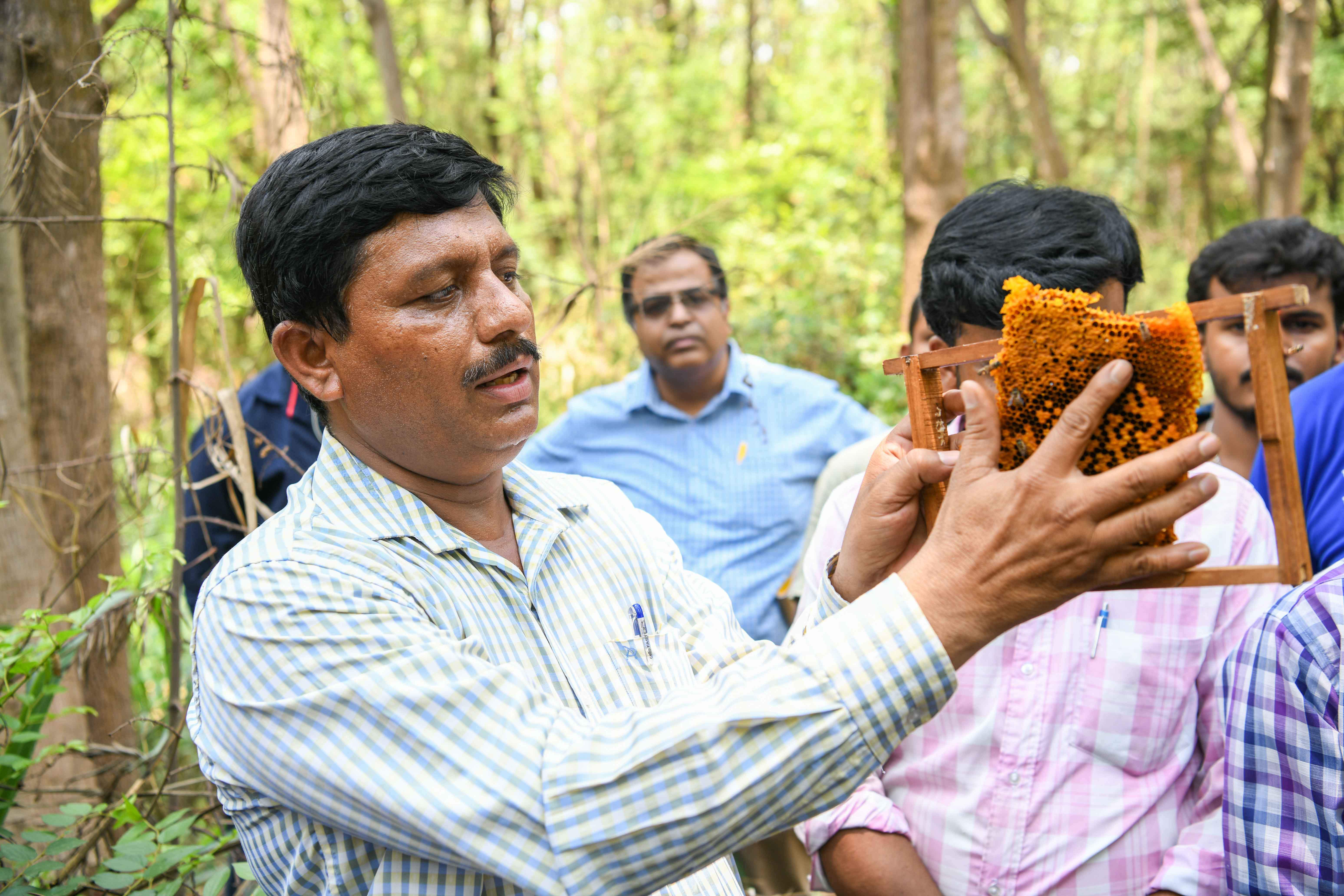
The staff showed them how to identify and dig out for a beehive as they can build hives anywhere. This has to be done with caution so as to not break the hive.
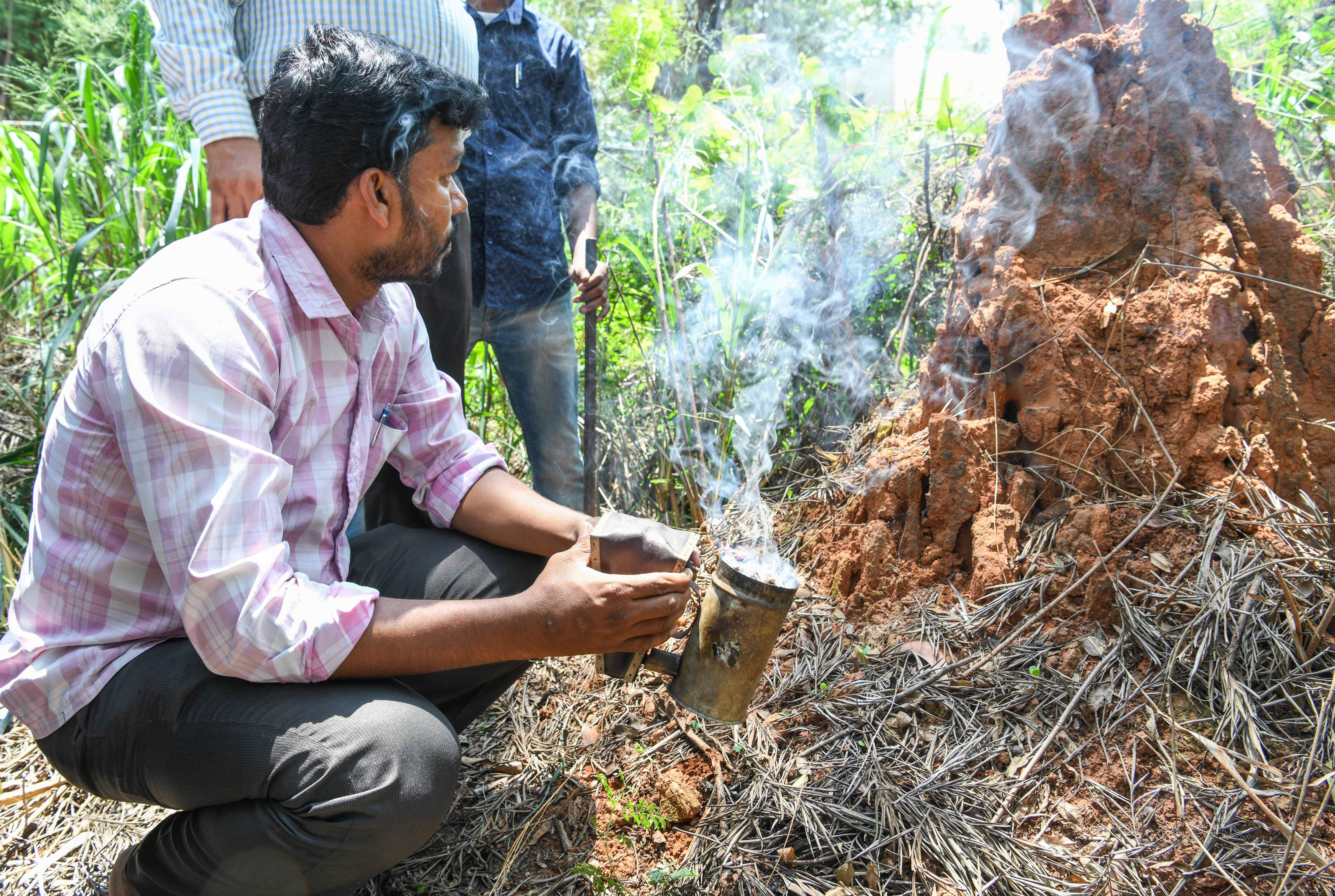
You then mildly sedate the bees with some smoke by burning dry cotton cloth and get the comb out
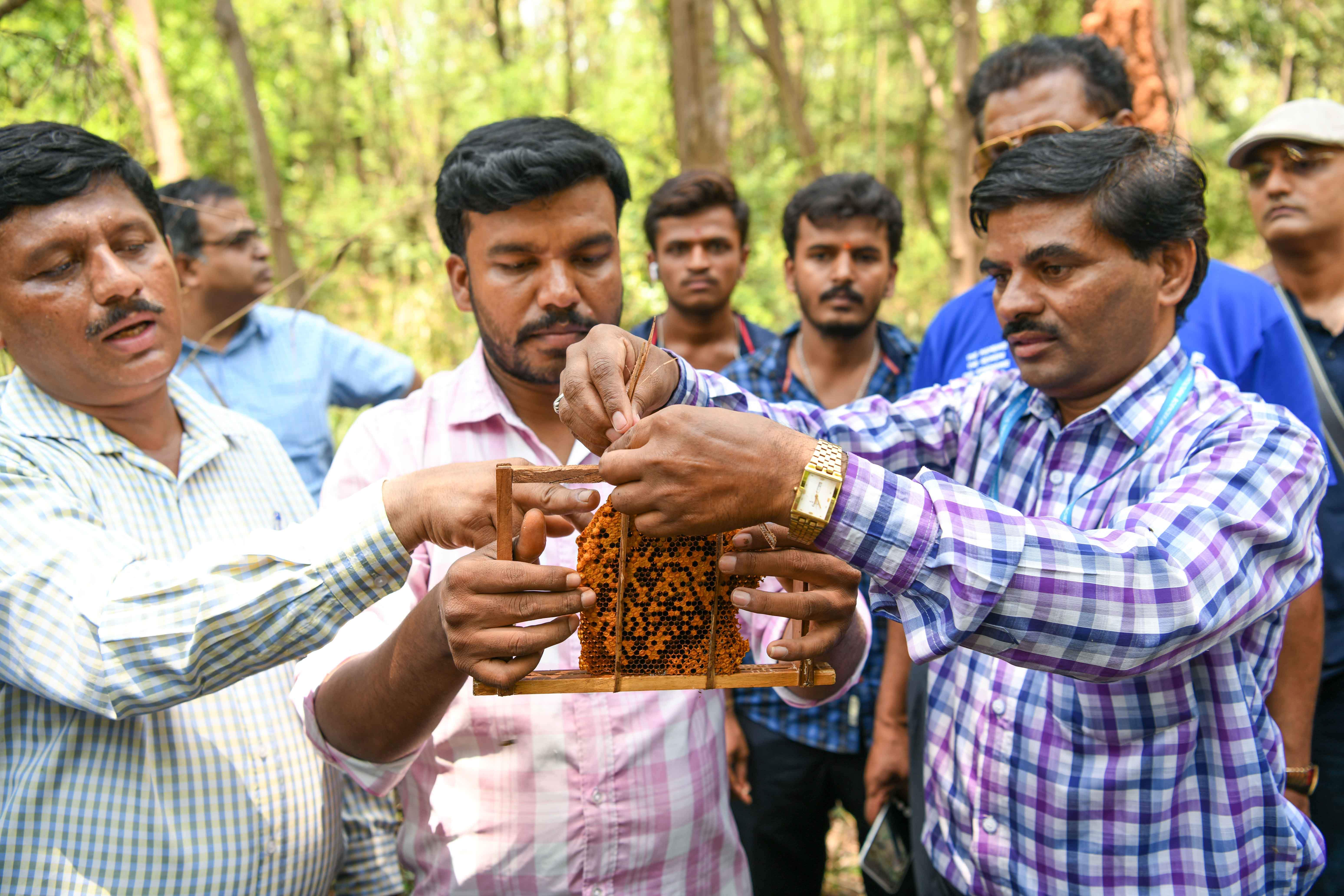
Once you get the comb out, you tie them tightly to a frame but not so tight that they break.
Students learn to tie the comb to the frame.
While they learn to make honey, a student observes the comb.
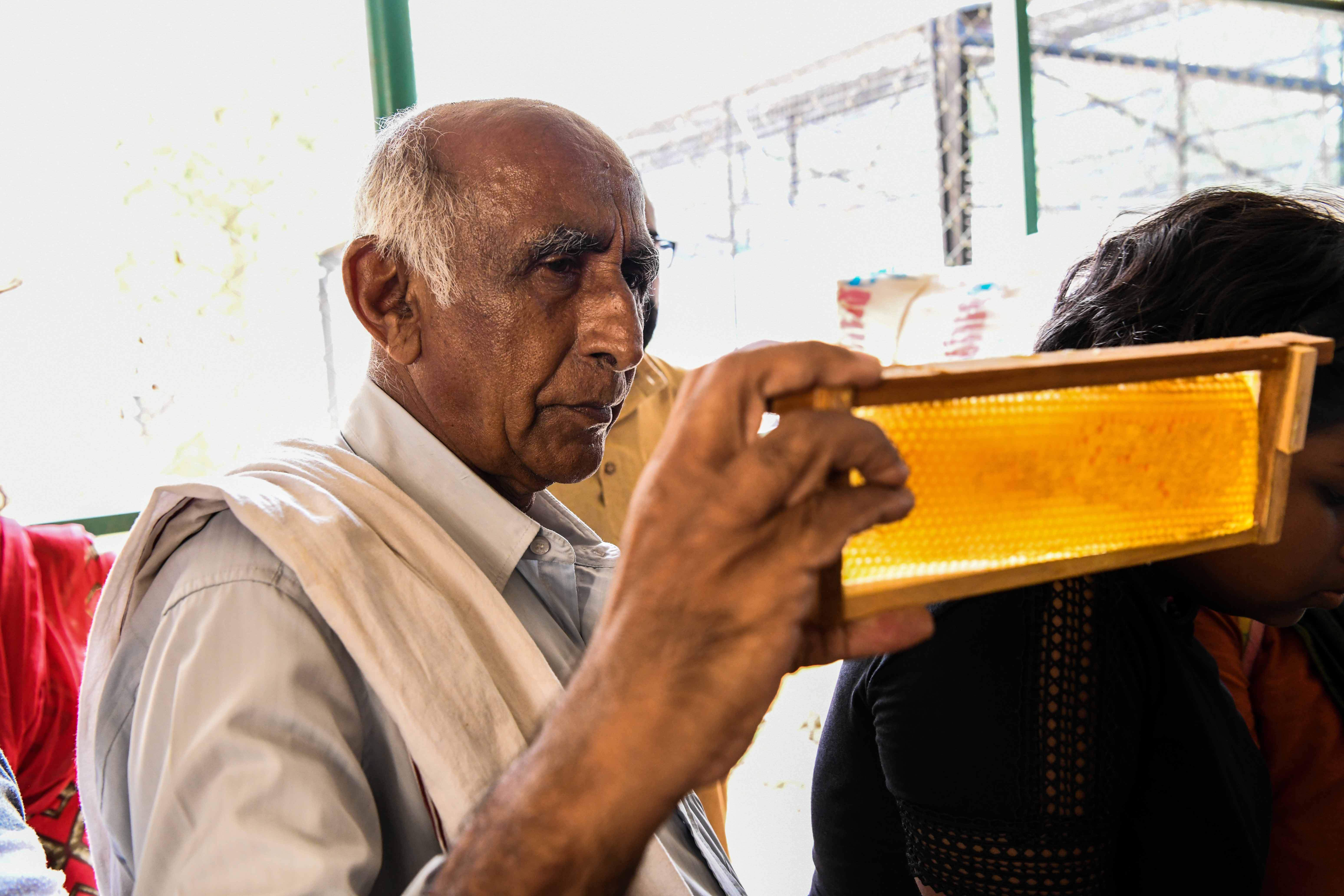
Santosh from the faculty shows the class how to peel the comb before you can put it into a vessel to churn honey. The peeling has to be very fine.
These are the machines in which you put the combs in to extract honey. These machines are also made by Apoorva and sold to the farmers. There is a particular way the combs have to be kept and then manually churned.
A small community of farmers can only do so much, the government needs to step up and help take this initiative forward, make this bigger and reach more people.
source: http://www.newindianexpress.com / The New Indian Express / Home> Specials / by Meghana Sastry / Express News Service / October 28th, 2019
WELCOME. If you like what you see "SUBSCRIBE via EMAIL" to receive FREE regular UPDATES.
Read More »