Perfect brew! Amul-model, cooperative-led coffee revolution in Kerala’s Wayanad gains global attention

Indian coffee often fetches poor prices due to lack of quality segregation. But the Climate Smart Coffee Project wants to change that.
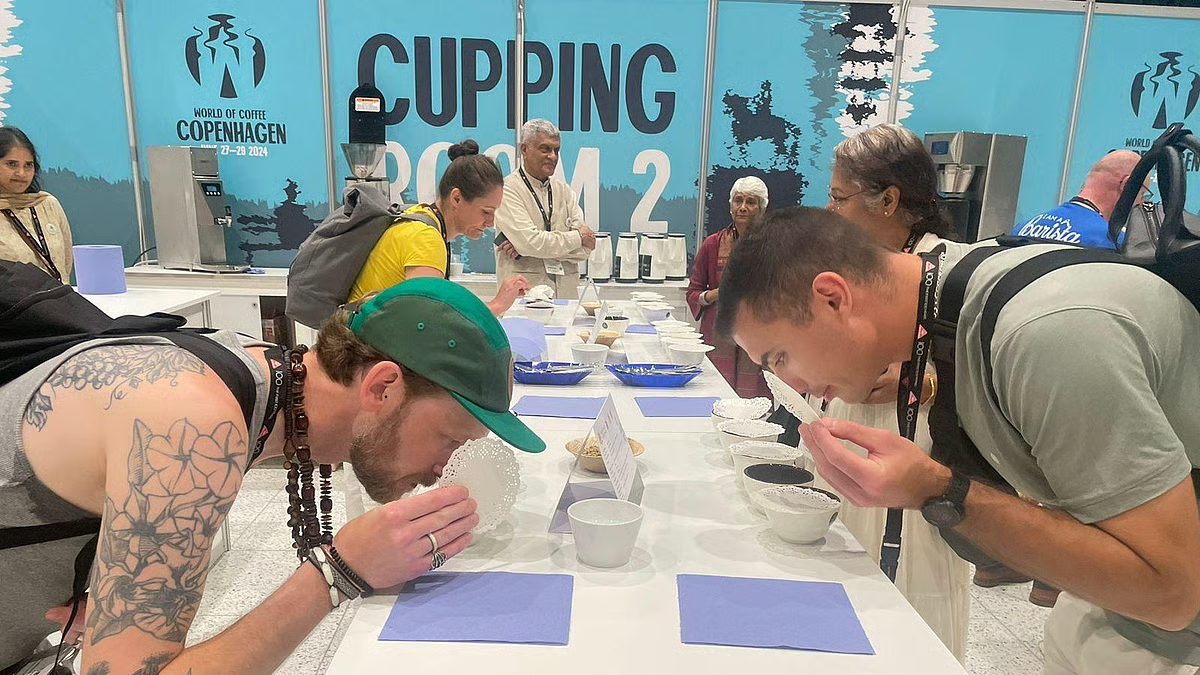
For the first time Wayanad specialty coffee was displayed at the World Coffee Conference at Copenhagen, Denmark, last year. It received good response from participants and coffee connoisseurs. (Photo | Special Arrangement)

Kochi :

It was a stunning beginning to a perfect brew. Aroma and all.

Two years ago when the Dutch team visited Wayanad, they took back two samples of coffee beans — One from Brahmagiri and the other from Biowin Agro Research.

“We gave them our best beans,” recalls a member of the Climate Smart Coffee Project.

“But we were stunned when the results came in. One scored 83 cup scores, the other 86. That’s among the finest grades in the world. Specialty coffee starts at 80. Normally, our coffee gets a 52 cup score,” the member added.

This led to the beginning of a cooperative-led coffee revolution.

With the Kerala government’s long-envisioned Wayanad Coffee Park finally coming to life, a bold new chapter is being scripted in India’s plantation economy — one that centres around smallholders, not estates; sustainability, not volume.

Early in its planning, the project toyed with the idea of two governance models: the famed Anand/Amul dairy cooperative model of Gujarat, and the public-private model of Cochin International Airport Ltd.

After detailed deliberations and field engagement, the team chose Amul model.

“We looked at what fits our reality,” explains G Balagopal, head of the Climate Smart Coffee Project. “Over 60% of Wayanad’s 60,000 coffee farmers are small, marginal or tribal. They don’t own estates like in Coorg, across the district in Karnataka. The only way they gain power is through aggregation. The Anand model does that.”

Groundwork and Governance

The cooperative structure is being built from the bottom up: Joint Liability Groups (JLGs) of 5–10 farmers feed into Farmers Interest Groups (FIGs), which are mentored by representatives from local dairy societies and the project, explains Prakash Madhavan, an advisor to the project. Above JLGs sit Farmer Producer Companies (FPCs) — six in total across Wayanad’s three taluks. Four are general-purpose, while two are reserved: one for tribal farmers and another exclusively for women.

An apex district-level federation will unify them, with a strong mentoring layer. Farmers will eventually gain shareholding rights in Kerala Coffee Ltd, a state government special purpose vehicle set up under the Plantation Department to lead the development of the Coffee Park.

Coffee Park: The Hub of a New Ecosystem

Spread across 20 acres in Kalpetta, the Coffee Park will house processing units, a cupping lab, a sustainability testing centre, and a coffee experience centre complete with a museum and café. At its heart will be a lake, around which tourists can engage with the coffee journey — from bean to brew.

An incubation centre for coffee startups, in partnership with NIT Calicut, is also on the cards. The goal? Spark youth and women entrepreneurship in everything from specialty roasts to coffee-based cosmetics and even textiles.

“It’s Not Just Coffee — It’s Climate Resilience”

“This isn’t a plantation revival,” says Madhavan, who is a retired joint Dairy Development Director, using his experience in the dairy sector to good use to bring together coffee farmers.

“It’s a coffee-centred agroforestry model that counters climate change.” He notes that coffee’s ability to thrive in shade and conserve biodiversity makes it ideal for Wayanad’s terrain — unlike tea or other crops, coffee plantations rarely suffer landslides.

The project originated from Meenangadi Panchayat, Kerala’s first carbon-neutral initiative launched during T M Thomas Isaac’s tenure as Finance Minister. When full carbon neutrality proved difficult for farmers, the idea evolved into “climate-smart agriculture” — with coffee as the flagship crop.

From Strip Plucking to Specialty Coffee

Changing how coffee is harvested is key. “Earlier, we did strip plucking — red, green, yellow, all at once,” says Madhavan. “Now, farmers are trained to pick only ripened red beans for specialty grade. It’s slower, more labour-intensive, but it earns far more.”

Already, 2,000 farmers have been onboarded into the training and aggregation system, many through existing milk cooperatives, which cover 20,000 families in Wayanad. “Most of them already grow coffee,” says Balagopal. “We’re just connecting the dots.”

Wayanad’s Global Ambition

The global coffee market is volatile, with prices set on futures exchanges. Indian coffee often fetches poor prices due to lack of quality segregation. But the Climate Smart Coffee Project wants to change that.

“Wayanad produces about 50,000–60,000 tonnes of coffee annually, yet most farmers don’t know their bean’s cup score,” says Madhavan. “But we found that our Robusta parchment coffee scores 10 grades higher than expected. In fact, Robusta is now more profitable than Arabica due to its climate resilience.”

The strategy is to brand ‘Wayanadan Kappi’ as a premium Indian Fine Robusta (WIFR) — a move that recently saw its debut at the World of Coffee expo in Copenhagen.

A Future Beyond Beans

The long-term plan? Train 15,000 of Wayanad’s 60,000 coffee farmers in quality control, traceability, and value addition. Provide digital disbursement tools, climate advisory services, and establish a local processing ecosystem so that more than 90% of coffee’s value addition, which currently happens outside Kerala, stays with the farmer.

“The average farm-gate price is just 5–7% of the final retail price,” says consultant Ajit Mathai. “That must change. With quality-linked payments and proper processing, we can put Wayanad on the world map — just like Araku Valley did for Andhra.”

He adds: “This is not idealism. It’s already happening on the ground.”

In two years, the full Coffee Park will be functional. But training, aggregation, and branding are underway now. As one farmer recently quipped after a cupping session, “We didn’t know our beans were this good. Now we won’t sell them cheap again.”

And that may be the truest sign yet — that Kerala’s coffee revolution is not just brewing, but already pouring into the cup.

Farmers Engaged:

2,000 small and tribal farmers already onboarded

15,000 targeted in the next phase

Cooperative Structure (Amul Model):

—————————————————

Individual Farmers — Joint Liability Groups (JLGs)

Farmer Interest Groups (FIGs) — 6 FPCs (incl. tribal & women-led)

Apex District Federation

Coffee Park Highlights (Kalpetta, 20 acres):

—————————————————–

Coffee Experience Centre & Lakeside Café

Cupping & Grading Labs

Startup Incubation Hub (NIT Calicut tie-up)

Coffee Museum & Micro-lot Demonstration Plots

Eco-tourism integration

source: http://www.newindianexpress.com / The New Indian Express / Home> Good News / by Rajesh Abraham / July 02nd, 2025
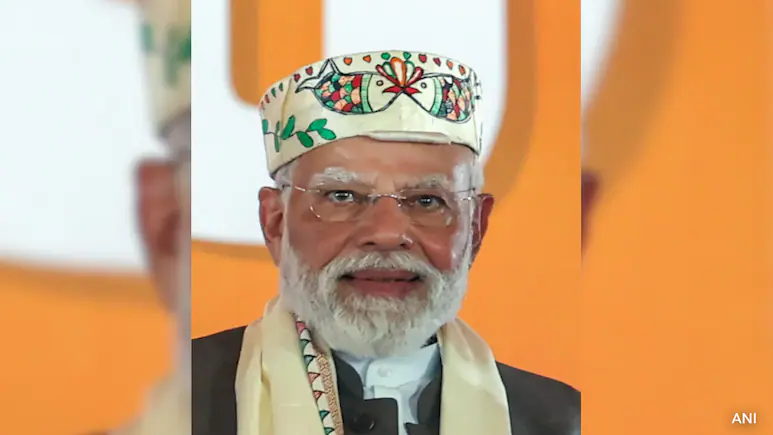
From Coorg To Koraput: PM Modi Praises States Driving Indian Coffee Success

In his 127th edition of his monthly radio address Mann ki Baat, Prime Minister Narendra Modi also said the Northeast is also progressing in coffee cultivation.

Prime Minister Narendra Modi on Sunday said Indian coffee is gaining popularity globally, driven by the diverse varieties grown in states, including Karnataka, Tamil Nadu and Kerala.

In his 127th edition of his monthly radio address Mann ki Baat, the Prime Minister also said the Northeast is also progressing in coffee cultivation and this is further strengthening the identity of Indian coffee worldwide.

“Indian coffee is becoming very popular all over the world. Be it Chikmagalur, Coorg and Hassan in Karnataka; the areas of Pulney, Shevaroy, Nilgiri, and Annamalai in Tamil Nadu; the Nilgiri region on the Karnataka-Tamil Nadu border; or the areas of Wayanad, Travancore, and Malabar in Kerala — the diversity of Indian coffee is truly remarkable,” he said.

PM Modi added that Koraput (Odisha) coffee is also gaining popularity.

Some people, he said, have left lucrative corporate jobs to pursue their passion for coffee cultivation.

“…they liked coffee so much that they entered this field and are now successfully working in it. There also are many women whose lives have been pleasantly transformed by coffee,” the prime minister said.

Koraput region is known for its unique agro-climatic conditions suitable for high-quality Arabica coffee. In the state, about 5,000 hectares of land is under coffee cultivation.

The Tribal Development Co-operative Corporation of Odisha Ltd (TDCCOL) is an apex-level cooperative institution that ensures end-to-end processing, right from procurement to drying, grading, and marketing of the commodity.

Arabica and Robusta Coffee are the two commercially cultivated coffee types worldwide, including India.

Karnataka accounts for about 70 per cent of the country’s coffee production. It is followed by Kerala and Tamil Nadu. Andhra Pradesh and Odisha are non-traditional areas of coffee cultivation.

During April-September this fiscal year, the country’s coffee exports rose 12.5 per cent to USD 1.05 billion.
 

(Except for the headline, this story has not been edited by NDTV staff and is published from a syndicated feed.)

source: http://www.ndtv.com / NDTV / Home> News> India News / by Press Trust of India / October 26th, 2025

Coffee growers in Kodagu step up efforts to tap the international market, eye Australia

In a bid to promote shade-grown coffee cultivated in Kodagu and tap new international market, about 120 growers introduced Arabica and Robusta variety to an Australian delegation, in Madikeri on Tuesday.

The 120 growers have established Biota Coorg Farmers Producer Company, and in their ongoing efforts to find global market, hosted a ‘Coffee Cup Tasting and Interaction’ event to Deputy Consul General of Australia in Bengaluru General Steven Connelly, and others.

The office bearers and members of the company presented the taste of their shade-grown Robusta and Arabica coffee, cultivated in their plantations, to the visiting dignitaries that also included Steffi Cherian, Public Diplomacy Officer, Department of Foreign Affairs and Trade, Australian Consulate-General, Bengaluru

K.K. Vishwanath, CEO, said although Australia has been a coffee-consuming nation for a long time, it has traditionally imported coffee from other markets. “Now, they are being introduced directly to Kodagu’s unique shade-grown coffee through the Deputy Consul General based in Bengaluru,” he said.

This is an attempt to open new market opportunities for Kodagu coffee by establishing connections with Australian coffee businesses, said Mr. Vishwanath.

The host company appealed to the Australian delegation to act as a bridge by facilitating contacts with coffee traders in Australia.

The local growers also proposed the idea of enabling virtual ‘cup tasting’ sessions in which they would send coffee samples beforehand and requested assistance in creating a system to promote and market ‘Kodagu Coffee’ in Australia.

Mr.Vishwanath and other members of the company expressed confidence that given an opportunity to participate in coffee marketing programmes and exhibitions that are held in Australia, they could leave a lasting impression of Kodagu’s coffee.

Earlier in the day, the visiting Australian delegation were taken on a tour of Kodagu’s coffee estates and apprised of the methods of producing shade-grown coffee.

source: http://www.thehindu.com / The Hindu / Home> News> India> Karnataka / by The Hindu Bureau / July 09th, 2025

Madikeri Craft Coffee in Jubilee Hills redefines the slow-morning cafe culture

It’s the kind of space where breakfast isn’t treated as a checklist item but as a small ritual. The environment does much of the work for you: soft light, the steady aroma of coffee.

Hyderabad:

There are cafés that feel designed for efficiency, and then there are those that quietly encourage you to slow down.

Madikeri Craft Coffee in Jubilee Hills belongs to the second category.

On winter mornings, when the air carries a slight bite and the city hasn’t fully woken up, the café feels like a pause button, books resting on shelves, handcrafted mugs doubling as décor, and seating that invites you to stay longer than planned.

It’s the kind of space where breakfast isn’t treated as a checklist item but as a small ritual. The environment does much of the work for you: soft light, the steady aroma of coffee, and a calm that feels increasingly rare in busy neighbourhoods.

If you’re heading here in the morning, these are the choices worth making.

Start with a drink that sets the tone

– Sunrise fusion

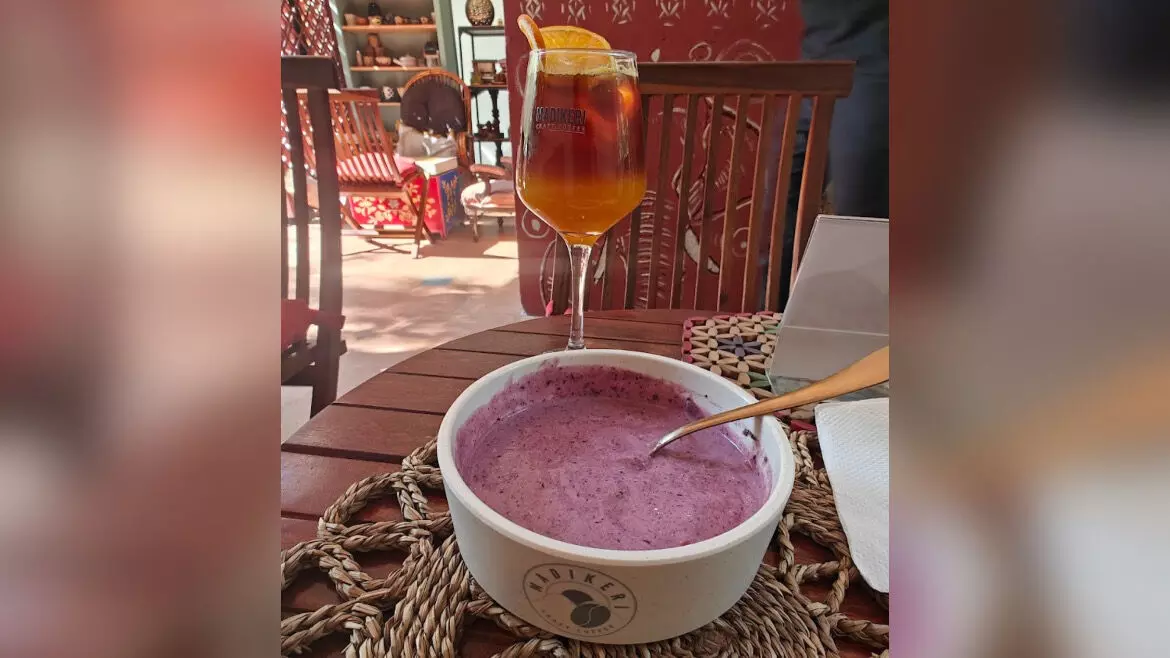
For those who find themselves torn between a glass of juice and a cup of coffee at breakfast, the Sunrise Fusion offers a thoughtful middle ground. The drink brings together orange juice and coffee in a way that feels balanced rather than experimental. The citrus adds brightness, while the coffee grounds it, creating a drink that’s refreshing but still energising.

This isn’t a sugary concoction meant to distract; it’s restrained and purposeful, making it a good first order of the day.

Suggestion: Choose this if you want a gentle energy boost without committing to a full-bodied coffee.

Build your breakfast with intention

– Choconut bowl

Breakfast bowls often fall into two extremes, either overly indulgent or strictly functional.

The Choconut Bowl manages to stay somewhere in between. A thick blend of banana and chocolate forms the base, layered with chia, pumpkin and flax seeds, and finished with fresh strawberries.

The result feels nourishing without being dull. The textures shift as you eat, and the flavours stay balanced throughout, making it a satisfying option for those who want substance without heaviness.

Suggestion: Ideal if you’re looking for a breakfast that keeps you full while still feeling light enough to move through the morning.

– Avocado toast

Avocado toast has become a fixture on breakfast menus across cities, and Madikeri Craft Coffee’s version succeeds by not overcomplicating it. The bread is evenly toasted, offering structure without dryness.

The avocado is smooth and rich, while the cream cheese base adds a subtle tang that prevents the dish from feeling flat.

It’s familiar, yes, but thoughtfully executed, which makes all the difference.

Suggestion: A dependable choice if you prefer savoury breakfasts that pair easily with both hot and cold beverages.

Small additions that complete the table

If you prefer a simpler breakfast, pairing a croissant or baked item with your drink works well here. The bakes are light, clean in flavour, and serve as quiet companions rather than centrepieces. They round out a breakfast spread without demanding attention.

Suggestion: Best enjoyed alongside a hot coffee on colder mornings.

Coffee that anchors the experience

At its core, Madikeri Craft Coffee remains a coffee-first space.

The menu offers a range of brews that cater to different preferences, from classic hot coffees to cold brews and flavoured variations that don’t overwhelm the base. There are also alternatives for those who don’t drink coffee, making the café accessible without diluting its identity.

The drinks feel deliberate, not rushed, aligning well with the mood the space sets.

Suggestion: If you’re planning to stay a while, start with something lighter and move on to a second drink once you’ve settled in.

Why the space matters as much as the menu

What truly defines Madikeri Craft Coffee is its atmosphere. It accommodates solo diners comfortably, allowing you to read, think, or simply sit without feeling conspicuous. The layout encourages quiet conversations rather than noise, making it a good choice for early mornings or reflective breaks.

Unlike cafés built around constant activity, this one allows stillness. That restraint is reflected in the breakfast menu as well, focused, uncomplicated, and easy to return to.

Where it fits into the city’s breakfast scene

In a city where breakfast culture is increasingly shaped by brunch-heavy menus and social gatherings, Madikeri Craft Coffee offers an alternative. It caters to those who enjoy mornings on their own terms, unhurried, intentional and quietly indulgent.

This isn’t a place you rush through. It’s one you let stretch into the morning.

Final suggestions before you go

• Visit early for the calmest experience

• Start with a drink before deciding on food

• Keep the order simple and well-paced

• Choose a seat where you can settle in

At Madikeri Craft Coffee, breakfast isn’t about doing more; it’s about doing less and doing it well.

source: http://www.newsmeter.in / News Meter / Home> More> Lifestyle / by Anousha Caroline Williams / December 28th, 2025

Constable Kanakam season 2 gets premiere date

The first season, starring Varsha Bollamma in the lead, began streaming in August this year.

Constable Kanakam, the mystery-thriller starring Varsha Bollamma in the lead role, achieved considerable popularity upon its streaming premiere in August. The series is streaming on ETV Win. On Sunday, the streamer announced the premiere date for second season of the show.

Also featuring Megha Lekha in a major role, Constable Kanakam season 2 will begin streaming on January 8. Directed by Prashanth Kumar Dimmala, the plot of season 1 revolved around the disappearance of women in the remote village, a case which the protagonist decides to solve against all barriers.

Season 1 also gained a lot of traction with its cliff-hanger where it left a lot of questions about Chandrika (Megha Lekha) and her disappearances, leaving audience on edge and intrigued about next season. In our review for season 1, we noted, “The show had great potential to subvert many genre-conventions, and even does so on some occasions — but at the heart of it, Constable Kanakam plays it safer than it needed to. Fortunately, that doesn’t make it any less watchable either.”

video

Constable Kanakam also stars Rajeev Kanakala and Srinivas Avasarala in the lead cast. The series is produced by Kovelamudi Satya Sai Baba and Vemuri Hemanth Kumar under Meteor Entertainments, in association with ETV Win. The technical crew includes cinematographer Sriram Mukkupati, editor Madhav Kumar Gullapalli and composer Suresh Bobbili.

Constable Kanakam was also in news after the makers made allegations of plagiarism against Zee5’s Viraatapalem

source: http://www.cinemaexpress.com / Cinema Express / Home> News / by Cinema Express Desk / December 29th, 2025

Kodava Sangha nurturing tomorrow’s champions as Indian hockey turns 100

Bengaluru:

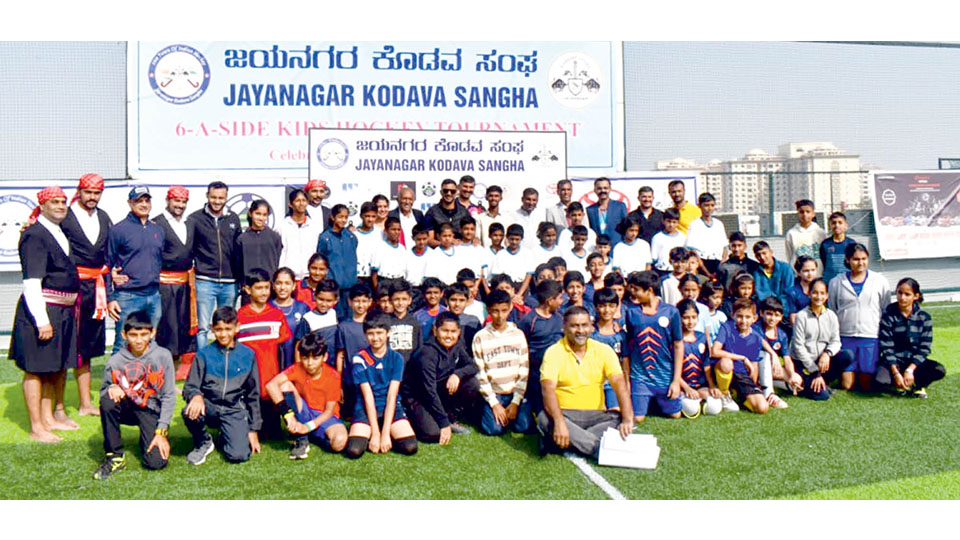
As Indian hockey completed a hundred years of inspiring the nation, the Jayanagara Kodava Sangha, Bengaluru, chose to honour the landmark not by looking back alone, but by lighting a path forward — placing children at the centre of its centenary celebrations through a dedicated hockey tournament for young players.

The tournament, organised for boys and girls aged 8 to 13 years, was held on Dec. 21 at Turf City, JP Nagar 7th Phase, offering children an opportunity to experience competitive hockey in a structured, encouraging environment.

Beginning with the historic Olympic gold medal at Amsterdam in 1928, India went on to dominate the world stage, producing legendary figures such as Major Dhyan Chand and claiming eight Olympic gold medals. For decades, hockey was synonymous with national pride, teamwork and excellence — ideals that continue to inspire young athletes today.

The Kodava community of Kodagu, often referred to as the cradle of Indian hockey, has been central to this legacy.

Known for its sporting ethos and strong community bonds, the Kodava contribution to State and National hockey has been both consistent and distinguished. The Jayanagara Kodava Sangha, through this initiative, sought to rekindle that spirit among children.

The tournament was inaugurated by V.R. Raghunath, former Indian international, Olympian and Arjuna Awardee.

He was joined by Kottangada N. Joyappa, Sub-Junior Karnataka player and Kangira Bheemaiah, Chairman of Kodava Samaja Legal Cell, as the guests of honour.

The prize distribution ceremony was attended by Chiriapanda Suresh Nanjappa, President of Kodava Samaja, Bengaluru and Mallengada S. Muthanna, Joint Treasurer.

source: http://www.starofmysore.com / Star of Mysore / Home> News / December 29th, 2025

Professor Thelma selected ‘Coorg Person of the Year 2025’

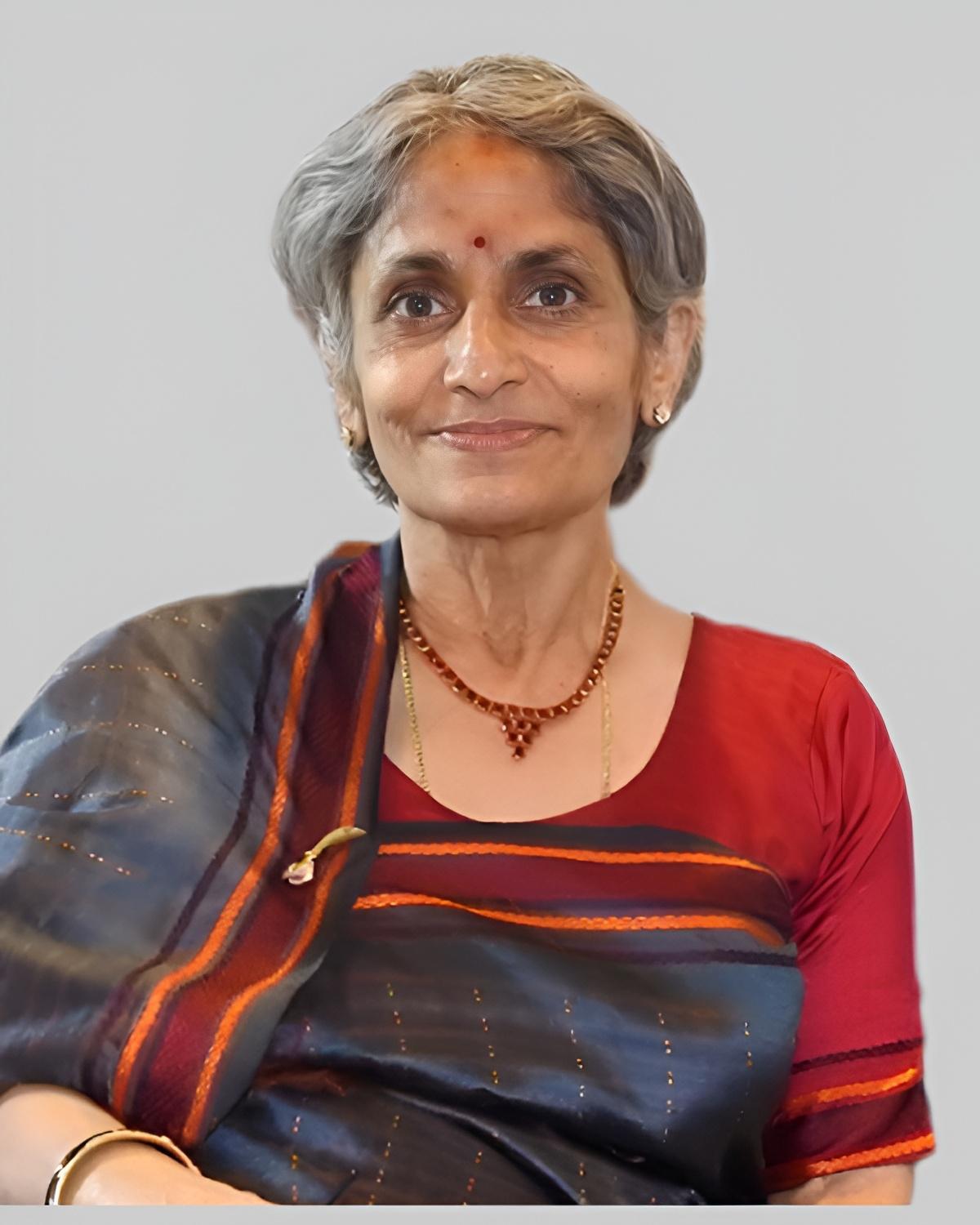
Prof. B.K. Thelma. | Photo Credit: SPECIAL ARRANGEMENT

B.K. Thelma, who led the first genetic study of Kodavas, has been chosen as ‘Coorg Person of the Year 2025’ by a news and tourism portal called www.coorgtourisminfo.com

The portal, promoted by journalist and author P.T. Bopanna, annually selects the ‘Coorg Person of the Year’ on the basis of a poll conducted through the portal.

“The origin of Kodavas in Karnataka has been a standing riddle for ethnologists all these years. The credit for solving the mystery behind their origin should go to Coorg-born professor Buttiyanda Kuttappa Thelma and her team,” said a statement from the portal.

“Carrying out a systematic sampling of the Kodavas from across Kodagu, using the available genetic analytical tools, Thelma and her team have been successful in publishing a scientific paper on the genetic makeup of Kodavas,” the statement further said.

Prof. Thelma, aged around 70, belongs to the Kodava community, known for its uniqueness, especially with regard to dress code and cuisine.

“She is a recipient of several awards, to name a few — C.N.R. Rao Lifetime Achievement Award from Karnataka S&T academy (2021), Meritorious Service Award from University of Delhi (2021), National Science Chair (2021-2026), J.C. Bose fellowship (2011-2021), S.P. Raychaudhuri Endowment Lecture Award, Indian Society of Cell Biology (2018), Sanghvi Oration Award, Indian Society of Human Genetics (2015), Sunder Lal Hora Medal, Indian National Science Academy (2014),” the statement added.

source: http://www.thehindu.com / The Hindu / Home> News> India> Karnataka / by The Hindu Bureau / December 29th, 2025

Indian coffee exports to reach $2 billion at the end of 2025 despite a 6% drop in volumes

This result was achieved despite a decline in volumes, which stood at 366,000 tonnes as of 16 December, compared to 391,000 tonnes during the equivalent period of 2024.

The emblem of the Coffee Board of India

Milan :

Indian coffee exports are set to exceed $2 billion by the end of 2025: more than double the value of five years ago, reflecting the sharp rise in prices. Data based on export permits issued by the Coffee Board of India shows shipments up to December 16 stood at $1.968 billion, a 21% increase from $1.63 billion recorded over the same period last year.

This result was achieved despite a decline in volumes, which stood at 366,000 tonnes as of 16 December, compared to 391,000 tonnes during the equivalent period of 2024 (-6.4%).

Industry officials attributed the drop partly to some European buyers shifting to cheaper origins as Indian coffee prices remained elevated, report Indian media.

Indian Robusta and Arabica beans continue to fetch a premium in international markets.

The premium for Indian Robusta parchment AB is currently estimated at $1,000–$1,100 per tonne over London’s LIFFE prices, while Robusta cherry AB is trading at a premium of $400–$450 per tonne. For Arabica parchment, the premium is around 12–15 cents per pound over New York prices.

The top destination countries were Italy (18%), Germany (11%), Belgium (7.5%), the Russian Federation (5.3%) and the United Arab Emirates (5%). India is the world’s seventh largest producer and fifth largest exporter of coffee.

source: http://www.comunicaffe.com / International Comunicaffe / Home> Market & Trade> Report & Statistics / December 24th, 2025

Annual Day at City School

Mysore/Mysuru: 

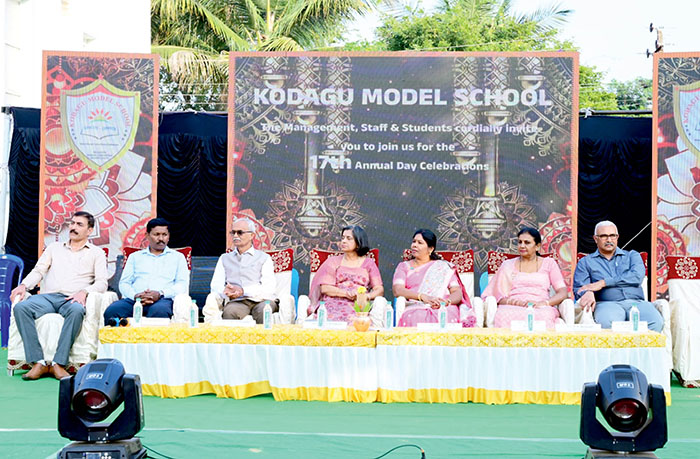
Kodagu Model School, Mysuru, celebrated its 17th Annual Day on Dec. 20 at the School premises on Kaveri Road in Vidyashankara Layout, with great enthusiasm.

Geetha, BRC Coordinator, Mysuru Taluk (Rural), who was the chief guest, spoke on the importance of parental involvement in children’s lives and advised parents to actively engage with their children to reduce dependence on gadgets.

Naina Achappa, Principal of Shishya Play Home, Mysuru, who was the guest of honour, shared her views on the growth and progress of the school since its inception.

K.M. Belliappa, Sri Kaveri Kodava Association, Mysuru East and School President, presided and encouraged SSLC students to aim for distinction.

 Sunil Kumar from the BRC was also present along with the Management members.

SSLC school topper for the academic year 2024-25 and other best performers  and staff members who completed 10 years of service were felicitated.

The programme concluded with colourful cultural performances by students showcasing India’s rich cultural heritage. Parents, well-wishers and members of the Academic Council and Sri Kavery Kodava Association, Mysuru East attended the event.

source: http://www.starofmysore.com / Star of Mysore / Home> News / December 25th, 2025

Noted Kodagu hockey coach Puchimada Harish passes away

Ponnampet:

Senior hockey coach and former Ponnampet Gram Panchayat member Puchimada Harish (76) passed away at a private hospital in Mysuru yesterday following illness.

He is survived by his wife, a son, two daughters, a brother, grand-children and a host of relatives and close associates.

A resident of Ponnampet and the eldest son of noted philanthropist late Puchimada Bopaiah, Harish was actively involved in social service. While running a tutorial centre in Ponnampet, he extended educational support to several students.

An accomplished hockey player, Harish represented several teams during his career and  later emerged as a prominent coach at the Ponnampet Junior College Grounds, mentoring several athletes, including Olympian C.S. Poonacha and Karnataka State players Ricky Ganapathi and Utthaiah. He also served as a referee and trainer across Kodagu and played a key role in establishing the sports hostel at Ponnampet.

He was also instrumental in initiating the movement for the creation of Ponnampet taluk. He hosted several committee meetings at his residence under the leadership of Cheppudira Arun Machaiah, serving as the Committee Secretary.

Harish also contributed to the establishment of the Ponnampet Court. A close associate of former Minister M.C. Nanaiah, Harish was active in the JD(S).

Last rites were performed at Ponnampet this afternoon. As a mark of respect, shops remained closed between 1 pm and 2 pm.

source: http://www.starofmysore.com / Star of Mysore / Home> News / December 22nd, 2025