Rashmika Mandanna has added another remarkable achievement to her name by emerging as the highest taxpayer in Kodagu district, creating pride among locals and fans while proving her success goes far beyond the film industry.
From Kirik Party to National Stardom
Rashmika Mandanna, fondly called the “National Crush,” has come a long way since her breakthrough in the Kannada film Kirik Party. Today, she stands tall as one of India’s most successful actresses, making a strong impact in South cinema and Bollywood with consistent box office successes.
The Rise of a Box Office Queen
With multiple hit films across languages, Rashmika has earned the title of “Box Office Queen.” Her strong screen presence, versatility, and audience connect have made most of her films commercially successful, placing her among the most bankable stars in the Indian film industry today.
Pride of Kodagu District
Hailing from Virajpet in Kodagu district, Rashmika has become a source of immense pride for her hometown. Kodagu has produced several notable personalities, but Rashmika’s achievements have set her apart, elevating her status beyond cinema and making her a standout figure from the region.
Biggest Taxpayer in Kodagu
In a remarkable achievement, Rashmika Mandanna has emerged as the highest income taxpayer in Kodagu district. She has reportedly paid ₹4.69 crore in income tax for three quarters of the current financial year, securing the top position among all taxpayers in the district.
Marriage Buzz Continues
Apart from professional milestones, Rashmika is also in the news for personal reasons. Reports suggest she may soon marry actor Vijay Deverakonda, with rumors pointing to a February 26 wedding in Udaipur. However, no official confirmation has been made by either star yet.
source: http://www.newsable.asianetnews.com / Asianet News, English / Home> Entertainment / by Nancy Tiwari / January 07th, 2025
Queen Victoria, who ruled the British Empire for 64 years, died 125 years ago, marking the end of the Victorian Era and influencing India’s royal lineage.
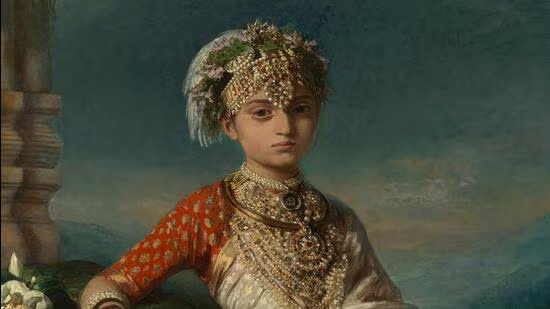
In 1864, just two years after she had given birth to her daughter, Edith, Gowramma succumbed to TB and was buried in London’s Brompton Cemetery. She was 22. (Princess Victoria Gouramma Portrait,(1854), by Franz Xaver Winterhalter/ Wikimedia Commons)
125 years ago this month, the queen who had lorded over the British empire for almost 64 years passed away at the age of 81. At her death in 1901, the “Empress of India”— Queen Victoria— had held sway over the destinies of close to a quarter of the earth’s population and a fifth of its surface. Her death marked the end of the so-called Victorian Era, a glorious period in British history which saw the invention of the telegraph, the bicycle and the internal combustion engine, alongside antiseptics and anaesthetics (the Queen herself requested chloroform at the birth of her eighth child in 1853, instantly making obstetric anaesthesia acceptable and bringing relief to countless expectant mothers), and the Empire expanded rapidly to the point where “the sun never set” on it.
In the Empire’s “jewel in the Crown”, India, Victoria’s passing saw a slew of her statues being installed as a tribute, both in British-ruled provinces and princely states. The latter had reason to be particularly grateful to the Queen – personally overseeing the drafting of the Government of India Act of 1858, which placed India under Crown Rule following the Indian Rebellion of 1857, she had insisted that a provision be included about being respectful to Indian rulers, honouring their religions, territorial boundaries, and chosen heirs. One of the biggest beneficiaries was Mysore – Maharaja Mummadi Krishnaraja Wadiyar, who did not have a son, adopted his grandson, Chamarajendra Wadiyar X, as his heir; the adoption was legitimized in 1866 via royal order, Chamarajendra crowned king, and Mysore, ruled by the East India Company since 1831, restored to the Wadiyars in 1881.
Tragically, the visionary Chamarajendra died of diphtheria in 1894, at only 31. When Queen Victoria died,his son, Nalvadi Krishnaraja, commissioned Thomas Brock, one of London’s most celebrated sculptors, who also designed and executed the Victoria Memorial outside the gates of Buckingham Palace, to create a marble likeness of the monarch. That beautifully crafted sculpture, inaugurated in 1906 by the queen’s grandson, George (later King George V), stands at the MG Road entrance of Cubbon Park.
Although the Queen never visited India, leave alone Mysore, the posthumous statue is not her only connection to our neck of the woods. A confirmed anti-racist, slave trade abolitionist, and humanitarian, the queen was wont to “adopt” the children of deposed Indian kings, bringing them to England, converting them to Christianity, and showering them with love. Unfortunately for the adoptees, this effectively took away their agency and independence, and alienated them from their land, language, religion and people.
The most famous of Victoria’s Indian godchildren was Duleep Singh, the last Maharaja of the Sikh empire, who was forced to “gift” the Koh-i-Noor to the queen after the second Anglo-Sikh war in 1849. Lesser known is Gowramma, a daughter of the last king of Kodagu (then known as Coorg), Chikaveera Rajendra (a cruel, licentious, complex despot whose story was immortalised in the Kannada novel of the same name by Jnanpith awardee Masti Venkatesh Iyengar), who was deposed in 1834. In 1852, Chikaveera travelled to London with 11-year-old Gowramma, both to deliver her to the queen’s care and to parley for the return of his kingdom.
Victoria took an instant fancy to the “poor little princess”, formally admitted her into the British aristocracy as her goddaughter, “Victoria Gowramma of Coorg”, and even tried to orchestrate a marriage between Duleep Singh and Gowramma. That did not work out, but the two Indian royals did end up sharing a warm friendship. Eventually, Duleep Singh arranged Gowramma’s marriage – to a British colonel 30 years older to her.
In 1864, just two years after she had given birth to her daughter, Edith, Gowramma succumbed to TB and was buried in London’s Brompton Cemetery. She was 22.
(Roopa Pai is a writer who has carried on a longtime love affair with her hometown Bengaluru)
source: http://www.hindustantimes.com / Hindustan Times / Home / by Roopa Pai / January 06th, 2025
With over 20,000 visitors expected, IICF 2026 is designed as a dynamic farm-to-cup experience.
Image for representational purpose only. Photo Courtesy: File pic
The India International Coffee Festival (IICF) returns in 2026 for its second edition, this time bigger, bolder, and crafted as a true celebration of India’s thriving coffee movement.
Presented by the Specialty Coffee Association of India with support from the Coffee Board, the gathering unites every part of the value chain: farmers and producers from coffee-growing regions, processors, exporters, equipment innovators, roasters, retailers, café owners, baristas, and passionate consumers, all under one roof in Bengaluru.
With over 20,000 visitors expected, IICF 2026 is designed as a dynamic farm-to-cup experience. It’s a place to explore where coffee begins, how it’s transformed, and the many hands and innovations that shape every sip, from estates to cafés to home brewers. Knowledge sharing, business opportunities, and hands-on discovery meet in a vibrant environment dedicated to advancing India’s specialty coffee culture.
The coffee trail
A curated pathway through the festival’s most engaging zones, featuring immersive farm-to-cup experiences, brewing workshops, tastings, sensory activities, and hands-on demos with experts across the value chain.
The national coffee championships
Six competitive categories, including Barista Championship, Brewers Cup, and a rapidly growing Coffee in Good Spirits segment. Finalists from the Mumbai, Bengaluru, and Delhi preliminaries battle for a chance to represent India on the world stage.
Latte art arena
Daily showcases from the country’s top latte artists, with opportunities for visitors to try their hand at pouring art.
The cupping exchange
Open cupping sessions hosted by leading Indian roasters, spotlighting rare lots, innovative processing, high-scoring regional coffees, and stories directly from producers and harvest teams.
Brew school
Practical sessions tailored for home brewers: pour-over fundamentals, espresso basics, grind science, flavour interpretation, and more.
The India innovation hub
Returning stronger for its second edition, this hub highlights Indian brands shaping the future of coffee tech. Discover working prototypes, new-to-market equipment, estate-level processing innovations, and conversations with engineering and design minds pushing standards forward across both farm and café.
Conversations, culture and community
Workshops and masterclasses led by industry leaders, both Indian and international, explore farming practices, post-harvest craft, brewing techniques, sensory development, sustainability, and the science of flavour. Live music, performances, and a Drum Jam by Roberto Narain add a cultural rhythm that keeps the festival buzzing. Stand-up comedy by Sonu Venugopal brings laughter into the mix, while Mysore Xpress takes the stage with electrifying live music, adding new rhythm to the coffee celebration.
IICF 2026 aims to be a meeting ground for everyone who cultivates, crafts, serves, studies, and loves coffee. It marks the next step for India’s coffee community: a place to taste, learn, innovate, connect, and be part of a culture that’s just getting started.
Where: Chamara Vajra, Marakata, Jayamahal Main Road, Bengaluru When: February 12 – February 14 / www.indiacoffeefestival.com
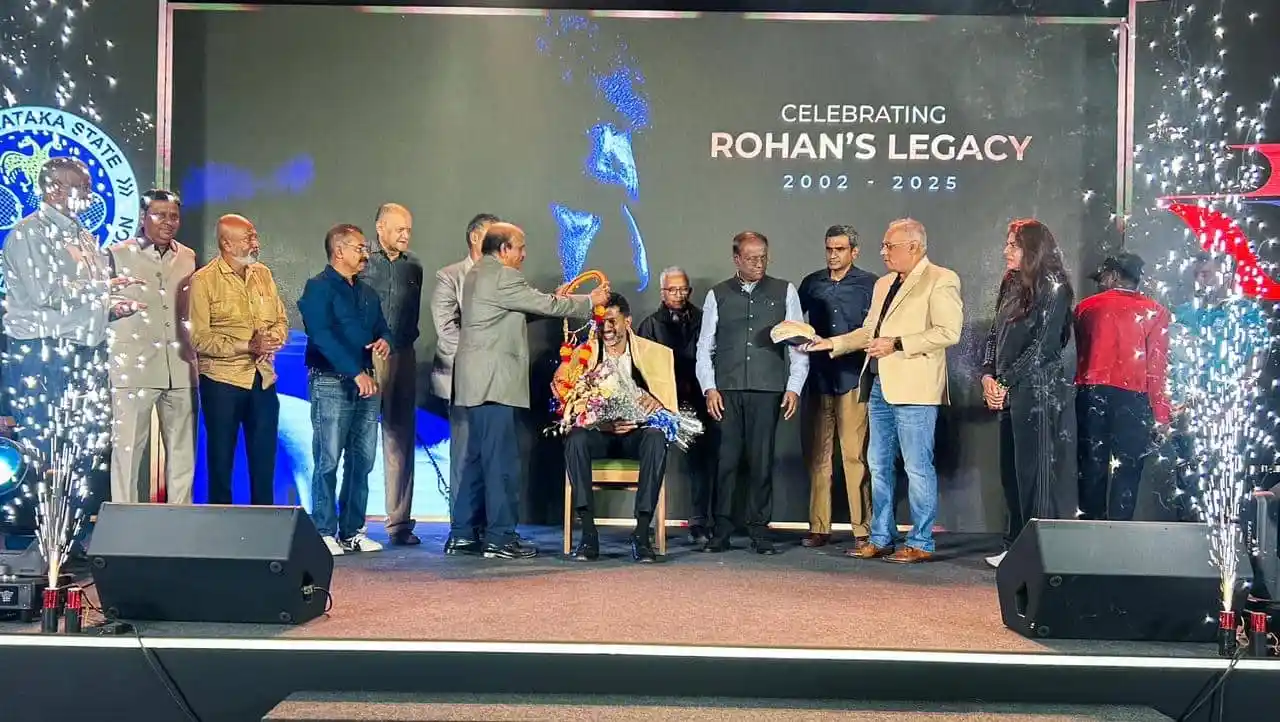
The Karnataka State Lawn Tennis Association (KSLTA), in association with Serving Aces, hosted a heartfelt felicitation ceremony on Saturday at the KSLTA Lawns in Bengaluru to honour Rohan Bopanna a player whose career has not only produced historic milestones, but has fundamentally reshaped India’s place in world tennis.
The evening was less about numbers and trophies, and more about acknowledging a journey that spanned more than two decades at the highest level of the sport. Surrounded by family, friends, administrators and members of the tennis fraternity, Bopanna was celebrated as India’s most successful and influential professional in the Open Era, particularly in doubles, where he carved out a career of rare longevity and global relevance.
Bopanna’s resume speaks for itself. Grand Slam champion at the 2017 French Open in mixed doubles and the 2024 Australian Open in men’s doubles, he continued to defy convention well into his forties. In 2024, he achieved perhaps the most remarkable milestone of his career by becoming the oldest world No. 1 in men’s doubles a feat that underlined not just skill, but discipline, fitness and adaptability in a sport that relentlessly rewards youth.
Across the ATP Tour, Bopanna collected over 25 doubles titles and reached multiple Grand Slam finals, consistently holding his own against the best pairs of his generation. What separated him from many of his peers, however, was his ability to evolve. From explosive power in his early years to tactical maturity and precision later on, Bopanna remained relevant in an era of constant change.
While his international achievements drew global recognition, his contributions to Indian tennis carry equal weight. For more than a decade, Bopanna was a pillar of India’s Davis Cup teams, representing the country in demanding home and away ties with distinction. Among his most celebrated moments was the 2010 Davis Cup World Group Playoff against Brazil in Chennai.
Trailing 0–2, India looked on the brink of defeat before Bopanna produced a stirring singles win against Ricardo Mello, setting the stage for a dramatic 3–2 comeback that secured India’s place in the World Group. That performance remains etched in Davis Cup folklore and stands as a testament to his temperament under pressure.
Bopanna also represented India at multiple Olympic Games, ensuring the nation remained visible on the sport’s biggest stages even during periods when singles success was limited. His presence brought credibility and continuity to Indian tennis through transitional phases.
Born on 4 March 1980 in Coorg, Karnataka, Bopanna’s journey began far from the spotlight. Introduced to tennis at a young age, he later moved to Bengaluru in pursuit of structured training and competitive exposure. His early years on the professional circuit were shaped by perseverance rather than privilege, often competing with limited resources and minimal backing. Those formative experiences forged the resilience that would define his career.
Initially a singles player, Bopanna made a strategic transition to doubles a decision that proved transformative. His booming serve, aggressive net play and sharp tactical instincts made him a natural fit for the format. More importantly, he embraced the nuances of doubles at a time when Indian tennis had limited global presence in the discipline, eventually becoming a trailblazer for those who followed.
Beyond his achievements on court, Bopanna’s influence has extended into the broader development of the sport. Through the Rohan Bopanna Tennis Development Foundation, he has worked actively at the grassroots level, focusing on talent identification, access to quality coaching and creating pathways for young Indian players to pursue professional careers. His commitment to giving back has been consistent, understated and impactful.
At the felicitation, Sunil Yajaman, Hon. Joint Secretary of KSLTA, highlighted how Bopanna’s professionalism, leadership and sustained excellence have set new benchmarks for Indian tennis players. More than results, it is his approach discipline, humility and work ethic that has inspired a generation of Indian doubles specialists to dream beyond national circuits and aim for the world tour.
The ceremony concluded with warm interactions between Bopanna and members of the tennis community, reflecting the respect he commands across generations. It was a fitting tribute to a career that transcended individual success.
Rohan Bopanna’s story is not just one of titles won or records broken. It is a narrative of belief, evolution and responsibility of a player who carried Indian tennis forward when pathways were uncertain, and who now continues to shape its future long after his biggest victories.
source: http://www.indiasportshub.com / India Sports Hub / Home> Tennis / by Romil Shukla / December 30th, 2025
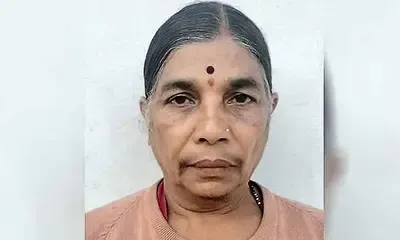
Senior folk artist Ammanni from the Kudiya community in Kodagu has been selected for the annual honour award of the Karnataka Janapada Academy.
The awards were announced on Tuesday by Karnataka Janapada Academy president Gollahalli Shiva Prasad and registrar N Namrutha.
Ammanni, a resident of Thora village near Heggala in Virajpet taluk of Kodagu district, has been honoured in the category of “Kudiya community songs and Sulagitti tradition”.
Sixty-year-old Ammanni belongs to the Kudiya community and lives in Thora village with her husband Bhimayya, where they are engaged in agricultural activities. For the past four decades, she has been preserving the unique folk songs and dances of the Kudiya community and passing them on to the younger generation.
It is also noteworthy that Ammanni has served as a Sulagitti (midwife). According to her daughter Prameela, Ammanni learnt the traditional songs and dances from her grandmother and has played a key role in protecting and promoting this rare folk art form over the years.
Expressing happiness over receiving the award, Ammanni said the recognition has encouraged her to continue working for the preservation of folk culture.
source: http://www.obnews.co / OB News / Home> Newspoint / December 24th, 2025
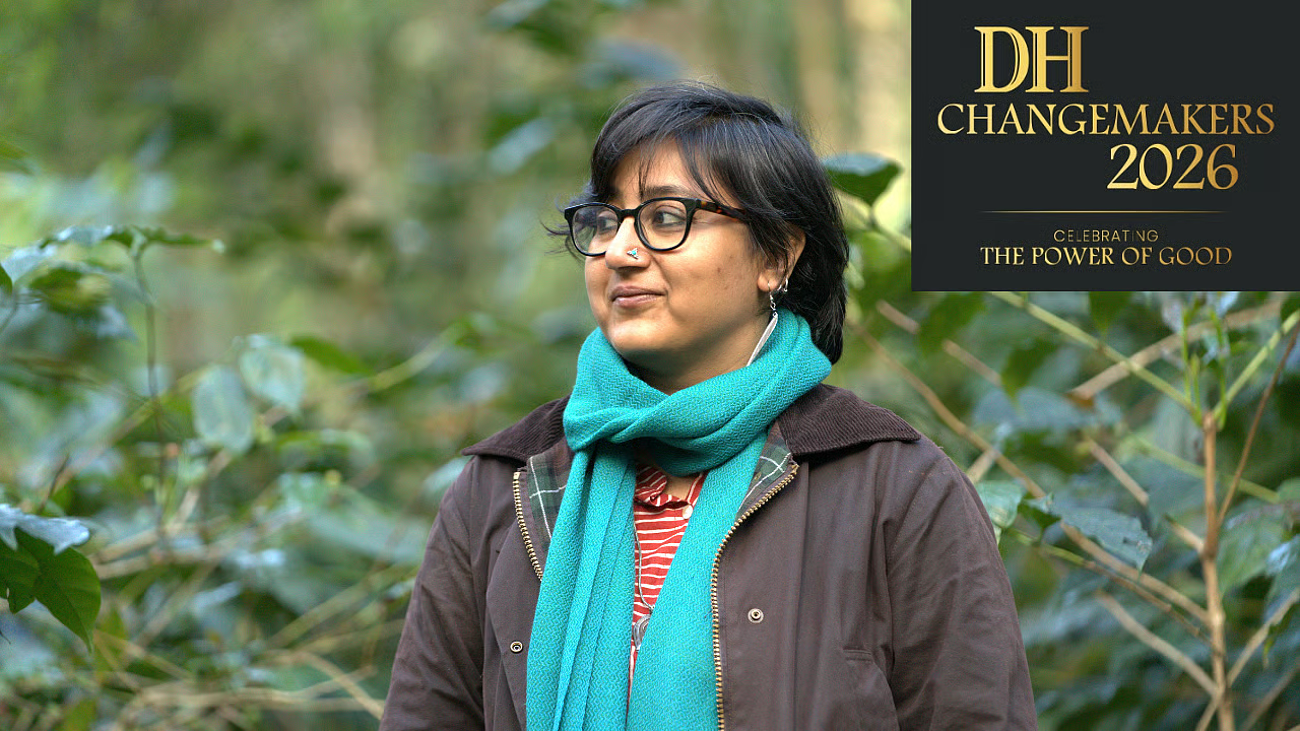
From fair pay and capacity-building to diverse coffee varieties and biodiversity-friendly farms, Arshiya Bose is transforming livelihoods, women’s participation and sustainable production among small growers in the B R Hills.
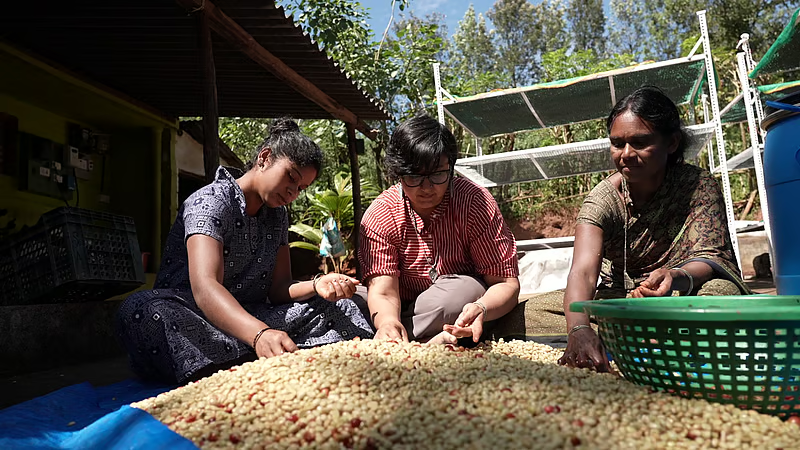
In the haadis (hamlets) of Biligirirangana Hills (B R Hills), the homes of coffee growers reflect new changes — roofs are being repaired, storefronts are being renovated, and the odd new mobile phone or motorbike can be spotted. Behind these changes are better trading rates for coffee growers, value addition through post-harvest processing and even a community pulping plant.
It was nearly ten years ago that the seeds of change first sprouted here — it began with Arshiya Bose, a human geographer by profession, connecting with the coffee growers in the Soliga community and exploring the links between the social, ecological and economic contexts. What started with buying coffee from 10 growers has now expanded to around 650 people across four landscapes, including the Nilgiris and Palani Hills in Tamil Nadu.
Coffee cultivation has had significant ecological consequences — deforestation, increased replacement of native trees with exotic trees, increased pesticide use, and habitat loss. This was especially concerning as the region is rich in biodiversity.
Many growers in the B R Hills come from farming families, with coffee being a more recent shift. “We used to grow crops like corn and ragi earlier, but wild boars and elephants would consistently destroy the harvest. About 30 years ago, the Coffee Board gave 12 people coffee beans to grow, and when that yielded good results, we realised this was a good option,” says Kethe Gowda, a grower from the Soliga tribe who is now on the board of Black Baza, one of India’s first biodiversity-friendly coffee brands started by Arshiya in 2016.
His colleague and fellow Soliga, Sannarangegowda, adds, “While we got good yields, the issue was bad prices. Middlemen used to buy coffee at Rs 50-60 per kg, even though the market rate was Rs 100 per kg. It was disheartening to face these troubles, despite our hard work.”
For indigenous communities, access to the market is especially challenging, notes Arshiya. “They are forced to sell at lower rates. We noticed a 56% differential in the price at which we bought coffee, versus what the farmers were used to getting,” she adds.
Black Baza introduced better practices, paying growers 1.2-1.3 times the market rate and weighing coffee at the farm. “Over time, the higher rates and transparent weighing process caught on across the community. Even if we were not buying from every grower, they became empowered to ask for transparency,” says Arshiya.
“We had grown coffee for years, but Arshiya madam brought knowledge with her,” says Kolle Gowda, a coffee grower from the Soliga tribe. “She taught us how to pick, wash and dry coffee. We realised we had been selling below the standard rate,” he adds.
Kolle Gowda and his wife now help manage the new motor pulper in the locality.
From here came the avenue to grow further, with the introduction of post-harvest processing methods and new varieties. “We learnt how to make various flavours. For example, I now produce ‘honey coffee’, and earn more when I sell it,” says Kethe Gowda. Black Baza incentivises different varieties, allowing growers to opt to process the coffee and earn a premium for their hard work. This includes yellow honey coffee, red honey coffee and washed coffee, to name a few.
Earning premium rates has had a tangible impact across the grower community. Beyond home improvements and new household items, some families have also been able to clear their debts.
Capacity-building in the community has involved training on various aspects, explains Asjad Ahmed, who works on post-harvest processing, quality and exports at the company. From soil health and planting to post-harvest drying, growers have been introduced to new nuances. “We learnt how to set up drying beds, how to extract the pulp, and how to ferment coffee. We also spent time tasting and learning about how different varieties turn out,” says Kethe Gowda.
A unique, ongoing challenge is translating the largely foreign lexicon of coffee aromas and flavours. Terms like ‘yuzu’ or ‘roselle’ are often used to describe flavour notes, but over time, the team found flavours like ‘tamarind’ to be a more accessible reference. “We invest a lot of time introducing farmers to different coffees and flavour notes so that they can identify defects and characteristics,” says Asjad.
The process of learning together and bringing tangible change has been slow, taking over a decade. However, Arshiya’s tenacity stands out among colleagues and the community. “Entering a traditionally male-dominated space as a young woman from a different region was a major challenge,” says Radha Rangarajan, who works with Arshiya on communications. Radha points to how Arshiya was determined to connect with the community and learnt Kannada. “I am amazed hearing her speak and interact with the community,” she says. These efforts, along with consistent perseverance, have built slow but lasting trust with the community.
Ecological impact
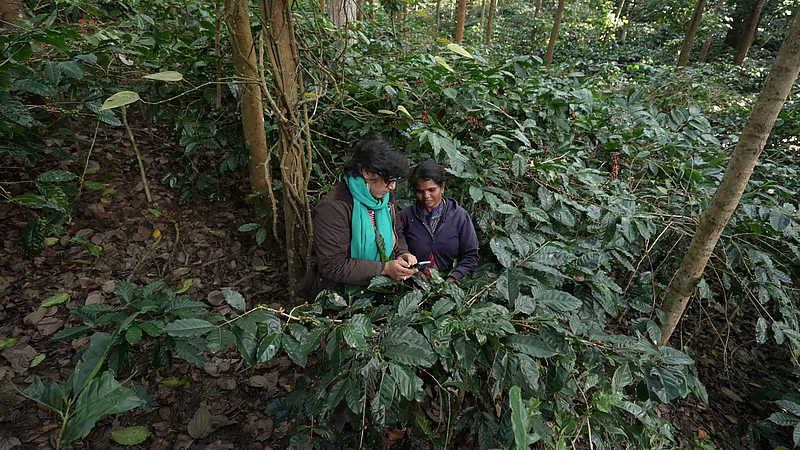
In addition to the focus on sustainable livelihoods, Black Baza’s work centres around regenerative, biodiversity-friendly farming practices. “Our partner producers grow coffee without any chemical fertilisers. We also ensure that the farm retains a diversity of indigenous tree species and forest cover,” explains Arshiya.
Arshiya first became aware of the potential for change during her PhD, when she studied market incentives for conserving biodiversity. Her research took her to coffee-growing communities across Karnataka, including the B R Hills.“I was specifically looking at the impact of certifications. Coffee is one of the largest certified commodities worldwide. My research found that, in the Indian context, certification had little impact on farmers’ livelihoods or on ecological practices. There were not many differences between certified and uncertified farms,” the researcher-entrepreneur explains.
The standards were commonly designed for countries that practice extractive farming, written from a market perspective, and relied on a top-down approach.
“Instead of broad principles, we develop conservation priorities based on the landscape and what producers want to conserve. This often includes smaller species like bees, earthworms and termites, as well as native trees,” she says.
Translating these principles to the brand has involved unique approaches — each variety is named after an endangered species, so consumers choose among options such as the tiger beetle, loris, or galaxy frog for their morning cup. The range includes Robusta, Arabica and various blended coffees. Customers can filter options by variety, roast, and even ‘vibe’.
“Jumping Ant is one of my favourite varieties,” says Bharath Surendra, a product designer based in Goa. “Their coffee packs come with small cards with photos of the farmer who harvested the coffee, and information about where it was grown. I have the cards up on my fridge. I also keep all the packaging as I find it quite nice,” he says.
Customers also engage with the growers’ stories and innovation in varieties at regular events at the roastery in Bengaluru, along with talks on biodiversity.
“I came across Black Baza when I was researching farm food market systems back in 2020, and found it interesting that an academic had chosen to start a business to support livelihoods and promote biodiverse cultivation of coffee,” says Bharath.
Arshiya’s path into entrepreneurship was accidental. “During my research, farmers were asking if I would do something useful with my study,” she says. She credits National Geographic Explorers and the Acumen Network for aiding peer-to-peer learning as she navigated a new field.
Entering the space was no mean feat. “In the early days, coffee traders resisted the change. We faced threats in the field and our trucks were stopped. But we persevered,” she says.
But the fruits have been worth it. “So much of grassroots work is led by men, but now women speak up more at gatherings,” she says.
What’s ahead? Expansion into other landscapes, a cafe in Bengaluru and coffee tastings in various cities. The vision: Empowered grower communities, diverse plant and animal life at farms, sustainable practices, and thousands of cups of quality coffee.
source: http://www.deccanherald.com / Deccan Herald / Home> DH Changemakers / by Sweekruthi K / January 01st, 2026
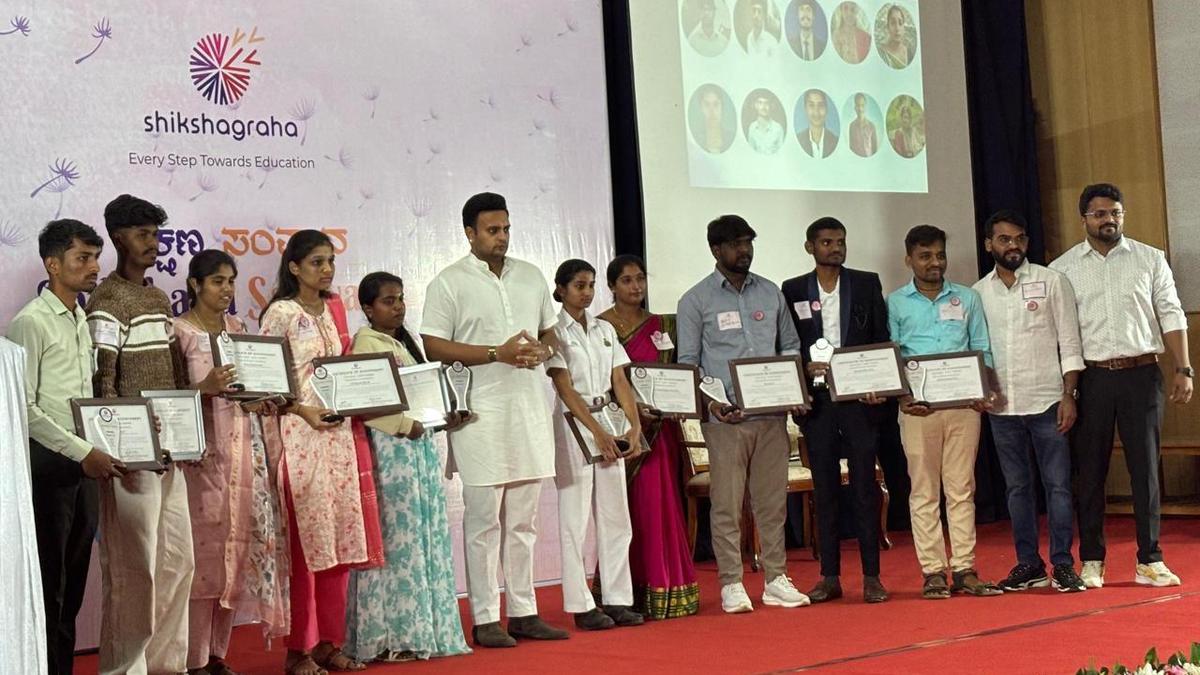
Shikshagraha, a voluntary organisation engaged in efforts to improve public schools across India, has launched the Shikshana Nava Chetana award, a district-level school innovation initiative aimed at recognising and encouraging “low-cost, context-driven” improvements in schools across Mysuru and Kodagu districts.
The award was unveiled by Yaduveer Krishnadatta Chamaraja Wadiyar, Mysuru MP, at Shikshana Samvaada, a district-level education dialogue held in Mysuru on December 21. It brought together educators, school leaders, community stakeholders, and policy makers.
The award is open to education stakeholders working with children from early education to Grade 10, including school leaders, teachers, School Development and Monitoring Committee members, anganwadi workers, supervisors, youth and women leaders.
“The initiative seeks to nurture a culture of continuous improvement by enabling schools and educators to identify focused areas of change and design practical solutions rooted in their local context,” read a statement from Shikshagraha.
Speaking on the occasion, Mr. Wadiyar said Mysuru has the foundation, history, and leadership required to build an education ecosystem, where every child, regardless of background, can grow, learn, and succeed.
“We need to move beyond isolated efforts and work together with a shared sense of responsibility,” he added.
“The Shikshana Nava Chetana Award is grounded in a simple belief — that educators and schools already carry the wisdom to improve learning when they are trusted, recognised, and supported. Through this initiative, we want to surface and celebrate small, low-cost innovations that are deeply rooted in local realities,” said Khushboo Awasthi from Shikshagraha.
Submissions for the award will remain open for one month.
The press statement added that Shikshana Samvaada concluded with a shared commitment to build a “cradle to career” vision for Mysuru and Kodagu.
It noted that through the dialogue, stakeholders moved forward to collectively identify priority areas spanning early childhood learning, school education, sports, and future skills, recognising the need for sustained, collaborative action for systemic education transformation in the two districts.
source: http://www.thehindu.com / The Hindu / Home> News> India> Karnataka / by The Hindu Bureau / December 21st, 2025
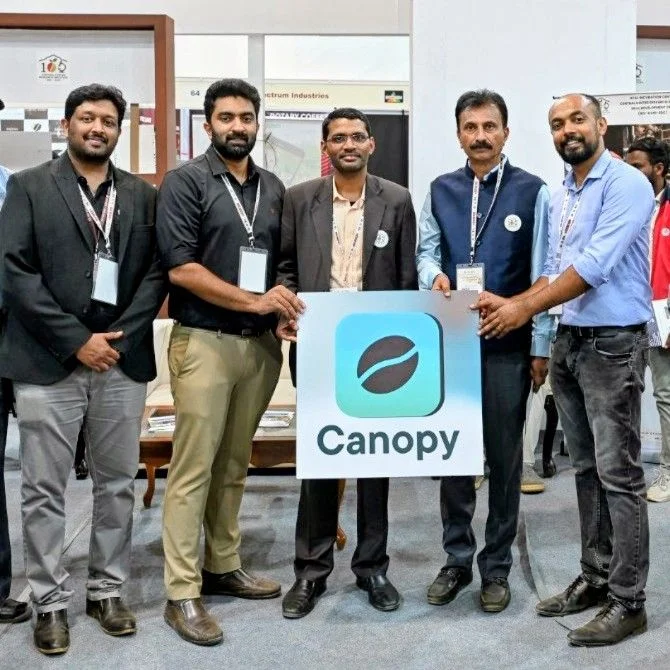
NeuBiom Labs has unveiled Canopy AI, a proprietary Coffee Crop Intelligence platform designed to bring enterprise-grade digital tools to India’s coffee plantations, marking a significant step in the technology-led modernisation of the country’s coffee value chain.
The platform was officially launched during the Centenary Celebrations of the Central Coffee Research Institute (CCRI) in Balehonnur by M J Dinesh, Chairman of the Coffee Board of India, and Kurma Rao M, IAS, CEO and Secretary of the Coffee Board, underscoring institutional backing for digital transformation in plantation agriculture.
India’s coffee sector comprises over 4.5 lakh growers, nearly 98 per cent of whom are smallholders, making it particularly vulnerable to climate volatility, yield uncertainty, and tightening global traceability norms. Canopy AI is positioned as a farm-level decision intelligence system that bridges this gap by translating satellite data, AI-driven analytics, and hyperlocal weather intelligence into actionable insights for growers.
At the core of the platform is the creation of a “digital twin” for each plantation—using GPS-based mapping and remote sensing—to enable continuous monitoring of crop health, early stress detection, and resource optimisation. This approach allows growers to anticipate climate-linked risks, improve productivity, and meet export-market compliance requirements.
Key capabilities of Canopy AI include satellite-based crop health monitoring with monthly diagnostics, a multilingual AI assistant offering agronomic guidance in Kannada, Malayalam, and English, real-time hyperlocal weather alerts, and end-to-end traceability aligned with emerging global regulations such as the EU Deforestation Regulation (EUDR).
The launch also reflects growing momentum around public–private collaboration in agri-tech innovation. NeuBiom Labs acknowledged the support of Dr. Babu Reddy, Deputy Director, Coffee Board of India, and Praveen H J, CEO, AIC-CCRI, along with ecosystem partners including AIC CCRI CED, Google for Startups India, Wadhwani Foundation, Kerala Startup Mission, and KAU RABI.
As global coffee markets increasingly reward traceability, climate resilience, and data-backed sustainability, platforms like Canopy AI signal how India’s traditionally fragmented plantation sector can leapfrog into a digitally integrated, export-ready future.
source: http://www.agrospectrumindia.com / Agro Spectrum / Home> Digital Technologies / December 30th, 2025
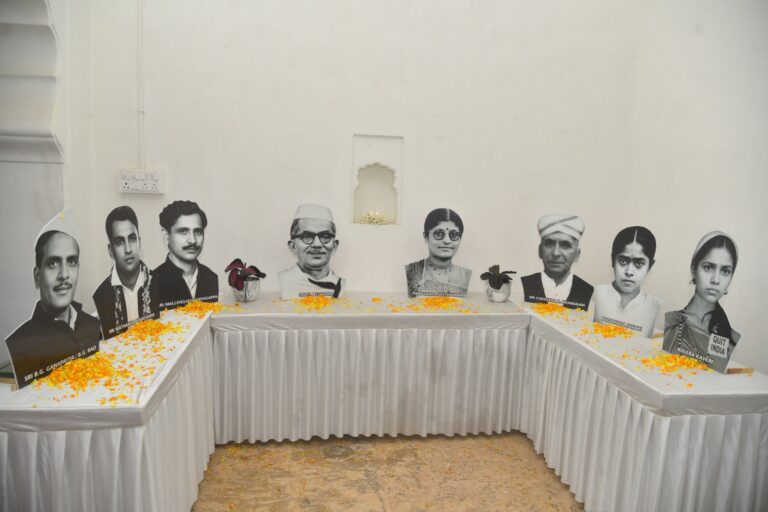
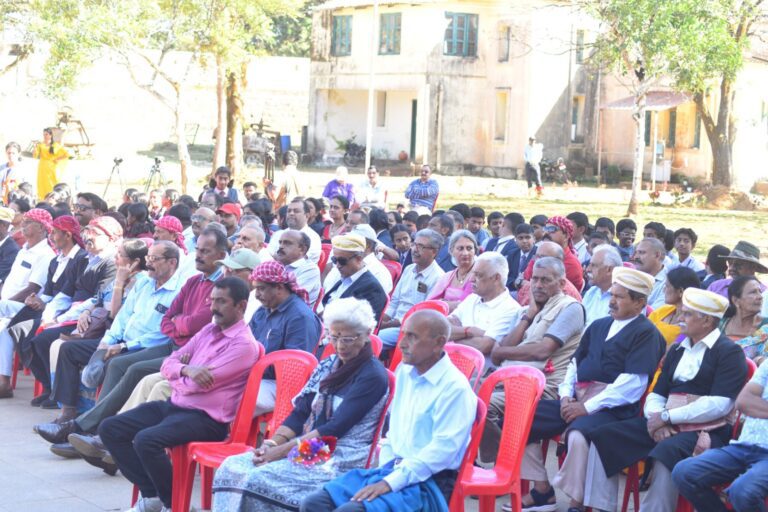
The United Kodava Organisation (UKO) organised a programme titled ‘Neppra Nalat Manjata Mott’ (Unforgettable Step in the Courtyard of Memory) to commemorate historic events and pay tribute to freedom fighters.Held at the fort premises in Madikeri, the programme carried the theme ‘Independence and Kodagu – A Fusion of History, Music and Patriotism’.
A portrait exhibition was organised to honour those who fought for the nation’s freedom.Portraits of hundreds of freedom fighters from Kodagu who resisted British rule were displayed inside the fort. Rare photographs depicting significant incidents from Kodagu during the freedom struggle were also exhibited, drawing keen interest from the audience.
Tributes were paid to freedom fighters through speeches and songs. Homage was offered to martyrs including MallengadaChangappa, Matricada Belyappa and Chekkera Monnaiah, who sacrificed their lives for the nation.
Students of General Thimmaiah School presented the historical background of Pannangalathamme Devara through a dance performance. Students of Kodagu Vidyalaya, along with Paleyada Divya and Maletira Ajith Poovanna, rendered patriotic songs.
Addressing the gathering, UKO convenor Kokkalemada Chinnappa said that creating false history and forgetting real history posed a serious threat to the nation’s identity. He noted that Kodagu too had witnessed continuous freedom struggles and expressed regret that such sacrifices are often overlooked.Personality development guide and international athlete Teetamada Arjun Devaiah said the Kodava community currently requires courageous, grassroots-based organisations that work issue-wise and have financial backing. He urged the community to focus on building such institutions.
Shakti Daily Editor G. Rajendra, Coorg Hotels and Resorts Association President Kundyola Dinesh Cariappa, Archaeological Department Officer Sunil, sons of freedom fighter Mallengada D. Changappa-Prakash and Girish, General Thimmaiah School Principal Baleada Savita, District BJP President Napanda Ravi Kalappa, former City Municipal Council President Neravanda Anita Poovaiah, and several Kodava community leaders and UKO members were present.
source: http://www.clnews.in / Coffeeland News / Home> General / by CLN newsdesk / September 27th, 2024
CLN has been patiently tracking the progress of Apparanda Neer Somakka with pride – a quiet and humble girl who pursued her goals with determined alacrity. Every Kodava youngster should read the contents of this interview; parents and mentors should take note too. It is the single-minded pursuit of her academic goals to get her PhD at a relatively young age, so that she can now focus on what she wants to achieve in her career, that is commendable! She presently works as Research Associate at Institute for Social and Economic Change which is an All-India Institute for Interdisciplinary Research and Training in Social Sciences.
We are really proud of her and the good news is that there are more youngsters who have achieved similar academic distinction to shine in their future careers. The interview and answers given by this young lady clearly demonstrates a maturity well beyond her years! There is a certain sense of goodness, in an old-fashioned manner that permeates through her thought process. An embodiment of good values of education – hard work, acknowledgement of mentorship, alignment with community values, with the clarity of end goal.
Despite the somewhat longer than usual length of the message, READERS ARE REQUESTED TO SHARE THIS INTERVIEW AMONGST ALL IN THEIR NETWORK – ESPECIALLY SENIOR STUDENTS IN SCHOOLS & COLLEGES AND PARENTS. There is a strong message for Kodava women to pursue their interests even while residing on their plantations. Agri based small businesses are a distinct value-adding opportunity that would complement their family income, financial literacy and improve their economic empowerment/stature.
CLN: You were obviously a serious and committed student in your earlier years at KCES Kakkabe and Sri Rama Trust English Medium School, Napoklu. Tell us a bit about these years at school and your thought process in choosing Agricultural Economics as your field of Study for Graduation. Also the choice of your locations for higher studies.
NS: During my school years at KCES Kakkabe and Sri Rama Trust English Medium School, Napoklu, I was fortunate to have the guidance of supportive teachers who played a significant role in shaping my path. My Kannada teacher, Chermandanda Shobitha Ma’am, stands out for her constant encouragement and belief in my abilities. Her support during those formative years instilled in me the confidence to explore different subjects, and this has had a lasting impact on my academic choices.
Growing up in a region where agriculture was central to daily life, I became naturally curious about how farming practices influence rural livelihoods. This curiosity led me to choose Horticulture as my focus during my undergraduate studies. We had around 70 subjects, but I was particularly drawn to social sciences because of their dynamic and evolving nature.
After completing my undergraduate degree, I took the Indian Council of Agricultural Research (ICAR) exam, securing an All India Rank of 192, which allowed me to select a good institution for my Master’s. I pursued my M.Sc. (Agricultural Economics) at Dr. Rajendra Prasad Central Agricultural University in Pusa, Bihar, a place with a strong agricultural foundation. Later, for my PhD, I again appeared for the ICAR SRF exam and secured an All India Rank of 54, which led me to Sher-e-Kashmir University of Agricultural Sciences and Technology, Jammu. Both institutions provided a mix of theoretical and practical learning, allowing me to focus on issues critical to rural development.
Looking back, it’s clear that the support of my teachers, and the environment I grew up in, played a major role in shaping my career and interests.
CLN: Again your choice of studying at Jammu is more than just brave. You had a very clear objective in your mind which seems to have been fulfilled with flying colours. Share your experiences of studying at what appears to us, as a fairly remote place – so far away from home.
NS: Choosing to study in Jammu for my PhD was indeed a significant decision, but it was driven by a clear purpose. For me, Sher-e-Kashmir University of Agricultural Sciences and Technology (SKUAST), Jammu, represented more than just an institution—it was an opportunity to immerse myself in the unique agricultural challenges of a region with diverse topography, climate, and socio-economic conditions. While Jammu might seem remote and far away from home, the decision was motivated by the desire to engage with agricultural issues in regions like Jammu and Kashmir, which have immense untapped potential. The challenges here—ranging from the impact of mountainous terrain on agriculture to the socio-political complexities—offered fertile ground for research, especially in the field of Agricultural Economics. My doctoral research on the Deendayal Antyodaya Yojana-National Rural Livelihoods Mission (DAY- NRLM) and its impact on women’s livelihoods in Jammu and Kashmir allowed me to contribute meaningfully to the region’s rural economy.
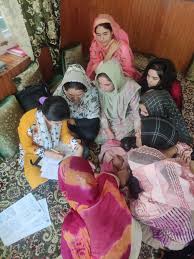
Neer during her research at Baramulla, Kashmir.
The journey wasn’t without its difficulties. Adapting to the distinct cultural and geographical differences compared to my hometown was initially challenging. However, it was these differences that provided a fresh perspective and enriched my learning experience.
I was exposed to real-world issues like inadequate market linkages, reliance on traditional farming methods, and post-harvest losses—all areas that need targeted economic interventions.
Moreover, studying in Jammu brought me closer to understanding the resilience of the local farming communities. Despite the challenges posed by remoteness, political instability, and climatic vulnerabilities, these communities have developed ways to adapt and sustain themselves. This first-hand experience reinforced the importance of policies that cater to the unique needs of such regions. The supportive faculty at SKUAST Jammu, my mentor Prof. Sudhakar Dwivedi, and access to excellent research facilities made my time here both productive and fulfilling. The focus on holistic agricultural development in the region aligned perfectly with my career goals, and my research has been recognized as impactful, which is incredibly rewarding.
In retrospect, studying in Jammu was far from a compromise; it was a conscious choice that broadened my horizons and allowed me to make a meaningful contribution to a region often considered remote but filled with potential.
CLN: What were the highlights of your Undergraduate, Post Graduate and Doctoral studies?
NS: During my undergraduate studies in BSc Horticulture, I was exposed to a wide array of subjects that expanded my understanding of agricultural practices, crop production, and sustainable farming. It wasn’t just the academic learning that shaped me; the numerous field visits, village stays, and even an all-India study tour gave me hands-on experience and a taste for travel. These opportunities allowed me to interact with farmers, understand their challenges first-hand, and witness how agricultural practices vary across regions. These experiences deepened my interest in agriculture and rural development, and sparked my passion for finding ways to improve the livelihoods of farming communities.
For my postgraduate studies, I pursued an MSc in Agricultural Economics at Dr. Rajendra Prasad Central Agricultural University in Pusa, Bihar. Moving away from home for the first time, this phase taught me resilience and adaptability. Living in Bihar was an unique experience—far from familiar surroundings, I was exposed to new cultures, perspectives, and agricultural challenges. The coursework, coupled with practical exposure, helped me build a strong foundation in agricultural economics, with a focus on real-world applications. My Master’s thesis on black pepper production gave me an opportunity to explore the economics of specific crops, further strengthening my research skills and passion for agricultural development. My doctoral studies at Sher-e-Kashmir University of Agricultural Sciences and Technology, Jammu, were both challenging and rewarding. Focusing on the impact of Deendayal Antyodaya Yojana-National Rural Livelihoods Mission on women’s livelihoods in Jammu and Kashmir, my PhD research allowed me to delve deeper into the socioeconomic aspects of rural development. This was a period of intense learning, where I had to balance fieldwork, data analysis, and academic writing. The challenge of conducting research in a region with diverse social and economic conditions helped me grow both academically and personally. Despite the hurdles, the sense of accomplishment was immense, and it solidified my commitment to contributing to the field of agricultural economics.
CLN: Each phase of my education—undergraduate, postgraduate, and doctoral—has added a different dimension to my understanding of agriculture, rural livelihoods, and economic development, shaping me into the person I am today.
Your choice of thesis for the PhD programme is very interesting – Impact of Deendayal – Antyodaya Yojana – National rural livelihood mission on Women’s livelihood of Jammu & Kashmir. Please describe briefly the findings of your study.
NS: I have always been deeply interested in gender studies, particularly in how rural women navigate and overcome challenges in their daily lives. This personal passion led me to choose the topic of my PhD thesis: “Impact of Deendayal Antyodaya Yojana-National Rural Livelihoods Mission (NRLM) on Women’s Livelihoods in Jammu and Kashmir. “
My study focused on understanding how this government program influenced the lives of women, particularly in terms of financial inclusion and economic empowerment. I surveyed 420 women from both Jammu and Kashmir, some of whom were part of the NRLM and others who were not, to compare the outcomes.
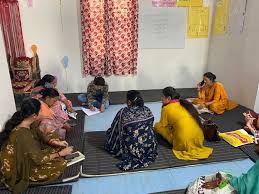
Neer during her research at Udhampur, Jammu.
The results were telling. Women who were part of NRLM, especially through Self-Help Groups (SHGs), showed much better financial inclusion compared to those who were not involved. Many of the women in these groups had better access to loans and used them primarily for agricultural purposes, which is central to the livelihoods in the region. In fact, agriculture remained a dominant theme, showing just how crucial it is for these communities. One of the key findings was that the women who participated in NRLM programs experienced a noticeable improvement in their economic empowerment. They were more likely to feel secure in their livelihoods and had greater decision-making power in their households. On the other hand, women who were not part of the program were much more vulnerable, struggling with access to credit and lower levels of empowerment.
One woman from Kashmir told me, “Before joining the SHG, I never thought I could contribute financially to my family. Now, I have my own income, and my opinions matter at home.” This quote stayed with me, as it exemplified the transformative power of these programs. While the NRLM isn’t a perfect solution, it has certainly provided a lifeline for many rural women, giving them the tools and confidence to build better futures for themselves and their families.
The Sustainable Livelihood Initiative (SLI) is a holistic model of aimed at empowering women at the Bottom of the Pyramid in the un-banked and under-banked segment of the population. This includes providing vocational training, financial literacy insurance and access to credit facilities.
CLN: Did your studies cover these aspects and do you see yourself being involved in the future in this key area of development for this country?
NS: Yes, my studies did touch upon several aspects similar to the Sustainable Livelihood Initiative (SLI), particularly in terms of financial inclusion, access to credit, and economic empowerment for women. Through the NRLM, women were provided with access to credit facilities, which played a crucial role in improving their livelihoods. The focus on financial literacy and vocational training, although not explicitly part of my research, aligns closely with the needs I observed during my fieldwork. Many of the women lacked basic financial knowledge, which limited their ability to effectively utilize loans or save for the future. I strongly believe that initiatives like the SLI, which address these gaps in financial literacy and provide vocational training, are key to empowering women, especially in rural and under-banked areas. Moving forward, I see myself being actively involved in this area, as it holds immense potential for fostering inclusive development in India. Programs that target the bottom of the pyramid are critical for sustainable growth, and I am keen to contribute to initiatives that focus on women’s empowerment, financial inclusion, and rural development.
CLN: What are your other areas of interest in terms of sports, hobbies and related activities?
NS: Outside of my academic and professional pursuits, I have a range of interests that keep me balanced and grounded. I enjoy reading both fiction and non-fiction, and you can often find me curled up with a good book. Cooking is another passion of mine, something I inherited from my paternal side, and I find great joy in experimenting with different recipes and flavours in the kitchen. Painting offers me a creative outlet, allowing me to express myself through colours and brushstrokes. I also have a love for travel and trekking, which allows me to explore new places and connect with nature. These hobbies not only relax me but also offer a sense of fulfillment and inspiration in my daily life.
CLN: Your words of encouragement for youngsters – especially girl students and young women of Kodagu.
NS: To the young students and women of Kodagu, I want to encourage you to embrace your full potential and pursue your dreams with confidence. Education is a powerful tool, so stay dedicated and curious, exploring various fields and subjects that ignite your passion.
Overcome challenges with resilience and view obstacles as opportunities for growth. Support and uplift each other, as collaboration can lead to collective success. Set ambitious goals, balance your efforts with self-care, and celebrate your unique heritage. Seek mentorship and believe in your abilities, knowing that you have the power to shape a bright and impactful future. Your determination and hard work will pave the way for your success and contribute positively to your community.
CLN: Support and understanding from the family, Okka (is it relevant?) and others in the community.
NS: I owe a great deal of gratitude to my family and community for their unwavering support throughout my journey. My parents have always encouraged me, no matter how unconventional or adventurous my choices were. I truly believe I am nothing without them; they’ve stood by me through every high and low, always providing strength and reassurance.
My extended family has also been a constant source of pride and encouragement, celebrating even my smallest accomplishments with joy. I’m incredibly fortunate to have my Okka standing by me, offering support and motivation at every step.
I can’t forget to mention my friends, who are more like family to me. They’ve walked alongside me, ensuring I’m okay, cheering me on, and being a huge part of my growth.
Special thanks go to Apparanda Sagar Ganapathy, whose constant support has been invaluable throughout my academic journey, and to like-minded individuals whose help was pivotal during crucial moments in my studies.
I’m also deeply grateful to the Coorg Education Fund, whose generous support allowed me to pursue my education without financial stress. Their assistance ensured I could focus fully on my studies, and for that, I will always be thankful.
CLN: Some comments on the recent articles on there History of Education in Kodagu published in CLN. What can be improved – in a broad sense, about education facilities, curriculum, medium of instruction and guidance in Kodagu?
For example – is there a need for more English medium schools and colleges?
There is an urgent need of private institutions for Higher Learning?
More effective role and support from Organisations like Coorg Education Fund.
NS: The recent articles on the history of education in Kodagu published in CLN shed light on the progress made over the years, but they also highlight areas that need improvement.
One major aspect is the need for more English medium schools and colleges, as proficiency in English can open doors to better opportunities in higher education and employment.
There’s also an urgent need for more private institutions for higher learning to fill the gap in specialized courses and advanced education options, which are currently limited. Furthermore, the Coorg Education Fund, which has played a commendable role in supporting students, could expand its impact by identifying exceptional students at an earlier stage and providing consistent mentorship and guidance throughout their academic journey. Such initiatives would ensure that deserving students not only access education but also receive the support needed to excel and complete their studies successfully. Addressing these broad issues would significantly enhance educational outcomes in Kodagu.
CLN: Have you visited your schools and spoken to children about your experience – your interaction would be a source of tremendous motivation to children studying in Kodagu.
NS: I haven’t had the chance to visit my schools and speak to the children yet, as I started my job immediately after completing my PhD. However, I am very much looking forward to the opportunity to do so as soon as possible. I believe that sharing my journey—from my early days at school in Kodagu to my academic and professional achievements—can offer valuable insights and encouragement to the students. By connecting with them and sharing the challenges and triumphs of my path, I hope to inspire them to pursue their own dreams with confidence and determination. I’m excited about the possibility of giving back to the community that played such a formative role in my life and supporting the next generation of students in their educational endeavour’s.
source: http://www.clnews.in / Coffeeland News / Home> Articles / by CLN newsdesk / September 29th, 2024
WELCOME. If you like what you see "SUBSCRIBE via EMAIL" to receive FREE regular UPDATES.
Read More »