June 2025 Weekend Plan: Coorg – Nature’s Gift Near Bangalore

Looking for a peaceful escape from the busy city life of Bangalore? June is the perfect time to take a weekend trip and enjoy the calm beauty of South India. One of the best weekend getaways near Bangalore in June 2025 is Coorg. Also known as Kodagu, Coorg is often called the “Scotland of India” because of its green hills, coffee plantations, cool weather, and peaceful atmosphere. It’s just around 250 km from Bangalore and is ideal for a short break with family, friends, or even solo.

Let’s explore why Coorg is the perfect weekend getaway this June.

Green landscapes and fresh air In June, Coorg becomes even more beautiful. The monsoon begins, and the rains make everything green and fresh. The smell of wet soil, the sound of birds, and the misty hills create a peaceful mood. If you are someone who loves nature, you will enjoy every moment here. The scenic drives through winding roads covered with thick forests and coffee plantations are a treat to the eyes. You can stop at many places on the way for pictures or just to breathe in the clean air.

Popular places to visit in Coorg

Coorg has something for everyone. Here are some must-visit spots:

Abbey Falls – A stunning waterfall hidden in the forest, Abbey Falls is a great place for nature lovers and photographers. The short walk through coffee plantations to reach the falls is a lovely experience.

Raja’s Seat – This viewpoint offers a beautiful view of the hills and valleys, especially at sunset. It’s a peaceful place to sit and enjoy the fresh breeze.

Madikeri Fort – For history lovers, Madikeri Fort gives a glimpse into Coorg’s past. It also has a museum inside with interesting displays.

Dubare Elephant Camp – If you’re traveling with kids or love animals, this camp is a fun place. You can watch elephants being bathed and fed and even take part in some activities.

Talacauvery – This is the birthplace of the river Cauvery. It is also a holy site and offers beautiful views from the hilltop.

Local food and coffee Coorg is also known for its tasty local food. Try dishes like Pandi Curry (pork curry), Kadumbuttu (rice dumplings), and Noolputtu (rice noodles). These are full of local flavors and are best enjoyed at homestays or small local restaurants.

And of course, don’t miss the coffee. Coorg produces some of the best coffee in India. You can visit a coffee plantation, learn how coffee is grown, and sip a fresh cup while enjoying the cool weather.

Where to stay

Coorg has many options for all kinds of travelers. From budget hotels to luxury resorts, and cozy homestays in the middle of coffee plantations, you will find a place that suits your needs. Staying in a homestay will also give you a chance to talk to locals, learn about their culture, and eat home-cooked food.

Perfect weekend itinerary

Here is a sample weekend plan for June 2025:

Day 1 (Saturday)

Leave Bangalore early in the morning

Reach Coorg by noon and check into your hotel or homestay

After lunch, visit Abbey Falls and Raja’s Seat Enjoy local dinner and relax

Day 2 (Sunday)

Visit Dubare Elephant Camp early in the morning

Head to Talacauvery and Madikeri Fort Try local food for lunch

Leave for Bangalore by late afternoon

Tips for travel in June

Carry an umbrella or raincoat, as it may rain suddenly

Wear comfortable walking shoes for sightseeing

Book your stay in advance as Coorg is popular during weekends

Try to leave early from Bangalore to avoid traffic

Why Coorg is perfect for June

June is the start of the rainy season, and Coorg looks like a green paradise. The weather is cool and perfect for walks, sightseeing, or simply relaxing with a hot cup of coffee. It’s close to Bangalore and easy to reach by road, which makes it a great weekend choice.

Whether you’re looking for nature, adventure, food, or just a peaceful time, Coorg gives you all. So, pack your bags and make your June weekend refreshing and unforgettable with a short trip to Coorg.

Get best deals on travel, receive travel tips and travel stories instantly Subscribe to Nativeplanet.

source: http://www.nativeplanet.com / Native Planet / Home> Travel Guide / by Neha Choubey / May 23rd, 2025

Coorgs’ roots go back 3,000 years: Study sparks intrigue over Karnataka community’s ancestry

The study is the first to probe the genetics of the Coorgs, a community with a distinct socio-cultural identity whose ancestry has long been debated with competing theories linking them to Alexander’s armies, Eurasian settlers, or ancient south Indian people.

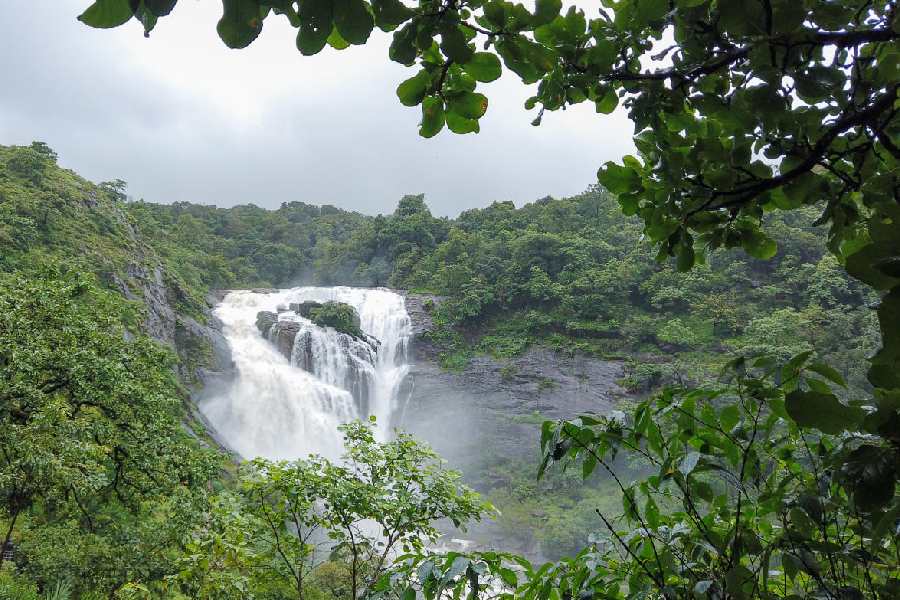
A charming waterfall named Malalli flows gracefully in the idyllic locales of Coorg hill station in Karnataka, India. Sourced by the Telegraph

A new genetic study has traced the roots of the Coorgs to nearly 3,000 years ago, offering fresh insights and deepening the intrigue around the ancestry of this close-knit population in Karnataka’s western ghats.

The study is the first to probe the genetics of the Coorgs, a community with a distinct socio-cultural identity whose ancestry has long been debated with competing theories linking them to Alexander’s armies, Eurasian settlers, or ancient south Indian people.

The Coorgs, also known as the Kodavas, are a small, tradition-rich community with a distinct martial heritage, customs, and a strong sense of clan-based identity, living in the hilly, forested, and picturesque Kodagu district.

Scientists at the University of Delhi South Campus and the Centre for Cellular and Molecular Biology, Hyderabad, analysed genomic signatures in a sample of 144 Coorgs to determine their genetic distances and affinities to other populations.

Their study has revealed that the Coorgs consist of three distinct lineages — classified as Coorg-1, Coorg-2, and Coorg-3. Coorg-3 is the oldest, dating back 98 generations, or nearly 3,000 years ago. Coorg-1 diverged 64 generations ago, around 1,920 years ago. The third group, Coorg-2, emerged more recently — about 330 years ago — from the admixture of Coorg-1 and Coorg-3.

Among the three groups, Coorg-3 stands out as the most distinct. However, the identity of its ancestral source population from 3,000 years ago remains unresolved. The analysis did reveal more recent genetic mixing between Coorg-3 and northwest Indian populations about 23 generations ago, or roughly 690 years ago.

The study, published in Communications Biology, also found that Coorg-1 and Coorg-2 are genetically distinct from other ethnolinguistic groups in Karnataka such as the Kannadigas, Konkanis and Tuluvas.

Members of Coorg-1 show the highest genetic similarity to a hunter-gatherer tribal group called the Palliyars, found in the southern Western Ghats.

The admixture between Coorg-1 and Coorg-3 appears to have begun around 11 generations ago, or 330 years ago, giving rise to Coorg-2.

Practices such as family exogamy and caste endogamy have likely helped preserve the genetic separation of these three lineages over centuries, Delhi University geneticist B.K. Thelma and her co-authors K. Thangaraj, Anirban Mukhopadhyay, Loumos Kumar and Kiran Sran said in their study.

Earlier genetic research has shown that contemporary Indian populations arose from a mix of two ancestral groups — ancestral North Indians and ancestral South Indians — between roughly 1,900 and 4,200 years ago.

But the ancestry of the Coorgs has remained elusive. Scholars have variously proposed links to Alexander’s army during his 4th-century BCE campaign in northwestern India, to Indo-Scythians or Sakas who moved from Central Asia into northwest India in the 2nd century BCE, or to prehistoric inhabitants of the southern Western Ghats.

Analysis of mitochondrial DNA — passed down through mothers — has revealed that about 40 per cent of Coorg maternal lineages are South Asian. Y-chromosome data points to Eurasian, Middle Eastern and India-specificsignatures. These results suggest male-dominated migrations from Eurasian and Middle Eastern regions and subsequent assimilation with local women.

source: http://www.telegraphindia.com / The Telegraph Online / Home> Science-Tech / by G S Mudur / May 15th, 2025

‘I have never had a Plan B, hockey has always been my top priority’: Poovanna aims to make India debut after recovering from serious injury 

 Poovanna suffered a facial injury during the Hero Hockey India League 2024/25 

Bengaluru :

After a brief stint with the Indian junior team in 2023, Poovanna Chandura Boby is now training with the senior core group ahead of European leg of the FIH Hockey Pro League leg. The 22-year-old is currently part of the senior national camp at the Sports Authority of India (SAI) Centre in Bengaluru and has made it into the 40-member core group.

With the junior team, Poovanna had a fruitful spell winning the Gold and Bronze medals at the 2022 and 2023 Sultan of Johar Cup respectively. He was also part of India’s Men’s Junior Asia Cup winning squad in 2023 and made it to the senior national camp in August 2024. 

About his experience training in the camp, Poovanna said, “I’ve played for junior team in 2023 and now training with the senior players, I see a lot of differences between them and us. There’s a lot of work we need to put in to get to that level. It doesn’t matter how fit you are, you need to get much better to compete against European teams. We are getting gassed out every session, but we need to push hard to keep up. It has been a brilliant journey so far.”

Poovanna played the Hero Hockey India League 2024/25 for champions Shrachi Rarh Bengal Tigers, however, he couldn’t play the complete tournament due to an unfortunate injury. In their seventh match against JSW Soorma Hockey Club, Poovanna suffered a facial injury while defending a penalty corner.

“It was a penalty corner and I generally don’t rush third, so I didn’t have my face mask on. Harmanpreet Singh fired a shot and it deflected off my teammate’s stick and hit my upper cheek. So, I was rushed off the field and I had to get my surgery done right away. I couldn’t play the rest of the tournament,” he explained.

He also revealed that he could have made his senior team debut during the home leg of the FIH Hockey Pro League 2024-25 in Bhubaneswar but missed out on the opportunity due to his injury. “Thankfully we won the HIL but the coach told me that I was called up for the Pro League squad but I couldn’t go because of my injury. Hence, I joined the camp early, worked with the physio in order to get in good shape for the training camp in March,” he added.

Hailing from Kodagu, formerly known as Coorg, Poovana comes from a family where hockey is a proud tradition. The Kodava hockey festival is renowned worldwide for being one of the world’s largest hockey tournaments, with hundreds of families participating in the event as tradition. 

“When I was a kid I used to watch those games and I always wanted to wear my family jersey, so that inspired me to start playing in school and I got naturally good at it. Playing for my family team was a dream come true for me after which I pursued the sport professionally. I have never had a Plan B, hockey has always been my top priority.”

Talking about the dynamic he shares with the other senior players of the squad, Poovanna shared, “The seniors are very easy to talk to and we youngsters learn a lot from them since they have been playing for a lot of years and have much better experience than us. We need to learn from them because we need to carry forward their legacy ahead in the coming years.”

“I look up to Manpreet Singh and Hardik Singh a lot because they play the position I play in midfield. I like how calm and composed they are when they get the ball and progress the game ahead. Some things that they do on the field are truly inspiring.”

Poovanna also spoke about his experience training under coach Craig Fulton. “I’m training under him right now and he’s really good. He’s easy to approach and you can ask him whatever you want and he gives you clear answers. Whenever we train, if someone does something wrong, he stops the game and he teaches them, which helps us a lot and gives a very valuable perspective.”

After missing out the opportunity in February, Poovanna is determined to make his Indian senior team debut and solidify his position in the squad during the European leg of the FIH Pro League. “The upcoming tournament is crucial for me and I will ensure I work on my shortcomings tirelessly and do my best with whatever chances I get,” he concluded on a strong note.

source: http://www.hockeyindia.org / Hockey India / Home / May 16th, 2025

Varsha Bollamma slays Singapore streets in style

In Singapore, Kannada actress Varsha Bollamma, who recently enchanted viewers as Bhoomi in Ooru Peru Bhairavakona, is enjoying some well-earned relaxation.

The curly-haired beauty shared new photos from her trip, showing off her bright curls and beaming smile while wearing a white shirt and black shorts. She won over fans with her carefree aura and natural charisma when she posed in front of Singapore’s national symbol, the famed Merlion monument, in one of the photos.

Varsha costarred with Sundeep Kishan in Ooru Peru Bhairavakona, where he portrayed Basava, a desperate stunt double who steals a bride’s jewelry and becomes entangled in a series of enigmatic occurrences.

Next up, Varsha Bollamma has two great projects underway and is back to work. In addition to filming for Nithiin’s next film, Thammudu, she is also working on a Tamil film called Iruvam. Varsha never fails to captivate her followers with her presence and performances, whether she is on vacation or on television.

source: http://www.gulte.com / Gulte / Home> Photos> Actress / by Satya B / May 14th, 2025

Rasika Duggal and Gulshan Devaiah’s ‘Little Thomas’ Scores Big with 3 Awards

Little Thomas, a heartwarming comedy-drama featuring Rasika Duggal and Gulshan Devaiah, has garnered significant recognition at the upcoming 25th New York Indian Film Festival (NYIFF).

The film has received three nominations: Best Actor for Gulshan Devaiah, Best Actress for Rasika Duggal, and Best Debut Feature for director Kaushal Oza. The film’s producers, Ranjan Singh and Anurag Kashyap, are excited to showcase their work at this prestigious festival.

Excitement Surrounds Nominations

Rasika Duggal expressed her joy at being nominated for Best Actress for her role as Jessie Miranda in Little Thomas. The film tells the story of a seven-year-old boy who is determined to unite his parents and wishes for a little brother. Rasika stated, “I am grateful that the work is being noted and appreciated, and I am looking forward to the response of the audience when the film is screened at the festival.” She emphasized the importance of audience feedback at film festivals, noting that they often provide discerning insights into the work presented.

Gulshan Devaiah, nominated for Best Actor, shared his excitement about the recognition from the NYIFF jury. He expressed his eagerness to attend the festival and his hopes for winning the award. “I am excited and happy with the nomination that the NYIFF jury has considered me for as the Best Actor for Little Thomas,” he said.

Director’s Thrill at Recognition

Kaushal Oza, the film’s director, expressed his delight at the nominations, particularly for the Best Debut Film category. Oza, who has previously collaborated with Anurag Kashyap on notable projects, shared his excitement about returning to NYIFF after the world premiere of his short film, The Miniaturist of Junagadh. He remarked, “This time I am delighted that ‘Little Thomas’ has been nominated at the same festival for the Best Debut Film… What really puts the cherry on the cake is the nominations for both the actors as well!”

The film, produced under the banners of Luminoso Pictures, Civic Studios, Flip Films, and Good Bad Films, had its world premiere at the Indian Film Festival of Melbourne last year. It has since been showcased at other festivals, including the Toronto Indian Film Festival and Chandigarh Cine-Vesture.

A Glimpse into the Film’s Story

Set against the backdrop of 1990s Goa, Little Thomas follows the journey of a young boy named Thomas, who longs for a sibling. The film’s synopsis reveals that Thomas believes the key to getting a baby brother lies in his parents sharing a kiss. With his parents frequently arguing and no longer affectionate, Thomas takes it upon himself to orchestrate the “yucky act” he believes is necessary to fulfill his wish. This charming premise sets the stage for a comedic exploration of family dynamics and childhood innocence.

source: http://www.observervoice.com / Observer Voice / Home> Entertainment / by OV Digital Desk / May 14th, 2025

New team of KSA, Mysuru

From left: Kundyolanda Aiyappa (Cultural Head – Amakka), Theetharamada Thanush Ganapathy (Vice-President), Puchimanda Dipshika Daychamma (Joint Treasurer), Mookonda Sanjana Damayanthi (Joint Secretary), Motteyanda Ishani Kuttappa (President), Kaliyanda Richa Poovamma (Cultural Head – Pommakka), Mandetira Degul Ganapathy (Hon. Secretary ) and  Allaranda Kariappa (Treasurer).

A group photo of the new team of Kodava Students Association (KSA), Mysuru.

source: http://www.starofmysore.com / Star of Mysore / Home> Photo News / May 07th, 2025

Veteran shuttler feted

Mysuru:

Maleyanda Arun Poovaiah, a Badminton player of International repute, was felicitated by the organisers of Tambaram Badminton Premier League (TBPL) at Chennai recently for his contributions to the field of badminton for the past 45 years.

A six-time National Champion, Arun has won silver and bronze medals at the World Senior Badminton Championships held at Kaula Lumpur (Malaysia) and Sophia (Bulgaria) respectively.

A native of Nelji, close to Napoklu in Kodagu, Arun Poovaiah is presently based in Bengaluru and is involved in coaching  budding Badminton players.

source: http://www.starofmysore.com / Star of Mysore / Home> Sports / May 13th, 2025

Karisma Aiyappa crowned ‘Mrs. Bharat California 2025’

Karisma Aiyappa (centre) was crowned ‘Mrs. Bharat California 2025’ by Mydream TV USA at an event held at California recently.

Karisma, a HR/logistics professional in Silicon Valley, is a former State-level athlete and a passionate dancer.

Picture above shows Karisma walking the ramp in the traditional Kodava attire

A native of South Kodagu and daughter of Poilengada P. Machamma and late Alemanda Aiyappa, residents of Kuvempunagar in Mysuru, Karisma is married to Abhishek, an employee of Microsoft, Bay Area, California, USA.

Karisma’s participation in various Coorg events in the USA showcases her commitment to her heritage.

source: http://www.starofmysore.com / Star of Mysore / Home> Photo News / May 13th, 2025

52 tribal families refuse to leave Karnataka’s Nagarahole Tiger Reserve, say it’s their ancestral land

Over 150 tribes from Jenukuruba, Betta Kuruba, Yarava and Paniya communities have occupied the forest land in Nagarhole Tiger Reserve, demanding implementation of the Forest Rights Act (FRA).

The tribals talking to forest officials in the Nagarahole Tiger ReservePhoto | Special Arrangement

Madikeri :

The 52 tribal families who entered the Nagarahole Tiger Reserve claiming land rights under the Forest Rights Act (FRA) continue to stay put inside the forest as a way of protest. Meanwhile, the forest department is urging them to vacate, citing legal and implementation hurdles.

Over 150 tribes from Jenukuruba, Betta Kuruba, Yarava and Paniya communities have occupied the forest land in Nagarhole Tiger Reserve, demanding implementation of the Forest Rights Act (FRA).

However, as per the forest department, the status quo has to be maintained until July 25, following the SC order. Further, the foresters are unable to force eviction as 50% of the population of the tribes who have occupied the land consists of women and children.

“We have not occupied the forest land, but we are occupying our ancestral land. We were evicted from the place under the Wildlife Protection Act nearly 45 years ago. After this, we stayed in line houses of the estates in the surrounding areas and we have been living in pitiable conditions since then. Following the FRA Act, we saw hope of reoccupying our ancestral land lawfully. It is a historical injustice that we were thrown out of the ancestral land and we have suffered enough,” shared Jenu Kurubara Shivu, one of the tribal leaders and secretary of Nagarahole Adivasi Tribe Forest Rights Implementation Committee.

He explained that they have been protesting for the implementation of the FRA from 2009-10. “After we learnt about FRA, a total of 52 tribal families put forth applications for the sanction of the forest right,” he explained.

He added that a joint verification process was ordered in 2021 and in 2024, a joint verification by the forest, revenue, tribal welfare and panchayat raj was conducted.

“While the report on the joint verification had to be submitted in four months, the same has been delayed invariably. The joint verification has not been signed by the concerned department officials, highlighting the inefficiency of the government departments,” he alleged.

He explained that numerous protests were led in the recent past and they had been shunned by the officials who he alleged extended false assurances.

“But this time, we have occupied our ancestral land and the indefinite protests will continue until we are granted our rights,” he voiced. The tribes have occupied the forest land for the past five days and have built make-shift structures for their deities inside the forest zone.

Meanwhile, the letter to the CM from retired PCCF BK Singh urged the government to temporarily stop the grant of land under the FRA. Further, Singh has also filed a petition with the SC and status quo of forests has been ordered till July 25, preventing any new activities or changes.

He has urged the state not to treat FRA as a land grant as this would escalate wildlife conflict and urged the government not to sanction land for those who occupied the forest after December 13, 2005.

Meanwhile, the forest department is of the opinion that the applications filed by the tribes for FRA were rejected in 2011. As per the government records, Attur Kolli Forest, the land that is now in conflict under FRA, falls under the Nagarahole Range and as per the previous data, there was no signs of habitat.

While the tribes had applied for rights under FRA in 2009, the same was rejected in 2011. Nevertheless, the SC ordered for a re-verification process of the applications in 2019 and a re-verification was carried out in 2024.

However, the report of the re-verification data has not been submitted by the Sub Divisional Level Committee and the District Level Committee till date, which is being opposed by the tribes.

“The tribes have occupied the forest land and we cannot force them out as there are women and children. Further, status quo has been ordered in natural forests following a petition by retired PCCF BK Singh. The status quo must be maintained till July 25 until further notice,” confirmed Ananya Kumar, Nagarahole Division ACF.

source: http://www.newindianexpress.com / The New Indian Express / Home> Karnataka / by Prajna GR / May 09th, 2025

Revitalize Your Farm with Coorg Oranges: A Unique, High-Demand Crop with Rich Heritage and Good Potential

Coorg oranges, a unique citrus variety with a distinct sweet-sour taste, hold cultural, economic, and ecological significance. Despite challenges like declining production and pests, their Geographical Indication recognition offers hope for revival, making them a valuable crop for farmers in Coorg.

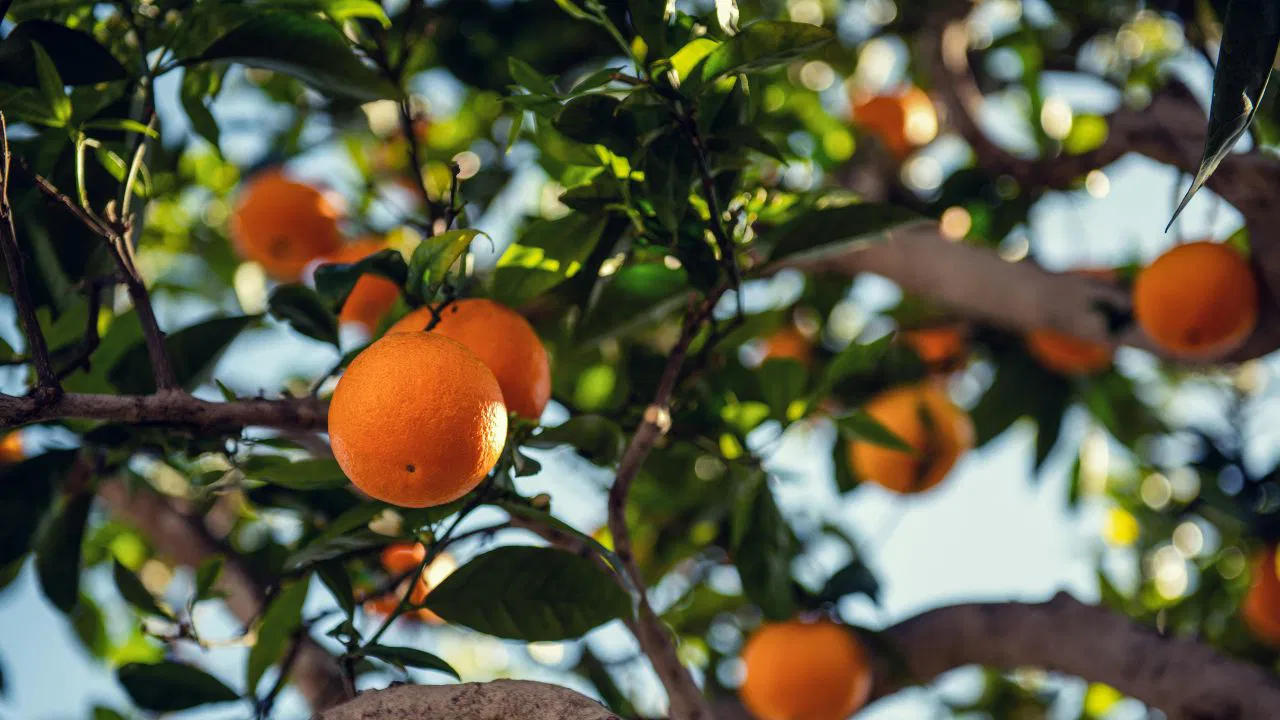
Coorg oranges are vulnerable to pest and disease infestations, such as citrus greening, fruit rot, and the damaging effects of citrus psyllids, which degrade fruit quality. (Image Credit- Pexels)

Coorg oranges, a distinctive variety of citrus fruit, are believed to be a man-made hybrid of mandarins (Citrus reticulata). With their greenish-yellow color, tight skin, and sweet-sour taste, these oranges are a significant part of the agricultural landscape in Coorg, Karnataka, India. Historically cultivated in the region, they have played a vital role in local culture, cuisine, and economic development. Although their production has declined over the years, efforts to preserve this unique citrus variety continue through Geographical Indication (GI) recognition and conservation initiatives.

Significance of Coorg Oranges

Coorg oranges hold deep cultural, economic, and ecological significance, symbolizing prosperity and tradition in the Kodava community. Historically cultivated for centuries, they play a vital role in local cuisine, festivals, and agricultural heritage. Economically, these oranges were once a major cash crop, sustaining local farmers and fueling agribusiness, while also contributing to Coorg’s eco-tourism appeal.

Known for their unique sweet-sour taste, Coorg oranges stand apart from conventional varieties with their resilient greenish-yellow skin and rich natural oils, which enhance their aromatic flavor and make them an integral part of the region’s biodiversity.

Coorg Oranges Cultivation

The cultivation of Coorg oranges requires a specific climate and soil conditions, making Coorg’s Western Ghats region an ideal environment for their growth. Their farming involves careful propagation, maintenance, and harvesting techniques.

Soil and Climate Requirements

  • Prefer well-drained loamy soil with adequate organic matter.
  • Thrive in the moderate temperatures and high humidity of Coorg.
  • Rainfall between 1,500 to 2,500 mm annually is ideal for their growth.

Propagation Methods

  • Primarily propagated through grafting, ensuring genetic consistency and quality.
  • Requires regular pruning to maintain productivity.
  • Proper spacing and irrigation enhance yield and fruit quality.

Harvesting Season

  • The oranges mature between November and January, marking the harvest period.
  • Farmers pick fruits when they are firm, full-sized, and greenish-yellow.
  • Post-harvest handling is crucial to maintain freshness and prevent spoilage.

Challenges

Coorg oranges, once historically significant, now face several challenges threatening their continued cultivation. The shift towards coffee plantations over the years has led to a decline in orange orchards, and poor maintenance practices have further reduced fruit yields. 

Additionally, these oranges are vulnerable to pest and disease infestations, such as citrus greening, fruit rot, and the damaging effects of citrus psyllids, which degrade fruit quality. Climate change also plays a role, with erratic rainfall patterns disrupting the growth cycle and rising temperatures affecting flowering and fruit development. 

On top of these environmental and agricultural issues, orange farmers also struggle with market and economic difficulties, including a lack of support, incentives, and increasing competition from other citrus varieties that impact demand.

Coorg oranges are not just a fruit—they are a symbol of Coorg’s rich agricultural heritage. Despite challenges such as declining production and pest issues, the GI recognition provides hope for revival. Their distinct flavor, nutritional benefits, and historical significance make them an essential part of Coorg’s identity. Conservation efforts and renewed interest in traditional farming practices may help ensure the survival of this remarkable citrus variety.

First published on: 03 May 2025, 17:28 IST

source: http://www.krishijagran.com / Krishi Jagran / Home> Agripedia / by Kirti Narwal / May 11th, 2025