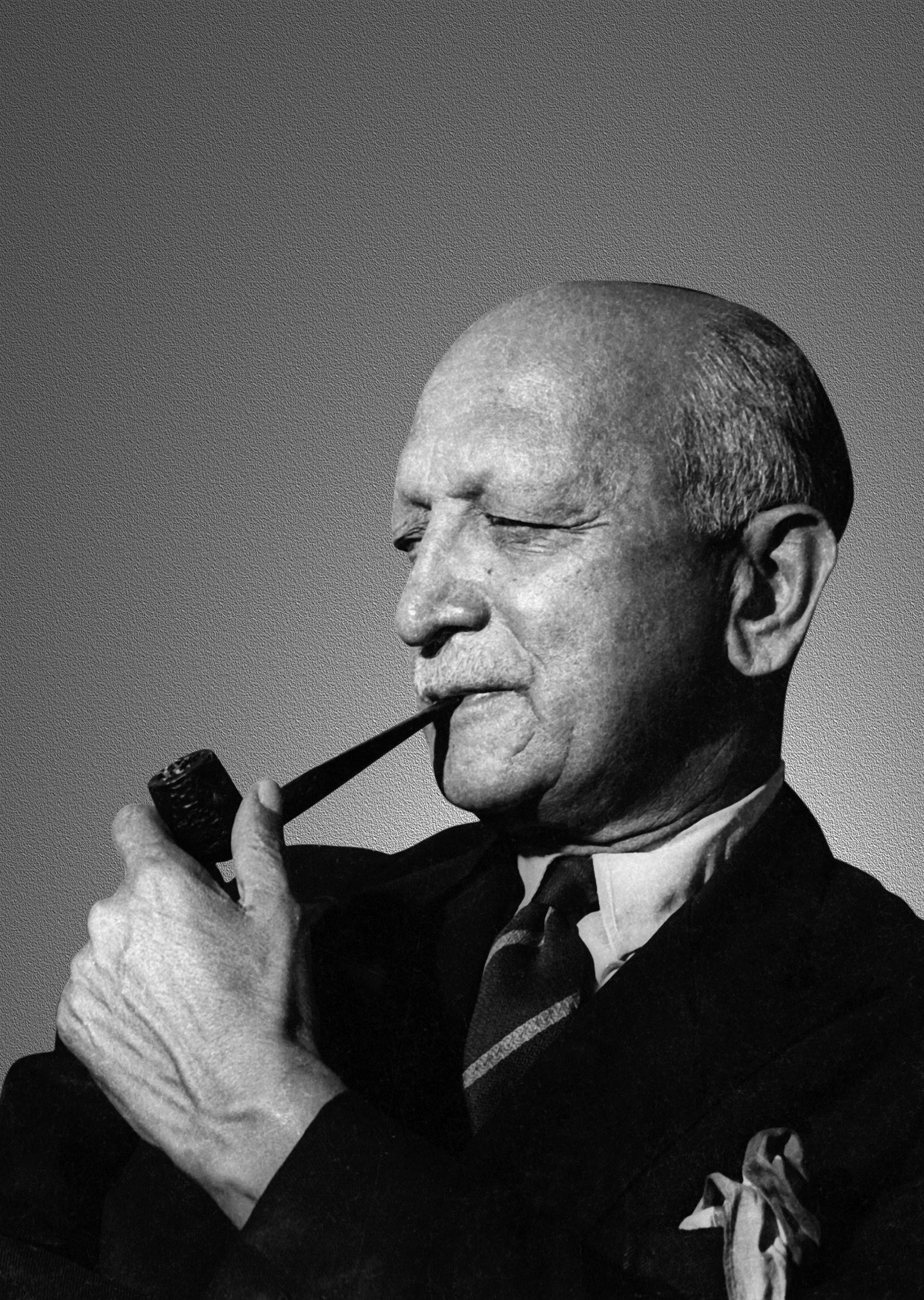
India, for the first time, will chair the board of International Coffee Organization (ICO) for a term of one year with Anil Kumar Bhandari, president of India Coffee Trust (ICT), getting elected as the chairman of Private Sector Consultative Board (PSCB) of ICO.
PSCB is an international coffee organisation body comprising 16 leading industry representatives from producing and consuming countries. The board’s main mission and objective is to increase the world coffee market in value and volume and also support various initiatives in the field of coffee and health.
Bhandari is the first representative from India to occupy the important position and his election is significant in the backdrop of World Coffee Conference (WCC) scheduled in Bengaluru, in April 2020.
Speaking about his election, Bhandari said, “My election as chairman, Private Sector Consultative Board of International Coffee Organization is an honour for India and India Coffee Trust. This is the first time that India has chaired the PSCB. I see this as the confidence reposed in India and ICT, going into the World Coffee Conference in 2020, which would be hosted by India and will be held for the first time in Asia. It also indicates the interest that the global coffee sector has in the Indian coffee industry and the Indian coffee market.”
The 121st Session of International Coffee Council (ICC) under ICO was held in Mexico City from April 9 to 13, 2018. ICO is an intergovernmental body of coffee buying & producing nations, having more than 72 member countries and India is one of the founding member.
It is the main intergovernmental organisation for coffee, bringing together exporting and importing governments to tackle the challenges facing the global sector through international cooperation. Its objective is to strengthen and promote its sustainable expansion in a market-based environment for the betterment of all participants in the coffee sector.
source: http://www.fnbnews.com / FnBnews.com / Home> TopNews / by FnB News Bureau, Bengaluru / April 30th, 2018
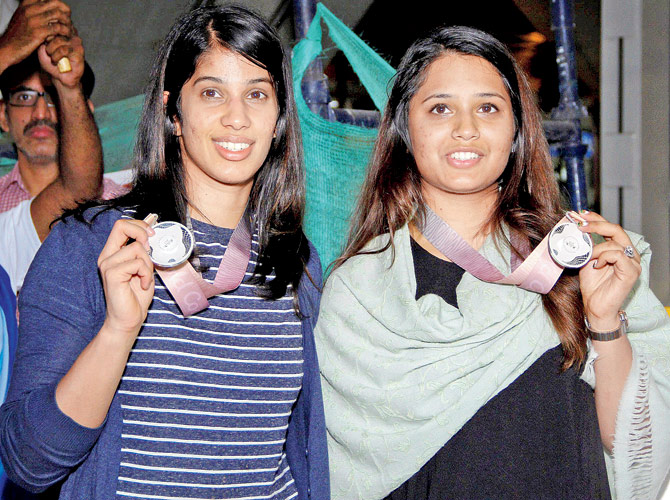
Chinappa and Pallikal had to settle for a silver in the women’s doubles competition India squash stars Joshna Chinappa (left) and Dipika Pallikal with their CWG silver medals at Chennai airport on Monday. Pic/PTI
India’s leading squash players, Joshna Chinappa and Dipika Pallikal, returned to a warm welcome here late last night after winning silver medals at the Commonwealth Games in Gold Coast.
Chinappa and Pallikal had to settle for a silver in the women’s doubles competition. Pallikal also won a historic silver in the mixed doubles with Saurav Ghosal. As defending champions, the thought of the past glory did come to the mind, said Chinappa, who had won a gold medal in the Glasgow Games in 2014 alongside Pallikal.
“Four years since, much has happened in squash. We were there on the podium then and the goal was not to miss that moment again. To that extent it was satisfactory finish,” she said. “We are encouraged to work harder for next big challenge, the Asian Games in August,” she added.
This story has been sourced from a third party syndicated feed, agencies. Mid-day accepts no responsibility or liability for its dependability, trustworthiness, reliability and data of the text. Mid-day management/mid-day.com reserves the sole right to alter, delete or remove (without notice) the content in its absolute discretion for any reason whatsoever
source: http://www.mid-day.com / mid-day.com / Home> Sports News> Other Sports News / PTI / April 18th, 2018
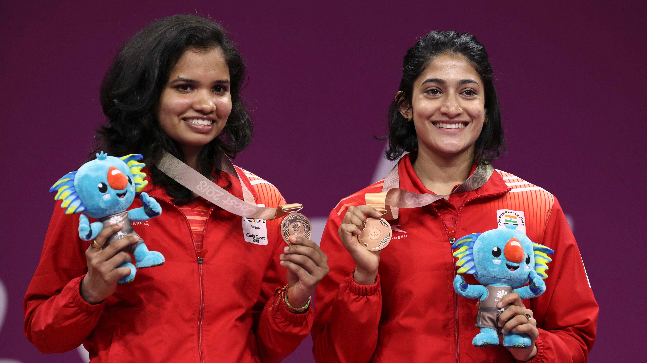
Ashwini Ponnappa (right) won her third Commonwealth Games medal as she bagged a Bronze in women’s doubles with N Sikki Reddy in Gold Coast. (Photo: Reuters)
India completed their best-ever medal in badminton at the Commonwealth Games (CWG) on Sunday with a total of the six medals, including two Gold, three Silver and a Bronze.
India not only won a Gold and two Silver in the singles events but scooped a gold medal in the Mixed Team event, a Silver in men’s doubles and a Bronze in the women’s doubles.
The reason for India to win double the number of badminton medals this year than the last two CWG is the success of doubles.
On Sunday, after the Games officially got over, Pullela Gopichand said that he felt “this tournament belongs to Ashwini (Ponappa).”
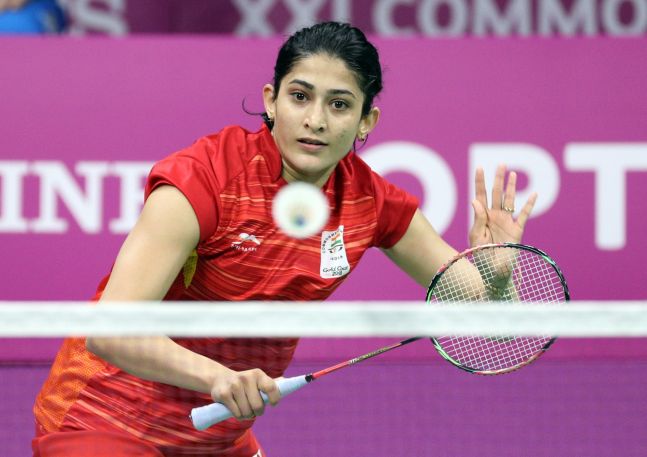
Ashwini Ponnappa is a name well known in India. She has been India’s top doubles players for quite a lot of years now but it is truly now that her name has begun to be highlighted well.
During the Mixed Team event final against Malaysia, Ashwini played the first match of the tie, the mixed doubles, with Satwiksairaj Rankireddy. Satwik, who is only 17 years old, is already one of the best doubles players in the country and world No.21 in men’s doubles along with Chirag Shetty. However, on April 9, 2017, it was Ashwini who led the pair to a stunning win against Rio Olympics silver-medallist Peng Soon Chan and Liu Ying Goh.
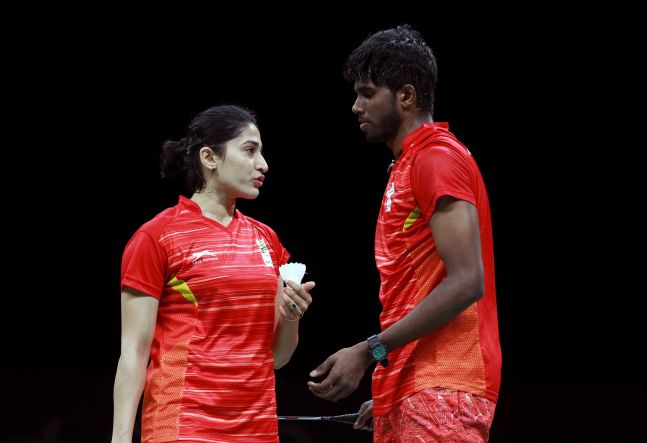
Ashwini Ponnappa was constantly chatting with Satwik, guiding him, during their mixed doubles match in the Mixed Team event final. (Photo: Reuters)
In the first game of the mixed doubles, the Indian pair completely dominated the Malaysian pair but Chan and Goh soon found their way through Ashwini and Satwik and took over from the second game.
In the decider, Chan and Goh were leading 12-7 at one point but the Indian pair then won a point to make it 8-12. From there as Ashwini led the way with her serve, India won seven straight points to go up 15-12.
Therafter, Chan and Goh could win only three more points before Ashwini and Satwik took the match away.
Ashwini in that mixed doubles victory was a sight to behold. Such was her brilliance that even the commentators were in awe of her skills and intelligence.
One could see in those final few moments, the determination and belief in her eyes and her strokes, she knew they could win it. Even as the Malaysians played it around, Ashwini knew exactly where the shuttles would come, she would leap up front and go for the kill.
Satwik supported her ably. Ashwini was constantly chatting with Satwik, guiding him, discussing their strategies, leading the team and it showed. Satwik’s control at the back of the court enabled Ashwini to absolutely intimidate the opponents at the net. Ashwini’s sharpness and booming smashes, along with Satwik’s jump smash, eventually took them home.
It was that unexpected mixed doubles victory that pegged the defending champions Malaysia behind. It gave Kidambi Srikanth to come forth and play his game.
Like Gopichand said, “The win in the team championship was very critical to put the team 1-0 up and give the confidence to Srikanth to beat Lee Chong Wei.” And Srikanth dominated the legend Chong Wei in some style.
Satwik and Chirag, thereafter, missed the chance to seal the win in men’s doubles and India’s Golden Girl Saina Nehwal came next and sealed the deal, giving India their first-ever mixed team Gold at CWG. (India Open: Indian doubles stars show spark, five pairs in quarters)
Ashwini, along with N Sikki Reddy, went on to win a bronze medal in women’s doubles and missed a mixed doubles Bronze by a whisker.
Consider this, on April 14, Ashwini played a total of four matches. Four gruelling badminton matches and still managed to scoop a Bronze in women’s doubles.
ASHWINI’S ROLE IN GUIDING THE YOUNGSTERS IN INDIAN DOUBLES
Ashwini’s importance in this badminton setup is not limited to the medals she brings home. Her stature has gone beyond that.
She plays in two different categories with two youngsters — a 17-year-old Satwik and a 24-year-old Sikki. She is the one who is making them better players.
Satwik is one of the most successful stories to come out of Premier Badminton League (PBL), where he plays along Olympic medallist Pia Zebadiah for Hyderabad Hunters. He came into prominence playing alongside Zabadiah but the immense growth the youngster has shown in the past year and a half, is down to the experience he is gaining from Ashwini.
Ashwini is a leader on the court. She teaches Satwik the mental aspect of the game and that helps him when he plays with Chirag in men’s doubles. (BWF rankings: Satwiksairaj-Chirag Shetty break into world top 20 for first time)
In fact, Ashwini is almost transmitting her leadership quality into Sikki. Sikki, who also plays mixed doubles with Pranaav Jerry Chopra, shows those leadership qualities alongside Pranaav.
Ashwini has achieved a great deal over the years. A women’s doubles Gold with Jwala Gutta in 2010 CWG started a long success story. Even then, perhaps the success did not get its due recognition. Thereafter, came a Silver in women’s doubles with Jwala at 2014 Glasgow Commonwealth Games, a Bronze in women’s doubles at the 2011 World Championships and many more. Yet, those achievements hardly created a stir in the sporting spectrum.
Doubles badminton needs to be given its due credit. In Australia, while Saina Nehwal, PV Sindhu and Kidambi Srikanth held sway at the individual events, the doubles players quietly took home two medals. Consequently, India was the most dominant nation in badminton during the Gold Coast events.
At the age of 28, Ashwini has a great deal of experience and many more years of play where she can achieve more glory and impart far more knowledge.
Even as the success story of Indian badminton at CWG 2018 was largely attributed to the credentials of the singles, it were truly the doubles players who stamped their name uniquely in Australia.
Among a host of Indian badminton stars in Gold Coast, Ashwini perhaps shone the brightest.
source: http://www.indiatoday.in / India Today / Home> News> Sports / by Abreshmina S. Quadri / New Delhi – April 16th, 2018
Vice Admiral A R Karve offers tribute after unveiling the war memorial at Sunnyside in Madikeri on Saturday.
A war memorial, built in memory of all martyrs from Kodagu who laid down their lives, on Sunnyside premises the abode of late General K S Thimayya was unveiled on Saturday by Vice Admiral A R Karve.
The government has planned to develop Sunnyside as a museum, and the work is in progress. The war memorial has been built next to the museum. A war tank has been placed in the memorial.
Later, the district administration and the Kannada and Culture Department observed the 112th birth anniversary of General K S Thimayya.
‘Pride of the nation’
Speaking on the occasion, Vice Admiral A R Karve said the people of Kodagu are known for their valour. He called upon the youth from the district to join armed forces. “Field Marshal K M Cariappa and General K S Thimayya are pride for the entire nation. Youth should come forward to serve the nation,” he said.
“Gen Thimayya was known for war tactics. He served as General from 1957 to 1961,” he said.
Forum member Major (retd) B A Nanjappa said, “Gen Thimayya was a sports lover. In spite of difficulties, he led the country to victory in the war.”
K C Subbaiah, who is the president of the Cariappa, Thimayya Forum, hoped that Field Marshal Cariappa will be bestowed with the Bharat Ratna at the earliest.
Deputy Commissioner P I Sreevidya, Superintendent of Police P Rajendra Prasad, Zilla Panchayat CEO Prashanth Kumat Mishra, Air Marshal (retd) K C Cariappa and others were present on the occasion.
source: http://www.deccanherald.com / Deccan Herald / Home> District / DH News Service, Madikeri / March 31st, 2018
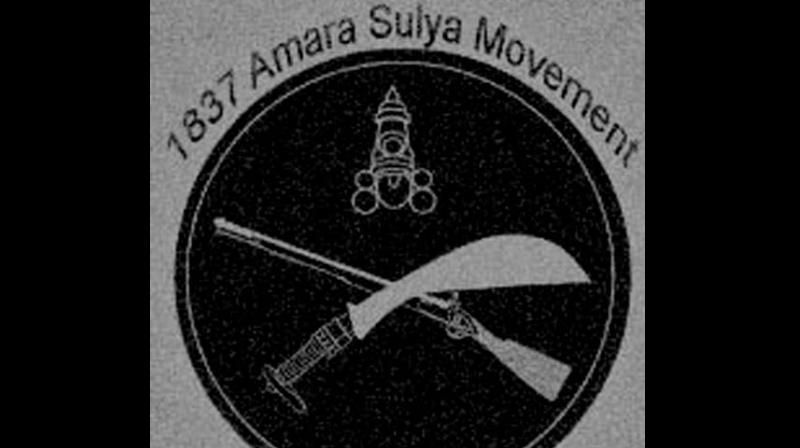
In 1837, this anger turned to action for freedom and the British suffered a temporary defeat, says N.S. Deviprasad Sampaje, Writer.
The Jangama Kalyanaswamy’s flag used during the Sullia rebellion was hoisted by Guddera (Guddemane) Appaiah against the British in 1837 was later adopted as the Kodagu Gowda coat of arms. They are also called Arebhashe Gowdas
Mangaluru:
It was the first armed uprising against the British, which took place 20 years before the First War of Indian Independence in 1857. The men who laid down their lives in this uprising of 1837 in Mangaluru are not forgotten.
The Tulunadu Rakshana Vedike and several others organisations marked the 179th anniversary of the uprising on Tuesday at Bavutagudda, where the rebels hoisted the Indian flag to mark their victory over the British on April 5, 1837.
“The people of Kodagu and Canara (coastal Karnataka) were unhappy with the British for various reasons. In 1837 this anger turned to action for freedom and the British suffered a temporary defeat,” recalls writer, N.S. Deviprasad Sampaje.
Mr Sampage , who wrote the book ‘Amara Sulliyada Swatantrya Sangrama,’ detailing this early struggle for freedom, says it was a mass movement and not restricted to some villages or caste.
“It received unprecedented support from the people of Dakshina Kannada. However there were efforts to tone it down by labelling it ‘Kalyanappa na Katakayi, or ‘loot of Kalyanappa’.
But in reality it was a major movement for freedom in the region, which scared the British. The reports of the then Collector of Dakshina Kannada, Leven, reveals this,” he says.
The rebellion was led in Kodagu by leaders such as Aparampara, Kalyanappa and Putta Basappa and continued in Sullia, Puttur before culminating in Mangaluru, the seat of the British Collector.
It is said the rebels held control of the city for 13 days before British reinforcements arrived in Mangaluru and recaptured it.
But it took two months more for the British to arrest the rebels and hang them in public to silence the movement.
“The government must do a proper study of the entire movement so people get to know its importance,” emphasises Mr Sampaje.
source: http://www.deccanchronicle.com / Deccan Chronicle / Home> Nation>Current Affairs / by Gururaj A. Paniyadi, Deccan Chronicle / April 06th, 2016
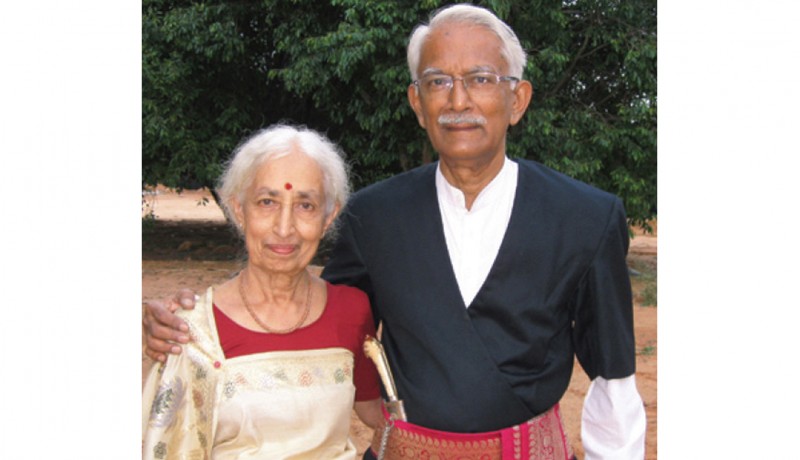
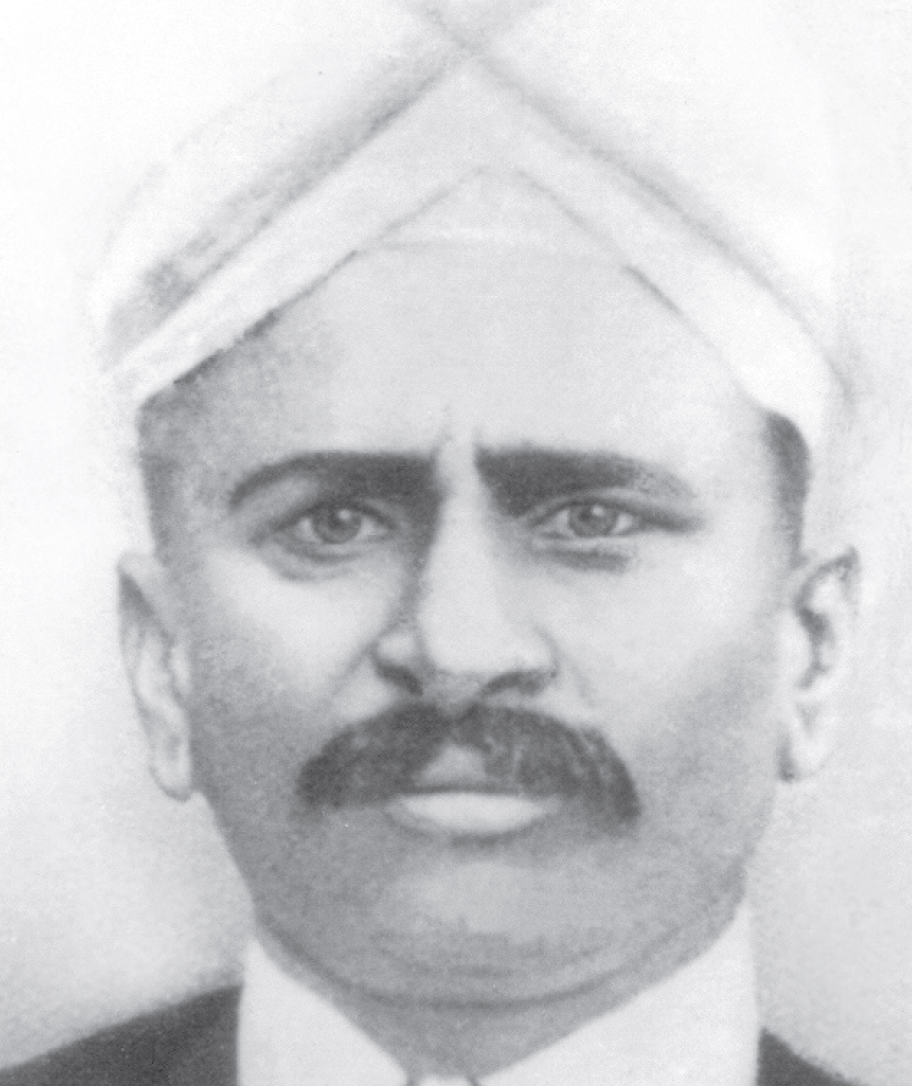
Boverianda Nanjamma And Chinnappa Recollect The Efforts Of Their Late Grandfather In Documenting The Folklore And Songs Of The Kodava Community.
Much as we admire him and are inspired by him, we have never seen our grandfather Nadikerianda Chinnappa; he died before we were born. We—Nanjamma and Chinnappa—are cross cousins. The narrative of our grandfather that follows is based on the recollections of our parents, aunts and elder cousins, gleaned from casual conversations over the years.
Our grandfather, who worked with the police, had gone to a remote village, riding his horse across a stream and through a forest path to investigate a quarrel over the ownership of a strip of land. On his way back, he stopped by the stream to eat the akki (rice) roti sweetened with jaggery his wife had packed for him. The sun was setting behind the hills and had painted the skies in brilliant hues of red and gold. Captivated by the scene, Nadikerianda Chinnappa sat lost in thoughts, when he heard the distant sound of Kodava dudi (small handheld, hourglass-shaped drums). Mounting his horse, he set out to locate the origin of the drumbeats. He found four men seated around a bonfire singing Kodava folk songs, practising for Puthari, the harvest festival. It was getting dark but he waited for them to finish. Recognising that our grandfather was in the police, the singers touched his feet respectfully. Our grandfather took the leader of the team home on his horse.
This was not uncommon; his wife Nanjavva knew he had brought a singer home for the night. She made a bed for the visitor in the attic and served them a hot meal with a drink of frothing toddy. Refreshed, grandfather and the singer sat in the hall; while the singer sang a ballad, Chinnappa transcribed the words late into the night. After many such sessions with various singers, he had a good collection of Kodava songs sung during weddings, funerals and festivals, and ballads in praise of deities and heroes.
Himself a good singer, Chinnappa’s passion for Kodava songs and ballads prompted him to transcribe them. During his travels around Kodagu as a police officer in the early 1920s, he observed that the unique customs and traditions of the Kodava community were being forgotten or altered. Chinnappa feared that Kodava traditions and songs that had been handed down orally over generations would be lost because of the dominance of English, and the influence of the cultures of neighbouring areas. So, he decided to document them.
Late in the evenings, after work, he neatly wrote down all the songs, proverbs and riddles by the dim light of a kerosene lamp, while smoking his favourite cigars. When he started documenting the customs and traditions, he consulted his mother Ponnavva who was well-versed in them. Meanwhile, his wife would read the draft first to ensure that it was clear to a layperson. If there were parts she did not understand, Chinnappa rewrote them. It used to be said that the waste paper basket would always be full in the morning.
British officials in Coorg—as Kodagu was called by them—got his draft reviewed by some prominent Kodavas. On their recommendation, C S Sooter, commissioner of Coorg, authorised financial assistance to publish it. Chinnappa chose the name Pattole Palame, meaning ‘silken lore’, for his book, which was first published in 1924. The 6th edition was printed in 2012.
Pattole Palame is a precious document of the heritage of the Kodava community. In the second edition published by the University of Mysore in 1975, the editor describes it as “one of the earliest, if not the earliest, extensive collection of folklore of any Indian community written in an Indian language by an Indian”.
The text of Pattole Palame is in Kannada and the folk songs, proverbs, etc, in it are in Kodava thakk, the language of the Kodavas, an oral language written using the Kannada script. Nearly two-thirds of the book consists of folk songs transmitted orally down generations, which are sung even today. Traditionally known as Balo Pat, these songs are sung by four men beating dudi. The songs have haunting melodies and evoke memories of times long past. Kodava folk dances are performed to the beat of many of these songs, which are a rich source of information on the culture, language and history of the Kodava people.
Chinnappa himself began translating Pattole Palame into English but could not complete it, as he died of cancer in 1931 at the age of 56, a few months after his retirement. It was in 2003, nearly 75 years after Pattole Palame was first published, that we, his grandchildren, translated it into English and published it.
Although he was best known for Pattole Palame, Chinnappa’s major literary work as a poet was Bhagavantanda Paat, his translation of the Bhagavad-Gita into the Kodava language, composed in the style of Kodava folk songs, published in 1929.
When Grierson, a British linguist, embarked on the first Linguistic Survey of India (1913 to 1920), he looked for knowledgeable representatives of the various Indian languages. Chinnappa, who was fluent in both English and Kodava thakk, was chosen for the Kodava language. As required, he translated the parable of the ‘Prodigal Son’ into Kodava thakk and narrated it, and sang his own poem, Sri Moola Kanniye, an ode to river Kaveri. These were recorded in 1922 on gramophone records; copies of the recordings were kept in the British Library in London and the Madras Museum. They were digitised recently by the Linguistics Department of the University of Chicago.
Born in 1875, Chinnappa was the fifth of eight children. After matriculating in Madikeri, he went to Mangalore for further studies. But when his elder brother Subbayya died suddenly, Chinnappa returned to Kodagu to take on family responsibilities. In accordance with Kodava tradition, he married Subbayya’s widow, Nanjavva.
His career took many twists and turns. A teacher at first, then a revenue inspector, and then an officer in the Coorg Regiment of the Army, he joined the police department when the regiment was disbanded in 1904, and rose to the rank of a prosecuting inspector.
Our grandfather was fond of sports. He was a bowler in the All Coorg XI Cricket team, which in those days consisted mainly of Englishmen. When he played billiards at Victoria Club in Virajpet, his British opponents would often swear under their breath on losing a game to him. On one such occasion, Chinnappa lost his patience, broke the billiards stick on his knee and threw it on the floor. This was a very daring act for an Indian in those days.
Chinnappa was also involved in establishing the Police Officers’ Cooperative Society, Coorg Cooperative Society, Coorg Central Bank and the Coorg Education Fund. He was fond of children and always carried peppermints in his pockets. He was a caring father to his own three children, the two stepchildren by his elder brother, and to his deceased sister’s daughter, whom he and Nanjavva adopted. He sponsored the education of many poor children, and there were always a few students boarding in his residence, free of cost.
Our grandfather was a man of vision and talent, and was self-driven. He was a folklorist, poet, police officer, sportsman, historian, singer, philanthropist, and caring householder. Above all, he was a man who lived life to the fullest and left a lasting and invaluable legacy for his people in his writings.
The authors are translators and scholars of Kodava studies
Featured in Harmony — Celebrate Age Magazine
August 2016
source: http://www.harmonyindia.com / Harmony / Home> Columns / August 2016
Star Indian badminton player and Olympian Ashwini Ponnappa has been chosen as the ‘Coorg Person of the year, 2017,’ in a poll conducted by www.coorgtourisminfo.com, Kodagu’s first news portal, promoted by senior journalist P T Bopanna.
A release said that what clinched her the title besides her sporting achievements was Ashwini’s decision to marry a fellow Kodava instead of marrying outside her community.
Ashwini had won a gold medal in the women’s doubles event of the 2010 Delhi Commonwealth Games.
There was much rejoicing recently in the small Kodava community following Ashwini’s decision to marry a Kodava. Ashwini, who belongs to the Machimanda clan married model Ponnachettira Karan Medappa.
The close-knit Kodavas (Coorgs) who number less than two lakhs have been worried by the recent trend of community members marrying non-Kodavas.
Iychettira Ravi Somaiah who has built a sports facility for the public near Kushalanagar in Kodagu was also nominated for the title.
source: http://www.deccanherald.com / Deccan Herald / Home> District / by DH News Service / Madikeri – January 01st, 2018
KM Cariappa received the prestigious order of the British Empire (OBE) for his role in the Burma against the Japanese during the Second World War.
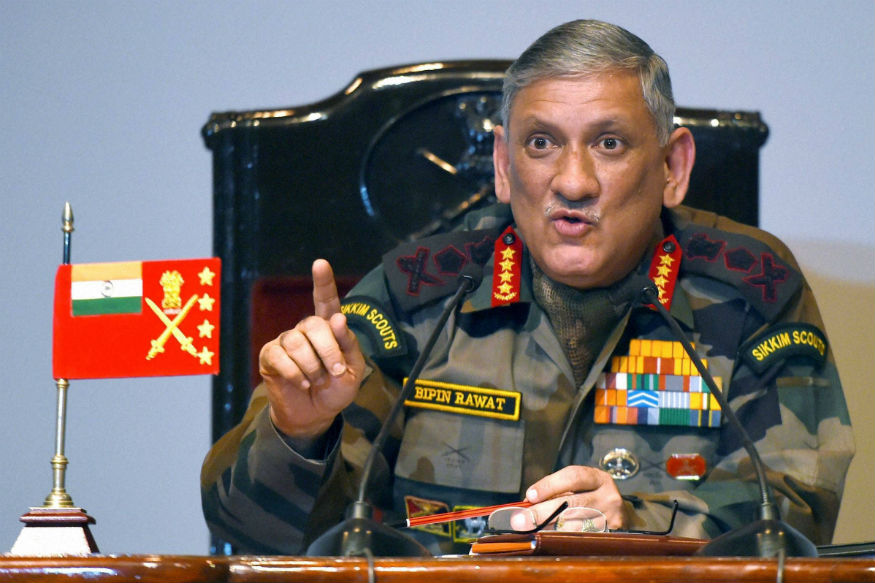
Army Chief General Bipin Rawat on Saturday pitched for Field Marshal Kodandera Madappa Cariappa, independent India’s first army chief, to be conferred the Bharat Ratna. However, few know of the man whose unrelenting patriotism and secular beliefs blazed a trail in the Indian Army.
KM Cariappa is a man known for many firsts, but most importantly, he is known as the man who took charge of the Indian Army from its last British Commander in Chief, General Sir Roy Bucher. Born on January 28, 1899, in Coorg, Cariappa completed his education at Central High School at Madikeri and went on to study at the Presidency College in Madras.
However, Cariappa began his Army stint under the British and was among the few selected for the first batch of KCIOs (King’s Commissioned Indian Officers) at the Daly Cadet College in Indore and was commissioned in the Carnatic Infantry. He was in active service with the 37 (Prince of Wales) Dogra in Mesopotamia (present-day Iraq) and then posted to the 2nd Rajput Light Infantry (Queen Victoria’s Own). Cariappa went on to become the first Indian officer to undergo the course at Staff College, Quetta in 1933. In 1946, he got promoted as the Brigadier of the Frontier Brigade Group.
By Indian independence, Cariappa saw action in Iraq, Syria, Iran and Burma and became the first Indian Officer to be given command of a unit in 1942. He went on to receive many awards and accolades in his career spanning three decades. He received the prestigious order of the British Empire (OBE) for his role in the Burma against the Japanese during the Second World War.
In 1947, Cariappa became the first Indian to be selected to undergo a training course at Imperial Defence College, Camberly, UK. His role during the Partition is rarely mentioned, during which he oversaw the division of the Army. Cariappa also led the Indian forces on the Western Front during the Indo-Pak War of 1947 and successfully recaptured Zojila, Drass and Kargil and established a linkup with Leh.
On January 15, 1949, Cariappa became the first Commander-in-Chief of the Indian Army. He held the five-star rank of field marshal, the highest honour in the Indian Army, which Sam Manekshaw is the only other officer to have held. He was also awarded the ‘Order of the Chief Commander of the Legion of Merit’ by US President, Harry Truman
Even after his retirement from the Army in 1953, Cariappa was not finished yet and served as the High Commissioner to Australia and New Zealand till 1956. He died in Bengaluru in 1993 at the age of 94.
With PTI inputs
source: http://www.indianexpress.com / The Indian Express / Home> Who Is / by Express Web Desk / New Delhi – November 04th, 2017
Gen Rawat’s comments came in response to a request by Col KC Subbayya from The Field Marshal Cariappa General Thimayya (FMCGT) forum about recommending the Bharat Ratna to Cariappa, who hails from Kodagu district in Karnataka. File photo of Army chief General Bipin Rawat. (PTI)
Gonikoppal:
Army Chief General Bipin Rawat on Saturday pitched for conferring the country’s highest civilian honour Bharat Ratna on independent India’s first army chief, Field Marshal General K M Cariappa.
“The time has also come to recommend Field Marshal Cariappa for the award of Bharat Ratna. If others can get it, I see no reason why he should not, a deserving personality for the same. We will shortly address the issue on priority,” he said
Gen Rawat’s comments came in response to a request by Col KC Subbayya from The Field Marshal Cariappa General Thimayya (FMCGT) forum about recommending the Bharat Ratna to Cariappa, who hails from Kodagu district in Karnataka.
Rawat unveiled the statues of Cariappa and General K S Thimayya, also a former Army chief who hailed from Kodagu district in Karnataka, at a function at the Cauvery College at Gonikoppal, Kodagu district.
Former Commander-in-Chief of the Indian Military, Field Marshal Kodandera Madappa Cariappa (1899 – 1993), 1975. (Photo by Dinodia Photos/Getty Images)
Terming Kodagu (formerly Coorg) as a ‘land of warriors’, Rawat said he is proud, privileged and humbled for having got the opportunity to unveil the memorial in memory of Field Marshal Cariappa and General K S Thimayya.
Kodagu continues to serve the nation with a large number of officers and men serving the Army, he said and voiced hope that “there will be more Chiefs in the future who will rise from this great land”.
Cariappa was the first Indian Commander-in-Chief of the Indian Army and was conferred the rank of Field Marshal on April 28, 1986.
He was also a recipient of the prestigious order of the British Empire (OBE) for his role in the Burma campaign against the Japanese during the Second World War.
Cariappa also led the Indian forces on the Western Front during the Indo-Pak War of 1947.
He held the five-star rank of field marshal, the highest honour in the Indian Army, which Field Marshal Sam Manekshaw is the only other officer to have held.
Cariappa, whose military career spanned over three decades, retired from the Army in 1953 and later served as the High Commissioner to Australia and New Zealand till 1956.
He died in Bengaluru in 1993 at the age of 94.
source: http://www.news18.com / News18.com / Home> India / PTI / November 04th, 2017
Chief of the Army staff General Bipin Rawat will honour the Kodava martial warriors and unveil statues of First Field Marshal of Indian Army K M Cariappa and Padma Bhushan General K S Thimayya on November 4 at Gonikoppal in Kodagu district on November 4.
Field Marshal Cariappa is also a recipient of the prestigious order of the British Empire (OBE) for his role in the Burma campaign against the Japanese during the 2nd World War. General Thimayya, was awarded the Padma Bhushan in 1954 and took over as Chief of the Indian Army on 7 May, 1957.
The site for the statues has been provided by the Cauvery Educational Society and is located in close vicinity to the ‘lyn house’, the ancestral house of Kodavdira family belonging to theGenerals. The two statues are placed side by side about 25′ above the road level.
The bronze statues, 7’6″ in height have been made in Bidadi by Shilpi Vijay at a total cost of Rs 17 lakhs. This is the only LoC in India where statues of the Army Chiefs are Co-located.
The Field Marshal Cariappa General Thimayya forum was formed with the aim of helpingthe veterans of the area and to motivate youngsters to join the Defence Forces.
The two bronze statues will be unveiled in presence of Lt General R K Anand, General Officer Commanding, Dakshin Bharat Area, Major General K S Nijjar, General Officer Commanding, Karnataka & Kerala Sub Area.UNI MSP AE1323
— (UNI) — C-1-1-DL0100-1112494.Xml
source: http://www.news.webindia123.com / WebIndia123 / Home> News> India / Bengaluru – Tuesday, October 31st, 2017
WELCOME. If you like what you see "SUBSCRIBE via EMAIL" to receive FREE regular UPDATES.
Read More »