Category Archives: Arts, Culture & Entertainment

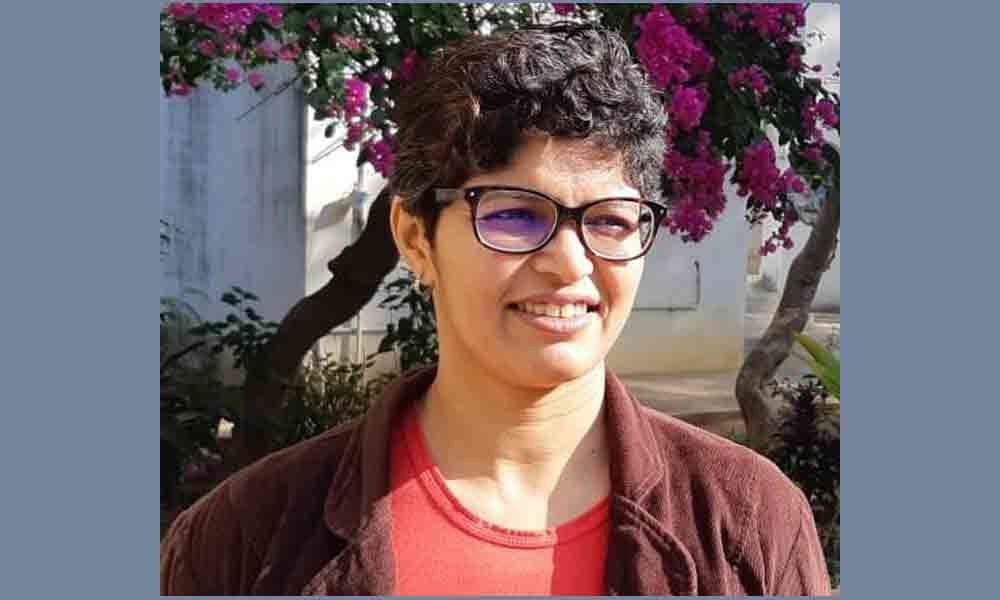
Interview with Professor Sowmya Dechamma

Category : FACE TO FACE / Author : Sowmya Dechamma

Professor and Head Centre for Comparative Literature, University of Hyderabad

Q. Could you tell us a little bit about your area of research, and why it is of particular interest to you? What has your journey been like?

Currently, I am interested in and working on the languages of the minority. While this term ‘languages of minority’ itself demands some explanation, my interest in this springs from the fact that I speak one such language, Kodava, a language that is spoken by many ethno-linguistic minorities in Kodagu, Karnataka. Although I have been interested in the politics of languages ever since I can remember, I began working in this area for the last 5 years or so, especially because the language discourse is so dominated by English Vs. Indian Languages, Hindi Vs. Other Languages, debates around ‘national’ language’ — in which these languages of minorities have become almost invisible, although the number of such languages are many. I also work on Translation Studies and related areas. Language and translation for me are inseparable from other factors that are so decisive in our lives. So, my attempt is to understand how caste, gender, religion, class and other factors frame our histories alongside language and translation.

Q. Coming particularly to the question of language, there has been a concerted attempt to impose certain languages – for instance, the assumption that Hindi is the ‘mother tongue’ and ‘national language’ of the country, neither of which is true. But even on regional levels, there may be further levels of stratification and domination of some languages over others. How does this work, and what has been the result of such policies?

You are right. I had written elsewhere as to how this one nation — one-language, one nation – one religion kind of idea is actually new even to European nations. The nationalization of particular languages in Europe is an exercise in what is known as European modernity. Despite our critique of colonialism, it is ironic that nationalists here in India subscribe to this one nation – one language / religion policy. This as you mention is replicated at the regional levels as well. I am vary of using the term regional, I think Kannada nationalism, Malayalam nationalism, Tamil nationalism are nationalisms that pretty much follow the same pattern, in different contexts. I find that in Karnataka, because Tulu, Konkani and Kodava speakers wield some kind of political pressure, these 3 languages are recognised at some level. But there are innumerable other ‘small’ languages that do not get any recognition in the public at all. The worst scenarios are in Tamil Nadu and Kerala where language and intellectual chauvinism has had huge implications for speakers of smaller languages, (more often than not from the Adivasi communities). This obviously points to the situation of the people and the conditions they live in, not just of the language.

Q. The relationship between the ‘written’ and the ‘spoken’ is often discussed in terms of languages – where only languages with a script are seen as legitimate while others are dubbed dialects or even ‘broken’ languages. How do you see this in terms of your own language, Kodava?

This distinction between a ‘written’ and ‘spoken’ one is so popularized that we forget that almost all languages are spoken and have survived in the spoken form since speech has evolved. Except perhaps in the case of Sanskrit and Latin which are ‘dead’ in their spoken versions and survive only in their written form. So, one has to remember that written is a privileged form that has been associated with powers that began with record keeping, religion, surveillance, in their monarchical and now nation-based contexts. Throughout history, only a miniscule of the population (not more than 1%) have had access to writing. Many productive communities never required the act of writing but have used memory-based performative acts for transmission of knowledge and survivals.

Yes, as long as I can remember, when I say I speak Kodava, people ask “Does Kodava have a script?” This again is a notion that wrongly connects a language with a written script. If we pay attention we realize that most European languages, be it English, Spanish, French, German use the Roman script and this is true for India as well. Hindi, Gujarati, Marathi, Bengali and almost all Indo-Aryan languages use the Devanagari script.

Q. You have been associated with a vibrant and politically diverse campus, HCU. It has also been a space of institutional discrimination and a fightback against this, as in the case of Rohith, Senthil and others. How has this shaped your experience and approach as a teacher and also a member of the academic community?

It has been a learning experience throughout my journey in Higher Education. All the movements you mention have made many of us more aware of the backgrounds students come from and how we need to fine-tune our pedagogy into one that places students at the centre. It also points to the problems with the manner we understand and functionalize the idea of ‘merit’; who is a ‘good’ student and who is not. I think as teachers what we need to focus on is how we shape our curriculum and how we engage with that curriculum and students. Teaching cannot separate itself from the vagaries of our lives and we need to address our experiences in the classroom and outside. It is a lesson we are still learning.

Q. The recent NEP-2020 also had sparked controversy due to its focus on Sanskrit and active ignorance of other languages of cultural and literary value such as Arabic. Do you see this merely as a failure of policy or as reflective of something deeper?

Absolutely. Although the NEP mentions institutionalising ‘mother tongues’, what it means by mother tongue is itself not clear. And how do we plan for the training and required infrastructure for teaching in multiple mother tongues in a classroom? How do we accommodate without appropriating languages like Gondi, Chenchu, Ho, Irula, and such?

Needless to mention, languages like Arabic, Persian, and Urdu which have had a rich history on lines with Sanskrit but different from the ones mentioned above find no place. This only strengthens our argument that it is not language per se, but the people and the history of the language that the NEP and by extension, the government is uneasy about. Languages therefore cannot be thought of in a vacuum, but will have to see how they mutually shape histories, politics, and communities.

Q. Finally – the pandemic is something we cannot escape when we talk about education or pedagogy. What has your experience been, whether as a scholar or a teacher? How have your students coped with the immense challenges and difficulties of it?

As a scholar, teacher, and as a parent, this pandemic has taught us many things. I am acutely aware of how I am able to work with my own children, teaching them a wide range of things — from cooking, gardening, playing sports and academics — all this despite the constant anxiety of our friends and family being ill and sometimes dying. This in itself is distressing because most of my students are undergoing stress, some have lost their dear ones and many do not have the means to access digital education. We have been trying to reach out to students through various means, to enable them both academically and personally. But the anxieties are real and it is not easy to cope. From women students being pressurized to get married, from having no access to digital means, living in a one-room house and sharing one smartphone among siblings for online classes, having to take care of many household responsibilities including financial, having to deal with almost an impersonal mode of pedagogy, what we call academics is undergoing a turbulent phase. I only hope this will make many of us reflect on the state of education in India and push towards an equitable public education that is holistic.

source: http://www.auramag.in / Aura / Home / July 2021
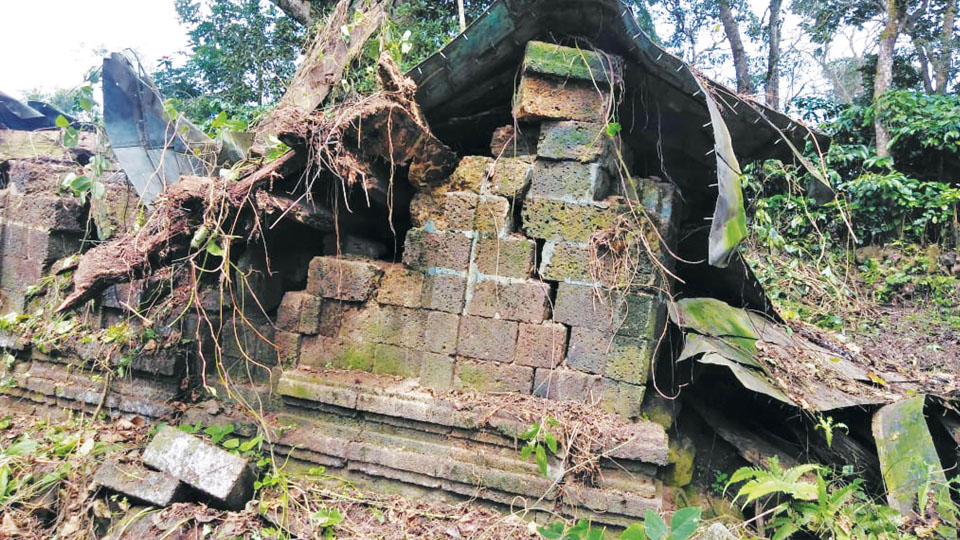
700-Year-Old Shiva Temple Discovered Near Virajpet

Madikeri:

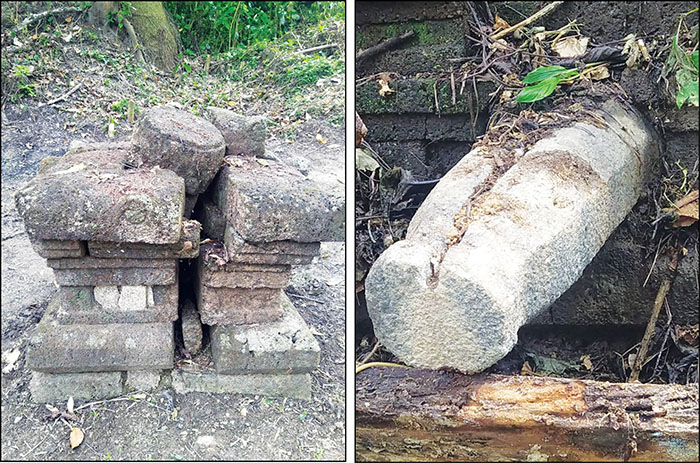
An ancient Shiva Temple, said to be about 700 years old, has been discovered at Bollumadu village in Virajpet taluk. The temple, found at a spot behind the Post Office on Kadanga Paraane is in a highly dilapidated state and is on the verge of total collapse.

The temple, said to be built using red stones, first came to be known to the villagers through Tantris in 2008. Subsequently, the villagers had cleaned up the spot by cutting down the trees around the temple. But as the temple was not accessible by road, no renovation works could be taken up and the temple remained in its dilapidated state.

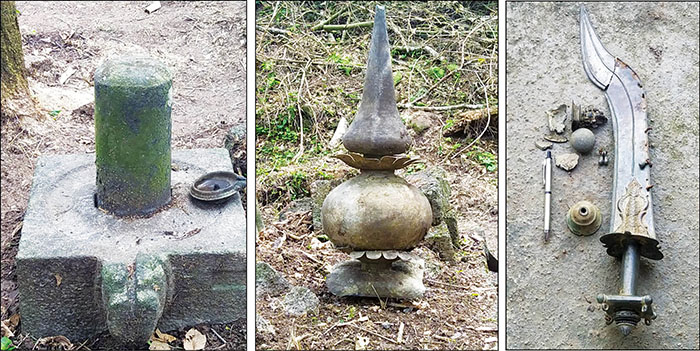
However, the temple exploration resumed two days ago with villagers again cleaning the vicinity by cutting down the bushes and other plants. During the exploration, a Shivalinga stone sculpture was found in the well of the temple premises. Also, the almighty’s Ayudha (weapon) ‘Kadtale’ and small Ganapathi idols have been discovered. This apart, the stone sculptured images of Tripata, Kumuda, Jagatti, Kanta, Pattika and Devakoshta Sopanas were found at the temple foundation. After the discovery of the ancient temple, Bollumada villagers contacted Nayakanda Prakash, who is staying at Mysuru, seeking his help for tracing the history of the ancient temple. Prakash is a former official of Archaeological Survey of India and had also served as a site supervisor at Ram Janmabhumi in Ayodhya, UP.

Prakash, who visited the spot, opined that the temple dedicated to Lord Shiva may be 600 to 700 years old and it may also be a contemporary of the times of the ancient Bhagamandala Temple.

Prakash, who collected some documents regarding the site, observed that an excavation was necessary to trace the complete history of the temple, according to Bollumadu Gram Panchayat President Matanda Arun.

Pointing out that the spot where the temple has been discovered is said to be a Pysari land, Matanda Arun said that a few families are residing in the vicinity of the newly discovered temple. Though the temple was discovered earlier, it could not be reached as there was no access and as such no one bothered to go there. Now a huge tree has fallen on the temple’s ‘Garbhagudi’ (Sanctum Sanctorum), destroying it.

Now, a villager has come forward to part with his land to make way for accessing the temple, Arun said adding that the Kodagu District Administration will be appealed to take up excavation of this centuries old temple.

source: http://www.starofmysore.com / Star of Mysore / Home> News / October 23rd, 2022

Indian fashion designer wants khadi and handlooms recognised globally

Singapore:

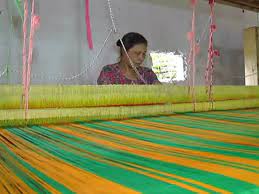
Indian designer Prasad Bidapa wants India’s hand-made khadi and handlooms recognised globally, saying that there are immense opportunities for foreign stylists to work with thousands of weavers across the country.


“We want to expose Indian textiles to the world and show every designer that they can come to India, work directly with the artisans and create something very original,” Bidapa told PTI after the show “Handlooms@75: Celebrating the Fabric of Freedom” here.


The designer urged truly conscious designers to work with Indian weavers at the grassroots level and help them create something new and fresh. “Something that the world has not seen before.”


“Prime Minister Narendra Modi has been a wonderful support. He wears so much khadi and handlooms that he has had the spotlight trained on the clothing,” said the designer after hosting the fashion show in Singapore on Saturday.


“We have thousands of artisans working on Khadi and handlooms skilled in block print, leheriya dyeing,” said Bidapa, adding that there were immense opportunities for foreign designers to work with thousands of weavers in India.


“We are trying to sensitise young people all over the world, trying to get them to understand the beauty of the handmade textile,” the designer stressed.


The designer also called on the Prime Minister’s Office to include skills of the hands, weaving, printing and dyeing in the national skilling programme.


Bidapa highlighted how Japanese fashion designer Issey Miyake created the label “HAAT” — all of which uses Indian Khadi.


The Saturday exhibition was held at the invitation of the Indian High Commissioner in Singapore, P Kumaran, and sponsored by the Global Indian International School, as well as micro, small and medium enterprises (MSMEs) from Karnataka among others.


The Bangalore-based Bidapa has hosted the exhibition in the Middle East and will be travelling with his fashion wears as well as 20 models to Japan and South Korea next. (PTI)

source: http://www.dailyexcelsior.com / DailyExcelsior.com / Home> International News / by PTI / October 18th, 2022

Thousands Witness Cauvery Theerthodbhava

Madikeri:

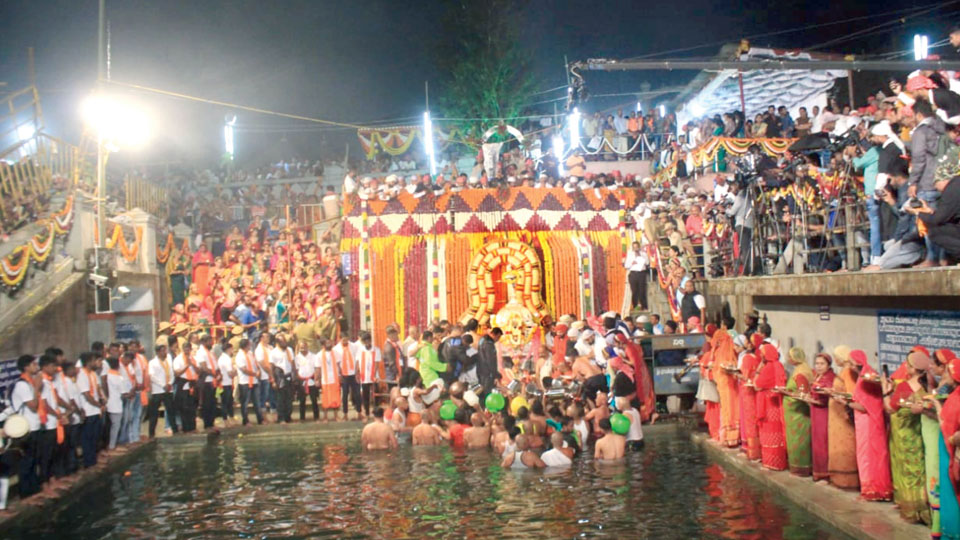
Thousands of devotees from Kodagu, across the State and Tamil Nadu congregated at Talacauvery in Kodagu last night to witness Cauvery Theerthodbhava amid chanting of mantras and other religious rituals. 

The holy event took place exactly at the predetermined Muhurtha of 7.22 pm in Mesha Lagna at the foothills of Brahmagiri inside the Holy Brahmakundike, considered to be the source of River Cauvery.

It is believed that Goddess Cauvery comes in the form of a fountain-head where water gushes from the Brahmakundike. A team of priests, led by Prashanth Achar, Raviraj Achar and Gururaja Achar chanted Vedic hymns before sprinkling holy water on the devotees. Later, devotees collected the Theertha (holy water) to be distributed among community members and to be kept at homes as holy signs.

The rituals associated with the holy occurrence began at 5 pm and as the predetermined time neared, devotees chanted mantras and welcomed the Goddess. The Theerthodbhava took place after the Sankalpa Puja and Mahamangalarathi. As the water bubbles appeared in the Brahmakundike that was filled with flowers, Kumkum and vermillion, the cries of devotees reached a crescendo. 

Devotees took a holy dip in the main pond (Kalyani) in front of the Brahmakundike and offered their prayers. They jostled to collect holy water in pots from the Kundike and the priests sprinkled the holy water on them.

The area around the pond was barricaded to enable crowd management and only small groups of devotees were let inside by the Police to prevent crowding and stampede. Despite barricades, devotees swarmed around the Brahmakundike and the Kalyani.

Devotees also thronged Triveni Sangama at Bhagamandala and many took a dip in the river and many offered the ritualistic Pinda Pradhana as a mark of respect to their elders.

The Kodagu Ekikarana Ranga distributed free breakfast and lunch to the devotees as part of its 27th year food distribution. Free food will be supplied till the end of Tula month on Nov. 17. Kodagu District Minister B.C. Nagesh, MLAs Appachu Ranjan and K.G. Bopaiah and others were present.

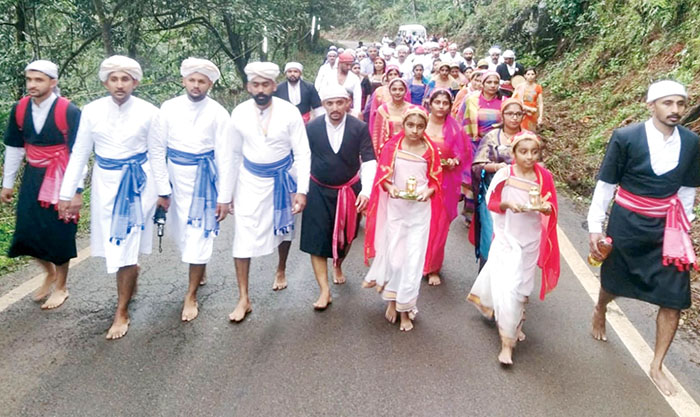
Devotees in traditional attire walk from Bhagamandala to Talacauvery

Unlike the last two years, thousands of devotees turned up to watch the spectacle and notably, many Kodava community members walked from Bhagamandala to Talacauvery along with musical bands and sang songs in praise of Goddess Cauvery. The holy place was teeming with devotees since early in the morning and the place was overcrowded by evening. 

Various Kodava organisations like Akhila Kodava Samaja Youth Wing, Connecting Kodavas, Kodava Riders Club, Jabbhoomi Trust, Thingakoru Mottu Sanghatane, Ammathi Kodava Samaja, Ponnampet Kodava Samaja, Madikeri Kodava Samaja, Balele Kodava Samaja, Kodava Kootaaliyada Koota, Kodava Samajas of Napoklu, Virajpet, Hudikeri, Mysuru, Amma Kodava Samaja, Youth Council, Kodavaamera Kondata, United Kodava Organisation and Codava National Council walked along the route, singing paeans to the Goddess.

source: http://www.starofmysore.com / Star of Mysore / Home> News> Top Stories / October 18th, 2022

‘Theertha Puja’ At Kodava Samaja

Kodava Samaja, Mysuru, will celebrate ‘Cauvery Sankramana’ festival at its premises in Vijayanagar 1st Stage on Tuesday, Oct. 18 by performing ‘Kani Puja’ and ‘Theertha Puja’ at 10 am.

Arrangements are being made to distribute the holy water (Theertha) brought from Talacauvery to all those present on the occasion.

source: http://www.starofmysore.com / Star of Mysore / Home> In Briefs / October 17th, 2022

Annual Get-Together Of Sri Kavery Kodava Okkoota

Mysuru:

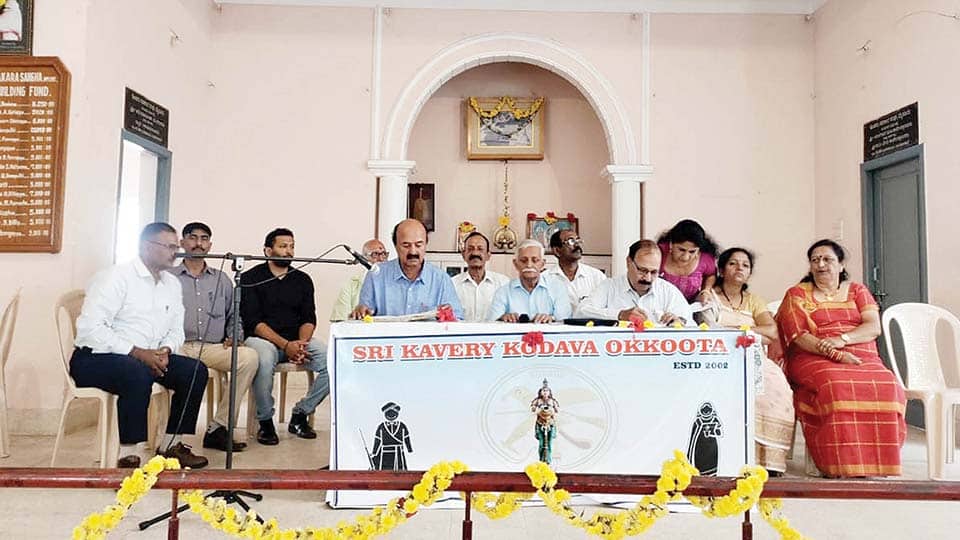
The 21st annual get-together of Sri Kavery Kodava Okkoota, N.R. Mohalla, was held on Oct. 9 at Kodagu Sahakara Sangha in Jayalakshmipuram.

Okkoota President Mallengada Pemmaiah, who inaugurated the function along with Secretary Kodira Nanaiah  and Committee Members, also addressed the gathering.

Sports events for members was inaugurated by Ex-serviceman Chatranda Aiyappa. Cultural programme comprised singing, dancing and a skit which enthralled the audience.

Meritorious students were awarded and senior citizen Poyyettira Poovaiah was felicitated on the occasion.

source: http://www.starofmysore.com / Star of Mysore / Home> News / October 16th, 2022

Rashmika Mandanna Loves To Eat Biryani With Rasam, Watch

Our Crush Rashmika Mandanna loves to eat biryani with rasam. Check this out.

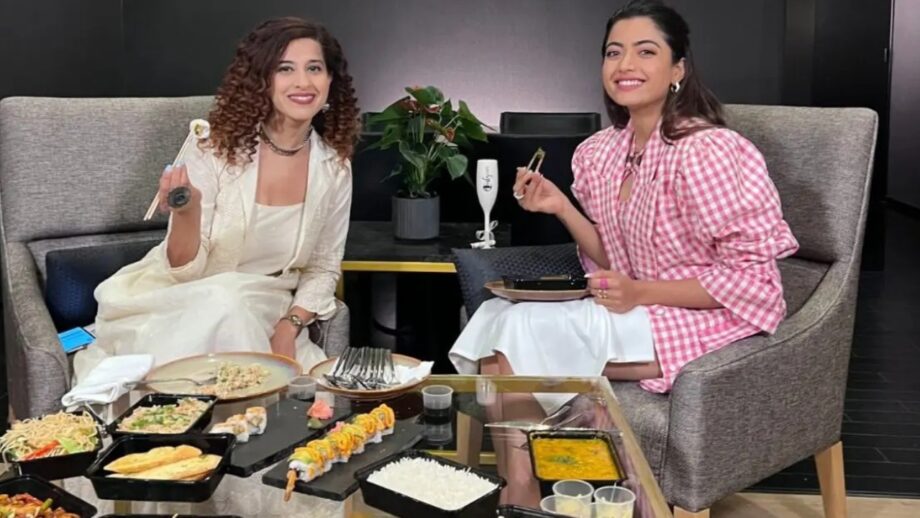
Rashmika Mandanna, who most recently appeared with Allu Arjun in Pushpa: The Rise, frequently uses her social media accounts to share glimpses into her daily life with her fans and followers. The star recently uploaded a brief on YouTube to give viewers a glimpse into the food and drinks she has during the day. She also said that she was “happiest” around food.

Rashmika Mandanna to learn more about her formative years, favorite foods, and other topics. Rashmika recalls her enjoyment of homemade food and unusual food pairings by saying, “I used to adore eating Biryani and I blended Rasam with it.” You don’t know, she says again, “It’s great!” She continues by mentioning various culinary pairings, saying, “Lays with Maggi, Lays with curd rice, strange pairings I used to do. My father used to adore and say, “Umm… my daughter is now skilled in food mixing.”

Rashmika Mandanna ate from the traditional bhindi fries, dal, and rice to Chinese noodles, Italian pasta, and even Japanese sushi as she savored the delectable range of food. During the Sunday Brunch with Kamiya Jani, she popped sushi and bhindi fries, and we could perfectly understand her exploring unusual culinary pairings. She also discussed Coorg and the food she ate as a child. She explains that Coorg’s cuisine also includes wine and pork. Additionally, when questioned about her Sunday breakfast at home, she admitted that she missed savoring Coorgi cuisine.

There is more to say about Rashmika Mandanna’s favorite foods, her love of living out of a suitcase at the moment, and other things.

source: http://www.iwmbuzz.com / IWM Buzz.com / Home> Movies> Celebrities / by Team IMWBuzz / October 10th, 2022

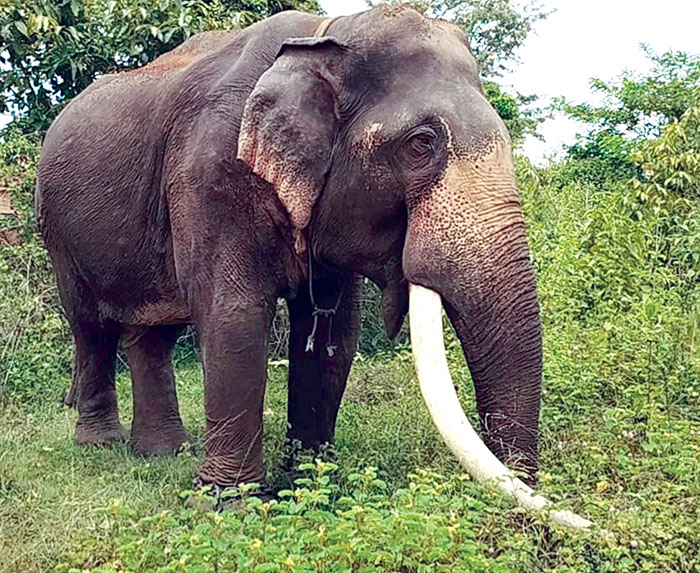
Kodagu Gets Third Elephant Camp At Picturesque Harangi

Formal inauguration done; tourists to be allowed only in January 2023

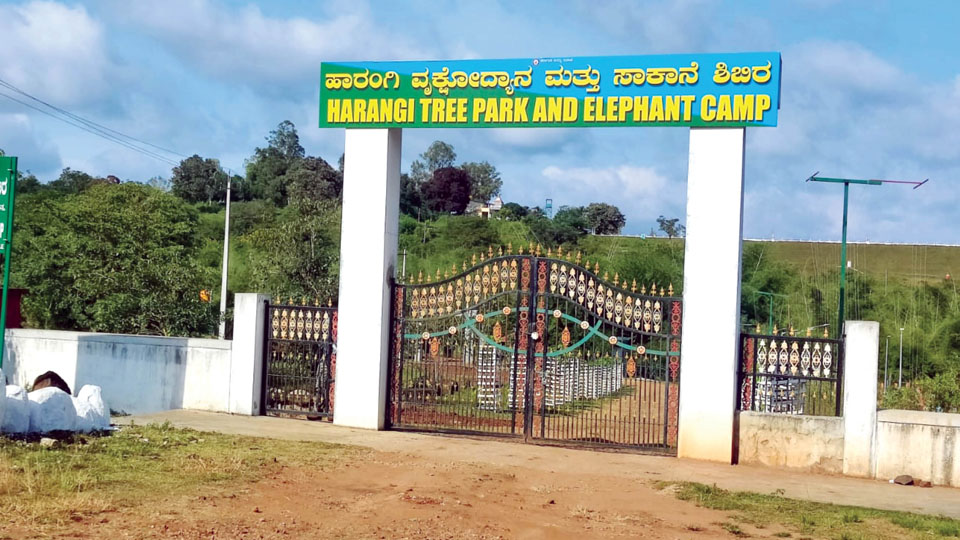
The third Elephant Camp in Kodagu at Harangi, which is the ninth elephant camp in Karnataka was inaugurated last Saturday. Along with the Harangi Elephant Camp, a Tree Park was also inaugurated.

The State Government had released Rs. 80 lakh for the project that will ease the burden of the existing elephant camps. Already, Kodagu has two elephant camps, one at Dubare and another at Mathigodu near Anechowkur Gate that borders Mysuru. There are eight elephant camps in Karnataka including the two in Kodagu and the Harangi Camp will be the ninth in the State.

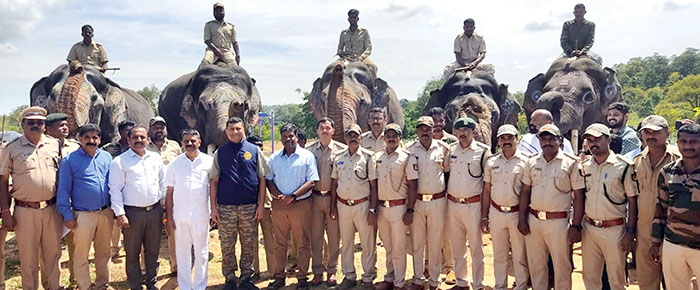
Madikeri MLA M.P. Appachu Ranjan inaugurated the two new tourist attractions. From the Dubare Elephant Camp, six elephants have been shifted to Harangi Elephant Camp. They are Rama (68), Ekadanta (52), Maruti (21), Subramani (35), Vikrama (58) and Vijaya (48).

The eight jumbo camps house more than 100 tamed elephants that are used to rescue wild animals and for logging purposes at Government timber depots. These elephants have been shifted to Harangi in the first phase and more elephants will be moved gradually and this move will ease the pressure on Dubare Camp that has over 31 elephants (the highest in Karnataka).

As per an order by the Karnataka High Court, elephant camps cannot be congested and not more than 15 elephants can be housed in one camp. At present, six elephants have found a new home and more will be moved as and when the funds are released.

Hundreds of tourists who had come to Kodagu on account of Dasara holidays came to the newly-inaugurated Camp and were mesmerised by the beauty of the place located in the backwaters of Harangi Reservoir.

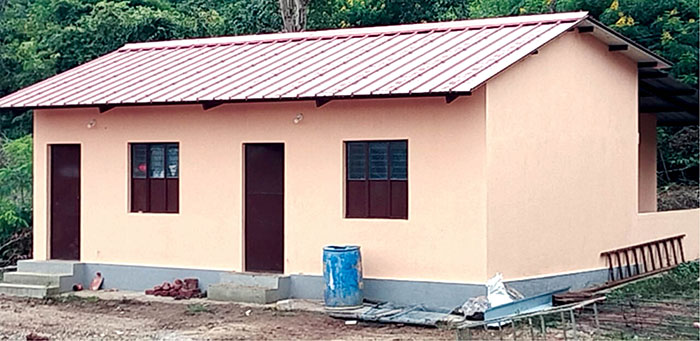
The Tree Park and the Elephant Camp have been set up in a 40-acre land and of that, 10 acres have been reserved for the elephant camp. Staff quarters have been constructed for Mahouts, Kavadis and their families along with a kitchen and a store room. Facilities of boating in the backwaters have been made and basic facilities like drinking water and toilets have been provided for the tourists.

As a precaution, the electrical wiring has been done underground to prevent any accidents either to the elephants or the lush green forests. Final touches are being given to the underground electrification project and works are on to provide drainage facilities. Though the formal inauguration of the Harangi Elephant Camp has been done, tourists will be allowed only from January 2023, said Forest Department officials.

The land on which the Elephant Camp and the Tree Park have been established is located at Athur Reserve Forest. The place, located near the Harangi Dam backwaters, is ideal to set up the elephant camp. The Athur Range Forest extends up to 2,000 acres and it is an ideal elephant habitat with plenty of water and green swathes.

The funds for the camp have been released from Compensatory Afforestation Fund Management and Planning Authority (CAMPA). Apart from setting up a new elephant camp, there are plans to initiate other related development programmes including developing the camp as a tourist centre and at the same time provide shelter to the elephants.

source: http://www.starofmysore.com / Star of Mysore / Home> Feature Articles /October 10th, 2022

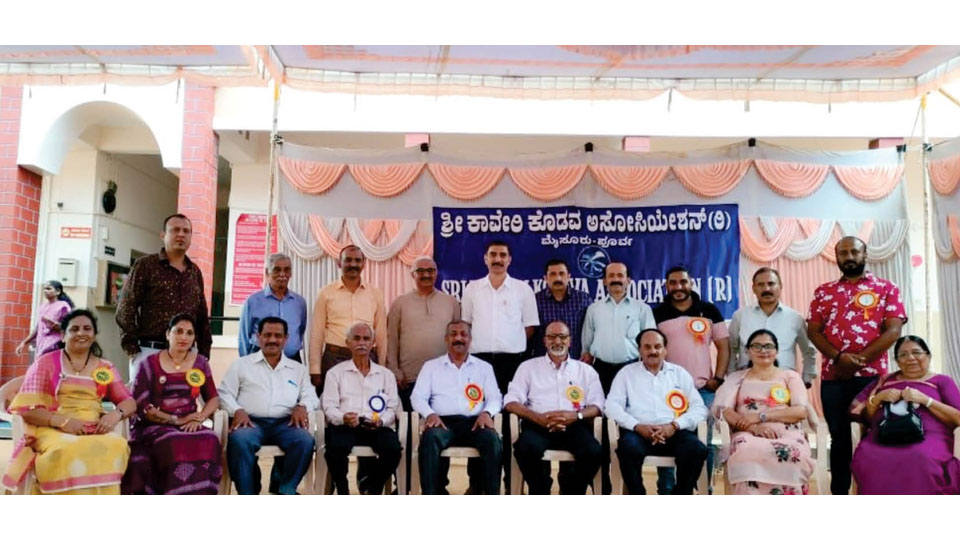
New Office-Bearers Of Sri Kavery Kodava Association, Mysore East

A group photo of newly elected office-bearers and Managing Committee Members of Sri Kavery Kodava Association, Mysore East, for the year 2022-2024:

President: Puliyanda S. Devaiah, Vice-President: Pandyanda K. Bopaiah, Hon. Secretary: Kademada M. Belliappa, Joint Secretary:  Pemmanda D. Poonacha, Treasurer: Coluvanda M. Chengappa; Committee Members: Neravanda N.  Sunil Muthappa,  Pattada A. Sachin Devaiah, Pokachanda P. Narendra, Pattamada T. Charmana, Chokira Suthan Madappa,  Pudiyokkada M. Chengappa,  Kundranda C. Thammaiah, Chimmanda P. Subbaiah,  Mookalamada B. Somanna, Mollera A. Kavitha, Medura P. Seethamma, Ajjamakkada Beena Cariappa, Chowrira K. Seethamma (Education Council Chairperson), Puttichanda Jayakumar (Building Committee Chairman) and Koppira D. Ponnappa (Internal Auditor).

source: http://www.starofmysore.com / Star of Mysore / Home> PhotoNews / October 09th, 2022

Dasara: Kodagu Tableau Gets First Prize, Mysuru 2nd, Chitradurga 3rd

Mysore/Mysuru:

Kodagu district tableau won the first prize while the tableau of Mysuru district bagged the second prize among the tableaux that took part in Dasara procession held on Wednesday.

A total of 48 tableaux, including one from each of the 31 districts of the State, four of Dasara Sub-Committees and 13 of various Government Departments, institutions and bodies had taken part in the Jumboo Savari procession.

A panel appointed by Dasara Tableaux Sub-Committee for the purpose announced the prizes on Thursday, according to which Kodagu district won the first prize, followed by Mysuru district with second prize and Chitradurga district third prize.

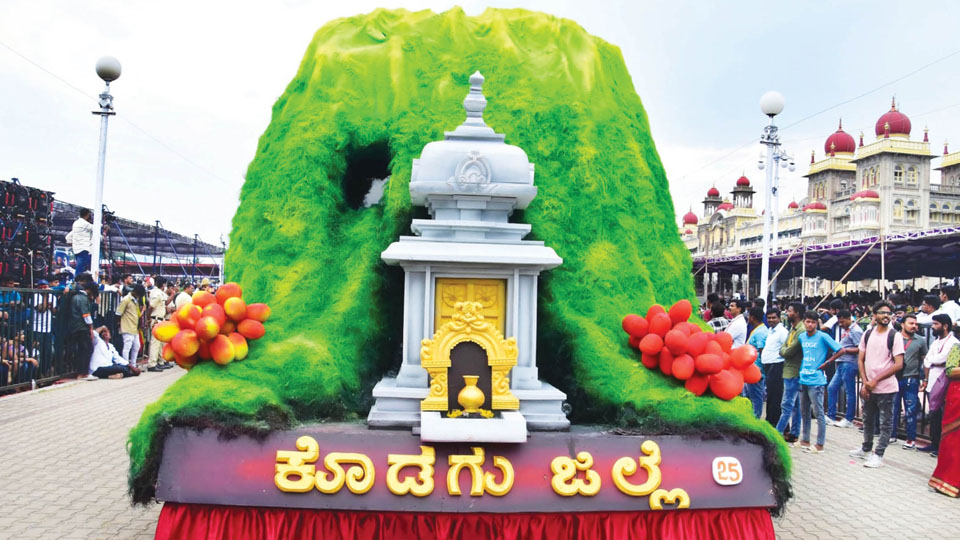
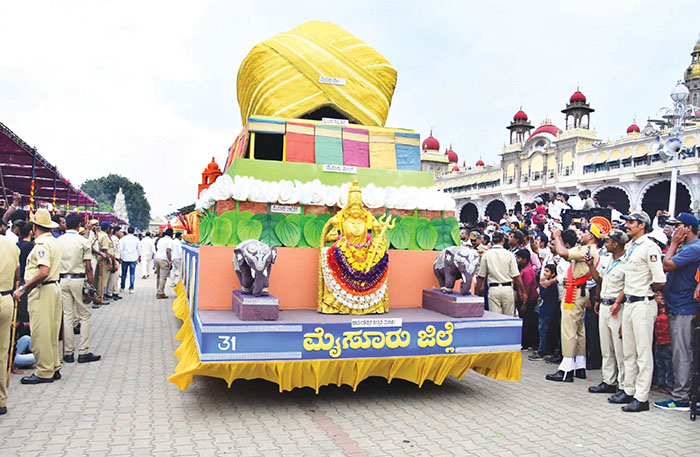
The Kodagu district tableau portrayed Brahmagiri Hill Range, the famed Bhagandeshwara temple, Cauvery Theerthodbhava at Talacauvery and rich flora and fauna of the district. Mysuru district tableau displayed a total of 18 models including the famed Mysore Peta (Turban), Mysore Silk, Mysore Mallige, Betel leaves, Nanjangud Rasabale that have GI tag, Chamundeshwari temple, Mahishasura and Nandi Statues atop Chamundi Hill and the Howdah carrying Dasara elephant, among others.

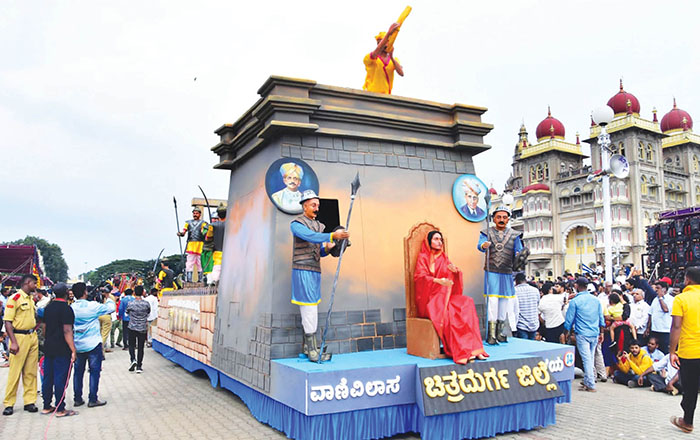
Chitradurga district tableau that won the third prize displayed Vanivilas Sagar Dam, the Statues of Madakari Nayaka and Onake Obavva and a replica of the famed Deepa Stambha.

The tableau of Chikmagalur, which portrayed the seven rivers that flow in the district, Tumakuru’s tableau that displayed  HAL’s Helicopter manufacturing unit and Vijayapura district’s tableau that displayed the famed Siddarameshwara temple  and the tableau of Dasara Sub-Committee portraying the Somanathapura temple in T. Narasipur taluk, bagged the consolation prizes.

In the Government Departments, Institutions and Bodies category, the tableau of Skill Development and Entrepreneurship Department bagged the first prize, followed by KMF (Karnataka Milk Federation) tableau that displayed the whole range of Nandini Milk products, with second prize and the tableau of Dr. Babu Jagjivan Ram Development Corporation that showcased Lidkar products won the third prize.

source: http://www.starofmysore.com / Star of Mysore / Home> News / October 07th, 2022