Category Archives: Business & Economy

Coorg, Karnataka: A Mesmerizing Hill Station

Nestled in the state of Karnataka, India, Coorg is a captivating hill station often referred to as the “Scotland of India.” Renowned for its picturesque landscapes, lush coffee plantations, and enchanting waterfalls, Coorg attracts visitors from far and wide. In this article, we will delve into the alluring charm of Coorg and explore its natural beauty, cultural heritage, and the myriad experiences it offers.

1. History and Overview of Coorg

Coorg, officially known as Kodagu, has a rich history dating back to ancient times. It was ruled by several dynasties, including the Gangas, Kadambas, and Cholas, before coming under the influence of the Haleri Rajas in the 17th century. The region witnessed the valiant efforts of Kodava warriors in defending their land against external forces. Today, Coorg is a district in Karnataka and a popular tourist destination.

2. Coffee Plantations: The Essence of Coorg

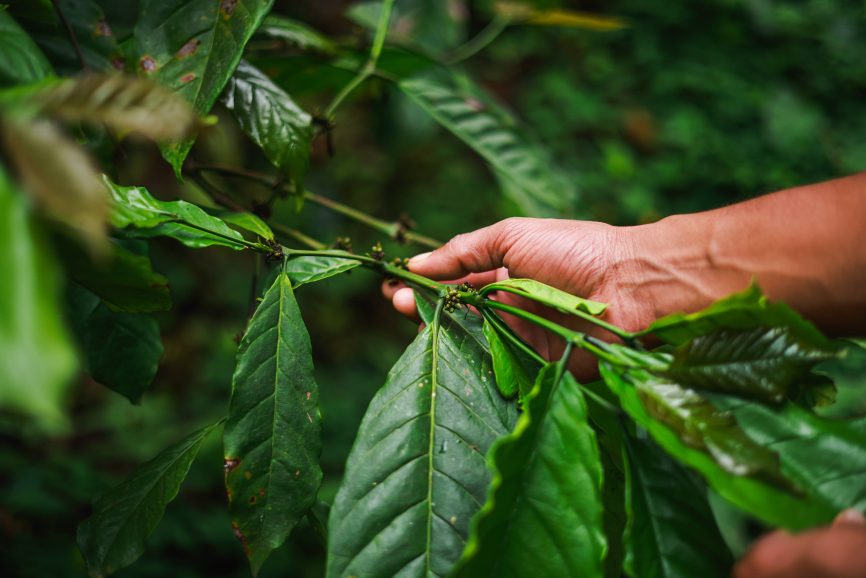
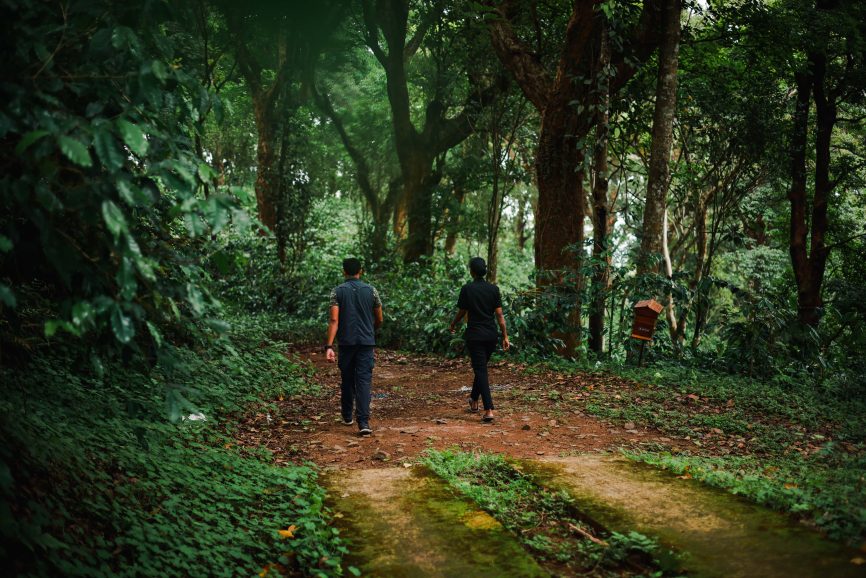
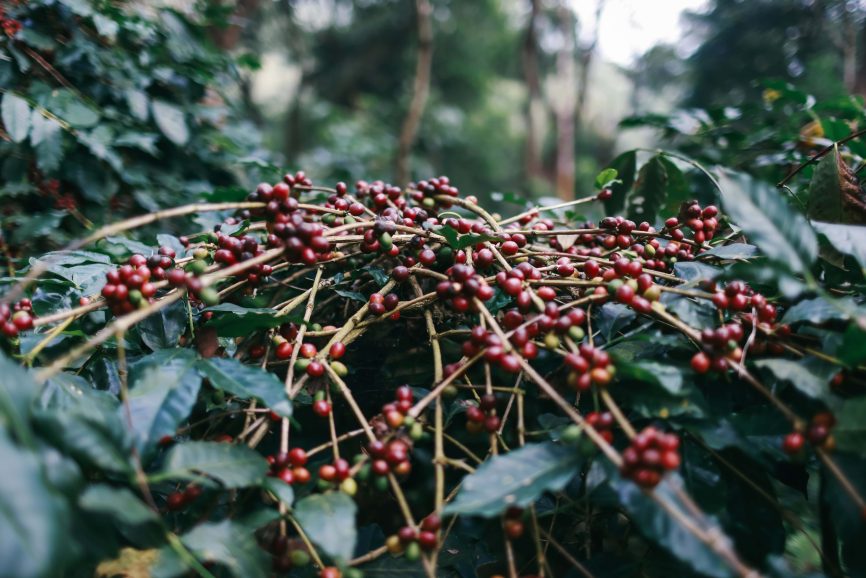
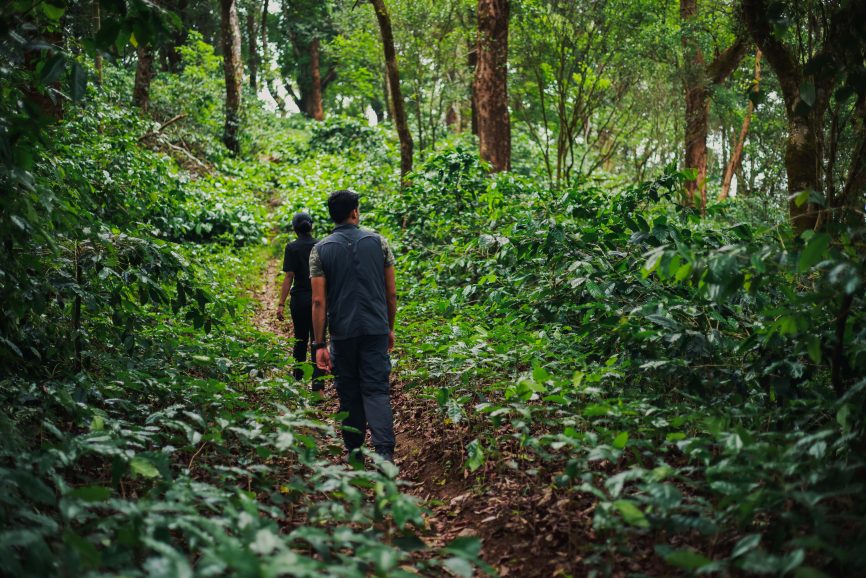
Coorg is renowned for its vast expanses of coffee plantations that paint the landscape in vibrant green hues. The region’s cool climate and fertile soil create an ideal environment for coffee cultivation. Visitors can take guided tours through the plantations, witnessing the coffee-making process from bean to cup. The aroma of freshly brewed coffee fills the air, offering a delightful sensory experience.

3. Exploring Coorg’s Waterfalls

Coorg is blessed with numerous waterfalls that cascade down its verdant hills, creating a mesmerizing spectacle. Abbey Falls, Iruppu Falls, and Mallalli Falls are among the most popular ones. Trekking through lush forests and hearing the soothing sound of gushing water is an unforgettable adventure. Visitors can also take a dip in the natural pools formed at the base of the waterfalls, refreshing both body and soul.

4. Wildlife and Nature Reserves in Coorg

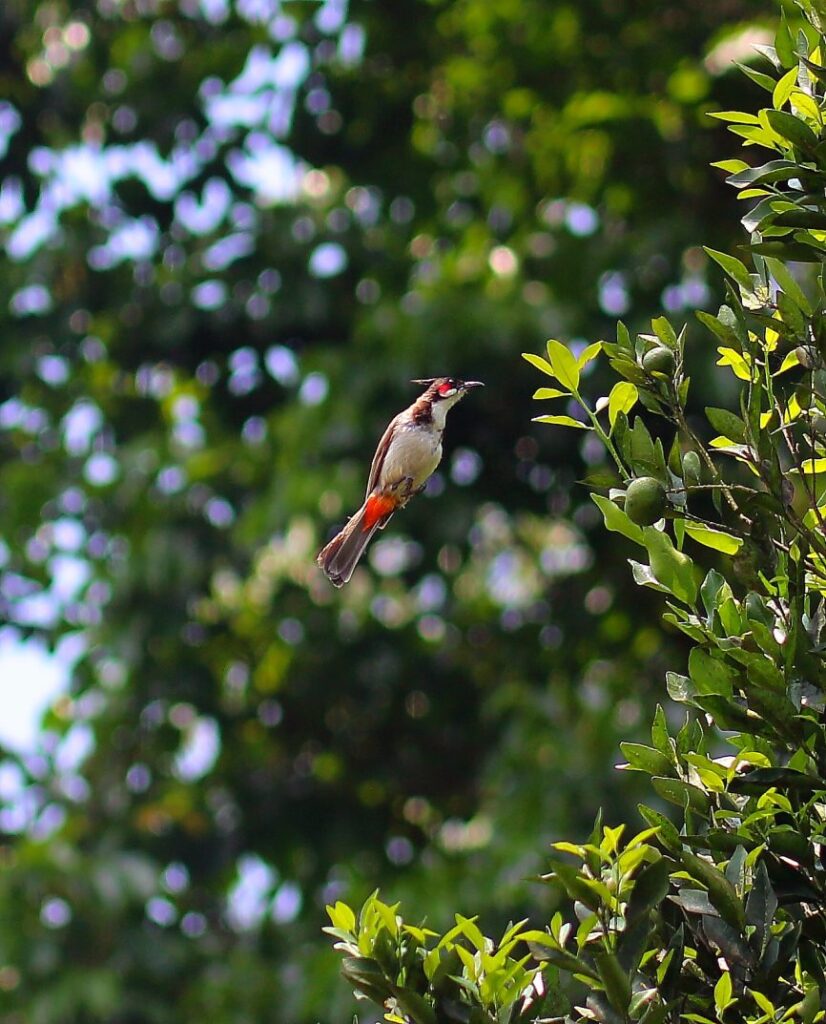
Coorg is a haven for nature enthusiasts and wildlife lovers. The region boasts several wildlife sanctuaries and reserves, including the Nagarhole National Park and the Pushpagiri Wildlife Sanctuary. These protected areas are home to diverse flora and fauna, including elephants, tigers, leopards, and rare bird species. Embarking on a wildlife safari allows visitors to witness the wonders of Coorg’s natural biodiversity up close.

5. Trekking and Adventure Sports in Coorg

With its undulating landscapes and mist-covered hills, Coorg offers ample opportunities for trekking and adventure sports. Tadiandamol, the highest peak in Coorg, attracts avid trekkers seeking panoramic views of the surrounding valleys. Outdoor enthusiasts can also indulge in activities such as river rafting, zip-lining, and camping, adding an element of thrill and excitement to their Coorg experience.

6. Experiencing Coorg’s Rich Culture and Traditions

The Kodava people, the native inhabitants of Coorg, have a distinct culture and rich traditions. The region is known for its martial traditions, vivid costumes, and unique festivals. Visitors can witness traditional Kodava weddings, folk dances like the “Kodava Kunita,” and other cultural performances that provide insights into the local way of life. Immersing oneself in Coorg’s cultural heritage is a truly enriching experience.

7. Temples and Religious Sites in Coorg

Coorg is home to several ancient temples and religious sites that hold great historical and religious significance. The Omkareshwara Temple, dedicated to Lord Shiva, blends Hindu and Islamic architectural styles, while the Talakaveri Temple marks the origin of the River Kaveri. These sacred sites attract pilgrims and devotees throughout the year, offering a serene and spiritual ambiance.

8. Indulging in Coorg’s Authentic Cuisine

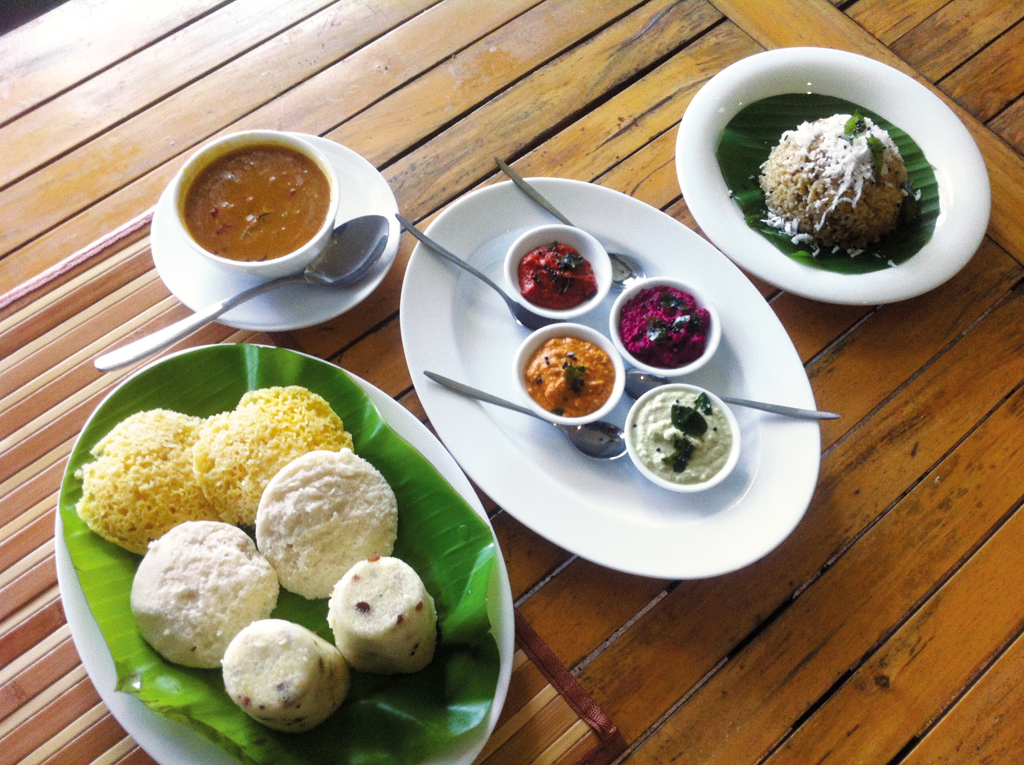
The delectable cuisine of Coorg is a blend of Kodava, Mangalorean, and Kerala flavors. The traditional Kodava dishes, such as Pandi Curry (pork curry) and Kadambuttu (rice dumplings), are a culinary delight. Coorg is also famous for its flavorful coffee, honey, and spices. Visitors can savor the local delicacies at traditional homestays or cozy restaurants, tantalizing their taste buds with the essence of Coorg.

9. Coorg’s Festivals and Celebrations

Coorg is known for its vibrant festivals and celebrations that showcase the region’s cultural vibrancy. The Kodava people celebrate the annual Kodava Hockey Festival, a unique sporting event blending tradition and modernity. The harvest festival of Puthari and the religious festival of Kailpodh are also celebrated with great enthusiasm. These festivities provide a glimpse into Coorg’s lively spirit and sense of community.

10. Accommodation Options in Coorg

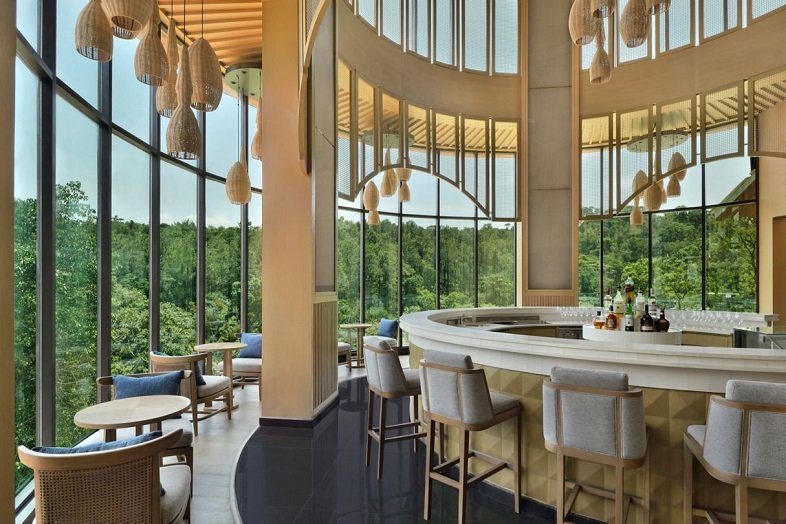
Coorg offers a range of accommodation options to suit every traveler’s preferences. From luxurious resorts and heritage bungalows to budget-friendly homestays and eco-lodges, there is something for everyone. Staying amidst the coffee estates or near the waterfalls enhances the overall experience, allowing visitors to connect with nature and unwind in tranquility.

11. Best Time to Visit Coorg

Coorg’s weather remains pleasant throughout the year, but the best time to visit is from October to May. During this period, the temperature ranges from 15°C to 25°C, offering a comfortable climate for sightseeing and outdoor activities. The monsoon season, from June to September, adds a touch of romance to Coorg, with lush greenery and rejuvenated waterfalls.

12. Transportation and Getting Around Coorg

Coorg is well-connected by road and can be reached via nearby cities such as Bangalore and Mangalore. The nearest airports are Mangalore International Airport and Kannur International Airport. To explore Coorg’s attractions, hiring a private cab or taking local buses are popular options. The well-maintained road network allows visitors to navigate the hilly terrain and enjoy the scenic beauty along the way.

13. Safety Tips for Travelers in Coorg

While Coorg is a relatively safe destination, it is always advisable to take necessary precautions while traveling. Some essential safety tips include carrying a first aid kit, staying hydrated, wearing appropriate footwear for treks, and respecting the local customs and traditions. It is also advisable to check weather conditions and road conditions before embarking on any outdoor activities.

14. Shopping in Coorg: Souvenirs and Local Products

Coorg offers a delightful shopping experience with a variety of souvenirs and local products. Visitors can purchase aromatic coffee beans, spices, homemade chocolates, and traditional Kodava jewelry as mementos of their Coorg trip. The local markets, such as the Madikeri Market and Kushalnagar Market, are bustling with activity and provide an opportunity to interact with local artisans and traders.

Coorg, with its breathtaking landscapes, coffee plantations, and cultural heritage, offers a unique getaway for travelers seeking tranquility and natural beauty. Whether indulging in a hot cup of Coorg coffee, exploring hidden waterfalls, or immersing in the vibrant traditions, every moment spent in Coorg is a memorable experience. So, pack your bags and embark on a journey to this enchanting hill station, where nature’s beauty knows no bounds.

source: http://www.english.newstracklive.com / News Track / Home> Lifestyle / by Sanskar Tiwari / July 19th, 2023

Human-Elephant Conflict In Kodagu: Thermal Drone Pinpoints Elephant Presence At Night

Helps Forest Officers effectively plan operations and drive pachyderms back into jungle.

Amid the rise in the human-elephant conflict in some forested pockets of Kodagu along the Nagarahole Tiger Reserve, the Forest Department has deployed a hi-tech thermal drone to keep track of daytime and nocturnal movements of wild elephants inside forest ranges and human habitats.

The drone technology was first used in Nagarahole to control forest fires and now, there are three such drones there. However, a need was felt to acquire a thermal drone due to the increasing human-elephant conflict.

Sources said while managing the human-elephant conflict, the safety of elephants and also humans has been a major concern for the Forest Department and the wildlife activists as deaths of animals are being frequently reported from various parts of the district as they come into contact with live electricity wires.

Due to the need, one thermal drone was brought to Nagarahole in January this year at a cost of Rs. 25 lakh. Monitoring the movement of the elephants has always been a challenge for the Department amid several limitations.

“Now we have been using a thermal drone and it detects live objects through their body temperature and those get flashed on the computer screen. It gives us a proper count of a herd and the number of calves,” Nagarahole Tiger Reserve Director Harshakumar Chikkanaragund told Star of Mysore.

The drone can also be used to drive the elephant herd away from a potential danger area as its location can be pinpointed. The drones are not only helping the staff determine the herd composition and drive them in a desirable direction but also prevent casualties.

Heat signatures of living species

Unlike drones with normal cameras that rely on light signals to capture images, thermal drone cameras pick up heat signatures of living species in motion. This makes thermal drones ideal for deployment after sunset, complementing the use of normal drones during daylight hours.

“By accurately detecting herd movements, determining their composition and tracking elephant directions, objective decisions can be made for deploying elephant squads. Thermal drone cameras have become an invaluable asset for night-time operations. They enhance situational awareness, ensuring efficient management of wild elephant movements and mitigating potential conflicts,” Harshakumar added.

According to Deputy Range Forest Officer (DRFO) Yogeshwari Desai, who has been trained to use the thermal drone, the machine has a 2-km range and can fly 400 metres above the surface. It has a powerful thermal sensor and night vision ‘positive image’ technology cameras. It is convenient to use and the exact location can be ascertained. If one has to do physical combing even for a 2-km range, a lot of manpower and equipment is needed,” she explained. 

Easy navigation inside woods

The camera on the drone operates based on the location information obtained via GPS, enabling easy navigation of the elephants’ whereabouts. Additionally, the drones produce minimal noise, allowing the staff to monitor animals such as elephants, tigers and other wildlife without causing any disturbance

During the night, the thermal drones conduct operations using radar, ensuring that local residents are not inconvenienced. Once the specific location of the elephants is identified, the information is sent to the Task Force and the teams proceed to drive the elephants back into the forest.

It also becomes easy to spot the origin of forest fire and extinguishers can be rushed to the place, she said. The drone has a backup of 40 minutes and after that, the battery must be charged. The drone has three batteries.

The team that has been trained to operate thermal drone at Nagarahole.

Trained team

Before the drone was deployed, a New Delhi-based team trained eight operators at Nagarahole. They are DRFO Jyothi Kumar and Forest Guard Sunil Nellebidu (Antharasanthe), DRFO B.B. Mahesh Kumar (D.B. Kuppe), DRFO Chethan Kumar Kolur (Nagarahole), DRFO Yogeshwari Desai (Anechowkur), DRFOs K.K. Arpitha and H.N. Madhuprasad (Hunsur) and Forest Guard Basavaraju (Veeranahosahalli).

The operators were trained for six days at Dammanakatte, Veeranahosahalli and Moorkal ranges that abut human habitats. The Nagarahole Director further said that they will seek aid from wildlife-related organisations, NGOs and firms to sponsor more such thermal drones for effective management of conflict zones.

source: http://www.starofmysore.com / Star of Mysore / Home> Feature Articles, Top Stories /July 18th, 2023

Glass Bridge In Kodagu Offers Thrilling Encounter With Nature

Among the multiple famed tourist attractions in the hill station of Kodagu — a captivating destination for travellers from far and wide throughout the year — is a new must-visit place, a brand-new glass skywalk bridge.

It is made of tempered glass panels or flooring that provide visitors with a thrilling experience of walking above ground level, often offering panoramic views of the surrounding landscape

The glass skywalk bridge in the district is the second such attraction in South India, the first one being at Wayanad in Kerala at 900 Kandi Eco Park. This remarkable Glass Skywalk Bridge of Kodagu is nestled amidst the forests and hills of the Western Ghats, attracting tourists like a magnet.

The bridge, standing approximately 78 feet tall, with a length of about 32 metres and a width of 2 metres, has been attracting tourists to the ‘Pappy’s Bridge of Coorg’ at Udoth Motte near Madikeri on the Madikeri-Bhagamandala Road. This bridge, with a capacity to support around 5 tonnes, can accommodate up to 40 to 50 individuals at once, providing them with an opportunity to immerse themselves in the beauty of nature.

Through its stunning natural beauty, the tourism sector in Kodagu has successfully garnered global attention and the newly added glass skywalk bridge further enhances this tourism initiative.

Situated amidst the lush green hills, the bridge offers a breathtaking view. Standing and gazing from the bridge not only evokes a sense of fear but also provides an exhilarating experience. The surrounding hills seem to reach out and beckon, their peaks adorned with greenery.

Looking down from the top feels as if the sky is within reach and stepping on the glass, while enjoying the beauty of nature, brings joy to the visitors. While the natural beauty of Kodagu with its umpteen viewpoints has enchanted the tourists, the bridge, amidst the greenery of the hills stands this remarkable creation, skilfully erected by engineers.

Walking on the transparent glass surface, amidst the verdant nature, offers a thrilling experience that takes it to the next level. The facility, allowing tourists to indulge in the beauty of nature, was recently inaugurated by Virajpet MLA A.S. Ponnanna who also walked along the bridge.

He appreciated the significant contribution of the local community to this tourism initiative and noted that the facility holds significance as a unique attraction in the region, surpassing even the famous glass bridge in Wayanad.

He said that the facility will contribute to the Kodagu district’s development as a nature-friendly tourist destination, without causing any harm to the environment. He also mentioned that the implementation of this unique project will lead to an increase in the number of tourists visiting the district.

Fake image

Yet again an image claiming that cracks had developed on the glass bridge went viral and the video generated panic among tourists. Later it was found to be stable and the photo was confirmed to be fake.

source: http://www.starofmysore.com / Star of Mysore / Home> Feature Articles, Top Stories / July 17th, 2023

CNC Delegation Meets CM For Resolution Of Ethnic Issues

Bengaluru:

The Codava National Council (CNC) delegation met Chief Minister Siddharamaiah yesterday at the CM’s Home Office ‘Krishna’ and the meeting was facilitated by Virajpet MLA A.S. Ponnana.

The Chief Minister assured the CNC delegation that he would address the two major ethnic issues raised by the CNC. Firstly, he pledged to change the official nomenclature of the Codava community from ‘Kodagaru’ to ‘Kodava’ in accordance with the recommendations of the Dr. Dwarakanath Commission.

This change would be implemented soon after the Cabinet meeting and the updated name would be included in Government records and published in the State Gazette, the CM assured.

Secondly, the Chief Minister assured the delegation that a comprehensive ethnographic study would be conducted to determine the Scheduled Tribe (ST) status for the Kodava community. The study will be initiated shortly.

The delegation was led by CNC President Nandineravanda U. Nachappa and comprised over 30 members from the community.

source: http://www.starofmysore.com / Star of Mysore / Home > News / July 16th, 2023

Kodagu: Paddy cultivation takes a back seat owing to weather changes and wildlife conflict

Several farmlands in South Kodagu have been abandoned owing to bad weather conditions and the increased movement of wild elephants.

Image used for representational purpose.

Madikeri:

Paddy cultivation in the district is receding compared to yesteryears as farming is yet to pick up pace this monsoon. Changing weather conditions, natural disasters and increased wildlife conflict are other factors affecting paddy cultivation. It is said that only 48 hectares of land have been cultivated with paddy. 

Over six years ago, nearly 35,000 hectares of farmlands across Kodagu were cultivated with paddy crops. But, the extent of the cultivation has diminished over the years as the target for paddy cultivation has now been reduced to 30,500 hectares by the agriculture department.

“The increasing wildlife conflict can be seen as one of the reasons for the farmers to give up paddy cultivation in several farmlands in the district. Further, many farmers have also taken to the cultivation of horticulture crops. Increased conversion of farmlands to areca nut estates has reduced paddy cultivation,” opined Shabana Sheikh, the Joint Director of the Agriculture Department.

A total of 23180 hectares of farmland was cultivated with paddy achieving a target of 76% last year. Over 384 hectares suffered crop loss due to rainfall last year. 

The farmers of South Kodagu have increasingly given up paddy cultivation. Out of the 14000 hectares of targeted cultivation, only 9960 hectares were cultivated for paddy last year. Several farmlands in South Kodagu have been abandoned owing to bad weather conditions and the increased movement of wild elephants.

With monsoons delayed in the region this year, the paddy transplantation work is yet to pick up pace in the district. In Madikeri taluk, only 40 hectares of farmlands have recorded paddy transplantation work to date this year. Meanwhile, eight hectares of farmland have witnessed paddy transplantation in Somwarpet taluk. Nevertheless, as per the data recorded by the department, no farmlands have yet been cultivated for paddy due to delayed rains across South Kodagu including in Virajpet and Ponnampet taluks.    

source: http://www.newindianexpress.com / The New Indian Express / Home> States> Karnataka / by Express News Service / July 11th, 2023

DC urges resorts, homestays in Kodagu to upload details on tourism websites

The list of homestays and resorts in Kodagu, which are run legally getting all the clearances from government agencies, should be made available on tourism-related websites for the benefit of tourists.

This message was conveyed at a meeting of the associations of hotels, restaurants, resorts, and homestays in Madikeri. The meeting was chaired by Deputy Commissioner Venkataraja who suggested uploading information on registered homestays and resorts operated in the district.

Superintendent of Police K. Ramarajan said the police have kept a close vigil for controlling narcotics and advised resorts not to engage in illegal activities. The police will act tough if they comes across such activities being encouraged on their properties, he cautioned. Problems can be brought to the notice of the police immediately by calling 112, he advised.

Kodagu Homestays’ Association general secretary Monti Ganesh suggested simplifying the registration process for homestays. Kodagu has about 200 registered homestays. If the process is simplified, more homestays will voluntarily register, he felt. He also suggested establishing tourist information centres and more public toilets besides giving importance to hygiene in tourist spots.

Hotel Owners’ Association president Nagendra Prasad said the district administration must consider giving priority to easing parking issues, which aggravate during weekends when tourist footfall goes up. He suggested establishing more facilities in tourist spots in view of the rise in tourism revenue.

Kodagu Chamber of Commerce and Industry general secretary Ambekallu Naveen said tourists engage in cooking while on visit to Kodagu. There has to be designated places for cooking for tourists, he said. Honey and spices are being faked in the market and this has to be checked for safeguarding the identity of these products.

Somwarpet taluk homestay association president C.K. Rohit said there are no display boards with useful information for tourists on the way to Kote Betta and steps must be taken to install information boards on the route for the benefit of tourists. He sought a ropeway at Mallalli waterfalls and a hanging bridge to Pushpagiri hills.

source: http://www.thehindu.com / The Hindu / Home> News> India> Karnataka / by The Hindu Bureau / July 11th, 2023

NDRF Leads Mock Drill On Flood Response In Kodagu

Kushalnagar:

A mock drill on flood rescue operations was conducted by the National Disaster Response Force (NDRF) rescue team and personnel from Government Departments at Hebbatageri village in Kodagu yesterday. Ironically, the drill was held at a time when Kodagu is facing an acute shortage of rainfall which is much below normal.

NDRF personnel, as specialised disaster responders,demonstrated flood response, rescue, evacuation and first aid to educate the local population. The drill was led by Deputy Commissioner Venkata Raja who assumed charge just days ago.

The drill, titled ‘Disaster Demonstration,’ was carried out with the cooperation of various Departments such as District Administration, NDRF, Police, Fire Brigade and Home Guards. The drill was aimed to create awareness among the public about how to undertake rescue operations during natural disasters like floods and landslides.

All the Departments actively participated in the exercise and understood their responsibilities during such challenging times. The training was aimed to equip people with effective strategies to cope with emergencies and disasters and to emphasise the role of NDRF in these situations.

Demonstration on emergency rescue methods

The mock drill included demonstrations of rescues including the collapse of land, tree falls, drowning rescue, boat rescue techniques and rescue from collapsed houses. Demonstration on emergency rescue methods and first-aid for drowning cases were also conducted.

In the event of a natural disaster, various measures were demonstrated in such situations. These included cutting off electricity supply, sealing off the incident site, providing initial medical treatment and transporting severely injured individuals to the hospital. Mock drills of such nature were conducted more than nine times in Kodagu till now.

NDRF Inspector Shantilal Jatiya led the team of 23 members, Assistant Sub-Inspector Chennanayaka from the Police Department with 15 Police officers, a team of 8 members led by Nagaraju from the Fire and Emergency Services Department and a team of 8 members led by Akshay from the Home Guards division participated, taking the total personnel to 54.

The DC stated that the mock exercise aimed to assess the disaster preparedness of different departments and agencies responsible for disaster management. Considering the vulnerability of villages along the river banks to floods, raising awareness among the public and evaluating the adequacy and effectiveness of stakeholders was crucial for building disaster resilience.

He revealed that the joint practice sessions were aimed to enhance coordination, address shortcomings and achieve better results during rescue operations. The main objective of the exercise was to raise awareness among citizens about preventive measures and equip them with the necessary skills to deal with any natural or disastrous situation effectively.

Coordinated actions and synergy

Venkata Raja explained that through coordinated actions and synergy among various emergency support functions at the district and village levels, an effective flood response could be ensured during a real disaster situation. Drawing from past experiences, arrangements were being made in advance, including resources, manpower, equipment, communication, and systems, to save lives, he said.

The District Administration took the initiative to provide information through demonstration to instil public confidence in understanding how rescue operations are conducted and safety measures are taken during floods and landslides. Venkata Raja also mentioned the importance of raising public awareness about the procedures and protocols followed during such situations to ensure safety and rescue operations.

‘Though we have received below-average rainfall, there is a possibility of average to above-average rainfall in July and August,” he added. District Disaster Management Officer R.M. Ananya Vasudeva and other officers were present.

source: http://www.starofmysore.com / Star of Mysore / Home> News> Top Stories / July 02nd, 2023

Ban on women ascending Brahmagiri meets strong opposition in Kodagu

The prohibition on women scaling Bramhagiri Hills in Talacauvery stating that women affected the sanctity of the pilgrim centre had stirred strong opposition from the Kodava community.

Pilgrims will henceforth not be allowed to take a dip in the Talacauvery | express

Madikeri :

The prohibition on women scaling Bramhagiri Hills in Talacauvery stating that women affected the sanctity of the pilgrim centre had stirred strong opposition from the Kodava community. Uniting against the stand of the astrologer Narayana Puduval, the ‘Kodava Freethinkers…’, a closed group on Facebook, strongly voiced its opposition and took the issue to the Kodagu deputy commissioner, who reportedly told them that the temple cannot take unilateral decisions outside the purview of its prescribed duties.

Responding to the issue, Talacauvery temple committee President BS Thammaiah said: “We have heard the various suggestions predicted by the astrologer. However, the final decision is pending and the committee has not come to any conclusion. The astrologer has suggested various principles to be followed while mounting Bramhagiri Hills, which is a sacrosanct place of Seer Agasthya. The astrologer has suggested righteous methods to be followed while taking a dip at Talacauvery. The ritual questioning will continue in June and the final decision will be taken in the presence of temple Tantri, the committee and other officials.”

While the decision is still pending, the Kodava community is alert and voicing its dissent against patriarchal chauvinism. Kusum Nehru Mallangada, founder of Komfort Foundation and Nelakki Bolchaa, said: “We are planning to talk to former MP Prema Cariappa, so that it becomes easier for us to talk to anyone in the government or district administration. If nothing works, all the women of Kodagu need to stage an agitation to force our agenda. If the male chauvinism of the temple wins, we will bring up this issue in the Legislative Assembly and submit a memorandum to the government.”

Nevertheless, the temple committee maintains that no decision has been taken to ban women from mounting the Bramhagiri and the final stand will be taken only after the completion of the ritual of octagonal questioning.

source: http://www.newindianexpress.com / The New Indian Express / Home> States>Karnataka / by Prajna GR, Express News Service / May 29th, 2018

How Climate Change Is Brewing Trouble For India’s Coffee Industry

India’s coffee growth is being affected by unpredictable weather patterns, including insufficient rainfall, temperature fluctuations, drought, and heavy flooding.

While Baba Budan, the Sufi monk, planted the smuggled seven coffee beans in the bountiful hills of Chikmagalur, little did he know that India, one day, would be the 6th largest coffee producer, with Karnataka contributing 71 per cent of coffee production to the world. Though the coffee culture has evolved through the years, and there has been a significant boom globally for coffee, the threat for your morning cup is real and is right there knocking on the doors–climate change!

Unpredictable weather patterns are affecting most parts of the world, including India. The country grows a lot of Robusta and Arabica, and both these varieties suffer prolonged periods of inadequate rainfall, temperature rise, drought and heavy flooding.

The Case With Arabica And Robusta
Samia Subhani, a fourth-generation coffee planter and the founder of “The Kaimara Belt Coffee,” sounded distressed. Her family has been into coffee growing and trading for over 150 years, and their estate in the Baba Budangiri hills grows Arabica, the most demanding variety. Subhani’s estate has 50-80 farmers working on the plantation daily, all dependent entirely on coffee farming. But with the ongoing effects of climate change, coffee is going through a difficult phase putting all their lives at risk.

Arabica is the most demanding variety of coffee when it comes to cultivation. Photo Credit: Shutterstock

“Climate change causes leaf shedding, reduced coffee plant productivity, and increased vulnerability to pests. Extreme cold delays plant flowering and lowers berry quality. Heavy rains at irregular times cause cherries to burst and drop prematurely. Continuous heavy rains before harvest prevent drying, leading to crop spoilage,” Subhani explained.

But like they say, every solution has a problem. Subhani mentioned that we must dig deeper into our pockets and follow some mitigation measures to maintain the yield and deliver quality coffee to patrons. “So, we provide artificial rains during droughts, maintain proper irrigation in the system, avoid using harmful pesticides to control soil erosion and use only soil-friendly organic fertilisers.”

While this is the situation in an Arabica coffee plantation at Chikmagalur, Coorg, popularly known as the “Scotland of India,” is known to grow more of Robusta.

“Climate change is certain to impact coffee yields due to temperature changes. Coorg is experiencing water scarcity, affecting coffee production. Coffee plants require water, nutrients, rainfall, and sunshine for healthy growth and harvest. Fluctuations in yield have increased, with lower yields in recent years. Delayed monsoons in Coorg will further reduce usable berry production,” said Shruti Shibulal, CEO and Director of Tamara Leisure Experiences.

Though these climatic impacts are less friendly to coffee crops, Shibulal believes they have the advantage of scientific studies to inform how we can prepare for this impending change. Collaboration and knowledge sharing between those with high knowledge of the crop and those with research-driven and technological expertise is vital to assess, test and implement viable solutions.

Robusta is grown extensively in Coorg. Photo Credit: Shutterstock

“The Tamara Coorg is a 100 per cent organic plantation. Therefore, our irrigation is entirely dependent on rainfall. Rainwater harvesting tanks here facilitate the annual reuse of 90 lakh litres of rainwater. These reserves do marginally help us contend with unpredictable weather patterns. However, the coffee trees depend on rain and sunshine in balanced intervals to yield the greatest number of healthy berries,” she added.

According to Shibulal, instead of using measures like industrial fans or increased labour to speed up the drying process of coffee berries, they focus on protecting and nourishing their coffee trees using organic fertilisers and natural supplements. They also prioritise sustainable practices like reusing rainwater for irrigation and actively monitoring soil health. She further emphasised the importance of maintaining a tree canopy structure, which creates a favourable micro-climate for coffee plants and supports biodiversity.

“I would turn my support to local and regional producers or individual plantations (whenever possible). Smaller establishments will face greater challenges during times such as these. As consumers, we must lend our loyalty to those actively pursuing practices that combat climate change in the long run,” Shibulal concluded.

Climate Change Affecting Coffee Planters All Over
Tapaswini Purnesh, a fifth generation coffee planter and Director–Marketing & Promotions of Classic Coffee, mentioned that other coffee planters, including the Harley Estate at Sakleshpur in Karnataka, are also battling climate change.

“The worst scenario is the last 4 to 5 years, where we have been experiencing heavy rains during harvest season, i.e., November to February, which normally is a complete dry spell. India is unique to the sun drying of coffee. However, due to unseasonal rains during harvest, plantations are now installing mechanical dryers to avoid quality deterioration,” Purnesh said.

She also stated that coffee production is highly labour-dependent. In the long run, finding labour may become increasingly challenging, an evident trend. As the cost of implementing adaptive measures rises and the arduousness of growing quality coffee amidst climatic pressures is considered, customers must acknowledge that good coffee comes with a price tag. “The coffee growers will be motivated to enhance and refine their coffee cultivation practices if they receive adequate remuneration from the price realisation.”

Meanwhile, the latest estimates warn that climate change may mean that as much as half of the land used for coffee production worldwide may no longer be suitable for it by the middle of the century if global warming continues at this rate. So, as all these coffee planters suggest, every citizen must be more responsible towards our environment, travel responsibly, and follow more sustainable practices to save our environment and the most loved, coffee.

source: http://www.outlookindia.com / Outlook Traveller / Home> Explore> Story / by Deepa Shri Rajan / June 25th, 2023

The majestic Elephant of Dubare elephant camps. What makes them so special?

Dubare Elephant Camps, nestled amidst the picturesque beauty of Karnataka. It offers an unforgettable experience for wildlife enthusiasts and nature lovers. Located on the banks of the River Cauvery, this unique destination provides an opportunity to interact with elephants in a responsible and sustainable manner. In this comprehensive travel guide, we will explore the fascinating world of Dubare Elephant Camps, providing insights into the camp’s history, activities, wildlife encounters, accommodations, nearby attractions, and essential travel tips. Let’s embark on this remarkable journey into the heart of the elephant kingdom.

History and Background

Dubare Elephant Camps have a rich history rooted in the tradition of the mahouts (elephant trainers) who once served the Maharajas of Mysore. Initially, it served as a training ground for elephants used in the royal processions and other important functions. Over time, it transformed into a conservation and eco-tourism destination, where visitors can learn about the gentle giants and contribute to their well-being.

Getting There

Dubare Elephant Camps are located approximately 240 kilometers from Bangalore, the capital city of Karnataka. The nearest airport is the Kempegowda International Airport in Bangalore, while the nearest railway station is Mysore Junction. From there, one can hire a private taxi or take a bus to reach the camps.

Activities at Dubare Elephant Camps

a. Elephant Interactions:

The highlight of the camp is the opportunity to interact with elephants. Visitors can learn about their behavior, feed them, participate in bathing sessions, and even take part in the elephant grooming process.

b. River Rafting:

The camp offers thrilling river rafting experiences on the River Cauvery, allowing visitors to soak in the breathtaking views of the surrounding forests.

c. Nature Walks and Bird Watching:

Explore the lush green surroundings on guided nature walks, spotting diverse bird species and learning about the local flora and fauna.

d. Fishing:

Engage in a calming fishing experience in the river, trying your luck at catching the elusive Mahseer fish.

e. Coracle Rides:

Hop onto a traditional coracle boat and glide through the gentle waters of the River Cauvery, enjoying the tranquility and scenic beauty.

Wildlife Encounters

Apart from elephants, Dubare is home to a wide variety of wildlife species. Visitors have the chance to spot animals such as deer, gaur (Indian bison), wild boars, and various reptiles. Lucky guests may even catch a glimpse of the elusive leopard or tiger. The forest also boasts a vibrant birdlife, with species like Malabar pied hornbill, Indian roller, and white-bellied treepie making it a bird watcher’s paradise.

Accommodations

Dubare Elephant Camps provide various options for accommodation, ranging from tented cottages to eco-friendly lodges. The camps offer basic amenities while maintaining a close connection to nature. Visitors can enjoy a comfortable stay surrounded by the serene beauty of the forest.

Nearby Attractions

a. Namdroling Monastery: Situated in Bylakuppe, the largest Tibetan settlement in India, the Namdroling Monastery is home to thousands of monks and houses stunning Tibetan architecture.

b. Cauvery Nisargadhama: A scenic island formed by the River Cauvery, Nisargadhama offers lush greenery, bamboo groves, and a deer park, making it an ideal picnic spot.

c. Nagarhole National Park: Located nearby, this national park is a tiger reserve and a haven for various wildlife species. Visitors can embark on a thrilling safari to witness the incredible biodiversity of the region.

Best Time to Visit

The ideal time to visit Dubare Elephant Camps is from October to March when the weather is pleasant. During this period, one can enjoy outdoor activities without being hindered by the monsoon rains.

Essential Travel Tips

a. Carry comfortable clothing, walking shoes, and insect repellents.

b. Respect the animals and follow the guidelines provided by the camp authorities for the safety of both visitors and elephants.

c. Plan your visit in advance and make necessary reservations, especially during peak seasons.

d. Avoid littering and maintain cleanliness within the camp and its surroundings.

Dubare Elephant Camps offer an incredible opportunity to connect with nature, immerse in wildlife encounters, and understand the significance of elephant conservation. From thrilling activities to serene moments amidst the wilderness, this destination promises a memorable experience. By responsibly exploring the Dubare Elephant Camps, visitors can contribute to the conservation efforts and create lasting memories of their wildlife adventure in Karnataka, India.

source: http://www.nativeplanet.com / Native Planet / Home> Travel Guide / by Navya Sona /June 24th, 2023