The prohibition on women scaling Bramhagiri Hills in Talacauvery stating that women affected the sanctity of the pilgrim centre had stirred strong opposition from the Kodava community.
Pilgrims will henceforth not be allowed to take a dip in the Talacauvery | express
Madikeri :
The prohibition on women scaling Bramhagiri Hills in Talacauvery stating that women affected the sanctity of the pilgrim centre had stirred strong opposition from the Kodava community. Uniting against the stand of the astrologer Narayana Puduval, the ‘Kodava Freethinkers…’, a closed group on Facebook, strongly voiced its opposition and took the issue to the Kodagu deputy commissioner, who reportedly told them that the temple cannot take unilateral decisions outside the purview of its prescribed duties.
Responding to the issue, Talacauvery temple committee President BS Thammaiah said: “We have heard the various suggestions predicted by the astrologer. However, the final decision is pending and the committee has not come to any conclusion. The astrologer has suggested various principles to be followed while mounting Bramhagiri Hills, which is a sacrosanct place of Seer Agasthya. The astrologer has suggested righteous methods to be followed while taking a dip at Talacauvery. The ritual questioning will continue in June and the final decision will be taken in the presence of temple Tantri, the committee and other officials.”
While the decision is still pending, the Kodava community is alert and voicing its dissent against patriarchal chauvinism. Kusum Nehru Mallangada, founder of Komfort Foundation and Nelakki Bolchaa, said: “We are planning to talk to former MP Prema Cariappa, so that it becomes easier for us to talk to anyone in the government or district administration. If nothing works, all the women of Kodagu need to stage an agitation to force our agenda. If the male chauvinism of the temple wins, we will bring up this issue in the Legislative Assembly and submit a memorandum to the government.”
Nevertheless, the temple committee maintains that no decision has been taken to ban women from mounting the Bramhagiri and the final stand will be taken only after the completion of the ritual of octagonal questioning.
source: http://www.newindianexpress.com / The New Indian Express / Home> States>Karnataka / by Prajna GR, Express News Service / May 29th, 2018
India’s coffee growth is being affected by unpredictable weather patterns, including insufficient rainfall, temperature fluctuations, drought, and heavy flooding.
While Baba Budan, the Sufi monk, planted the smuggled seven coffee beans in the bountiful hills of Chikmagalur, little did he know that India, one day, would be the 6th largest coffee producer, with Karnataka contributing 71 per cent of coffee production to the world. Though the coffee culture has evolved through the years, and there has been a significant boom globally for coffee, the threat for your morning cup is real and is right there knocking on the doors–climate change!
Unpredictable weather patterns are affecting most parts of the world, including India. The country grows a lot of Robusta and Arabica, and both these varieties suffer prolonged periods of inadequate rainfall, temperature rise, drought and heavy flooding.
The Case With Arabica And Robusta Samia Subhani, a fourth-generation coffee planter and the founder of “The Kaimara Belt Coffee,” sounded distressed. Her family has been into coffee growing and trading for over 150 years, and their estate in the Baba Budangiri hills grows Arabica, the most demanding variety. Subhani’s estate has 50-80 farmers working on the plantation daily, all dependent entirely on coffee farming. But with the ongoing effects of climate change, coffee is going through a difficult phase putting all their lives at risk.
Arabica is the most demanding variety of coffee when it comes to cultivation. Photo Credit: Shutterstock
“Climate change causes leaf shedding, reduced coffee plant productivity, and increased vulnerability to pests. Extreme cold delays plant flowering and lowers berry quality. Heavy rains at irregular times cause cherries to burst and drop prematurely. Continuous heavy rains before harvest prevent drying, leading to crop spoilage,” Subhani explained.
But like they say, every solution has a problem. Subhani mentioned that we must dig deeper into our pockets and follow some mitigation measures to maintain the yield and deliver quality coffee to patrons. “So, we provide artificial rains during droughts, maintain proper irrigation in the system, avoid using harmful pesticides to control soil erosion and use only soil-friendly organic fertilisers.”
While this is the situation in an Arabica coffee plantation at Chikmagalur, Coorg, popularly known as the “Scotland of India,” is known to grow more of Robusta.
“Climate change is certain to impact coffee yields due to temperature changes. Coorg is experiencing water scarcity, affecting coffee production. Coffee plants require water, nutrients, rainfall, and sunshine for healthy growth and harvest. Fluctuations in yield have increased, with lower yields in recent years. Delayed monsoons in Coorg will further reduce usable berry production,” said Shruti Shibulal, CEO and Director of Tamara Leisure Experiences.
Though these climatic impacts are less friendly to coffee crops, Shibulal believes they have the advantage of scientific studies to inform how we can prepare for this impending change. Collaboration and knowledge sharing between those with high knowledge of the crop and those with research-driven and technological expertise is vital to assess, test and implement viable solutions.
Robusta is grown extensively in Coorg. Photo Credit: Shutterstock
“The Tamara Coorg is a 100 per cent organic plantation. Therefore, our irrigation is entirely dependent on rainfall. Rainwater harvesting tanks here facilitate the annual reuse of 90 lakh litres of rainwater. These reserves do marginally help us contend with unpredictable weather patterns. However, the coffee trees depend on rain and sunshine in balanced intervals to yield the greatest number of healthy berries,” she added.
According to Shibulal, instead of using measures like industrial fans or increased labour to speed up the drying process of coffee berries, they focus on protecting and nourishing their coffee trees using organic fertilisers and natural supplements. They also prioritise sustainable practices like reusing rainwater for irrigation and actively monitoring soil health. She further emphasised the importance of maintaining a tree canopy structure, which creates a favourable micro-climate for coffee plants and supports biodiversity.
“I would turn my support to local and regional producers or individual plantations (whenever possible). Smaller establishments will face greater challenges during times such as these. As consumers, we must lend our loyalty to those actively pursuing practices that combat climate change in the long run,” Shibulal concluded.
Climate Change Affecting Coffee Planters All Over Tapaswini Purnesh, a fifth generation coffee planter and Director–Marketing & Promotions of Classic Coffee, mentioned that other coffee planters, including the Harley Estate at Sakleshpur in Karnataka, are also battling climate change.
“The worst scenario is the last 4 to 5 years, where we have been experiencing heavy rains during harvest season, i.e., November to February, which normally is a complete dry spell. India is unique to the sun drying of coffee. However, due to unseasonal rains during harvest, plantations are now installing mechanical dryers to avoid quality deterioration,” Purnesh said.
She also stated that coffee production is highly labour-dependent. In the long run, finding labour may become increasingly challenging, an evident trend. As the cost of implementing adaptive measures rises and the arduousness of growing quality coffee amidst climatic pressures is considered, customers must acknowledge that good coffee comes with a price tag. “The coffee growers will be motivated to enhance and refine their coffee cultivation practices if they receive adequate remuneration from the price realisation.”
Meanwhile, the latest estimates warn that climate change may mean that as much as half of the land used for coffee production worldwide may no longer be suitable for it by the middle of the century if global warming continues at this rate. So, as all these coffee planters suggest, every citizen must be more responsible towards our environment, travel responsibly, and follow more sustainable practices to save our environment and the most loved, coffee.
source: http://www.outlookindia.com / Outlook Traveller / Home> Explore> Story / by Deepa Shri Rajan / June 25th, 2023
Dubare Elephant Camps, nestled amidst the picturesque beauty of Karnataka. It offers an unforgettable experience for wildlife enthusiasts and nature lovers. Located on the banks of the River Cauvery, this unique destination provides an opportunity to interact with elephants in a responsible and sustainable manner. In this comprehensive travel guide, we will explore the fascinating world of Dubare Elephant Camps, providing insights into the camp’s history, activities, wildlife encounters, accommodations, nearby attractions, and essential travel tips. Let’s embark on this remarkable journey into the heart of the elephant kingdom.
History and Background
Dubare Elephant Camps have a rich history rooted in the tradition of the mahouts (elephant trainers) who once served the Maharajas of Mysore. Initially, it served as a training ground for elephants used in the royal processions and other important functions. Over time, it transformed into a conservation and eco-tourism destination, where visitors can learn about the gentle giants and contribute to their well-being.
Getting There
Dubare Elephant Camps are located approximately 240 kilometers from Bangalore, the capital city of Karnataka. The nearest airport is the Kempegowda International Airport in Bangalore, while the nearest railway station is Mysore Junction. From there, one can hire a private taxi or take a bus to reach the camps.
Activities at Dubare Elephant Camps
a. Elephant Interactions:
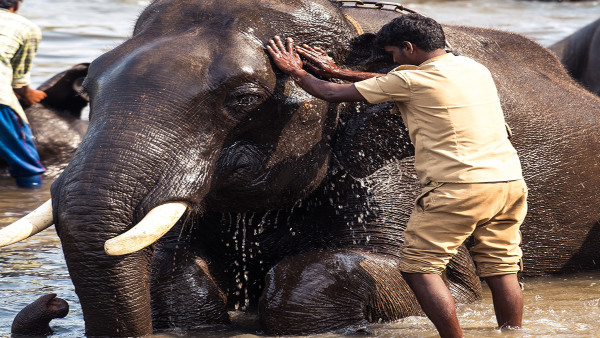
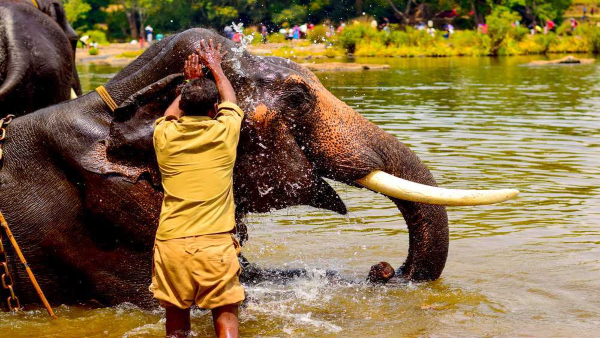
The highlight of the camp is the opportunity to interact with elephants. Visitors can learn about their behavior, feed them, participate in bathing sessions, and even take part in the elephant grooming process.
b. River Rafting:
The camp offers thrilling river rafting experiences on the River Cauvery, allowing visitors to soak in the breathtaking views of the surrounding forests.
c. Nature Walks and Bird Watching:
Explore the lush green surroundings on guided nature walks, spotting diverse bird species and learning about the local flora and fauna.
d. Fishing:
Engage in a calming fishing experience in the river, trying your luck at catching the elusive Mahseer fish.
e. Coracle Rides:
Hop onto a traditional coracle boat and glide through the gentle waters of the River Cauvery, enjoying the tranquility and scenic beauty.
Wildlife Encounters
Apart from elephants, Dubare is home to a wide variety of wildlife species. Visitors have the chance to spot animals such as deer, gaur (Indian bison), wild boars, and various reptiles. Lucky guests may even catch a glimpse of the elusive leopard or tiger. The forest also boasts a vibrant birdlife, with species like Malabar pied hornbill, Indian roller, and white-bellied treepie making it a bird watcher’s paradise.
Accommodations
Dubare Elephant Camps provide various options for accommodation, ranging from tented cottages to eco-friendly lodges. The camps offer basic amenities while maintaining a close connection to nature. Visitors can enjoy a comfortable stay surrounded by the serene beauty of the forest.
Nearby Attractions
a. Namdroling Monastery: Situated in Bylakuppe, the largest Tibetan settlement in India, the Namdroling Monastery is home to thousands of monks and houses stunning Tibetan architecture.
b. Cauvery Nisargadhama: A scenic island formed by the River Cauvery, Nisargadhama offers lush greenery, bamboo groves, and a deer park, making it an ideal picnic spot.
c. Nagarhole National Park: Located nearby, this national park is a tiger reserve and a haven for various wildlife species. Visitors can embark on a thrilling safari to witness the incredible biodiversity of the region.
Best Time to Visit
The ideal time to visit Dubare Elephant Camps is from October to March when the weather is pleasant. During this period, one can enjoy outdoor activities without being hindered by the monsoon rains.
Essential Travel Tips
a. Carry comfortable clothing, walking shoes, and insect repellents.
b. Respect the animals and follow the guidelines provided by the camp authorities for the safety of both visitors and elephants.
c. Plan your visit in advance and make necessary reservations, especially during peak seasons.
d. Avoid littering and maintain cleanliness within the camp and its surroundings.
Dubare Elephant Camps offer an incredible opportunity to connect with nature, immerse in wildlife encounters, and understand the significance of elephant conservation. From thrilling activities to serene moments amidst the wilderness, this destination promises a memorable experience. By responsibly exploring the Dubare Elephant Camps, visitors can contribute to the conservation efforts and create lasting memories of their wildlife adventure in Karnataka, India.
source: http://www.nativeplanet.com / Native Planet / Home> Travel Guide / by Navya Sona /June 24th, 2023
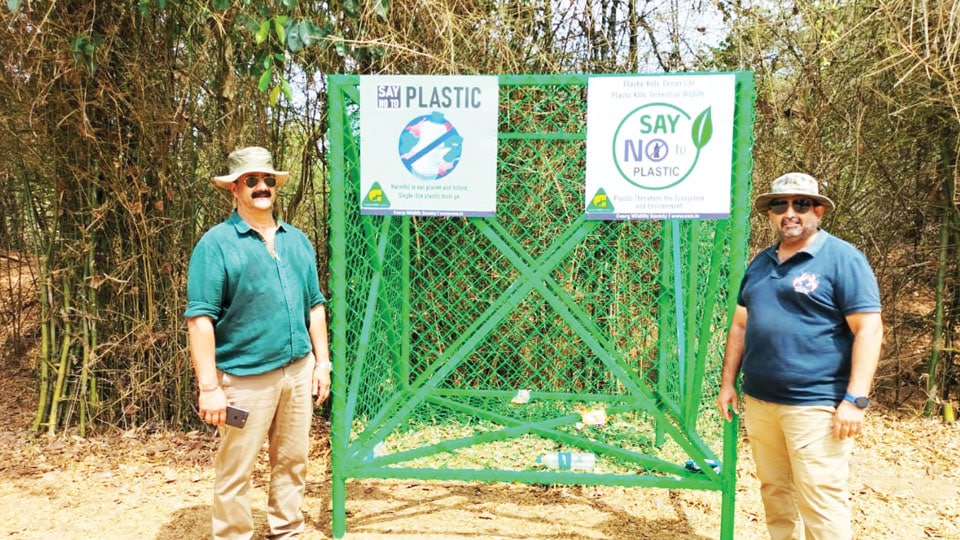
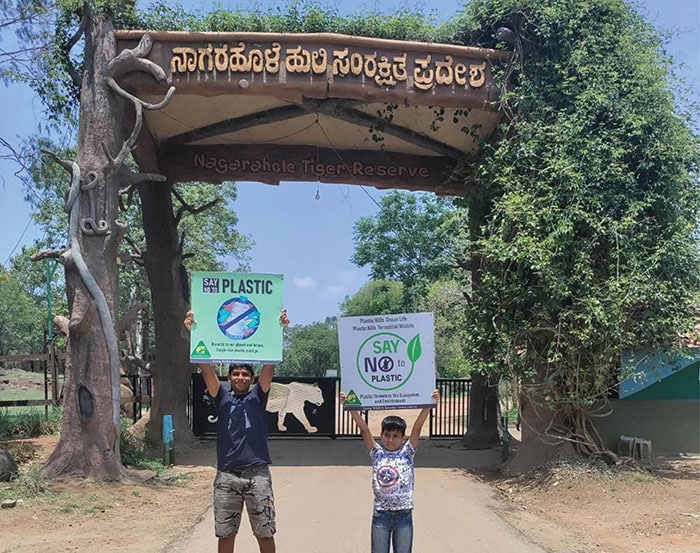
Coorg Wildlife Society (CWS) has taken a significant initiative by installing mesh waste bins at all four entrances of the Nagarahole Tiger Reserve — H.D. Kote Gate (Kallatti Gate or Metikuppe Gate), Veeranahosahalli Gate, Karmad Gate and Nanachi Gate.
This proactive step aims to ensure a plastic-free environment and eliminate the usage of single-use plastic bottles and sachets within the forest premises. In collaboration with the Karnataka Forest Department, the CWS has ensured the proper disposal of single-use water and juice bottles, as well as used sachets, into these bins before entering the forest.
This endeavour marks the beginning of an aggressive campaign aimed at achieving a zero-tolerance policy towards plastic waste within Nagarahole Tiger Reserve. Achieving this goal necessitates vigilant monitoring at all entry gates, a responsibility that Coorg Wildlife Society has undertaken, particularly during long weekends and holidays when visitor traffic is higher.
The society has thanked the Forest Department for its support, which has been instrumental in making this initiative possible. The society has announced that similar mesh bin installations are planned at the Anechowkur and Thithimathi entry gates from the Mysuru and Kodagu sides in the near future.
According to Coorg Wildlife Society office-bearer Karthamada Naveen Bopaiah, the Society is committed to promoting sustainability and a litter-free sanctuary within Nagarahole Tiger Reserve. “With continued cooperation and efforts, we are optimistic about creating a sustainable ecosystem where wildlife thrives and litter is kept at bay,” he added.
Tourists entering Nagarahole from the districts of Karnataka and Kerala dump plastic waste on the roadsides of the forest area with various environmental implications. Those forest areas in the proximity of human settlements or recreation areas have become vulnerable to waste pollution. Though the Department has initiated waste collection facilities, the illegal dumping of waste inside the Nagarahole Reserve is still present.
source: http://www.starofmysore.com / Star of Mysore / Home> News / June 16th, 2023
“During pre-monsoon, I spotted a couple of Giant African Snails on coffee plants and I got rid of them.
Giant African Snails feed on leaves and a branch of coffee plants in Handli village
Madikeri :
With the arrival of the monsoon, coffee growers of Handli village near Shanivarasanthe in north Kodagu are fighting a harmful invasive species. The Giant African Snails have invaded a majority of the estates in the village with coffee growers struggling to rid the estates of these pests.
“During pre-monsoon, I spotted a couple of Giant African Snails on coffee plants and I got rid of them. Now, there is an army of these pests and they are destroying my crops — coffee, pepper vines and plantains,” Suresh Babu, a coffee grower, told TNIE.
The snails feed on stems, leaves and creepers. The farmers rued that the snails multiply quickly and there seems to be no solution in sight to get rid of them. “We are now hiring labourers to remove these snails from the plants. However, this is a disgusting job and we have to pay extra to labourers. A majority of the labourers do not want to take up this task as these snails are slimy,” said Kumar, another grower.
The residents explained that the attacks from these snails across estates have been reported every year during the wet season for five years now. While the government provided some compensation and remedy during the previous years, it is not the case now, said another coffee grower.
“There needs to be a scientific solution to this problem. Coffee Board scientists have to come up with a permanent solution to rid the estates of these snails even as government support to the affected growers is the need of the hour,” concluded Kumar.
source: http://www.newindianexpress.com / The New Indian Express / Home> States> Karnataka / by Prajna GR, Express News Service / June 12th, 2023
Mantar Gowda, MLA, directs the officials to coordinate with different departments to mitigate any extremities in weather.
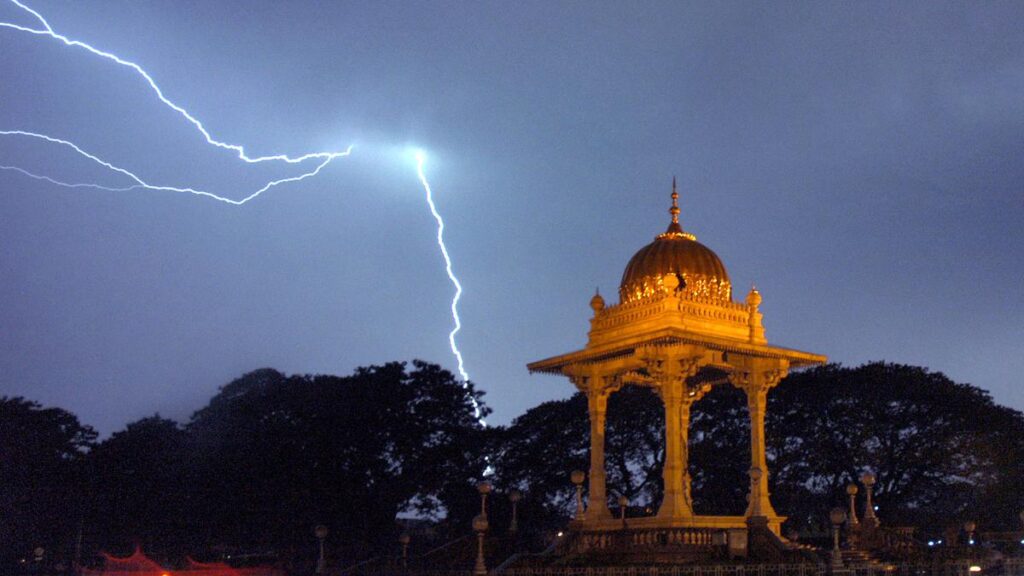
A flash of lightning illuminating the skies in Mysuru. | Photo Credit: M.A. SRIRAM
With the monsoon set to keep its tryst with Kodagu in the next few days, the authorities reviewed their preparations to meet any eventuality.
A meeting was convened in Madikeri on Friday, June 9, and Mantar Gowda, MLA, directed the officials to coordinate with different departments to mitigate any extremities in weather.
He said the revenue, forest, PWD, CESC and other departments should coordinate and ensure that they attend to any problems caused in case of a landslide, uprooting of trees or telephone and electricity poles. The teams constituted for the purpose should reach the affected spots immediately and carry out repairs or any other mitigatory exercise to tide over the crisis.
The MLA said relief centres should be stocked with basic necessities and be equipped to deal with flood victims who could be shifted from their villages.
The officials were also instructed to counsel those affected by floods and infuse psychological strength in them and professional counsellors should be roped in with the assistance of Department of Health.
The nodal officers in charge of different relief centres should ensure coordination among different wings and branches of the district administration, said Mr. Gowda.
The authorities were directed to impress upon the people living in the vulnerable areas to be ready to relocate at short notice. The Chamundeshwari Electricity Supply Corporation (CESC) personnel were directed to ensure that electricity poles that are uprooted are immediately replaced and power supply restored at the earliest. Similarly, the forest department staff were asked to be on alert to clear the roads of any uprooted trees to pave way for traffic movement.
The district health officer was directed to monitor for any outbreak of water-borne diseases during monsoon and ramp up the preparations to handle any epidemic. The Education Department officials were instructed to ensure that no classes are conducted in schools identified to be in dilapidated conditions.
The ZP CEO Shekar said that meetings have been conducted at the Gram Panchayat levels and 19 schools have been identified for conversion as relief centres if need be. The principals of the respective schools will also function as nodal officers, he added.
There is a helpline at every Gram Panchayat and volunteers will also be deployed in case of any emergency, said the official.
Shantilal Jatia, heading the NDRF at Kodagu, said that a team of 24 personnel are stationed in the district and they would be ready for deployment at any time in case of emergency.
source: http://www.thehindu.com / The Hindu / Home> News> India> Karnataka / by The Hindu Bureau / June 09th, 2023
The forest staff used techniques like the dung density method where they used photographs and GPS to scientifically record elephant dung.
Image used for representational purposes
Madikeri :
A total of 1103 wild elephant population has been recorded inside the forests of Kodagu. The statistics were released by the forest department following the completion of the elephant census.
However, the population of the wild elephants herded inside the estates of Kodagu has not been taken into consideration and a fresh census is required to verify the same.
The elephant census is conducted once in five years across the southern states and the same began across Kodagu in the month of May. Over 800 foresters from the department were involved in counting the population of the elephants across the forests of Kodagu.
The census was conducted in three phases and was spread across three days.
During the first phase, the forest staff took to the block count method and recorded the number of elephants sighted by the staff across designated forest regions.
The dung density method was used in the second phase of the counting where the foresters scientifically recorded the data of the elephant dung through photographs and GPS locations.
In the third phase, the foresters halted by the lakes, rivers and other water bodies inside the forest and counted the number of male, female and calf elephants in the herd.
The forest department confirmed that 200 teams with three to four forest staff were formed to conduct the census. The staff was geared with arms and ammunition in case of any untoward incident.
The census unfurled across the four divisions of the department including Madikeri, Madikeri Wildlife, Virajpet and Nagarahole Tiger Reserve divisions. While a total of 787 elephants were sighted in Nagarahole, the Madikeri division recorded 179 elephants.
The Anekadu area near Kushalnagar alone had 116 wild elephants, which falls under the Madikeri division. Virajpet and Madikeri Wildlife had a population of 73 and 64 wild elephants respectively.
Conservator of Forests of Kodagu Circle BN Murthy said, “The census was conducted only inside the forest area. However, there is a need to conduct the census within the estates and this will increase the numbers. It is not possible to get the actual count and the census was conducted across 1.15 lakh hectares of forest land in Kodagu.”
source: http://www.newindianexpress.com / The New Indian Express / Home> States> Karnataka / by Express News Service / June 06th, 2023
Traders from the Middle East introduced the beverage to the Mughal empire but the British made tea the subcontinent’s preferred drink.
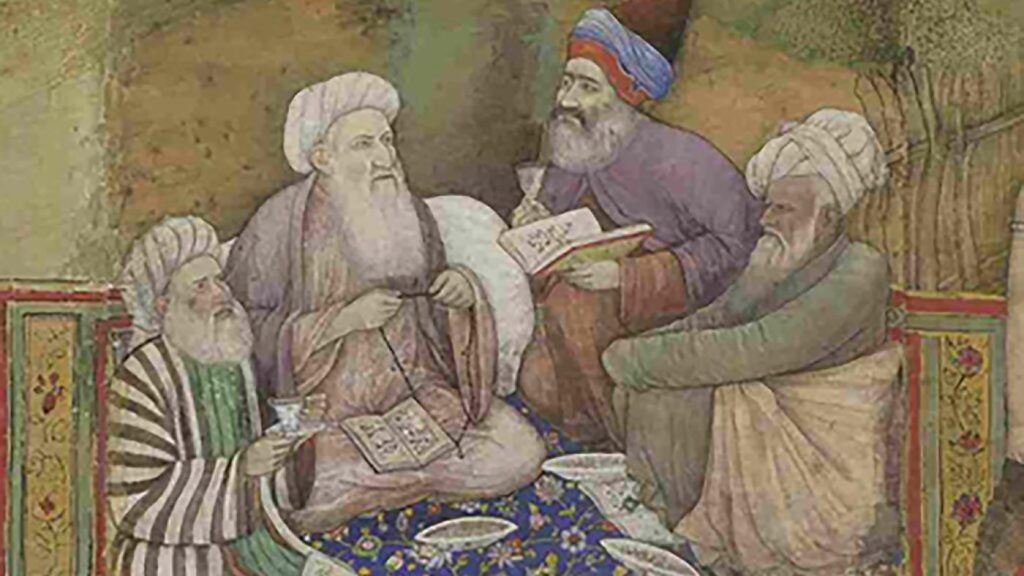
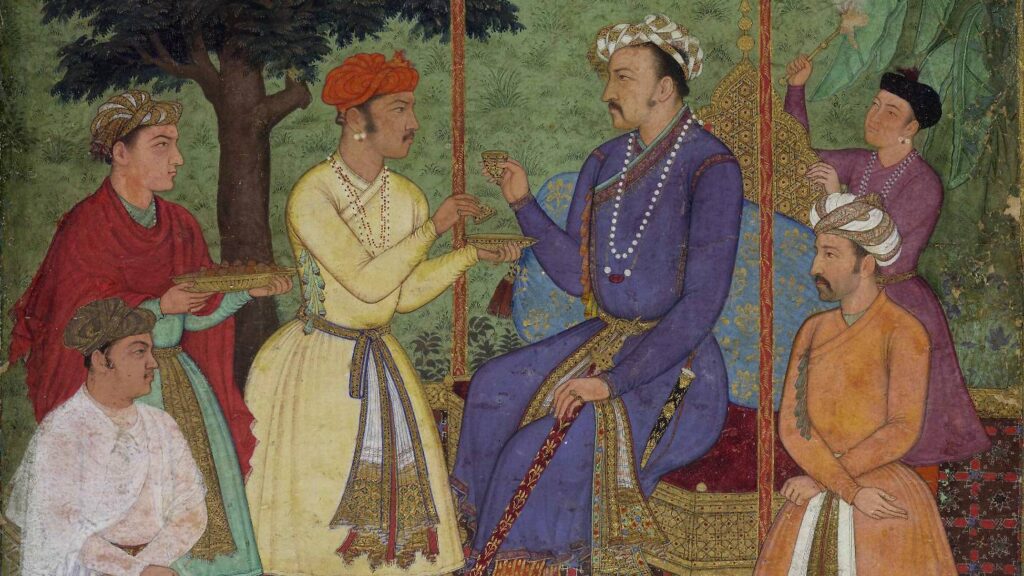
Mughal men drink an unidentified beverage in a 17th century painting later recreated as a drawing by Rembrandt (Public domain)
The sun sets behind regal yet dilapidated Mughal mansions and the magnificent dome of the Jama Masjid as the call for the evening prayer fills the auburn sky in Old Delhi.
Chandni Chowk’s bustling streets reverberate with the sound of honking cycle rickshaws navigating the serpentine lanes.
The sunset marks the beginning of business hours in the neighbourhood, which emerged during Mughal emperor Shah Jahan’s rule; a pocket within the once spectacular walled city of Shahjahanabad, founded in 1648.
Immersed in the soundscape, one’s senses are drawn to the aroma of food being prepared, complemented by the unmistakable scent of masala chai – the Indianversion of spiced tea.
Tea stalls, resembling busy beehives, draw Delhiites patiently waiting for their daily dose of evening tea – some having travelled from the far ends of the city to satisfy their craving.
Tea is without a doubt a national obsession in India. However, the incredible popularity of the drink in the subcontinent is less than two centuries old and only came about as a result of British rule in the region.
It may come as a surprise, but before the arrival of the British, it was coffee that Indians preferred.
Sufis and merchants
Coffee was brought over from the Horn of Africa to Yemenat some point in the 15th century and later spread north into the Near East and then to Europe by the 16th century.
The beverage also spread eastwards, and India’s Mughal elite was quick to adopt it as their beverage of choice.
While the Mughal Emperor Jahangir had a penchant for wine – preferring the Shiraz variety – both Hindu and Muslim nobility in his court freely indulged in coffee.
Edward Terry, a chaplain with the English embassy at Jahangir’s court, mentions that members of the court were captivated by the then-novel qualities of coffee, believing it could “invigorate the spirits, aid digestion, and purify the blood”.
The coffee bean was brought to the subcontinent by Arab and Turkic traders who had strong trade ties with the Mughal Empire.
They not only brought coffee, but also other items, including silk, tobacco, cotton, spices, gemstones, and more from the Middle East, Central Asia, Persia, and Turkey.
By the time Shah Jahan ascended to the Mughal throne, interest in coffee had grown exponentially across Indian society (Public domain)
Such goods would reach the farthest corners of India, including the easternmost region of Bengal. By the time Jahangir’s son, Shah Jahan, ascended to the throne (1628-1658), interest in coffee had spread across society.
Coffee was considered a healthy drink, an indicator of social mobility, and an integral part of Delhi’s elite social life.
Like Terry, another contemporary European visitor, the German adventurer Johan Albrecht de Mandelslo, wroteabout his travels in the east through Persia and Indian cities, such as Surat, Ahmedabad, Agra, and Lahore in a memoir titled The Voyages and Travels of J Albert de Mandelslo.
A painting titled ‘The Ottoman Sultan and His Haseki’ by an unnamed artist (Wikimedia)
In 1638, Mandelslo describes kahwa (coffee) being drunk to counter the heat and keep oneself cool.
In his workTravels in The Mogul Empire (1656-1668), Francois Bernier, a French physician, also refers to the large amount of coffee imported from Turkey.
Besides its use in social settings and supposed effects to ward off heat, the drink also had a religious purpose for the subcontinent’s ascetics.
Like their brethren in the Middle East and Central Asia, India’s Sufis consumed coffee before their night-long reverential rituals known as dhikr (the remembrance of God).
Legend has it that a revered Sufi saint named Baba Budhan carried back seven coffee beans in the folds of his robe on his way back from Mecca in 1670, planting the seeds for Indian-origin coffee cultivation in a place called Chikmagalur.
While this story may or may not be true, today the Baba Budhangiri hill and mountain range in the Indian state of Karnataka bears his name and remains a significant centre for coffee production, as well as housing a shrine dedicated to the Sufi saint.
In another variation of the legend, shared by the government’s Indian Coffee Board, the Sufi saint travels to Mochain Yemen and manages to smuggle out the beans discreetly despite strict laws on their export.
Culture of consumption
From the 16th century onwards, India became host to a cafe culture influenced by the one emerging in the Islamic empires to the west, particularly cities such as Damascus, Aleppo, Cairo, and Istanbul.
The nascent coffee culture found expression in Shahjahanabad’s own “qahwakhanas”, or coffee houses.
In her essay Spilling the Beans: The Islamic History of Coffee, food historian Neha Vermani describes the coffee served at the Arab Serai, which was “famous for preparing sticky sweet coffee”.
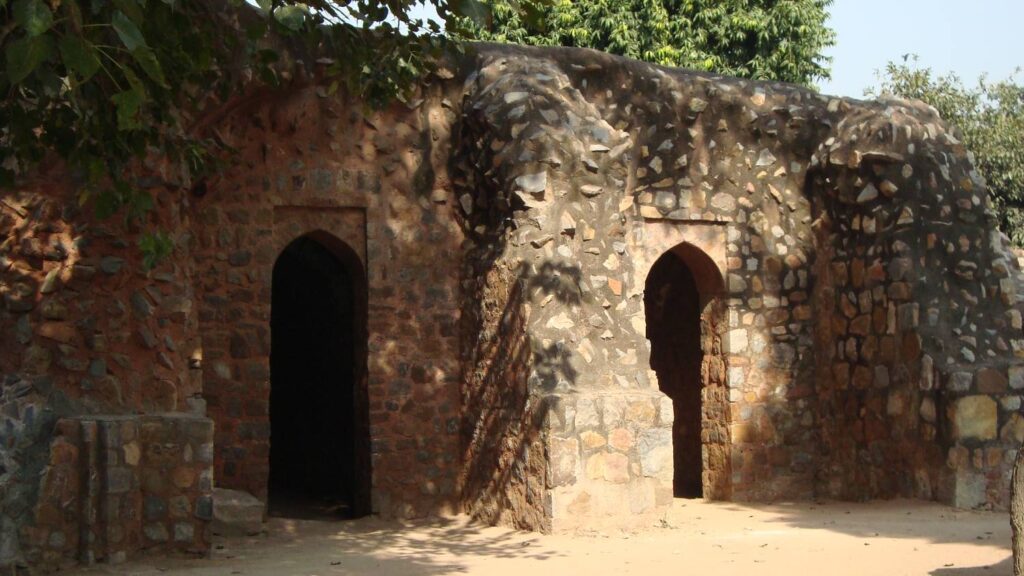
The Arab Serai became known for its sticky sweet coffee (Wikimedia)
The Serai, which was commissioned in 1560 by Hamida Banu, the wife of Mughal Emperor Humayun, still stands today as part of a Unesco heritage site ; the wider complex of Humayun’s tomb.
Historians say it was used as an inn by Arab religious scholars who accompanied the royal on her pilgrimage to Mecca and that it was also used to house craftsmen from the Middle East who were working for the Mughals.
Historian Stephen Blake in his 1991 workShahjhanabad: The Sovereign City in Mughal India 1639-1739 describes coffee houses as places where poets, storytellers, orators, and those “invigorated by their spirits” congregated.
Blake described how vibrant these coffee houses were, their milieu of poetry recitals, storytelling and debates, long hours of playing board games, and how these activities impacted the cultural life of the walled city.
Coffee houses of Shahjhanabad, like those of Isfahan and Istanbul, accelerated the rise of a culture of consumption and a thriving food culture, with residents frequenting snack sellers offering savouries, naanwais baking bread, and halwais specialising in confectionery.
This is a legacy that continues to be felt in Old Delhi’s Shahjahanabad area to this day.
While Blake’s descriptions paint a picture, there are no extant visual depictions of the interiors of these establishments, and unlike their Ottoman or Safavid counterparts, there are no miniatures or Orientalist artworks depicting what they would have looked like.
Rembrandt depictedMughal men drinking something very closely resembling coffee but the Dutch artist does not identify the contents of their cup, and never visited India. But his images were inspired by Mughal paintings brought over to the Netherlands by Dutch traders.
The man who swore by his Turkish coffee
Provincial courts sought to replicate the ambience of Shahjahanabad and embraced the cafe culture on offer there. Among them, none cherished coffee more than Alivardi Khan, the Nawab Nazim of Bengal.
Khan was of Arab and Turkman descent and ruled Bengal from 1740-1756. Known as a diligent ruler, coffee and food were the two biggest pleasures of his life.
Seir Mutaqherin or the Review of Modern Times, written by one of the prominent historians of the time, Syed Gholam Hussein Khan, offers a fascinating description of Alivardi Khan’s routine.
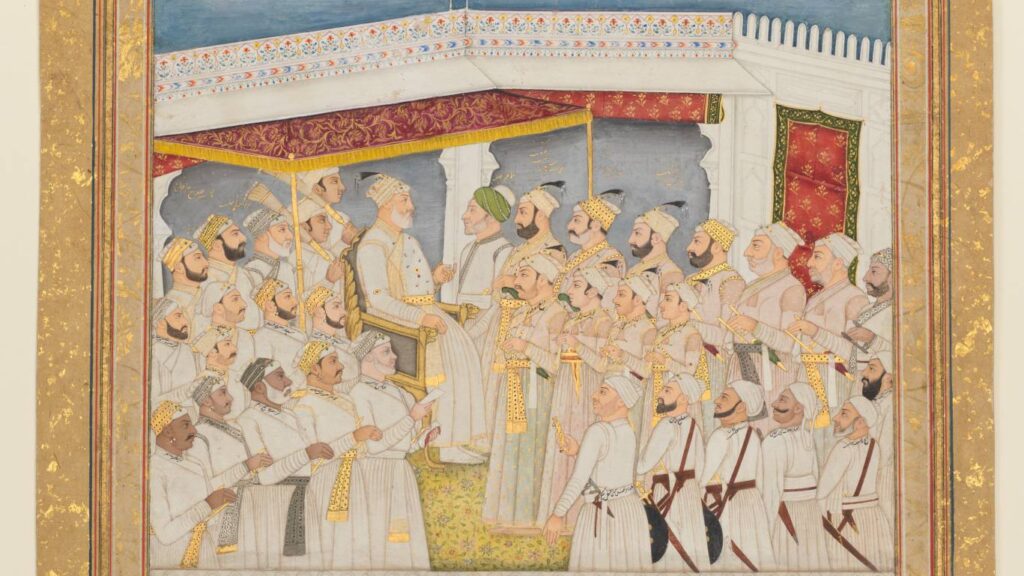
Alivardi Khan, seen here on his throne, liked the finer things in life, including coffee (Metropolitan Museum of Art/Public domain)
He writes: “He always rose two hours before daylight; and after having gone through evacuations and ablutions, he performed some devotions of supererogation and at daybreak, he said his prayers of divine precepts, and then drank coffee with choice friends.
“After that he amused himself with a full hour of conversation, hearing verses, reading poetry or listening to some pleasing story.”
This morning routine was followed by a bespoke Persian dish prepared by the nawab’s personal chef.
Khan’s portrayal presents Nawab as a man of fine taste, who valued the luxuries of courtly life as much as effective governance.
A connoisseur of exquisite food, witty conversations, and premium Turkish coffee, Khan went to great lengths to acquire the best coffee beans, importing them from the Ottoman Empire and bringing them all the way to Murshidabad, his capital.
The coffeehouse ‘is a social space created and shaped by the people themselves’ (MEE)
He believed in nothing but the best for his court. Not only were his coffee beans imported, but his kitchen staff also hailed from places renowned for their culinary excellence, such as Persia, Turkey, and Central Asia.
The royal household employed a diverse range of professionals, including storytellers, painters, coffee makers, ice makers, and hakims (physicians).
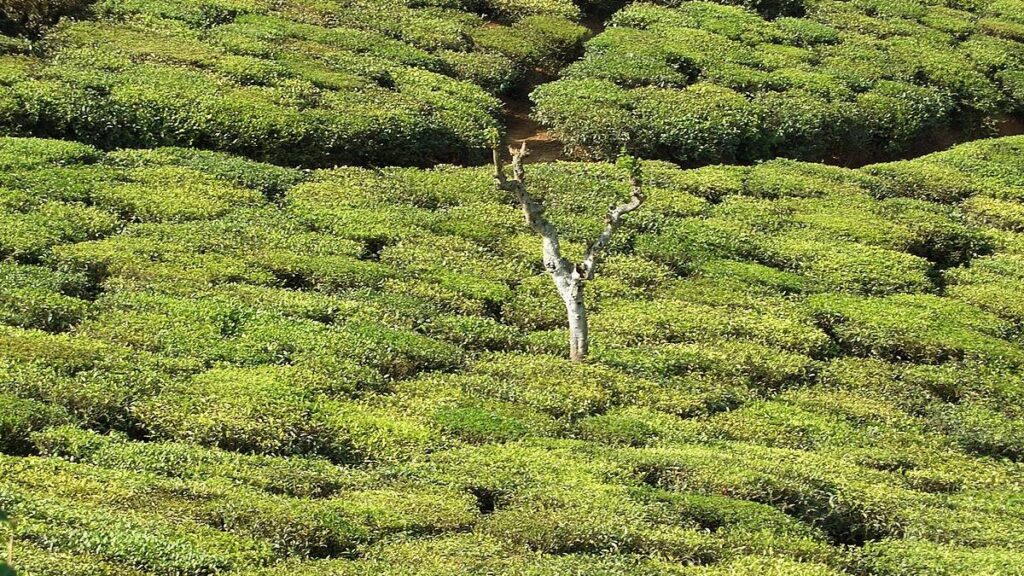
Tea has been grown in India since the 19th century (Wikipedia)
Khan personally handpicked his baristas (qahwachi-bashi), who brought along their specialised coffee-making equipment.
The descriptions paint a vivid picture of courtly culture, a world of opulence, artistry, and a profound affinity with caffeine.
It is puzzling, therefore, to pinpoint exactly when Mughal coffee culture vanished from pre-colonial Bengal, but it likely lasted until at least 1757.
Siraj ud-Daulah, Khan’s grandson and successor, could not live up to his grandfather’s legacy, and faced with threats from the British, the courtly culture swiftly dissipated, along with Bengal’s fortunes.
When Bengal lost the decisive Battle of Plassey in 1757, the East India Company took control of the region, and slowly coffee vanished from public consumption and consciousness.
Tea farming takes over
The rise of the East India Company, which was the primary agent of British control in India, marked the end of the subcontinent’s dominant coffee culture.
Britain’s penchant for tea began in the late 17th century and China was its main supplier.
Lizzy Collingham writesin her book Curry: A Tale of Cooks and Conquerors that between 1811 and 1819 “70,426,244 pounds” out of a total of “72,168,541” pounds of imports from China were associated with the tea trade.
She remarks that Britain, therefore, had an “interest in finding an alternative source for tea”.
With its fertile soils and appropriate weather conditions, India was the perfect spot.
In February of 1834, then Governor General William Bentick appointed a committee to look into India’s potential as a place to set up the East India Company’s own tea production unit.
In the native Indian population, they found not only workers who would cultivate and harvest the leaves but also consumers of the beverage.
As coffee production became overshadowed by tea farming, Indian tastes also shifted to the latter.
Further consolidating the decline of Indian cafe culture was the British ban on Indians visiting coffee houses, which were barred to all but Europeans.
Nevertheless, reports of the death of coffee in India were premature.
Regardless of British influence on local culture, the subcontinent was not immune to global trends.
The Indian historian and author, AR Venkatachalapthy, writes in his 2006 book In Those Days There was No Coffee: Writings in Cultural History that there was no escaping the physical effects or symbolism of coffee in late 19th century British India.
“Drinking coffee, it appears, was no simple quotidian affair. Much like history, the nation-state, or even the novel, coffee too was the sign of the modern,” he writes.
Enthusiasm for coffee grew at the turn of the 20th century, and the same book quotes adverts for coffee in south India in the 1890s: “Coffee is the elixir that drives away weariness. Coffee gives vigour and energy.”
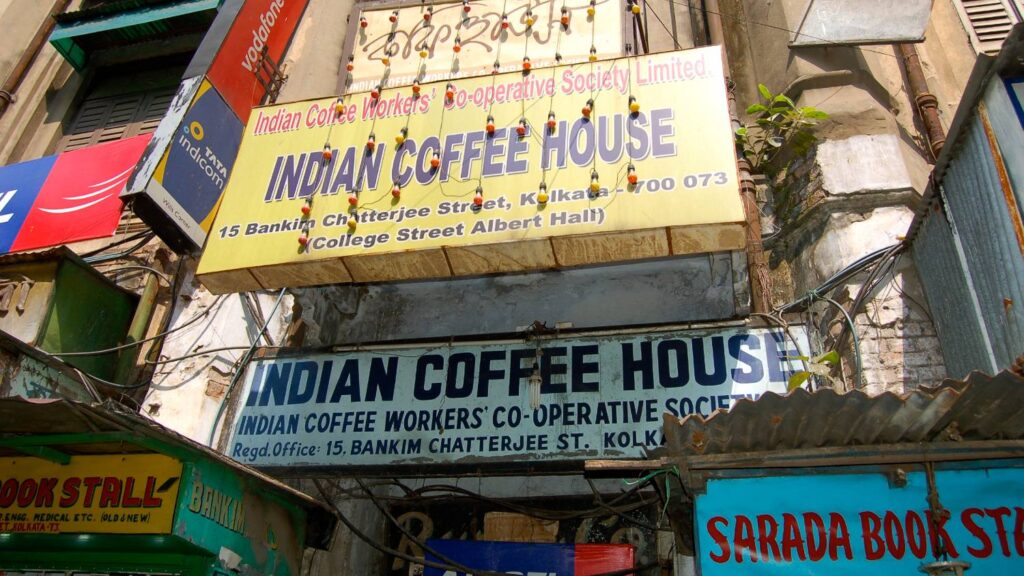
This energy and vigour were first reflected in the east, in the colonial city of Calcutta (present-day Kolkata) where the first Indian-run coffee shop, named Indian Coffee House, opened in 1876.
The Indian Coffee House is run by Indian worker’s cooperatives and is open to all (Wikipedia)
Turning into a chain in the 1890s, by the first half of the new century the name Indian Coffee House would be adopted by a growing network of 400 coffee houses run by Indian workers’ cooperatives, with only Indian-origin coffee.
These were the people’s coffee houses where any Indian could walk in without being discriminated against on the basis of their race.
Today, the ambience of the Indian Coffee House reminds one of the inclusivity of coffee shops in historic Shahjhanabad.
The chain is one of many Indians can visit, with others including the Bengaluru-based Coffee Day Global, which now has more than 500 outlets in the country despite only opening its first in 1996.
Six years later Starbucks entered India’s voluminous urban market and the rules of the brew changed forever in the subcontinent.
source: http://www.middleeasteye.com / Middle East Eye / Home> Discover> Food & Drink / by Nilosree Biswas, New Delhi / June 05th, 2023
WELCOME. If you like what you see "SUBSCRIBE via EMAIL" to receive FREE regular UPDATES.
Read More »