Seoul Cafe Show has announced it will launch Cafe Show Mocha Port, a one-to-one business matching and networking service to connect buyers and exhibitors at the event, taking place from 8 to 11 November.
Seoul Cafe Show expects the online meeting service to provide productive customer relationship management and communications, resulting in more business and efficient time management.
More than 600 exhibitors have already registered their products in Mocha Port, from fields such as coffee, food and beverage, bakeries, interior, machine and equipment, and start-up companies.
Approximately 6000 coffee industry buyers from about 30 countries, including Japan, China, Taiwan, Vietnam, India, Malaysia, the Americans, and Europe, will go on the pre-matching system.
Exhibitors and buyers who want to match the companies participating in the Seoul Cafe Show can register until the end of October. The online pre-matching will be processed until the end of October.
The Seoul Cafe Show will be held at Samsung-dong in Seoul, Korea.
Cafe Show Seoul will host a range of events, competitions, and seminars such as the World Coffee Leaders Forum, Seoul Coffee Festival, and World Coffee Battle.
For more information, visit www.cafeshow.com/eng
source: http://www.gcrmag.com / Global Coffee Report / October 24th, 2018
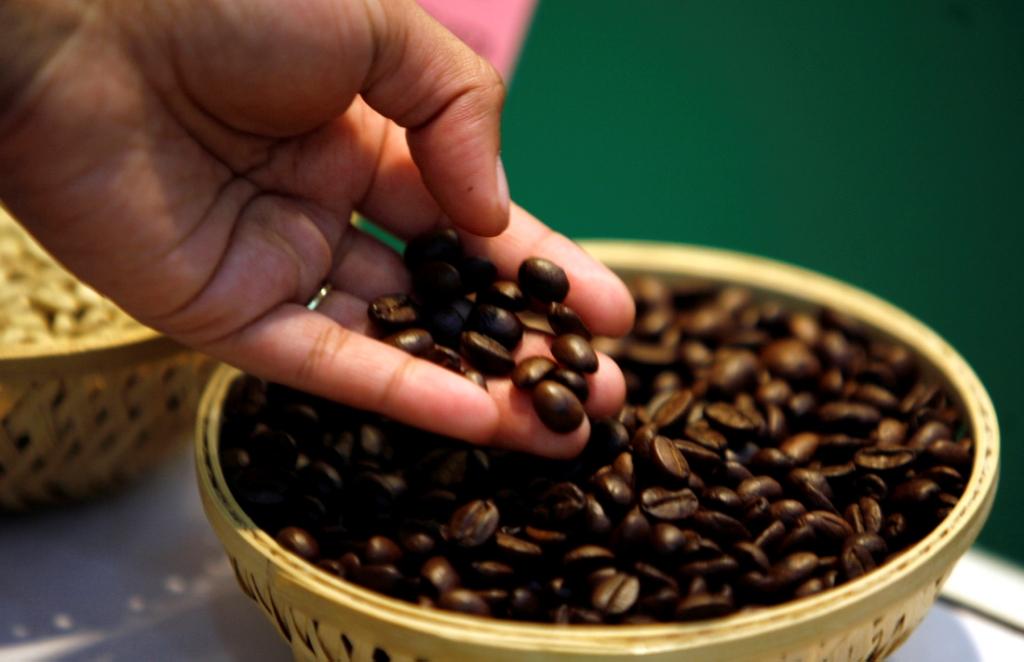
Zilient / ARCHIVE PHOTO: A visitor checks coffee beans at the ‘International Coffee Festival 2007’
Indigenous people in southern India are combatting deforestation by planting millions of fruit trees to shade their coffee crops
By Rina Chandran
Bangkok (Thomson Reuters Foundation):
Once forbidden by colonialists from cultivating coffee, indigenous people in southern India have won a prestigious award for their bean, which they farm while fighting deforestation.
Araku Valley Coffee won gold in the Prix Epicures OR Award in Paris earlier this month. The beans are grown by Adivasis – or “original inhabitants” – of southern Andhra Pradesh state through a cooperative set up by the Naandi Foundation.
The organic farming model has benefited more than 45,000 Adivasi families, with profits from the high-grade coffee put into schools, healthcare and other needs of the remote community, according to Manoj Kumar, who founded Naandi.
The initiative has been a success because it built on the strong connection that Adivasis have to the forest, he said.
“They fully embraced the concept of biodynamic farming, because it is a holistic approach that benefits the eco-system, and is in tune with their traditional beliefs of caring for the community and the forest,” he said.
“This is not just about food security; it is also about pride in living without government handouts, and conserving the forest,” he told the Thomson Reuters Foundation over the phone.
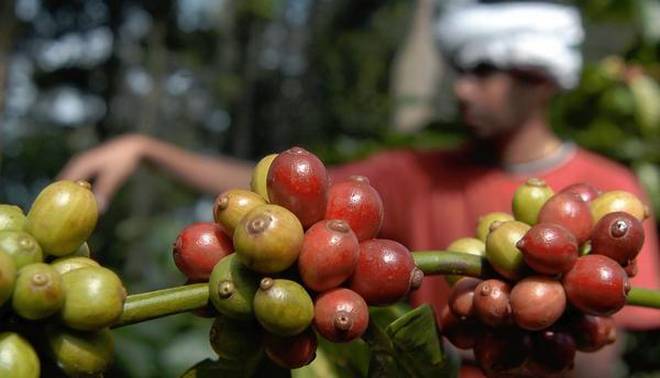
The Adivasis are also countering deforestation by planting millions of mango, papaya and orange trees to provide shade for their coffee crops, as well as in other areas, with support from the Paris-based Global Livelihoods Funds.
While India has pledged to keep a third of its total land area under forest and tree cover, a growing population and increasing demand for land for mining and other industrial activities are placing greater stress on forests.
Activists say a new forest law favouring commercial plantations would undermine indigenous rights over forests and lead to more logging.
Coffee estates thrived in the Araku valley’s cool climate during the British colonial period, but Adivasis were prevented from growing it and did not take up the crop after independence, according to Kumar.
That changed after the Naandi Foundation began working in the region 18 years ago, first setting up schools and healthcare facilities, and then helping to organise a cooperative to farm and market coffee.
Araku Valley Coffee soon commanded high prices in global auctions, and opened its first cafe and shop last year in Paris.
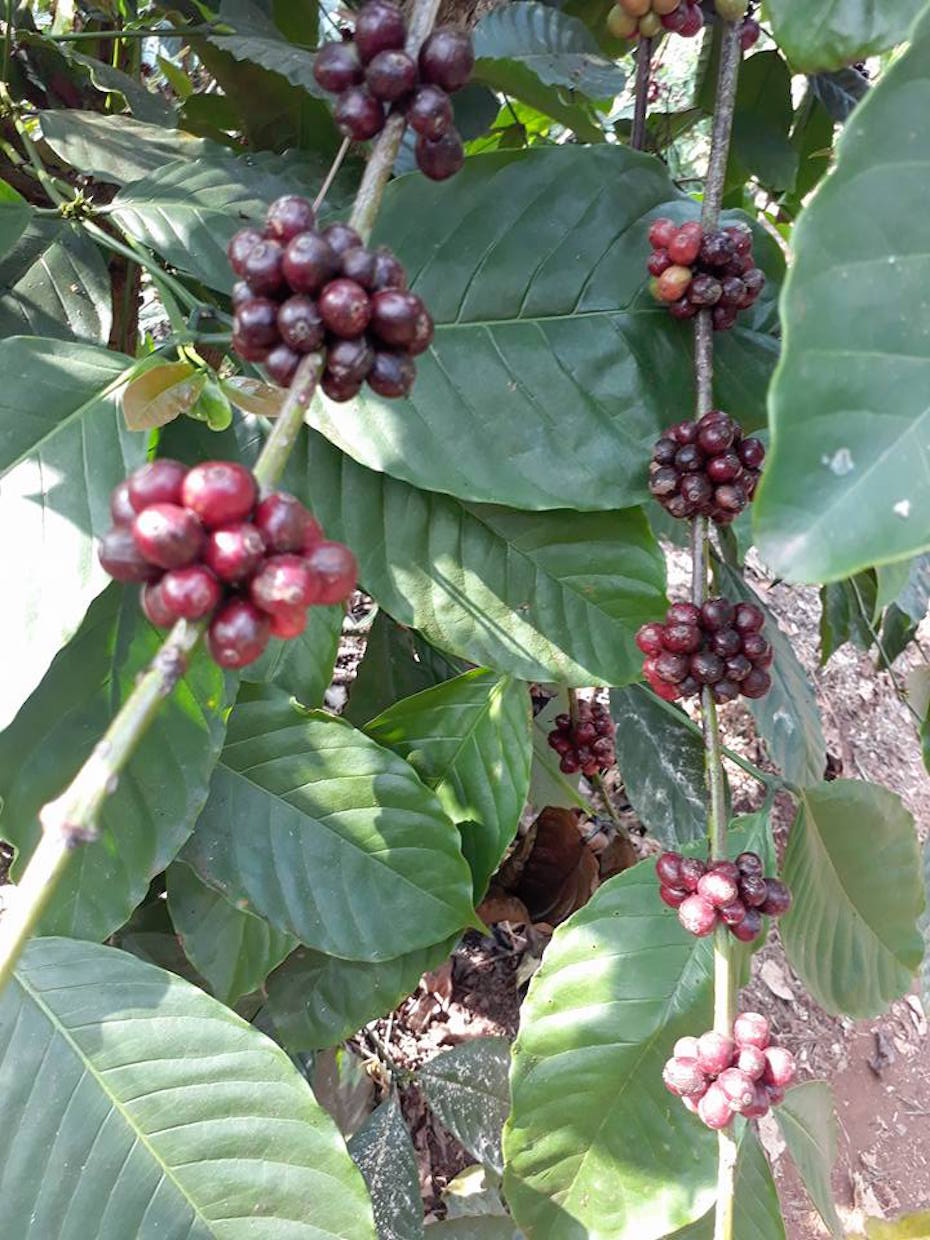
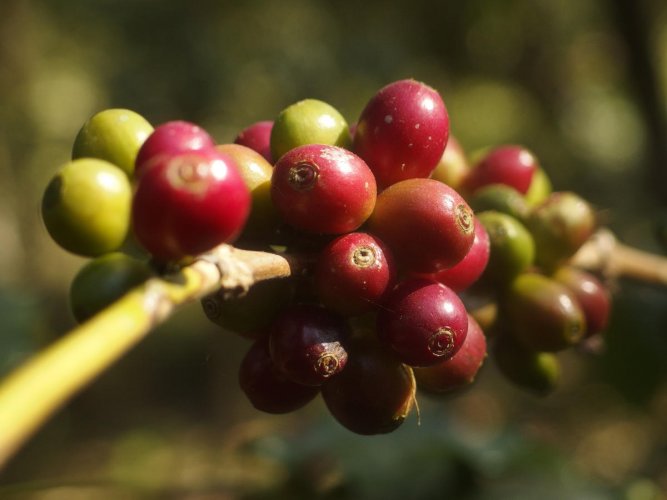
But the real challenge for the Adivasis is not picking coffee beans the right shade of red or deciding on a marketing plan; they face a more existential threat as forests disappear, Kumar told the Thomson Reuters Foundation.
“The Adivasis have such a deep spiritual connection with the land and the forest,” he said.
“Taking that away from them is taking away their life.”
(Reporting by Rina Chandran @rinachandran. Editing by Jared Ferrie. Please credit the Thomson Reuters Foundation, the charitable arm of Thomson Reuters, that covers humanitarian news, women’s rights, trafficking, property rights and climate change. Visit news.trust.org to see more stories.)
Our Standards: The Thomson Reuters Trust Principles.
source: http://www.news.trust.org / Thomson Reuters Foundation News / by Home> Place / by Rina Chandran / October 15th, 2018
With the advent of this year’s International Coffee Day, Tata Starbucks is celebrating “Starbucks at 100” along with a line-up of week-long activities called Brewtober. Bringing to life the coffee heritage and inspiration through this initiative, the company is offering coffee lovers with a unique way of celebrating coffee, starting with various immersive coffee experiences to the big day of “Starbucks 100” — a day when the organisation shares coffee love with its customers by offering all its short/tall handcrafted beverages for Rs 100.
Veetika Deoras, who recently came on board as the CMO — marketing, category and digital at TATA Starbucks, is a seasoned Tata Administrative Services Officer with 16 years of experience in the Tata Group. At Starbucks, she oversees all related facets of the joint venture in India that focus on capturing relevant growth opportunities and ensure keeping customers at the heart of everything and delivering the authentic Starbucks Experience in India. Excerpts:
Q Share some customer experiences with Brewtober and also with the recently debuted Pumpkin spice latte?
Starbucks has a 47 year legacy of coffee sourcing, roasting and processing. To bring to life this coffee heritage and inspiration, Tata Starbucks has launched Starbucks Brewtober, which is a week-long celebration of our coffee and our customers which offers heavenly experiences and special promotions across all our stores in India.
The celebration is offering customers with authentic in-store experiences rooted in high-quality Arabica coffee. Our Starbucks stores will feature various international coffee blends, handpicked from seven different parts of the coffee belt, and offer to our customers coffee-forward experiences like Farm to Cup — an immersive coffee tasting exposure that brings forth the company’s commitment to ethically sourced coffee and supporting farmer communities across the globe and Starbucks Coffee Experience Bar — a master class into the art, craft and science behind different cups of coffee.
Through Starbucks Brewtober, we are both honoured and excited to share our love and passion for coffee with the customers. We look forward to welcoming them to our stores.
Pumpkin Spice Latte is an iconic beverage that is loved by customers all over the world and we are always delighted to bring this global seasonal classic beverage to our customers in India. Our partners have handcrafted the beverage to perfection. Featuring Starbucks espresso at the core and unique ingredient combinations, the beverage is a novel sensorial experience.
Q What are the various factors that the organisation keeps in mind every time a new promotion like Brewtober or a product is launched?
At Starbucks, innovation is always brewing. We take great pride in partnering with customers in their journey of coffee exploration. With our innovative products and experiences like Brewtober, we want to deliver our coffee passion and the highest quality coffeehouse experience to all our customers. We at Starbucks are focussed on innovating customer experiences, based on their feedback. We listen actively to our customers and work towards exceeding their expectations. For us every moment is one of connection and recognition.
Q What strategy does the company follow to attract customers? Is Brewtober aimed at increasing footfalls?
India is one of the most exciting markets in the world, with very diverse and dynamic customers. Since opening our first store in Mumbai in 2012, the way they have embraced the Starbucks experience humbles us, and makes us very optimistic for the long-term. We carry forth a rich legacy of coffee. Starbucks Brewtober, a week-long celebration of coffee, is a coming together of the spirit and legacy of the company where our customers can experience superlative coffee, warm partners and inviting stores. Brewtober is a reflection of the coffee heritage of Starbucks, as well as the coffee passion of our store partners and customers.
Q What is the future of the Tata Starbucks association in India? How has your association been with the company?
We are proud to be partnering with Tata, an organisation which shares our values, as we seek to build a socially responsible company that is creating rewarding careers for our partners and delivering a positive impact in the communities we serve.
Q What is the secret of the company’s sustainability?
Starbucks is known for the iconic third place experience, which is a composite of great coffee, warm partners and superior store ambience. It is passionate about delivering the highest quality coffeehouse experience to customers. The world-class service of our partners and their passion and commitment is what, I believe, truly sets us apart. Customers come for coffee, stay for the inviting warmth and return for the very human connection.
source: http://www.thestatesman.com / The Statesman / Home> Supplements> Evolve / by Ratikanta Dutta / October 06th, 2018
Single-origin coffee celebrates terroir. Some of the country’s brightest coffee experts explain the art of brewing drinks with unique flavours
Ashish D’Abreo, Co-Founder, The Flying Squirrel
Single-origin coffee is completely dependent on the farmer. Which is why not all single-estate coffees taste good. The flavour of the end product depends on how well the crop is taken care of by the farmer; how much care is put into cultivating it, such as pruning the plants, picking the beans on time. This is what makes single-estate coffee different from commodity coffee, that’s a mix of coffee grown at various places. Coffee grown at various regions tastes different. For instance, coffee from high altitudes is sweet, whereas that from lower altitudes is low on sweetness. Coorg and Chikmagalur produce some of the best coffee in the country. My favourite single-estate coffee is obviously ours — my partner Tej (Thammaiah) is a third-generation farmer and really knows what he’s doing.
Marc Tormo Altimira, Founder, Marc’s Coffees
The Auroville-based coffee entrepreneur, Q Grader, roaster, brewer and creative consultant, says that single-origin coffee comes under ‘speciality’ coffee. “This term is used to describe coffee that is traceable to the farmer who grows it. He will place quality ahead of quantity and will produce the highest quality possible in his plantation. This is something unique and people will be willing to pay more for it. Speciality coffee is a way out for those who cannot compete in the commodity market where prices are subject to stock market rates. To produce it, the farmer needs an understanding and knowledge of drying, fermentation, and other techniques. I feel all regions in India produce world-class coffee — from Tamil Nadu, Kerala, to Karnataka and Andhra Pradesh.”
Sadhavi Ashwani, co-founder, Baba’s Beans
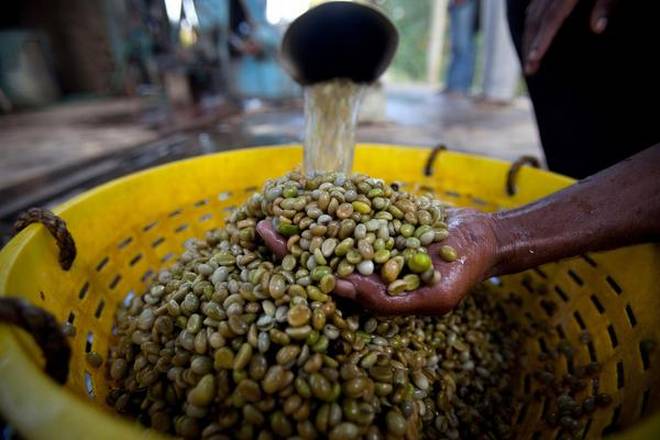
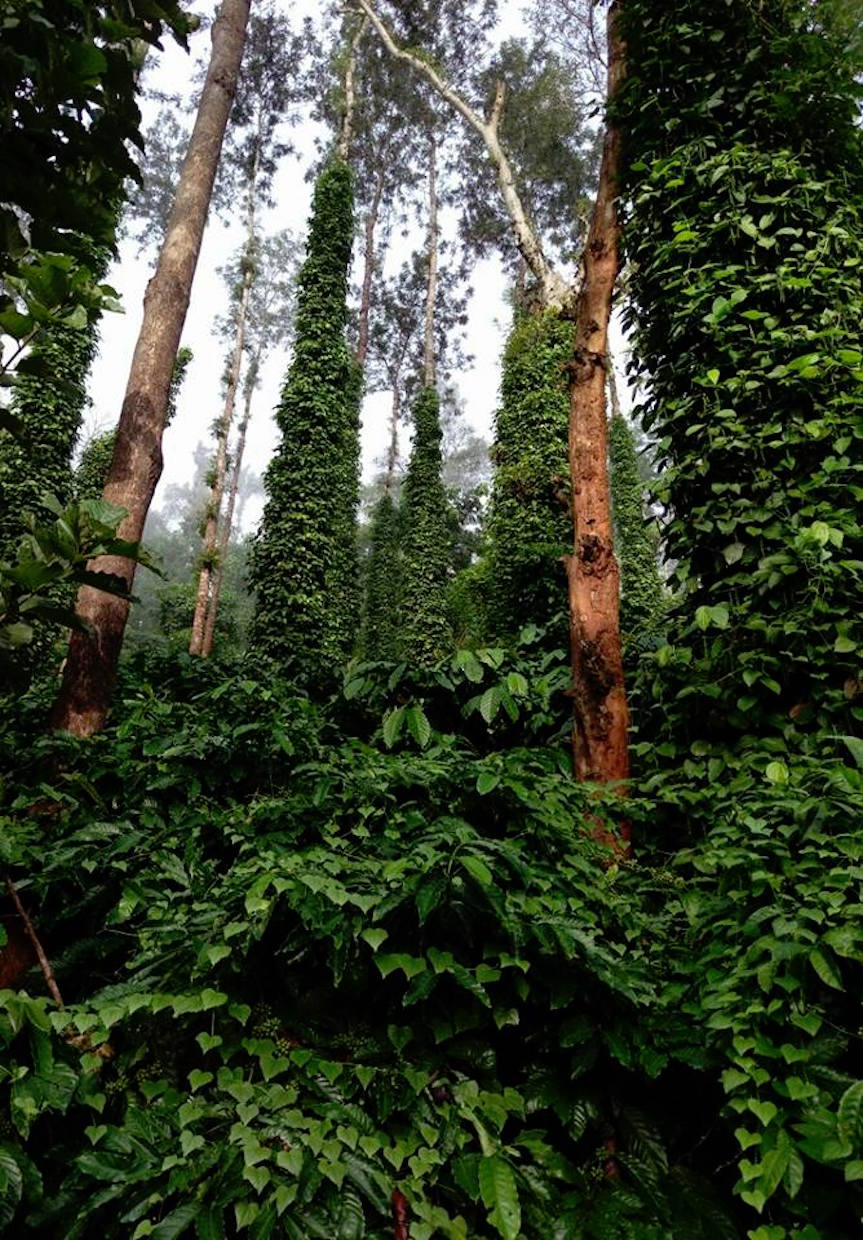
Single-origin coffee is different from single-estate coffee. Coffee from say, Coorg or Chikmagalur is single-origin, while that from one particular estate in these regions is termed as single-estate. It’s farming practices and the soil in which the coffee is grown that add personality to a coffee, ensuring that it is immaculate in the cup. In India, for instance, since we grow a lot of spices, our coffee naturally takes on nutty, chocolatey notes. Most of our country’s coffee is shade-grown; the cherries are hand-picked and wet-processed by passing them through gushing water; it is raised on hilly terrains under the shade provided by the silver oak. Pepper wines creep on the trees and this adds to the soil. At Baba’s Beans, we have a variety that’s grown under the shade of fig trees, so it ends up taking on fruity notes. Every single-estate coffee has a story; every cup has a unique flavour owing to the personality imparted by the soil, the plants that it is grown next to and that of the farming techniques.
Krittivas Dalmia, founder, Kaffa Cerrado
I don’t think single-estate coffee will ever replace regular, processed coffee. Neither is entirely replaceable. Coffee itself, as an industry, is still in the nascent stage, if you look at consumption in terms of percentage of population. Even among those who do drink coffee, the taste that they are used to, which includes chicory, is a very distinct one. So while there is an obvious difference in taste, flavour and aroma when it comes to single-estate coffee, the shift will take time. It has begun, though: in India, we seem to have skipped the stage of brewed coffee that is not single-estate (except outlets like CCD, which haven’t penetrated the local market that much), and moved directly to single-estate coffee. There can be ecological advantages to this, but it differs from estate to estate. Many estates are taking on bird-friendly or shade-grown practices, encouraged by the coffee board. It’s easier for the consumer to check which producers are following these practices and which aren’t. Plus, if you buy directly from the estate, the farmer gets the market price directly and middlemen are reduced to a large extent. You could count that as an advantage.
Compiled by Akila Kannadasan and Meghna Majumdar
source: http://www.thehindu.com / The Hindu / Home> Life & Style> Food / Octobe 05th, 2018
The mellow notes of Monsoon Malabar coffee take shape in the coastal city of Mangaluru and go on to travel the world.
It’s a mildly sunny day after three months of rain, but no one at the coffee curing yard at Allanasons, in Kuthar Padavu on the outskirts of Mangaluru, is complaining. Dark monsoon clouds hover in the distance, and an evening of much-welcome downpour is guaranteed.
After all, it is this Southwest monsoon rain and the moisture in the air that will help create Monsoon Malabar — said to be among the most hallowed coffee blends in the world.
After all, can there be a better coffee than one cured by Nature?
The story behind this bean is rife with serendipity. It is believed that during the days of the Raj, when coffee beans were transported by sea to Europe, the humidity and sea winds worked on the bean, ripened it, reduced acidity and turned it pale yellow. When brewed, these beans yielded mellow, smooth coffee with what is sometimes described as a pleasantly ‘earthy’ flavour.
The coffee went on to develop a devoted following. Once packaging techniques and modes of transport were modernised, it could no longer be cured in transit. So, people worked on trial and error to recreate the conditions at sea on land, along the Arabian Sea coast.
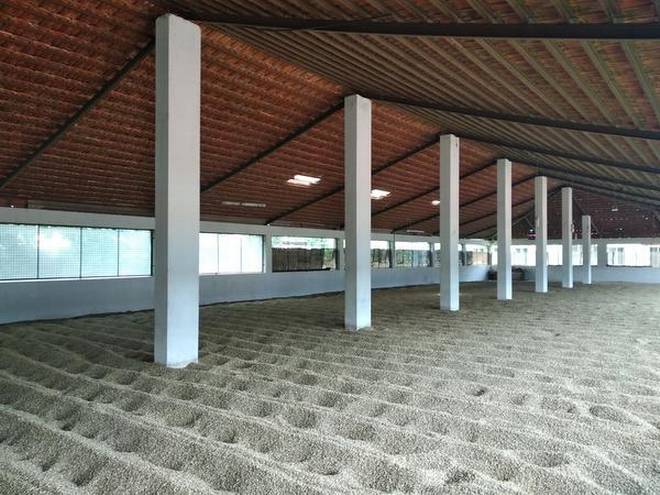
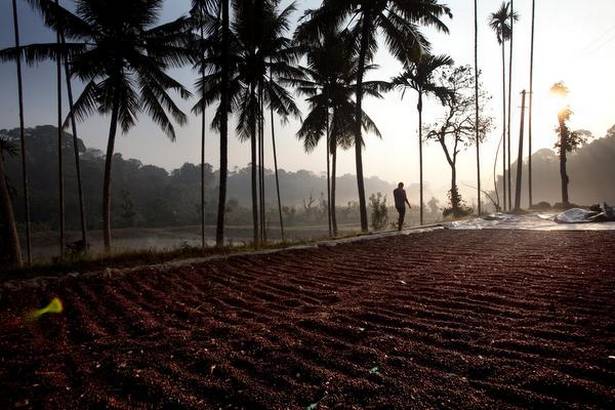
At the three-acre curing yard that sports sheds with brick-red sloping Mangaluru-tiled roofs (with A Albuquerque etched on them) shored up by white pillars, there’s coffee in various stages of curing. Fresh bags of Arabica from Chikmagalur, Sakleshpur and Coorg are piled in a corner, while workers evenly spread out nearly 15,000 kilograms of green coffee beans using rakes. This is churned and raked every day to allow the beans to breathe. In an adjoining space is a similar quantity of beans spread out a fortnight ago. They are almost off-white in colour, plumper from the moisture absorbed.
This batch is all ready to move to the next stage of processing. The coffee is packed in gunny bags filled to three-fourths capacity, and placed one on top of the other in a room with the windows open. The humid air will help the beans grow in size, and take on a mellow flavour. In between each stack of bags is a wind row, to allow for enough aeration, explains Poonacha PS, the manager of the Mangaluru unit. The bags literally swell by some inches after the three-month-long process.
Later, they go to a mechanised unit that cleans and segregates beans based on size. The highest quality must measure above 7.1 mm; that gets the AA grade.
Work on the coffee yard goes on through the year; the monsoon months are used to cure coffee that is processed the rest of the year before export. Of late, niche domestic retailers also stock this bean.
The time taken, labour-intensive process involved and the constant monitoring involved ensures the processed bean costs almost double or more that of its regular cousin. Roasted and ground bean can cost about four times more.
Poonacha, who recently went to Amsterdam for a coffee festival says: “The appreciation for this bean is huge. People loved it and looked at you with envy, because you have a process that can never be manipulated outside of this coast.”
Because Monsoon Malabar is an acquired taste, people either love it or hate it. And once a fan, it’s a lifelong affair with a coffee that reminds one of rainy days and romance.
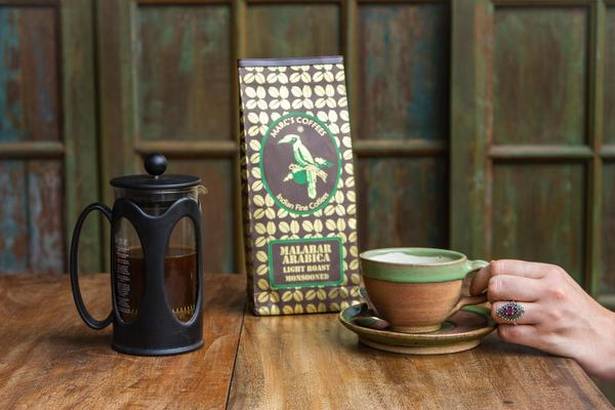
Marc Tormo Altimira, 47, of Marc’s Coffees in Auroville, tasted his first shot of Monsoon Malabar more than two decades ago in Spain. “I never forgot the mellow, smooth coffee with notes of wine,” recalls Marc, who began brewing the coffee and retailing it about eight years ago. “When I started my coffee brand, I wanted to stock this, because it’s very unique to India. I buy my stock through the year from Mangaluru. What makes this blend very interesting is the story. It makes you nostalgic.”
Marc’s café pairs monsooned Arabica with dark chocolate brownies, slices of almond chocolate cake and grilled sandwiches.
One in a million
“Monsooned coffee is unique because no other country in the world can produce this,” he says.
Marc roasts two variants. A light roast Arabica best for black coffee or pour overs. And Malabar Blues, a dark roast of 50:50 Arabica and Robusta, which pairs well with milk.
What’s the best place to have a cup of Monsoon Malabar? Marc’s reply will make you smile.
“Ideally, a place where the monsoon is pouring down. When you are back from a walk in the rain and need something to warm you up. A cup of this is one of the best experiences you can have. After all, you are drinking a coffee created by rain, in the rain.”
source: http://www.thehindu.com / The Hindu / Home> Life & Style> Food / by Subha J. Rao / October 04th, 2018
A look at the variety of factors that go into brewing a truly green cup, from direct trade to responsible single-estate players.
Coffee is the most valuable legally-traded commodity in the world, second only to oil.
It is estimated that 2.25 billion cups of coffee are consumed each day, worldwide. Ironically, the poorest countries in the world (Guatemala, Ethiopia, Peru and Honduras are some of the top producers of coffee) are growing it, while it’s the richest who are drinking it (the top five coffee consumers are all European countries)… and at prices that get more absurd every day.
It is important to know that the coffee sold at retail is a different economic product from wholesale coffee, traded on the commodity exchange as green beans. And therein lies the rub. The money goes to those that process it. Coffee needs to be hulled, dried, roasted and ground before you can drink it. A big, shiny roaster inside your café means you can charge more than double what the farmer who grew the bean got for it. British charity Oxfam says the price of raw coffee exported from producer countries accounts for less than 7 % of the eventual cost of coffee to Western consumers.
The organic perspective
While certified organic coffee is sold at a premium, lower yields mean that farmers do not always profit in a meaningful way from obtaining certification, so most forgo it completely.
Fair Trade is a good option because the middlemen in coffee are so notorious. Coffee importers provide credit to certified farmers to help them stay out of debt with coffee buyers. But, the certification itself is expensive and there are several brands that practise fair trade without certification.
There are more than a few brands in India that make sustainable, fair trade, organic coffee nowadays. Black Baza is one of them. Founder Arshiya Bose, having done a PhD in the brew, believes a healthy ecosystem creates the best coffee. Black Baza supports their farmers with regular field research on healthy ecosystem indicators: spiders are the pest-control and butterflies, the pollinators. Not only is their coffee organic but the tree cover under which the coffee is grown also has to be 80% natural forest trees.
Organic coffee is mostly always shade-grown because of the large amounts of pesticide and fertilisers required to grow coffee under the sun. Indian coffee competes with large-scale, high-tech coffee estates in Central and South America, which were razed rainforests to begin with. They became so completely stripped of nutrients that in many areas of Brazil, the land could no longer be used for agriculture.
Little wonder that sun-grown coffee is the third most heavily sprayed crop in the world.
A constant struggle
I spoke to Kishore Cariappa of the famed Cariappa Coffee in Kodaikanal (with its own café). Their organic, single-estate, single-origin coffee, is easily one of the best in the country.
Kishore is a stickler for detail. Because the coffee is naturally rain-fed — with no artificial irrigation — the beans all ripen at different times. This means harvesting takes place several times to ensure only ripe berries are picked. It’s time-consuming and labour-intensive, but the only way you can compete with larger coffee companies.
His state-of-the-art roasting and processing machinery was bought to handle 200 acres of coffee. He had dreamt of starting a co-op of the farms in his village — tribal people that grew coffee organically under the shade of forest trees. He had even set up a system by which the farmers would get a monthly salary instead of the once-a-year bumper price that comes with the crop. But all the farmers in his village had already given their coffee out on five-10-year contracts to a clan of local coffee buyers.
“Educated farmers keep track of the prices in London and know what price to demand. But the average farmer doesn’t. They are not exposed to the Internet and their holdings are too small for export. Add to that the fact that they get an income only once a year, so they borrow money from this consortium of buyers and have their coffee locked on contract. This way, the international market prices don’t apply to them any more,” he says.
Kishore decided to go ahead with growing his own coffee and quickly realised that the only way to make money being a coffee farmer was to start his own café. It’s no dream job, though. “Growing sustainable coffee is hard. Organic coffee is so much more labour-intensive; which means expensive. To export, you need 20 tonnes per batch at least to fill a container. Coffee has to be fresh, even the green beans, so you have to send it in batches which is another added cost.”
Direct trade, where coffee roasters directly purchase from farmers, is also a socially sustainable choice. There’s no set standard, and there are no certifications. Roasters directly negotiate prices with the farmers, who typically earn a higher premium for their product. Blue Tokai coffee bags come with a detailed card on the farmer and the farm on which the coffee you ordered, was grown.
We are blessed to be growing some of the finest coffee in the world, and there are now plenty of brands that do it well. Keep it local, nourish our coffee traditions and support those that are making a difference.
source: http://www.thehindu.com / The Hindu / Home> Life & Style> Food / by Simrit Malhi / October 04th, 2018
Mullayanagiri [mool-ya-na-gi-ree] is a mouthful not only for those people who don’t speak either of the four languages of the five Southern Indian states, but even for most Indians who are unfamiliar with the region.
At an elevation of 1,930 meters, Mullayanagiri is the highest mountain peak in the Southwestern Indian state of Karnataka, in the Chikmagalur district. The peak forms a part of the Baba Budan range of mountains, which are part of the greater Western Ghats. The names of Chikmagalur and Baba Budan will resonate with most of the Indian populace for its association with coffee and salubrious weather.
Chikamagalur, the lesser-known, quaint hill town, became the first recorded place in India to cultivate coffee when it was introduced to hillsides from Yemen around the mid to late 1600s. As the story goes, seven beans of coffee were smuggled out of Yemen’s town of Mocha by an Indian hermit named Baba Budan.
Baba Budan then planted these in the hills of Chikmagalur. No one is sure of how much and how well these foreign beans grew in the time following, but coffee cultivation was seriously undertaken in the 18th Century by British entrepreneurs who turned forests in Southern India into commercial coffee plantations.
In fact, coffee was cultivated long before tea, mainly in Northern India. This is a relatively unknown fact, as India is perceived to be a tea-drinking nation and does have excellent tea gardens in Darjeeling, Bengal and Assam.
“Coffee was an established commercial crop by the turn of the 19th Century and was exported to Europe via London,” said Anil Bhandari, president of the India Coffee Trust, a nonprofit organization that promotes coffee consumption. “By the early 1940s, Indian Arabica coffee — or Mysore coffee, as it was known then — had established itself in the European market and had a branding all of its own. However… WWII and the loss of the European market during that phase caused the unique branding of Mysore coffee to disappear from buyers’ consciousness.”
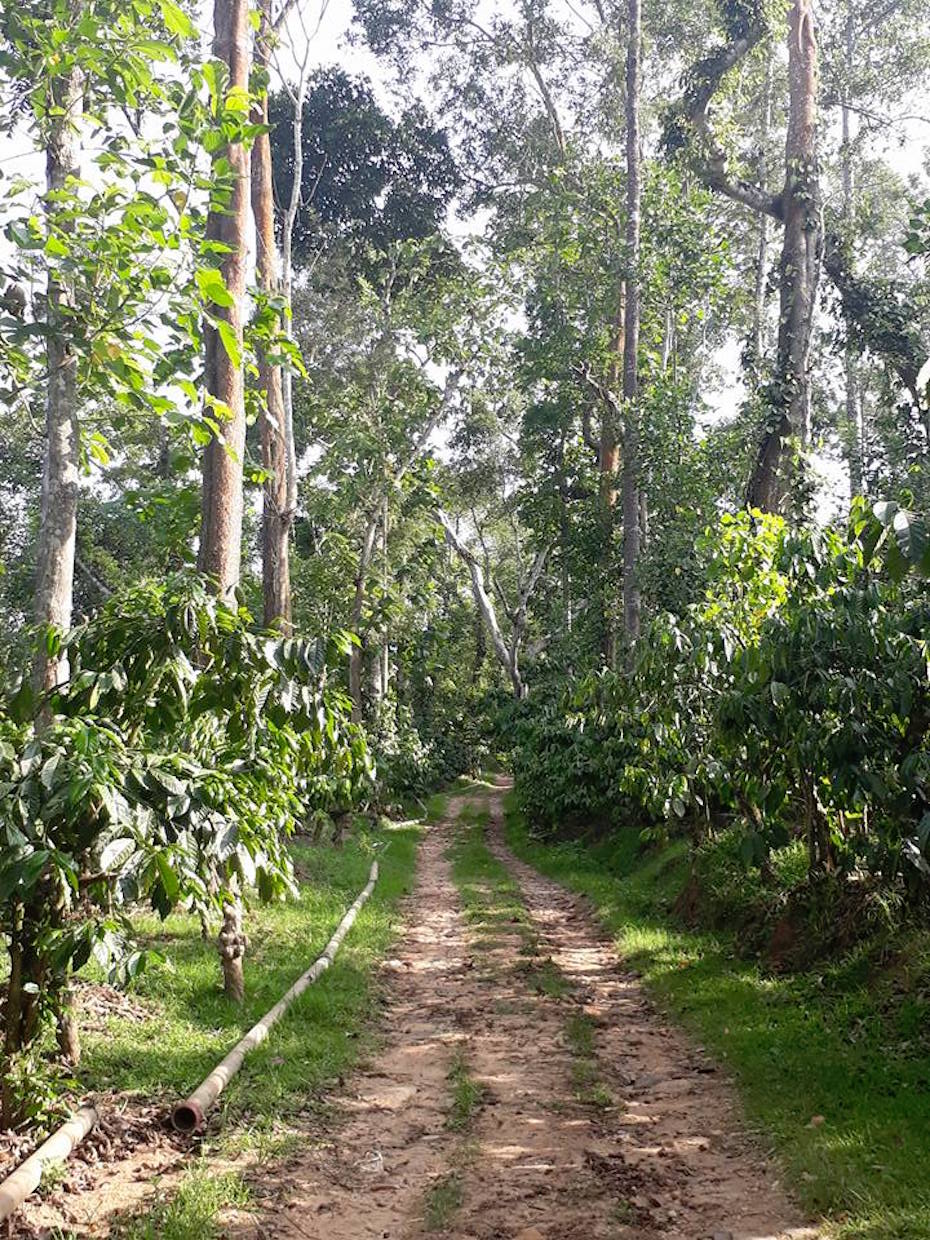
Coffee grown in the forests of India, the world’s sixth largest producer of coffee, is cultivated under thick canopies in the Western Ghats — a UNESCO World Heritage site and one of the world’s most important biodiversity hotspots.
In the 2016-17 season, India produced 5.5 million bags of coffee. A majority of the country’s coffee is grown in the three southern states of Karnataka, Tamil Nadu, and Kerala, followed by Andhra Pradesh and Telangana, which was a part of Andhra Pradesh until recently.
Nearly 65 percent of the total production comes from Karnataka, while Tamil Nadu contributes approximately 15 percent, and Kerala makes up around 20 percent. It has been estimated that there are more than 210,000 coffee producers in India, the majority of whom are smallhoder farmers with plots around two hectares.
As in most producing countries, India processes coffee by the washed (or wet) method as well as the natural (or dry) method.
India is renowned for its unique shade-grown coffee. The two commercially important species of coffee, Arabica and Robusta, are grown under heavy shade that is believed to contribute to the flavor profile of the coffee to the coffee, along with other influences such as the monsoons, spices that grow around coffee, and the various fauna that thrive alongside it.
Within this bio-diverse growing environment, the mixture of vegetation prevents soil erosion and fallen leaves decompose to become rich humus, thereby retaining the forest ecosystem. The Indian Rainforest-grown Arabica is unique in its properties and sought after for its flavor and characteristics, as these are grown at higher altitudes.
Increasingly, the industry is shifting towards sustainable farming practices, and more estates have become certified by Rainforest Alliance-UTZ and Fairtrade. Organic coffee is also of increasing interest, especially for coffee grown on tribal land, which represents about 42 percent of the coffee area in India. In these areas, coffee is managed in traditional ways, often organically.
Most of India’s coffee exports go to Europe, Japan and the Middle East, while many global consumers remain unaware of the complexities and quality that fine Indian coffee from Southern estates can offer. The name “Coffee of India” is only used as an indication of origin at the export level, when packages are shipped from India to the country of destination.
“Indian coffee, particularly the Robusta parchment and cherry, continue to see good demand from Italian buyers,” said Ramesh Rajah, the president of the Coffee Exporters Association of India. “Of concern is the falling Arabica production due to extremely low prices prevailing in the international market, as well as the recent flood damage, which is still being assessed.”
Rigid control of quality and grade designations by India Coffee Board, an agency of the Government of India, ensures the export of only the finest and the most aromatic of India’s hand-picked coffee beans.
Encouragement for the local coffee industry comes not only from the Coffee Board of India, but from nonprofit bodies such as the India Coffee Trust that are working towards fortifying and intensifying these efforts.
“The India Coffee Trust is the result of a general consensus among the stakeholders of the Indian coffee industry to create a nonprofit organization that discusses and promotes Indian coffee,” Bhandari said. “Assisting the Trust with the objective of creating a wider global outreach and visibility of India’s fine Shade Grown coffees is the Indian Coffee Collective. Together, our primary mandate is to promote India’s shade-grown coffees and it’s long standing history with the humble brown bean.”
With a goal of raising awareness around preserving and promoting the values of coffee culture in India, the India International Coffee Festival — jointly organized by the India Coffee Trust and Coffee Board of India — took place in Bengaluru in January 2018. The four-day attracted more than 5,000 local, national, and international visitors.
The next festival is scheduled for 2020. Time will tell where Indian coffee will be by then.
source: http://www.dailycoffeenews.com / Daily Coffee News (by Roast Magazine) / by Anamika Ghosh / October 02nd, 2018
Crop grown in Kodagu, C’magaluru, Bababudangiri among 5 varieties being considered for the GI tag.
Soon, coffee grown in Kodagu, Chikkamagaluru and Bababudangiri will get geographical indication (GI) tag, said Srivatsa Krishna, CEO and secretary, Coffee Board, on Monday.
Speaking to reporters on the sidelines of ‘Naya Bharat: Coffee Par Soch,’ as part of International Coffee Day, he said that the Board had applied for GI tag for coffee grown in five southern regions, based on their uniqueness. Of these five places, three are from Karnataka. The list also comprises coffee grown in Araku valley (Andhra Pradesh) and Wayanad (Kerala). The GI tag is likely to come by January 2019.
This is the first time that GI tag has been applied for coffee-growing regions. In 2008, GI tag was obtained for Monsoon Malabar coffee blend. “The idea of doing this is to recognise the coffee, promote the brand and increase local sales. Over 70% of India’s coffee is grown in Karnataka, but the market needs to be strengthened,” he said.
To increase the production of coffee, regain the market position and encourage farmers, Mahatma Gandhi National Rural Employment Act funds will be helpful, Krishna said.
“I request the Coffee Board to tie up with zilla panchayats to recoup and expand the areas. Funds for coffee planters under MGNREGA will be given, on the lines of mulberry and sericulture,” he said. Krishna said the floods in Kodagu had an impact on coffee production, but things were improving.
On the occasion, the Board announced the launch of Atal Incubation Centre at Coffee Board in Bengaluru. This centre will help startups and coffee growers to become entrepreneurs. The centre is set up under the Atal Innovation Mission (AIM) to nurture innovative startup businesses.
So far, in India, 20 centres have been established, Coffee Board is the 21st and the first such in India, said R Ramanan, mission director, AIM. This centre is being set up in partnership with Nasscom and FKCCI.
The Coffee Board also announced its partnership with Ernst and Young for ‘The Future of Coffee-Roadmap’, and with National Institute of Public Finance and Policy for a study on subsidies for Coffee Industry.
source: http://www.deccanherald.com / Deccan Herald / Home> State> Top Karnataka Stories / by Bosky Khanna, DH News Service / October 01st, 2018
Coffee lovers in the city must be a happy lot. There many options in places to have a hot cuppa and newer varieties and blends are being discovered regularly.
Metrolife spoke to owners of some of the popular cafes in the city who brew their own coffee, farm to cup style.
The Flying Squirrel
Starting off as a purely coffee making business, owners Ashish Dabreo and Tej later decided to open a cafe in Koramangala a couple of years ago. They have an estate in Coorg.
The cafe offers about eight varieties of coffee. The bean and powder are also retailed online and at the cafe.
Ashish says, “We follow the artisanal method to create our coffee. Depending on the type of coffee we are using, the process also varies according.”
One of their products, Sunkissed Coffee, is made with pulped sundried robusta bean. “There are two ways in which you can roast coffee — you either remove the skin and pulp and then dry it, or leave some of the pulp when drying. We follow the latter for Sunkissed coffee. The bean is fermented and then left to dry for 12 days. In this case, the fruitiness in the pulp gets absorbed into the bean, giving the coffee a distinct flavour.”
Each of the varieties offered here goes through various experimentations like pulping, drying, smoking and roasting before it goes on the shelf.
“Sometimes, cross plantation with citrus and vanilla gives different outputs too. And when that’s done, the storing process also needs to be monitored so that we get the consistency required,” adds Ashish.
He says that they are able to experiment with each harvest as the city is open to newer blends.
Coffee Mechanics
Ganga Prabhakar, co-founder, explains that their motto is to educate coffee lovers about the varieties they offer.
“We have three estates in Srilakshmi, Bhadrapura and Kuttinkhan, each of which give us different outputs as they are micro-farmed in different soils. With the difference in elevation at which the beans are grown, the flavour differs too. Depending on the roasting technique, the shade changes from light roasted to darker,” she explains.
The more you roast it, the more caramelised it becomes. However, if almost burnt, it becomes ashy which ruins the taste. The lightly roasted ones give a tangier taste which the brewers call ‘acidity’. “The higher you roast, the lesser the acidity. And then it can become caramelised or chocolatey — depends on what you prefer.”
Third Wave Coffee Roasters
Unlike other brewers, Third Wave Coffee Roasters don’t have their own plantation. They get samples from various farms between the months of March to May which they use to roast, cup and sample before they decide which coffee they want to buy for the year.
Co-founder Ayush Bathwal says, “Most of our coffees come from Yercaud and Kerala. We work with single origin farms so that we can maintain the authenticity of the beans available. We mix the beans only if we are experimenting with certain blends.” So how does their blending and brewing process work? “We buy close to 1,000 kg of green beans which we roast according to need. Once roasted, we store them in airtight containers. Each blend last two to four weeks.
They follow the Specialty Coffee Association of America meter. They finalise the product only if the bean scores more than 80 points.
source: http://www.deccanherald.com / Deccan Herald / Home> Metrolife> Metrolife on the Move / by Anila Kurien, DH News Service, Bengaluru / September 30th, 2018
Coffee cupping, exhibition of coffee berries to be held.
The Coffee Board of India, in association with Way Win, a farmer-producer company in the coffee sector in Wayanad, and Vikaspaedia, an initiative of the Union Ministry of Electronics and Information Technology, is organising various programmes to mark International Coffee Day on October 1.
Ports Minister Kadannappally Ramachandran will inaugurate the programme at the Town Hall here at 10 a.m. on the day.
Coffee Board Deputy director (Research) Vijayalakshmi will deliver the keynote address on the occasion.
Coffee cupping, a practice of observing the tastes and aromas of different brewed coffee varieties, would be the major attraction of the programme, organisers said in a release here on Thursday.
Exhibition of various types of coffee berries will also be held.
source: http://www.thehindu.com / The Hindu / Home> National> Kerala / by Staff Reporter / Kalpetta – September 28th, 2018
WELCOME. If you like what you see "SUBSCRIBE via EMAIL" to receive FREE regular UPDATES.
Read More »