Category Archives: Coffee News

Nusantara Coffee Festival in Bondowoso coffee republic

Coffee lovers can be any age. Local residents, young and old, crowded around to try free coffee from 12 tester thermos bottles containing Robusta coffee from various provinces across the country during the 2nd Nusantara Coffee Festival in the town square of Bondowoso, East Java, in August.

They did not have to go all the way to Aceh to taste its world famous Gayo coffee or to Bali to sip the renowned Kintamani coffee. A diverse selection of coffee varieties were proudly displayed during the festival, which also brought together farmers, coffee farmers, coffee shop owners and trendy baristas.

Through the event, Bondowoso tried to popularize its adopted second name, the Republic of Coffee. In addition to coffee tasting, the city also organized coffee roasting, specialty, blending and brewing competitions as well as latte art demos and jazz music.

The prominence of young people indicated the commodity’s rising popularity, especially within the downstream sector with the growth of coffee shops and product diversification.

Within the upstream sector, many farmers also believe coffee production is making headway. One of them, Hadi Wijaya, 27, displayed various Arabica coffee beans from Bondowoso at his booth.

Hadi comes from the Ijen Raung Java Coffee Cluster plot, which was developed by the local administration on the land of state-owned forestry company Perhutani.

“Formerly, we only grew and harvested the crop before it was handed off to middlemen. Now, we can process it ourselves,” he said, adding that he was now capable of completing post-harvest handling as well as fermenting and roasting.

Hadi’s enthusiasm may have been aroused by the success of Mat Husen, a first-generation coffee farmer who was trained and supported by the Bondowoso administration to export local coffee to other countries. Mat Husen is today becoming increasingly famous for his Mat Coffee.

An air of optimism prevailed during a dialogue between officials, association members and coffee farmers at the festival’s Meet and Greet program. Nearly all collaborating parties joined the discussion, including the Bondowoso regent, the plantations director general, Sustainable Coffee Platform of Indonesia (SCOPI), Specialty Coffee Association of Indonesia, Coffee and Cacao Research Center in Jember and farmer group members.

Bondowoso is a success story in the development of farmers’ cooperation by utilizing Perhutani’s land. Regent H. Amin Said Husni said he was very proud of the power of coffee to assemble and unite officials, farmers and businesspeople. Last year on May 22, he declared Bondowoso the Republic of Coffee during the 2016 Ijen Festival.

The term Republic, he said, was meant to imply sovereignty.

“Investments are allowed but they should focus on farmers’ welfare, rather than just profit making. For instance, Saudi Arabia is interested in Robusta, and has requested at least 300 hectares. I welcome the bid, on the condition the farmers’ well-being is upheld” he said.

Bondowoso’s coffee exports account for a third of its production, leaving the rest for the domestic market.

Bambang, the directorate general of plantations at the Ministry of Agriculture, said he supported the collaboration between Perhutani and the coffee farmers, saying it was in line with President Joko “Jokowi” Widodo’s expectations.

“Forest land in combination with coffee agriculture creates benefits and contributes to environmental conservation,” he said, adding that the demand for coffee on the world market continued to grow, reaching around 9 million tons and rising by 300,000 tons annually.

Currently, the country can produce around 640,000 tons of beans. Of the total output, 96 percent is contributed by farmers, so the support of different parties is needed.

Veronica Herlina, executive director of SCOPI, also affirmed her focus on farmers’ welfare. At the end of the festival, SCOPI provided training for 60 participants from 15 provinces who aspired to become master trainers who would possess the skills to train coffee farmers.

The free coffee savored by locals during the festival’s opening had been entered into the specialty category contest for Robusta and Arabica coffees. The ten best entries were selected from 132 regions. The Arabica winners were Toraja, North Sulawesi; Samboga, Bandung; Prigen, Pasuruan; Kelendung, Temanggung; Kaliwining, Banjarnegara; Ijen Raung, Bondowoso; Flores Bajawa, Ngada; Bumiaji-Batu, Malang; Bowongso, Wonosobo and Bandung.

The top ten Robusta entrants were Wonotunggul, Batang; Wewena, Southwest Sumba; Tani Maju 3, Bondowoso; Maesan, Bondowoso; Kandangan, Temanggung; Kalipucang, Tutur; Bangumudal, Pemalang; Wonotunggal, Batang; Sapuran, Wonosobo and Dampit, Malang.

Premium coffee was not developed overnight in Bondowoso. The administration has written a book chronicling the farmers and officials’ journey, titled Bondowoso Republik Kopi.

Bondowoso has been inseparable from the country’s coffee history since the 19th century when the regency was part of the Besuki Raya Plantation, the produce of which was known globally as Java Coffee.

Part of the Bondowoso region, often described as a highland paradise, is a mountainous area, which sits at an altitude of 500-1000 meters above sea level, suitable for the growth of Arabica, the premium coffee variety.

Amin said that since 2010 his administration had given serious support to farmers in the Mount Raung and Ijen zone, especially in Sumberwringin district, to develop the Arabica coffee cluster. Training and facilities were provided, including fertilizer and seedlings, with the target of boosting coffee production and developing agro-tourism.

The regency also cooperated with the Coffee and Cacao Research Center and secured some capital aid from Bank Indonesia and Bank Jatim. In 2011, the farmers’ coffee production was assessed as export worthy. Through PT Indokom, the first export went to Switzerland, totaling 186 tons. In 2013, this cluster received a Geographic Indication certificate from the Law and Human Rights Ministry as the patent for the Java Ijen Raung Arabica Coffee Cluster brand.

Coffee production increased to 1,500 tons in 2015. Of the total, 800 tons were exported at a sale value of around Rp 48 billion (US$3.6 million). With increasing production and the size of plantations, which reached 13,000 hectares last year, Bondowoso coffee seems to be on the right track to make a name for itself as part of the word’s coffee culture.

source: http://www.thejakartapost.com / The Jakarta Post / Home> Food / by Luh De Suriyani, The Jakarta Post / Tuesday – September 12th, 2017
Serving a legacy

IndiaCoffeeHouseKF15sept2017

At the pinnacle of the co-operative movement, Delhi’s Indian Coffee House brims with a rich history of common tastes

Today, coffee shop chains are the order of the day. Long before these became a fad, home-grown coffee shops established themselves as ‘by the common man, for the common man’, although there was nothing common about it. Patronised by the who’s who of Delhi, be it politicians, journalists, economists, thinkers, activists (perhaps they considered themselves as common then!), the joint was run purely on a cooperative basis and soon established itself as a hub for excellent coffee and snacks.

That’s the legacy of the Indian Coffee House in Delhi — the country’s first home-grown chain of coffee houses that turns 60 this year.

The outlets served no lunch or breakfast routines, but served tiffin or snacks throughout the day. There was excellent South Indian coffee with a couple of variations, as well as idli, dosa, vada, sandwiches and toast. The word spread and it soon became a popular ‘adda’ for anyone and everyone. The hallmark of cooperative movement, there were no workers or managers — everyone worked shoulder to shoulder.

How it all began

The year was 1957. The place — 10, UB Bungalow Road, Jawahar Nagar. Following its success, a branch was opened at Janpath in 1964. Soon, it was allotted space by NDMC at the Central Portion, where Palika Bazaar stands today. Here it soared, given the ideal location.

In Delhi, the Indian Coffee Houses tasted success and started operating canteens in various Government offices. It also opened branches across North India, and currently has around 10 outlets in the North. The canteen was frequented by Raj Narayan and Ram Manohar Lohia among others.

There are stories of how in the early 70s before Emergency, a van from Indira Gandhi’s residence would come to pick up idli, vada, sambar and coffee for visitors and functions regularly. Then for a rupee, one could get vadas, idlis and coffee to boot!

Turn of events

When the Connaught Place outlet was demolished without advance notice, it was forced to shift the entire operation to its current place, Mohan Singh Place, where it has been in operation since 1969. Most regulars swear that after this, it could never regain its erstwhile glory. A little sign on the outside of Mohan Singh Place proclaims, Indian Coffee House. Mohan Singh Place is known for its excellent economical denim jeans made within a few hours. The Indian Coffee House is located on the top floor of the building with a lift. The space is clean and quite nice, almost like a canteen.

Joining hands

So what started this cooperative chain of coffee houses? One can go back to the heady days of the cooperative movement, when this venture was thought of as a measure for retrenched workers to find employment.

As Narayanan Kutty, an old member of the Indian Coffee Workers Cooperative, says, “In the year 1957, the Coffee Board decided to close down its propaganda department and down the shutters on its Coffee Houses as well. The Communist leader AK Gopalan, leader of the Coffee Board Labour Union, Subhadra Joshi, MP, and Pt Jawaharlal Nehru, then Prime Minister of India — advised the retrenched employees of the Coffee Board to form their own co-operative societies. The employees welcomed this idea and formed their own cooperative societies, known as Indian Coffee Workers Cooperative Society. The first was formed in Delhi.”

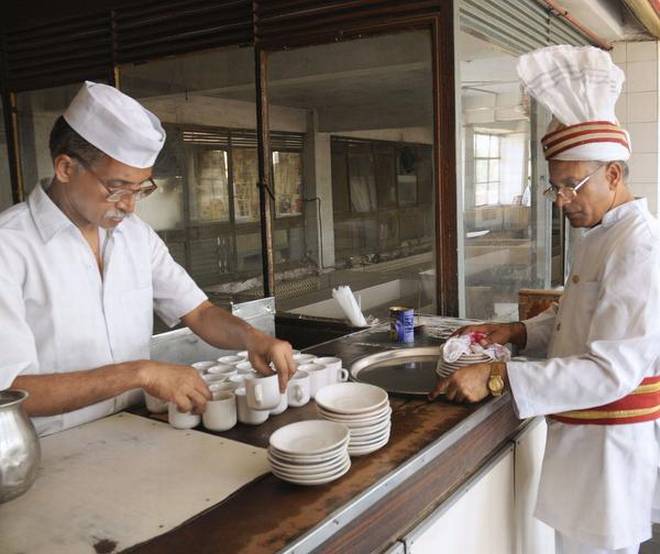
PD Pradeep, Manager, who has climbed up the ranks, says, “Anyone who joins the establishment as a worker has to go through the rank and file, starting from the lowest. This ensures no one is a boss, but everyone is a worker. So when there is a shortage of hands, it is not uncommon to see managers chip in, shoulder-to-shoulder.”

The liveried bearers remind one of railway dining halls. Pradeep says, “Everything is made fresh. We do not buy off-the-shelf masalas. We make everything from scratch.” The coffee powder is procured from the neighbouring India Coffee Board.

In other parts though, the chain procures beans from Wayanad. This is roasted and powdered in-house for use. Filter coffee decoction is brewed in a huge steel coffee filter. For sambar, the spices are roasted and ground and no sambar powder is used. Coconut chutney is made using fresh grated coconut with roasted chana dal, ginger and green chilli. As Pradeep speaks, there is a sense of pride in being a part of such a cooperative-spirited venture.

Recipe for success

Pradeep says an interesting formula has been worked out by the establishment. “One kilo of rice and 250 grams of urad dal without husk gives 35 dosas. Similarly, one kilogram of potato with half a kilogram of onion gives masala for 18 dosas. One kilogram of rice and half a kilogram of urad dal makes 50 idlis, and one kilogram of urad dal gives around 50 to 55 vadas.” Any variation and the cook is taken to task. The reason — if it is more, that means the quantity is wasted; if lower, then the customer is short-changed.” Amul butter is used for butter dosa and Amul cheese for the sandwich. The prices are still common man-like.

The Indian Coffee House reflects another era, where the unity of the people under the cooperative banner to build businesses and the country was paramount. They are still relevant in today’s world, where Amul gives the best of MNCs a run for their money. A little more effort, a little more care, more vision and the Indian Coffee House could be pioneering coffee chains not only in India but even abroad!

In this weekly column, we take a peek at some of the most iconic restaurants

source: http://www.thehindu.com / The Hindu / Home> Life & Style> Food / by Chitra Balasubramaniam / September 14th, 2017

From seed to cart: fifth-generation entrepreneur puts Karnataka coffee on the world map

With coffee gaining widespread acceptance across India, Classic Group is experimenting to create offerings that appeal to the Indian palate.

ClassicCoffee01KF07sept2017

Legend has it that centuries ago, a Sufi Saint – Baba Budan – planted seven coffee beans in the hills of Chikmagalur, introducing coffee to India.

Now called Baba Budan Giri Hills, the birthplace of Indian coffee is where 150-year-old Classic Group grows its coffee brand. Apart from coffee, the group also has dealings in real estate, hospitality, retail and distribution. But they want the world to wake up and smell the coffee!

For about 25 years now, the Classic Group has been exporting coffee beans around the world to micro roasteries, bigger roasteries and cafes, roasting them according to their clients’ needs. Over the last few months, the group’s horizons have widened.

India may still be a nation of tea lovers, but the popularity enjoyed by Gloria Jean’s and Starbucks shows that at least the younger generation is warming up to the bitter sweetness of coffee. In a tête-à-tête with YourStory, Tapaswini Purnesh, 30, a fifth-generation entrepreneur from the Classic family, speaks about how she combines culinary knowledge and understanding of flavour patterns with her expertise in brewing techniques to craft coffee that appeals to the Indian palate.

ClassicCoffee02KF07sept2017

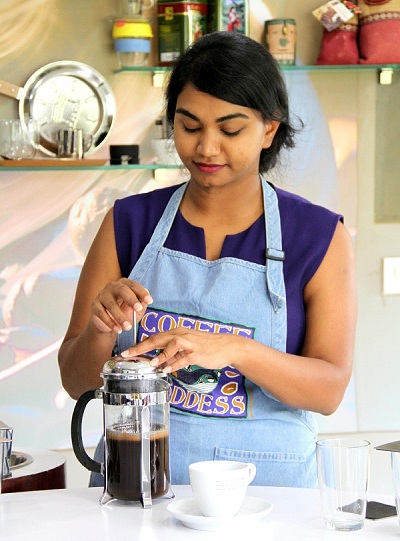
A mechanical engineer and diploma holder from Le Cordon Bleu, Paris, the most prestigious culinary school in the world, Tapaswini is now Director of Marketing and Promotions at Classic Coffees.

Changing consumer behaviour

Europeans end every meal with coffee, but in India, coffee is yet to gain that scale of popularity. In South India, coffee still refers to filter coffee. Chains like Café Coffee Day have succeeded in popularising Western tastes like Cappuccino and Espresso. Yet, there was no deep knowledge on pure coffee; chicory coffee was the norm and most youngsters didn’t drink a lot of coffee.

Around 2010, Tapaswini had started a café next to Orion Mall, in Bengaluru, as a micro roastery.

“We were roasting coffee and selling it fresh. But it was too early for the concept. The coffee culture was yet to grow here,” she recollects.

Things, she says, have changed in the last eight years.

“Now a lot more micro roasteries are opening up. Youngsters who travel abroad for work or study are familiar with pour-over coffee and nitro coffee. Coffee is super cool and hip. We are targeting that audience,” she tells YourStory. She adds that although Classic Coffee’s target is the 30-45 age group, people who are 60 years old and above are also open to experiments in coffee these days.


Creating excitement around coffee

India is the sixth largest producer and fifth largest exporter of coffee in the world. In fact, according to IBEF data, about 70 percent of coffee produced in the country is exported. Varieties like Bru’s different African flavours and Nestle’s instant cappuccino mixes have reached the masses in India over the last few years.On the branded side, as opposed to the traditional one, Cafe Coffee Day and Starbucks have made a mark too. But Classic Coffees aims to get people to drink more coffee every day, and “in a more exciting fashion”.

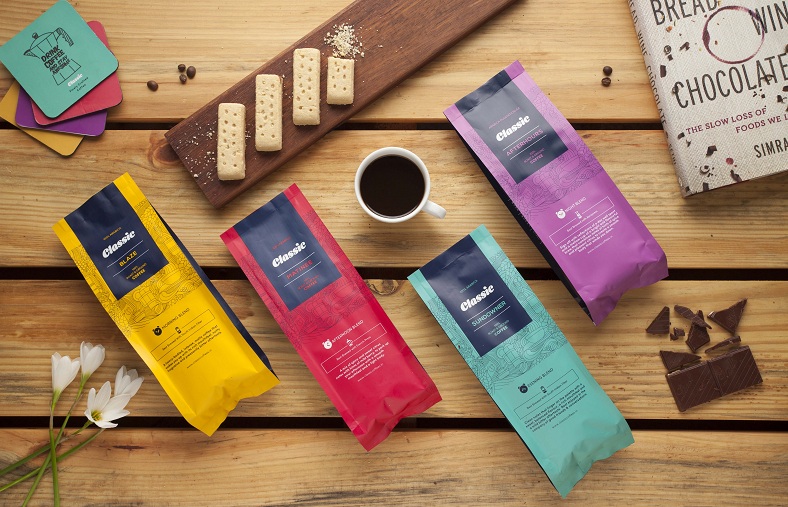
About eight years ago, India’s most famous coffee connoisseur Sunalini Menon did two coffee blends for Classic Coffees. It started off as a pet project as Tapaswini wanted Indian coffee lovers to enjoy coffee of export quality. Her next strategy was to come up with coffee for different times of the day. In May 2017, Classic Coffees launched four new blends with pure Arabica beans. Interestingly, they were named after the times of the day they were meant to be consumed – Blaze in the morning, Matinee for afternoons, Sundowner in the evening, and Afterhours after dinner. Each 250gm packet was priced at Rs 300.

ClassicCoffee03KF07sept2017

But do Indians drink coffee late night? Tapaswini says this is where she found a surprising change in consumer behaviour.

“AfterHours is not decaf, it is not mixed with any flavours. While the others are extremely smooth and fruity, this is more like a dessert. It has maximum movement as people are intrigued by the concept,” she says, adding that north Indians warmed up to them more easily as they don’t have any preconceived notions of coffee.

Science behind the coffee

The Classic Coffees comes from an ancestral estate in Sakleshpur, where they also grow Robusta. In Baba Budan Giri, the altitude and weather conditions are just right for Arabica.

The wisdom behind each kind of coffee is deep. For instance, instant coffee comprises broken bean (all neighbourhood roasters use it), but Classic offers only filter coffee.

Tapaswini believes that the same coffee brewed in different equipment will have different flavours.

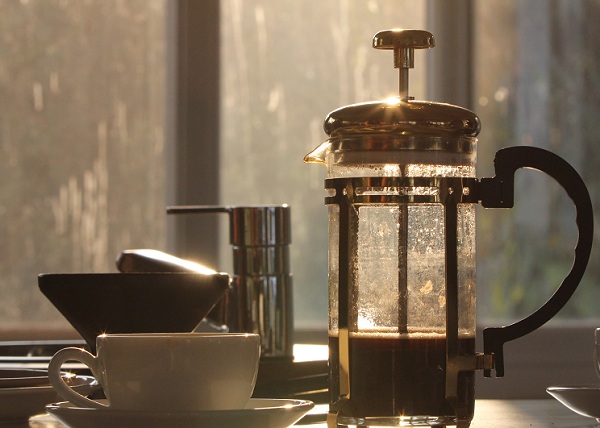
She says, “We have Indian filter, French press, aero press etc. For the four blends, we recommend the best equipment for each on the cover itself. We also mention the flavour, and whether it is best had with milk or not.”

Tapaswini conducts coffee-tasting sessions with accompaniments such as lemon tarts, cheese, apple slices and other goodies to ensure coffee drinkers derive complete enjoyment of the flavour.

ClassicCoffee04KF07sept2017

Taking the name overseas

Synergy coffee is exported – but not in packaged form – to the US, Europe, Korea, Japan, Australia, and New Zealand among other countries.

Tapaswini travels a lot for festivals of international bodies like Specialty Coffee Association, and attends events by coffee associations in the US and Europe. Micro roasteries and equipment manufacturers from across the world participate in these events.

“We are not just a brand like you see in stores. We are one of the few who do seed-to-cart. We grow it from sapling, pick and pack. Except the roasting bit, which we outsource, we do everything including processing after plucking. We do small batches for sellers if they want it customised, say fermented in milk. But it will all be sold under our name,” Tapaswini says.

Classic Coffees also has international blends such as Kenyan and Ethiopian through partners in those countries.

Currently, Classic Coffees is sold on online platforms such as BigBasket, and offline stores, including Westside Gourmet, Namdhari, and Nature’s Basket, and at airports in Delhi and Bengaluru. The company gets monthly orders of about one tonne now, and is targeting 8-10 tonnes by March 2018.

Classic Coffees has more surprises coming up for coffee lovers – a combination of alcohol and coffee is one of them. And the coffee and tea market, estimated to be worth Rs 41,800 crore, has plenty of space for more flavours and more players.

In fact, while FMCG brands and coffee market leaders like Nescafe have shown no keenness to promote premium coffee in the country, quite a few startups have exploited the opportunity – Bonhomia, which sells capsules for coffee machines, and Blue Tokai, which has branded itself through premium restaurants and cafes.

Another prominent player, Flying Squirrel, which aims to transform coffee into an artisinal food item, offers seven variants, but does not sell offline as they want to deliver coffee beans that are freshly roasted after an order is placed. Indian Bean and Seven Beans are also competing in the same space.

It looks like coffee lovers have found their cup of paradise on earth, thanks to a new generation of entrepreneurs who think outside the box.

source: http://www.yourstory.com / Your Story / Home> Stories / by Athira A Nair

Coffee Board lines up marketing and branding push to promote filter coffee

Coffee Board of India said it plans to promote the Indian filter coffee across the country and has lined up a marketing and branding push to expand the niche market.

According to a PTI report: The board, which runs the iconic India Coffee House, is also looking to revamp and expand the outlets across the country.

“By next year, we will have modern, clean, cool and affordable Coffee Houses across India offering Indian filter coffee and snacks,” CEO and Secretary, Coffee Board of India, Srivatsa Krishna told PTI.

Stating that so far Indian coffee has not been branded, Krishna was quoted by PTI as saying, “Till now, India has been a tea country, my objective is to also make it coffee country”.

source: http://www.indiaretailing.com / Progressive Grocer India / Home> Food> Food & Grocery / by Indiaretailing Bureau / August 29th, 2017

Specialty Coffee Association Readies Inaugural ‘Avance’ Sustainability Conference

Guatemala City :

Sustainability leaders and advocates from across the coffee supply chain will gather in Guatemala City to participate in the first sustainability conference hosted by the Specialty Coffee Association.

The inaugural event, called Avance, will be held Oct. 11-12 at the headquarters of Anacafé, Guatemala’s national coffee association. It will consist of lectures, workshops, panel discussions and dialogue on topics like climate change and coffee production economics, with a focus on Central America.

Avance is designed to be inclusive of roles and experience levels across the coffee industry, as well as of English and Spanish speakers. Business representatives from coffee-consuming countries, as well as farmers, development practitioners, and public officials from coffee-producing countries, will be present to learn from experts and from one another about sustainability topics in the coffee sector.

Avance is the result of years of advocacy by members of the coffee community to include the voice of coffee farmers and representatives from coffee-producing countries in discussions around sustainability issues. The conference also builds on years of work by the SCA’s Sustainability Council and conversations within the specialty coffee community on how the industry can work together to make coffee better.

The Specialty Coffee Association was formed last year after members of the Specialty Coffee Association of America and the Specialty Coffee Association of Europe voted to unify the two groups. They are continuing to operate as separate organizations while the unified structure is put into place.

source: http://www.vendingtimes.com / Vending Times / Home / by Emily Jed / Gautemala City – August, 24th, 2017

How to Make Green Coffee

GreenCoffee01KF26aug2017

A cup coffee is probably your go-to drink when you have to remain alert on a lazy work day or pull an all-nighter. But we usually get trapped between the never ending combat of benefits and side effects of drinking coffee due the excessive amount of caffeine it contains. What if we were to switch to a better version of it? Just like to green tea, green coffee is considered to be good for our health.

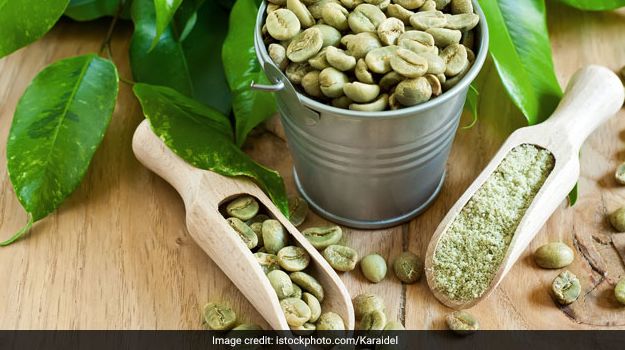
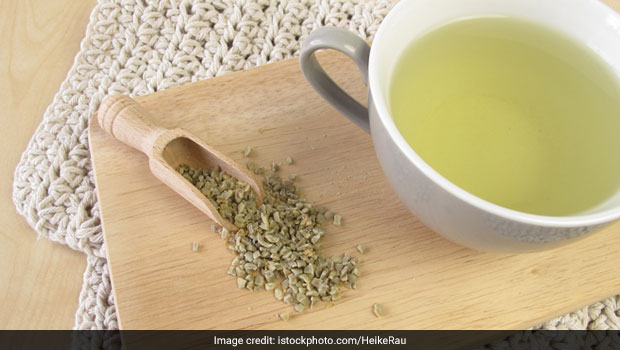
Green coffee beans are the seeds of the Coffea Arabica fruit that are not roasted unlike a regular coffee. During the roasting process of coffee beans, a natural antioxidant called Chlorogenic acid present in the beans is lost. The cholorogenic acid is meant to fight many health problems such as high blood pressure, diabetes, indigestion and even weight loss. Therefore, green coffee beans with an original amount of chlorogenic acid are considered to be healthier. According Macrobiotic Nutritionist, Shilpa Arora, “It is best to consume green coffee is you want to lose weight and it is recommended to drink it as the first thing in the morning. This helps in increasing your metabolism and burning more fat through the day.

GreenCoffee02KF26aug2017

Health Benefits of Green Coffee

1. Highly rich in antioxidants, green coffee prevents our skin cells from getting damaged.

2. It also inhibits the release of excessive glucose in our bloodstream. Due to the lack of glucose in our liver, our body starts burning the stored fat to reach the basic glucose level. Thus, it boosts your metabolism and helps to burn extra fat.

3. It works as a natural detoxification element by cleansing our liver from toxins and bad cholesterol.

4. Green coffee beans are rich in compounds like Gamma-Aminobutyric Acid (GABA), Epigallocatechin Gallate and Theophylline, that help in delaying signs of ageing like wrinkles and also keep our skin supple.

Step-By-Step Method to Make Green Coffee

Ingredients (as per 2 servings):

20 grams of green coffee beans
300 ml of hot water
If preferred: sugar, honey or a pinch of cinnamon

Method:

Using green coffee bean powder

3. To get the coffee beans in powered form, grind the same in grinder and maintain the intensity as per liking. Use a heavy and strong grinder as unroasted coffee beans are hard to grind.

2. Put the powder in 2 separate cups and slowly pour hot water (approximately 90°C) in the cups.

3. Leave the mixture for 10 minutes and then filter it to get a warm and delicious beverage.

4. Sugar or honey can be added if desired. Though the subtle flavours are best enjoyed without them.

Using whole and raw green coffee beans

1. This method is more time consuming. Soak the beans overnight in a bowl of water.

2. The next day, boil them along with the same water on high flame. After the first boil, leave it on low flame for at least 15 minutes.

3. Keep the mixture to cool completely and then filter out the flavoured water in a cup and enjoy. The green coffee made with this method has a much stronger flavour. If you find it to be too strong then you can dilute it a bit by adding warm water.

GreenCoffee03KF26aug2017

Before you set out to make your first cup of green coffee, you must keep somethings in mind. For instance, it is best to use Arabica coffee beans. Also, it is best to drink it after your meals to improve your digestion and keep your metabolism going.

Disclaimer: The opinions expressed within this article are the personal opinions of the author. NDTV is not responsible for the accuracy, completeness, suitability, or validity of any information on this article. All information is provided on an as-is basis. The information, facts or opinions appearing in the article do not reflect the views of NDTV and NDTV does not assume any responsibility or liability for the same.

source: http://www.food.ndtv.com / Smart Cooky / Home> Food & Drinks / by Gunjan Bajaj / August 18th, 2017

Coffee: Higher output a risk for prices in 2017-18

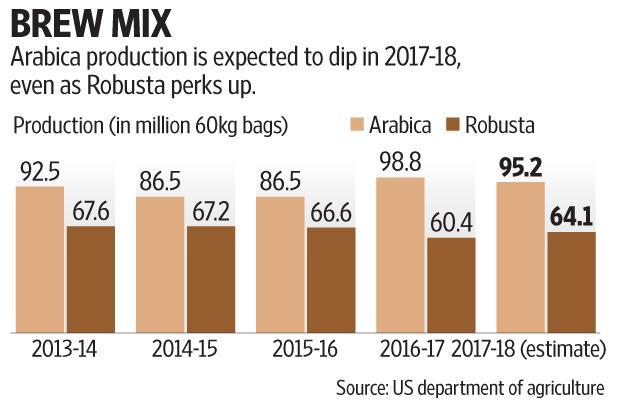
India’s output by volume tilts towards Robusta, at 70% of the estimated coffee output in 2016-17, according to Coffee Board data

Graphic by Subrata Jana/Mint

The headline forecast for coffee in 2017-18 indicates consumption is growing, while output could be flat. Coffee output is expected at 159 million bags—a bag is 60kg—the same as the previous year, according to the US department of agriculture’s (USDA’s) forecast. Domestic consumption is pegged to increase by 1.3% and along with higher exports, is expected to lower closing stocks of coffee in 2017-18. That is ordinarily a good situation for prices.

The trend looks somewhat different when you consider the two varieties, Arabica and Robusta. In 2016-17, the Arabica crop had risen by 14% but is now expected to fall by 3.6% mainly due to a decline in Brazil, which has an off year for the crop.

The Robusta variety, on the other hand, is expected to increase by 6.7%, as output in countries such as Vietnam, Brazil, Indonesia and even India is projected to increase. These countries saw output decline in 2016-17 due to bad weather conditions. Vietnam is the largest grower of Robusta and its output is expected to benefit from good rains between January and March, said the USDA report.

India’s output by volume tilts towards Robusta, at 70% of the estimated coffee output in 2016-17, according to Coffee Board data. Although output fell that year, prices of Robusta had risen sharply. The Robusta benchmark of the International Coffee Organization on 15 June was up by 24% over a year ago, but the Brazilian Arabica benchmark was down by 10.6%. Recent months have seen Robusta prices turn flattish-to-lower.

Predictions of a better monsoon in 2017-18 are expected to see India’s coffee output recover after falling by 9.8%, based on post-monsoon estimates. That is good news even if prices stay flat but not if prices decline as that can affect margins. However, lower prices should benefit instant coffee makers such as Hindustan Unilever Ltd and Nestlé India Ltd, as also the instant coffee operations of companies such as Tata Coffee Ltd, which also runs coffee plantations.

The one imponderable here is that the goods and services tax on instant coffee has been set at 28% compared to 5% on other coffee (such as roast and ground). This can be a dampener for the instant coffee business and one will have to see if companies hike prices post-1 July. That can potentially upset demand.

source: http://www.livemint.com / Live Mint / Home> Money / by Ravi Ananthanarayanan / Tuesday – June 20th, 2017

Coffee of Kuddus

Nilphamari farmer defies odds to produce the beans

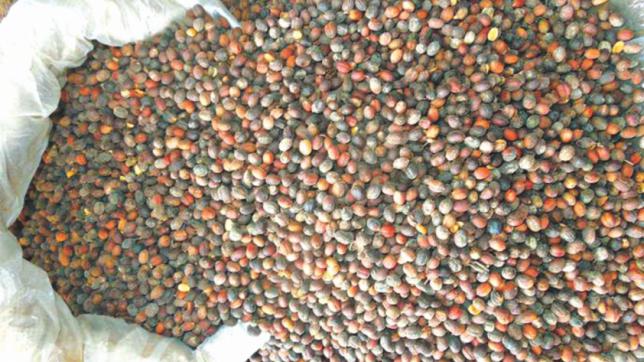
Beans harvested from the coffee plants of Abdul Kuddus in Munsipara village of Nilphamari's Kishoreganj upazila. Photo: Star
Beans harvested from the coffee plants of Abdul Kuddus in Munsipara village of Nilphamari’s Kishoreganj upazila. Photo: Star

by EAM Asaduzzaman and Andrew Eagle

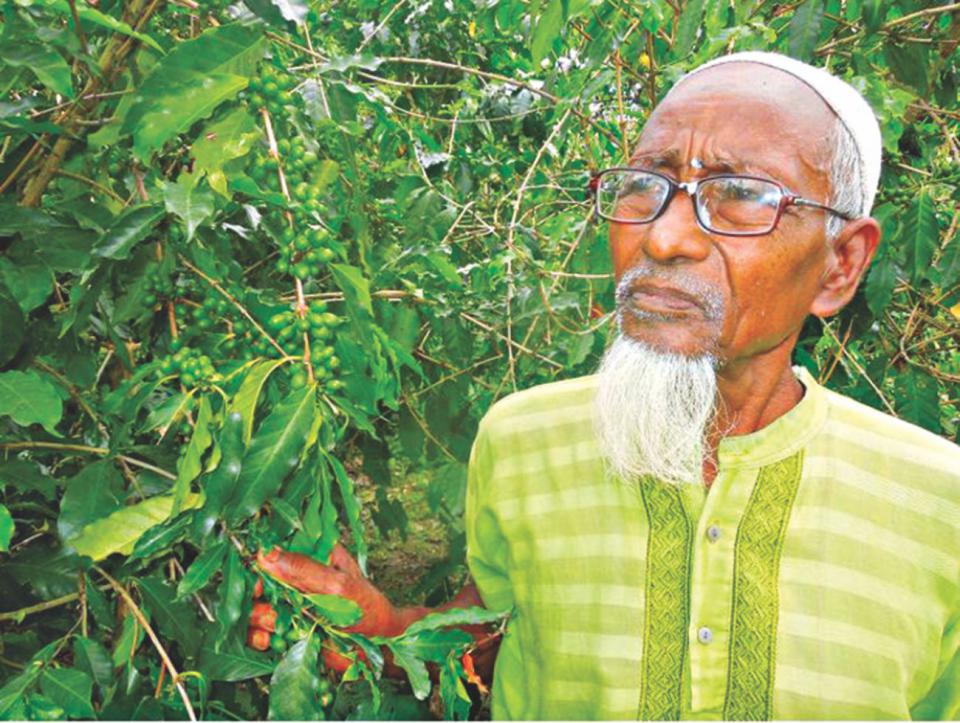
Bangladesh has a long, established history as a producer of quality tea. As for that other hot beverage, coffee, despite rising popularity among Bangladeshi consumers over the past few decades, there is no such agricultural tradition. Nursery owner Abdul Kuddus, from Munsipara village in Nilphamari’s Kishoreganj upazila, however, has taken the first steps to change that. He decided to grow coffee, driven by nothing more than unstoppable curiosity.

“I first heard about coffee in 2009 at a conference run by the Nursery Owners Association,” says Abdul, an energetic septuagenarian who yet walks with a spring in his step. “For a long time I wanted to grow it but I couldn’t procure any saplings.”

“For about the whole of his life Abdul has been inquisitive on the subject of rare plants,” explains his neighbour Fazal Kadir, a primary school headmaster.

“Finally in 2014, I managed to purchase 254 coffee saplings from Cox’s Bazar,” Abdul continues.

Abdul Kuddus
Abdul Kuddus

“I contacted the agriculture extension department for advice on how to grow it, but they were uninterested.” Thus Abdul relied on common sense, planting the saplings on his fifteen decimals with a reasonable distance between each one.

The plants seemed to appreciate Abdul’s efforts. With organic fertiliser they grew quickly. He decided to prune them, cutting their tops such that they didn’t grow any higher than five feet. In 2016 Abdul held his breath. The two-year-old crop for the first time began to grow fruit, which blackened as they ripened.

Abdul’s family was unimpressed. Who’d ever heard of coffee being grown in Nilphamari?

“We forbade father to proceed,” recalls his son Md Akram. “We told him all his efforts would be in vain but he didn’t listen. He collected the mature fruit and used a wooden tool, a “dheki” to break them open and bring out the beans.”

“Of course there is no specialised machine to crush coffee here,” says Abdul. “So I took the beans to a flour mill and ask them to grind it. I got 67 kilograms of coffee powder.”

Despite the innovative refining process involved, Abdul’s groundbreaking coffee is proving popular.

“The coffee produced in Kishoreganj upazila tastes really good and has a nice aroma,” says Siddiqur Rahman, who used to be the upazila nirbahi officer of Kishorganj and now works as an additional deputy commissioner in Narail district.

“I tasted Abdul’s coffee and found it better than the imported brands available in the market,” says Sayed Hossain Shabul, president of a local citizens’ committee.

Based on the favourable reviews of consumers, Abdul went to the Bangladesh Standards and Testing Institution in Rajshahi some months ago to apply for a licence for his coffee.

“They said it was not on their list, so I failed,” he says. “However I did get recognition from the district civil surgeon’s office which issued a licence under the Food Safety Act 2013 under the name “The Bismillah Coffee”.

Eight ounces of coffee contains 135 milligrams of caffeine, explains Prof Abdul Latif, head of the botany department at Nilphamari Government College.

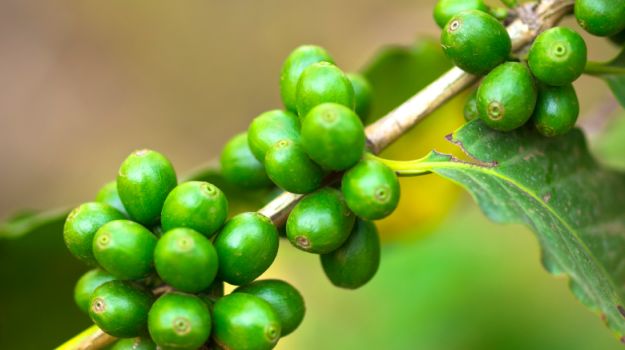
“It’s a popular drink that serves as an energy source. The plant is bushy, of medium height and evergreen. It yields bunches of small, marble-like green fruit which is then crushed to extract the coffee powder.”

Abdul earned Tk 1.3 lakh from this year’s coffee crop, selling it for Tk 2,000 per kilogram in Dhaka.

Now he wants to extend his plantation to cover thirty decimals. “If the government and private entrepreneurs get on board,” Abdul says, “then coffee cultivation can be a profitable segment of our agricultural future.”

In the meantime, the local community is already convinced. Several locals have decided to follow Abdul’s lead, buying coffee saplings from his nursery at Tk 250 per piece.

source: http://www.thedailystar.net / The Daily Star / Home> Back Page / by EAM Asaduzzaman & Andrew Eagle / July 09th, 2017

Drinking coffee reduces risk for death

Among people of various ethnicities and cultures, higher coffee consumption — whether caffeinated or decaffeinated — was associated with all-cause and cause-specific mortality benefits, according to two new studies published in Annals of Internal Medicine.

“Coffee is one of the most widely consumed beverages in the world and in the U.S. population,” Song-Yi Park, PhD, from the University of Hawai’i Cancer Center, and colleagues wrote. “Therefore, even a small health-promoting effect of coffee could have a substantial impact on public health.”

Researchers for both studies noted that although recent studies have found that higher coffee consumption was associated with lower risk for all-cause death, the relationship between consumption and mortality in nonwhites and diverse European populations is unknown.

The first study, focusing on nonwhite populations in the United States, included 185,855 blacks (17%), Native Hawaiians (7%), Japanese Americans (29%), Latinos (22%) and whites (25%) who were aged between 45 and 75 years at the time of recruitment from 1993 to 1996. Park and colleagues evaluated coffee consumption via a validated food-frequency questionnaire, which was updated approximately every 5 years. A total of 16% of participants reported not drinking coffee, 31% drank one cup a day, 25% drank two to three cups a day, 7% drank four or more cups a day and 21% had irregular coffee drinking habits. Participants were followed until 2012.

During an average follow-up of 16.2 years, 58,397 deaths occurred. After adjusting for smoking and other potential confounders, the researchers identified an association between coffee intake and lower total mortality among those who drank one cup per day (HR = 0.88; 95% CI, 0.85-0.91); two to three cups per day (HR = 0.82; 95% CI, 0.79-0.86); or four or more cups per day (HR = 0.82; 95% CI, 0.78-0.87]). Participants who drank one cup of coffee per day and two to three cups of coffee per day had a 12% and 18%, reduced risk of death, respectively. Both caffeinated and decaffeinated coffee produced similar trends, according to the researchers.

The inverse association between coffee consumption and mortality was significant for all ethnic groups studied except Native Hawaiians. Furthermore, never-smokers, participants younger than 55 years and those without chronic disease also demonstrated an inverse relationship. Intake of coffee consumption lowered the risk for death due to heart disease, cancer, chronic lower respiratory disease, stroke, diabetes and kidney disease.

“Our findings support the recent dietary guidelines from the U.S. Department of Agriculture, which indicate that moderate coffee consumption can be integrated into a healthy diet and lifestyle, by confirming an inverse association with mortality and suggesting that association’s generalizability to different racial/ethnic groups,” Park and colleagues concluded.

These results can be applied to other ethnic groups without safety concerns because the association was observed in four different ethnicities, Veronica W. Setiawan, PhD, lead author from the Keck School of Medicine of the University of Southern California, said in a press release.

“This study is the largest of its kind and includes minorities who have very different lifestyles,” Setiawan said. “Seeing a similar pattern across different populations gives stronger biological backing to the argument that coffee is good for you whether you are white, African-American, Latino or Asian.”

“Coffee contains a lot of antioxidants and phenolic compounds that play an important role in cancer prevention,” she continued. “Although this study does not show causation or point to what chemicals in coffee may have this ‘elixir effect,’ it is clear that coffee can be incorporated into a healthy diet and lifestyle.”

“We cannot say drinking coffee will prolong your life, but we see an association,” she added. “If you like to drink coffee, drink up! If you’re not a coffee drinker, then you need to consider if you should start.”

The second study, led by Marc J. Gunter, PhD, from the International Agency for Research on Cancer in Lyon, France, focused on coffee intake and mortality risk in European populations, and included 521,330 participants mainly aged 35 years or older from Denmark, France, Germany, Greece, Italy, the Netherlands, Norway, Spain, Sweden and the United Kingdom. Gunter and colleagues recruited these participants between 1992 and 2000.

According to the data, 41,693 participants died during a mean follow-up of 16.4 years. The researchers observed a statistically significant lower all-cause mortality for participants in the highest quartile of coffee intake compared with those who did not drink coffee, among men (HR = 0.88; 95% CI, 0.82-0.95) and women (HR = 0.93; 95% CI, 0.87-0.98). In addition, death due to digestive disease was lower in relation to coffee consumption for both men (HR = 0.41; 95% CI, 0.32-0.54) and women (HR = 0.6; 95% CI, 0.46-0.78). The researchers found a statistically significant inverse relationship between coffee intake and with circulatory disease mortality (HR = 0.78; 95% CI, 0.68-0.9) and cerebrovascular disease mortality (HR = 0.7; 95% CI, 0.55-0.9) among women, as well as a positive association with ovarian cancer mortality (HR = 1.31; 95% CI, 1.07-1.61).

Gunter and colleagues also evaluated whether coffee consumption was associated with serum biomarkers of liver function, inflammation and metabolic health in a subcohort of 14,800 participants. They found that higher intake of coffee was linked to lower serum alkaline phosphatase, alanine aminotransferase, aspartate aminotransferase, gamma-glutamyltransferase, as well as C-reactive protein, lipoprotein(a) and glycated hemoglobin levels in women.

“We found that higher coffee consumption was associated with a lower risk of death from any cause, and specifically for circulatory diseases, and digestive diseases,” Gunter said in a press release. “Importantly, these results were similar across all of the 10 European countries, with variable coffee drinking habits and customs. Our study also offers important insights into the possible mechanisms for the beneficial health effects of coffee.”

“Due to the limitations of observational research, we are not at the stage of recommending people to drink more or less coffee,” he added. “That said, our results suggest that moderate coffee drinking — up to around three cups per day — is not detrimental to your health, and that incorporating coffee into your diet could have health benefits.”

The researchers emphasized that more studies are necessary to determine which compound in coffee may be responsible for benefiting health and to explore the effect of coffee consumption on health outcomes.

“These findings add to a growing body of evidence which indicates that drinking coffee not only is safe, but it may actually have a protective health effect for people,” Elio Riboli, MD, ScM, coauthor of the study from the School of Public Health at Imperial College London, said in the release. “While further research is needed, we can be confident that the results from a large European study confirm previous findings seen around the world.”

In an accompanying editorial, Eliseo Guallar, MD, DrPH, from Johns Hopkins University Bloomberg School of Public Health, and colleagues note that the relationship between coffee consumption and mortality “was modest and sensitive to confounding.”

“Recommending coffee intake to reduce mortality or prevent chronic disease would be premature,” they wrote. “However, it is increasingly evident that moderate coffee intake up to three to five cups per day or caffeine intake up to 400 mg/d is not associated with adverse health effects in adults and can be incorporated into a healthy diet.” – by Alaina Tedesco

References:

Guallar E, et al. Ann Intern Med. 2017;doi:10.7326/M17-1503.

Gunter MJ, et al. Ann Intern Med. 2017;doi:10.7326/M16-2945.

Park SY, et al. Ann Intern Med. 2017;doi:10.7326/M16-2472.

Disclosure: Park and colleagues report funding from the National Cancer Institute. Gunter and colleagues report funding from the European Commission Directorate-General for Health and Consumers and the International Agency for Research on Cancer. Guallar and colleague report no relevant financial disclosures.

source: http://www.healio.com / Healio / Home> Internal Medicine> Nutritional Fitness> In the Journals / July 10th, 2017

Feature: Vietnam’s coffee queen has visions of global empire

Ho Chi Minh City, (Xinhua):

“We are striving to make King Coffee one of world’s top five coffee brands and to make Vietnam a global coffee powerhouse,” the wife of Vietnam’s coffee king told Xinhua.

Le Hoang Diep Thao is the chief executive officer of Ho Chi Minh City-based Trung Nguyen International Corporation (TNI), part of the Trung Nguyen Group (TNG).

Her husband, Dang Le Nguyen Vu, who has been recognized as Vietnam’s coffee king by Forbes Asia and National Geographic Traveler, is the co-founder and co-owner of TNG, a leading coffee firm in Vietnam, specializing in instant coffee, roasted and ground coffee, cafe trading and coffee export.

After the couple successfully brought the G7 coffee brand to more than 60 countries in the world, Thao launched TNI King Coffee and is aiming to conquer the hearts of coffee lovers all over the world, including over 1.3 billion Chinese consumers who are used to drinking tea.

“In the last 20 years, we have focused on the coffee business only. We provide full services, from coffee bean plantation to blending and roasting,” Thao said.

“TNI’s coffee beans are finely chosen from the best coffee beans in Buon Ma Thuot (the capital city of Dak Lak central highland province, Vietnam’s coffee kingdom).

Combined with advanced technology, production equipment imported from Europe, and the secret recipe from Trung Nguyen, TNI coffee is distinctive,” the graceful woman, wearing a long, red traditional dress explained.

In late April, Thao put into operation a big TNI King Coffee factory, with an initial capacity of churning out 9,000 tons of roasted coffee beans and 19,800 tons of instant coffee a year, in the southern province of Binh Duong.

King Coffee has been exported to many countries in the world, including the United States, Australia, Russia, China, India, South Korea and Singapore, and is expected to be available in 129 other markets in the future.

“King Coffee for the king market,” Thao said, implying that China is world’s biggest coffee consumer. In China, King Coffee has advanced to become one of the four best-selling brands on T-Mall Supermarket, one of three key e-commerce websites of online trade platform Alibaba.

In March, at the 96th China Food and Drink Fair held in the Chinese city of Chengdu, Thao announced that TNI will strive to meet its sales target of 1 billion U.S. dollars from the Chinese market in the next few years.

“More and more Chinese young people like to drink coffee and regard it as a casual lifestyle,” Thao stated.

Peter Tsang, Trung Nguyen’s general manager in charge of the Chinese mainland, echoed Thao’s statement, saying the Chinese market’s potentiality is huge and cafes are mushrooming there and becoming indispensable for Chinese youths.

“Most of China’s population is used to drinking tea, but many Chinese people, especially youngsters, like to drink coffee,” he said, adding that Vietnamese coffee exported to China enjoys preferential treatment, including tax incentives.

There are three key factors leading to the success of Trung Nguyen coffee in China, namely Vietnam’s fine coffee beans, the firm’s know-how, and the use of European machines and technologies, Tsang stated.
“We hope that we will attain the sales target of 1 billion U.S dollars in the Chinese market by 2020,” he said.

Now, over 1,000 Trung Nguyen cafés are set up home and abroad.

However, two decades ago, Vu, born in 1971, was a medical student with poor parents. Motivated by the aspiration to make a fortune for himself and his country by selling processed coffee, Vu, in 1996, opened a coffee roasting facility in Dak Lak, with a total workforce of only four, including himself and three of his friends.

Having practically no money or experience, Vu struggled to make his business survive while still having to attend classes. Time went by, and so did the money Vu invested in his small production base. His parents had to sell their own house to contribute capital to the base.

According to local media, Vu, burdened with financial difficulties but wanting to realize his dream, met Thao, a 20-year-old lady, who was born with a silver spoon in her mouth (her father is a gold jewelry tycoon in Buon Ma Thuot), and agreed to marry.

Vietnam, the world’s second biggest coffee exporter after Brazil, shipped 467,000 tons of coffee worth nearly 1.1 billion U.S. dollars overseas in the first quarter of this year, according to the Ministry of Agriculture and Rural Development.

Thao expressed her strong belief that TNI King Coffee will be a huge success, especially in international markets, like the previous brand G7.

“My greatest vision is expanding the Vietnamese brand all over the world, and for it to be able to compete with multinational companies in the coffee industry,” she said.

source: http://www.news.xinhuanet.com / Xinhuanet.com / Home / source: Xinhua / by Tao Jun, Dong Hua / April 28th, 2017