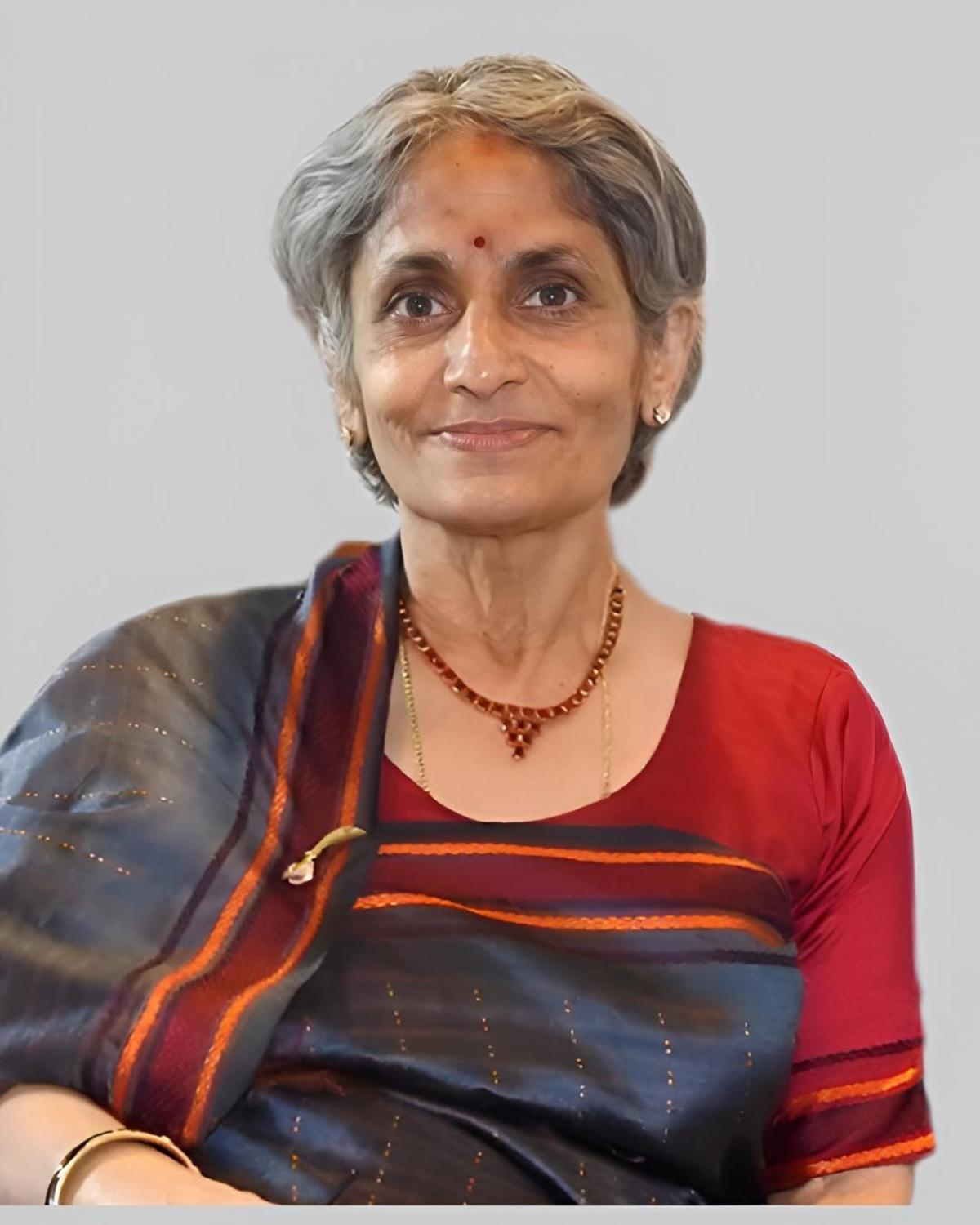
B.K. Thelma, Professor in the Department of Genetics at the University of Delhi, South Campus. | Photo Credit: Special Arrangement
A scientific paper on the genetic makeup of Kodavas has been published by scientists from the University of Delhi, South Campus, and the Centre for Cellular and Molecular Biology, Hyderabad.
The paper, titled ‘Unique Demographic History and Population Substructure Among the Coorgs of Southern India’, was published last year in Communications Biology, a peer-reviewed, open-access journal covering research in biology.
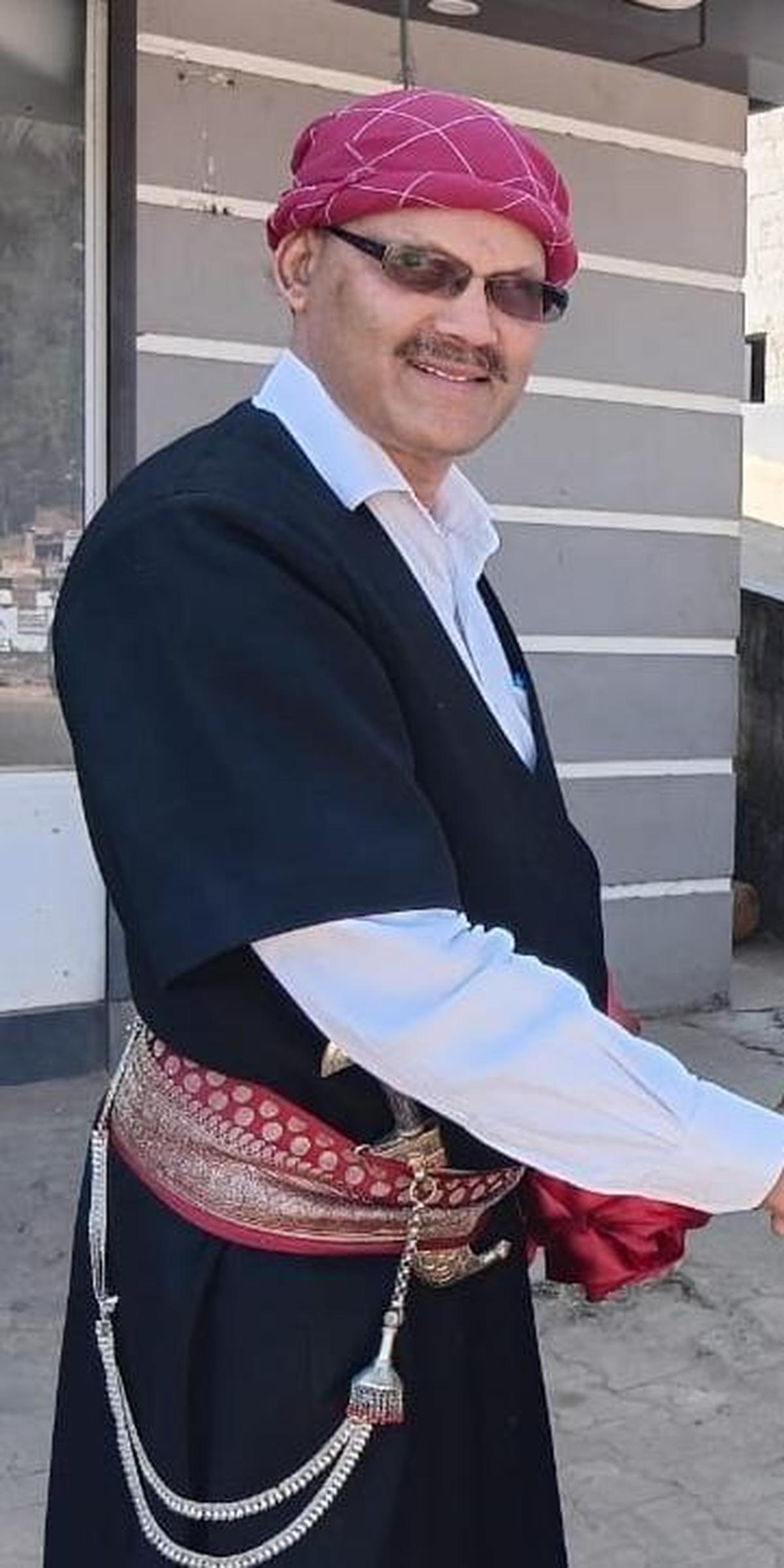
President of Karnataka Kodava Sahitya Academy President Ajjinikanda C Mahesh Nachaiah in the traditional Kodava attire – Kuppia. | Photo Credit: Special Arrangement
Journalist and author P.T. Bopanna, who is shortly bringing out a book on the origin of the Kodavas (Coorgs) based on the findings, said Coorg-born Prof. Buttiyanda Kuttapa Thelma of the Department of Genetics, University of Delhi, South Campus, and her team had carried out systematic sampling of the Kodava population across Kodagu using available genetic analytical tools.
Discussing the study’s key findings, Bopanna said the Coorgs are not a single population but three, each with distinct histories and genetic makeups. The study segregated the present-day Coorg population into three genetically distinct sub-groups — Coorg1, Coorg2 and Coorg3.
According to a summary of the study, Coorg1 shows a strong tribal genetic component (70–80% of ancestral south Indian ancestry) and is estimated to have formed around 2,000 years ago through the admixture of a Palliyar-like group with another Dravidian group (proxy Mala).
Coorg3, on the other hand, emerged as the oldest of the three, with divergence dating to around 3,000 years ago. This group carries a distinct genetic component that does not match any contemporary South Asian or Eurasian population.
The analysis further revealed that Coorg1 and Coorg3 combined to form Coorg2 only around 330 years ago — a finding that may partly explain the socio-cultural homogeneity seen among Coorgs today, the study notes.
Yet despite this unified cultural identity, the genetics point to a far more fragmented ancestry. Y-chromosome analysis suggests male Coorg ancestors may have shared genetic ties with Eurasian and Middle Eastern populations, while female ancestors were primarily indigenous to South Asia, the study’s summary points out.
The findings also shed light on historical migrations that shaped the Indian subcontinent, pointing to male-mediated migration followed by assimilation with native females. The Coorgs appear to carry one of the oldest Y-chromosome lineages to have migrated from Central Asia into South India.
“They were among the first people to settle in India during the Bronze Age, before the majority of male-mediated migration, which includes the majority of caste groups in North and South India,” the study notes.
While noting that the findings underline India’s complex demographic history — marked by multiple ancient migrations and deeply divergent lineages — Bopanna said the Coorgs have practiced strict endogamy alongside family-level exogamy (marrying outside the immediate family but within the community).
Geographical isolation in the Western Ghats, he added, helped preserve distinct genetic boundaries, while stating that the study makes a landmark contribution to understanding South Indian ancestry, ancient migration patterns, and genetic evolution.
source: http://www.thehindu.com / The Hindu / Home> News>India>Karnataka / by The Hindu Bureau / September 18th, 2026

