Category Archives: Nature

How Climate Change Is Brewing Trouble For India’s Coffee Industry

India’s coffee growth is being affected by unpredictable weather patterns, including insufficient rainfall, temperature fluctuations, drought, and heavy flooding.

While Baba Budan, the Sufi monk, planted the smuggled seven coffee beans in the bountiful hills of Chikmagalur, little did he know that India, one day, would be the 6th largest coffee producer, with Karnataka contributing 71 per cent of coffee production to the world. Though the coffee culture has evolved through the years, and there has been a significant boom globally for coffee, the threat for your morning cup is real and is right there knocking on the doors–climate change!

Unpredictable weather patterns are affecting most parts of the world, including India. The country grows a lot of Robusta and Arabica, and both these varieties suffer prolonged periods of inadequate rainfall, temperature rise, drought and heavy flooding.

The Case With Arabica And Robusta
Samia Subhani, a fourth-generation coffee planter and the founder of “The Kaimara Belt Coffee,” sounded distressed. Her family has been into coffee growing and trading for over 150 years, and their estate in the Baba Budangiri hills grows Arabica, the most demanding variety. Subhani’s estate has 50-80 farmers working on the plantation daily, all dependent entirely on coffee farming. But with the ongoing effects of climate change, coffee is going through a difficult phase putting all their lives at risk.
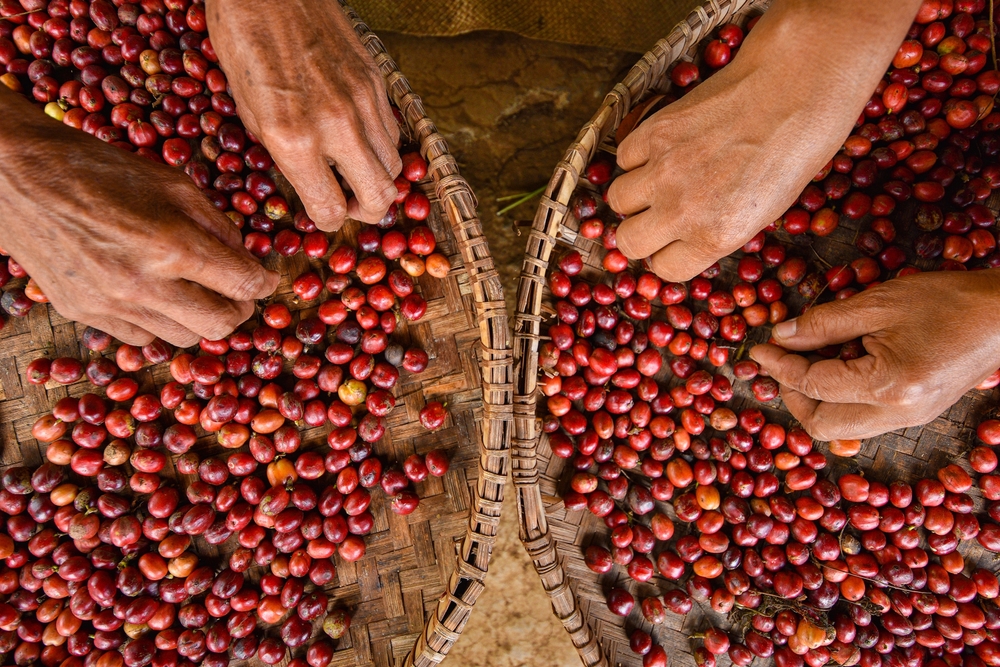
Arabica is the most demanding variety of coffee when it comes to cultivation. Photo Credit: Shutterstock

“Climate change causes leaf shedding, reduced coffee plant productivity, and increased vulnerability to pests. Extreme cold delays plant flowering and lowers berry quality. Heavy rains at irregular times cause cherries to burst and drop prematurely. Continuous heavy rains before harvest prevent drying, leading to crop spoilage,” Subhani explained.

But like they say, every solution has a problem. Subhani mentioned that we must dig deeper into our pockets and follow some mitigation measures to maintain the yield and deliver quality coffee to patrons. “So, we provide artificial rains during droughts, maintain proper irrigation in the system, avoid using harmful pesticides to control soil erosion and use only soil-friendly organic fertilisers.”

While this is the situation in an Arabica coffee plantation at Chikmagalur, Coorg, popularly known as the “Scotland of India,” is known to grow more of Robusta.

“Climate change is certain to impact coffee yields due to temperature changes. Coorg is experiencing water scarcity, affecting coffee production. Coffee plants require water, nutrients, rainfall, and sunshine for healthy growth and harvest. Fluctuations in yield have increased, with lower yields in recent years. Delayed monsoons in Coorg will further reduce usable berry production,” said Shruti Shibulal, CEO and Director of Tamara Leisure Experiences.

Though these climatic impacts are less friendly to coffee crops, Shibulal believes they have the advantage of scientific studies to inform how we can prepare for this impending change. Collaboration and knowledge sharing between those with high knowledge of the crop and those with research-driven and technological expertise is vital to assess, test and implement viable solutions.
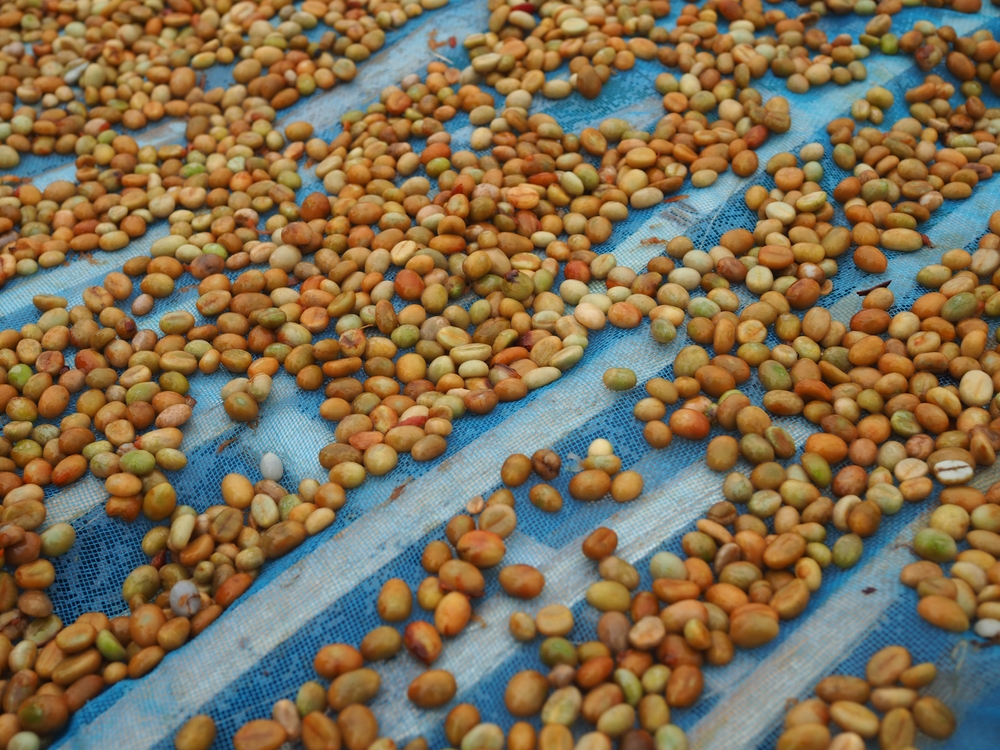
Robusta is grown extensively in Coorg. Photo Credit: Shutterstock

“The Tamara Coorg is a 100 per cent organic plantation. Therefore, our irrigation is entirely dependent on rainfall. Rainwater harvesting tanks here facilitate the annual reuse of 90 lakh litres of rainwater. These reserves do marginally help us contend with unpredictable weather patterns. However, the coffee trees depend on rain and sunshine in balanced intervals to yield the greatest number of healthy berries,” she added.

According to Shibulal, instead of using measures like industrial fans or increased labour to speed up the drying process of coffee berries, they focus on protecting and nourishing their coffee trees using organic fertilisers and natural supplements. They also prioritise sustainable practices like reusing rainwater for irrigation and actively monitoring soil health. She further emphasised the importance of maintaining a tree canopy structure, which creates a favourable micro-climate for coffee plants and supports biodiversity.

“I would turn my support to local and regional producers or individual plantations (whenever possible). Smaller establishments will face greater challenges during times such as these. As consumers, we must lend our loyalty to those actively pursuing practices that combat climate change in the long run,” Shibulal concluded.

Climate Change Affecting Coffee Planters All Over
Tapaswini Purnesh, a fifth generation coffee planter and Director–Marketing & Promotions of Classic Coffee, mentioned that other coffee planters, including the Harley Estate at Sakleshpur in Karnataka, are also battling climate change.

“The worst scenario is the last 4 to 5 years, where we have been experiencing heavy rains during harvest season, i.e., November to February, which normally is a complete dry spell. India is unique to the sun drying of coffee. However, due to unseasonal rains during harvest, plantations are now installing mechanical dryers to avoid quality deterioration,” Purnesh said.

She also stated that coffee production is highly labour-dependent. In the long run, finding labour may become increasingly challenging, an evident trend. As the cost of implementing adaptive measures rises and the arduousness of growing quality coffee amidst climatic pressures is considered, customers must acknowledge that good coffee comes with a price tag. “The coffee growers will be motivated to enhance and refine their coffee cultivation practices if they receive adequate remuneration from the price realisation.”

Meanwhile, the latest estimates warn that climate change may mean that as much as half of the land used for coffee production worldwide may no longer be suitable for it by the middle of the century if global warming continues at this rate. So, as all these coffee planters suggest, every citizen must be more responsible towards our environment, travel responsibly, and follow more sustainable practices to save our environment and the most loved, coffee.

source: http://www.outlookindia.com / Outlook Traveller / Home> Explore> Story / by Deepa Shri Rajan / June 25th, 2023
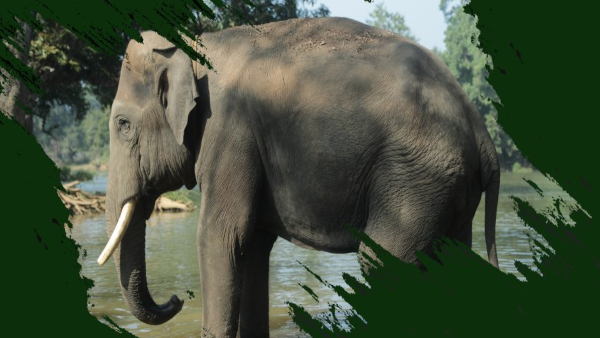
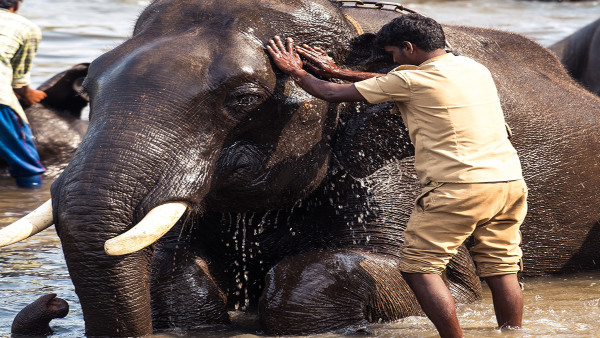
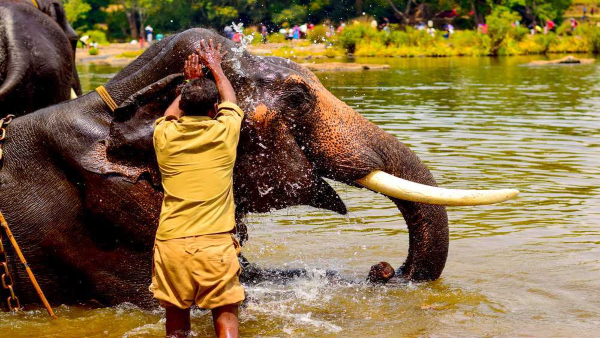
The majestic Elephant of Dubare elephant camps. What makes them so special?

Dubare Elephant Camps, nestled amidst the picturesque beauty of Karnataka. It offers an unforgettable experience for wildlife enthusiasts and nature lovers. Located on the banks of the River Cauvery, this unique destination provides an opportunity to interact with elephants in a responsible and sustainable manner. In this comprehensive travel guide, we will explore the fascinating world of Dubare Elephant Camps, providing insights into the camp’s history, activities, wildlife encounters, accommodations, nearby attractions, and essential travel tips. Let’s embark on this remarkable journey into the heart of the elephant kingdom.

History and Background

Dubare Elephant Camps have a rich history rooted in the tradition of the mahouts (elephant trainers) who once served the Maharajas of Mysore. Initially, it served as a training ground for elephants used in the royal processions and other important functions. Over time, it transformed into a conservation and eco-tourism destination, where visitors can learn about the gentle giants and contribute to their well-being.

Getting There

Dubare Elephant Camps are located approximately 240 kilometers from Bangalore, the capital city of Karnataka. The nearest airport is the Kempegowda International Airport in Bangalore, while the nearest railway station is Mysore Junction. From there, one can hire a private taxi or take a bus to reach the camps.

Activities at Dubare Elephant Camps

a. Elephant Interactions:

The highlight of the camp is the opportunity to interact with elephants. Visitors can learn about their behavior, feed them, participate in bathing sessions, and even take part in the elephant grooming process.

b. River Rafting:

The camp offers thrilling river rafting experiences on the River Cauvery, allowing visitors to soak in the breathtaking views of the surrounding forests.

c. Nature Walks and Bird Watching:

Explore the lush green surroundings on guided nature walks, spotting diverse bird species and learning about the local flora and fauna.

d. Fishing:

Engage in a calming fishing experience in the river, trying your luck at catching the elusive Mahseer fish.

e. Coracle Rides:

Hop onto a traditional coracle boat and glide through the gentle waters of the River Cauvery, enjoying the tranquility and scenic beauty.

Wildlife Encounters

Apart from elephants, Dubare is home to a wide variety of wildlife species. Visitors have the chance to spot animals such as deer, gaur (Indian bison), wild boars, and various reptiles. Lucky guests may even catch a glimpse of the elusive leopard or tiger. The forest also boasts a vibrant birdlife, with species like Malabar pied hornbill, Indian roller, and white-bellied treepie making it a bird watcher’s paradise.

Accommodations

Dubare Elephant Camps provide various options for accommodation, ranging from tented cottages to eco-friendly lodges. The camps offer basic amenities while maintaining a close connection to nature. Visitors can enjoy a comfortable stay surrounded by the serene beauty of the forest.

Nearby Attractions

a. Namdroling Monastery: Situated in Bylakuppe, the largest Tibetan settlement in India, the Namdroling Monastery is home to thousands of monks and houses stunning Tibetan architecture.

b. Cauvery Nisargadhama: A scenic island formed by the River Cauvery, Nisargadhama offers lush greenery, bamboo groves, and a deer park, making it an ideal picnic spot.

c. Nagarhole National Park: Located nearby, this national park is a tiger reserve and a haven for various wildlife species. Visitors can embark on a thrilling safari to witness the incredible biodiversity of the region.

Best Time to Visit

The ideal time to visit Dubare Elephant Camps is from October to March when the weather is pleasant. During this period, one can enjoy outdoor activities without being hindered by the monsoon rains.

Essential Travel Tips

a. Carry comfortable clothing, walking shoes, and insect repellents.

b. Respect the animals and follow the guidelines provided by the camp authorities for the safety of both visitors and elephants.

c. Plan your visit in advance and make necessary reservations, especially during peak seasons.

d. Avoid littering and maintain cleanliness within the camp and its surroundings.

Dubare Elephant Camps offer an incredible opportunity to connect with nature, immerse in wildlife encounters, and understand the significance of elephant conservation. From thrilling activities to serene moments amidst the wilderness, this destination promises a memorable experience. By responsibly exploring the Dubare Elephant Camps, visitors can contribute to the conservation efforts and create lasting memories of their wildlife adventure in Karnataka, India.

source: http://www.nativeplanet.com / Native Planet / Home> Travel Guide / by Navya Sona /June 24th, 2023

Waste Bins Installed At Entry Gates Of Nagarahole Tiger Reserve

Mysore/Mysuru: 

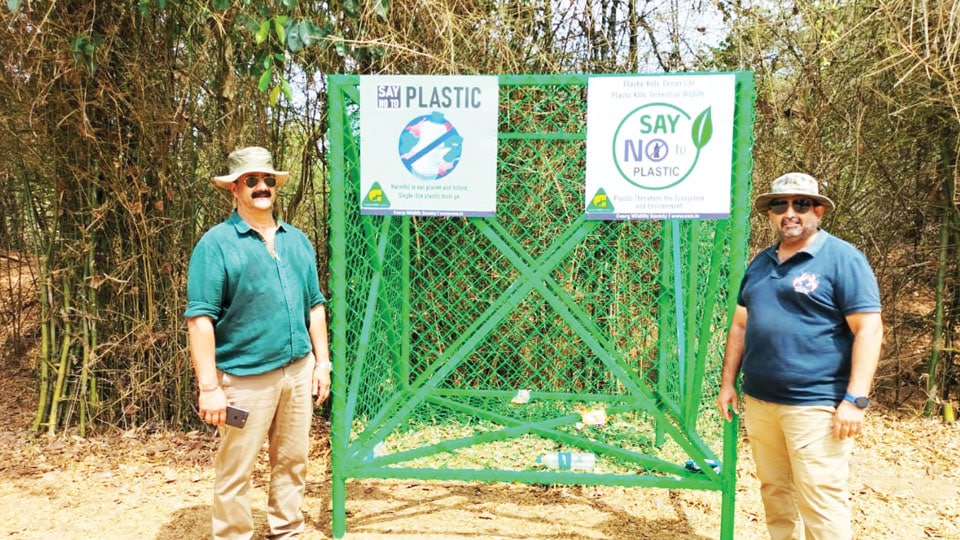
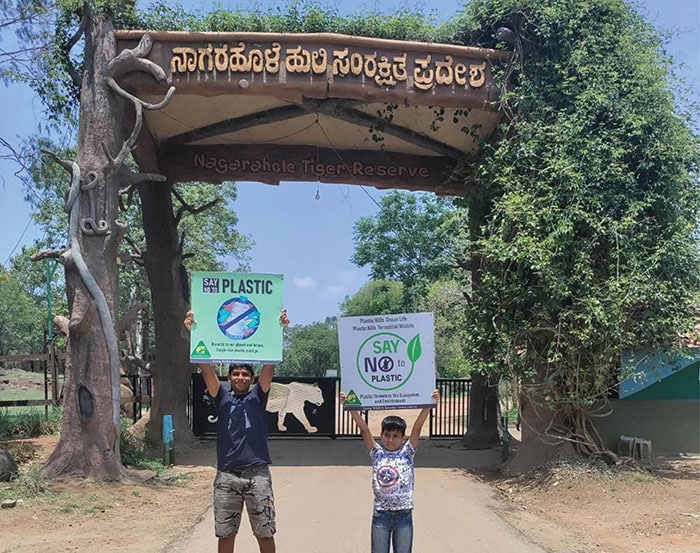
Coorg Wildlife Society (CWS) has taken a significant initiative by installing mesh waste bins at all four entrances of the Nagarahole Tiger Reserve — H.D. Kote Gate (Kallatti Gate or Metikuppe Gate), Veeranahosahalli Gate, Karmad Gate and Nanachi Gate.  

This proactive step aims to ensure a plastic-free environment and eliminate the usage of single-use plastic bottles and sachets within the forest premises. In collaboration with the Karnataka Forest Department, the CWS has ensured the proper disposal of single-use water and juice bottles, as well as used sachets, into these bins before entering the forest.

This endeavour marks the beginning of an aggressive campaign aimed at achieving a zero-tolerance policy towards plastic waste within Nagarahole Tiger Reserve. Achieving this goal necessitates vigilant monitoring at all entry gates, a responsibility that Coorg Wildlife Society has undertaken, particularly during long weekends and holidays when visitor traffic is higher.

The society has thanked the Forest Department for its support, which has been instrumental in making this initiative possible. The society has announced that similar mesh bin installations are planned at the Anechowkur and Thithimathi entry gates from the Mysuru and Kodagu sides in the near future.

According to Coorg Wildlife Society office-bearer Karthamada Naveen Bopaiah, the Society is committed to promoting sustainability and a litter-free sanctuary within Nagarahole Tiger Reserve. “With continued cooperation and efforts, we are optimistic about creating a sustainable ecosystem where wildlife thrives and litter is kept at bay,” he added.

Tourists entering Nagarahole from the districts of Karnataka and Kerala dump plastic waste on the roadsides of the forest area with various environmental implications. Those forest areas in the proximity of human settlements or recreation areas have become vulnerable to waste pollution. Though the Department has initiated waste collection facilities, the illegal dumping of waste inside the Nagarahole Reserve is still present.

source: http://www.starofmysore.com / Star of Mysore / Home> News / June 16th, 2023

Census reveals a total of 1,103 wild elephants in forests of Kodagu

The forest staff used techniques like the dung density method where they used photographs and GPS to scientifically record elephant dung.

Image used for representational purposes 

Madikeri :

A total of 1103 wild elephant population has been recorded inside the forests of Kodagu. The statistics were released by the forest department following the completion of the elephant census.

However, the population of the wild elephants herded inside the estates of Kodagu has not been taken into consideration and a fresh census is required to verify the same.

The elephant census is conducted once in five years across the southern states and the same began across Kodagu in the month of May. Over 800 foresters from the department were involved in counting the population of the elephants across the forests of Kodagu.

The census was conducted in three phases and was spread across three days.

During the first phase, the forest staff took to the block count method and recorded the number of elephants sighted by the staff across designated forest regions.

The dung density method was used in the second phase of the counting where the foresters scientifically recorded the data of the elephant dung through photographs and GPS locations.

In the third phase, the foresters halted by the lakes, rivers and other water bodies inside the forest and counted the number of male, female and calf elephants in the herd.

The forest department confirmed that 200 teams with three to four forest staff were formed to conduct the census. The staff was geared with arms and ammunition in case of any untoward incident.

The census unfurled across the four divisions of the department including Madikeri, Madikeri Wildlife, Virajpet and Nagarahole Tiger Reserve divisions. While a total of 787 elephants were sighted in Nagarahole, the Madikeri division recorded 179 elephants.

The Anekadu area near Kushalnagar alone had 116 wild elephants, which falls under the Madikeri division. Virajpet and Madikeri Wildlife had a population of 73 and 64 wild elephants respectively. 

Conservator of Forests of  Kodagu Circle BN Murthy said, “The census was conducted only inside the forest area. However, there is a need to conduct the census within the estates and this will increase the numbers. It is not possible to get the actual count and the census was conducted across 1.15 lakh hectares of forest land in Kodagu.” 

source: http://www.newindianexpress.com / The New Indian Express / Home> States> Karnataka / by Express News Service / June 06th, 2023

Hyderabad: OU scientist discovers new species of Bat in Coorg

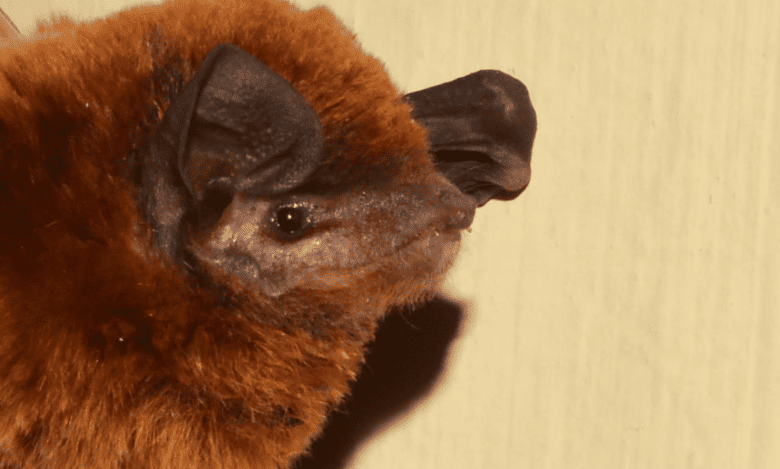
According to the researchers, with the discovery of the new species, the number of bent-winged bats in India has increased from 4 to 5.

OU scientist discovers new species of Bat (Photo: Twitter)

Hyderabad: 

Eminent zoology scientist from Osmania University Dr Bhargavi Srinivasulu, along with her son, Aditya Srinivasulu, has discovered a new species of bat from Karnataka’s Coorg.

The mother-son duo have named their discovery, ‘Miniopetrus srinii Srini’s Bent-winged Bat’, discovered in a cave in Makuta of Kodagu district (Coorg).

The research papers were submitted on Saturday and the expert committee cleared the papers and conferred the rare honour.

“We collected the specimens of bats from a large subterranean cave in the dense jungles of Western Ghats in Makuta, we doubted that this could be a cryptic species of bat, which we had tentatively identified as the Small Bent-winged Bat,” said Dr Bhargavi.

Found in southern Europe, Africa, Madagascar, Asia, Australia, New Caledonia and Vanuatu, Bent-winged Bats are small-sized bats that live in large colonies of a few hundred individuals in caves.

According to the researchers, with the discovery of the new species, the number of bent-winged bats in India has increased from 4 to 5.

The specimens of bats were collected from a large subterranean cave in the dense jungles of the Western Ghats in Makuta. The Small Bent-winged Bat is reported from the Nicobar Islands, peninsular India, Nepal and Northeast India.

Talking about the multiple works they undertook in discovering the new bats, Dr Bhargavi said, “Our research on Andaman bats has revealed that the fauna on the islands are genetically different from those on mainland India. We conducted morphological, cranial, echolocation and genetic studies to determine the relationship between the Makuta specimens and others.”

A peer-reviewed scientific mega journal for animal taxonomists named Zootaxa has published the description of the new species that were named in honour of Prof C Srinivasulu, a bat biologist working at the varsity.

source: http://www.siasat.com / The Siasat Daily / Home> News> Hyderabad / by News Desk / May 29th, 2023

In the Cauvery’s birthplace, drinking water is just one of many worries for the Kodavas

In the Cauverys birthplace drinking water is just one of many worries for the Kodavas

The passions that have been running high over the Cauvery have eclipsed that the river’s birthplace is in Kodagu district, where it is an integral part of the lives of the Kodavas, but not in terms of drinking water.

Journalist and author PT Bopanna has eloquently spoken about what the Cauvery means to the Kodavas, one of the communities of people who live within Kodagu district. The identity of the Kodavas is deeply linked with the river, which rises in Talacauvery. Ironically, Madikeri city, the district headquarters, frequently faces a drinking water problem.

“The Rs 230-crore Harangi project has been conceived for the benefit of politically powerful Mysore and Hassan districts. Though the Harangi Dam (in picture) is in Kodagu and the major catchment area of the Cauvery is also in Kodagu, the irrigation potential from the project for Kodagu is a measly 607 hectares, out of the 54,591 hectares of total irrigation potential,” Bopanna says on his website Coorgnews.in.

He pointed out that 1,909 acres of land in 13 villages had been submerged by the construction of the Harangi dam in Somwarpet taluk.

“See, we don’t benefit from the Cauvery at all. Every year the river floods and the roads get blocked. We are always inconvenienced by the Cauvery. We just want our basic water needs met, and it’s a small place,” Bopanna says.

Although people are worried about drinking water supply from the Cauvery, Bopanna says that in Kodagu, people are worried more about a larger problem.

“I’m worried about deforestation,” Bopanna says. Falling in the Malenadu region, Kodagu district houses 4,102 sq km of the Western Ghats, making it look as if a green carpet is spread across the land. It is one of the least populated districts in the state.

Referring to the 400kv power line from Yelwal in Mysuru to Kozhikode in Kerala, a distance of 55m, Bopanna said: “This government-sponsored deforestation needs to stop.”

According to some estimates, 55,000 trees will be cut in thick forest areas to set up the line. Activists have alleged that a few thousand trees have been cut in violation of the law.

“When trees were being cut for that power line, not a single politician made any noise. They weren’t bothered. This clearly reveals their short-sightedness and their lack of understanding about the effects of deforestation. Rainfall has become erratic in the region,” Bopanna says.

He advocates a complete ban on tree felling and the conversion of agricultural land for commercial purposes. “But Kogadu’s politicians depend on the timber lobby and sand mining. They have not allowed a discussion on the Kasturirangan report.”

Now he’s worried. Drought-like conditions that occurred only once in five years in the past, are now almost an annual feature. “We need to save the Western Ghats to save the Cauvery (for all of us). That’s the core issue.”

source: http://www.thenewsminute.com / The News Minute / Home> News> Cauvery Dispute / by Aneesha Sheth / September 22nd, 2016

Kodagu: ‘Wear face masks to ward off tiger attacks’

Madikeri: 

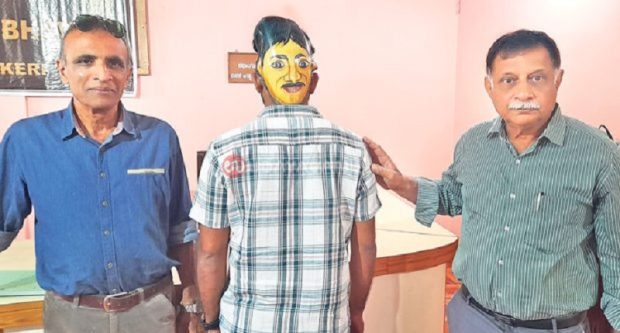
Honorary Secretary of Environment and Health Foundation Colonel C.P. Muttanna has proposed a novel solution to ward off tiger attacks that has claimed as many as five lives in Kodagu district so far.

Locals in southern Kodagu are in scare over the increasing instances of man-tiger conflicts. In this scenario, Muttanna at a press conference highlighted the technique followed by the residents of the Sunderban region in West Bengal.

Pointing out that tigers usually attack their prey from behind, Muttana said that people can wear face masks on the back of their heads to avoid a conflict situation. He said that the number of deaths due to tiger attacks has reduced considerably in the Sunderban region due to this ploy.

Muttanna said that he has put forth the proposal to the government and the forest department and urged them to take action in this regard.

Speaking further, he said that in most cases the tiger attacks have taken place during early morning hours especially when a person is out to answer nature’s call. Though the district claims to be open defecation-free (ODF), several houses lack toilet facilities. Thus, the government should make suitable plans to construct toilets for such houses.

Stressing on the predator’s eating habit, Muttanna said that the tiger usually eats a portion of its kill after preying on them. The big cats tend to return to the spot to eat at a later time when they are hungry. In this context, he said, that if a cattle has been killed by a tiger, people should not dispose of the carcass immediately as the tiger would then try to make another kill. Rather people should inform forest department officials of any killing who can take necessary action to capture and relocate the tiger.

He also urged the district administration to make suitable transport arrangements for school-going kids in areas facing tiger menace. Tigers are likely to come to hunt wild boars in the fields. Hence, Colonel Muttanna advised not to allow the growth of wild bushes in fields and coffee plantations.

source: http://www.udayavani.com / Udayavani.com / Home> State / by Team Udayavani / January 12th, 2023

‘Rotary Sainik Desh Rathna’ Award Conferred On Brig. B.M. Cariappa

Mysore/Mysuru:

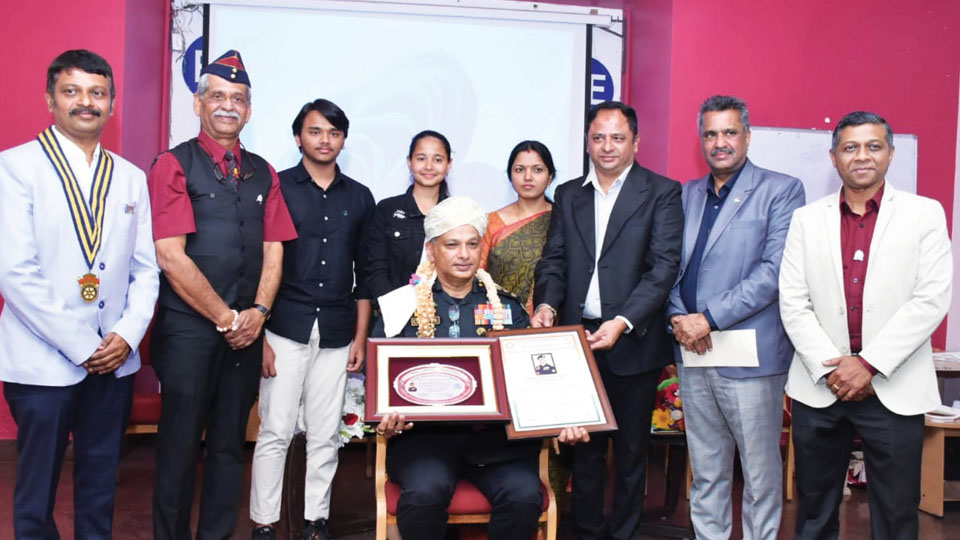
National Security Guard (NSG) Force Commander Brigadier B.M. Cariappa (Baleyada Muthanna Cariappa) was conferred the prestigious ‘Rotary Sainik Desh Rathna’ award at a programme jointly organised by Rotary Mysore Midtown and Shrisainik Foundation at Rotary Centre Hall on JLB Road here yesterday.

Speaking after conferring the award, Col. (retd.) Ravi Shirahatti lauded the acts of Brig. B.M. Cariappa during the victorious Kargil War against Pakistan.

Pointing out that Brig. Cariappa’s achievements and works are a model to young servicemen as well as armed service aspirants, Ravi Shirahatti said that though several will be willing to don Army uniform, it is not possible for many.

Noting that donning the Army uniform is a pride for everyone, he said that it is important to understand the past and history of Wars. Maintaining that those serving in the Army should be ready for sacrifice, he said, as such, the honour of Armymen will continue even after their retirement from service. Observing that a tree’s future depends upon the deep-rootedness and sturdiness of its roots, he said that the service profession demands valour, integrity, sacrifice and commitment. In the absence of these, the purpose of serving in the Army cannot be fulfilled, he said adding that he (Ravi) feels proud to have served the Indian Army.

Brig. Cariappa who spoke after being conferred with the award, reminisced on how he led his group during the 1999 Kargil War.

Noting that the first two attempts of the Indian Army in capturing the Khalubar Hills in Kashmir had failed, he said that he was then entrusted with the responsibility of capturing it, following which he came up with an innovative operation and succeeded in doing the job.

Explaining how the Kargil War was won, he said that crucial decisions were taken by the Indian Army during the War which resulted in a crushing defeat for Pakistan’s misadventure.

Earlier, Brig. Cariappa was accorded a grand welcome at the venue with Hootagalli KHB Colony’s Rotary Midtown Academy students playing Musical Instruments and saluting him.

Rotary Midtown President Rtn. M.S. Naveen Chandra, Hon. Secretary Rtn. S. Kumaraswamy, Rtn. K.L. Rakesh Babu, Rtn. S. Abhilash and others were present.

source: http://www.starofmysore.com / Star of Mysore / Home> News / February 23rd, 2023

Karnataka forest dept spent crores on afforestation in Kodagu district since 2015, shows RTI

The RTI further revealed that the Bhadravathi forest division in Shivamogga did not spend a single rupee on afforestation since 2015.

kodagu forests
The RTI further revealed that the Bhadravathi forest division in Shivamogga did not spend a single rupee on afforestation since 2015. (Representational)

From 2015 to 2022, the Karnataka Forest Department spent Rs 1.98 crore and Rs 49,95,067 on afforestation in Kushalnagar and Bhagamandala forest ranges, respectively. The two forest ranges are located in Kodagu district. The figures were shared by the department in response to an RTI filed by The Indian Express.

The RTI further revealed that the Bhadravathi forest division in Shivamogga did not spend a single rupee on afforestation since 2015.

The amount spent on afforestation includes maintenance of the forests. However, some of the officials within the forest department opined that the forest department should concentrate on afforestation in the drier parts of Karnataka rather than spending crores in the Western Ghats.

“The Western Ghats has many naturally regenerated seedlings. The department should have pumped funds in greening the dry regions of Karnataka like Vijayapura, Raichur, Gadag and Koppal. These regions have less than 5 per cent green cover. Even in the Dakshina Kannada region, a huge amount is spent on afforestation,” a senior Indian Forest Service (IFS) officer of the Karnataka Forest Department said on condition of anonymity. Notably, a response from Dakshin Kannada forest region is still awaited.

Every year, Kodagu faces floods and huge loss of property and human lives.

Amount spent on afforestation in Bhagamandala range

2015-2016: Rs 15,82,293

2016-2017: Rs 3,10,974

2017-2018: Rs 3,66,500

2018-2019: Rs 14,33,305

2019-2020: Rs 4,03,750

2020-2021: Rs 3,02,865

2021-2022: Rs 3,35,720

2022-2023: Rs 2,59,660

Amount spent on afforestation in Kushalnagar range

2015-2016: Rs 11.17 lakh

2016-2017: Rs 12.90 lakh

2017-2018: Rs 24.66 lakh

2018-2019: no data

2019-2020: Rs 27.90 lakh

2020-2021: Rs 66 lakh

2021-2022: Rs 14.47 lakh

2022-2023: Rs 44 lakh

source: http://www.indianexpress.com / The Indian Express / Home> News> Cities> Bangalore / by Aksheev Thakur / Bengaluru – April 30th, 2023

Now, all vehicles have to pay to enter Nagarahole forests in Kodagu

Tourists park by the waterfalls on the Bhagamandala-Karike Road and litter the area with plastic and liquor waste.

A forest checkpost at Karike in Kodagu district  ​
A forest checkpost at Karike in Kodagu district ​

Madikeri :

Not just inter-state, now even intra- and inter-district vehicles will have to pay an entry fee at the forest gates of Nagarahole in Kodagu. The forest department took this step to put an end to the rampant dumping of garbage and littering in forest areas in the district. 

Kodagu Chief Conservator of Forests Murthy BNN pointed out that it had become a herculean task for the department to control littering and dumping of garbage in forest fringes. “But after we introduced strict checking and entry fee at Nagarahole Gate, the dumping of huge quantities of waste materials brought from Kerala into Kodagu forests has been controlled,” he said. 

Entry fee will also now be collected at Makutta Gate in South Kodagu where garbage was being dumped from Kerala and surrounding areas. To prevent unauthorised parking and littering, the forest department is conducting regular vigil in forest areas that lead to popular tourist spots. 

Tourists park by the waterfalls on the Bhagamandala-Karike Road and litter the area with plastic and liquor waste. “This is causing an adverse effect on the wildlife and the department is conducting stringent checks to control this,” he said.

source: http://www.newindianexpress.com / The New Indian Express / Home> States> Karnataka / by Express News Service / April 15th, 2023