Meghan Markle’s Struggle as Non-White Royal Resembles Indian Princess Adopted by Queen Victoria

Dr Priya Atwal, a historian, took to Twitter and spoke about the little-known life of Princess Gouramma of Coorg who was adopted by Queen Victoria as one of her godchildren.
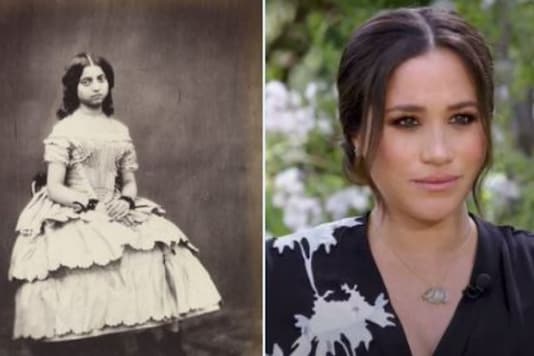
The history of Princess Gourumma of Coorg was shared on Twitter by Dr Priya Atwal.

While Meghan Markel’s revelations into the British Royal family has once again triggered the debate of race in UK, a historian from India has claimed that Meghan is probably not the first woman of colour to be a part of the monarch family. While there is mention of Queen Charlotte’s (1744-1818) black ancestry, Queen Voctoria had her imperial godchildren too, according to the Victorian historian. Dr Priya Atwal took to Twitter amid raging debate about Meghan’s acceptance in the Royal family and spoke about the little-known life of Princess Gouramma of Coorg.

“Princess Gouramma (1841-64) was brought to Britain in 1852 by her father, the deposed Rajah of Coorg. The Rajah campaigned to win back his family wealth from the East India Company, but also asked Victoria to adopt his daughter, believing the Queen would give her a good life (sic),” Atwal wrote. It was Princess Gouramma’s father, Rajah of Coorg, who offered her to the Queen after baptising her with the hope that she would be brought up with “aristocratic guardians and secure her a good marriage”. Victoria readily accepted the idea and adopted Princess Gouramma. But princess of Coorg wasn’t the only one. Queen Victoria had several ‘godchildren’ whom she adopted from royals from the empire.

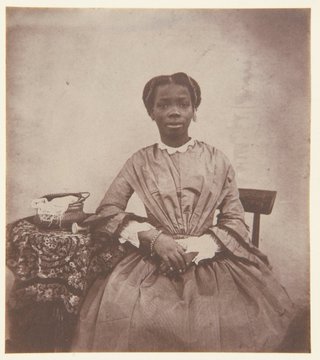
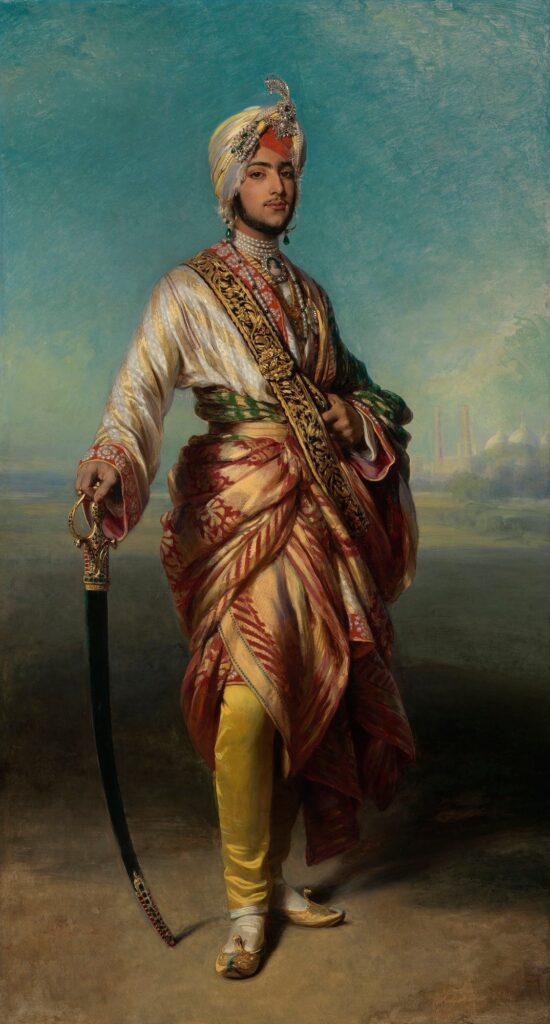
Duleep Singh and Sarah Bonetta Forbes were among these godchildren of the Queen.

_______


Dr Priya Atwal@priyaatwalAs a historian of Victorian royalty, I am fascinated by some of the parallels between #MeghanMarkle’s current situation and the little known story of Princess Gouramma of Coorg. A thread

1/12

_________-

But facing racial attacks never stopped for the Queen’s godchildren even after being adopted. Atwal says their lives weren’t easy. Duldeep and Sarah ‘were both feted and treated as racialised others in Victorian Britain’. “And their lives were pored over in a newly-emerging popular press,” Atwal writes. “As I’ve found in my research, for her it was a good way to learn about her new territories and project a benevolent image of her family.”

_______

Dr Priya Atwal@priyaatwal·The Hindu Rajah offered up Gouramma to be baptised as a Christian & hoped Victoria would bring her up as an adopted daughter with aristocratic guardians and secure her a good marriage. Incredibly, Victoria was keen about the idea & readily agreed. 4/12

Victoria took multiple young royals from around the empire as wards/godchildren – inc. Duleep Singh & Sarah Bonetta Forbes. As I’ve found in my research, for her it was a good way to learn about her new territories & project a benevolent image of her family. 5/12
_________
Gouramma faced a different struggle. She was pressured to become the model Anglicised princess. Even though the Queen had accepted her into the family, she had banned Gouramma from maintaining any contact with her family. The curtailment of ties again had racial undertones. According to Atwal, this was supposedly to prevent her from slipping into “native” or “heathen ways”. “She was moved from foster family to family as her caretakers struggled with the cost and demands of raising a royal ward.” The struggle of a new life was too much for the young princess who even tried to run away many times. It was the unwanted attention and being under scrutiny all the time that added to her woes. “In this I find her parallels with Meghan most intriguing: Gouramma often spoke of dearly wishing for more privacy & living independently – even to become a household maid – so she could be free of scrutiny. Yet her actions were attributed to her “innate Oriental weakness (sic),” Atwal writes.

Meghan too has spoken about the unwanted attention from media that has deprived her of any privacy in personal life. Meghan, who married Prince Harry in 2018, said she told the royal family she was struggling and needed professional help but was told “that I couldn’t, that it wouldn’t be good for the institution.” She even suggested that the Buckingham Palace was “perpetuating falsehoods” about her and Prince Harry. Asked by Winfrey how she felt about the Palace hearing her speak out, Markle replied: “I don’t know how they could expect that after all of this time we would still just be silent if there’s an active role that The Firm is playing in perpetuating falsehoods about us.”

source: http://www.news18.com / News18 / Home> News> Buzz / March 10th, 2021
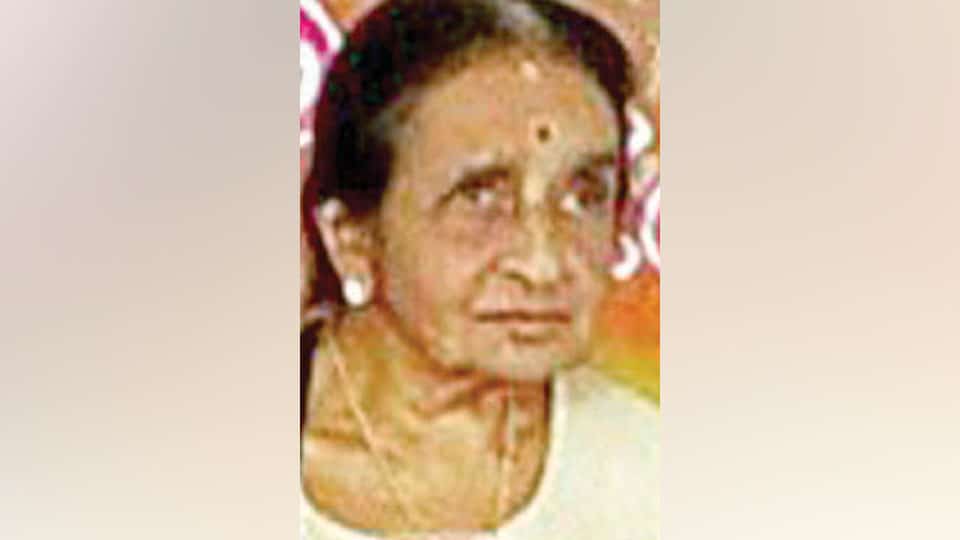
Obituary – Kechamada T. Subbamma

Litterateur Kechamada Subbamma Thimmaiah (Pullangada), wife of late Kechamada Thimmaiah, a senior Kodava litterateur and a recipient of ‘Chutuku Ratna’ State Award, passed away yesterday. She was 91.

A native of Kanur village and a retired teacher, she was the Chairperson of the 12th District Kannada Sahitya Sammelana held at Ponnampet.

She has written many books in Kannada and Kodava languages. She leaves behind two sons and a host of relatives and friends.

Last rites were performed at Kanur village yesterday, according to sources.

source: http://www.starofmysore.com / Star of Mysore / Home> Obiturary / February 14th, 2021

Fourth wave in a coffee cup

Fermentation techniques that involve anything from fruits to alcohol are giving the brew a new high.

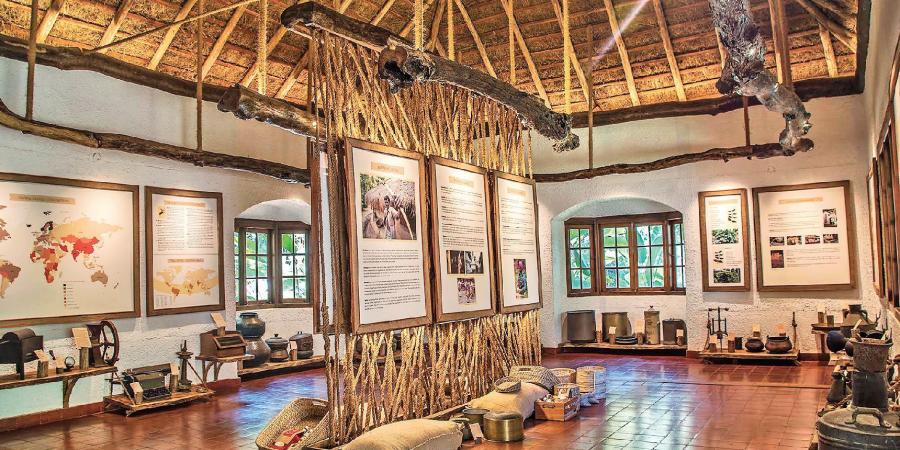
If you want to educate yourself on all things coffee, a visit to Sidapur Coffee and Culture Museum at Evolve Back in Coorg, will take you on a journey of discoveries.

From whisky barrel-aged coffee to fruit-fermented beans and innovative experiments in farming, fermentation and drying the fourth wave of coffee is set to spring a surprise. The brew is going artisanal. There is an increased focus on how it is grown, nurtured, processed as well as how it is being roasted. Sunalini Menon, Asia’s first woman professional coffee taster, and President, Coffeelab Ltd, Bengaluru, says: “Artisanal coffees are unique in taste and are always available in micro quantities.”

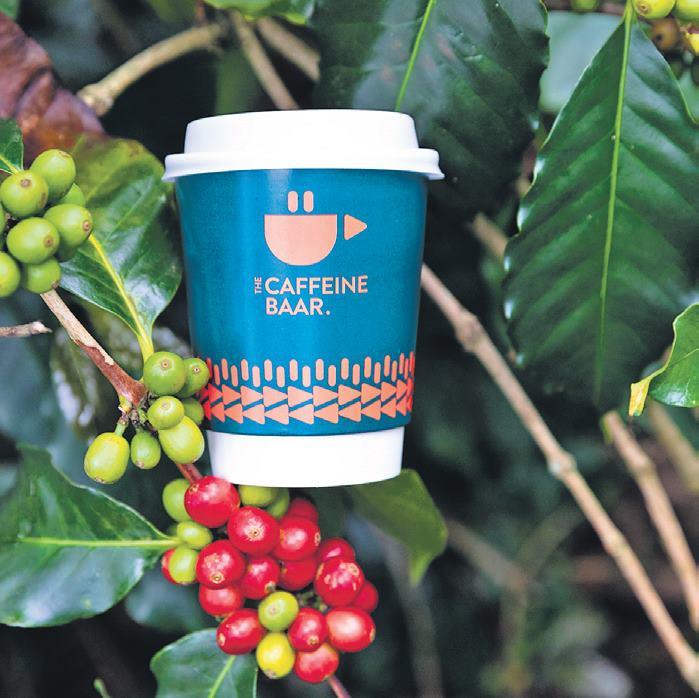
Such coffees are identified with sustainable practices in cultivation and prepared with care, precision and high-quality roasting.” Something like this is happening at Baarbara Estate, currently managed by the fourth generation of coffee growers from Chikmagalur, Karnataka.

Through their brand The Caffeine Baar, they are seeking to serve many coffee explorations to enthusiasts. Poojya Prasad, the co-founder, says, “We have worked on a unique fermentation process involving pineapple, which has given good results. To start with, pulped coffee beans are mixed with pineapple for a select number of hours.

The natural juices and the skin of pineapple, ferment the coffee beans. This process is monitored in a controlled environment. Once it’s complete, the mixture is dried on raised beds over several days. The coffee is monitored at each interval, resulting in batches with varying depths and notes of flavours.”
Roasters are having a field day. Take for instance, Maverick and Farmer Coffee Roasters, who have introduced new coffees that unlock more than what species, terroir or roasting can offer.

By intervening in the growing, processing, drying, blending and roasting stages of coffee (without any artificial additions), the endeavour is to explore different kind of tasting notes Indian coffee can offer. “We work on micro-lot coffees,” says Ashish D’ábreo, the founder-partner at Maverick and Farmer Coffee Roasters. Last year, they began work with fermentation and used ingredients such as fruit, yeasts, and cultured bacteria for the fermentation process. Abdul Sahid Khan, the training manager at Lavazza Training Center, India, adds, “Being passionately connected between coffee products and a need for eco-consciousness, have coffee roasters sourcing whole beans in small batches through direct and fair trade.

Many of the coffee roasters and importers today partner with handpicked farmers, and even reinvest into the farmer family’s land/business.” Research is at the cornerstone of these innovations. Located in Sakleshpur in Karnataka, Harley Estate, an extension of Harley Plantation Research Institute (HPRI), Asia’s first private research facility dedicated to coffee, is a lab where coffee-related experimentation goes on round the year. The purpose is to improve plantation management techniques and develop unique processing methods.

“We have, over the last couple of years, created over 50 processing methods, each bringing out different aspects of the coffee. We also conduct educative sessions for those who are in the coffee business,” says Chandini D Purnesh, Director, Classic Coffees. Coffee also has a health angle that is often overlooked. 


Green coffee, for instance, is different from regular coffee and is the natural unroasted form of Arabica Coffee grains, said to have three times more antioxidants and lesser caffeine compared to black coffee. 

“It boosts metabolism and provides support and strength to achieve health and fitness goals, that serve you in the long-term,” says Amit Tyagi, Founder and CEO, Neuherbs India. So the next time you sip on a cup of coffee, don’t forget that the long journey of the bean to cup has had several turns and twists to create that perfect flavour you love.

Sidapur Coffee and Culture Museum 
“If you want to educate yourself on all things coffee, a visit to Sidapur Coffee and Culture Museum at Evolve Back in Chikkana Halli Estate, Coorg, will take you on a journey of fascinating discoveries. The museum has different sections that talk of the story of the founding Ramapuram family, the history of coffee in Coorg, how coffee is cultivated globally and how to brew the perfect cup of coffee. This also features the culture of Coorg and its close association with coffee cultivation. Our hugely popular programme, Coffeeology, is a daily live session on the art and science of gourmet coffee, where visitors can observe and experience the making of an assortment of coffee preparations from around the world.”
Jose T Ramapuram, Executive Director, Evolve Back

source: http://www.newindianexpress.com / The New Indian Express / Home> Lifestyle> Food / by Bindu Gopal Rao / Express News Service / March 07th, 2021

Kodavas Rekindle Cultural Glory, Spirit At ‘Koyime’

Gonikoppal:

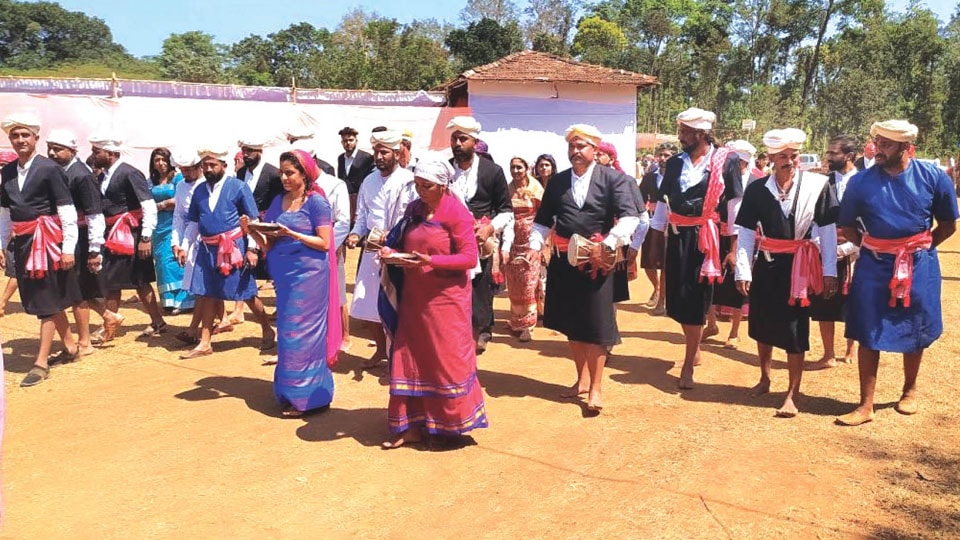
A two-day Kodava Cultural and Learning Festival, Koyime, began yesterday at Appachakavi Vidyalaya premises in Chikkamunduru village of Ponnampet taluk. The event is being organised by Connecting Kodavas Trust.

The festival has been organised to bring together talents of Kodava community who have achieved a name in culture, tradition and art forms, literature and sports. It is also a platform for budding talents from the community. Both elders and youngsters participated in the event.

Participants rekindled the cultural glory through attractive dance and other folk display. Kodavas give major importance to their tradition and cultures. This comprises of dress, language, customs, festivals,  songs, dance etc. The culture followed by the community is unique and the two-day festival reflected that aspect.

Senior member of Ajjikuttira family Ajjikuttira Bheemaiah inaugurated the temporarily built ‘Padipu Kayyale’ at ‘Balyamane’. Vice-President of Bengaluru Kodava Samaja Mallengada Meera Jalajakumar also joined him by placing the lit lamp in ‘Nellakki’. Trust Convenor Chokanda Suraj Somaiah offered prayers to Gods to protect the Kodava community by symbolically sprinkling  grains of rice.

Kodava men wearing traditional costumes including Kodava ‘Kupya’, ‘Chele’, ‘Mande Thuni’ and ‘Peechekathi’ and Kodava women wearing Kodava saree, and jewellery including ‘Jomale’, ‘Pattak’, ‘Kokkethaati’ and ‘Karthamani’ participated in the event at the ‘Balyamane’.

Fight for constitutional rights:

President of Codava National Council (CNC) Nandineravanda U. Nachappa addressed the gathering and demanded constitutional measures to safeguard Kodava language, culture and traditions. He regretted that there has been a systemic destruction of Kodava culture and folklore. 

“It is regrettable that Kodava community members are forced to launch a constitutional struggle to protect their cultural and social identity and have to raise their voice against the very Government that is supposed to safeguard a unique culture from diminishing,” he said. 

He called upon the crowd to not only highlight infrastructure issues like roads and drainages whenever a Minister or an MLA visits a particular area but also make a point to convey to them that Kodava culture has to be preserved from extinction. “They must be compelled to formulate policies and programmes to save such special communities by granting constitutionally-enshrined rights,” he added.  

United Kodava Organisation (UKO) Convener Kokkalemada Manju Chinnappa also spoke on the occasion and said that it is inevitable for Kodavas to unite and put up a united front and fight for their rights.

He called upon the community members in villages to continue the tradition of ‘Kodava Thakkame’. ‘Thakkame’ (the right to speak for) is the traditional, hereditary role of elders for a region or a shrine assigned to an okka (family). ‘Thakkas’ (headmen) were responsible for resolving disputes at different levels.

Jabbhumi Convenor Chottekmada Rajiv Bopaiah presided over the event. Journalists Ulliyada Dati Poovaiah, Balladichanda Nanjappa and others were present. Chendanda Shammi Madaiah of Connecting Kodavas Trust and other youngsters participated in the event.

source: http://www.starofmysore.com / Star of Mysore / Home> News / March 07th, 2021

In Kodagu, this independent researcher is working with local tribes and children to protect this precious habitat

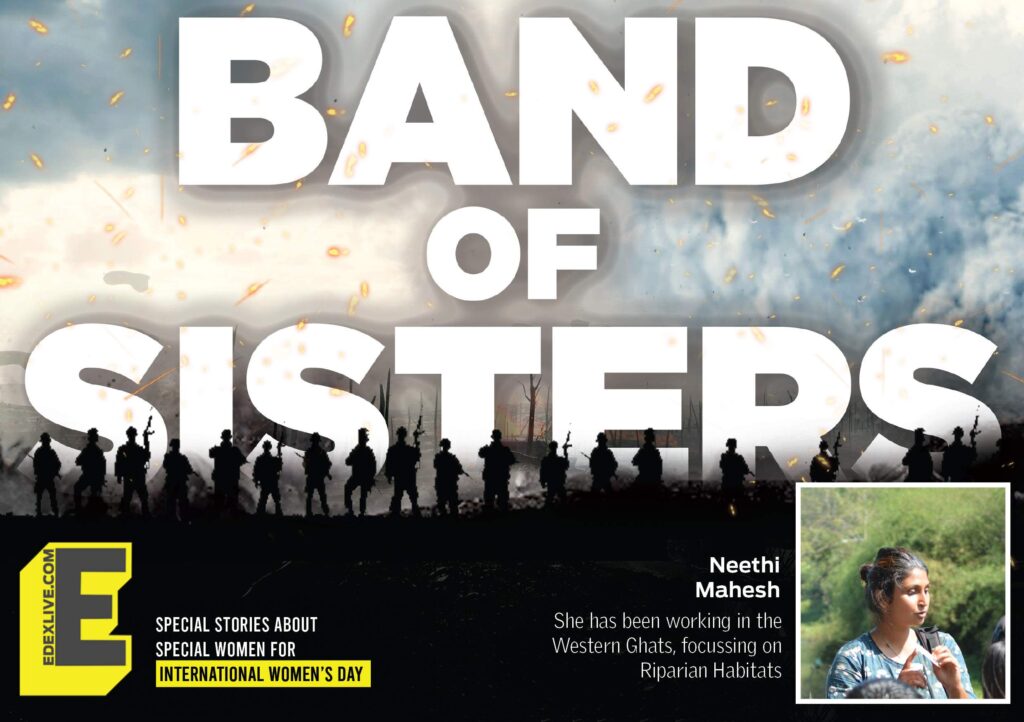
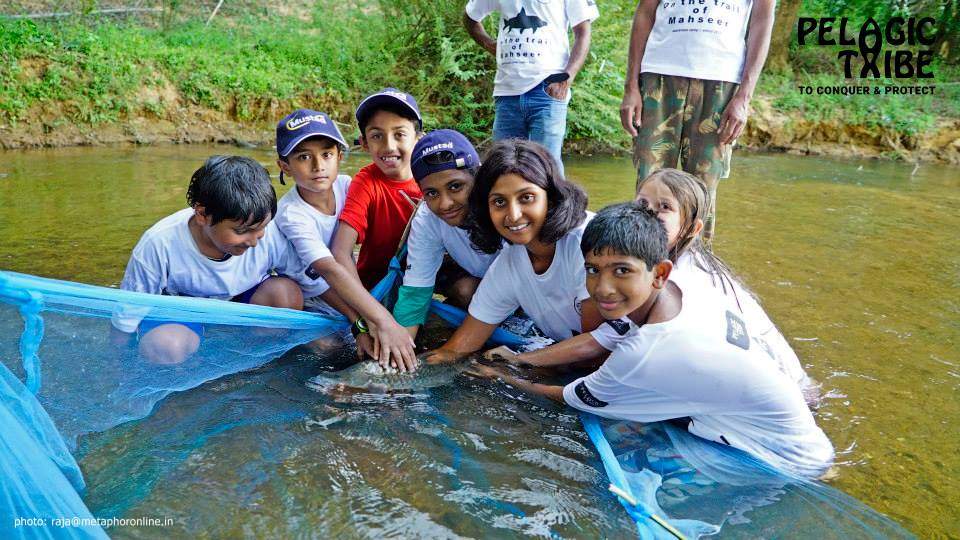
Neethi Mahesh has dedicated a lot of years to researching the riparian habitats of the Kodagu district. She is currently working with a tribe of honey collectors and students for better results .

Just like we hardly think of women when it comes to research in niche fields, one rarely thinks of fish when it comes to conservation. Neethi Mahesh is changing both mindsets. “Yes, the Government of India does have a Department of Fisheries, but its concern is with commercial fishing, rearing, catching and so on. When it comes to freshwater fish, quite a bit of work has been done in the past, but we have barely scratched the surface when it comes to taxonomy,” says Neethi. And the fish that has caught her academic interests is the migratory fish mahseer that dwells in riparian habitats, the area of interface between river and land, of Kodagu.


Environmental Studies and Ecology are subjects to which she was introduced early on and growing up in a space surrounded by greenery drove her to choose this field of research  


The 37-year-old’s journey started at Agumbe Rainforest Research Station where she was volunteering for the King Cobra Telemetry Project (a project to understand the ecology of cobra) in 2013. It was then that she heard about mahseer, their dependence on freshwater and how they migrate in the monsoons. While the river Seethanadi in Agumbe was not an ideal option to carry out research, she shifted to Kodagu and currently works at Dubare Reserved Forest. “Why mahseer is important is because it is a strong indicator of the river ecology itself. And it is in the riparian habitat that they spend most of their time,” asserts the researcher who was assisted in funding for her research by the WWF India and The Rufford Foundation in 2015 and The Conservation Hero Grant by The Habitats Trust in 2019.  

River outreach with students | (Pic: Neethi Mahesh)

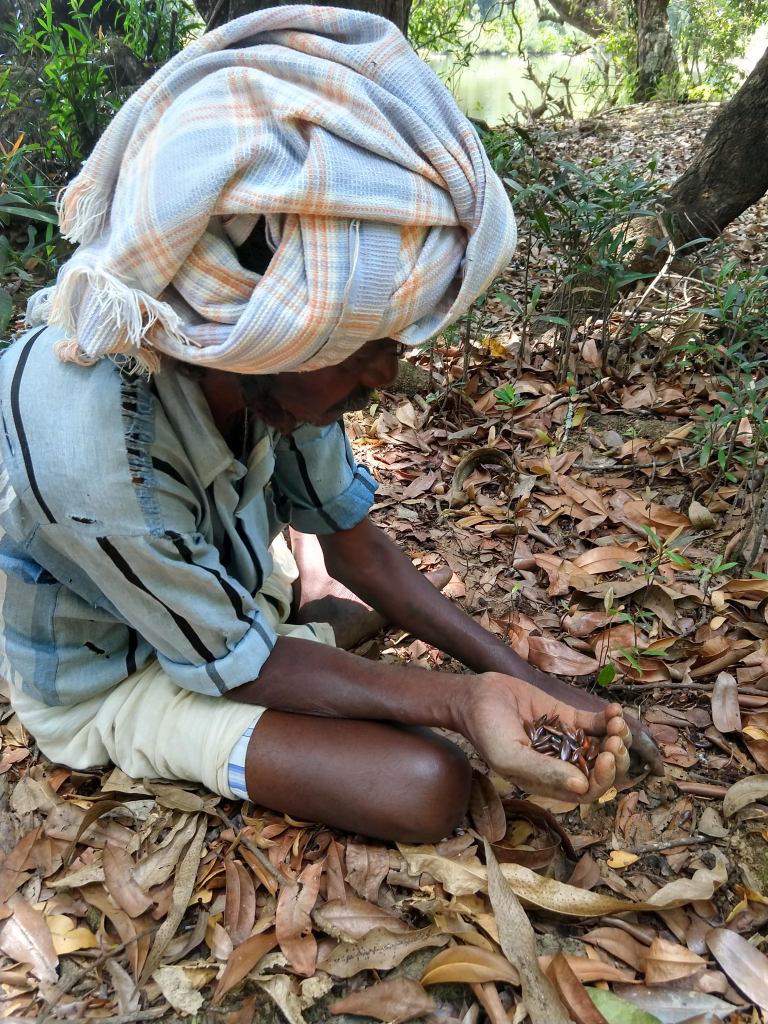
River bank modification, land-use change, dam proposal and more — there is a lot that threatens riparian habitats, which are majorly responsible for diverting flood water downstream. Invariably, the native species are threatened too. Hence, she has also been working with the native Jenu Kuruba tribe, who are traditional honey collectors, to preserve the local species. To this end, they started a seed bank and a nursery along with executing plantations of local species, all with the support of the Karnataka Forest Department. “The tribals were shifting to planting commercial species because it gets them the money, but a lot of time was spent on making them understand that their indigenous knowledge and skills are valuable. And unless it’s not documented, we will never know about it,” says the independent researcher who hails from Bengaluru. They have identified 12 species, as of now, that are important and have so far collected six to seven species. “One of the species that we are working for is a kind of river jamun (plum) that grows during the monsoon and drops into the river where, via observation, we can confirm that mahseer and other omnivore and herbivore fishes feed on it,” she explains.


It was in the year 2015 during which she mapped out the river stretch of Kaveri and did her basic groundwork for her research


What we love best about what Neethi is trying to do involves government school children as well. “There has been environmental generational amnesia and the new landscape is normal to them. We are trying to get them out in the open, teach them how to test the water in the river, how fertilisers affect it and so on,” she explains. But what she is most excited about currently is her soon-to-be-launched portal Our River, Our Life. “It’s a river-monitoring page. One can upload their quality report of their location online. It could also serve as a flood-watch. And then there is also her Voices from the River blog, where people can share their river stories,” she informs. It surely sounds resourceful.

Collecting seeds | (Pic: Neethi Mahesh)

Her area of research
Spatial ecology is the study of the spatial area occupied by a species. The species’ relationship with the habitat, other species and so on are studied in detail. It is also the study of the species’ own microhabitat and what affects it. Some of the courses that can help you understand more about this are:
– Graduate Certificate in Spatial Ecology from Michigan State University, US
– Computational Methods in Ecology and Evolution (MRes) from Imperial College, London

source: http://www.edexlive.com / EdEx-TNIE / Home> Happennings> Fish / by Seema Rajpal, Edex Live / March 06th, 2021

India Visit Of Prince Charles

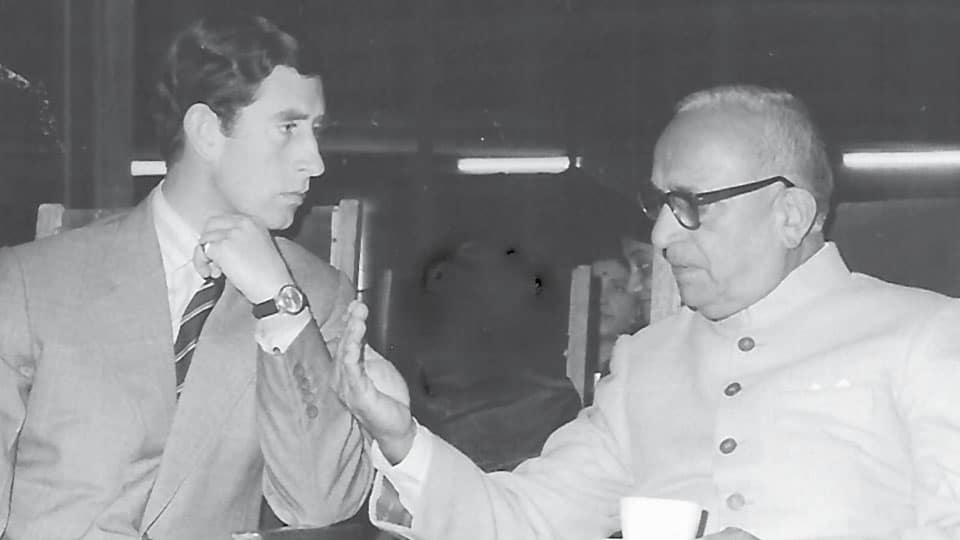
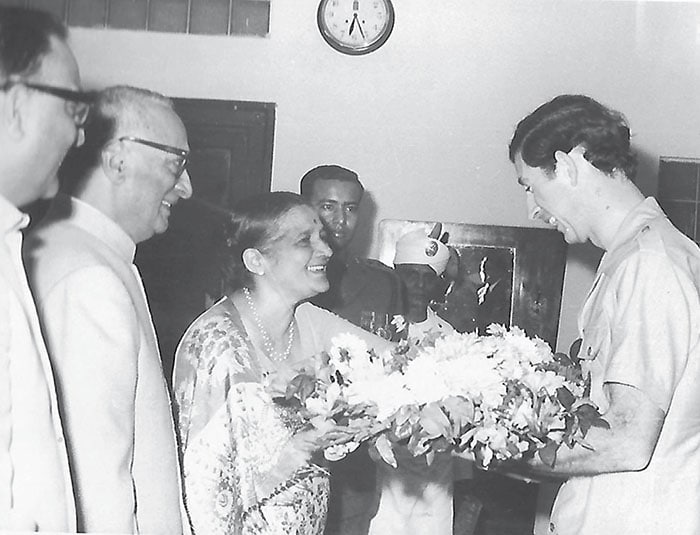
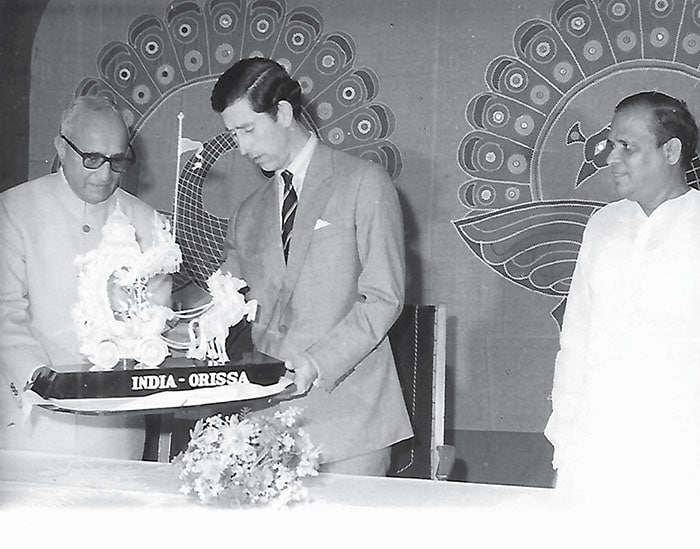
Charles, Prince of Wales, the heir to the throne of United Kingdom (UK), has visited India 10 times till date. One of his visits was in 1980, and one of the States where he was a State Guest was Orissa. My father, C.M. Poonacha, was the Governor of Orissa at the time. Prince Charles stayed in the Raj Bhavan for a couple of days and my parents interacted with him as his hosts. For my father, who was a freedom fighter, this was quite an experience to host the future King of the UK, whose ancestors were his adversaries. 

Prince Charles was a 32-year-old bachelor at the time. Those who have watched ‘The Crown’ on Netflix would recall that before his foreign tour in 1980, he had started dating Diana Spencer. He took her to Balmoral Castle to meet the Queen and other members of the family and was supposedly put through the ‘Balmoral Test’ to assess if she has the right qualities to be a Windsor and a potential Queen of UK. 

Months prior to her marriage, Diana moved to Buckingham Palace to familiarise herself with the protocols to be followed as the future Princess of Wales. My father found Prince Charles to be an amiable, intelligent, and well-read young man. It is commendable that India and UK continue to have cordial relationship despite the dark colonial era. I recently found some of the photographs taken during the 1980 visit.

Mr. & Mrs. C.M. Poonacha greeting Prince Charles.

Had I known as much as I do now about Queen Victoria and her Indian God-daughter Princess Victoria Gowramma of Coorg, I would have visited Bhubaneswar for a chat with Prince Charles! An opportunity missed.

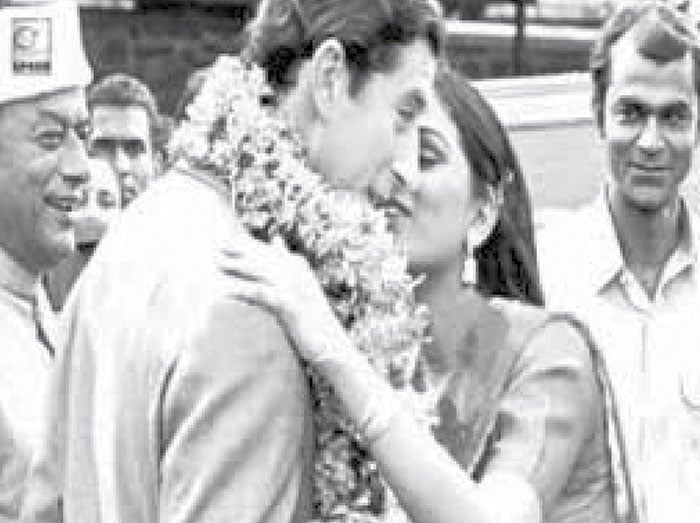
After his visit to Orissa, Prince Charles was the State Guest of Maharashtra. Wherever he went, girls were swooning over him! He was arguably the most eligible bachelor in the world at that point in time. I am sure many would remember the cheeky kiss the then 16-year-old Padmini Kolhapure of Satyam, Shivam, Sundaram-fame, stole from the Prince charming!

C.M. Poonacha and Prince Charles.

Prince Charles and Lady Diana Spencer were married in 1981. Their tumultuous life, divorce and the subsequent horrendous accident that took Diana’s life, are familiar to the world. The person who stole Charles’ heart was Camilla Parker Bowles (née Camilla Shand). There are several speculations about Charles becoming King and Camilla his Queen. One rumour is that Queen Elizabeth II will abdicate later this year after her 95th birthday celebrations and make way for Charles to be coronated. Another scenario is that the Queen will hold on to the crown and make Charles the Regent. Yet another speculation is that the Queen might bypass Charles and name his son Prince William her successor. If Queen Elizabeth II, after 69 years on the throne, continues as the Monarch till her demise, then by normal scheme of things UK will have King Charles and Queen Camilla. 

People in the UK are divided on the issue of continuation of the monarchy with a slight bias towards retaining the royal head of State. In any case, it is more than a couple of centuries since monarchy in the UK ‘reigns but does not rule’.

Padmini Kolhapure giving a peck on Prince Charles’ cheek.

When Padmini Kolhapure kissed Prince Charles!

Bollywood actress Padmini Kolhapure made a lot of headlines in 1980 when Prince Charles came to India and the teenage actress welcomed him with a warm kiss on his cheeks. The Prince was welcomed by Padmini during a visit to a Bollywood shooting spot and after putting the garland on his neck, she planted a kiss on his cheek. According to reports, Prince Charles was also surprised with the actress’ gesture. This became quite a topic of discussion at that time.

About the author: C.P. Belliappa is a Chemical Engineer. He is based in Coorg (Kodagu). He is known for his writings on issues pertaining to Coorg. He writes humour, history and human-interest stories. Four of his books — Tale of A Tiger’s Tail & other Yarns from Coorg, Nuggets from Coorg History, Victoria Gowramma: The Lost Princess of Coorg, and Tongue of the Slip — have been published by Rupa Publications. He presently serves as President, Coorg Institute of Technology (CIT), Ponnampet, South Kodagu.

source: http://www.starofmysore.com / Star of Mysore / Home> Feature Articles / by C.P. Belliappa / March 03rd, 2021

Six-year-old in Karnataka hears for the first time on World Hearing Day

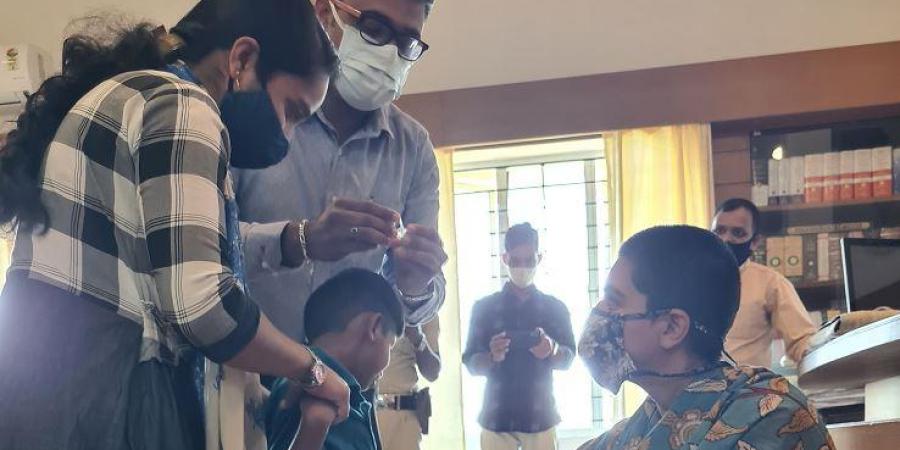
The young boy, who has been diagnosed with profound hearing loss since birth, was gifted with hearing aids with the efforts from Swastha Centre for Special Education and Rehabilitation, Suntikoppa.

Madikeri :

The silent world opened up with sounds to the six-year-old Dhruva, who heard for the first time on the World Hearing Day on Wednesday. 

The young boy, who has been diagnosed with profound hearing loss since birth, was gifted with hearing aids with the efforts from Swastha Centre for Special Education and Rehabilitation, Suntikoppa. The hearing aids were handed over to Dhruva by Kodagu DC Charulata Somal.

Son of Srijith and Rekha from Madapura in Kodagu, Dhurva was diagnosed with hearing loss at the age of three. While his parents looked forward to equipping their child with hearing aids, the equipment was out of reach for the parents. However, the Community Based Rehabilitation programme conducted by Swastha Institution introduced Dhruva’s parents to Aarthi Somaiah, the director of Swasta and the journey from here has been a sweet one.

Swastha Institution, a unit of Coorg Foundation, has over 100 specially-abled students. The centre provides vocational training to all the students even as many are placed across reputed private companies in the district. After the institution learnt about Dhruva, many donors were contacted.

SLN Group Vishwanath and his wife and Komal of Kanbail Estate, came forward to join hands with Swastha to help Dhruva who has now been equipped with Rs 62,500 worth of hearing aids. Dr Achaiah conducted the hearing test for Dhruva and the hearing aids were placed on Dhruva by DC on Wednesday.

“Dhurva has been born with severe to profound hearing loss and hearing aids play a major intervention. Once he starts responding to the hearing aids, he will be given speech therapy,” explained Dr Achaiah.

Director Aarti said that early intervention is required to identify differently-abled. “The centre has strategized the early intervention programme across the district and this enables identification, assessment and service delivery to differently-abled children aged six and below. The mainstreaming will be taken up by training the mothers of differently-abled at Anganawadis, which will be chosen as intervention centers.”  

source: http://www.newindianexpress.com / The New Indian Express / Home> Good News / by Prajna G R / Express News Service / March 03rd, 2021

Tadiyandamol Hill beckons trekkers

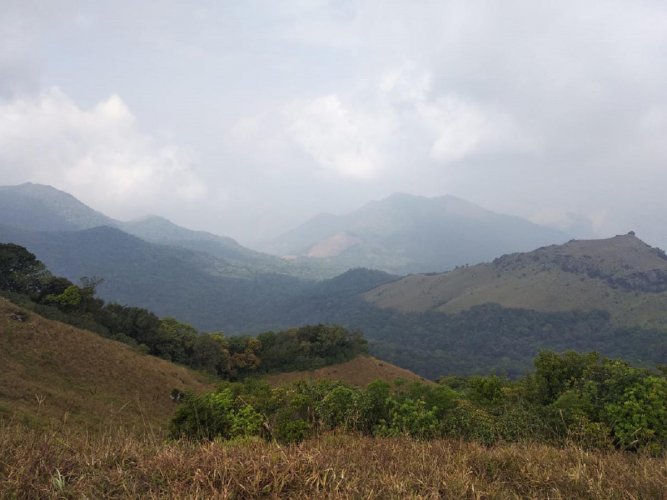
A view from the top of Tadiyandamol Hill in Kodagu.

Tadiyandamol, the highest cliff of Kodagu, is known for nature’s bounty and attracts trekkers. Tadiyandamol roughly translates to ‘tall, broad hill’ in the local dialect.

It is the highest peak in the Kodagu district and the third highest in Karnataka after Mullayyanagiri and Kudremukh.

To embark on the trekking adventure, trekkers have to trail through lush green plantations and here and there water bodies cross the path. The path does not make one feel tired as one looks at the beauty of the surroundings. 

Owing to the Covid-19 pandemic, the trekking activities were suspended for a few months.

Trekking activities resumed

When the trekking activities resuming, people from all age groups have started their trekking adventure.

The number of people during the weekends and holidays is on the rise. 

Trekkers from not only Karnataka but also from outside the state and country visit Tadiyandamol.

With verdant valleys in all directions, the views all around from the top mesmerise the trekkers. 

The trekkers enjoy a whiff of cool breeze at the top with the clouds playing hide and seek. Trekkers visit the spot even during winter and summer. 

Distance and height

Tadiyandamol cliff is 48 km away from Madikeri. The height of the cliff is 1,717 metres and one has to cover 10 km to reach the cliff via Nalkunadu palace in Yavakapadi.

One can enjoy the beauty of nature while traversing the trekking trial via Kabbinakadu.

After reaching Kakkabbe via Napoklu, one must locate Yavakapadi village. Jeeps are also available for rent from Kakkabbe. After driving for six to seven kilometres, the rest of the way can be covered on foot.

Panoramic view

The panoramic view of Tadiyandamol during monsoon is totally different. One come across several waterfalls cascading down the hillock en route.

Several researchers also visit the cliff to study biodiversity.

To check the pollution, the forest department has laid down a few restrictions on the trekkers.

The trekkers have to pay Rs 100 and ensure that they do not dump plastic and other waste en route.

“Tadiyandamol is a paradise for the trekkers,” said Prof Pattabi of Mangalore University, who had trekked along with a team recently. 

source: http://www.deccanherald.com / Deccan Herald / Home> State> Mangaluru / by DHNS, Napoklu / February 27th, 2021

India’s youth must find innovative ways to overcome pandemic crisis: Nikhil Chinapa

Time to help is now, says popular DJ Nikhil Chinapa, who is moderating a fundraising concert for daily-wage workers affected by the pandemic

Nikhil Chinapa | Twitter Photo

Bengaluru:

Every ’90s kid will remember being a fan of VJs. One such name that people never forget was Nikhil Chinapa, who was a popular face on MTV. While he may be living in Mumbai now, at heart, he still considers himself to be a “Bangalore boy”. “I still support RCB over Mumbai Indians,” says Chinapa, who is busy gearing up to moderate the Open Up India Fundraising Campaign, United Nations Development Programme  (UNDP), which is for sanitation workers and migrant workers.

The concert will be taking place virtually on March 13. The concert will have performances by Vasu Raina, Raghav Meattle and Lucky Ali, to name a few artistes.  With things going back to the way they were before the pandemic, one might question the need for a fundraiser. To this, Chinapa says, “The impact of the pandemic has been so huge that it will still take time to recover, especially for daily wage workers. This is the time we can come together to help as possible,” says Chinapa, who believes the youth of the country must find innovative ways to overcome this crisis.

“They can come up with new ideas,” he adds. One of India’s most popular DJs, Chinapa has missed playing for a live audience but he is choosing to not sweat the small things. “Lockdown was a low phase but I have nothing to complain. I’m grateful I got to spend more time with my wife and daughter, who turned 3 this year,” says Chinapa, who married fellow DJ, Pearl Miglani, in 2012, and to whom he credits his DJing skills. 

Chinapa’s career as a television personality started when he won the MTV VJ Hunt in 1999. He has also been a part of shows like India’s Got Talent 2, MTV Splitsvilla, MTV Mashups, Fame X etc. Agreeing that people’s taste in music and the way they consume entertainment has changed drastically, Chinapa says the secret to staying relevant is to  understand the change and to pursue what you love with passion.

He explains this with the example of the upcoming concert, which will be streamed digitally, which was something that not many considered some years ago. “As the style of music and the way the industry functions has its own limitations, the only way to go about this is to do things with the same passion you felt on the first day,” says Chinapa. For details about Open Up India Fundraising Campaign, UNDP India, check Insider.in

source: http://www.newindianexpress.com / The New Indian Express / Home> Cities> Bengaluru / by Monika Monalisa / Express News Service / February 28th, 2021

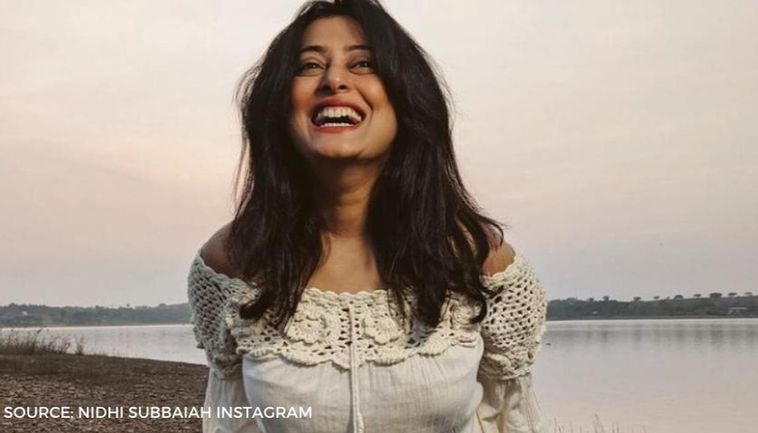
Nidhi Subbaiah To Enter Bigg Boss Kannada 8: Here’s Everything You Need To Know About Her

Nidhi Subbaiah is all set to enter the house of Bigg Boss Kannada season 8. Here is a general trivia about the actress to prepare you to watch her on the show.

Nidhi Subbaiah is all set to enter the house of Bigg Boss Kannada season 8 and thus fans are eager to know more about the contestant.

Nidhi Subbaiah entered the industry through television advertisements and small roles in films, She rose to fame through movies like Pancharangi and Krishnan Marriage Story.

 She made her Bollywood debut in 2012 through Oh My God and bagged a lead role in 2012 released Ajab Gazabb Love. 

Below is a list of things fans need to know about Bigg Boss Kannada’s Nidhi Subbaiah.

Who Are Bigg Boss Kannada season 8 Contestants | Bigg Boss Kannada 8:  Here's The List of Confirmed Contestants | Celebs Photo Gallery | India.com  Photogallery

Who is Nidhi Subbaiah?

Nidhi marked her debut in 2009 with the movie Abhimaani which turned out to be a box office failure. She later appeared in movies like Chamkaysi Chindi Udaysi, Veera Bahu, Anna Bond, and Ayushman Bhava. She gained popularity among the Kannada audience through her commercials.

Nidhi Subbaiah general trivia

Bigg Boss Kannada’s Nidhi Subbaiah’s age is 35 years old, born on the 16th of February, 1985. She married her long-time boyfriend Lavesh Khairajani. Their wedding ceremony was a beautiful mix of traditional South-Indian, Sikh, and Sindhi cultures.

Nidhi Subbaiah achievements as a sportsperson

Nidhi Subbaiah pursued her education in Mysore in Sri Jayachamarajendra College of Engineering.

She proved her potential as a sportsperson by winning gold medals at national level spots in sailing.

The actress has an impressive record of winning three national gold medals in the same year at Visakhapatnam in Andhra Pradesh and at Chilka Lake in Orissa.

Adding to her list of achievements, Nidhi was also a Naval NCC Cadet and won the best cadet award in 2004.

What is Nidhi Subbaiah’s net worth?

Working as a model and actress in the south Indian film industry, Nidhi garnered quite a lot of net worth throughout the years. She made her earnings through advertisements and roles in Kannada, Telugu, and Hindi movies. Nidhi Subbaiah’s net worth is estimated to be around 85 crore rupees, according to a report by thepersonage.com.

A peek into Nidhi Subbaiah’s photos on Instagram

Nidhi Subbaiah often shares photos of her daily moments on her social media to interact with her fans. In a recent post, the actress shared a picture of herself cradling her dog and wrote ‘Little Pablo!’. Nidhi Subaiah’s photos on Instagram let her fans get a glimpse of her daily life as the actress consistently updates her fans.

source: http://www.republiworld.com / RepublicWorld.com / Home> Entertainment News> TV News / by Princia Hendriques / March 01st, 2021