Hotel Review: A Refreshing Break At Coorg Wild Walk By CGH Earth

Nestled in a coffee estate near Nagarhole’s Kutta Gate, Coorg Wild Walk by CGH Earth is a four-bedroom immersive retreat for those who seek nature’s quiet charm.
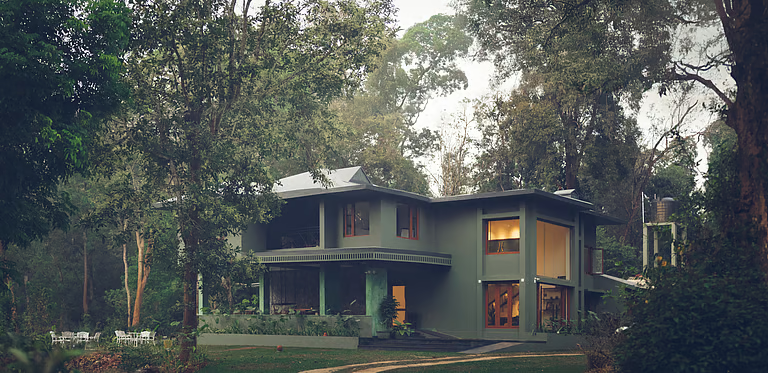
Coorg Wild Walk by CGH EarthSourced

My journey to Coorg Wild Walk by CGH Earth began in Delhi, which was sweltering at 40°C. A quick flight landed me in Bengaluru, and the city welcomed me with the gentlest breeze and cloudy skies as if someone had hit refresh on the weather. The shift was almost cinematic.

From there, we hit the road, a long, winding, 240-250 km stretch that slowly peeled away the layers of city life. Concrete gave way to curves of green, rustling leaves replaced honks, and the air grew dense with the smell of wet earth and roasted coffee. We took the Nagarhole route to Coorg, which was one of the best decisions of the trip. Tall, dense forests looked straight out of a rainforest documentary. Pine trees lined the roads like they were greeting you. The postcard views were only getting better as we drove further.

The monsoon was in full swing, with dramatic grey clouds rolling across the sky, casting flickering shadows over hills and plantations. Every turn brought a surprise: wild boars darting across the road, a family of deer grazing peacefully, birds fluttering overhead in sudden flashes of colour. I kept the car window down the entire time. Not even once did I feel like shutting the world out. It was more than just a ride; it was a slow transition into the wilderness.

The Stay: Coorg Wild Walk by CGH Earth
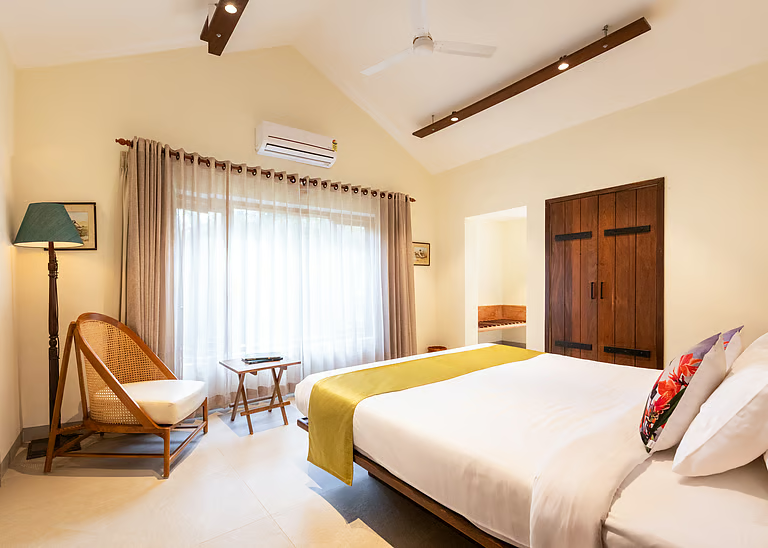
A glimpse of a room at Coorg Wild Walk by CGH EarthSourced

After nearly eight hours on the road, we arrived. But instead of exhaustion, I felt a sense of quietude. The welcome was warm and grounding — a chilled cultural drink in hand and a cool towel to freshen up. Even though we were right on the forest’s edge, it didn’t feel isolating. The villa is designed to blur the line between indoors and outdoors, with massive glass windows that open into dense greenery, open verandahs that double as dining spaces, and a living room so cosy you’ll find yourself curled up with a book without even trying.

Inside, everything feels natural: reclaimed wood furniture, soft, warm lighting, bamboo accents, and handpicked Kodava artefacts that give the space a distinct cultural identity. My room had a large window with the best nature shots — I would sit there for hours with soft music playing, watching jackfruit trees sway, wildflowers bloom, and coffee plants ripple under the wind. Alarms didn’t mark mornings, but by the soft drip of rain, birds singing like lullabies, and the gentle rustle of animals waking up in the forest.

Property manager Lokesh Gowda told me about a leopard that once came and slept at the villa’s doorstep. “It’s his home, too,” he said with a chuckle. Elephants sometimes break through the electric fence at night. “Midnight feasts,” he added casually. Equal parts scary and fascinating, but mostly just humbling.

Dining At Coorg Wild Walk by CGH Earth
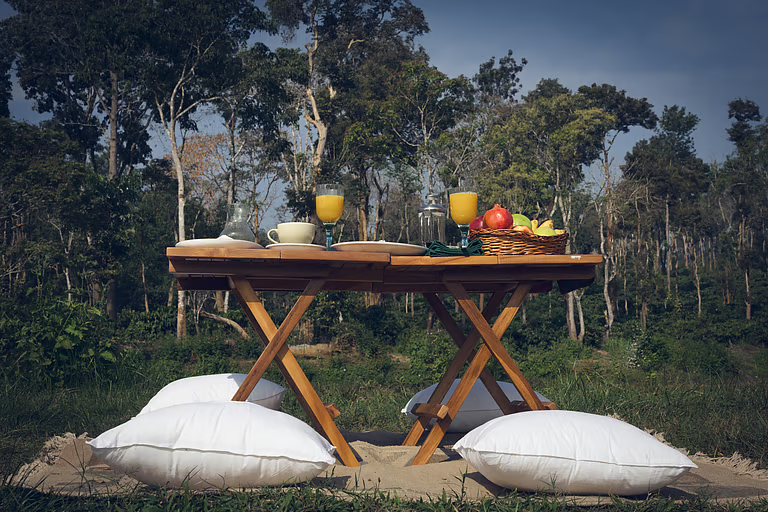
Enjoy a meal in the lap of nature at Coorg Wild Walk by CGH EarthSource

If the surroundings calmed my soul, the food healed everything else. Dinner on day one was like coming home to a table laid out by someone who knows exactly what comfort tastes like. Sitting down to a very inviting plate, it pulled me in before the first bite.

There was a crispy Aloo Gobhi Fry that had the perfect crunch and spice, a tangy Pineapple Curry that was equal parts sweet and sour with the fragrance of tempered mustard seeds dancing in the background, and a Spinach Curry that was silky, creamy, and comforting — like the green equivalent of a warm hug. The Coorg-style chicken was rich, peppery, and fell off the bone, while the mutton was slow-cooked till it melted with every bite. And don’t even get me started on the buttery carrot soup; it was thick, velvety, and carried this earthy sweetness that made me smile mid-sip.

Breakfast the next morning was just as dreamy. A spread of fresh fruits, grilled tomatoes, eggs made to order, warm potato tikkis, and sausages sizzling on the side. But it was the local dishes that stole my heart. Kadambuttu, those soft rice balls, soaked up the curry like they were made for each other. Neer Dosas, light and lacy, melted in the mouth. And the Akki Roti, hearty and wholesome, had the flavour that only wood-fired griddles can bring. The grand finale was a warm bowl of Paruppu Payasam — moong dal, jaggery, coconut, and dry fruits, slow-cooked into a sweet, sticky heaven. It was so good that I didn’t know whether to eat it or frame it.

And the best part? All this while sitting outside, under a canopy of trees, with birdsong as your playlist and clouds moving above like nature’s screensaver.

Nearby Experiences
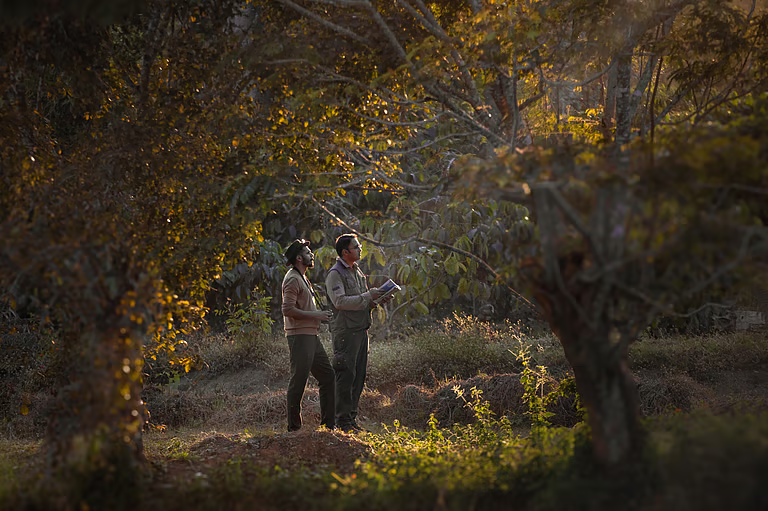
A glimpse of the property / Sourced

Of course, no trip to Coorg Wild Walk is complete without a proper safari. With the Kutta Gate of Nagarhole Tiger Reserve just 3 km away, I set out early one cold morning, jacketless (rookie mistake) but buzzing with excitement.

Nagarhole, or the Rajiv Gandhi National Park, is a massive 847.98 sq. km sprawl of protected jungle, part of the Nilgiri Biosphere Reserve. Its core zones are tiger territory, but the entire area is teeming with life. Our safari began at dawn with only a few jeeps ahead, which meant less noise and more chance to spot animals in their element.

As we rumbled deeper into the forest, the rain-soaked leaves shimmered, and mist clung to the tree trunks. We saw Chital, Sambar Deer, Barking Deer, and even a herd of elephants walking gracefully through the undergrowth. Bright peacocks called from the branches above, and the elusive Indian Giant Squirrel darted like a flash of rust-red through the canopy.

It happened when I had given up hope of a big cat sighting. I spotted a leopard. Calm, unbothered, regal. She walked slowly, elegantly, just a few feet from us. Our eyes met for a second, hers wild and ancient, mine wide with awe. It felt like a shared moment. No roars, no drama, just quiet understanding. The kind you remember long after the ride ends.

The Extras that Make It Whole.

CGH Earth ensures this isn’t just a place you stay. It’s a place you feel. From guided plantation walks where you get to understand the journey of coffee from bean to cup, to peaceful birdwatching sessions and barbecue nights under star-splashed skies, every day has something new to offer. The property is not for the rushed. It’s for those who want to listen more than they speak. For those who like slow mornings, long books, deep conversations, and wild silences. It’s a place where nature doesn’t just surround you — it includes you.

The Information | Coorg Wild Walk by CGH Earth

Address: K Badaga, Nanachi Estate, Kutta, Karnataka 571250

Tariff: Starts at INR 13,571 per night. This includes breakfast and Wi-Fi (excludes taxes). Please note that the prices vary from season to season.

How to reach Coorg?

Coorg is around a 6–7 hour drive from Kempegowda International Airport, Bengaluru. You can hire a taxi or take a private cab. Alternatively, you can fly into Mangalore International Airport (IXE) or Mysore Airport (MYQ). Mangalore is about 140–160 km away, while Mysore is closer, at around 120–130 km.

When is the best time to visit Coorg?

Coorg is a year-round destination. For pleasant, cool weather, visit between mid-November and mid-February. The monsoon months (June to September) transform Coorg into a lush green escape, but expect heavy rainfall and slower city life. Flooding may occur in certain areas, so plan accordingly.

For bookings and other details check their website: www.cghearth.com/coorgwildwalk/

source: http://www.outlooktraveller.com/ Outlook Traveller / Home> Stay> by Mithi Singh / July 01st, 2025

Kodava Hockey Premier League-2025:  Pale Taluk emerge champions

Mysuru:

Team Pale Taluk emerged as the champions of Kodava Hockey Premier League – 2025 defeating Coorg Titans 3-1 in the finals held at Chamundi Vihar Stadium Hockey Grounds here yesterday.

In the first half, Coorg Titans was leading 1-0 after converting a penalty. Pale Taluk came back strongly in the second half to score three consecutive goals to emerge champions. Kodavu Warriors won the third place.

The winners were awarded a cash prize of Rs. 1.50 lakh while the runner-up team received Rs. 1 lakh cash reward along with trophies.

The jubilant Pale Taluk team posing with winner’s trophy at Chamundi Vihar Stadium in city yesterday.

Earlier, presiding over the valedictory event, Legal Advisor to Chief Minister and MLA Ajjikuttira S. Ponnanna expressed his happiness over the tournament being organised in Mysuru for the Kodava community and also congratulated Kodava Samaja Youth Wing Mysuru, Kodava Samaja Mysuru and Hockey Mysore for the success of 3-day tournament.

“We have been encouraging all sports including hockey in Kodagu as sports is an integral part of our culture. The State Government has been providing sufficient funds for promoting sports which has to be utilised efficiently. An 11-acre land has been identified in Virajpet taluk which will be developed into a sports facility,” he added.

Coorg Titans posing with their runner-up trophy.

Department of Youth Empowerment and Sports (DYES) Commissioner R. Chethan, in his address, expressed concerns about youngsters committing suicide even for a small loss despite being excellent in their academics. He called upon the sportspersons to take the loss positively and come back stronger to emerge victorious.

Urging the parents to encourage their children to take up sports which not only helps in being physically fit but mentally stronger as well, Chethan lauded the Kodava Samaja Youth Wing for hosting the tournament by bringing community people from Mysuru and Kodagu together.

No players from Karnataka in National team

DYES Commissioner Chethan regretted the absence of Karnataka players in the National side. “Earlier, at least 3-4 players from the State, majority from Kodagu, were a part of the National Hockey team. However, it is disheartening to note that not a single player from the State was a part of the National team which won bronze in the previous Olympics.

A detailed discussion has been held with Hockey Karnataka and DYES is ready to provide all necessary facilities to improve the sport,” he added.

United Kodava Organisation Convener Kokkalemada Manju Chinnappa, Vamcy Merla Sports Foundation’s Pradeep Urs, Hockey Mysore President Konganda Dilip Biddappa, Kodava Samaja Mysuru President Ponjanda A. Ganapathy, Gynaecologist Dr. Appaneravanda Sonia Mandappa, actor Shwetha Chengappa, advocate Smitha Devaiah, Indian Hockey player C.B. Poovanna, Kodava Samaja Youth Wing Mysuru President Kotera Vedith Uthaiah, Technical Official Pullangada Rohini Bopanna, motorsport enthusiast Vamcy Merla and others were present.

source: http://www.starofmysore.com / Star of Mysore / Home> Sports / June 30th, 2025

₹50 crore for development works in Madikeri: Minister

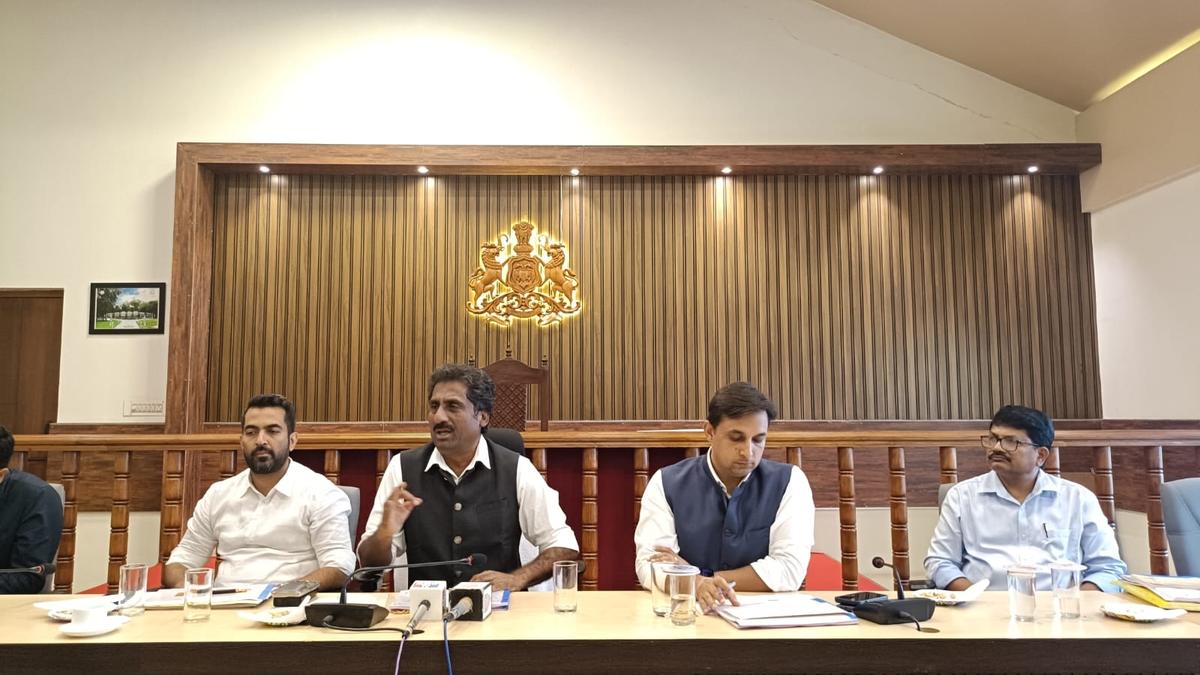
Minister for Municipalities Administration Rahim Khan speaking during his visit to Madikeri on Wednesday. MLA Mantar Gowda and Deputy Commissioner Venkataraja are seen. | Photo Credit: SPECIAL ARRANGEMENT

Municipal Administration Minister Rahim Khan inaugurated the newly constructed Town Municipal Council (TMC) office building at Kushalnagar in Kodagu. The facility has been built at a cost of ₹7 crore.

Speaking at the event on Wednesday, the Minister announced that Chief Minister Siddaramaiah had approved the release of ₹50 crore for various development projects in the Madikeri Assembly Constituency.

Mr. Khan said allocations would be released in phases for development works. He announced the launch of three additional Indira Canteens in the constituency. Each canteen is expected to serve breakfast and lunch to more than 300 people daily, he added.

Madikeri MLA Mantar Gowda said the new municipal office was spacious and well-equipped, adding that Kushalnagar was likely to be upgraded to a City Municipality in future. He proposed the installation of a statue of former Chief Minister R. Gundu Rao on the premises in recognition of his contributions to the town’s development.

He said the merger of several gram panchayats, including Guddehosur with Kushalnagar TMC, strengthened its case for elevation to City Municipality status.

The Minister inspected the Indira Canteen near the KSRTC bus stand.

source: http://www.thehindul.com / The Hindu / Home> News> India> Karnataka / by The Hindu Bureau / June 12th, 2025

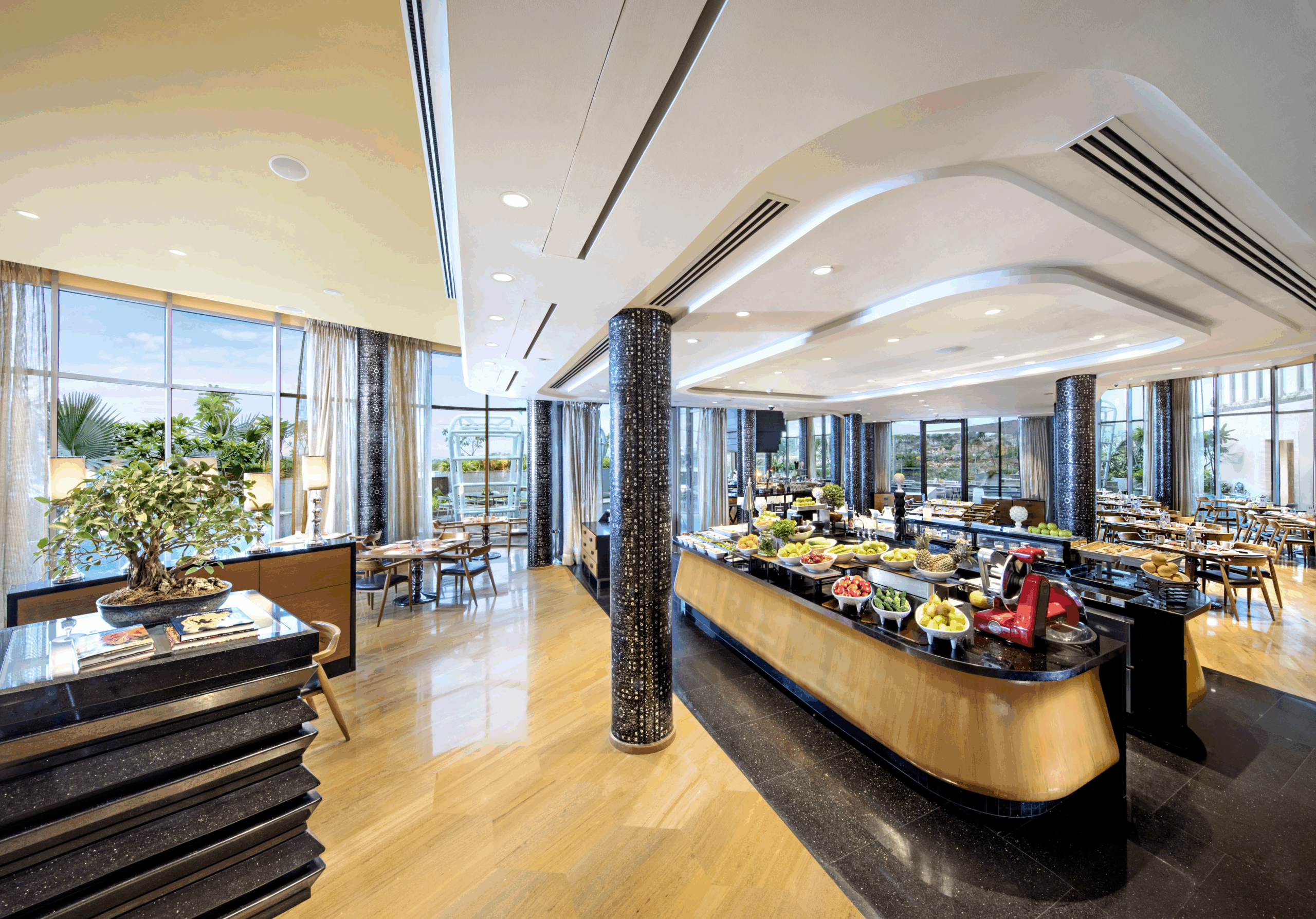
Kodava Food Festival at Golconda Pavilion, ITC Kohenur

ITC Kohenur presents an immersive culinary experience with a three-day Kodava Food Festival, spotlighting the distinctive cuisine of Karnataka’s Kodava region.

ITC Kohenur presents an immersive culinary experience with a three-day Kodava Food Festival, spotlighting the distinctive cuisine of Karnataka’s Kodava region.

Curated with care, the menu features an array of time-honoured recipes that reflect the bold and aromatic flavours of the Kodava table. Diners can expect dishes such as Balekai Barthad – shallow-fried raw plantains, Nallamalu Erchi – Coorg-style lamb pepper fry, Meen Barthad – crisp fried fish, Koli Barthad – spicy pan-fried chicken, Ograne Itte Kadambutt – rice dumplings stir-fried with vegetables, Bollary Barthad – golden-fried yellow cucumber, among others.

The menu also includes traditional accompaniments and seasonal preparations such as Chorange PajjiThenge PajjiBaimbale CurryKaad Mange, and Tarkari Pulav, offering a rare glimpse into the depth and diversity of the cuisine.

Starting from 30th June to 2nd July 2025, between 7:00 PM and 11:30 PM, the Kodava Food Festival offers an extraordinary culinary journey through one of India’s most distinctive regional cuisines.  

Golconda Pavilion – ITC Kohenur, 30th June to 2nd July 2025, 07:00PM to 11:30PM.

To reserve your table and for further details, please call +91 79955 59223

source: http://www.hospibuz.com / Hospibuz.com / Home> Hotel Listicles> Hotel / by Hospibuz.com / June 28th, 2025

Rain: Holiday declared for schools in Kodagu district

The NDRF team inspecting the landslide-prone areas in Kodagu on Wednesday. | Photo Credit: SPECIAL ARRANGEMENT

In the wake of persistent and widespread rainfall across Kodagu district, Deputy Commissioner Venkataraja has declared a holiday for all anganwadi centres, primary and high schools, and pre-university colleges on Thursday as a precautionary measure.

The district has been witnessing heavy downpours over the past few days, with instances of rain-related damage reported from several locations. In the 24 hours ending at 8.30 a.m. on Wednesday, Kodagu recorded 60.92 mm of rainfall. Srimangala received 146 mm, while Shanthalli and Shanivarasanthe registered 160 mm and 112 mm respectively.

Meanwhile, Kiran Kumar, assistant commandant of the 10th Battalion of the National Disaster Response Force (NDRF), visited the district on Wednesday to evaluate the readiness of the NDRF team already deployed in Kodagu.

The NDRF team inspecting the landslide-prone areas in Kodagu on Wednesday. | Photo Credit: SPECIAL ARRANGEMENT

During his visit, he held discussions with R.M. Ananya Vasudev, a district disaster management expert, and inspected areas vulnerable to landslides. He also issued directives to strengthen safety measures and ensure swift relief operations in case of emergencies.

source: http://www.thehindu.com / The Hindu / Home> News> India> Karnataka / by The Hindu Bureau / June 25th, 2025

Karnataka rains: Minister seeks damage report from Kodagu DC

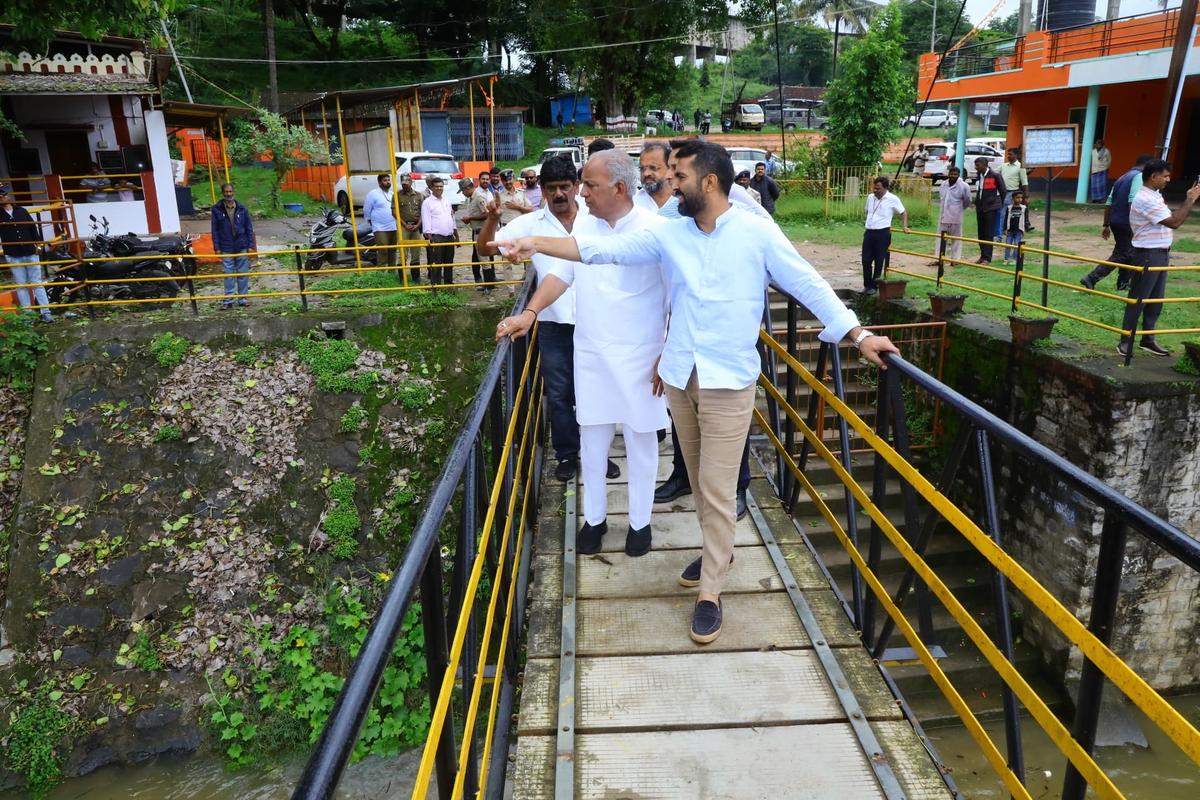
Minister in charge of Kodagu N.S. Boseraju inspecting a damaged house during his tour of rain-affected areas in the district on Thursday. | Photo Credit: SPECIAL ARRANGEMENT

Minister in charge of Kodagu N.S. Boseraju on Thursday directed the district administration to submit a comprehensive report on rain-related damages in the Karnataka district. He said the matter would be taken up at the Cabinet meeting scheduled for July 2, where necessary funds will be sanctioned based on the report.

Speaking to reporters at Harangi after inspecting rain-hit areas, Mr. Boseraju said that Kodagu had been under red alert for several days due to incessant rains that caused widespread damage to roads, bridges, and houses. “Fortunately, there has been no loss of life, thanks to timely precautionary measures,” he said.

The Minister stressed that while rainfall in Kodagu is vital for southern Karnataka, the current downpour has led to severe local destruction. “In the upcoming Karnataka Development Programme (KDP) meeting, we will assess the extent of damage to homes, roads, and infrastructure for carrying out immediate relief measures and planning permanent solutions,” he added.

He noted that earlier, the release of relief funds required specific criteria to be met. Now, however, funds will be disbursed based on the actual scale of damage.

“Officers have been directed to submit the report at the earliest. Once received, it will be discussed with the Chief Minister, the Revenue Minister, and departmental secretaries to facilitate timely fund allocation.”

Referring to the closure of the Ramaswamy Kanive hanging bridge, which connects Kushalnagar in Kodagu with Periyapatna in Mysuru, Mr. Boseraju said steps would be taken to reopen the bridge in coordination with K. Venkatesh, Periyapatna MLA and Minister for Animal Husbandry and Sericulture.

N.S. Boseraju inspecting the hanging bridge near Kushalnagar in Kodagu on Thursday. | Photo Credit: SPECIAL ARRANGEMENT

Earlier in the day, the Minister, accompanied by Mantar Gowda, MLA, visited several rain-affected locations. He inspected the flow of the Cauvery river and assessed damage to the hanging bridge at Kushalnagar, and assessed another bridge near Rangasamudra., and visited a damaged house belonging to a local resident Chandrashekhar.

He said the monsoon had arrived unusually early — in late May — this year, resulting in considerable damage across the district. With more rain expected over the next two months, he directed officials to take adequate precautionary measures in flood-prone areas.

Mr. Boseraju also assured that the district administration has sufficient funds in its Personal Deposits account to manage disaster response, and that compensation has already been distributed to those whose houses were damaged. Permanent reconstruction works will begin after the monsoon subsides, he said.

A report on the total rain damage will be submitted to the Chief Minister, along with a request for additional funds, he added.

Deputy Commissioner Venkat Raja, Zilla Panchayat CEO Anand Prakash Meena, Superintendent of Police K. Ramarajan, and other officials were present during the visit.

source: http://www.thehindu.com / The Hindu / Home> News> India> Karnataka / by The Hindu Bureau / June 26th, 2025

Shooting: Kodagu girl qualifies for Nationals

Harshel Kaveri, a member of Ashwini Sports Foundation – Karumbaiah Academy for Learning & Sports (KALS), Kodagu, has qualified for Nationals in Shooting with a score of 377/400 at the 29th All India G.V. Mavalankar Shooting Championship-2019  held at Ahmedabad from Sept.13 to 29.

She took part in the 10m Peep sight Air Rifle (NR) Championship in the Youth, Women Individual category which was the pre-nationals event held at Ahmedabad, Gujarat, last month.

Harshel Kaveri, a Grade 10 student of KALS School, Gonikoppal, is the granddaughter of Chenanda Pandith and Gange, residents of Kuvempunagar, Mysuru.

source: http://www.starofmysore.com / Star of Mysore / Home> Sports / October 17th, 2019

Every frog has its day

One day, this scientist hopes to mislead a kumbara night frog into thinking he’s one of them

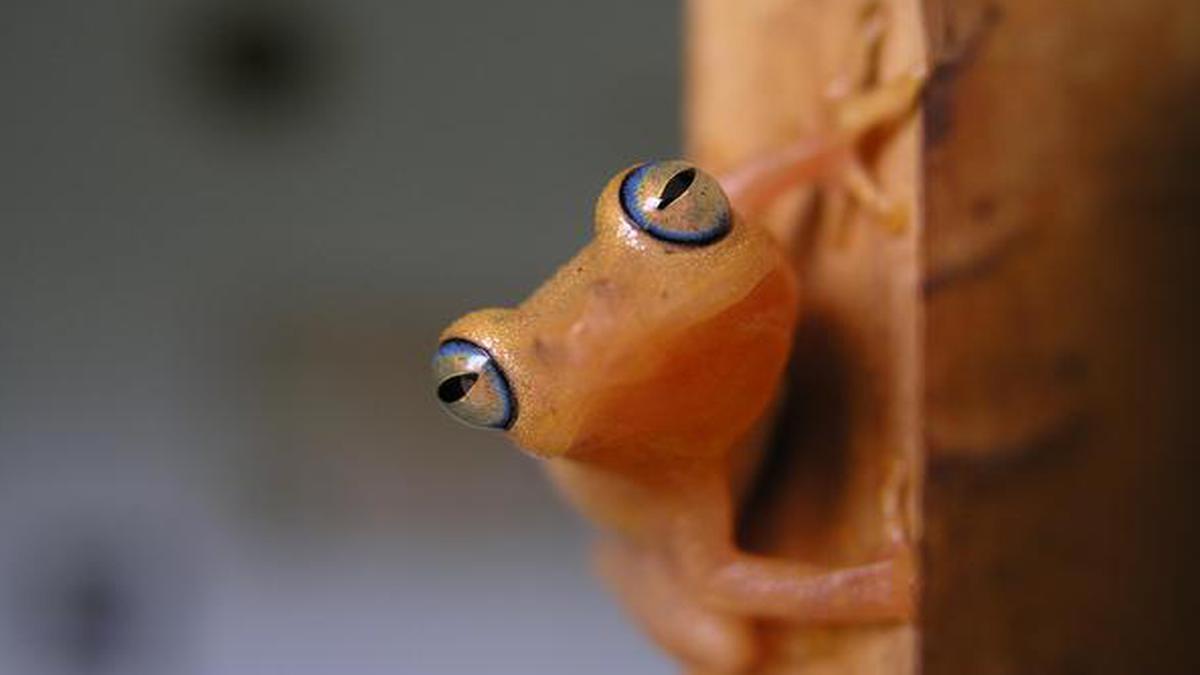
Coorg Yellow Bush Frog

Gururaja K.V. hid behind a tree and called “ treeek…ting…ting…ting. ” Several Coorg yellow bush frogs replied, “ treeek…ting…ting…ting .” When he called again, the amphibians leaped towards him. He snuck behind another tree and sang the frog song. The little leapers reoriented to his new position. For 90 minutes, the researcher played hide-and-seek as his subjects sought the intruder. One of them eventually found him and jumped on his throat. “It literally wanted to choke me,” he recalled, barely able to contain his laughter. Realising its opponent was much larger, the confused amphibian leapt off.

Gururaja’s experiments with mimicry led to another species trying to out-compete him. He imitated the bird-whistle call of the Jog night frog, signalling he was a male who had found a mate. His ‘rivals’ upped their volumes to drown out his chirps so that the female wouldn’t hear him.

To most people, all frogs look similar. Gururaja is one of the few experts who can point to slight differences that set species apart. He even discerns distinct personalities. His research subjects have names such as Hegde, Bhat, and Vishnu. The Hegde frog was talkative like Gururaja’s host in the area, Ashok Hegde. The frog he called Bhat was so quiet, the researcher had to check on it every hour.

Gururaja didn’t discover these amphibians until he was a master’s student at Karnataka’s Kuvempu University. Since he was an amateur birdwatcher, his advisor, S.V. Krishnamurthy, had suggested he list the species frequenting the campus. Gururaja wanted a more challenging project. How about studying the diet of night frogs, his advisor asked. That’s how his career in this field began.

At first, touching the frogs’ loose skin and slippery texture felt icky. After handling hundreds over a month, his disgust dissipated and he was hooked. Since no more than five people studied frogs at that time, making a mark in this under-researched area was easier than in the crowded field of bird research.

Much of the amphibian work in India is taxonomic — examining dead specimens, describing species, and establishing the relationship between different ones. After completing his postgraduate studies, Gururaja switched to studying their natural history. His curiosity and observations led to the discovery of one of the most enigmatic species — the kumbara night frog.

In 2006, Gururaja observed a female perform a headstand, with the male riding piggyback, to lay her eggs on leaves and twigs. The deed done, she hopped away, while the male picked up globules of mud with his tiny hands and plastered the mass of eggs until it was completely covered.

Gururaja spent the following eight years documenting more instances of this unusual behaviour before publishing his discovery. He continues to study the kumbara night frog, seeking answers to questions such as: why does it do what it does? Is it protecting its eggs? From what? Some species carry tadpoles on their backs such as poison dart frogs or in their mouths like gastric-brooding frogs. But no other amphibian stands on its hands or daubs mud on its eggs. He estimates he has enough work with night frogs alone to keep him occupied for another 15 to 20 years.

In northern Kerala, his team discovered another species, the ochlandra reed frog, with a beautiful yellow sunburst pattern in its eyes. He had seen nothing like it before. Nor had he seen any frog do what it subsequently did. It disappeared from view by squeezing into a hole in a length of reed bamboo. It wasn’t merely hiding from predators. To Gururaja’s astonishment, it stuck its eggs to the inner walls of the hollow columns. Researchers knew of no other amphibian that exploited this snug space as a nest site until 2011, when they saw a related species wriggling into a reed bamboo in Tamil Nadu’s Western Ghats.

Publishing natural history observations such as this demands tedious work. It’s not enough to report on one frog that did something exceptional. To be scientifically acceptable, researchers spend several seasons watching different frogs of the same species before they can conclude the behaviour is not an aberration.

Gururaja is mindful that spending long months during the rains in damp clothes and mucking in streams and swamps is not for everyone. He gives recording equipment to new students to record frog calls. In the process, the youngsters forge their own relationship with the forest and the creatures. Only a few turn their backs on this field deterred by leeches. Gururaja safeguards against burnout by taking a break after every five days of fieldwork.

The high humidity has greater success in killing recording equipment. No matter how well Gururaja treats his gear — wrapped in plastic, sheltered under an umbrella, wiping it dry at the end of each session — moisture condenses on the circuit boards, corroding them. He shrugs off the loss as par for the course in doing frog work.

One species resists Gururaja’s attempts to fool it with his mimicry. He can’t match the frequency of the kumbara night frog’s call, but it’s not from lack of trying. Every season, he tries afresh to challenge his favourite amphibians at their game, and one day he hopes to mislead one into thinking he’s of them.

source: http://www.thehindu.com / The Hindu / Home> Sci-Tech> Environment> Beautiful People / by Janaki Lenin / February 23rd, 2025

A rain gauge in Kodagu that can never do its job!

Ponnampet:

Relentless rains continue to lash Kodagu, pushing rivers and streams well above the danger mark. Authorities have evacuated residents from low-lying areas and declared a holiday for all schools and colleges today, as the region remained under a red alert issued until 8 am this morning.

But as Kodagu battles the fury of nature, its most critical weather monitoring tools are failing. Of the 104 Telemetric Rain Gauges (TRGs) installed across the district, 56 — over 54 percent — are non-functional. Shockingly, there is no clear timeline for when these essential devices will be restored.

In a glaring act of official negligence, a TRG installed at Kanoor Gram Panchayat in Ponnampet Taluk — an area known for heavy rainfall — has been placed under a roof. Ironically, it is installed to measure rain but placed where it does not rain.

This baffling decision has rendered the gauge completely useless. With not a drop of rain reaching the sensor, accurate data from this high-rainfall zone is lost. Residents said that the TRG was installed two months ago and nothing has been done to rectify the construction anomaly. 

Furious residents have flayed the Panchayat for such incompetence, calling out the lack of basic common sense and waste of public funds. TRGs are vital for real-time rainfall data collection and help agencies like the Karnataka State Natural Disaster Monitoring Centre (KSNDMC) issue timely flood alerts and coordinate emergency responses.

With more rain forecast and rivers swelling dangerously, the failure to properly install and maintain these gauges could cost lives, and underscores a disturbing lack of preparedness to face the monsoon.

source: http://www.starofmysore.com / Star of Mysore / Home> News> Top Stories / June 26th, 2025

CCRI researchers focus on four climate-resilient coffee varieties

The species identified are — Coffea stenophylla, Coffea racemosa, Coffea liberica and Coffea excelsa.

Representative Image

Bengaluru :

As climate change is affecting harvesting and cropping patterns of all agriculture produce, coffee growers too are facing challenges. To address the issue, researchers are working on climate-resilient coffee varieties.

The Centre for Excellence of Central Research Institute (CCRI) located in the Coffee Research Sun Station, Chettalli in Kodagu has identified four wild coffee varieties that are particularly resilient to climate change.

Cup tasters discovered that Coffea stenophylla tastes close to Coffea arabica. This has raised hopes that consumers may soon have a new climate resilient option to choose from.

New coffee varities will have to be blended

“There is resistance in these wild varieties as they have stood the natural test of time. They have strength in their roots, have high yields and can withstand high temperatures. The four varieties are different from the existing and popular Arabica and Robusta coffees. During research, these varieties were found growing naturally in the wild and even in the estates of some coffee growers,” said Jeena Devasia, Divisional Head, Plant Breeding and Genetics, CCRI, Chettahalli substation, told The New Indian Express.

During the study, researchers found historical evidence to show that Robusta is equal to Coffea stenophylla in taste and texture. “If all goes well, consumers will soon get a new climate-resilient coffee variety to choose from,” she said.

Researchers said wild varieties are found all over India. Some are also found in the Himalayan zone, growing naturally as trees. “The region under coffee cultivation is gradually increasing in India,” added Jeena.

Some companies are exporting some of the wild coffee varieties that are growing in their estates. Komal Sable, South India Coffee Company Partner, said they are exporting around 5.5 tonnes of green Coffea excelsa to the US, UK, Netherlands, Switzerland and other places. While some countries are consuming it as single origin and others are blending it, he added.

Explaining the advantages and disadvantages, coffee tasters and traders said it could be difficult for consumers to immediately accept the new variety as they have a set taste suiting their platter. The new varieties are climate resilient and need less pesticides. They are less acidic in nature and are more sweet. Some even have a fruity flavour and are less bitter.

Coffee Board officials said that when these varieties are launched in the domestic market, they will have to be blended to meet the consumers’ demand.

Experts said there are around 120 globally identified and accepted coffee varieties. The list continues to have additions and deletions depending upon research and quality reports. Tests and tasting is an ongoing process and is the need of the hour, they added.

Karnataka produces

72,020 metric tonnes of Arabica coffee

1,76,000 metric tonnes of Robusta coffee

Total area under coffee production — 2,48,020 acres (70.5% of coffee-growing areas in the country)

source: http://www.newindianexpress.com / The New Indian Express / Home> Karnataka / by Bosky Khanna / September 25th, 2024