From Soil to Sip: How AI Can Revolutionize Coffee Production for Small Farmers in the Western Ghats

Robusta Coffee Plantation — Parane, Kodagu district © Poonacha Machaiah

I was back in Kodagu, my hometown. The monsoon rains fell heavy, with a constant drumbeat. My cousins and I watched the downpour and discussed how Kodagu should be included in the AI revolution. Kodagu is just five hours from Bangalore, India’s Silicon Valley. Yet, we remain forgotten by the tech wave, except for the steady flow of Bangaloreans seeking respite and our fragile flora and fauna have taken a beating! We brainstormed the possibilities, and from that conversation, this article was born.

The rapid advancement of artificial intelligence (AI) has been transformative across various industries, including agriculture and coffee production. As AI continues to revolutionize farming practices globally, small coffee growers in regions like Kodagu and Chikmagalur in India’s Western Ghats face both opportunities and challenges. Ensuring these smallholders are not overshadowed by larger economies leveraging AI is crucial for equitable growth and sustainability.

AI in Coffee Production: A Global Perspective

AI technologies, such as smart greenhouses, intelligent spraying systems, and predictive analytics for crop yields and market prices, are reshaping the landscape of coffee production. According to a detailed analysis by Coffee Intelligence, these tools promise increased efficiency, enhanced quality control, and better resource management. However, the benefits of AI are not uniformly distributed, with larger producers in developed economies standing to gain the most from these advancements.

For instance, Brazil and Colombia have seen significant improvements in yield prediction and pest control through AI. In Brazil, AI-driven solutions have enabled precise water management and optimized harvesting schedules, leading to higher productivity and better-quality coffee beans. Similarly, Colombia’s implementation of AI-powered pest detection systems has significantly reduced crop losses and improved overall farm management.

Challenges for Small Growers in the Western Ghats

Kodagu and Chikmagalur, renowned for their high-quality coffee, face unique challenges. Small growers here often lack the capital and infrastructure to adopt cutting-edge AI technologies. The risk is that AI-driven advancements could exacerbate existing inequalities, making it harder for these growers to compete on a global scale. The dominance of AI by large, transnational corporations could impose Western agricultural models that do not align with the local practices and needs of Indian smallholders.

The Need for Inclusive AI

To ensure small growers in Kodagu and Chikmagalur benefit from AI, a conscious effort must be made to adapt these technologies to local contexts. Inclusive AI focuses on creating solutions that are accessible, affordable, and effective for small-scale farmers, addressing their specific needs and challenges.

1. Localized Data and Custom Solutions:

AI technologies must be developed using localized data to ensure they are relevant to the unique environmental and agricultural conditions of Kodagu and Chikmagalur. This involves creating custom algorithms that take into account local weather patterns, soil types, and crop varieties. In Rwanda, the government collaborated with tech companies to develop AI tools tailored to local agricultural conditions. These tools use data from local farms to provide personalized recommendations, significantly improving crop yields.

2. Affordable and Scalable Technologies:

Developing cost-effective AI solutions is essential for small growers. This can be achieved by creating scalable technologies that can be easily adopted by smallholders with limited financial resources. The “e-Granary” platform in Kenya offers an affordable AI-driven service that provides small farmers with market information, weather forecasts, and farming tips via SMS, improving their productivity and income.

3. Capacity Building and Training:

– Providing training programs and capacity-building initiatives can help farmers understand and effectively use AI technologies. This includes hands-on training sessions, workshops, and the development of user-friendly interfaces.

4. Collaborative Ecosystems:

Creating a collaborative ecosystem that involves stakeholders such as local governments, tech companies, NGOs, and farmer cooperatives can ensure the successful implementation of AI solutions. This ecosystem can provide the necessary support, resources, and infrastructure for small growers. In Ethiopia, a collaborative project involving the government, NGOs, and private sector developed an AI-based soil health monitoring system. This system provides real-time data to farmers, helping them make informed decisions about fertilization and crop rotation.

5. Open-Source Platforms:

Promoting open-source AI platforms can democratize access to advanced technologies, allowing small growers to benefit from cutting-edge innovations without the burden of high costs. The “PlantVillage” platform, an open-source AI initiative, helps farmers diagnose crop diseases using a smartphone app. This tool is freely available and has been widely adopted by small farmers in several African countries.

How Small Coffee Growers Can Improve Their Yield with AI

Small coffee growers in India’s Western Ghats can leverage several AI tools and applications to improve their yields:

1. Soil Analysis AI:

AI-powered soil analysis tools like the one developed by Brunel University can use sensors to collect data on soil composition, nutrient levels, moisture, and other factors. This allows growers to make more informed decisions about planting, fertilization, and irrigation to optimize growing conditions.

2. Disease Detection AI:

Researchers in Brazil are training AI-powered computer vision systems to detect coffee leaf rust and other diseases in coffee plants. This can help growers identify and treat affected plants early before the disease spreads.

3. Yield Prediction AI:

The study on using Extreme Learning Machine (ELM) models to predict Robusta coffee yields based on soil fertility data shows how AI can help growers forecast and plan for their harvests .

4. Weather Prediction AI

AI can analyze weather patterns and forecast changes to help growers prepare for erratic weather that can impact yields. This was highlighted as a key benefit of AI for small growers in the Western Ghats.

5. Precision Farming AI

AI-powered precision farming tools like the “magic bean” solution from Brunel University can provide localized, data-driven insights to help small growers optimize their resource allocation and farming practices.

The key is ensuring these AI tools are designed to be affordable and accessible for small coffee growers, with their unique needs and challenges in mind. Partnerships, subsidies, and inclusive development processes will be crucial to empowering small growers in India’s Western Ghats to leverage the benefits of AI.

Policy and Support Mechanisms

Governments and policymakers play a crucial role in ensuring the equitable adoption of AI in agriculture. Providing subsidies and financial incentives for small growers to adopt AI technologies can help level the playing field. Additionally, investing in infrastructure, such as broadband connectivity and training programs, is essential to equip farmers with the skills needed to leverage AI effectively.

In Vietnam, government initiatives have supported small coffee farmers in adopting AI for crop monitoring and yield prediction. These efforts have included training programs and subsidies for purchasing AI-enabled equipment, resulting in increased productivity and better market access for smallholders.

Case Studies and Success Stories

Highlighting successful examples of AI adoption by small growers can inspire and inform others. For instance, in Costa Rica, the implementation of AI-powered irrigation systems has allowed small coffee farmers to manage water resources more efficiently, resulting in higher yields and improved coffee quality. This success has been achieved through collaboration between local cooperatives, government bodies, and tech companies.

Similarly, in Ethiopia, a pilot project utilizing AI for soil health monitoring has shown promising results. By providing small farmers with real-time data on soil conditions, the project has enabled better-informed decisions regarding fertilization and crop rotation, leading to healthier plants and higher yields.

Conclusion

The potential of AI in transforming coffee production is immense, but it must be harnessed in a way that benefits all growers, especially smallholders in regions like Kodagu and Chikmagalur. By ensuring inclusive and context-sensitive AI solutions, leveraging local knowledge, and providing necessary support, we can create a more equitable and sustainable coffee industry. The goal is not just technological advancement, but the upliftment of communities that have cultivated coffee for generations. By addressing these factors, we can ensure that the adoption of AI in coffee production is a boon for all, fostering growth, sustainability, and fairness in the global coffee industry.

source: http:// www.medium.com / Medium.com / Home / by Poonacha Machaiah / June 29th, 2024
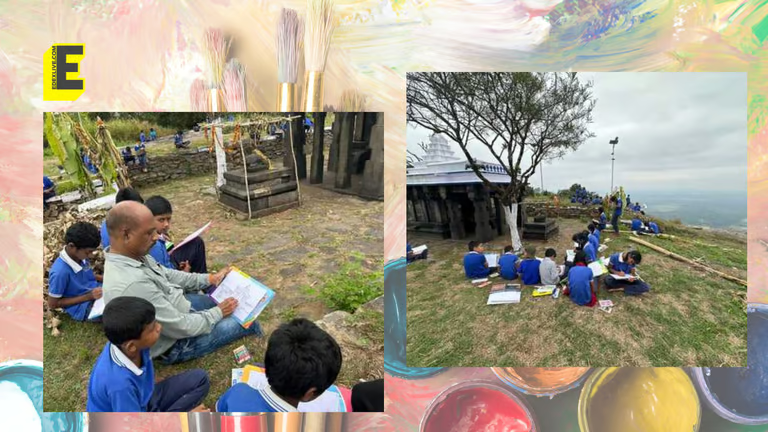
Kodagu: Gov’t school students indulge in scenic hike followed by soulful art session

The temple and the Kunda Hills came alive in vibrant colours in the pictures drawn by the students. The drawings made by a total of 80 students will be displayed at the school in February.

Let’s take a look (Pic: Express)

The picturesque Ishwara Temple at Kunda Hills in Ponnampet came alive vibrantly in the drawings made by the Government School students in Kodagu.

It was a fun day out to the students of Gonikoppal Government Model Primary School as the students took part in a scenic hike and later imprinted the natural beauty in their drawing books.

The Ishwara Temple atop Kunda Hills connects one to mythology as it is believed that the Pandavas had taken refuge there. While the rituals unfurl at the temple every year, it has also become a popular hike spot.

With an aim to introduce the scenic beauty and the history of the temple, the school management of Gonikoppal Government Model Primary School arranged a hike for the students.

The students hiked the steep hill even as they cleared the path of plastic waste and other garbage.

Further, the art teacher Satish BR explained the history of the place even as the students were asked to sketch the temple and the scenic beauty around it.

The temple and the Kunda Hills came alive in vibrant colours in the pictures drawn by the students. The drawings made by a total of 80 students will be displayed at the school in February.

source: http://www.edexlive.com / edex Live / Home / December 04th, 2024

Bridging Educational Gaps Through AI: A Transformative Approach for Rural Education in Kodagu, Karnataka

Cauvery College Gonikoppal, Kodagu District — Oct. 30, 2024

Introduction

During a recent visit to my hometown in Kodagu district, Karnataka, the verdant heart of India’s coffee country, I conversed profoundly with local educators, parents, and community leaders about the future of rural education. These discussions revealed our community’s resilience and the pressing challenges our educational institutions face. As digital transformation reshapes the global landscape, the disparity between urban and rural educational opportunities becomes increasingly apparent, particularly in regions like Kodagu.

The steep valleys and scattered settlements that characterize Kodagu’s geography have long presented unique educational access and quality challenges. However, within these challenges lies an unprecedented opportunity: the potential to harness Artificial Intelligence (AI) not just as a teaching tool but as a comprehensive solution for educational transformation. This transformation extends beyond traditional classroom learning to address two critical aspects — faculty development and student employability — creating a holistic framework for educational advancement.

This article examines how AI technologies can be strategically deployed to revolutionize education in Kodagu’s rural schools, creating a model that could be replicated across similar regions in India. My analysis draws from community consultations, current educational practices, and emerging technological capabilities to propose a comprehensive framework that addresses three interconnected challenges: enhancing student learning outcomes, empowering teachers through continuous skill development, and preparing students for the evolving job market.

Focusing on Kodagu’s unique context while maintaining a broader perspective on rural education in India, this paper presents actionable strategies for leveraging AI to create an educational ecosystem that is not only more equitable and accessible but also aligned with the future of work. The recommendations stem from a deep understanding of local realities and global best practices in AI-enabled education.

Kodagu District: A Unique Educational Landscape

Nestled in the Western Ghats of Karnataka, Kodagu (formerly known as Coorg) is a district that exemplifies both the challenges and opportunities in rural Indian education. This region, celebrated worldwide for its coffee plantations and rich biodiversity, covers approximately 4,102 square kilometers of mountainous terrain. The district’s unique geographical and cultural characteristics significantly influence its educational landscape. With a population of about 68,000 school-age children (6–16 years), Kodagu boasts 924 government schools and an average student-teacher ratio of 35:1. The district’s literacy rate stands at an impressive 82.6%, surpassing the national average, though a significant rural-urban divide persists.

Kodagu’s educational system faces distinctive regional challenges that stem from its geographic and socio-economic realities. The district’s schools are scattered across hilly terrain, with 40% located in remote coffee estates, making access difficult for many students and teachers. Limited public transportation options and intermittent internet connectivity further complicate the implementation of digital learning initiatives. Socio-economic factors also play a crucial role, as seasonal migration during coffee harvesting affects attendance, and there’s a high proportion of students from agricultural families. The district’s mixed economic demographics, ranging from estate owners to daily wage workers, create diverse educational needs and expectations.

The distribution of educational resources in Kodagu presents another set of challenges. Quality educational institutions are largely concentrated in urban centers like Madikeri, leaving rural areas with limited access to modern learning tools and technologies. There’s a notable shortage of STEM and English language teachers and inadequate special education resources. Cultural and linguistic dynamics add another layer of complexity to Kodagu’s educational landscape. The district’s multilingual student population speaks Kodava, Kannada, Malayalam, and other local languages, necessitating a nuanced instruction approach.

The Role of AI in Transforming Kodagu’s Education System

Artificial Intelligence holds significant potential to address many of the challenges faced by Kodagu’s education system, particularly in rural areas. By leveraging AI-powered solutions, the district can enhance personalized learning experiences, bridge resource gaps, and support teachers in their roles.

One of the key areas where AI can make a substantial impact is personalized learning. AI-driven adaptive learning platforms can create customized learning paths for students, tailoring the educational experience to each individual’s needs, pace, and learning style. This approach is particularly beneficial in Kodagu’s rural schools, where classrooms often have students with varying learning abilities. These platforms can provide real-time feedback, guiding students and helping them improve continuously. Additionally, AI can help overcome rural schools’ lack of physical resources by providing virtual alternatives. For instance, AI-powered virtual labs like Labster can allow students to conduct experiments and simulations. At the same time, AI-curated digital libraries can provide free textbooks and resources, eliminating the need for physical books.

AI can also be crucial in supporting teachers by automating administrative tasks and providing data-driven insights into student performance. Tools can be deployed to assist in lesson planning, content creation, and grading. At the same time, AI-driven analytics platforms can help teachers track student progress and identify areas where additional support is needed. Furthermore, AI can address language barriers through language learning applications that provide interactive lessons in multiple languages, including local dialects spoken in Kodagu. The technology can also promote STEM education by introducing students to coding, robotics, and other STEM activities through AI-powered coding platforms and virtual robotics labs. Importantly, AI offers solutions that don’t heavily rely on traditional infrastructure, which is often lacking in rural areas of Kodagu. Mobile-based AI learning apps and offline learning platforms can deliver educational content even in areas with unreliable electricity and limited internet connectivity, ensuring that the benefits of AI in education can reach even the most remote parts of the district.

Case Study: Shiksha Co-pilot in Karnataka

The Karnataka government has taken a significant step forward in educational technology with the launch of Shiksha Co-pilot, an innovative AI-powered digital assistant designed to revolutionize teacher training. This groundbreaking initiative, born from a collaboration between Sikshana Foundation and Microsoft Research India, aims to elevate learning outcomes and empower educators with the tools to create comprehensive, personalized teaching resources.

Shiksha Co-pilot boasts an impressive array of features that promise to transform the teaching landscape. At its core, the system generates high-quality, personalized content tailored to individual teachers’ needs, ensuring educators access relevant and up-to-date materials. The platform also supports the dynamic curation of engaging teaching resources, allowing teachers to find and incorporate diverse materials into their lessons easily. Perhaps most notably, Shiksha Co-pilot includes an interactive chatbot that facilitates teachers’ self-learning and assists in real-time content generation, providing a responsive and adaptable tool for continuous professional development.

The potential impact of implementing Shiksha Co-pilot in Kodagu’s schools could be transformative. This AI-powered assistant could be crucial in addressing the district’s shortage of qualified teachers, particularly in remote areas, by providing robust support and resources to existing educators. By enhancing teacher capabilities and streamlining the creation of personalized learning materials, Shiksha Co-pilot has the potential to improve learning outcomes for students across the district significantly. This initiative represents a promising step towards bridging the educational divide in Kodagu, leveraging cutting-edge technology to support teachers and, ultimately, enhance the quality of education for all students in the region.

Beyond Challenges: The Unique Spirit of Kodagu’s Educational Ethos

In the mist-shrouded hills of Kodagu, where coffee plantations stretch as far as the eye can see, a remarkable educational spirit transcends its apparent challenges. The strength of this region lies not just in its fertile soil but also in the fertile minds of its community and its unwavering commitment to progress.

Walk into any village meeting in Kodagu, and you’ll witness something extraordinary: parents, teachers, and community leaders engaged in passionate discussions about their children’s education. This isn’t just casual conversation — it’s a reflection of a deeply rooted cultural value where education is seen as a collective responsibility. From estate owners opening their properties for mobile learning centers to elderly community members volunteering their time to share traditional knowledge, the spirit of community involvement runs deep.

The Kodava people’s celebrated martial heritage and disciplined approach to life have naturally evolved into a profound appreciation for learning and development. In homes across the district, from modest farm workers’ dwellings to grand ancestral houses, parents prioritize education, often making significant sacrifices to ensure their children have access to better learning opportunities.

Kodagu is special because it seamlessly weaves its rich cultural heritage into modern education. During local festivals like Puthari or Kailpodh, schools integrate traditional celebrations with learning experiences, creating a unique blend of cultural preservation and academic advancement. This cultural integration is a foundation for students to understand their roots while reaching for future opportunities.

The district has also demonstrated remarkable adaptability. In recent years, there’s been a growing recognition among community leaders and educators that traditional educational methods must evolve. This awareness has sparked innovative initiatives, from mobile digital libraries to community-funded smart classrooms. The success of these programs often stems from well-established public-private partnerships, a legacy of Kodagu’s cooperative coffee industry model.

This complex interplay of challenges and strengths makes Kodagu an ideal candidate for innovative educational solutions powered by AI technology. The district’s unique characteristics require customized approaches that respect local traditions while embracing modern educational methodologies. This unique combination of community strength, cultural pride, and openness to innovation positions Kodagu to overcome its educational challenges and potentially emerge as a model for rural education transformation in India. I would like to say, “In Kodagu, we don’t just grow coffee — we grow futures.

Conclusion

The time for transformative action in Kodagu’s education system is not tomorrow but today. As we stand at the intersection of tradition and technology, artificial intelligence offers us not just a tool but a gateway to revolutionizing how we educate the next generation. This is not merely about adding computers to classrooms but fundamentally reimagining education to honor our heritage while embracing the future.

Consider this: thousands of Kodagu’s children wake up every morning with dreams as vast as our coffee estates. Yet, many of these aspirations remain unfulfilled due to educational barriers that we now have the power to overcome. AI technology isn’t just another educational initiative — it’s the catalyst that can transform these dreams into reality.

The evidence is compelling. Early evidence from AI implementation in rural education across India shows promising results. According to a 2023 study by MIT’s Abdul Latif Jameel Poverty Action Lab (J-PAL) in rural Rajasthan, personalized learning programs supported by technology significantly improved student learning outcomes. While Kodagu’s context is unique, these results suggest the potential impact we could achieve by carefully implementing AI-enabled learning solutions in our district. Imagine every child in Kodagu, regardless of their location or economic background, having access to world-class educational resources, personalized learning experiences, and mentorship opportunities — all through the power of AI.

The cost of inaction is far greater than the investment required for transformation. Every year, we delay, and another cohort of students misses out on opportunities that could define their futures. Our children deserve more than just basic education; they deserve an education that prepares them to compete and excel in a rapidly evolving global landscape.

The roadmap I have outlined isn’t just ambitious — it’s achievable. We can make Kodagu a beacon of educational innovation in rural India by leveraging public-private partnerships, engaging our vibrant community, and implementing a phased approach. This isn’t just about implementing technology; it’s about creating a sustainable ecosystem where every stakeholder — students, teachers, parents, and community leaders — plays a vital role in educational transformation.

The question isn’t whether we should embrace AI in education but rather how we can afford not to. The global economy is rapidly evolving, and our children must have the skills and knowledge to thrive in this new world. By acting now, we can ensure that Kodagu’s next generation isn’t just participating in the future — they’re helping to shape it.

I would like to call upon every stakeholder — from government officials to local community leaders, from teachers to parents — to join us in this transformative journey. The path ahead is clear, the technology is ready, and our community is prepared. Together, we can create an educational revolution that will serve as a model for rural communities across India and beyond.

Let us move forward with purpose and urgency, for the future of Kodagu lies in the education of our children. The time to act is now. The opportunity is before us. The future is waiting.

Will you join us in making this vision a reality?

source: http:// www.medium.com / Medium.com / Home / by Poonacha Machaiah / November 03rd, 2024

This article was written with assistance from artificial intelligence tools. The AI-generated initial drafts provided research assistance and refined language. I have reviewed and edited all content for accuracy and appropriateness.

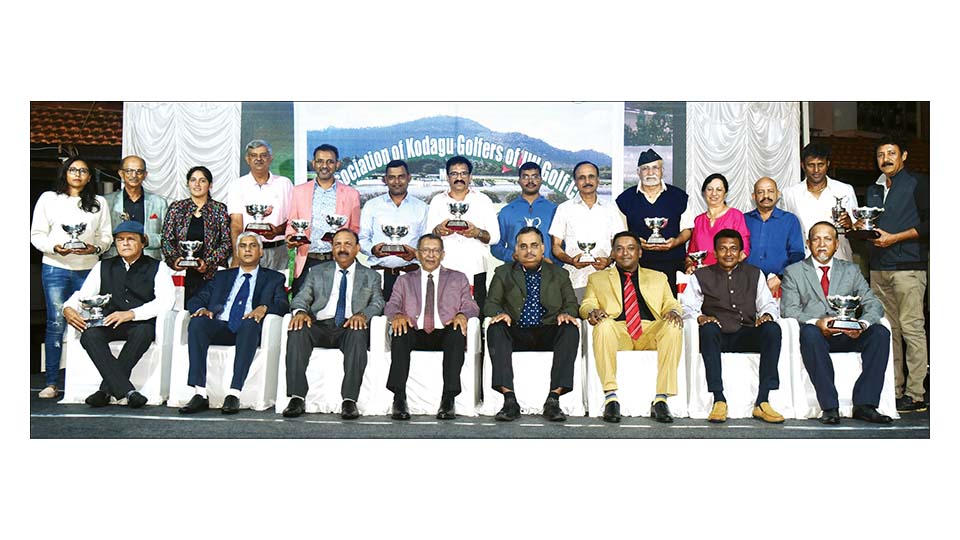
Prize winners of 23rd Kodagu Golf Open Championship-2024

Mysuru:

Following are the prize winners of the 23rd Edition of Kodagu Golf Open Championship-2024 held at J.W. Golf Club, Mysuru, on Nov. 30 and Dec. 1:

Strokeplay Gross – Field Marshal Cariappa Memorial Trophy, sponsored by K.C. Biddappa: Shridhar Singh (74 Gross) – Winner; K.A. Anil Kumar (77 Gross) – Runner (Better Back 9 Over M.C.S. Manohara).

Strokeplay Net (H/C 0 to 12) – Gen. K.S. Thimmaiah Memorial Trophy, sponsored by Mandovi Motors: I.K. Anil (68 Net) – Winner (Better Back 9 Over Sonam Chugh); Sonam Chugh (68 Net) – Runner (Better Back 9 Over M.C.S. Manohara).

Strokeplay Net (H/C 13 to 18) – Sqn. Ldr. M.B. Chittiappa Memorial Trophy, sponsored by Mallengada B. Nanaiah: J.N. Arjun (62 Net) – Winner; Ram Kevalur (68 Net) – Runner (Better Back 9 Over K.C. Vishwananda Bhat & Janardhan Babu).

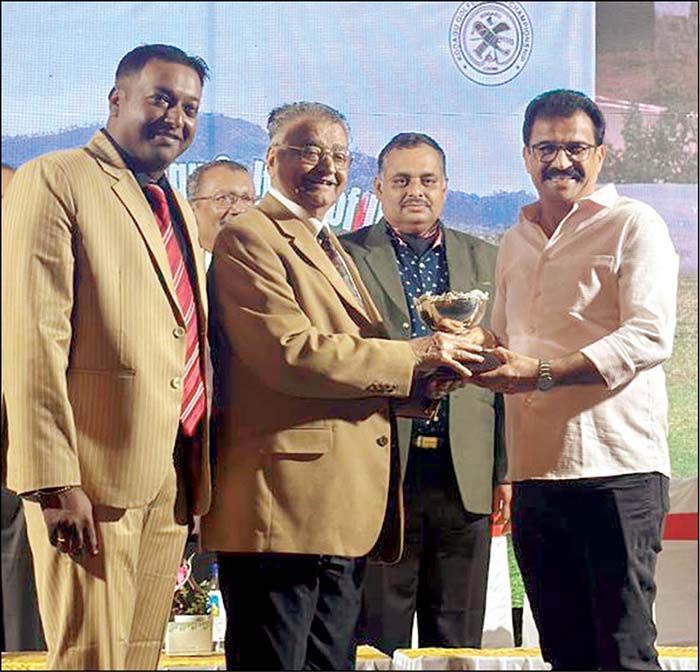
K.B. Ganapathy, Founder-Editor, Star of Mysore and Mysuru Mithra, seen presenting the trophy to K.C. Vishwananda Bhat (38 Points), runner of Stableford Net (H/C 0 to 18) – Kodagu Warriors Trophy sponsored by Star of Mysore, as others look on.

Stableford Net (H/C 0 to 18) – Kodagu Warriors Trophy, sponsored by Star of Mysore: Dr. T.M. Prashanth (39 Points) – Winner; K.C. Vishwananda Bhat (38 Points) – Runner (Better Back 9 Over Janardhan Babu).

Stableford Net (H/C 19 to 24) – Kodagu Challenge Trophy, sponsored by P.C. Naren Uthaiah: B.S. Sathyanarayan (40 Points) – Winner; Madhushree Srinivasan (38 Points) – Runner (Better Back 9 Over A.S. Somesh, K.N. Theerthananda  & M.B. Nanaiah).

Stableford Net (H/C 0 to 18) – Kodagu Warriors Trophy, sponsored by Star of Mysore: Dr. T.M. Prashanth (39 Points) – Winner; K.C. Vishwananda Bhat (38 Points) – Runner (Better Back 9 Over Janardhan Babu).

Stableford Net (H/C 19 to 24) – Kodagu Challenge Trophy, sponsored by P.C. Naren Uthaiah: B.S. Sathyanarayan (40 Points) – Winner; Madhushree Srinivasan (38 Points) – Runner (Better Back 9 Over A.S. Somesh, K.N. Theerthananda  & M.B. Nanaiah).

P.M. Ganapathy, Senior Member, Association of Kodagu Golfers of JWGC, teeing of the Kodagu Golf Open Championship-2024 on Nov. 30.

Best Lady Golfer – Stableford Net (H/C 0 to 24), sponsored by C.B. Changappa: Priya Kushalappa (36 Points) – Winner.

Fortunate Golfer – Sponsored by Brig. N.N. Madappa: M. Ramesh – Winner.

Nearest to the Pin – 2nd Hole – Sponsored by Col. C.P. Medappa: A.S. Somesh (7 Feet 2 Inches) – Winner.

Nearest to the Pin – 6th Hole – Sponsored by Travel Parkz: Dr. Anthony Fernandes (8 Feet 5 Inches) – Winner.

Nearest to the Pin – 12th Hole – Sponsored by Praveen Chengappa: Ram Kevalur (11 Feet 10 Inches) – Winner.

Crooked Line – 16th Hole – Sponsored by K.B. Kushalappa: Rick Van Vliet (On The Line) – Winner.

A total of  270 golfers took part in the Championship, according to a press release from Tournament Sub-Committee Chairperson Sonam Chugh and Hon. Secretary V.G. Achar.

source: http://www.starofmysore.com / Star of Mysore / Home> Sports / December 03rd, 2024

Coorg: Where coffee culture meets aspirational avocados

Coorg’s lush landscapes are evolving, with century-old coffee plantations now sharing space with thriving rows of avocado trees, writes GYANESHWAR DAYAL

As I pack my bags in Delhi the AQI is reading staggering 430, the smog has dawned on the city and there is heaviness in the air, eyes burning, breathing is an effort to be undertaken. The touchdown in Kempegowda International Airport Bengaluru is smooth the temperature is almost at par with Delhi but air is breathable. The five hours journey to Coorg is tiring but relaxing scenery changes from rocky to green to lush green, on the way you get to see the Gabbar Singh’s den, the place where Sholay film was shot some 40 years back. On the way we have elephant family waiting for us by the roadside and snake crosses the road as drives pushes the brakes. Yes, all of us have right to live, even snakes!

It is night already and the day is done without much fuss as we retire in 140-year-old property a British bungalow now a tata property -Taneerhulla in ama coffee trail. The morning view from the window is fascinating, Delhi smog has given way to Coorg fog, and AQI has dropped to 43! I take a deep breath, as if to store this purity and carry it back home.

Coorg, or Kodagu as it is known in Kannad is nestled in the heart of the Western Ghats, has a fascinating history shaped by its strategic location, natural resources, and the allure of its spices. This region has been a magnet for traders, rulers, and explorers, each drawn by its bounty and beauty.

The history of Coorg dates back to ancient times, with its mention in early Indian texts like the Sangam literature. The region was originally home to indigenous tribes like the Kodavas, who developed a rich culture centered around nature and agriculture. Kodavas are known for their martial traditions, unique customs, and close-knit community life, which continue to define Coorg’s identity today. Over centuries, Coorg saw the rise and fall of several South Indian dynasties, including the Cholas, Gangas, Hoysalas, and Kadambas. These rulers left their imprint through temples and forts, which stand as silent witnesses to the region’s historical significance.

By the 15th and 16th centuries, the fame of the Western Ghats and their riches spread beyond India’s borders. The spice trade was the primary lure, as Coorg, along with other parts of the Western Ghats, became a significant source of black pepper, cardamom, and other exotic spices. The Portuguese were among the first Europeans to set sail for India, with Vasco da Gama’s arrival in 1498 marking a new era of trade and conquest. Soon, Dutch, French, and British traders followed, vying for control of spice routes. Coorg, though a landlocked region, became an integral part of these trade networks due to its fertile hills and spice plantations.

In the early 19th century, the British annexed Coorg after defeating the local ruler, Chikka Veerarajendra, in 1834. Recognising Coorg’s agricultural potential, the British transformed its economy by introducing coffee cultivation alongside spices. This was the beginning of coffee plantation on commercial scale in Coorg and has stayed that way since. Coffee thrived in the region’s climate, and Coorg became one of India’s premier coffee-producing areas. The planters were of course the British who lived near their plantations. Their Bungalows dot the place and the one we stayed was of course belonged to a British. The British also admired Coorg’s natural beauty. Coorg is often referred to as the “Scotland of India” for its rolling hills, misty valleys, and temperate weather. Under British influence, the Kodavas were granted special privileges, including exemption from the Arms Act, which allowed them to retain their traditional firearms-a legacy still continues.

The Western Ghats, a UNESCO World Heritage Site, are among the most biodiverse regions on the planet. Stretching over 1,600 kilometers from Gujarat to Kerala, these ancient mountains are home to an astonishing variety of flora and fauna.

In Coorg, the Western Ghats reveal their most enchanting side. Dense forests, gurgling streams, and cascading waterfalls dominate the landscape, making it a paradise for nature enthusiasts. The forests host an incredible range of plant species, from ancient trees to medicinal herbs. They are especially known for sandalwood, teak, and bamboo. The Western Ghats are a haven for wildlife, including tigers, elephants, gaurs, and numerous endemic species like the Lion-tailed Macaque and Malabar Civet. The Ghats are also critical for the region’s agriculture, providing a fertile environment for growing coffee, spices, and now avocados.

Coorg’s history is a blend of ancient traditions and modern influences. Its spice heritage continues to thrive alongside its renowned coffee plantations. Now, with the introduction of avocado cultivation by Westfalia Fruit, Coorg is stepping into a new chapter of agricultural innovation.

Tourists visiting Coorg can trace its history through ancient temples, forts, and colonial-era bungalows, all while enjoying its natural beauty and rich culinary traditions. The intertwining of the Western Ghats’ biodiversity with the cultural tapestry of Coorg makes it one of India’s most enchanting destinations.

Coorg’s identity is deeply intertwined with its coffee plantations, which have been the backbone of its economy for decades. Introduced by Baba Budan in the 17th century, coffee found an ideal home in Coorg’s rich soil and temperate climate. Today, the district is one of India’s leading coffee-producing regions, renowned for its Arabica and Robusta beans.

The plantations, often set against misty hillsides, not only produce world-class coffee but also create picturesque landscapes that attract tourists. Coffee estate tours allow visitors to learn about the journey of coffee beans from farm to cup, making them an integral part of the Coorg experience.

Located in southwestern Karnataka, Coorg is a verdant hill station known for its cool climate, scenic views, and pristine environment. It is part of the UNESCO -listed Western Ghats, one of the world’s biodiversity hotspots. The region’s dense forests, cascading waterfalls and diverse wildlife make it a haven for eco-tourism and outdoor activities such as trekking, birdwatching, and nature photography.

Some must-visit spots include the Abbey Falls, Raja’s Seat, Dubare Elephant Camp, and the Brahmagiri Wildlife Sanctuary. The Kaveri River, originating from Talakaveri in Coorg, adds to the district’s charm, serving as a lifeline for the southern states of India.

While coffee remains Coorg’s hallmark, the region is now witnessing a burgeoning avocado revolution, led by Westfalia Fruit, a global leader in avocado production. Recognising Coorg’s favourable climate for cultivation, Westfalia has established a state-of-the-art avocado nursery in collaboration with Sam Agri and Dvori-Or Nursery. The initiative focuses on growing high-quality Hass and other commercial avocado varieties.

The saying, “Where tea and coffee grow, avocados can grow better,” perfectly describes Coorg’s potential. Its tropical climate, high elevation, and fertile soil make it an excellent location for avocado farming. Westfalia’s meticulous approach to planting, nurturing, and harvesting ensures that the avocados meet global quality standards.

Westfalia has already contributed to planting over 500 acres of avocado farms across India, with a target to exceed 1,000 acres by 2026. The Coorg nursery plays a critical role in supplying premium rootstock and planting material, ensuring sustainable practices and high yields. For coffee farmers, avocados offer a promising diversification crop, creating additional income streams and contributing to rural development.

Westfalia, in partnership with the World Avocado Organisation (WAO), is driving efforts to educate Indian consumers about the health benefits and culinary versatility of avocados.

Campaigns like “Avocado Ki Paatshaala,” led by celebrity chef Sanjeev Kapoor, have been instrumental in popularising the fruit.

We get hands on lessons on avocado grafting and cloning the techniques Westfalia is introducing in Coorg for avocado plantation sooner than later Coorg avocados would be available across the country. Avocados is one of the healthy diet options which can served in several avatars from avocado-on-toast to guacamole and even avocado shake and ice cream. This is going to benefit the local farmers as well as they can four to five times the amount they make on coffee.

Coorg’s transformation from a coffee giant to a hub for avocados signifies its adaptability and progressive approach to agriculture. Visitors to Coorg can now enjoy not only a cup of freshly brewed coffee but also a taste of locally grown avocados, blending wellness with indulgence.

Whether you’re exploring its lush landscapes, learning about coffee cultivation, or witnessing the avocado revolution, Coorg offers a unique journey through nature and innovation. This jewel of Karnataka remains a must-visit destination for travellers and a shining example of India’s agricultural potential.

As the time to leave draws near, I find myself reflecting on the air of Delhi and take one last, deep breath of Coorg’s pure, refreshing atmosphere. The aroma of spices beckons us to the local market, where we gather handfuls of fragrant treasures and, naturally, Coorg’s signature Arabica and Robusta coffee. With our bags filled with spices, coffee, and the newfound delight of avocados, we bid farewell to this enchanting land and set out on the highway to Bengaluru. As we journey home, our hearts are brimming with memories that promise to call us back. Coorg is a place one longs to return to-sooner rather than later.

source: http://www.dailypioneer.com / The Pioneer / Home> Sunday Edition> Agenda> Travel / by Gyaneshwar Dayal / December 01st, 2024

“There’s a growing confidence in Indian brands to succeed overseas”

Having nearly doubled its India footprint over the last 12 months to reach 75 stores across 30 cities, Jaipur-based Nothing Before Coffee has now set its sights on international growth.

World Coffee Portal speaks to two of the brand’s co-founders, Akshay Kedia and Anand Jain, about balancing affordability with a premium experience, launching in Europe and why the time is right to seek external investment.

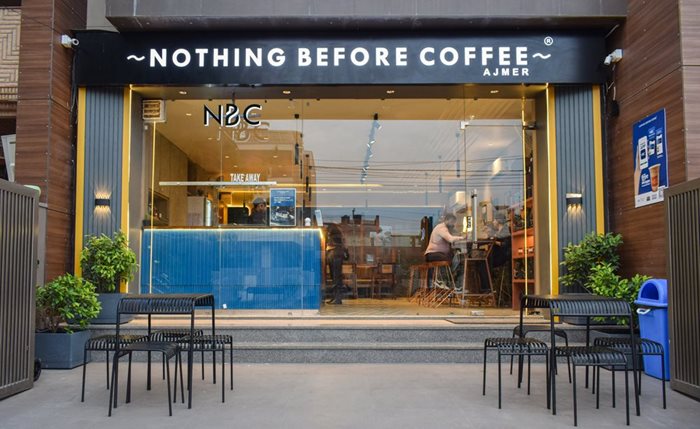
A Nothing Before Coffee store in Ajmer, Rajasthan, India | Photo credit: Nothing Before Coffee

Founded in 2017 by school friends Akshay Kedia, Anand Jain, Ankesh Jain and Shubham Bhandari, Nothing Before Coffee (NBC) is now raising investment to scale its 75-store presence in India and begin the next chapter of its international journey, which began with an outlet in Portugal in April 2024.

The value-focused coffee chain sources coffee from Chikmagalur and Coorg in India’s southern Karnataka state and roasts in-house to supply its growing store portfolio and direct-to-consumer channel. Today, Indian-grown coffee also supplies NBC’s recently opened store in Porto, Portugal, and will travel even further to planned sites in Spain, the UAE and Indonesia.

NBC recently celebrated its seven-year anniversary, tell us about your journey so far.

Akshay Kedia (AK): The journey from four school friends to founders of a growing brand like NBC has been nothing short of incredible. Our seventh-anniversary celebration was truly special, filled with love and joy from our customers. To show our gratitude, we rolled out a special offer – any beverage for ₹99 ($1.18) – and we saw a record-breaking 36,000 transactions during the anniversary weekend on 31 August–1 September 2024, which was four times our usual Saturday and Sunday volumes.

Additionally, our app crossed 100,000 downloads and we were ranked among the top five food & beverage apps on iOS and top 15 on Android in India. These milestones demonstrate the strong connection we’ve built with our audience.

Of course, challenges were part of the journey too. Expanding to over 70 outlets across India and internationally comes with the need to maintain consistent quality and customer experience, which has required constant innovation and rigorous operational standards. However, these challenges have only strengthened our commitment to delivering exceptional coffee experiences.

How has the Indian branded coffee shop market developed over the last seven years and how is NBC responding to these dynamics?

Anand Jain (AJ): Coffee has become an integral part of people’s daily routines in India, whether it’s solo coffee dates, work meetings, or the increasing trend of working from cafés. What was once predominantly a Tier 1 city phenomenon has now expanded to Tier 2 and 3 cities, where coffee is seen as a lifestyle statement and an aspirational product.

At NBC, we’ve aligned ourselves with these changes. We’ve made it a priority to expand into all the major cities while ensuring that we provide high-quality coffee at the right price. The key is to stay connected with our core customers – primarily urban consumers aged 18-35 – by maintaining consistency in both quality and experience.

We position NBC as a mass-premium brand, offering high-quality products at accessible prices, which allows us to appeal to both young professionals and older coffee lovers alike.

Left to right: NBC co-founders Ashkay Kedia, Ankesh Jain, Anand Jain and Shubham Bhandari | Photo credit: Nothing Before Coffee

Are Indian consumers becoming more receptive to premium coffee?

AJ: The future of India’s branded coffee shop market is a mix of both value-focused and premium experiences. We see a diverse range of consumers – some prioritise affordability and value, while others are increasingly willing to spend more for a premium coffee experience. This shift is driven by a growing appreciation for specialty coffee and unique offerings, especially in urban areas where consumers are more discerning and seek out quality.

At the same time, there’s still a strong demand for value-driven options, particularly in smaller cities. The key for brands is to strike a balance, catering to both segments without compromising on quality.

Why is now the right time for NBC to seek external investment for the first time?

AK: We’ve mapped out a clear expansion plan with an aim to open 100 new outlets by 2025 and external investment will play a crucial role in achieving that growth. After successfully establishing our brand across India, the timing is ideal to scale further and enter new markets. We’re confident in our model, our products and the demand for premium yet affordable coffee experiences, making this the right moment to bring in investors to fuel our next phase of growth.

“We see Europe as a key region in our global expansion”


What attracted you to the Portuguese market? 

AK: Portugal was an exciting choice for our first international outlet due to its vibrant coffee culture and the country’s growing appreciation for unique coffee experiences. We saw a great opportunity to introduce our signature beverages to a market that values both tradition and innovation in coffee.

Over the past five months, the store has exceeded our expectations. We’ve seen strong customer engagement, and our products have been well received. The positive response has reinforced our belief that our blend of quality, affordability, and innovation resonates across different markets, and it has given us confidence as we continue expanding globally.

Can you tell us more about your plans for Europe?

Our launch in Porto, Portugal, has given us valuable insights into the European market and the response has been very encouraging. Europe has a rich coffee culture and an appreciation for high-quality, crafted coffee experiences, which aligns perfectly with what NBC offers. We see Europe as a key region in our global expansion, and our plan to open 150 outlets will allow us to establish a strong presence. Alongside Europe, we’re also expanding into markets like the UAE and Indonesia, where we see similar opportunities to introduce our unique offerings and build a strong customer base.

NBC is one of the few Indian coffee chains to expand internationally. Do you expect more to follow in your footsteps?

AJ: Expanding internationally can be challenging for Indian brands due to differences in market preferences, operational complexities, and the level of investment required. Many focus on solidifying their presence in the domestic market before looking abroad. However, with Indian consumers’ increasing exposure to global trends, there’s a growing confidence in Indian brands to succeed overseas.

I do believe more Indian brands will venture abroad in the coming years. As the quality of Indian offerings improves and more brands embrace innovation, we’ll see a stronger push towards international expansion, much like what we’re doing at NBC. 

This article was first published in Issue 22 of 5THWAVE magazine.

source: http://www.worldcoffeeportal.com / World Coffee Portal / Home> India> News / November 29th, 2024

Shaded cultivation shields our coffee from climate change challenges: Expert 

Dr. M. Senthilkumar, Director of Research, Coffee Board of India, says that India need not worry too much about losing coffee by 2050.

“Of course, climate change is happening not only in India, but around the world but this is not going to make much impact on Indian coffee, when compared with other countries like Brazil and Vietnam. We are a country that does not grow coffee in an open condition. Most of the coffee in India grows in a shaded condition. We are pushing our farmers to grow more traditional and conventional shade trees at the coffee estates – that is deciduous and evergreen trees, which will help create a microclimate that will facilitate comfortable growing of coffee,” Dr. Senthilkumar explained. 

India has rainfall from June to September usually, followed by a drought period of 70 days. “Due to climate change, there is a possibility of drought period being extended. If it extends farmers will have to use methods of artificial irrigation encoring more expenditure,” he added. 

“By 50-100 years from now, climate change can cause problems at any given point as the temperature is increasing by 1.5 degrees centigrade every year. But again, not for Indian coffee. Indian coffee may benefit because of climate change, as other countries will stop producing coffee. But that does not mean we should stop worrying about climate change,” Dr. Senthilkumar said. 

source: http://www.thehindu.com / The Hindu / Home> News> Cities> Bengaluru / by Yemen S / November 29th, 2024

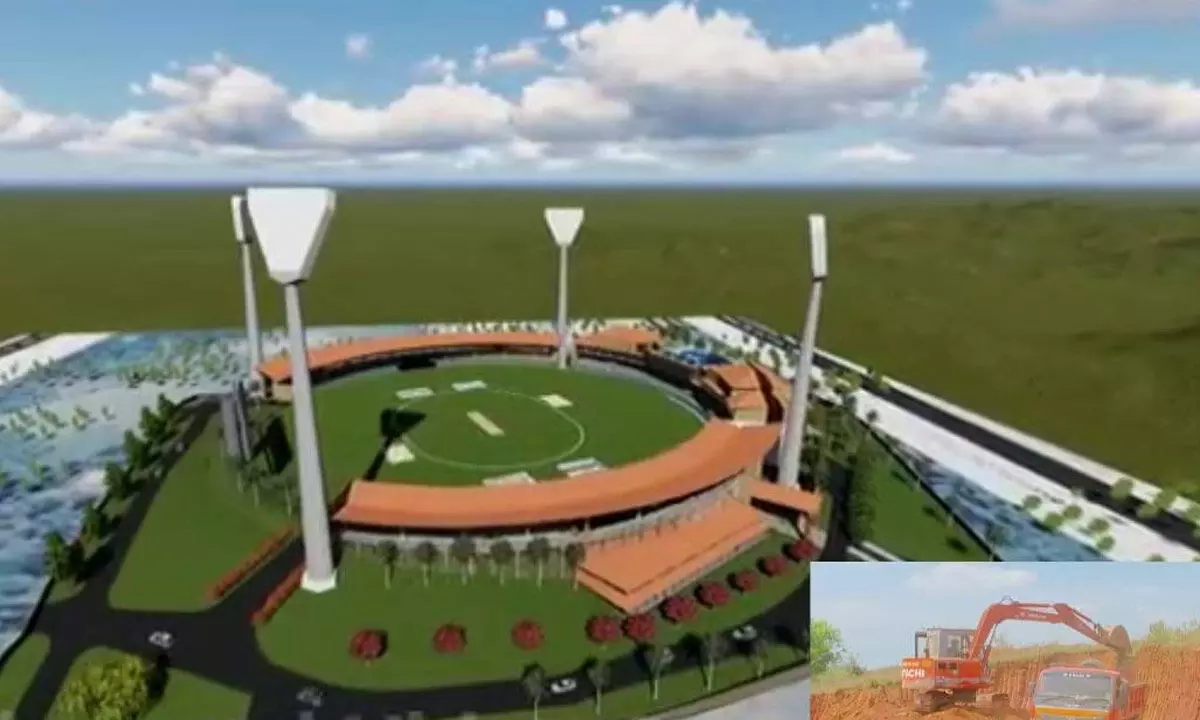
International cricket stadium under construction in Kodagu

HIGHLIGHTS

The design and layout of the ground will follow the model of the famous Dharamshala cricket stadium in Himachal Pradesh, though it will be slightly larger than Bengaluru’s Chinnaswamy Stadium

Madikeri:

After decades of persistent demand, the long-awaited dream of having a dedicated cricket ground in Kodagu district is finally being realized. Construction work has begun on an international cricket stadium near Palemadu village, situated in the scenic Madikeri taluk. This marks a significant milestone for the region, which has long yearned for a sporting facility capable of hosting major cricket events.

The Kodagu district administration has earmarked 12 acres of land for the construction of the stadium, with the project estimated to cost around Rs 50 crore. The design and layout of the ground will follow the model of the famous Dharamsala Cricket Stadium in Himachal Pradesh, though it will be slightly larger than Bengaluru’s Chinnaswamy Stadium. This ambitious project will involve leveling half of a nearby hill, a complex and costly process to create a world-class sporting venue.

The construction of this stadium has been met with both excitement and opposition. For years, there were protests against the proposed location, primarily due to the presence of a graveyard on the land. Local residents from Paisari village, in particular, were firm in their stance, demanding that no cricket ground should be built over the graveyard. Despite the protests, the project had to be put on hold for some time. However, the issue was eventually resolved when former District Collector Dr. BC Satish intervened and convened a meeting to find a solution. It was decided that one acre of land would be set aside for the cemetery, while the rest would be used for the cricket ground.

Though some residents still insisted on reserving two acres for the cemetery, the Karnataka State Cricket Association (KSCA) was determined to move forward with the project. Their resolve to build the ground regardless of the protests has finally borne fruit. With all hurdles cleared, construction work has now commenced, with heavy machinery such as JCB and Hitachi excavators already working to level the land.

The project is expected to be completed within the next four years, bringing a major sporting facility to the district.

A boon for local sports enthusiasts.

This stadium will be a game-changer for the region, providing a much-needed infrastructure for local sports enthusiasts and opening doors to higher levels of competition. Currently, Kodagu boasts an astro turf hockey stadium, but there has been a glaring absence of facilities capable of hosting even state-level sports events. The new cricket stadium will not only enhance the region’s sports infrastructure but also serve as a hub for aspiring athletes.

While the construction of the cricket stadium is a significant step forward, sports enthusiasts in the district are also calling for the development of other key sports facilities. In particular, there are increasing demands for the creation of an athletics stadium, similar in scope and scale to the upcoming cricket ground, to accommodate track-and-field events and other athletic competitions.

The lack of such facilities has been a hindrance to the growth of athletics in the region, and many believe that the creation of a dedicated athletics venue would be the next logical step in the district’s sporting evolution.

Once completed, the international cricket stadium is expected to attract attention from national and international teams, potentially putting Kodagu on the map as a major sporting destination. It could host not only first-class cricket matches but also training camps, junior cricket tournaments, and a variety of other sports events, providing ample opportunities for local players to showcase their talent. Moreover, the stadium will have a significant economic impact on the area, boosting tourism, creating employment opportunities, and contributing to the development of infrastructure such as hotels, transportation, and sports-related businesses. The local community is expected to benefit greatly from the influx of visitors and sports professionals.

As the work on the cricket ground progresses, the residents of Kodagu have a reason to celebrate, as they will soon have a venue that will foster local talent and bring national-level events to the region. However, the demand for more sports facilities remains strong, and local authorities will likely have to address the call for an athletics stadium and other sporting infrastructure to meet the growing needs of the district’s sports enthusiasts.

In the coming years, Kodagu’s landscape will be transformed into a thriving hub for sports, creating opportunities for youth, bringing pride to the community, and fostering the next generation of athletes. The international cricket stadium is just the beginning.

source: http://www.thehansindia.com / The Hans India / Home> News> State> Karnataka> Bengaluru / by The Hans India, Hans News Service / November 30th, 2024

Renaissance Hotels Celebrates A Decade Of Discovery And Championing Community Connection With The Return Of Global Day Of Discovery 2024

pix

Bangalore:

Renaissance Hotels, part of Marriott Bonvoy’s global portfolio of over 30 extraordinary hotel brands, celebrated its 10th annual Global Day of Discovery on November 19, 2024. In celebration of this special occasion, over 170+ Renaissance Hotels properties around the world came together to reimagine their Evenings at Renaissance program with a unique Evenings Market, spotlighting local retailers and businesses.

Over the past ten years, Global Day of Discovery has been the one day in the year when all 170+ Renaissance Hotels around the world activate an elevated, on-property experience – underscoring Renaissance Hotels as one that connects locals and travelers to the DNA of the neighborhood through its unexpected design, experiential entertainment, and spontaneous discovery. Global Day of Discovery 2024 continues to demonstrate Renaissance Hotels’ promise to making measurable impact through supporting local – not just on Global Day of Discovery, but every day – with the launch of R Finds, a global digital marketplace designed for local discovery.

General Manager Sita Lekshmi and Rishwin Devaya

The event at Renaissance Bengaluru Race Course Hotel featured a journey to the sprawling coffee estates of Coorg , curated by the Riverside Coffee Co. and its founder Rishwin Devaya. An immersive Evening Market experience, guests indulged in the finest manual brew coffees, a meet-and-greet with Rishwin, and a special coffee cupping session.

Guests were also treated to expertly crafted coffee-based cocktails by Shyam Kumar, Bar Manager at R Bar and his team of mixologists.

The Culinary team led by Executive Chef Somasundaram G. and Pastry Chef Manivannan G. delighted everyone with a selection of decadent coffee-inspired desserts, creating a perfect fusion of local craft and culinary artistry.

The event concluded with guests connecting over their shared love for coffee, cocktails and discovery, leaving with a deeper appreciation for Coorg’s coffee culture and the hotel’s commitment to championing the local community.

The Global Day of Discover and the launch of R Finds, our very own global digital marketplace is a joyous moment and one to take immense pride in. Through interactive brewing sessions, exquisite coffee-inspired cocktails, and engaging conversations, we created an evening that blended the warmth of local flavors with the spirit of discovery—a true reflection of what Renaissance Bengaluru Race Course Hotel stands for,” said Sita Lekshmi, General Manager, Renaissance Bengaluru Race Course Hotel.

source: http://www.apnnews.com / APN News / Home> Tourism> Hospitality / by NS / November 21st, 2024

Jeevanadi Cauvery Awards presented to teachers

Mysore/Mysuru:

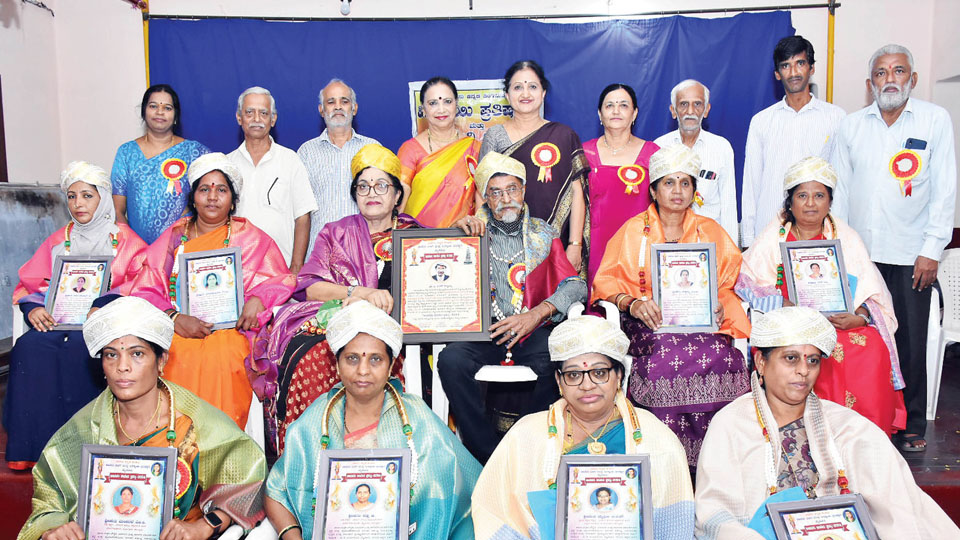
Ten teachers were  felicitated and presented ‘Jeevanadi Cauvery’ awards in memory of Nambiyapanda Gowru Ponnavva  at a function held in the premises of Akkana Balaga  School in Agrahara in the city on Tuesday. The award presentation function was jointly organised by Cauvery Balaga and Hiranmayi Pratishtana.

Speaking at the function, writer Bannur K. Raju said it is essential that education and health must be provided to everyone without any bias like in many developed countries.

“Unfortunately in our country, both these vital sectors are in firm grip of private organisations which has deprived both education and health to poor and middle class people,” he regretted saying it has become essential that these two sectors be nationalised in the interest of majority of people in the country.

Teachers S.N. Janaki of Alanahalli Government Lower Primary School, H.D. Kote taluk; M.P. Manjula, Hunsur Govt. Lower Primary School; K. Parveen Taj, Arenahalli Govt. Urdu Lower Primary School, Periyapatna taluk; G. Ratna, Beeregowdanahundi Government Lower Primary School, Mysuru taluk; M.T. Akkamma, Ammathi Govt. Higher Primary School, Virajpet taluk; M. Rani, Head Mistress, Bharati Sthree Samaja Higher Primary School, Yadavagiri in Mysuru; T.S. Maithili, Physical Education teacher, Government Higher Primary School, Vysarajapura, T. Narasipur taluk and M.T. Saralakumari, Head Mistress, Kajoor, Somwarpet taluk were felicitated at the function with ‘Jeevanadi Cauvery’ awards.

City’s renowned Sculptor Appaneravanda Kiran Subbaiah was given a special award. ana

Noted Danseuse Dr. Tulasi Ramachandra, retired teacher A. Sangappa and artist Dr. Jamuna Rani Mirle spoke at the function.

President of Cauvery Balaga and retired teacher N.K. Kaveriamma, President of Hiranmayi Pratishtana A. Sangappa, Jnana Vignana Samiti District President H.V. Muralidhar, Art teacher Manohar, Social activist Malini R. Palaksha and teacher Anupama were present.

source: http://www.starofmysore.com / Star of Mysore /Home> News / May 23rd, 2024