Torrential rains continued to lash Kodagu district, triggering landslides, overflowing rivers, and widespread panic among residents. The worst affected is the Shaktinagar area near Madikeri, where more than 60 families have been forced to vacate their homes due to fear of landslides.
The relentless downpour has caused rivers, streams, and rivulets across the district to swell beyond danger levels. In Shaktinagar of Mekeri village, located on a vulnerable hill slope, the threat of soil erosion has left residents in deep anxiety. Authorities have covered the vulnerable area with tarpaulin sheets in an attempt to prevent further damage.
District officials have stepped up vigilance across Kodagu as the current weather situation draws parallels to the devastating floods of 2018. Powerful winds accompanying the rain have uprooted hundreds of trees and electric poles, further worsening the situation.
In a related incident, a massive tree fell on a moving car in Bajegundi village, Somwarpet taluk. The driver, Charan, had a miraculous escape with no injuries reported.
Meanwhile, water has been discharged from the Harangi reservoir into the Harangi and Cauvery rivers, which are now flowing dangerously over their banks. In Kushalnagar taluk’s Hudugur area, coffee plantations and paddy fields have already been submerged, and fears are growing that homes in low-lying areas could soon be inundated.
Several roads across the district have been affected. A large tree fell across the Madikeri–Somwarpet highway, bringing traffic to a standstill for over an hour. In Ponampet taluk, many low-lying areas are submerged, and the Balyamandur–Harihara road has been rendered impassable.
The district administration, along with the National Disaster Response Force (NDRF), has been placed on high alert, closely monitoring the situation. Residents have been advised to avoid unnecessary travel and to remain vigilant as rain and strong winds are expected to continue.
source: http://www.daijiworld.com / Daijiworld.com / Home> Karnataka / by Daijiworld Media Network – Kodagu / July 27th, 2025
Harangi reservoir outflow increased to 25,000 cusecs owing to heavy rain in the catchment area, say irrigation officials; IMD issues orange alert for Kodagu district.
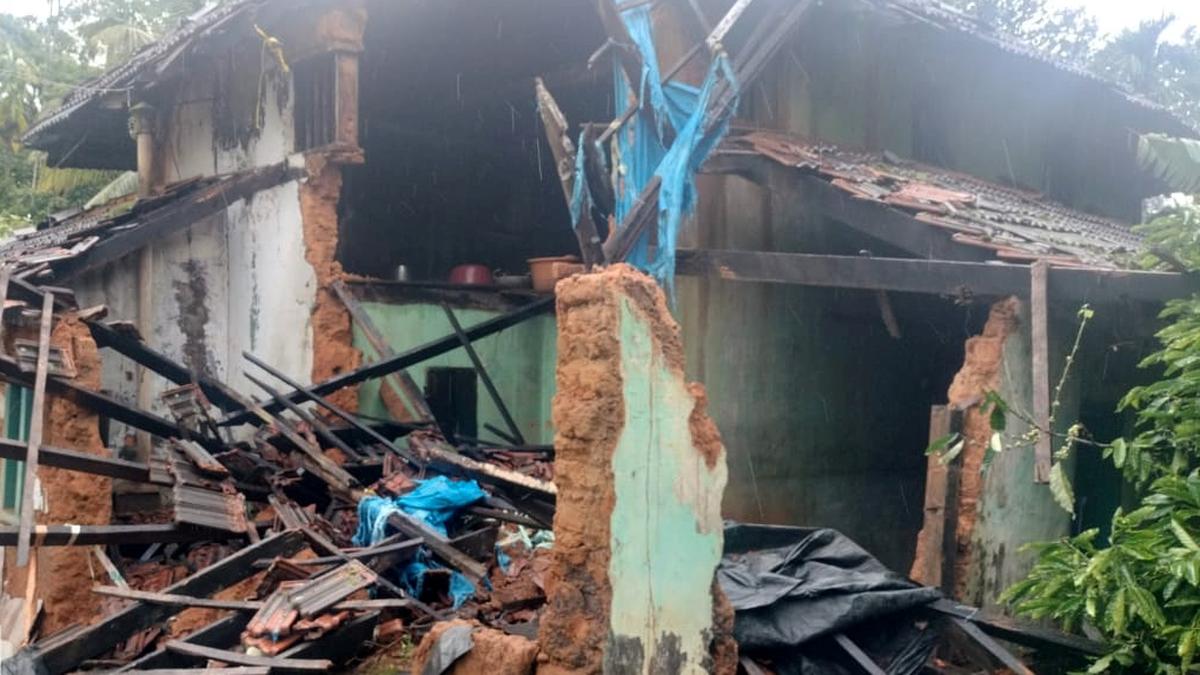
A house damaged due to incessant rain at Kurchi village of Srimangala Hobli in Kodagu district on Sunday. | Photo Credit: SPECIAL ARRANGEMENT
The hilly district of Kodagu continued to be battered by incessant rains, with widespread damage to property reported during the last 48 hours.
The India Meteorological Department (IMD) has forecast more rains for the district and issued an orange alert.
There were incidents of telephone and electricity poles being uprooted and collapsing onto residential buildings, vehicles, or blocking roads and disrupting traffic movement on Sunday.
A portion of the Anganwadi centre in Harduru village in Somwarpet was damaged when a giant tree collapsed in the early hours of Sunday due to heavy rains and a gale that lashed the region.
A family in Madegodu village in Shanivarsanthe was shifted from their house as its walls developed major cracks. A portion of the house also collapsed, and the authorities who took stock of the situation declared the building unfit for occupation due to the imminent threat of complete collapse. The family was shifted to a room behind the house.
Similar reports have emerged from Emmemadu in Napoklu, Uluguli in Suntikoppa, Hoskote, Sampaje, Guddehosur in Kushalnagar and other places. In Surlabbhi village, heavy rains and gales damaged the tiled roof of the local higher primary school.
In Koodumangaluru village, Kushalnagar, a family of two was relocated as their house was damaged due to incessant rains, and the walls were on the verge of collapse when the officials visited to assess the rain damage.
Residents of Biligeri in Somawarpet were shifted to a relief centre as the water level in a local water body was steadily increasing, threatening to maroon the village.
Meanwhile, the Irrigation Department announced that outflow from the Harangi reservoir has been increased to 25,000 cusecs due to heavy rains in the catchment area of the river. Officials from the Revenue Department visited the area near the dam to take stock of the security. This is because the Yadavanadu bridge has submerged due to an increase in outflow from the dam. The public has been advised against venturing close to the dam, and the approach roads have been barricaded as a security and safety measure.
In Kanive village, Kushalnagar, the suspension bridge across Cauvery river was in danger of being submerged. Hence, the officials have erected barricades to prevent people from using it. Similarly, tourists were restricted from visiting the Rameshwara temple due to the surge in water level of the river.
Meanwhile, the Chamundeshwari Electricity Supply Corporation (CESC) said that damage to electricity poles and interruptions to power supply were reported at many places due to multiple incidents of tree falls. However, efforts were on to restore power, and the staff were working on a war-footing to restore normalcy, it added.
The district has received a cumulative rainfall of 89.11 mm during the 24-hour period ending 8.30 a.m. on Sunday. Some of the places which recorded very heavy rains include Napoklu (80.2 mm), Bhagamandala (117.2 mm), Ammati (91.5 mm), Shanthalli (238 mm), Hudikeri (191.8 mm), Srimangala (166 mm), Ponnampet (60 mm) among others.
source: http://www.thehindu.com / The Hindu / Home> News> India> Karnataka / by The Hindu Bureau / July 27th, 2025
One day, this scientist hopes to mislead a kumbara night frog into thinking he’s one of them
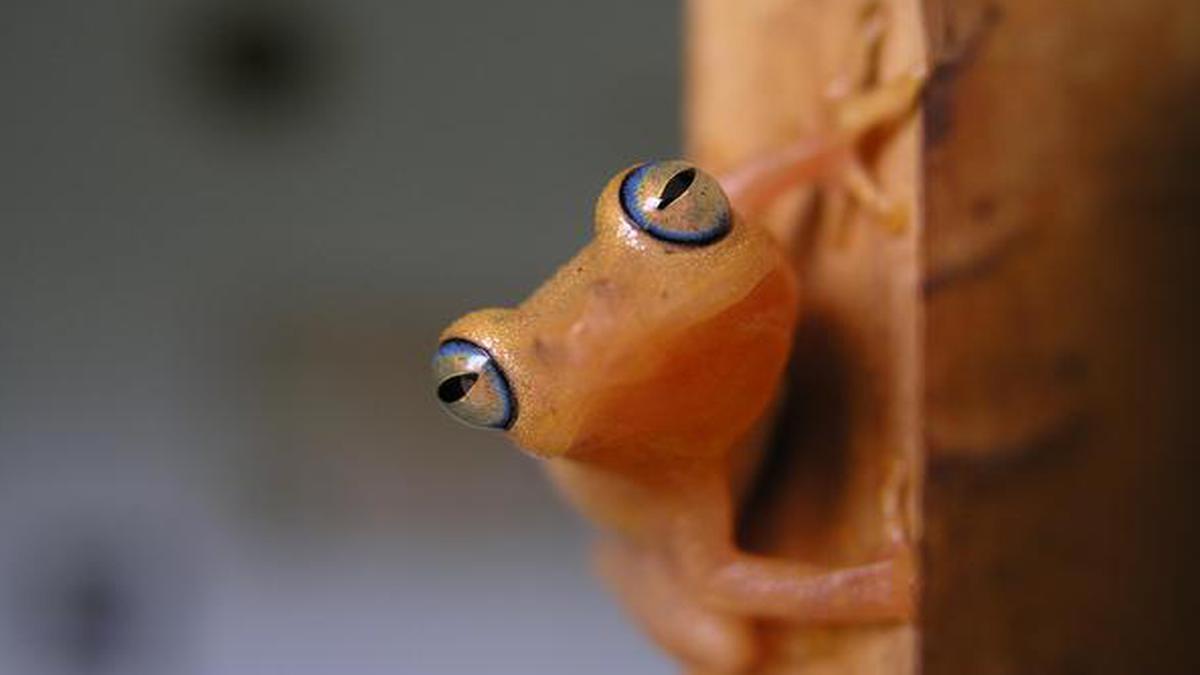
Coorg Yellow Bush Frog
Gururaja K.V. hid behind a tree and called “ treeek…ting…ting…ting. ” Several Coorg yellow bush frogs replied, “ treeek…ting…ting…ting .” When he called again, the amphibians leaped towards him. He snuck behind another tree and sang the frog song. The little leapers reoriented to his new position. For 90 minutes, the researcher played hide-and-seek as his subjects sought the intruder. One of them eventually found him and jumped on his throat. “It literally wanted to choke me,” he recalled, barely able to contain his laughter. Realising its opponent was much larger, the confused amphibian leapt off.
Gururaja’s experiments with mimicry led to another species trying to out-compete him. He imitated the bird-whistle call of the Jog night frog, signalling he was a male who had found a mate. His ‘rivals’ upped their volumes to drown out his chirps so that the female wouldn’t hear him.
To most people, all frogs look similar. Gururaja is one of the few experts who can point to slight differences that set species apart. He even discerns distinct personalities. His research subjects have names such as Hegde, Bhat, and Vishnu. The Hegde frog was talkative like Gururaja’s host in the area, Ashok Hegde. The frog he called Bhat was so quiet, the researcher had to check on it every hour.
Gururaja didn’t discover these amphibians until he was a master’s student at Karnataka’s Kuvempu University. Since he was an amateur birdwatcher, his advisor, S.V. Krishnamurthy, had suggested he list the species frequenting the campus. Gururaja wanted a more challenging project. How about studying the diet of night frogs, his advisor asked. That’s how his career in this field began.
At first, touching the frogs’ loose skin and slippery texture felt icky. After handling hundreds over a month, his disgust dissipated and he was hooked. Since no more than five people studied frogs at that time, making a mark in this under-researched area was easier than in the crowded field of bird research.
Much of the amphibian work in India is taxonomic — examining dead specimens, describing species, and establishing the relationship between different ones. After completing his postgraduate studies, Gururaja switched to studying their natural history. His curiosity and observations led to the discovery of one of the most enigmatic species — the kumbara night frog.
In 2006, Gururaja observed a female perform a headstand, with the male riding piggyback, to lay her eggs on leaves and twigs. The deed done, she hopped away, while the male picked up globules of mud with his tiny hands and plastered the mass of eggs until it was completely covered.
Gururaja spent the following eight years documenting more instances of this unusual behaviour before publishing his discovery. He continues to study the kumbara night frog, seeking answers to questions such as: why does it do what it does? Is it protecting its eggs? From what? Some species carry tadpoles on their backs such as poison dart frogs or in their mouths like gastric-brooding frogs. But no other amphibian stands on its hands or daubs mud on its eggs. He estimates he has enough work with night frogs alone to keep him occupied for another 15 to 20 years.
In northern Kerala, his team discovered another species, the ochlandra reed frog, with a beautiful yellow sunburst pattern in its eyes. He had seen nothing like it before. Nor had he seen any frog do what it subsequently did. It disappeared from view by squeezing into a hole in a length of reed bamboo. It wasn’t merely hiding from predators. To Gururaja’s astonishment, it stuck its eggs to the inner walls of the hollow columns. Researchers knew of no other amphibian that exploited this snug space as a nest site until 2011, when they saw a related species wriggling into a reed bamboo in Tamil Nadu’s Western Ghats.
Publishing natural history observations such as this demands tedious work. It’s not enough to report on one frog that did something exceptional. To be scientifically acceptable, researchers spend several seasons watching different frogs of the same species before they can conclude the behaviour is not an aberration.
Gururaja is mindful that spending long months during the rains in damp clothes and mucking in streams and swamps is not for everyone. He gives recording equipment to new students to record frog calls. In the process, the youngsters forge their own relationship with the forest and the creatures. Only a few turn their backs on this field deterred by leeches. Gururaja safeguards against burnout by taking a break after every five days of fieldwork.
The high humidity has greater success in killing recording equipment. No matter how well Gururaja treats his gear — wrapped in plastic, sheltered under an umbrella, wiping it dry at the end of each session — moisture condenses on the circuit boards, corroding them. He shrugs off the loss as par for the course in doing frog work.
One species resists Gururaja’s attempts to fool it with his mimicry. He can’t match the frequency of the kumbara night frog’s call, but it’s not from lack of trying. Every season, he tries afresh to challenge his favourite amphibians at their game, and one day he hopes to mislead one into thinking he’s of them.
source: http://www.thehindu.com / The Hindu / Home> Sci-Tech> Environment> Beautiful People / by Janaki Lenin / February 23rd, 2025
Relentless rains continue to lash Kodagu, pushing rivers and streams well above the danger mark. Authorities have evacuated residents from low-lying areas and declared a holiday for all schools and colleges today, as the region remained under a red alert issued until 8 am this morning.
But as Kodagu battles the fury of nature, its most critical weather monitoring tools are failing. Of the 104 Telemetric Rain Gauges (TRGs) installed across the district, 56 — over 54 percent — are non-functional. Shockingly, there is no clear timeline for when these essential devices will be restored.
In a glaring act of official negligence, a TRG installed at Kanoor Gram Panchayat in Ponnampet Taluk — an area known for heavy rainfall — has been placed under a roof. Ironically, it is installed to measure rain but placed where it does not rain.
This baffling decision has rendered the gauge completely useless. With not a drop of rain reaching the sensor, accurate data from this high-rainfall zone is lost. Residents said that the TRG was installed two months ago and nothing has been done to rectify the construction anomaly.
Furious residents have flayed the Panchayat for such incompetence, calling out the lack of basic common sense and waste of public funds. TRGs are vital for real-time rainfall data collection and help agencies like the Karnataka State Natural Disaster Monitoring Centre (KSNDMC) issue timely flood alerts and coordinate emergency responses.
With more rain forecast and rivers swelling dangerously, the failure to properly install and maintain these gauges could cost lives, and underscores a disturbing lack of preparedness to face the monsoon.
source: http://www.starofmysore.com / Star of Mysore / Home> News> Top Stories / June 26th, 2025
Looking for a peaceful escape from the busy city life of Bangalore? June is the perfect time to take a weekend trip and enjoy the calm beauty of South India. One of the best weekend getaways near Bangalore in June 2025 is Coorg. Also known as Kodagu, Coorg is often called the “Scotland of India” because of its green hills, coffee plantations, cool weather, and peaceful atmosphere. It’s just around 250 km from Bangalore and is ideal for a short break with family, friends, or even solo.
Let’s explore why Coorg is the perfect weekend getaway this June.
Green landscapes and fresh air In June, Coorg becomes even more beautiful. The monsoon begins, and the rains make everything green and fresh. The smell of wet soil, the sound of birds, and the misty hills create a peaceful mood. If you are someone who loves nature, you will enjoy every moment here. The scenic drives through winding roads covered with thick forests and coffee plantations are a treat to the eyes. You can stop at many places on the way for pictures or just to breathe in the clean air.
Popular places to visit in Coorg
Coorg has something for everyone. Here are some must-visit spots:
Abbey Falls – A stunning waterfall hidden in the forest, Abbey Falls is a great place for nature lovers and photographers. The short walk through coffee plantations to reach the falls is a lovely experience.
Raja’s Seat – This viewpoint offers a beautiful view of the hills and valleys, especially at sunset. It’s a peaceful place to sit and enjoy the fresh breeze.
Madikeri Fort – For history lovers, Madikeri Fort gives a glimpse into Coorg’s past. It also has a museum inside with interesting displays.
Dubare Elephant Camp – If you’re traveling with kids or love animals, this camp is a fun place. You can watch elephants being bathed and fed and even take part in some activities.
Talacauvery – This is the birthplace of the river Cauvery. It is also a holy site and offers beautiful views from the hilltop.
Local food and coffee Coorg is also known for its tasty local food. Try dishes like Pandi Curry (pork curry), Kadumbuttu (rice dumplings), and Noolputtu (rice noodles). These are full of local flavors and are best enjoyed at homestays or small local restaurants.
And of course, don’t miss the coffee. Coorg produces some of the best coffee in India. You can visit a coffee plantation, learn how coffee is grown, and sip a fresh cup while enjoying the cool weather.
Where to stay
Coorg has many options for all kinds of travelers. From budget hotels to luxury resorts, and cozy homestays in the middle of coffee plantations, you will find a place that suits your needs. Staying in a homestay will also give you a chance to talk to locals, learn about their culture, and eat home-cooked food.
Perfect weekend itinerary
Here is a sample weekend plan for June 2025:
Day 1 (Saturday)
Leave Bangalore early in the morning
Reach Coorg by noon and check into your hotel or homestay
After lunch, visit Abbey Falls and Raja’s Seat Enjoy local dinner and relax
Day 2 (Sunday)
Visit Dubare Elephant Camp early in the morning
Head to Talacauvery and Madikeri Fort Try local food for lunch
Leave for Bangalore by late afternoon
Tips for travel in June
Carry an umbrella or raincoat, as it may rain suddenly
Wear comfortable walking shoes for sightseeing
Book your stay in advance as Coorg is popular during weekends
Try to leave early from Bangalore to avoid traffic
Why Coorg is perfect for June
June is the start of the rainy season, and Coorg looks like a green paradise. The weather is cool and perfect for walks, sightseeing, or simply relaxing with a hot cup of coffee. It’s close to Bangalore and easy to reach by road, which makes it a great weekend choice.
Whether you’re looking for nature, adventure, food, or just a peaceful time, Coorg gives you all. So, pack your bags and make your June weekend refreshing and unforgettable with a short trip to Coorg.
Get best deals on travel, receive travel tips and travel stories instantly Subscribe to Nativeplanet.
source: http://www.nativeplanet.com / Native Planet / Home> Travel Guide / by Neha Choubey / May 23rd, 2025
A recent study by the Nature Conservation Foundation, in collaboration with owners and managers of agroforests in Hassan and Chikkamagaluru districts, demonstrates the potential of coffee agrosystems as refuge for biodiversity.
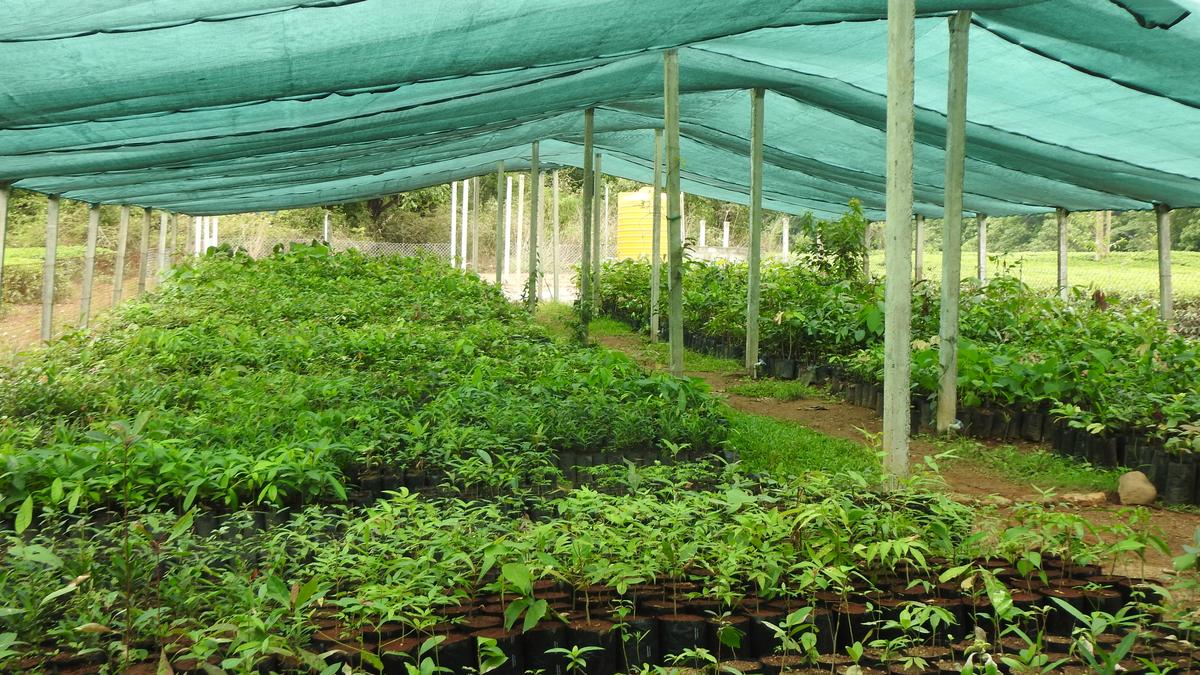
A restoration nursery in the Western Ghats, India. | Photo Credit: Vijay Kumar
In 2019, when the Narmada Estate, a coffee plantation in Karnataka’s Chikkamagaluru district, decided to go organic, it began diversifying the coffee-cropping system to reduce pests. “The reason something becomes a pest is because you have too much of the same thing,” explains Sohan Shetty, the estate’s general manager. “So, we needed to plant as many trees as possible.”
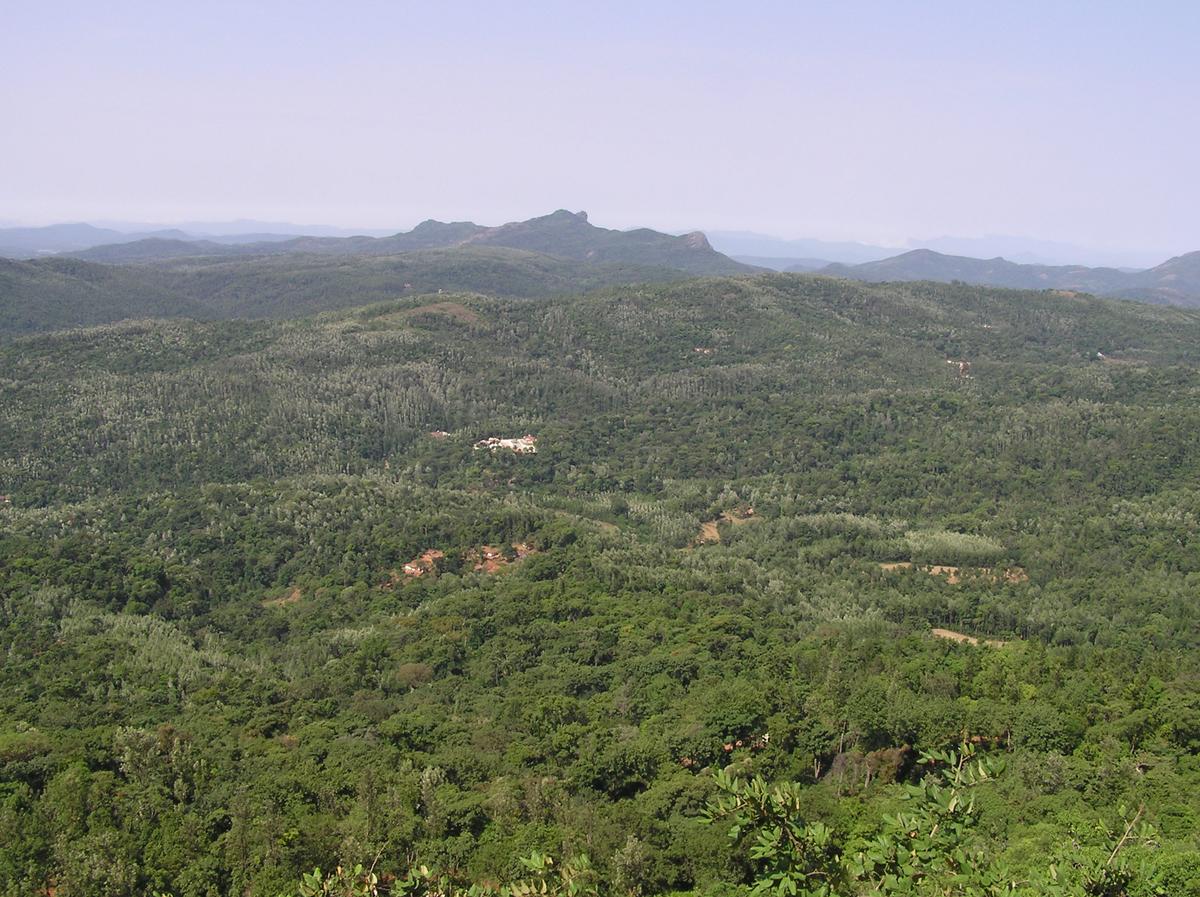
Shade coffee agroforests and pockets of remnant natural forest form a dense and continuous tree canopy in the Chikmagalur region of the Western Ghats, India. | Photo Credit: Anand Osuri
To find suitable plants to grow alongside organic coffee, he began scouting for the best-priced plant sources, including the Karnataka Forest Department’s nurseries and seed suppliers in Chikkaballapur. During his search, Shetty discovered that the Nature Conservation Foundation (NCF) had been actively restoring rainforests in Valparai, Tamil Nadu, for years, and so he reached out to them. “They were amazed at the scale with which I was thinking of starting nurseries and asked me what species I was working on.” So he shared with them the list of trees and seeds available with both the Forest Department and the seed supplier. “The botanist looked at it and said, a week later, that only three of these species are native to the Western Ghats,” he says. “That shook me. I realised that we are just planting trees for the sake of planting trees, but we are completely messing up the ecosystem.”
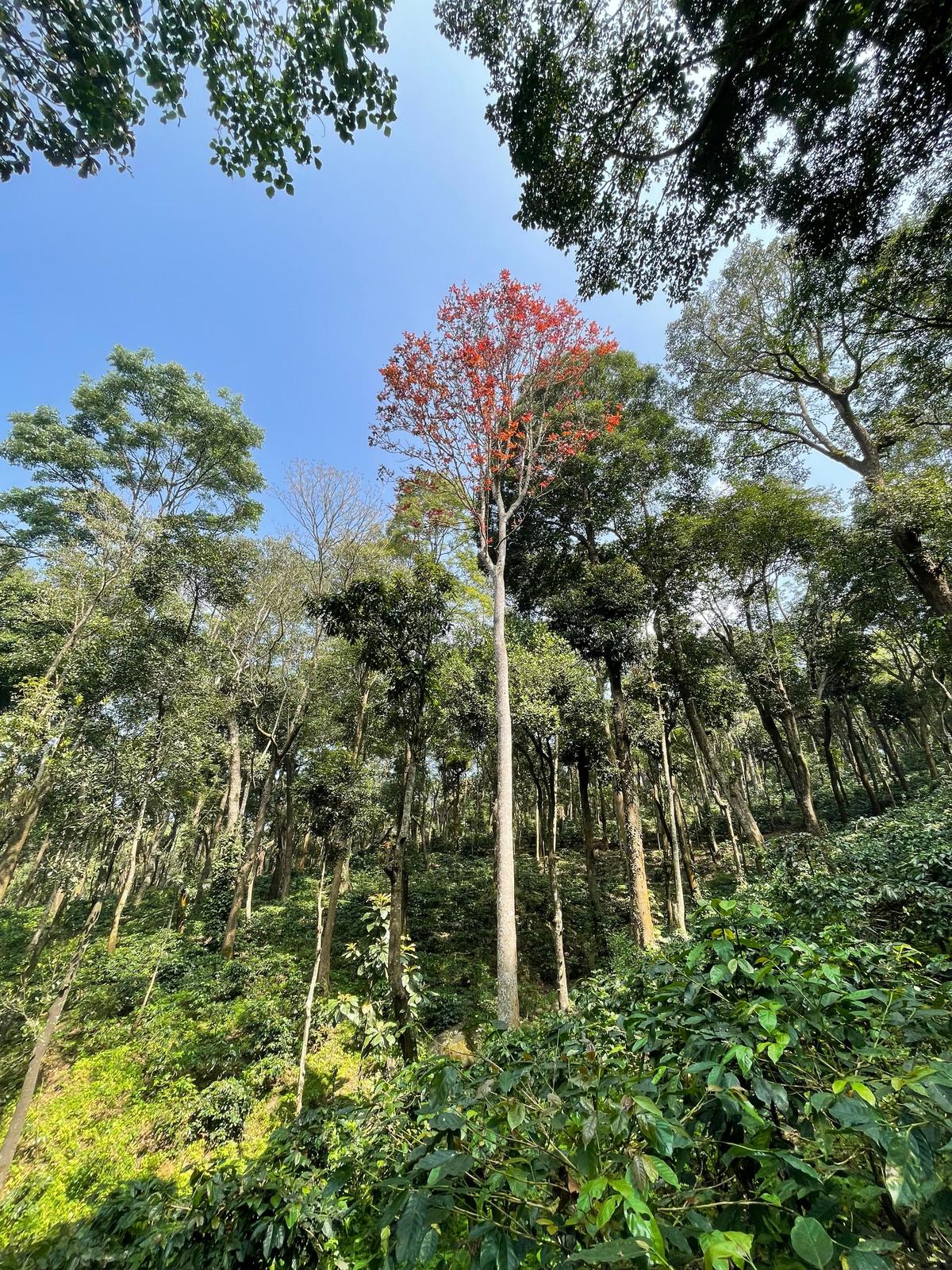
Shade trees in coffee agroforests can comprise a variety of species that are native to forests of the region. The species with fresh red leaves at the center of the image is Canarium strictum, which produces fleshy fruits that attract birds and a resin that is culturally and economically important. | Photo Credit: Vijay Karthick
In search of a better solution, he soon found himself visiting a nursery run by NCF on land allocated by the Kadamane Estates Company in Sakleshpur taluk, Hassan district, which had been set up in 2022. “It was quite impressive, 5000-odd plants of different varieties,” remembers Shetty, who, on seeing this, thought it would be a good idea to further collaborate with NCF. “By that time, I had set up a nursery with 1.2 lakh bags, which could accommodate that many saplings,” he says. “So, I told them that I was happy to grow plants for you. That is how the whole partnership began,” recalls Shetty, who, along with other owners and managers of agroforests in Hassan and Chikkamagaluru districts, was part of a study spearheaded by conservation scientists from the NCF titled Shade coffee agroforests as native plant sources for restoration.
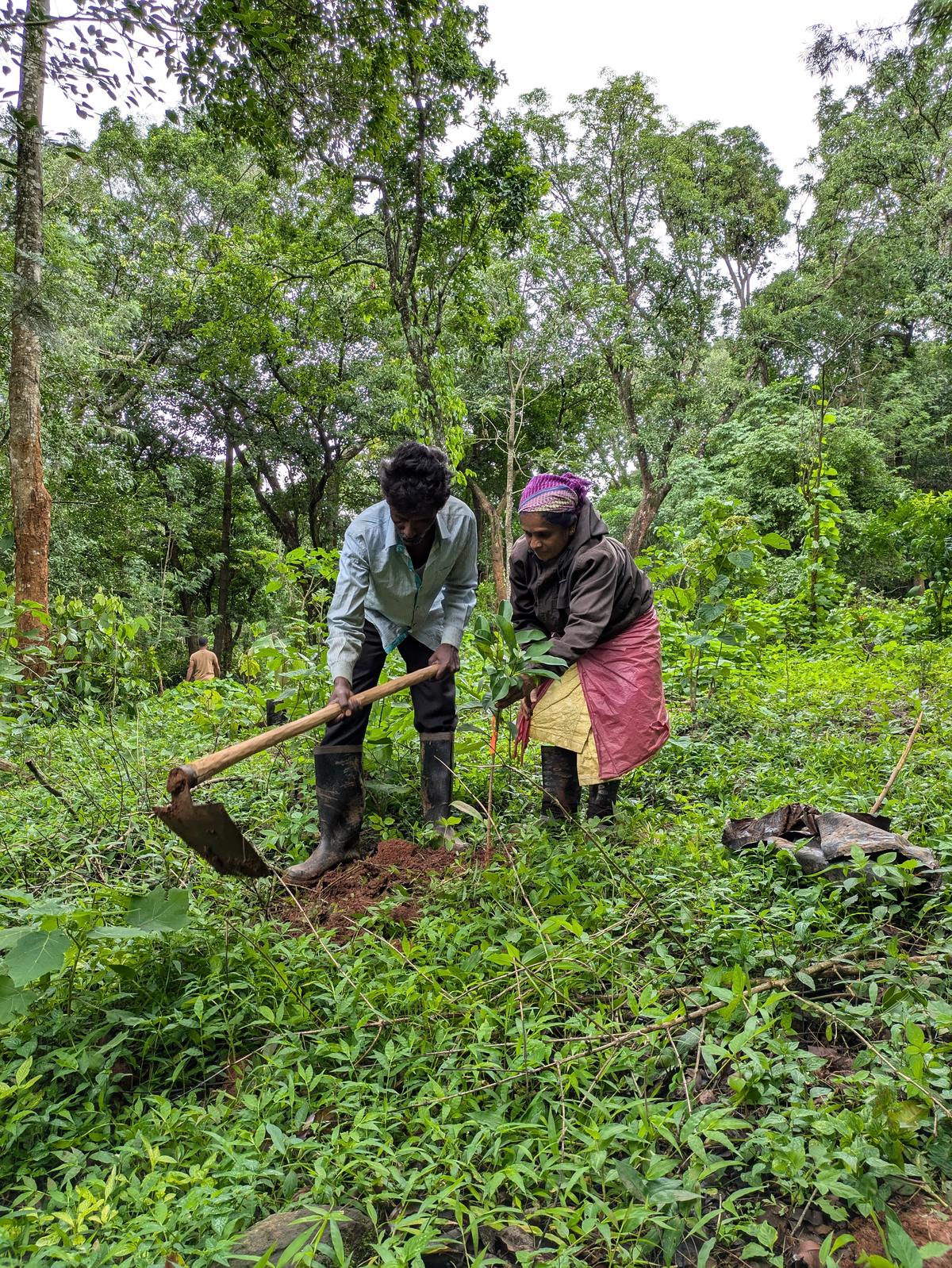
Planting trees as part of ecological restoration in a degraded forest in the Western Ghats, India. | Photo Credit: Vijay Kumar
Seed Harvesting
According to Anand Osuri, a scientist with NCF and the paper’s lead author, the study, which has just been published in the Journal of Applied Ecology, really took off in 2023. A year earlier, Vedika Dutta, also a co-author, had come to Osuri as a master’s student, wanting to study birds in coffee agroforests, with a focus on frugivorous or fruit-eating birds. “In the course of her work, we spent time in coffee estates, watching birds and the trees in which they foraged in these coffee plantations,” he says, adding that they were struck by the large numbers and wide variety of native tree seeds and seedlings on the coffee estate floor. “These seeds and seedlings were not just of the trees fruiting overhead, but also other species carried in from further afar by seed-dispersing birds and mammals.”
Around the same time, NCF was also thinking about a forest restoration project in the coffee-growing landscape of the hilly Malnad region by partnering with local residents and landowners. According to him, these landowners had different motivations to restore forests, ranging from an interest in conservation to entering carbon and biodiversity markets or attracting birds to their homestays. “There are a number of opportunities where interested landowners are keen to restore forests in areas where coffee is not being cultivated,” says Osuri, who has been participating in efforts to restore forests for nearly a decade and believes that the availability of diverse native plants, sourced locally and ethically, is critical to do so. “So, there was this restoration project that we were trying to develop, for which we needed to develop native plant nurseries, and the bird work was also going on.”
As part of the restoration project, researchers from NCF needed to collect seeds and seedlings that could be raised in nurseries. But “we didn’t want to be collecting lots of seeds from the forests themselves because that reduces the seed availability there, impacting the resources of animals, birds and insects,” says Osuri. “And so, we put both these pieces together to see if we could do more to harness the potential of coffee farms as a source of seeds for restoration.”
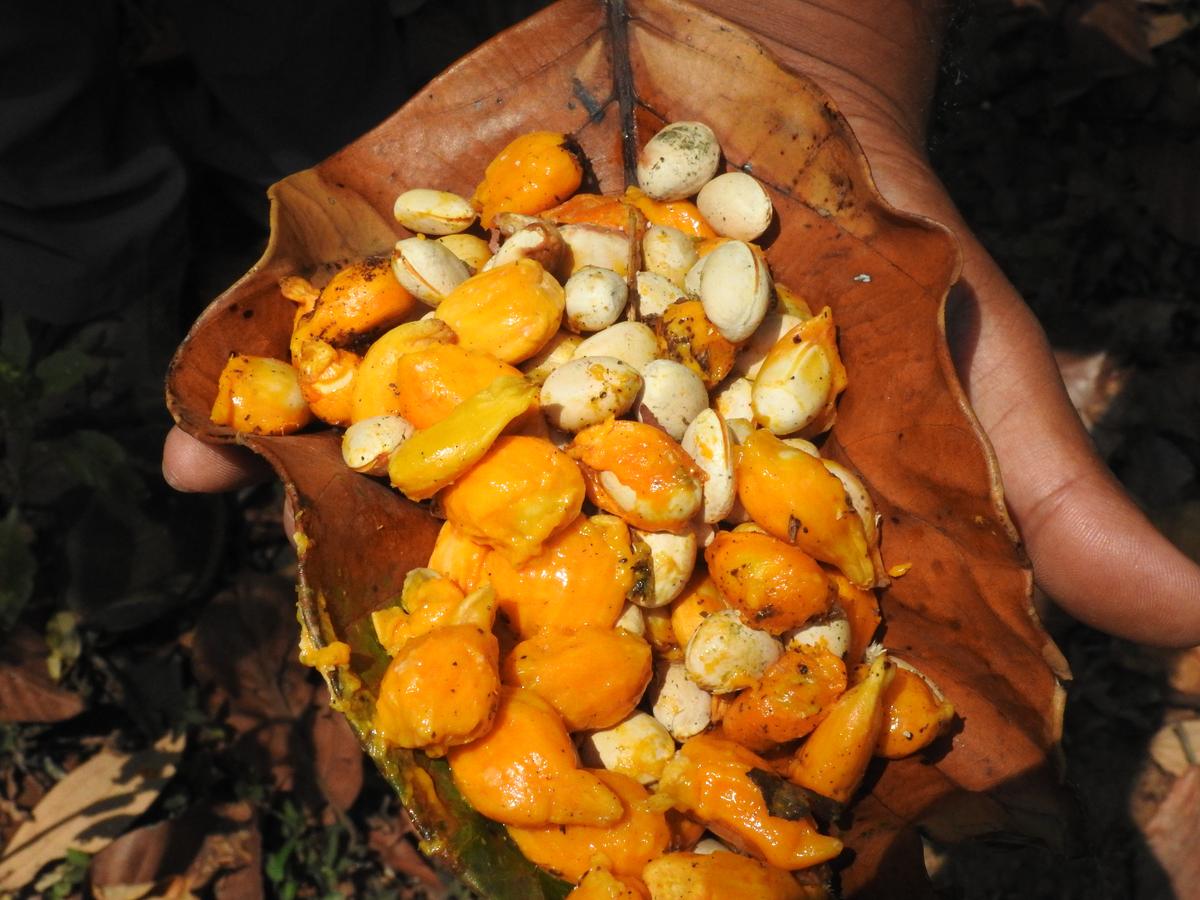
Seeds of Artocarpus hirsutus – a species that is endemic to the Western Ghats (found nowhere else on Earth) – during rescue from a coffee agroforest to a restoration nursery. | Photo Credit: Vedika Dutta
Why coffee
Coffee in India is largely shade-grown, making coffee plantations a potential “refuge for biodiversity,” says Osuri. “For a substantial set of native species important for restoration, we often find adults of those trees in the coffee estates.” However, most seeds that fall and germinate in coffee estates are weeded out because of the possibility of them competing with the coffee bushes for light and other resources, representing a loss for biodiversity conservation. “So, we thought we should make a more systematic effort to rescue their seeds and seedlings before they get weeded out
As part of the study, the team documented the diversity of native tree species found within the coffee estates, recording over 90 native tree species relevant for forest restoration in the region. Clarifying that the word “native”, in this instance, refers to “that particular eco-region of the Western Ghats, the wet evergreen rainforests” and not just plants “native to India,” he says that they were particularly interested in documenting species not only those native to the Western Ghats but also endemic to the region, those “found nowhere else on earth and some of which are classified by the IUCN as being threatened.”
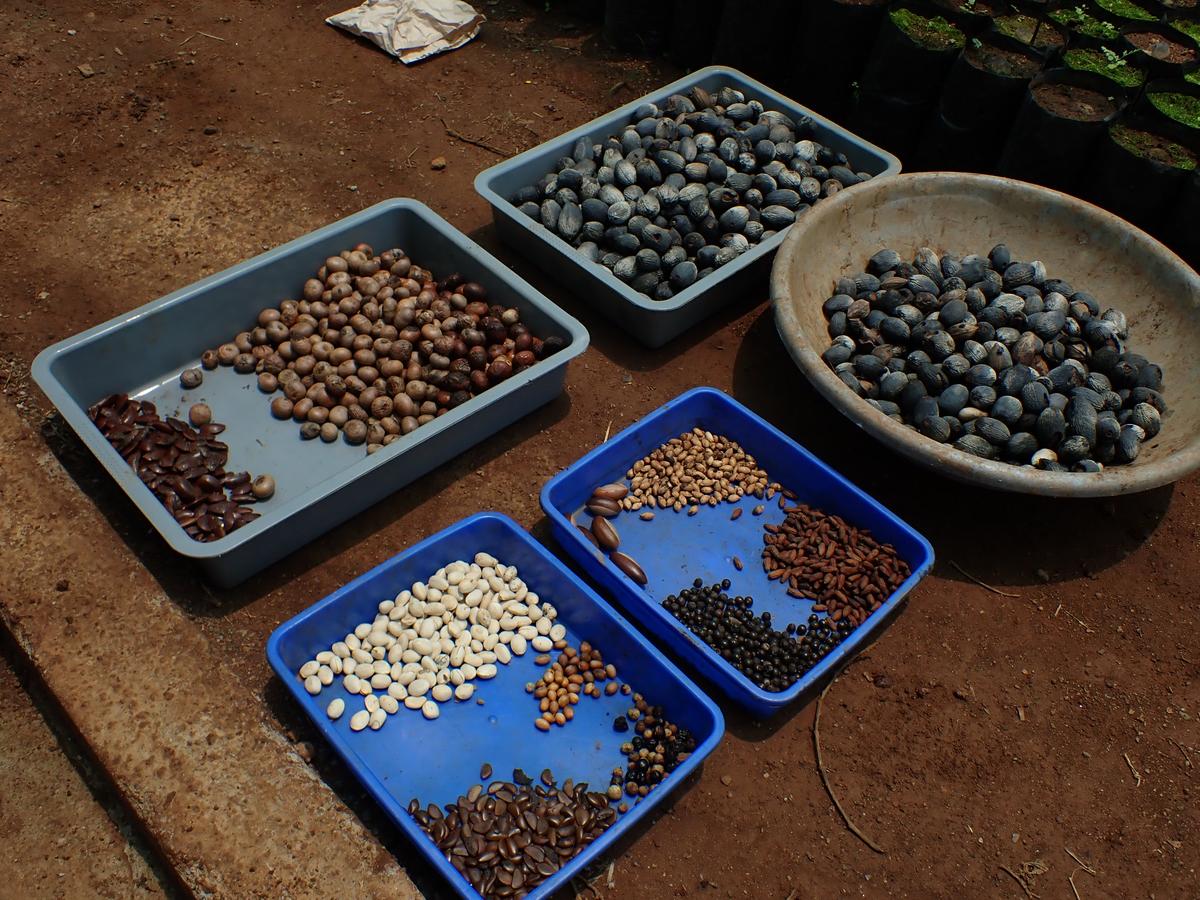
Seeds of multiple native tree species rescued from coffee agroforests prior to sowing at a restoration nursery. | Photo Credit: Vijay Kumar
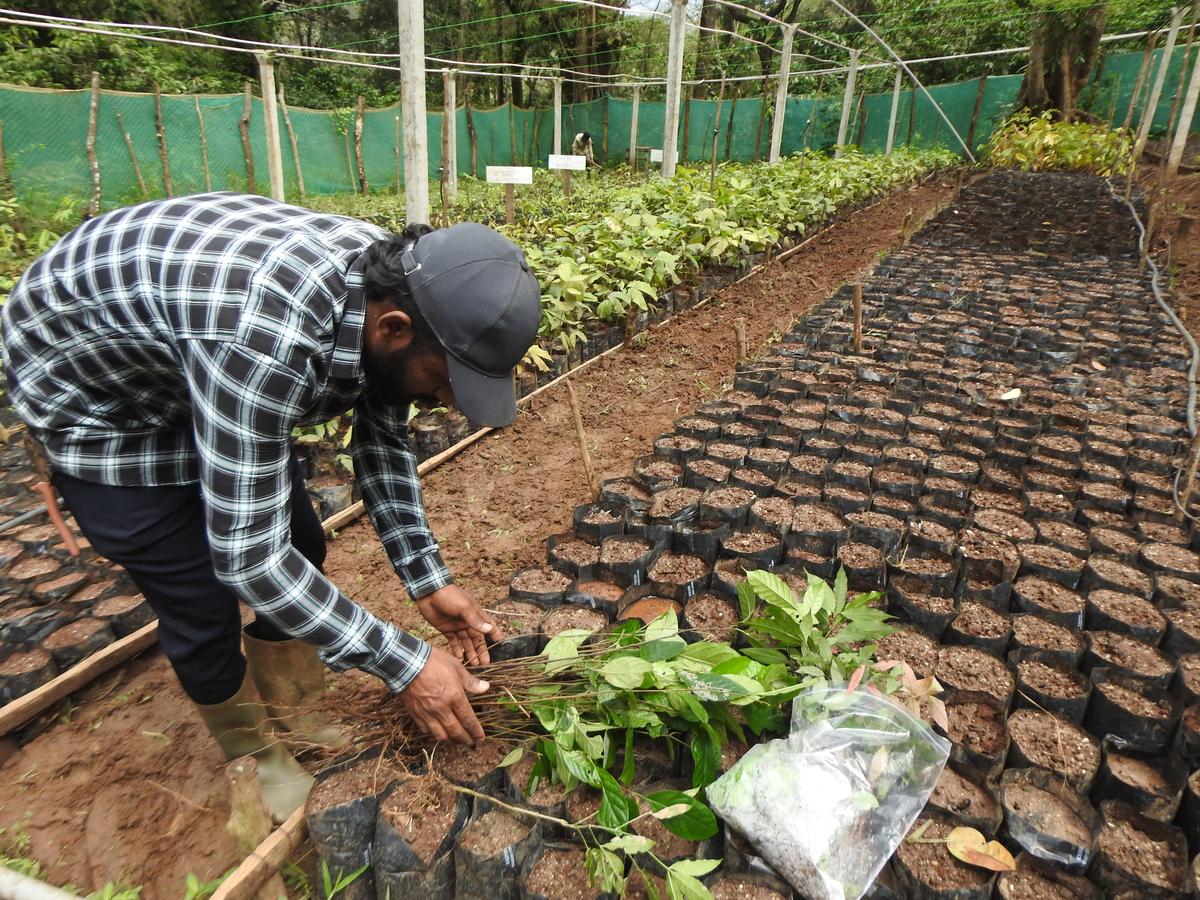
The NCF team also connected with farmers who were “willing to give us permission to visit their farms, collect seeds, and also, in the monsoon season, collect small seedlings which were growing along the roadside.” Between 2023 and 2024, around 18,000 seeds and seedlings of 56 native tree species were rescued and are currently being raised in the two restoration nurseries established through collaborations between NCF and agroforest owners. “We are trying to encourage and enable people to take up such projects to plant the right native species in the right places.”
Currently, the restoration project is in a pilot stage with the NCF team focusing on two collaborative initiatives: expanding the network of seed source coffee farms and developing more native plant nurseries. “The idea we are proposing is that we should not just view coffee agroforests as refuges for biodiversity, but also acknowledge their potential to contribute to conservation in the wider landscape by being a source of native plants for restoration.”
Seedlings of multiple native tree species rescued from coffee agroforests prior to replanting at a restoration nursery. | Photo Credit: Vijay Kumar
Future potential
In Osuri’s opinion, more collaborations and experimentation are now needed. “A few more things will need to be worked out before one can talk about substantially scaling up, since, at the moment, one of the limiting factors is nursery resources,” he says. One potential partner, who can play a key role in expansion, he believes, is the Karnataka Forest Department. “We plan to discuss our findings with department officers to see if there is a workable model for this,” he says. “If we can develop models for connecting seed sources in coffee farms with nurseries of the forest department, then the scale and potential really go up because the department already has an excellent network of nurseries.”
Osuri also hopes to strengthen and scale up their efforts in the Malenadu region, since nearly 70% of India’s coffee production comes from the Malenadu region, mainly from the Baba Budan Hills in Chikkamagaluru to Kodagu in the south. ”This is also an important region for biodiversity conservation and restoration,” he says. His long-term goal is to continue to explore opportunities and collaborate with coffee farmers and landowners for restoration, experiment with different approaches to restoration, and contribute in any other way he can to biodiversity in the region, he says.“And we would love to connect and exchange learnings with others interested in exploring similar models in different landscapes.”
source: http://www.thehindu.com / The Hindu / Home> News> Cities> Bengaluru / by Preeti Zachariah / May 05th, 2025
The longstanding human-elephant conflict in Kodagu has intensified over the decades, with elephant attacks claiming 33 lives in recent years.
Additionally, 53 people are grappling with various issues, including permanent disabilities. Despite continuous efforts by the Forest Department, the menace of wild elephants continues to escalate.
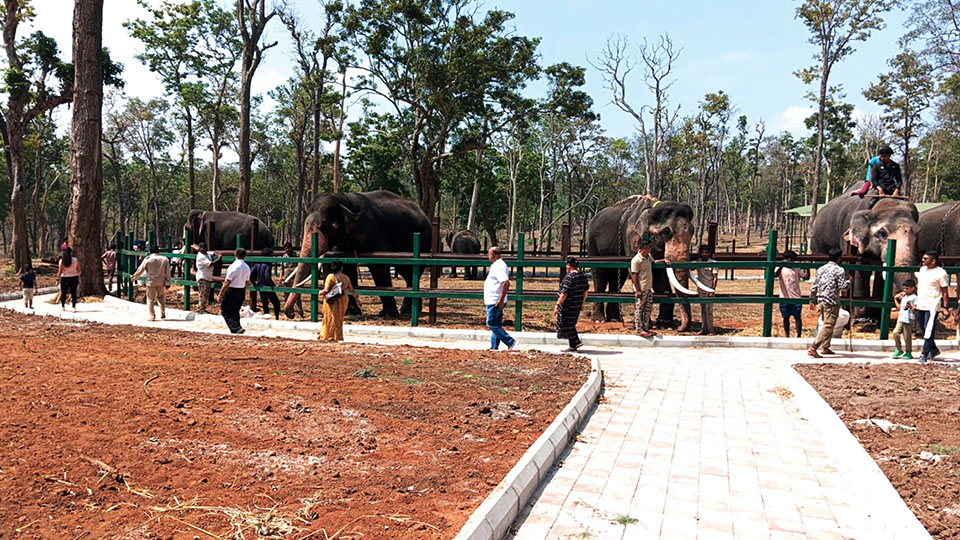
In response, the State Government is gearing up to establish an elephant sanctuary in Kodagu, drawing inspiration from the movie ‘Gandhada Gudi.’ The initiative aims to protect elephants while reducing inconvenience to the local population.
The intention is to strike a balance between wildlife conservation and the safety of local communities for a peaceful coexistence.
To facilitate this, 2,000 hectares of land have been identified in Kodagu, as part of a broader plan covering 12,000 hectares across the State. This land will be used to relocate elephants residing in human settlements back into the forest.
The plan also involves identifying elephants responsible for crop damage and human casualties and relocating them to the sanctuary. The Government intends to provide shelter for around 200 elephants that have settled in rural areas of the district.
During a State Wildlife Board meeting in January, attended by Chief Minister Siddaramaiah, Forest Minister Eshwar Khandre, Forest Department officials and Virajpet MLA A.S. Ponnanna, the relocation of rogue elephants was discussed.
The Government agreed to identify safe areas for this purpose and preparations are now underway. The sanctuary will be equipped with technology to monitor and control the elephants, preventing them from straying back into villages.
Since 2014, the Government has allocated Rs. 21 crore for repairing fences and railway barricades in the Virajpet forest range, covering Ponnampet and Virajpet taluks. This measure is part of a long-term solution to the human-elephant conflict.
Additionally, Rs. 4.72 crore have been swiftly disbursed as compensation to those affected by wild animals and Rs. 22 crore have been allocated for new railway barricades, with installation set to begin soon.
source: http://www.starofmysore.com / Star of Mysore / Home> News / Februaryf 23rd, 2025
Deputy Commissioner, Kodagu, Venkataraja addressing a press conference in Madikeri on Thursday. | Photo Credit: SPECIAL ARRANGEMENT
Raja Seat, one of the main tourist attractions for visitors in Madikeri, is hosting a flower show from Friday. The annual flower show, on the occasion of the Republic Day, will conclude on January 27. Besides the flower show, an exhibition has also been organised at Gandhi Maidan.
Deputy Commissioner Venkataraja told reporters here on Thursday that the four-day flower show will attract visitors as a variety of attractions created in flowers will be in store. Keeping the interests of children in view, some creations have been done in flowers, and the entry for children wearing uniforms will be free. The entry fee for adults is ₹20.
Mr. Venkataraja said the expo is open from 8 am to 8:30 pm. This year, a sum of ₹35 lakh was being spent on the flower show. The honey produced by the Horticulture Department will be marketed under the brand name “Jhenkara”. The Jhenkara brand and Coorg Honey brand will be created in flowers, he added.
Efforts are on to repair the toy train as a report has been sought from the railway engineers from Mysuru.
He said an expert team from New Delhi visited to look into the snag in the musical fountain. The musical fountain will be set right soon, the DC said.
The main attraction of the flower show is the model of Sri Omkareshwara temple.
A total of five lakh flowers were used to create the model. The models of honey bees were also being created besides the models of vintage cars.
source: http://www.thehindu.com / The Hindu / Home> News> India> Karnataka / by The Hindu Bureau / January 23rd, 2025
Explore Nagarhole National Park’s wildlife, from elephants to tigers. Visit Kabini River, Iruppu Falls, and Brahmagiri Sanctuary for an unforgettable adventure!
Exploring the natural beauty and wildlife of Nagarhole National Park. (Image: Canva)
Nestled in the lush landscapes of Karnataka, Nagarhole National Park, also known as Rajiv Gandhi National Park, is a treasure trove of wildlife and natural beauty. Located in the stunning Coorg district, this 640-square-kilometer park is part of the Nilgiri Biosphere Reserve and is a must-visit for any wildlife enthusiast or adventure seeker. With its tropical forests, rolling grasslands, and serene swamps, Nagarhole promises an unforgettable experience for those eager to discover the heart of India’s wilderness.
Best Time to Visit Nagarhole National Park For the best chance to spot the park’s incredible wildlife, plan your visit between October and May, when the dry season takes over and the animals come out to play. The park remains closed during the monsoon months (June to September) due to heavy rains and the risk of flooding, so be sure to plan accordingly!
Elephants roaming the lush forests of Nagarhole National Park, showcasing Karnataka’s wild beauty. (Image: Canva)
How to Reach Nagarhole National Park
*By Air: The nearest airport is Mysore Airport, about 95 kilometers away, while Bangalore International Airport (220 km) is a convenient option with well-connected roads.
*By Train: Hop off at Mysore Railway Station, which is well-connected to major cities across India.
*By Road: Nagarhole is easily accessible by road from Coorg (80 km away), with several buses and private vehicles making the journey regularly.
What to Spot Inside Nagarhole National Park Step into the heart of nature at Nagarhole National Park, where the rich diversity of wildlife thrives in its lush landscapes. Keep your eyes sharp as you embark on a thrilling wildlife experience and look out for:
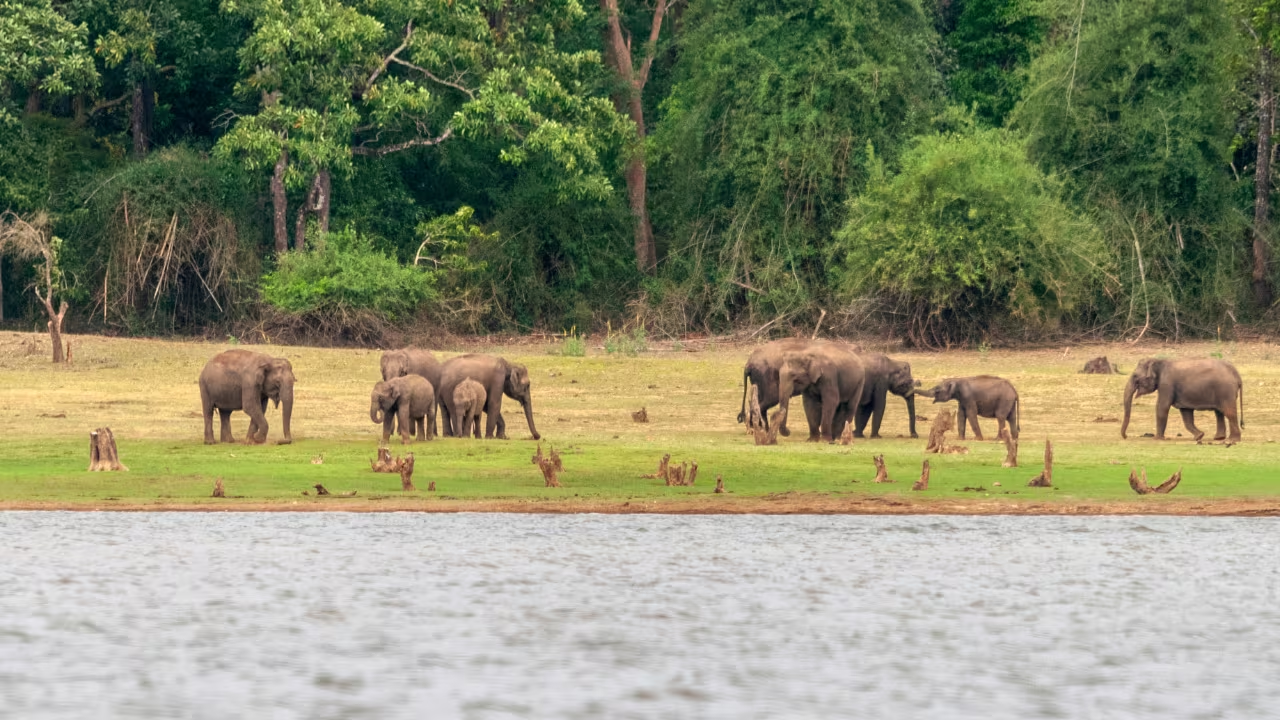
1. Elephants in Majestic Motion: Graceful Elephants roaming through the dense forests, an awe-inspiring sight that epitomizes the park’s grandeur.
2. Tigers and Leopards in Stealth: The elusive Tigers and Stealthy Leopards, whose silent movements through the shadows make every sighting a rare and unforgettable moment.
3. Indian Bison and Sambar Deer: Majestic Indian Bison (Gaur) and curious Sambar Deer, their imposing presence and calm demeanor adding to the park’s wild charm.
4. Sloth Bears and Wild Dogs: The elusive Sloth Bears, and the intelligent Wild Dogs, whose elusive nature and group dynamics make them exciting to spot.
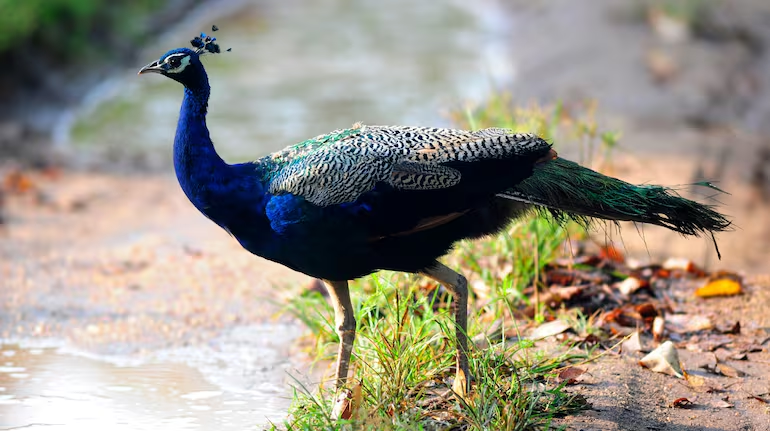
5. Birdwatcher’s Paradise: A birdwatcher’s haven, with vibrant species like the Indian Peafowl and Malabar Grey Hornbill filling the air with their calls, offering a spectacular birding experience.
Immerse yourself in the lush greenery of Nagarhole National Park, a haven for nature lovers. (Image: Canva)
The diverse habitats within Nagarhole—from thick forests to open grasslands—create the ideal environment for wildlife, making it a photographer’s dream and a nature lover’s sanctuary. But the adventure doesn’t stop here—once you’ve immersed yourself in the wonders of Nagarhole, there are even more hidden gems nearby that will take your exploration to the next level.
Must-Explore Nearby Attractions While Nagarhole National Park offers incredible wildlife experiences, there are many more nearby attractions that will elevate your adventure to the next level. Extend your adventure beyond the park with these nearby gems:
1. Kabini River For a truly immersive experience, take a boat safari along the Kabini River. This peaceful waterway, lined by dense forests, offers glimpses of elephants, crocodiles, and a wide variety of bird species. It’s an intimate way to explore the wildlife of the region and capture unforgettable moments.
Iruppu Falls (Image: Canva)
2. Iruppu Falls Situated in the Brahmagiri Range, Iruppu Falls is a stunning waterfall set amidst lush greenery. A popular trekking destination, this picturesque cascade is the perfect spot for a refreshing dip or a peaceful picnic. The journey to the falls is as rewarding as the destination, with breathtaking views along the way.
3. Brahmagiri Wildlife Sanctuary For a deeper connection with nature, explore the Brahmagiri Wildlife Sanctuary, located near the Coorg and Wayanad borders. Known for its rich flora and fauna, it’s a haven for wildlife enthusiasts and trekkers alike. The sanctuary is home to tigers, leopards, elephants, and a diverse range of birds, making it a great spot for a nature walk or hike.
Whether you’re on a thrilling safari, spotting the ‘big cats’, or simply soaking in the sights and sounds of the jungle, Nagarhole National Park offers an experience that will captivate your heart and soul. Ready to escape into the wild? This park is calling your name.
source: http://www.moneycontrol.com / Money Control / Home> Travel / by Priyanka Roshan / January 09th, 2025
Retired IAS officer, Rathi Vinay Jha, has been selected as Coorg Person of the Year 2024 in a poll conducted by a news and tourism portal, www.coorgtourisminfo.com.
With her roots in Kodagu district in Karnataka, Ms. Rathi Vinay Jha, a former Union Tourism Secretary, had initiated several projects to “conserve Kodava culture and the martial traditions of the comunity, known for its contributions to the nation in the areas of defence and sports,” author P.T. Bopanna, who runs the portal pointed out.
He said Ms. Rathi was instrumental in setting up the virtual museum of Kodava heritage and culture, the project known as Sandooka — a treasure trove of information.
“The virtual museum is an interactive online space, brought together through material contributed by the Kodava community. Sandooka will be a living museum of Kodava culture and will be useful for future generations of Kodavas.”
“It was at the instance of Ms. Rathi, a model of Kodava ainmane (ancestral house) was inaugurated this October in Dakshinachitra Museum near Chennai,” Mr. Bopanna said.
Dakshinachitra is home to 18 traditional houses that depict the unique culture of South India. The ainmane project involved dismantling a structure built in 1852 in Kodagu and was transported to Dakshinachitra Museum, said Mr. Bopanna.
source: http://www.thehindu.com / The Hindu / Home> News> India> Karnataka / by The Hindu Bureau / January 01st, 2025
WELCOME. If you like what you see "SUBSCRIBE via EMAIL" to receive FREE regular UPDATES.
Read More »