Kodava family hockey tournament celebrates silver jubilee
Madikeri:
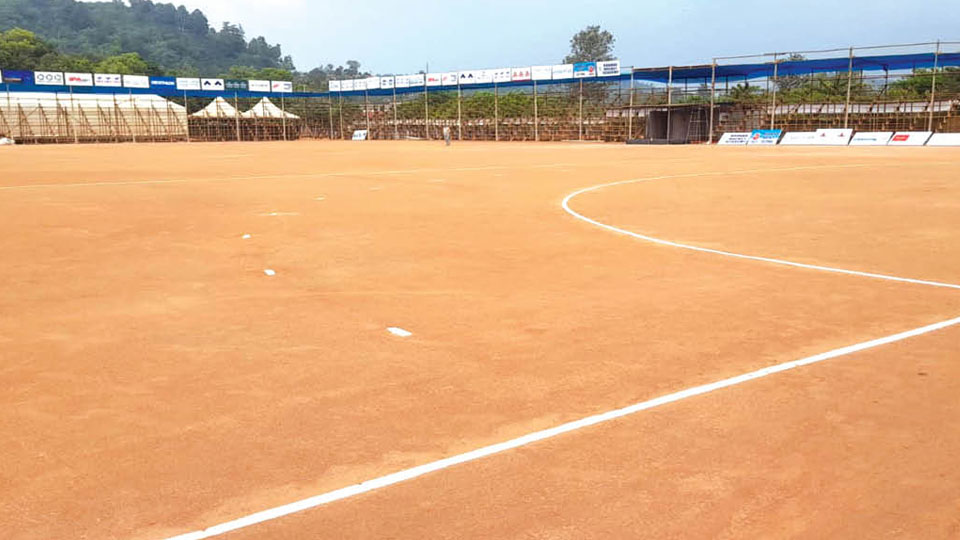
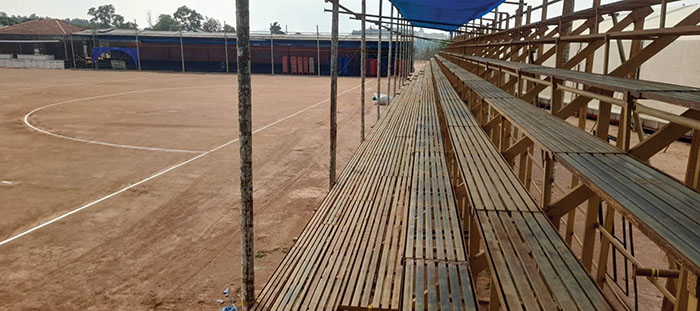
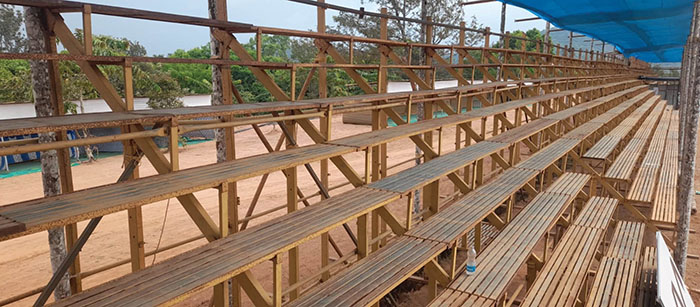
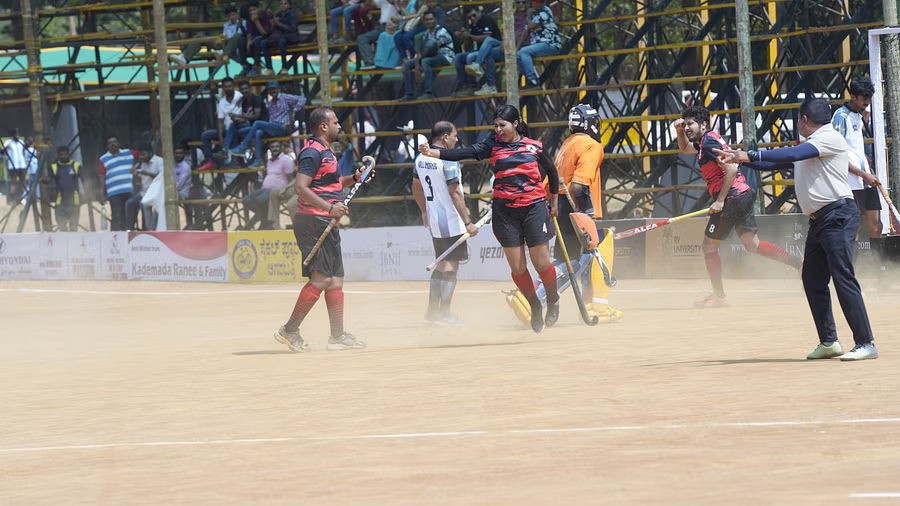
Stage is set for the premier Kodava Family Hockey Festival which begins at Field Marshal K.M. Cariappa College Grounds from tomorrow.
This year’s ‘Muddanda Hockey Namme’ also marks the 25th edition of the tournament. A total of 396 teams have registered to take part in the tournament compared to 360 teams in last year’s Kundyolanda Hockey Fest. The tournament will be inaugurated by Legal Advisor to Chief Minister and MLA Ajjikuttira S. Ponnanna at Field Marshal K.M. Cariappa College Grounds at 12 noon. Prior to the inaugural event, a traditional Kodava rally will be held from Gen. K.S. Thimayya Circle in the town till the College grounds.
Mysuru-Kodagu MP Yaduveer Wadiyar, District Minister N.S. Boseraju, Madikeri MLA Dr. Mantar Gowda, MLC Mandepanda Suja Kushalappa, Ajuna Awardee Anjaparavanda B. Subbaiah and Madikeri Kodava Samaja President Manduvanda P. Muthappa will be chief guests. Deputy Commissioner Venkatraja, SP K. Ramarajan and Kodagu University Vice-Chancellor Ashok Sangappa Alura will be the guests.
The inaugural ceremony will also feature an exhibition match between Kodagu Hockey Academy XI and Karnataka XI.
This year matches will take place at Field Marshal K.M. Cariappa College Grounds and at Police Parade Grounds. As part of the festival’s silver jubilee, a special ‘Kreeda Jyothi’ (Sports Torch) marathon will be held, visiting the Ainmanes (ancestral homes) of Kodava families. The marathon was flagged off by MLA A.S. Ponnanna and Leela Kuttappa, wife of Pandanda Kuttappa, the Founder of Kodava Family Hockey Tournament, on Mar. 25 at the Ainmane of Pandanda family in Karada village.
The Kreeda Jyothi has passed through the ancestral houses of Cheppudira, Alamenganda, Kallichanda, Machamada, Chekkera, Maneyapanda, Kuppanda, Nellamakkada, Mandepanda, Thathanda, Mandetira, Muddanda, Iychettira, Ballachanda, Biddanda among others.
To commemorate 25 years of the festival, a women’s hockey tournament has been introduced as part of the Muddanda Hockey Festival. So far, 40 women’s teams have registered and more entries are expected before Apr. 10 deadline. The women’s matches will be played at the Police Parade Grounds in Madikeri.
Tournament organisers have announced Rs. 5 lakh cash reward and a trophy for the winners of Muddanda Hockey Fest. Runners will receive Rs. 3 lakh cash reward along with a trophy and the losing teams in semi-finals will receive Rs. 1 lakh cash along with trophies.
source: http://www.starofmysore.com / Star of Mysore / Home> News> Sports / March 27th, 2025
This NGO is helping participants understand areas of mental health like communication, empathy, inter-personal relationships and more.
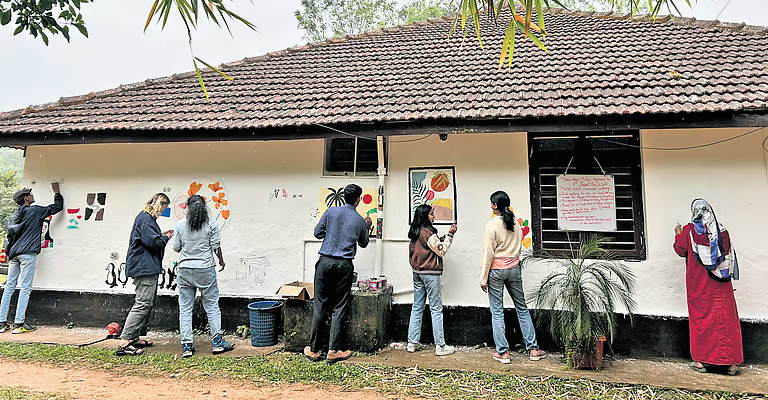
As part of the annual mental health awareness campaign, participants paint the walls of The Wheel Cafe in Madikeri
Bengaluru :
Every alternate Sunday morning, a group of individuals gather in the tranquil embrace of Cubbon Park, Bengaluru, for a unique mental health session called ‘Sundays for Mental Health’, organised by a Kodagu-based NGO Mind and Matter.
As the gentle breeze sets the stage, participants attend the event not just to meet, but to connect. Through a variety of carefully curated games, activities, paintings, etc, the NGO assist the participants to understand areas of different mental health such as communication, empathy, inter-personal relationships and more. In case someone comes up to them with a serious problem, the NGO refers it to mental health professionals.
Venkatesh, a chartered accountant who attended the event on Sunday, said, “There’s unmistakable warmth here. It helped me a lot. The session has given me a chance to look into my soul. It helped me understand myself much better.”
Another participant, Somnath, said, “This is my second campaign with Mind and Matters, and I understood how to look at the same situation from a different perspective.”
In a world where problems related to mental health often take a backseat, Mind and Matter stands as a beacon of hope, offering support to individuals in need. The NGO has stepped into the fray with free programmes which it organises in Bengaluru, Mysuru and Kodagu, and plans to expand to cities like Chennai, Delhi and Mumbai as well. It aims to break the stigma around mental health with a short yet moderate plan under expert guidance, a holistic approach and compassionate care.
Trustee and founder of Mind and Matter Deepika Appaiah said, “We work with schools, colleges, parents and teachers. Our initiative has impacted about 13,000 children and over 700 parents and teachers. Our organisation is run by volunteers, so we invite people to join us and provide them training from the Department of Psychiatric Social Work, Nimhans, in Bengaluru.
As of now, we have 150 volunteers.” From housewives to working professionals, the numbers joining the initiative are only growing. Registered in 2021, Mind and Matter has collaborated with Nimhans and is witnessing a spike in enrolment.
Mental health programme in schools in Mysuru
Dr Aravind Raj, Department of Psychiatric Social Work of Nimhans, and one of the pioneers of the initiative, said, “Mental health professionals are often confined to hospitals, where stigma deters people from seeking help. It is one of the reasons to take mental health initiatives outside hospitals.” He stressed the need for more awareness campaigns in society.
Mental health includes different methods of handling situations: understanding one’s potential, dealing with stress in a positive way, being productive and contributing to society. “Our motto is to promote all these among people, so their vulnerability to developing mental disorders comes down,” he said.
According to several reports, it has been identified that rural residents have inadequate mental health knowledge, tied to entrenched stigma and low literacy. In urban areas, people are grappling with work stress, especially Bengaluru’s techies. Dr Raj said Mind and Matter wants to penetrate that area and make them recognise the importance of mental well-being. “We also train Anganwadi workers and teachers and provide care in rural areas,” he added.
Mental illness affects 8% of population
According to the 2015–2016 National Mental Health Survey (NMHS), conducted by Nimhans and considered one of the best benchmarks, 8 per cent of Karnataka’s population, which is 1 out of 12 people, suffers from mental illnesses and requires care. Dr Raj and Appaiah say this is primarily because of a lack of awareness.
“The kind of transformation I have witnessed in people drives me to continue this work. Over time, I understood after attending the programmes we organise, that people feel it is okay to ask for help,” she noted. “If the initiative had never worked, people wouldn’t come back to us. More importantly, there is no monetary benefit involved, which means it has personally impacted me,” Appaiah said, a smile on her face. “I believe my family is my biggest support, and thank my entire team for their contribution.”
While the NGO is run for a noble cause, Appaiah says that sometimes, it is difficult to continue the initiative on such a large scale if there isn’t enough financial support. Appaiah, who also runs a café in Coorg, said it provides support. “We don’t go out to ask for donations. People who have worked with us donate money. The café is an extension of whatever we do here. However, now we are trying to collect funds from corporates or through CSR activities,” she said. Dr Raj also stressed that resource management is important.
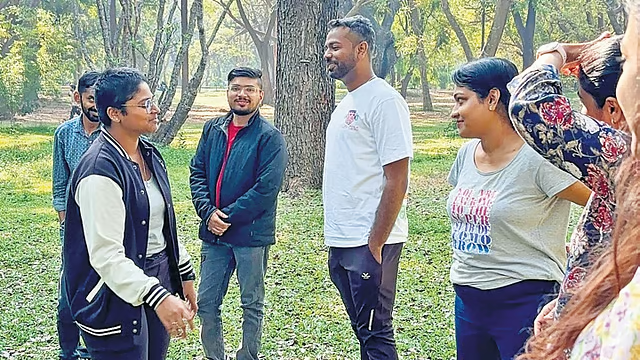
A group of youngsters chit-chat after the Sundays for Mental Health programme in Cubbon Park, in Bengaluru / Photo | Express
source: http://www.newindianexpress.com / The New Indian Express / Home> Bengaluru / by Saptarshi C / March 03rd, 2025
The month-long ‘Kodava Hockey Namme’, popularly known as Coorg’s hockey festival, is set to begin on March 28 in Madikeri and the household of the Muddandas – the host family for this year – is eager to make it grander than ever as it is the 25th edition of the tournament.
The Kodava Hockey Festival, a family-based tournament, is celebrating its silver jubilee this year. Credit: Special Arrangement
Bengaluru:
A sense of excitement is brewing in the coffee land of Kodagu as the hilly region prepares for its annual celebration of a sport close to the hearts of Kodavas.
The month-long ‘Kodava Hockey Namme’, popularly known as Coorg’s hockey festival, is set to begin on March 28 in Madikeri and the household of the Muddandas – the host family for this year – is eager to make it grander than ever as it is the 25th edition of the tournament.
And to mark this milestone, a 5-a-side all-women competition is being introduced in addition to the customary 11-a-side event.
“This year being the silver jubilee, we wanted to add more to the festival and came up with this idea,” Rashin Subbaiah, president of the tournament and member of the host family, told DH.
“We observed that many young girls were interested in taking part. Though there has never been age or gender restriction, many women/ girls were reluctant to get onto the field. So we thought about introducing an exclusive all-women event to put them under the spotlight,” explained Subbaiah.
Undoubtedly, the response so far has been overwhelming as the organisers have already received entries from 37 teams for the 5s event. Those numbers are expected to cross 50 before the entry date closes on April 10.
“The all-women’s 5s will begin in the last week of the festival with its final on April 26 when the main event has its semifinals scheduled. We planned this strategically because spectators come in big numbers to witness the final few days of the hockey extravaganza,” said Vikram Uthappa, another member of the organising committee.
The no age/ gender bar tournament which began in 1997 with 60 teams, swelled to 360 in 2024 and will feature 396 squads on three grounds – two at the Field Marshal KM Cariappa College and one at the Police Grounds – this summer. Last year, 92-year-old Chittiappa, who made news as the oldest participant, will be seen in action for his team – Annadiyanda family – in this edition as well.
Traditionally, the mixed-team tournament has had female participants playing with and against their male counterparts in the 11-a-side event. Former junior India women players – goalkeeper Shivachaliyanda Nilan, Mallamada N Ponnamma, Mallamada Leelavathi among others – from the region have been a part of the festival.
A female participant, this year, can play in the 11s team and also turn out for a 5s squad as well. However, picking a team to play for in the 5s competition could be a bit of a quandary for a few.
While the choice of family to represent will be a no-brainer for the unmarried girls, the married women, however, will have to decide between her ‘Thamane’ (father’s house) and ‘Bakemane’ (husband’s house).
Irrespective of one’s choice, there will be one more reason to celebrate both women and hockey in the Kodava land come April.
source: http://www.deccanherald.com / Deccan Herald / Home> Sports> Hockey / by Hita Prakash / March 20th, 2025
The Kodava Family Hockey Namme (Festival) celebrates its 25th edition this year, with the Muddanda Cup Hockey Tournament set to begin on Mar. 28 and continue until Apr. 27.
Matches will be played across three different grounds, with 370 teams already registered for the competition.
Addressing the media in Madikeri yesterday, Kodagu Hockey Academy President Pandanda K. Bopanna noted that while 360 teams participated in last year’s Kundyolanda Hockey Fest, this year’s registrations have already reached 370, with a few more days left for additional entries.
He announced that the inaugural ceremony will feature an exhibition match between Kodagu Hockey Academy XI and Karnataka XI.
Tournament Director Badakada Deena Poovaiah and Coordinator Muddanda Roy Thammaiah will oversee the event.
Cheppudira Cariappa will serve as the main commentator, assisted by Maletira Srinivas, while Kecchettira Prasanna will be in charge of match coordination. The inauguration will also include a special felicitation ceremony honouring the Kundyolanda family, which achieved a Guinness World Record last year.
Umpire training
Hockey Academy Working President Mekerira Ravi Pemmaiah revealed that a training programme for hockey umpires will be conducted on Mar. 19 and 20 at Cauvery College, Virajpet, urging young hockey enthusiasts to participate.
Academy Vice-President Kukkera Jaya Chinnappa stated that several dignitaries, including Virajpet MLA and Chief Minister’s Legal Advisor A.S. Ponnanna, Madikeri MLA Dr. Manthar Gowda, Mysuru-Kodagu MP Yaduveer Krishnadatta Chamaraja Wadiyar, MLC M.P. Suja Kushalappa, Rajya Sabha MP Ajay Maken, Kodagu Deputy Commissioner Vekatraja, and Kodagu SP K. Ramrajan, will attend the grand opening ceremony.
Kreeda Jyothi
Muddanda Hockey Festival Chairman Muddanda Rashin Subbaiah confirmed that matches will take place at Field Marshal K.M. Cariappa College Grounds and the Police Parade Grounds. As part of the festival’s silver jubilee celebrations, a special ‘Kreeda Jyothi’ (Sports Torch) marathon will be held, visiting the Ainmanes (ancestral homes) of Kodava families.
The marathon will commence at 8 am on Mar. 25 from the Ainmane of the Pandanda family in Karada village, the pioneers of the Kodava Family Hockey Festival.
It will pass through eight Ainmanes in Ponnampet and surrounding areas before concluding on Mar. 28. On the inaugural day, a rally carrying the sports torch will proceed from General Thimayya Circle to Field Marshal K.M. Cariappa College Grounds, flagged off by MLA A.S. Ponnanna.
To commemorate 25 years of the festival, a women’s hockey tournament has been introduced as part of the Muddanda Hockey Festival. So far, 30 women’s teams have registered, and more entries are expected before the Apr. 10 deadline.
The women’s matches will be played at the Police Parade Grounds in Madikeri. Star Indian hockey players Lalremsiami Hmarzote from the women’s national team and Indian men’s team captain Harmanpreet Singh will visit Madikeri during the tournament.
Matrimonial meet
The festival will also feature a thand-bendhu (matrimonial meet) and a quiz competition at the venue. A special cyclothon is scheduled for Apr. 26, and DJ music will entertain spectators from the pre-quarterfinal stage through the final.
An open ‘Maja Run’ from Field Marshal K.M. Cariappa Circle has also been planned as part of the celebrations. Parking arrangements have been made for 2,000 vehicles, and Bengaluru-based Vandana Trust will assist in waste management throughout the month-long event.
Additionally, a shooting competition will be held on Apr. 20 at Ground No. 2, featuring three categories: 50-metre .22 rifle shooting, 30-metre 12-bore gun shooting, and 15-metre air rifle egg shooting. A traditional coconut shooting competition will also be organised.
Muddanda Family President Muddanda B. Devaiah urged members of the Kodava community to participate in large numbers in the rally from General Thimayya Circle to Field Marshal K.M. Cariappa College Grounds, marking a significant milestone in the history of the Kodava Family Hockey Festival.
source: http://www.starofmysore.com / Star of Mysore / Home> Sports / March 16th, 2025
There are around 3,500 homestays in Kodagu district. Of them, 2,269 have got registered so far, says Anita Bhaskar, Deputy Director of the Department of Tourism, Kodagu.
The Kodagu district administration has directed owners of homestays in the district to mandatorily register themselves with the Tourism Department.
Deputy Commissioner of Kodagu Venkat Raja, who convened a meeting of representatives of hotels, resorts, homestays, and travel agencies in Madikeri recently to discuss the measures to ensure the safety of tourists, said the process of registering the homestays had been simplified.
Given the simplified process of registration, verification and certification is completed within a short period, he said.
Anita Bhaskar, Deputy Director of the Department of Tourism, Kodagu, said there were around 3,500 homestays in Kodagu district. Of them, 2,269 have got registered so far.
Meanwhile, Mr. Venkat Raja said the details of all the registered homestays should be made available online for easy access. The district administration aims to register all the homestays in the district and even facilitate online registration by paying a fee of ₹500, he said.
The Deputy Commissioner warned of strict legal action against unregistered homestays if any illegal activity or untoward incidents occur on their premises. He said the homestay owners in remote or forest areas would be held accountable for incidents involving their guests if they had not obtained prior approval from the police or forest departments.
Security
While issuing directions for the installation of CCTV cameras, posting of home guards or security personnel, and ensuring adequate lighting and illumination at night for the safety of the guests at all hotels, resorts, and homestays, Mr. Venkat Raja also directed the executive officers of taluk panchayats and tahsildars to hold regular meetings to ensure that these tourist facilities are complied with the government directives before issuing them trade licenses.
He also emphasised the need for heightening security measures in border areas of the district like Chelavara, Iruppu, and Dubare. The district administration has also emphasised the need to prioritise the safety of women and children at their facilities and tourist destinations.
The authorities said the tourists can contact the district police helpline at 94808-04900 or the District Disaster Management unit at 08272-221077 in case of emergencies.
The district administration has also shared the circular dated March 10, 2025, issued by the Additional Chief Secretary, on safety measures to be enforced for the safety of tourists.
Among other things, the circular pointed out that prior approval from the police must be obtained before taking tourists to remote or isolated areas, and tourists should be made aware of local culture, safety risks, and legal aspects. Only registered transport services for taxis and ride-share apps should be used.
The safety protocols for tourists include that they avoid displaying expensive jewellery or large amounts of cash, use digital payment methods (UPI, cards) instead of carrying large amounts of cash, avoid using public Wi-Fi for sensitive transaction, use a VPN for secure Internet access, and exercise caution in remote areas, forests, and near water bodies.
source: http://www.thehindu.com / The Hindu / Home> News> India> Karnataka / by The Hindu Bureau / March 14th, 2025
Jawai, Tadoba, and Coorg in India welcome Stone Wood Hotels’ expansion with six new luxury resorts in 2025, blending premium hospitality with nature.
Stone Wood Hotels & Resorts, a rapidly growing hospitality brand renowned for its boutique and immersive stays, is gearing up for a major expansion in 2025. With six new properties in the pipeline, the group is making a decisive move to elevate its portfolio, including three high-end resorts in Jawai, Tadoba, and Coorg. These premium retreats will blend opulence with nature, catering to travelers seeking luxury in offbeat destinations.
Momentum from 2024 Drives Optimistic Growth for 2025
Following a strong performance in 2024, where occupancy surpassed 8% year-to-date, Stone Wood Hotels is eyeing a revenue surge of at least 10% in 2025. The brand anticipates a corresponding increase in both Average Room Rate (ARR) and Revenue per Available Room (RevPAR), capitalizing on the market’s positive trajectory.
Expanding Footprint with 400+ New Keys
Currently operating 16 properties across 11 cities in six states, the hospitality chain is set to expand its inventory significantly. The 2025 openings will collectively introduce over 400 new rooms, further solidifying its presence in India’s dynamic tourism sector. While the brand has been a key player in the mid-market segment, its foray into upscale hospitality through its upcoming resorts signals a strategic shift. The first of these premium properties is slated to welcome guests by the end of the 2025-26 financial year.
Innovative Asset-Light Model Driving Growth
Maintaining its asset-light approach, Stone Wood Hotels is leveraging lease and revenue-share models to fuel its expansion. This flexible strategy enhances operational efficiency while ensuring sustainable profitability. Investment for the upcoming developments will be secured through strategic collaborations with investors across India, reinforcing the brand’s reputation for high ROI and efficient boutique property investment models.
Commitment to Service Excellence & Experiential Stays
With an unwavering focus on guest satisfaction, the group continues to enhance service quality through rigorous training programs like T3 & LDP, along with stringent quality audits. The brand’s emphasis on immersive hospitality extends to its experiential offerings, vibrant F&B destinations, and curated events, ensuring memorable stays for its guests.
MICE & Wedding Segments Fuel Expansion Strategy
Recognizing the booming demand for Meetings, Incentives, Conferences, and Exhibitions (MICE) along with destination weddings, Stone Wood Hotels is designing future properties with dedicated event spaces. The success of Aralea Beach Resort by Stone Wood Premier, where MICE and wedding bookings contribute 75% of its business, underscores the brand’s strong positioning in this segment.
Vision 2030: Scaling to 50 Hotels & 3,000+ Rooms
Looking ahead, Stone Wood Hotels & Resorts aims to operate 50 properties with a total inventory of over 3,000 rooms by 2030. The brand remains committed to creating value-driven hospitality experiences, with a focus on offbeat locations, immersive travel, and personalized services. As it strengthens its presence in India’s evolving tourism landscape, Stone Wood Hotels is poised to redefine boutique and luxury hospitality with its strategic growth and customer-centric approach.
source: http://www.travelandtourworld.com / Travel and Tour World (TTW) / Home> Asia / March 13t, 2025
A special programme on the theme “legal regulations and cyber security in the management of cooperative societies“ was held at Madikeri on Monday.
The event was jointly organised by Karnataka State Cooperative Federation and Kodagu District Co-operative Union. Presidents of various cooperative societies in Kodagu district took part in the event.
Retired assistant registrar of cooperative societies H.S. Nagarajaiah delivered a lecture on legal regulations essential for the management of cooperative societies, including board elections.
Development trainer R.K. Balachandra, with a background in the banking sector, provided insights into cyber security threats and preventive measures.
Director of Kodagu District Cooperative Union Umesh Uthappa and others were present on the occasion.
source: http://www.thehindu.com / The Hindu / Home> News> India> Karnataka / by The Hindu Bureau / March 10th, 2025
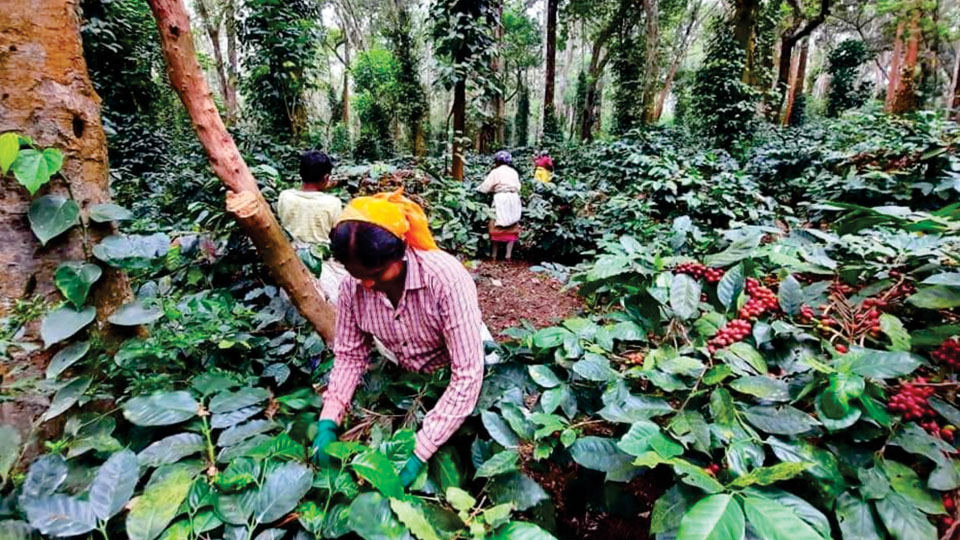
In the heartland of coffee cultivation, Kodagu, this year’s harvest tells a tale of mixed fortunes.
While coffee production has seen a significant dip due to erratic weather patterns, farmers are finding relief in skyrocketing prices that have touched record highs. However, rising labour and maintenance costs continue to be a concern, particularly for small-scale growers.
A season of contrasts
Kodagu’s major coffee-growing taluks — Madikeri, Virajpet and Ponnampet — are currently in the thick of the Robusta coffee harvest. However, due to inconsistent rainfall last year, coffee yields have plummeted by 30 percent to 50 percent in several plantations. Some lucky farmers have reported decent harvests, but for most, expectations have fallen short.
Yet, what the season lacks in quantity, it makes up for in price. A 50 kg bag of Robusta coffee (with husk) is now fetching between Rs. 12,000 and Rs. 13,000 — a historic high. In comparison, last year’s rates stood at around Rs. 9,000 per 50-kg bag.
The surge in prices is attributed to a global dip in coffee production, particularly in major coffee-producing nations like Brazil and Colombia. For farmers, this unexpected price hike is a much-needed ‘bumper gift’ after a challenging season.
Labour shortage adds to woes
Despite high prices, farmers are struggling to find enough labourers for harvesting. Kodagu traditionally relies on seasonal workers from Tamil Nadu, Assam, and Bihar, who arrive in December for the coffee-picking season.
This year, however, the declining yield and other factors have deterred many workers from making the journey, leaving farmers in distress.
Adding to the challenge, wages have surged. Two years ago, daily wages ranged between Rs. 400 and Rs. 450. This year, rates have shot up to Rs. 550 to Rs. 600 per day, further escalating the cost of cultivation.
To make matters worse, labourers now start work later than before. Earlier, they would begin harvesting by 8.30 am or 9 am and continue until 5 pm. Now, work starts at 10 am and wraps up by 3.30 pm, cutting valuable work hours.
This is mainly due to labourers being transported from distant locations. Apart from higher wages, estate owners must also bear the additional costs of labour contractors, driver fees and vehicle rentals, increasing the financial strain on growers.
First showers in February
In late February, Napoklu and Kaluru regions received their first rainfall of the year. While rain is usually welcomed in Kodagu’s coffee plantations, its timing is crucial.
The downpour has stalled the harvesting process, as ripened coffee cherries remain on plants alongside delicate new coffee blossoms for the next season.
For those who had already completed their harvest, the rain was a relief. But for those still working in the fields, it has become a frustrating setback.
source: http://www.starofmysore.com / Star of Mysore / Home> News / March 06th, 2025
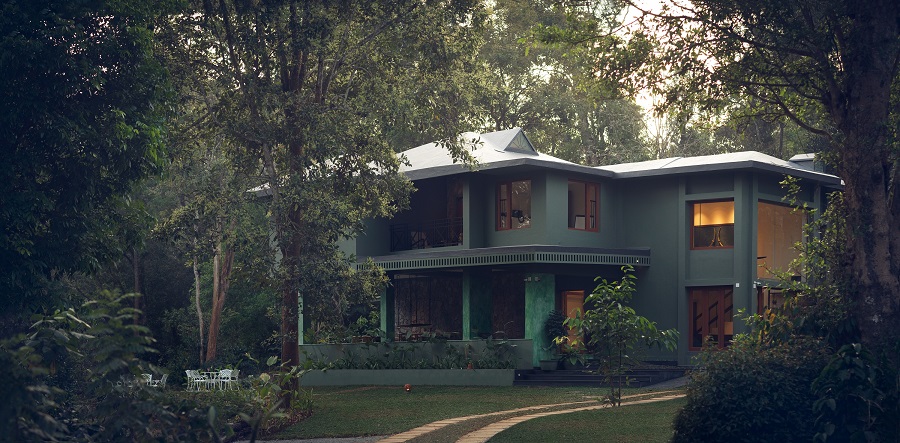
CGH Earth Saha, a collection of handpicked escapes, has launched its ninth villa, Coorg Wild Walk, adjoining Nagarhole National Park in Karnataka. Situated within a lush coffee estate near Kutta’s Nanachi Gate, this secluded four-bedroom villa is just minutes from the entrance of Nagarhole National Park, offering an unparalleled gateway to one of India’s most pristine wilderness areas. The park is renowned for its tigers, leopards, elephants, wild dogs, sloth bears, and a thriving bird population.
Perched on the edge of Nagarhole’s forests, the villa provides an intimate and secure retreat where the sights and sounds of the jungle create an evocative and thrilling atmosphere. The estate, predominantly planted with Robusta coffee, is alive with a rich avian population, making it a paradise for birdwatchers and nature enthusiasts alike.
“We are thrilled to welcome nature and wildlife enthusiasts to Coorg Wild Walk at Nagarhole. Nestled within a coffee plantation and just minutes from the Nanachi Gate of Nagarhole National Park. This four-bedroom villa is a treat for all kind of travellers. Guests can wake up to bird calls, sip freshly brewed estate-grown coffee on the verandah, and set out on safaris and other curated activities. With year-round wildlife activity, the thrill of the forest is ever-present.
With this launch, CGH Earth Saha reaffirms its commitment to heritage, sustainability, and immersive experiences. Coorg Wild Walk is a tribute to the forest, designed for a truly authentic connection with nature,” said George Joseph, Vice President – Operations, CGH Earth.
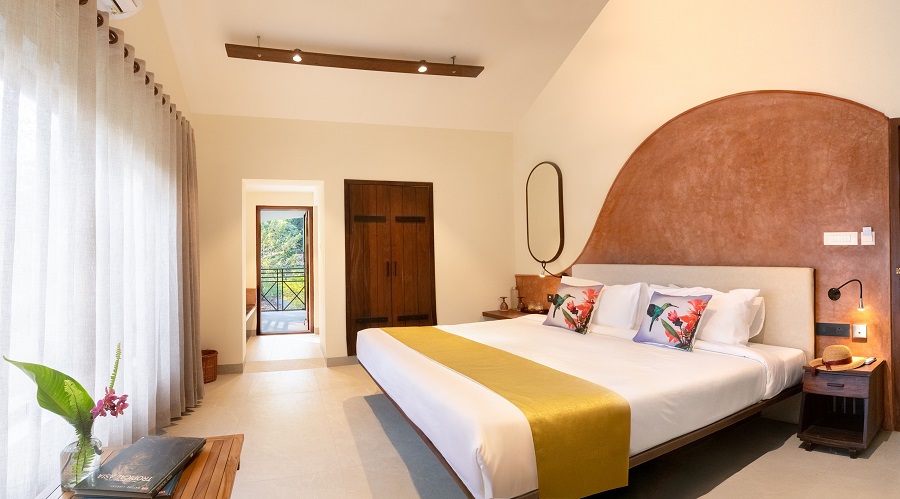
The cozy estate home has been remodeled to serve the visitors with an unhindered experience of the forest. Each of the four rooms can be booked individually, or guests can reserve the entire villa for a private getaway.
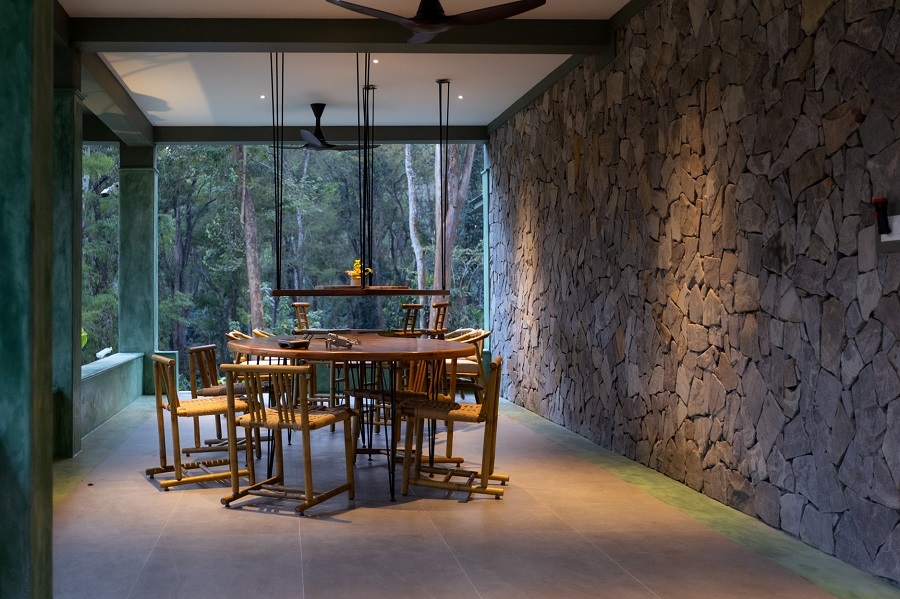
The expansive picture windows offer uninterrupted views of the lush coffee plantation and forest beyond, ensuring guests stay connected to nature at all times. The lodge’s semi-open lounge and dining areas welcome fresh air and natural light, creating a tranquil atmosphere amidst nature. Beautifully enhanced with Kodava crafts and artifacts, these spaces add a distinct local charm to the home.
The culinary experience at Coorg Wild Walk reflects the land it inhabits. Guests can indulge in the flavors of Kodagu and Karnataka, with a menu that highlights traditional dishes crafted from fresh, locally sourced ingredients.
Beyond the villa, a wealth of experiences awaits. Under the guidance of a naturalist manager, guests can explore the estate on nature walks, embark on birdwatching excursions, and enjoy picnic outings by serene water bodies. Safaris in Nagarhole offers a rare chance to witness the region’s diverse wildlife, making it an ideal destination for wildlife photographers.
With its unparalleled proximity to the national park, thoughtfully designed spaces, and deep commitment to sustainability and cultural authenticity, CGH Earth Saha’s Coorg Wild Walk is where adventure and serenity converge.
source: http://www.traveltradejournal.com / Travel Trade Journal – TTJ / Home> Hotel Connect> International Hotels / by TFG / March 07th, 2025
The Kodagu Zilla Panchayat will hold a district-level job fair at Madikeri near here by under the Sanjeevini – Karnataka State Rural Livelihood Promotion Society’s (KSRLPS) Deen Dayal Upadhyay (DDU) – Grameena Kaushalya Yojane (GKY) scheme on March 8.
According to an official statement here, the district-level job fair scheduled to begin at 10 a.m. at District Government Industrial Training Institute (ITI) in Madikeri is expected to offer employment opportunities to at least 800 candidates in various companies.
Several reputed companies are scheduled to participate in the fair and offer on-the-spot job opportunities and select candidates for training programmes, a statement said.
Chief Executive Officer of Kodagu Zilla Panchayat Anand Prakash Meena has urged unemployed youth between 18 and 35 years of age, to make use of the opportunity.
source: http://www.thehindu.com / The Hindu / Home> News> India> Karnataka / by The Hindu Bureau, Mysuru / March 05th, 2025
WELCOME. If you like what you see "SUBSCRIBE via EMAIL" to receive FREE regular UPDATES.
Read More »