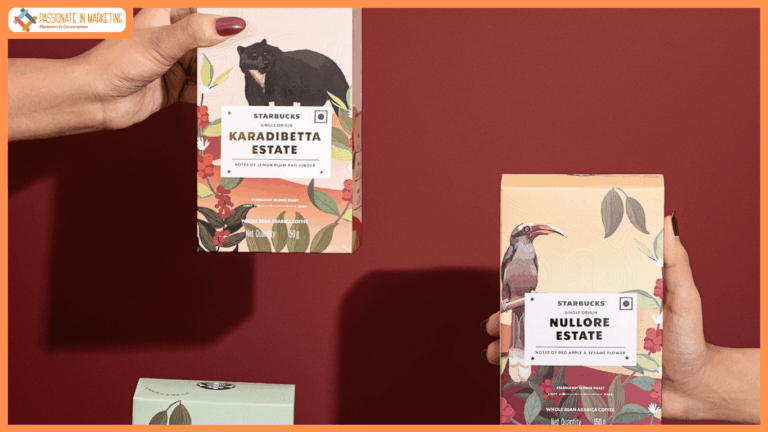
According to Coffee Statistics, Coffee Board, Government of India, India’s coffee production is projected to touch 4.03 lakh metric tonnes in 2025-26, a strong 10.9 per cent rise from the 3.63 lakh tonnes harvested in 2024-25. The surge is anchored by Karnataka, which alone contributes nearly 70 per cent of India’s coffee, with its output climbing to 2.80 lakh tonnes, up from 2.56 lakh tonnes last year.
Within Karnataka, Chikkamagaluru’s production leapt to 1.04 lakh tonnes, Kodagu delivered 1.30 lakh tonnes, and Hassan clocked 45,175 tonnes, collectively powering the state’s robust growth. Kerala followed with 85,150 tonnes, a sharp rebound over last year’s 72,950 tonnes as robusta yields strengthened, while Tamil Nadu posted 20,315 tonnes, consolidating its steady trajectory.
Production from non-traditional areas also recorded healthy gains, with Andhra Pradesh breaching the 16,500-tonne mark and Odisha improving to 500 tonnes, signaling diversification beyond the Western Ghats. The North-Eastern Region added 210 tonnes, underscoring the Coffee Board’s efforts to promote cultivation in new geographies.
Arabica production is forecast at 1.18 lakh tonnes, while robusta — India’s export mainstay — is projected at 2.85 lakh tonnes, reinforcing the country’s positioning as a leading supplier of premium washed robusta to global markets.
India’s coffee economy now spans 3.79 lakh holdings, with over 1.75 lakh farms concentrated in traditional belts and nearly 1.97 lakh holdings emerging in non-traditional regions, reflecting the crop’s widening footprint.
With domestic consumption consistently crossing 1 lakh tonnes and global demand for traceable, sustainably grown coffee surging, the Coffee Board emphasized the need for continued investment in quality upgradation, post-harvest infrastructure, and climate-resilient agronomy. This record output could help India strengthen its share in specialty and value-added coffee exports, provided supply chain modernization and price discovery keep pace with production growth.
Rajya Sabha member Ajay Maken and MLA for Virajpet A.S. Ponnanna, who is also Legal Advisor to the Chief Minister, looking at a map during an inspection of a site reserved for a sports facility in Kodagu on Monday. | Photo Credit: SPECIAL ARRANGEMENT
Rajya Sabha member Ajay Maken has assured to provide funds from his grants for the construction of a Sports Training Residential Hostel in Kodagu.
Mr. Maken, along with the Chief Minister’s Legal Advisor and MLA for Virajpet A.S. Ponnanna, inspected a site reserved for a high-level sports facility at V. Badaga village in Virajpet in Kodagu district on Monday.
During the inspection, Mr. Ponnanna explained to the Rajya Sabha member that the residential hostel in Kodagu will attract athletes, especially those from Kodagu.
Mr. Maken, during the inspection of the 11.2 acres of land reserved for the sports facility, assured that maximum possible funds from his grants will be allocated to the hostel.
Speaking to reporters, Mr. Ponnanna recalled that he had submitted a request to the MP earlier and the latter had fondly remembered Kodagu’s proud contributions to sports and armed forces, while assuring full support by providing grants to the best of his ability.
A statement said that preparatory work for the construction of the Sports Training Residential Hostel has already been under way. An official programme in the presence of Chief Minister Siddaramaiah, Sports Minister and Mr. Maken will be held likely in November this year and the date for the same will be finalised later.
source: http://www.thehindu.com / The Hindu / Home> News> India> Karnataka / by The Hindu Bureau / September 15th, 2025
From hand-picking cherries to experimenting with processing methods, Kodagu’s coffee growers are embracing change, writes Dhanyata M Poovaiah.
Once a paddy-growing area, Kodagu took to large-scale coffee cultivation during the British era. Today, it is India’s largest coffee-producing district.
Every district in the state has a speciality and when it comes to Kodagu, it is coffee. While Karnataka accounts for around 71% of India’s total coffee production, Kodagu alone contributes around half of the state’s total output, or roughly 37% of the country’s total coffee yield.
Originally, paddy was the region’s main crop. During the 19th century, the British started large-scale coffee plantations, considering the region’s suitable climatic and soil conditions for the crop. Today, Kodagu is India’s largest coffee-producing district.
Robusta and Arabica are the two main varieties of coffee grown in Kodagu. Initially, Arabica was the most widely grown variant of coffee. “Situated within a multi-storeyed coffee agroforestry system, Kodagu nurtures the GI-tagged Coorg Arabica Coffee, celebrated for its pleasant aroma, balanced flavour, mild acidity, strong body, and subtle floral notes,” says Pradeepa Babu, Deputy Director (Research), at the Coffee Board of India.
However, over time, planters gradually switched over to the heat- and pest-resistant Robusta. “Indian Robusta gets the highest premium in the international market, preferred for its good blending quality,” Pradeepa adds. This variety has a longer lifespan and is easier to maintain. Today, 80% of the coffee produced here is Robusta.
The Robusta plants are taller and have bigger leaves and rounder beans, and provide better yield. The beans also offer a stronger and bitter taste profile. Arabica, on the other hand, has elongated beans and is suitable in higher altitudes and colder climates.
Commercially available coffees are often a blend of Robusta and Arabica. The South Indian filter coffee contains a touch of chicory as well.
“Kodagu’s coffee has good markets in Europe, West Asia, USA and Australia, with Italy being the top importer,” says Vishwanath Keshavamurthy, CEO of Biota Coorg Farmer Producer Company Limited.
While Robusta and Arabica dominate the coffee scene here, two more varieties are gaining ground in the district. Liberica, a larger plant, is grown in smaller quantities, and Excelsa (locally known as Mara Kaapi) is also being introduced.
Shade-grown plantation
A unique feature of Kodagu coffee is the shade-grown method. “In Kodagu, coffee is grown in shade, wherein coffee plants are surrounded by taller trees and lush vegetation. The slow maturation process of coffee cherries here results in more mucilage, enhancing their flavour and the aroma,” says Naren Kuttaiah, director of Biota Coorg Farmer Producer Company Limited and the proprietor of Kallucoppa estate. Mucilage is a sticky, sugary, and pectin-rich layer found in the coffee cherry between the outer skin and the parchment layer.
“In other major coffee-growing countries such as Brazil and Vietnam, the crop is mainly grown in open plantations,” he adds.
Additionally, the coffee cycle in Kodagu begins with blossom showers in February and mid-March. The right amount of rainfall and sunshine is crucial for the healthy blossoming of coffee flowers and the subsequent development of the beans. If rainfall is insufficient, irrigation is carried out after 20 to 22 days. This is followed by fertiliser application (pre, mid, post monsoon application), pruning, shade lopping, weeding, desuckering and disease control.
Post-harvest cycle
Most commonly, the coffee cherries are hand-picked and dried directly in the sun for nine to ten days. However, in the honey method of drying, ripened red cherries are picked, depulped and then dried to accentuate the flavour. In the washed process, the beans are fermented, washed and then dried. Nutty, fruity, floral, citrusy flavours can be achieved depending on the process of fermentation.
“To pick only the ripened cherries, we go through six cycles of picking. This ensures a uniform taste compared to when a mix of green and red cherries is processed. Right processing can even control the acidity, bitterness and flavour of the coffee,” says Rishwin Devaya, of the Riverside Estate in Kodagu. He grows a mix of Robusta and Arabica varieties and has also recently been experimenting with intercropping Robusta and Arabica.
Single-origin coffee
Today, there is a growing demand for single-origin coffee, where the beans come from one specific source, such as a single farm or region.
“This is because the local climate, soil, surrounding vegetation, foliage, and even the fertiliser or manure used, all bear an impact on the flavour profile of the coffee bean. The post-harvest process is carried out in a controlled manner to achieve desired characteristics,” says Sandalkad Estate’s Shamveel Nizam, who runs a specialty café in Kodagu.
Specialty coffee should score over 80 out of 100 on 10 parameters, such as aroma, flavour, acidity, aftertaste, body, balance and uniformity. This is tested by the Coffee Board of India and is increasingly sought after.
“The higher the score, the higher the price. Our specialty coffee is sold at Rs 25,000 per kg in West Asia. We also offer customisation, as per the client’s preference,” says Shamveel.
A coffee plant blossomed with flowers
Cupping is another standardised method to evaluate coffee. Under this, professional cuppers smell and taste coffee to assess its body (mouthfeel), sweetness, acidity and flavour notes. The practice is used by roasters and importers to assess new coffee beans.
New trends
In recent years, young planters have been driving innovation. “Traditionally, coffee planters only sold dried cherries. To maximise returns, we should handle the post-harvest processes as much as possible,” says Rishwin, who does end-to-end processing. Coffee workshops, seminars and courses are crucial to take the game to the next level, he adds.
The Coffee Board is also supporting coffee production through involvement in replantation, water management, quality improvements in drying yards and warehouses. Organic/eco-certification is encouraged for estates producing organic coffee, helping them achieve higher returns. In addition, an Integrated Coffee Development Project is being implemented to support the overall growth of the coffee industry.
Coffee cherries.
“Specialty coffees with local narratives, wellness-oriented blends, consumer engagement, convenience coffee formats such as drip coffee pouches, home-brewing tools and marketing through e-commerce platforms are the new trends in coffee marketing,” says Pradeepa.
From misty plantations to global cafés, Kodagu’s coffee legacy continues to brew magic.
source: http://www.deccanherald.com / Deccan Herald / Home> India> Karnataka / by Dhanyata M Poovaiah / September 11th, 2025
Federation of Kodava Samajas, Balugodu, Virajpet and its Women’s Wing have jointly organised Kail-Poldh Festival on Sept. 13 (Saturday) at 10 am at the Samaja premises in Balugodu.
Ayudha Puja will be held at 10 am.
On the occasion, coconut shooting and various competitions will be conducted, according to a press release.
source: http://www.starofmysore.com / Star of Mysore / Home> In Briefs / August 26th, 2025
On Sunday, the 13th (of July), my father and the Founder-Editor of Star of Mysore and Mysuru Mithra, K.B. Ganapathy, passed away.
Knowing him, I think he would have got a kick out of it if he had kicked the bucket on Friday the 13th, popularly considered an unlucky day.
It feels odd to write about my father, but I feel I owe it to the readers of Star of Mysore, who have made this small newspaper from this small city into one of India’s most successful evening newspapers.
To not write about him would feel wrong. Especially because his life was not only well lived, but it was also wildly interesting.
KBG, as he was popularly known, never really spoke much of his early life with me until a few years ago, when I became a father and he, a grandfather. The stories were fantastic.
When you become one of the youngest lawyers in Bengaluru at a time when jukeboxes and dance halls were in vogue…
When you, as a nerdy, bespectacled boy from Coorg to have the audacity to move to Bombay to become an actor, then a scriptwriter, without knowing a word of Hindi…
When you rejoin College in Bombay to study journalism and are chosen to work under a legend like T.J.S. George…
When you launch your own advertising agency in Pune and help name the now-iconic moped, Luna…
When you move Osho Rajneesh from Juhu Beach into an apartment and handle his first PR campaign for The Illustrated Weekly of India…
When you finally pack it all up and return to Mysore to run a bill-book printing press… and then start your own newspaper… You’re bound to have stories. And KBG had a whole lot of them and he told them brilliantly…
From tales of quirky Bombay industrialists to the eccentricities of Osho Rajneesh, from the spiritual gurus he encountered in his career to dealing with political thugs he had confronted, his stories were always unexpected, always unforgettable.
Whether he was protesting at the Bombay Docks with George Fernandes or breaking ‘journalistic ethics’ by openly campaigning for H.S. Shankaralinge Gowda in Mysore, KBG lived with a conviction few dared to match and fewer still could argue with, though I often did.
What made him a good journalist was simple. A nose for news, a maniacal work ethic, and a fearlessness that bordered on charming arrogance.
KBG also had a quirk. He never wore a shirt without a pocket. Why? Because he always carried a tiny notepad and a pen. Even on the day he died, he had notes scribbled in his little notepad stuffed in his shirt pocket — observations and “news points for reporters.” He never stopped reporting.
KBG loved intellectual combat, and often our dinner table arguments ended with me yelling, “Youth may be wasted on the young, but wisdom is definitely wasted on the old !”
He would smirk and say, “Don’t flatter yourself. At your age, only Rahul Gandhi can be forever young.” Then, with a smile, he would ask, “Drink?”
That was KBG. You could argue with him, disagree with him, even mock him, but he always knew how to separate debate and decency.
That same spirit defined Star of Mysore. Even if you didn’t share his ideology, your voice still had a place in his paper.
Through Star of Mysore and Mysuru Mithra, he gave voice to countless civic warriors. Many of them eventually joined politics, but before that, they helped shape our city.
He encouraged service clubs like Rotary, Lions and MGP, believing they created a collective civic conscience to keep the Government accountable.
Though he had an irreverent side, he was also deeply spiritual.
On his 85th birthday, I asked him, “After all these years, what according to you is happiness?” He replied instantly, “Freedom from physical pain.”
Then, after a pause, added, “You can have all the money and status you want, but if your body is hurting, even if it’s a toothache, you’ll be miserable.”
I asked when he had this spiritual epiphany. With a mischievous smile he replied, “When I had piles.” We both laughed. I said, “Now you know how it feels to work with you.” He laughed and clapped, something he would do on hearing something witty. That bellowing laughter with clapping will be missed.
Since his passing, people have asked me how I’m coping. For now, I keep reading the note he would write on the first page of his diary every year for over 40 years. They are lines from the Bible:
“The race is not to the swift,
nor the battle to the strong,
nor does food come to the wise
or wealth to the brilliant,
but time and chance happen to them all.”
And then he would add, in his own hand:
“So do not despair, Ganapathy, for this too shall pass.”
And so, while we grieve, we carry on, for… this too shall pass.
On behalf of my family and everyone at Star of Mysore and Mysuru Mithra, Thank You, dear readers, for your love and loyalty. We hope to continue informing, entertaining and waking the activist in every Mysurean.
P.S.: After his passing, some have criticised the current State Government for not offering KBG State Honours like his peers got.
Honestly, it doesn’t matter.
What greater honour can a journalist ask for than the love of his readers?
That, for my father, was more than enough.
e-mail: vikram@starofmysore.com
source: http://www.starofmysore.com / Star of Mysore / Home> Columns, In Blace & White , Top Stories / by Vikram Muthanna / July 26th, 2025
BioNEST at CFTRI, in collaboration with the Coffee Quality Division, Coffee Board of India, has organised a five-day specialised Barista Training Program aimed at promoting excellence in coffee brewing and service. The program, titled “A Bean to Brew Journey – Master the Basics of Brewing”, will be held from September 1 to 5 at CSIR-CFTRI, Mysuru.
This hands-on, non-residential program is open to individuals who have completed their 12th standard and wish to gain professional coffee-making expertise. The training will be conducted in English, with lunch and coffee provided daily.
Participants will learn and practice essential skills for the coffee industry, including Espresso Basics – Mastering grind size, extraction, and tamping; Milk Frothing & Latte Art – Creating perfect microfoam and its designs; Customer Service Excellence – Building rapport and delivering quality; Coffee Knowledge – From bean origins to tasting notes; Equipment Maintenance – Caring for espresso machines and grinders; Hygiene and Safety – Ensuring quality and cleanliness and Certification – From the Coffee Board to be distributed, a press release said.
The training costs ₹10,000 plus 18% GST. There will be 50 per cent discount for SC, ST, and student participants.
For registration and contact, email: managerbionest@cftri.res.in and the registration link: https://forms.gle/mK226XFExht1Jsyi7
Nearly 200 varieties of indigenous rice varieties on display at the desi rice mela, which was inaugurated in Mysuru on Saturday. | Photo Credit: M.A. SRIRAM
The two-day desi rice mela commenced in Mysuru on Saturday, with seed conservators expressing concern that commercial crops were pushing the traditional paddy varieties to the brink.
The objective of the mela is to highlight the paddy diversity that existed in the Old Mysuru region, and how scores of indigenous paddy varieties are going out of vogue due to the proliferation of hybrid varieties and shifting consumer preference to white polished rice.
With over 200 paddy varieties on display, the mela is being held at Nanjaraja Bahadur Choultry, and has been organised under the aegis of Sahaja Samrudha and the Save Our Rice Campaign. Also on display are traditional rice varieties from different States, including rare types such as red rice, aromatic rice, black rice, medicinal rice, and bold-grained rice, along with value-added rice products.
Paddy conservators from across the State are selling their own desi rice directly. Seeds of popular varieties like Rajamudi, Burma Black, Sidda Sanna, Ratnachudi, Navara, Govind Bhog, HMT, and Sindhoor Madhusale are also on display and for sale.
The mela was inaugurated by B.P. Ravishankar, a seed conservator from Hudoor in Ponnampet, Kodagu. He has preserved as many as 57 desi rice varieties.
“Paddy cultivation is becoming increasingly expensive. With the arrival of commercial crops, traditional paddy varieties are being pushed to the margins and the government must provide necessary support to bring these desi rice varieties back into farmers’ fields”, said Mr. Ravishankar.
Unveiling medicinal rice varieties, Shridevi Annapurna Singh, former Director of the Central Food Research Institute, said that traditional varieties are rich in nutrients, while the black and red rice varieties have medicinal properties, and called for their inclusion in people’s diets.
Presiding over the event, G. Krishna Prasad, Director of Sahaja Samrudha and the Organic Farmers’ Collective, said that farmer-breeders in Karnataka have developed excellent paddy varieties like Sidda Sanna, Sindhoor Madhusale, Andanoor Sanna, and NMS-2. “The government must take steps to release these varieties, which are popular among farmers,” he said.
Mr. Prasad also cautioned against any attempts by the government to introduce transgenic paddy varieties that pose risks to the environment and consumer health. Farmers and consumers must remain vigilant to prevent transgenic paddy from entering farmers’ fields, he added.
C. Shanthakumar, the coordinator of Save Our Rice Campaign, said that Karnataka was the home of paddy diversity, but hundreds of varieties have been lost due to lack of demand. ‘’The desi rice mela has been organised to create awareness among farmers and consumers about nutrient-rich, traditional paddy varieties suited to local food habits,” he added.
The mela also offers millets, vegetable seeds, tubers, organic products, and fruit saplings that are for sale.
source: http://www.thehindu.com / The Hindu / Home> News> India> Karnataka / by The Hindu Bureau / August 09th, 2025
The Kodagu Gowda Samaja in Mysuru had organised ‘Aati Gouji’ (Food Mela) at the Samaja premises in Vijayanagar Second Stage here on Sunday.
Speaking after inaugurating the event, former Corporator K.V. Sridhar said that it was nice to hear the Kannada language spoken by Kodagu Gowdas and called upon the community to spread the fragrance of the Kodagu Gowda special food.
Samaja President Kombarana Basappa, who presided, said that people of Kodagu maintain their health by having natural foods. This Food Mela is organised to provide healthy food to the Samaja members, he pointed out.
Mahila Okkoota’s Nadubetti Geetha Lakshman too spoke.
The Food Mela had 18 stalls, selling a variety of Kodagu Gowda food preparations such as Payasa, Patrode, Koogale Hittu, Sosale Hittu, Yellu Mente etc.
The community leaders Kuyyumudi Ramappa, Nadumane Rukmini, Samaja Secretary Ponneti Nanda, Director Pattada Shivakumar, Kodagu Gowda Mahila Okkoota Secretary Kuntupani Sheela, Karnayana Sunitha and Hosur Mamatha were present.
source: http://www.starofmysore.com / Star of Mysore / Home> News / August 05th, 2025
Kodagu’s public healthcare infrastructure got a boost with the launch of several advanced healthcare units at the Kodagu Institute of Medical Sciences (KoIMS) Teaching Hospital in Madikeri.
The newly launched units include an Anti-Rabies Unit, and a Dialysis Unit. The facilities are equipped with hi-tech technologies for delivering quality healthcare services to the people of Kodagu.
MLA for Madikeri Mantar Gowda inaugurated the facilities. He reiterated his commitment to transforming KoIMS into a full-fledged multi-specialty hospital, a long-standing demand of the people of Kodagu. He assured that he would put in efforts to get grants from the government to further expand healthcare services at the institute.
Dr. Gowda urged the public to make full and best use of the new services and urged the hospital staff to deliver best medical care to patients.
KoIMS Dean Lokesh Kumar, District Surgeon Nanjundayya, Medical Superintendent Somashekar, and other senior health officials were present.
source: http://www.thehindu.com / The Hindu / Home> News> India> Karnataka / by The Hindu Bureau / August 04th, 2025
While Karnataka is all geared up to welcome whitewater rafting enthusiasts in the monsoon, it is important that adventure activities are conducted in a way that minimises risks and yet provides the benefits of participation, say experts.
With the monsoon in full swing, Karnataka is all geared up to welcome tourists and adventure enthusiasts to experience the thrills of whitewater rafting. As you raft through gushing waters surrounded by dense jungles, you are transported into a world of roaring rapids with sprays of pristine white water and treated to glimpses of wildlife on some stretches of the river.
Adrenaline junkies can head to the stretch adjacent to the Dubare Elephant Camp in Kodagu on the River Cauvery and some stretches of the Kali river at Dandeli. The highlight of the season is the 1.5-hour whitewater rafting adventure on the roaring Barapole river, which originates in the Brahmagiri hills and flows towards the Arabian Sea. Rafting enthusiasts can navigate a 4.5 km stretch of the river featuring four iconic rapids with thrilling sections reaching up to Class 4 difficulty level for a duration of four months.
Another rafting destination is Bheemeshwari set on the banks of the Cauvery in the Cauvery Wildlife Sanctuary. Plans are on the anvil to resume rafting in Seethanadi, a swift Western Ghats river known for its challenging rapids and stunning scenery during the monsoon. The run on this powerful river passes through thick evergreen forests that form part of the Western Ghats in the Someshwara Wildlife Sanctuary and the Kudremukh National Park. Rafting on this brilliant 22 km stretch takes four hours to complete.
Streamlining rafting operations
The recently constituted River Rafting Management and Monitoring Committee of Kodagu district has stressed the need for enforcing stringent safety protocols to prevent mishaps during this high-risk adventure activity. The committee has urged all rafting operators in Kodagu district to compulsorily obtain and renew the fitness certificates for their rafts before launching any water-based adventure activity.
The mandatory certification, which must be renewed annually, is issued by the General Thimayya National Academy of Adventure (GETHNAA), a government of Karnataka enterprise for the promotion of adventure sports in the state.
“It is important that adventure activities are conducted in a way that minimises risks and yet provides the benefits of participation. Karnataka Tourism has laid down some guidelines that include obtaining necessary licenses and certifications from relevant authorities and ensuring compliance with safety standards,” says Major General (retired) MN Devaya, advisor to GETHNAA.
Listing the items that are essential for rafting, he adds, “Firmly secured life jackets, crash helmets, rescue floats with unreeling nylon lines, first-aid emergency kit, detailed instructions to the rafters, and an attendant kayak or raft for emergency assistance are mandatory for rafting activity. GETHNAA also has a training centre at Barapole.”
Explaining the measures taken by the committee, Venkat Raja, IAS, Deputy Commissioner (DC), Kodagu district, says, “The committee has taken up the responsibility of upgrading basic infrastructure at rafting sites to improve the tourist experience and enhance safety. Other measures included installation of shelters at the ticket counters, hand railing on the steps, changing rooms for guides, benches, provision of drinking water, toilets, CCTV surveillance, and directional signboards to rafting sites at strategic junctions.”
There are 47 raft operators functioning in the 7 km stretch in Dubare and four operators in the 4.5 km stretch in Barapole. “All the rafts are numbered for authenticity and easy identification. To prevent unhealthy competition, the pricing is flexible and monitored by the committee. Another encouraging factor is the involvement of the local populace, especially tribal residents, in the rafting operations,” adds the DC.
In Dandeli, Jungle Lodges & Resorts (JLR) is the only reliable organisation to conduct white water rafting. “The rafting operations that are currently suspended will resume after the monsoon in September/October. We have outsourced our rafting operations in the Kali river in Dandeli to Manasa Adventures, a professionally experienced adventure company. Strict safety guidelines are adhered to with professional river guides. We have perfected our standing as a whitewater rafting destination with highly qualified river guides and proper equipment,” says Prashanth Shankhinamath, IFS, Managing Director, JLR.
Need for stringent monitoring
Noting that there are many unauthorised rafting operators in Dandeli, Vaibhav Kamat of Jungle County, Dandeli, says, “This has led to protocol breach, which raises concerns over safety. As there is a mad rush during weekends, some of the operators overload the rafts, flouting all safety norms. Crowd control is also woefully lacking and overcrowding can lead to accidents. Some operators send visitors into rafts without safety gear such as life-jackets as they do not have the professional knowledge to operate the services. So there is a dire need for the state administration to monitor these operations.”
Urging a crackdown on illegal operators, he adds, “The safety standards and procedures followed by rafting organisations, including the availability of qualified guides and proper equipment, should be monitored. Action should be initiated against operators for violations. The permission process for raft owners should also be made more stringent.”
It is high time that Karnataka Tourism conducted a safety audit of all the river rafting destinations in Karnataka. This will help identify potential hazards and deficiencies in safety protocols. A social audit should also be conducted to examine the impact of rafting activities on local communities and the environment. This includes assessing benefits like opportunities for locals as well as potential negative impact such as environmental damage, social disruption, and cultural insensitivity. The impact of rafting on local businesses should be assessed.
An environmental impact study of rafting activities is imperative too to assess the impact on river banks, the river ecosystem, vegetation, and wildlife habitats. The effectiveness of waste management practices at rafting sites and the impact on the surrounding areas should be evaluated. The carrying capacity of rafting destinations and whether tourism is being managed sustainably should be determined.
Susheela Nair is an independent food, travel and lifestyle writer and photographer contributing articles, content and images to several national publications besides organising seminars and photo exhibitions. Her writings span a wide spectrum which also includes travel portals and guide books, brochures and coffee table books.
source: http://www.thenewsminute.com / The News Minute / Home> Karnataka / by Susheela Nair / edited by Vidya Sigamany / July 31st, 2025
WELCOME. If you like what you see "SUBSCRIBE via EMAIL" to receive FREE regular UPDATES.
Read More »