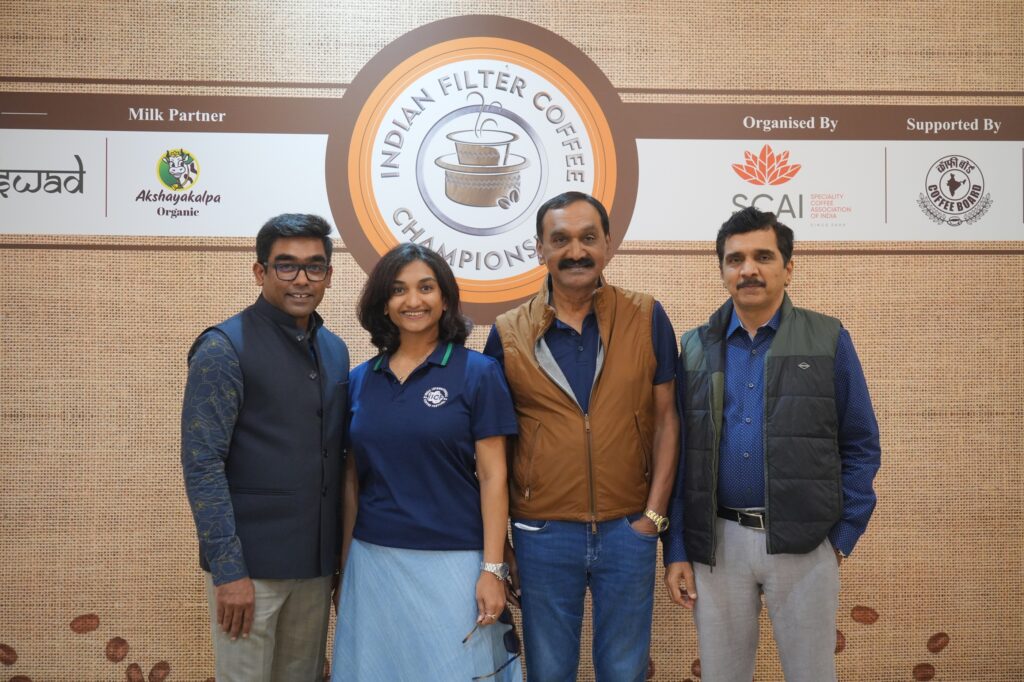
The India International Coffee Festival (IICF) once again celebrated the vibrant coffee culture, hosting an exceptional event in Bengaluru on December 4, 2024, at the Christ University campus. The highlight of the day was the ‘Indian Filter Coffee Championship,’ a thrilling competition that brought together skilled participants to showcase their brewing expertise.
Since October, the India International Coffee Festival (IICF) has traveled across cities, spotlighting the nation’s diverse and dynamic coffee heritage. Through a series of spirited competitions and engaging activities, these events have left attendees with lasting memories and unparalleled coffee experiences. At every stop, the festival witnessed enthusiastic participation from coffee roasters, café chains, and key players in the food and beverage industry.
Mr. D.M. Purnesh – President of Specialty Coffee Association of India (SCAI), sharing his views on the championship said, “We are very happy to bring the championship to Christ University, Bengaluru. Karnataka is a coffee lovers city and the championship was a mega success with so many connoisseurs coming forward to take part in the competition.”
Dr Kerwin Savio Nigli- Head, Department of Hotel Management, Christ University, said, “It was a great experience for us to host the Indian Filter Coffee Championship. We always hold lots of academic competitions, but this was like a whiff of fresh air where excellence of coffee brewing was showcased for the first time. We look forward to hosting many more such events in the university.”
The Indian Filter Coffee Championship, a first-of-its-kind event, spotlighted the creativity, craftsmanship, and passion behind coffee brewing. It turned into a vibrant celebration of coffee culture with participants immersing themselves in the spirit of competition and showcasing their exceptional brewing skills.
source: http://www.businessnewsthisweek.com / Business News This Week / Home> Business News / by Mansi Praharaj / December 09th, 2024
Having nearly doubled its India footprint over the last 12 months to reach 75 stores across 30 cities, Jaipur-based Nothing Before Coffee has now set its sights on international growth.
World Coffee Portal speaks to two of the brand’s co-founders, Akshay Kedia and Anand Jain, about balancing affordability with a premium experience, launching in Europe and why the time is right to seek external investment.
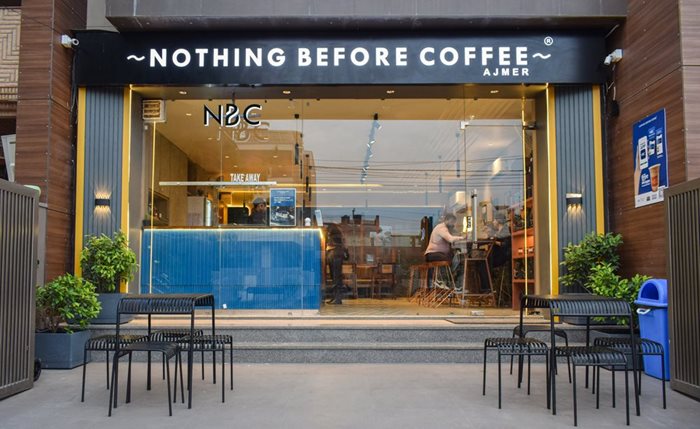
A Nothing Before Coffee store in Ajmer, Rajasthan, India | Photo credit: Nothing Before Coffee
Founded in 2017 by school friends Akshay Kedia, Anand Jain, Ankesh Jain and Shubham Bhandari, Nothing Before Coffee (NBC) is now raising investment to scale its 75-store presence in India and begin the next chapter of its international journey, which began with an outlet in Portugal in April 2024.
The value-focused coffee chain sources coffee from Chikmagalur and Coorg in India’s southern Karnataka state and roasts in-house to supply its growing store portfolio and direct-to-consumer channel. Today, Indian-grown coffee also supplies NBC’s recently opened store in Porto, Portugal, and will travel even further to planned sites in Spain, the UAE and Indonesia.
NBC recently celebrated its seven-year anniversary, tell us about your journey so far.
Akshay Kedia (AK): The journey from four school friends to founders of a growing brand like NBC has been nothing short of incredible. Our seventh-anniversary celebration was truly special, filled with love and joy from our customers. To show our gratitude, we rolled out a special offer – any beverage for ₹99 ($1.18) – and we saw a record-breaking 36,000 transactions during the anniversary weekend on 31 August–1 September 2024, which was four times our usual Saturday and Sunday volumes.
Additionally, our app crossed 100,000 downloads and we were ranked among the top five food & beverage apps on iOS and top 15 on Android in India. These milestones demonstrate the strong connection we’ve built with our audience.
Of course, challenges were part of the journey too. Expanding to over 70 outlets across India and internationally comes with the need to maintain consistent quality and customer experience, which has required constant innovation and rigorous operational standards. However, these challenges have only strengthened our commitment to delivering exceptional coffee experiences.
How has the Indian branded coffee shop market developed over the last seven years and how is NBC responding to these dynamics?
Anand Jain (AJ): Coffee has become an integral part of people’s daily routines in India, whether it’s solo coffee dates, work meetings, or the increasing trend of working from cafés. What was once predominantly a Tier 1 city phenomenon has now expanded to Tier 2 and 3 cities, where coffee is seen as a lifestyle statement and an aspirational product.
At NBC, we’ve aligned ourselves with these changes. We’ve made it a priority to expand into all the major cities while ensuring that we provide high-quality coffee at the right price. The key is to stay connected with our core customers – primarily urban consumers aged 18-35 – by maintaining consistency in both quality and experience.
We position NBC as a mass-premium brand, offering high-quality products at accessible prices, which allows us to appeal to both young professionals and older coffee lovers alike.
Left to right: NBC co-founders Ashkay Kedia, Ankesh Jain, Anand Jain and Shubham Bhandari | Photo credit: Nothing Before Coffee
Are Indian consumers becoming more receptive to premium coffee?
AJ: The future of India’s branded coffee shop market is a mix of both value-focused and premium experiences. We see a diverse range of consumers – some prioritise affordability and value, while others are increasingly willing to spend more for a premium coffee experience. This shift is driven by a growing appreciation for specialty coffee and unique offerings, especially in urban areas where consumers are more discerning and seek out quality.
At the same time, there’s still a strong demand for value-driven options, particularly in smaller cities. The key for brands is to strike a balance, catering to both segments without compromising on quality.
Why is now the right time for NBC to seek external investment for the first time?
AK: We’ve mapped out a clear expansion plan with an aim to open 100 new outlets by 2025 and external investment will play a crucial role in achieving that growth. After successfully establishing our brand across India, the timing is ideal to scale further and enter new markets. We’re confident in our model, our products and the demand for premium yet affordable coffee experiences, making this the right moment to bring in investors to fuel our next phase of growth.
“We see Europe as a key region in our global expansion”
What attracted you to the Portuguese market?
AK: Portugal was an exciting choice for our first international outlet due to its vibrant coffee culture and the country’s growing appreciation for unique coffee experiences. We saw a great opportunity to introduce our signature beverages to a market that values both tradition and innovation in coffee.
Over the past five months, the store has exceeded our expectations. We’ve seen strong customer engagement, and our products have been well received. The positive response has reinforced our belief that our blend of quality, affordability, and innovation resonates across different markets, and it has given us confidence as we continue expanding globally.
Can you tell us more about your plans for Europe?
Our launch in Porto, Portugal, has given us valuable insights into the European market and the response has been very encouraging. Europe has a rich coffee culture and an appreciation for high-quality, crafted coffee experiences, which aligns perfectly with what NBC offers. We see Europe as a key region in our global expansion, and our plan to open 150 outlets will allow us to establish a strong presence. Alongside Europe, we’re also expanding into markets like the UAE and Indonesia, where we see similar opportunities to introduce our unique offerings and build a strong customer base.
NBC is one of the few Indian coffee chains to expand internationally. Do you expect more to follow in your footsteps?
AJ: Expanding internationally can be challenging for Indian brands due to differences in market preferences, operational complexities, and the level of investment required. Many focus on solidifying their presence in the domestic market before looking abroad. However, with Indian consumers’ increasing exposure to global trends, there’s a growing confidence in Indian brands to succeed overseas.
I do believe more Indian brands will venture abroad in the coming years. As the quality of Indian offerings improves and more brands embrace innovation, we’ll see a stronger push towards international expansion, much like what we’re doing at NBC.
This article was first published in Issue 22 of 5THWAVE magazine.
source: http://www.worldcoffeeportal.com / World Coffee Portal / Home> India> News / November 29th, 2024
Dr. M. Senthilkumar, Director of Research, Coffee Board of India, says that India need not worry too much about losing coffee by 2050.
“Of course, climate change is happening not only in India, but around the world but this is not going to make much impact on Indian coffee, when compared with other countries like Brazil and Vietnam. We are a country that does not grow coffee in an open condition. Most of the coffee in India grows in a shaded condition. We are pushing our farmers to grow more traditional and conventional shade trees at the coffee estates – that is deciduous and evergreen trees, which will help create a microclimate that will facilitate comfortable growing of coffee,” Dr. Senthilkumar explained.
India has rainfall from June to September usually, followed by a drought period of 70 days. “Due to climate change, there is a possibility of drought period being extended. If it extends farmers will have to use methods of artificial irrigation encoring more expenditure,” he added.
“By 50-100 years from now, climate change can cause problems at any given point as the temperature is increasing by 1.5 degrees centigrade every year. But again, not for Indian coffee. Indian coffee may benefit because of climate change, as other countries will stop producing coffee. But that does not mean we should stop worrying about climate change,” Dr. Senthilkumar said.
source: http://www.thehindu.com / The Hindu / Home> News> Cities> Bengaluru / by Yemen S / November 29th, 2024
Renaissance Hotels, part of Marriott Bonvoy’s global portfolio of over 30 extraordinary hotel brands, celebrated its 10th annual Global Day of Discovery on November 19, 2024. In celebration of this special occasion, over 170+ Renaissance Hotels properties around the world came together to reimagine their Evenings at Renaissance program with a unique Evenings Market, spotlighting local retailers and businesses.
Over the past ten years, Global Day of Discovery has been the one day in the year when all 170+ Renaissance Hotels around the world activate an elevated, on-property experience – underscoring Renaissance Hotels as one that connects locals and travelers to the DNA of the neighborhood through its unexpected design, experiential entertainment, and spontaneous discovery. Global Day of Discovery 2024 continues to demonstrate Renaissance Hotels’ promise to making measurable impact through supporting local – not just on Global Day of Discovery, but every day – with the launch of R Finds, a global digital marketplace designed for local discovery.
General Manager Sita Lekshmi and Rishwin Devaya
The event at Renaissance Bengaluru Race Course Hotel featured a journey to the sprawling coffee estates of Coorg , curated by the Riverside Coffee Co. and its founder Rishwin Devaya. An immersive Evening Market experience, guests indulged in the finest manual brew coffees, a meet-and-greet with Rishwin, and a special coffee cupping session.
Guests were also treated to expertly crafted coffee-based cocktails by Shyam Kumar, Bar Manager at R Bar and his team of mixologists.
The Culinary team led by Executive Chef Somasundaram G. and Pastry Chef Manivannan G. delighted everyone with a selection of decadent coffee-inspired desserts, creating a perfect fusion of local craft and culinary artistry.
The event concluded with guests connecting over their shared love for coffee, cocktails and discovery, leaving with a deeper appreciation for Coorg’s coffee culture and the hotel’s commitment to championing the local community.
The Global Day of Discover and the launch of R Finds, our very own global digital marketplace is a joyous moment and one to take immense pride in. Through interactive brewing sessions, exquisite coffee-inspired cocktails, and engaging conversations, we created an evening that blended the warmth of local flavors with the spirit of discovery—a true reflection of what Renaissance Bengaluru Race Course Hotel stands for,” said Sita Lekshmi, General Manager, Renaissance Bengaluru Race Course Hotel.
source: http://www.apnnews.com / APN News / Home> Tourism> Hospitality / by NS / November 21st, 2024
I first met Sonam when I was judging the Mattina Coffee Latte Art Battle, where he emerged as the winner—something that, in hindsight, comes as no surprise. What does amaze me is the journey from that moment to his victory in the 2024 UAE Aeropress Championship.
Sonam is a man of many talents. While coffee brewing might come to mind first, his true strength lies in his unwavering dedication and relentless pursuit of perfection. It was a genuine pleasure to feature him on The Coffee Story, an interview series that highlights people in our vibrant coffee community, sharing their stories to inspire others.
Tell me a bit about yourself and how you started your coffee journey?
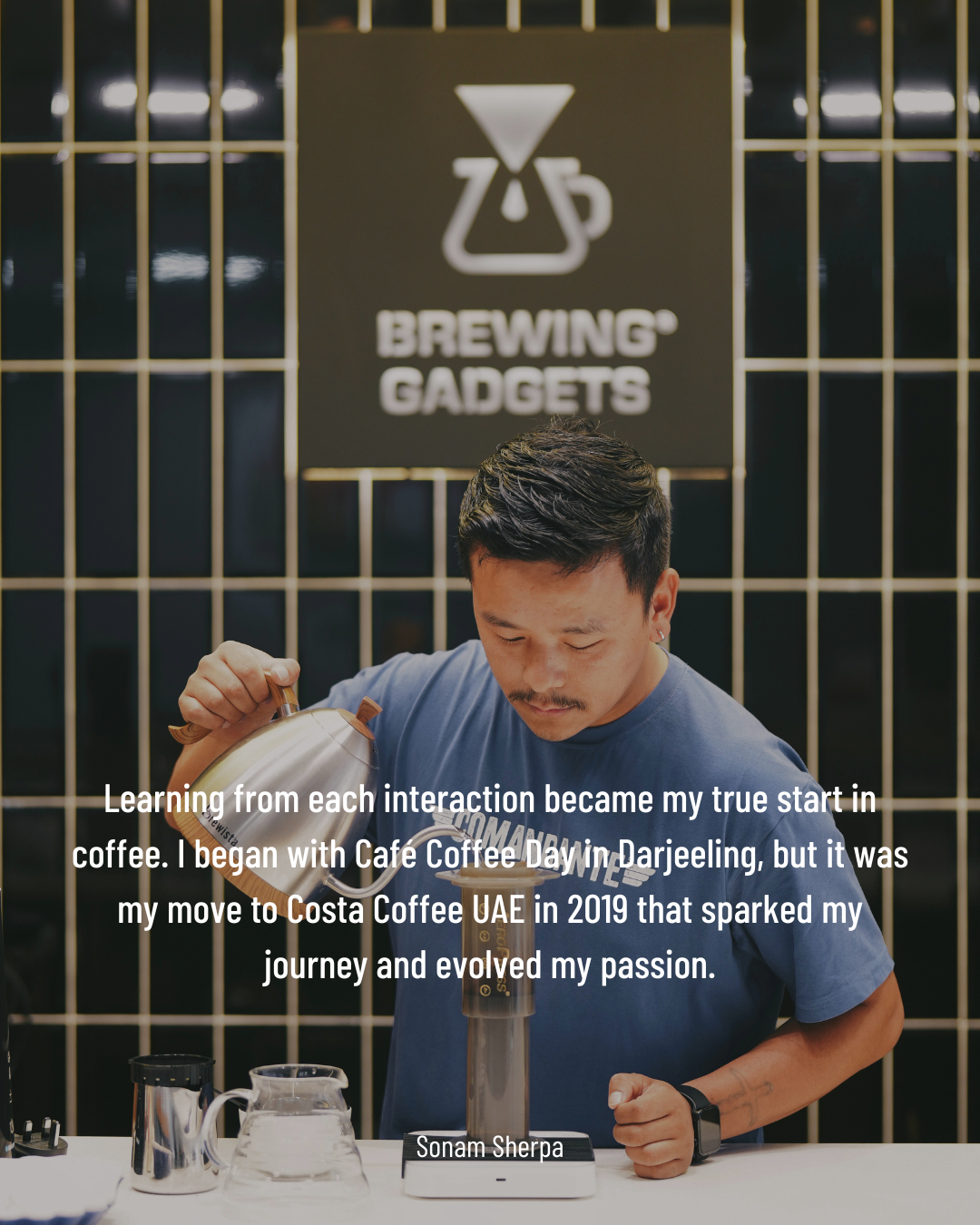
Hello, I’m Sonam Sherpa from the beautiful hills of Darjeeling, in Northeast India. My city is famous for tea, yet here I am in the coffee industry. I began my journey in Darjeeling with Cafe Coffee Day, a well-known Indian brand, as an all-rounder. However, my real coffee journey started in 2019 when I moved to the UAE and joined Costa Coffee to build a stable financial foundation. At that time, coffee wasn’t really a passion; it was just a job for me, like many people working for a paycheck. But I’ve always loved connecting with people, learning something new from each interaction.
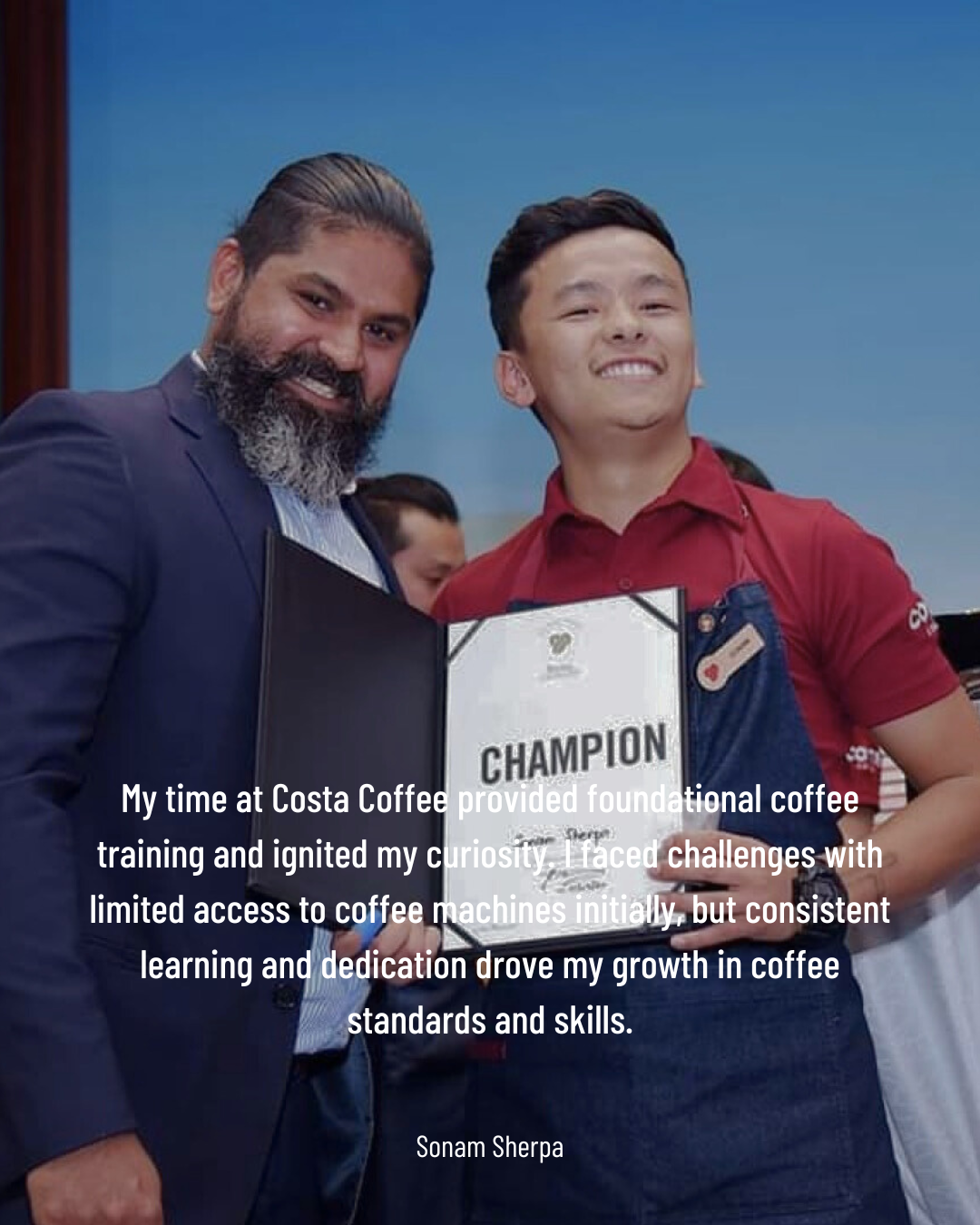
Working at Costa Coffee was one of the best decisions I’ve made. I received foundational training in coffee theory and practice and was later assigned to an outlet in Al Ain, UAE. With every passing day, I developed a stronger curiosity about coffee. At first, it was challenging to work with the coffee machine since I didn’t have many opportunities to use it. Over time, though, I pushed myself to learn the standards and improve my skills.
Things changed about three months into my job at Costa Coffee when I received an email about the Barista of the Year Championship. For those who don’t know, it’s a competition among Costa Coffee baristas to showcase the brand’s excellence. I decided to register and soon found myself competing in store heats in Abu Dhabi, then advancing to area heats. Eventually, I made it to the top 10 finalists in the country.
During that time, I connected with Khyam Rai, a former Costa champion, who helped me immensely. His guidance and support were invaluable, and through him, I also met many Nepali baristas. This was my introduction to the world of specialty coffee, which inspired me to dive deeper, collecting coffee tools and handbooks to continue learning.
I’ve also tried various professions, like tour guide, hotelier, retailer, and teacher, but coffee truly felt like the right fit. Being a coffee professional is unique because I go to sleep excited about starting a new day.
There is a lot I want to ask you about winning the Aeropress competition in the UAE, the routine, the win. But before I dive into that, how do you feel you have evolved as a professional since you started in the industry?
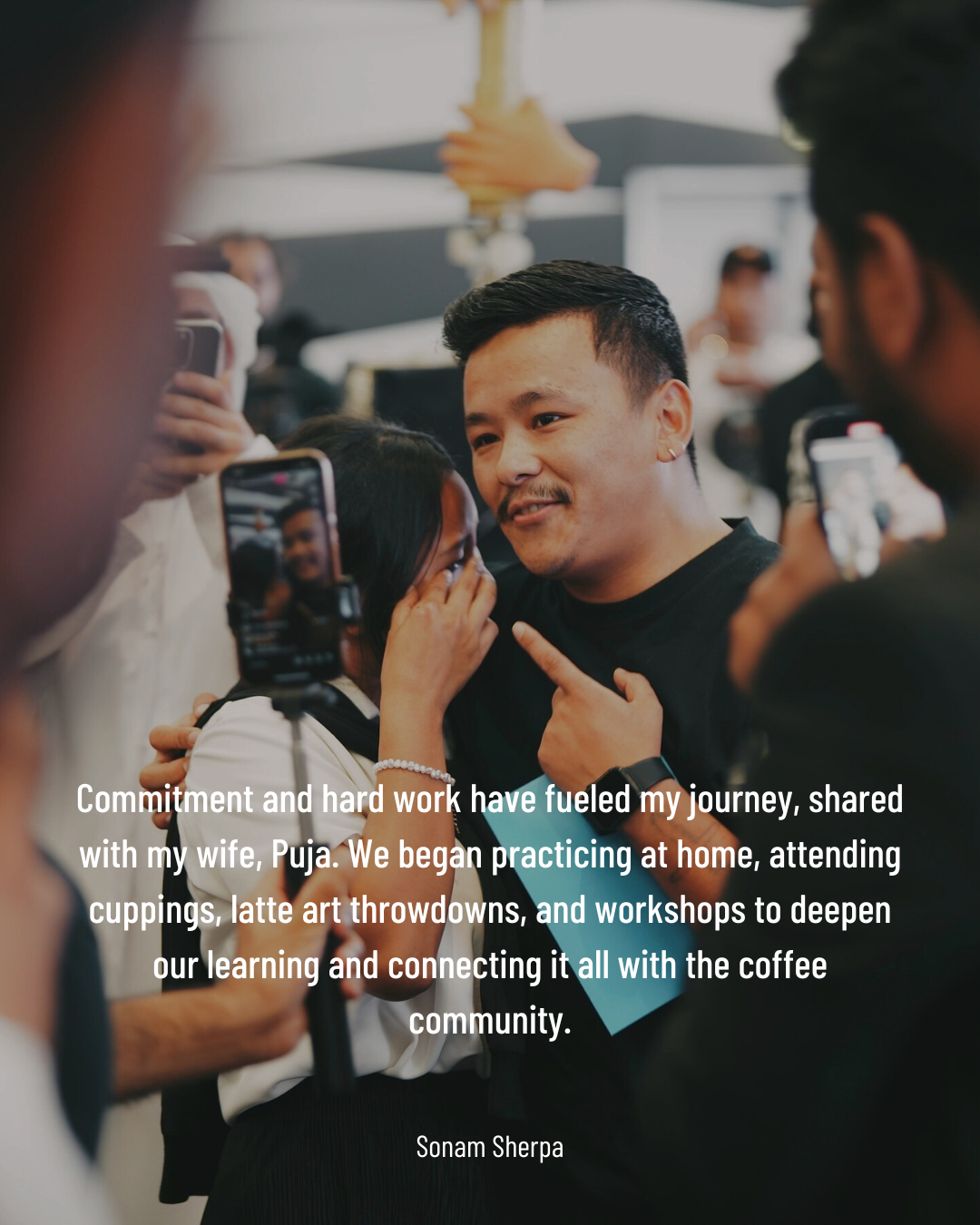
I feel that commitment, dedication, and hard work have played the biggest roles in my growth. It also depends on how you view the industry. For me and for Puja, my wife and partner, it’s been a shared journey, helping each other along the way. I remember receiving a brewing set as a birthday gift, which was the start of our brewing practice at home. We attended numerous events like cupping sessions, latte art throwdowns, and various coffee workshops to learn, compete, and connect with others.
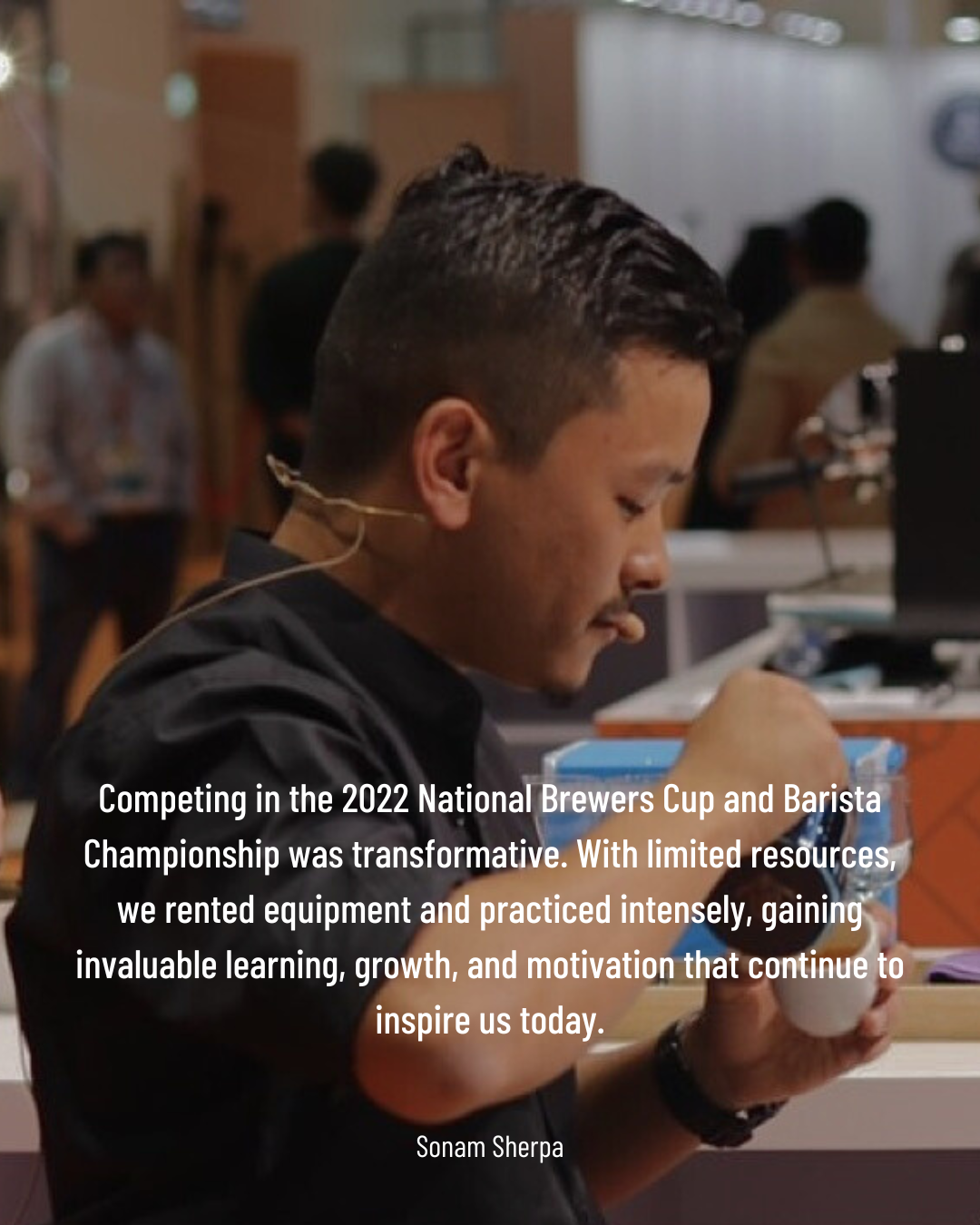
Our first National Brewers Cup and Barista Championship in 2022 was a major milestone. We didn’t know much about these competitions, so we researched deeply to understand them. Unfortunately, we couldn’t practice during work hours or have access to full competition setups, so we rented a room for four months and even rented a coffee machine and grinder. We would practice from 6 pm. until we were exhausted and then again in the mornings before work. The feeling of tiredness was worth it all along with the sense of growth, excitement, and accomplishment was unforgettable. Even now, on days when I feel lazy, I think back to those times, and it keeps me motivated.
The feeling must have been unreal. What was your game plan going into the Aeropress Championship in Lisbon, Portugal?
Yes, the feeling was incredible! It was our first World Championship, so we made sure we were well-prepared. We created specific recipes for different coffee processes and roast levels and even carried five liters of distilled water from the UAE to Portugal, just to be safe. We expected a washed, light-roast coffee, and when we got an Ethiopia Guji washed coffee, we had a recipe ready for it. We ended up in the top 16, which was an amazing achievement for us.
I have always seen you and Puja as an inspiration to many baristas and coffee professionals here in the UAE. What advice would you give those who are planning to compete?
Thank you, Naveed, for the kind words. My advice is to ask yourself why you want to compete. Dedication is essential. Learn and work hard every day, and remember, it’s crucial to embrace and learn from your mistakes. Also, don’t worry about what others say about you.
What are you working on next? Are there any personal skills or industry-related areas you’d like to focus on?
I’m looking forward to deepening my knowledge of the coffee industry.
You’re working with Kranti Coffee now. Can you tell us what Kranti is about and what you do there?
At Kranti Coffee, we’re dedicated to providing access to exotic and microlot coffees in Dubai, connecting our producers with the UAE’s coffee community. As a green coffee buyer, I’m responsible for selecting unique coffees directly from farms, focusing on the specific qualities of nanolots and microlots. My role also involves building strong relationships at the farm level to ensure that every coffee meets our quality standards and vision.
How did you and Divesh meet and started working on Kranti?
Divesh used to be a regular customer of mine, and we spent countless hours talking about coffee. His passion for the craft was contagious, and I always enjoyed our conversations. We grew even closer after I left my job to start consulting for people opening cafes. It was during one of those discussions that the idea for Kranti was born.
We talked about introducing Indian specialty coffee to the UAE, a concept that felt instantly right. I had always wanted to showcase Indian specialty coffee, and this project gave me the perfect opportunity to bring that vision to life in a way that aligned with my passion and work.
From there, we started reaching out to coffee producers in India. I sent emails, built connections, and eventually traveled to India myself. The experience was incredible. I met farmers, learned about their craft firsthand, and shared our vision for Indian specialty coffee. I returned to the UAE with many great green coffee samples, ready to dive into research and development. At the same time, I gained a deeper understanding of the market—what people were looking for in terms of flavors and quality.
After months of hard work and learning, we were finally ready. In 2023, Kranti launched at the World of Coffee Dubai, marking the start of something truly special. It became a platform to showcase the exotic coffees of India.
What do you think is the future of Indian specialty coffee and the specialty coffee scene in India?
India is traditionally known for commercial coffee exports, but more producers have recently started focusing on quality over quantity. Specialty Indian coffee has begun gaining international attention. Many producers are now committed to sustainable practices like preserving biodiversity, promoting organic farming, and supporting social responsibility, which make Indian coffee unique. Intercropping with spices and fruits, for example, not only boosts farm income but also improves soil health and coffee quality.
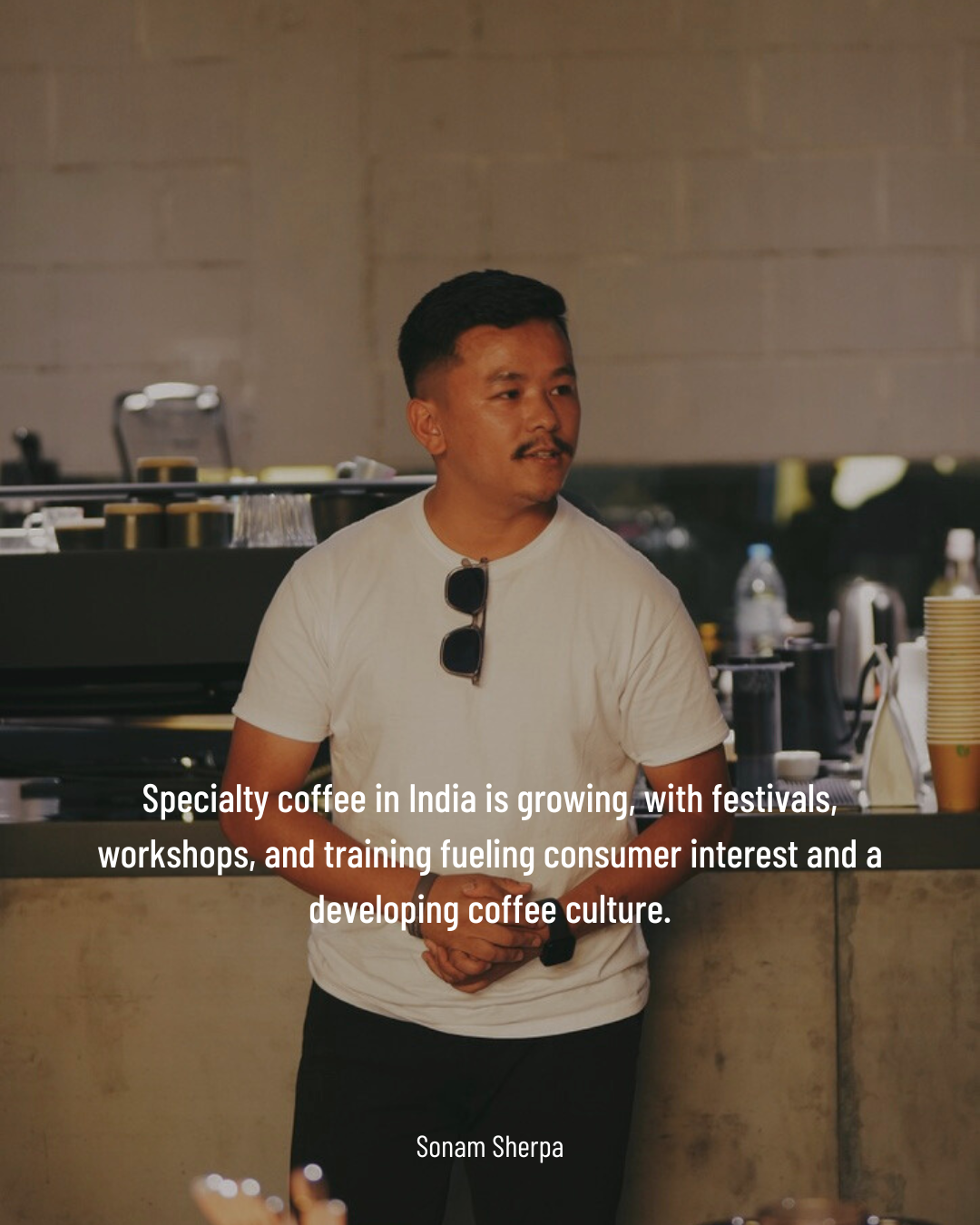
Although India is a tea-drinking country, specialty coffee consumers are growing, and so are the number of cafes and roasters. Events like coffee festivals, workshops, and training are helping to build a coffee culture and engage new consumers.
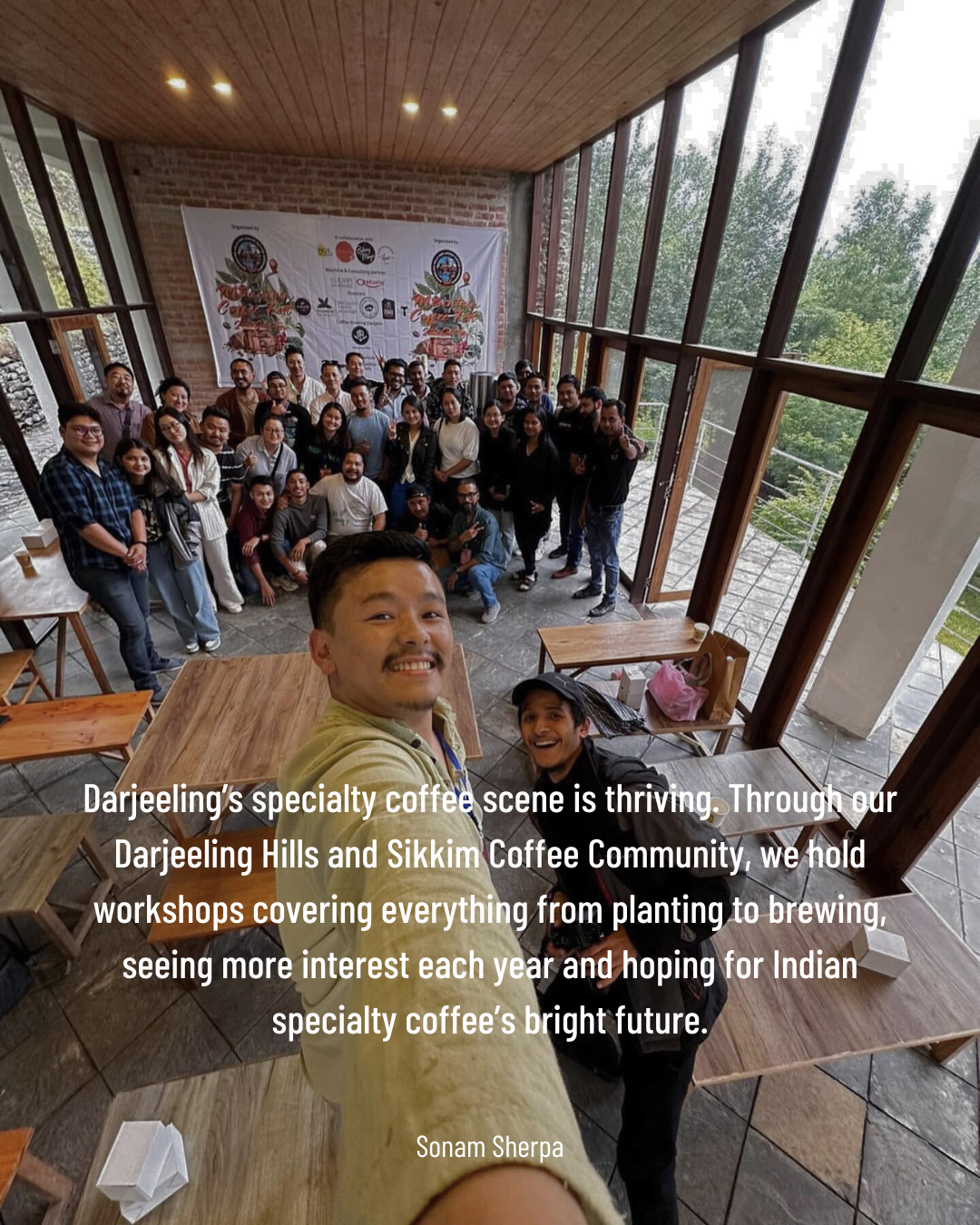
In my hometown, Darjeeling, we now have several specialty cafes. We also run a community called Darjeeling Hills and Sikkim Coffee Community, where we hold workshops from planting to roasting and brewing. We’ve been doing this since 2022, and each year, we see more interest, which makes me optimistic about the future of specialty coffee in India. Wherever I go in India, I can always find great specialty coffee, and I believe Indian specialty coffee will continue reaching new heights.
source: http://www.theneedforcoffee.com / The Need For Coffee / Home> The Blog> The Coffee Story / by Naveed Syed / November 23rd, 2024
The Government of India has issued the Plant Quarantine (Regulation of Import into India) (Sixteenth Amendment) Order, 2024. The notification was published on November 20, 2024 and has come into immediate effect. This amendment introduces special conditions for importing coffee beans into the country.
The amendment applies specifically to coffee beans (Coffea spp.) imported from any country for consumption or processing in India.
The aim is to prevent the entry of Coffee Berry Borers (Hypothenemus hampei and Sophranica ventralis), a destructive pest that can devastate coffee crops.
All imported coffee beans must now undergo fumigation with either Methyl Bromide or Phosphine to eliminate any potential Coffee Berry Borers.
The fumigation treatment details must be endorsed on the Phytosanitary Certificate issued by the exporting or re-exporting country.
This amendment helps to protect India’s coffee industry from invasive pests. Stricter import regulations ensure the quality and safety of imported coffee beans and minimize the risk of introducing harmful pests into the country’s agricultural ecosystem.
Filter Coffee’s second place on an international ranking scale spills attention to emerging territories, where specialty coffee is brewing
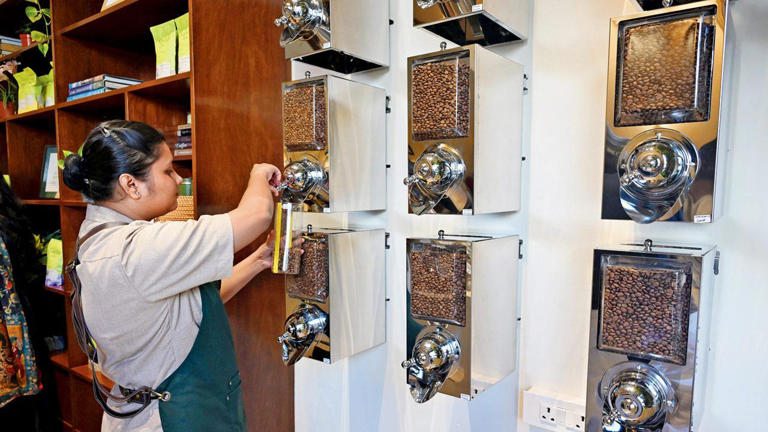
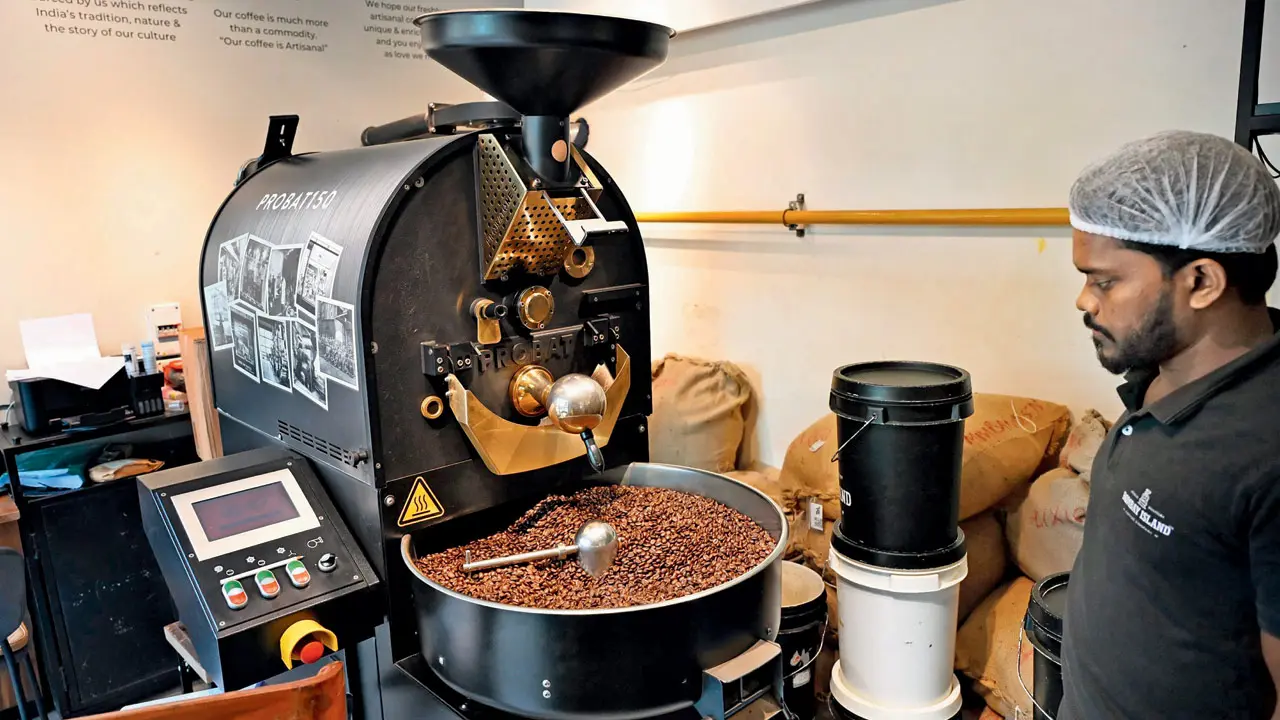
New-age cafes like Bombay Island Coffee are now working with a deeper understanding of roasting to bring out the natural sugars in coffee beans, which can add layers of flavour. Pics/Sayyed Sameer Abedi
The humble filter coffee or kaapi was recently adjudged the second best brew by TasteAtlas, an online travel guide.
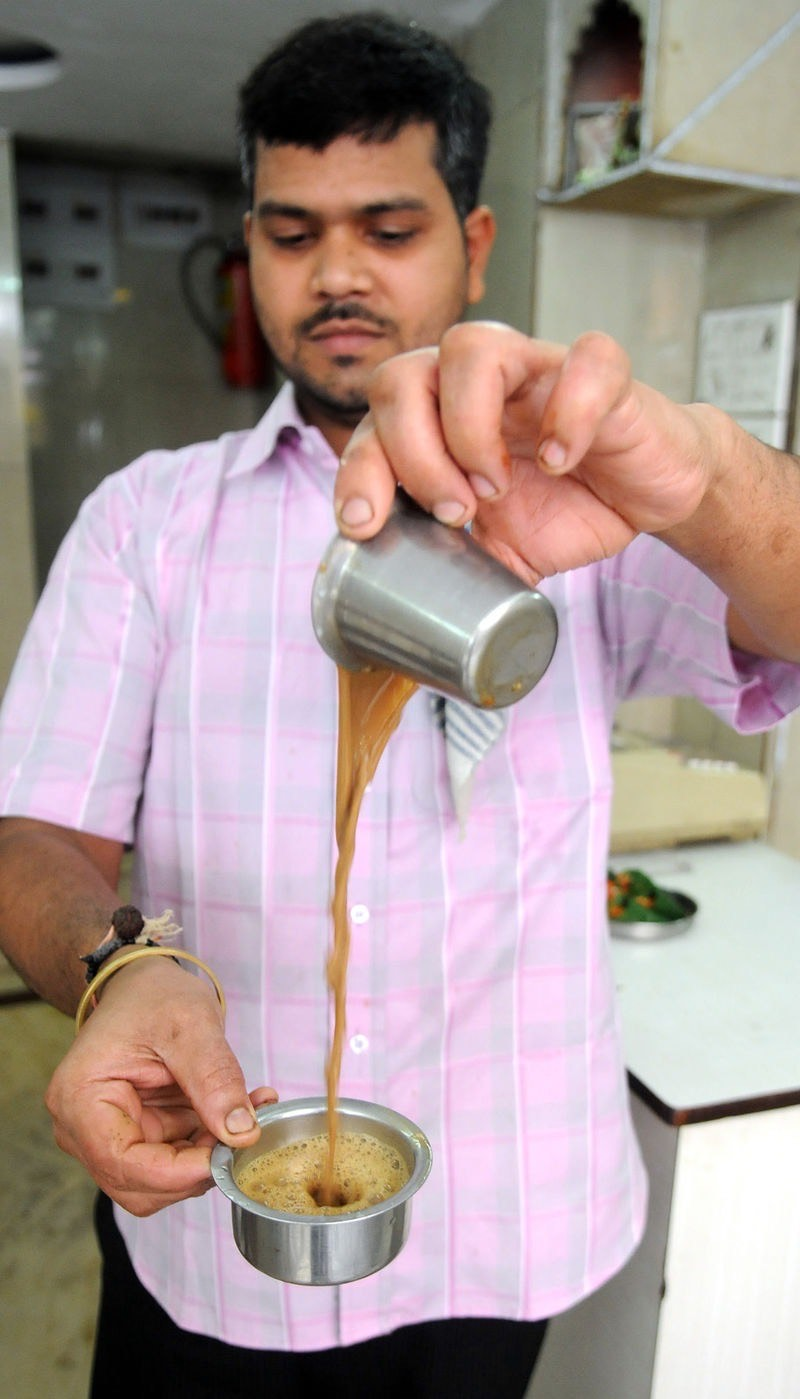
Positioned between Greece’s Espresso Freddo and Cuba’s Café Cubano, this beloved South Indian coffee is brewed through a two-chambered filter: the upper chamber holds finely ground coffee; the lower chamber catches the steadily dripping, rich brew. No electricity needed, just the natural pull of gravity. The result is a robust, full-bodied coffee, often combined with milk and sugar, served traditionally in a tumbler and saucer (davara). To achieve its signature froth, the mixture of coffee and milk is poured back and forth between vessels, aerating it.
While chicory, a root, was initially added to stretch coffee supplies, it became an essential part of the flavour profile, lending a woody caramel note that set filter coffee apart from intense, espresso-style brews. Freshly roasted coffee beans unlock a symphony of flavours through the Maillard reaction, releasing over 800 flavour molecules—from nutty pyrazines to fruity aldehydes and rich, caramel-like ketones. Unlike modern brewing techniques such as pour-overs, the filter method preserves these complex flavours and oils to present an unmatched depth of taste.
Nandan Coffee’s new flagship outlet isn’t just a café but an experience centre that celebrates three generations of the brand’s coffee-brewing heritage, sustainable farming, and artisanal craftsmanship, sourced from their estate in Kodaikanal.
Traditional filter coffee reigns are deeply embedded in southern states such as Tamil Nadu and Karnataka. Instant coffee is prized for convenience and the fast-paced urban lifestyle in the northern states. According to the Coffee Consumption Trends in India report, India’s coffee consumption reached 91,000 tonnes of green bean equivalent (GBE) in 2023, up from 84,000 tonnes in 2012. This was driven by increased home use, rising instant coffee popularity, and a boom in café culture. Analysts predict a boom in demand will double by 2027, spurred by evolving consumer tastes and lifestyle shifts.
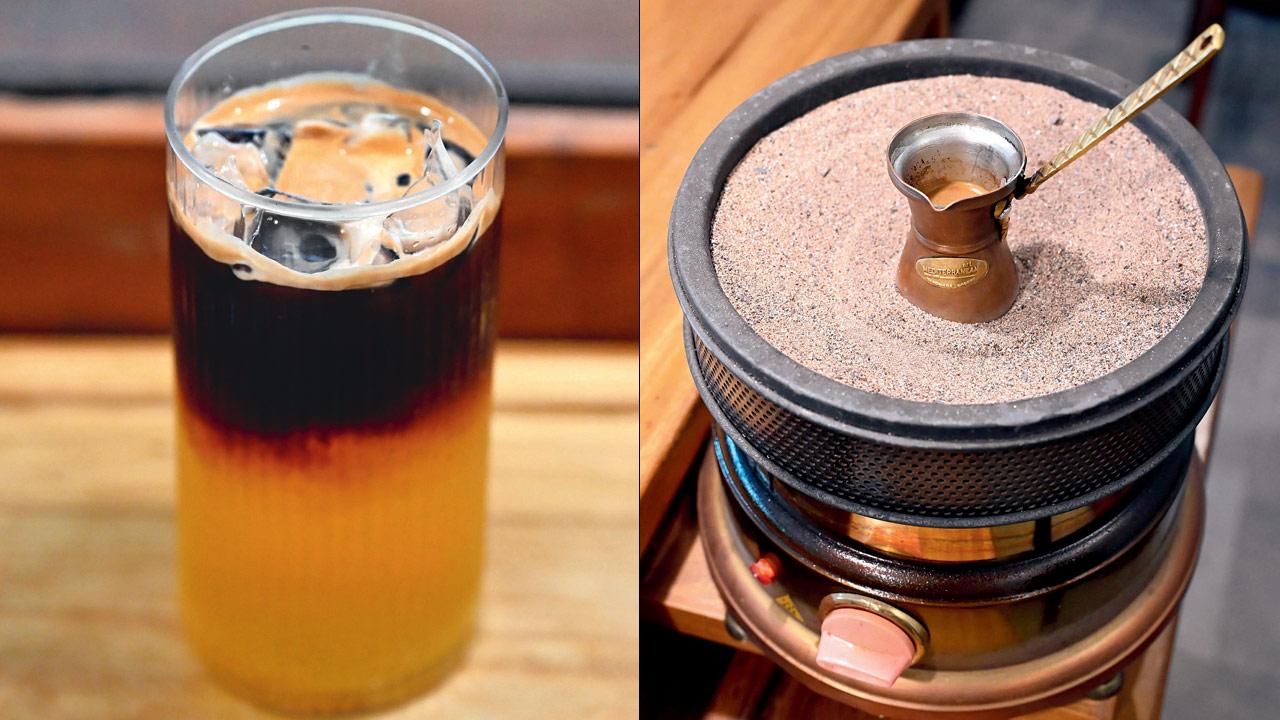
Cafe menus have gone beyond cappuccionos and lattes, with options like peach coffee spritzers (right) Turkish coffee brewed on hot sand, at Bombay Island Coffee
The nation’s coffee history runs deep—the beverage arrived long before tea. Tea gained widespread popularity when the colonising British sought to reduce their reliance on tea imports from China. Them trading opium for the leaf was pivotal in tea’s dominance over the Indian market.
Binny Varghese, fondly called Barista on a Bike and founder of Barista Training Academy in New Delhi, highlights an intriguing paradox: “India produces some of the best teas in the world, yet most of the premium varieties are exported.” This stems from the development of the industry under colonial rule, which prioritised mass production over quality. Tea dust—small, broken bits of tea leaves mixed with milk and sugar—becoming the ubiquitous chai served at railway stations. High-quality teas, such as those from Assam, were exported.
Yahvi Mariwala with her parents, Farida and Shyam. Pic/Anurag Ahire
A similar trajectory can be traced for coffee. By the early 20th century, large-scale coffee bean cultivation, flourished in Coorg and Chikkamagaluru, driven by the Brahmin community, which championed filter coffee as a cultural staple.
Until 1992, coffee was a centralised commodity with limited access. Plantation workers often collected leftover coffee beans—discarded seeds and skins—and roasted them at home, using ghee to enhance the flavour. Cardamom and cloves created a unique regional twist in regions like Kerala and Karnataka. This grassroots approach gradually laid the groundwork for India’s burgeoning coffee culture.
Coffee farmers in Nagaland, many new to coffee cultivation, are learning experimental techniques such as anaerobic and carbonic maceration
The rise of chains such as Barista and Starbucks, and homegrown specialty brands such as Blue Tokai, Nandan Coffee, and Bombay Island among others have popularised espresso-based drinks in urban centres, attracting younger, affluent audiences. From coffee tours to sampling sessions to making your own brew while offering product innovation, brands are crafting experiences to make coffee a cool drink.
Rupal Jain, Founder, Bombay Island Coffee says, “India’s coffee culture is on the cusp of transformation, following the path of other nations where economic growth has shifted preferences from tea to coffee. As disposable incomes rise, coffee is becoming a lifestyle choice, influenced by the appeal of café culture.
Unlike tea, which remains a domestic tradition, coffee is associated with socialising, relaxation, and modernity. Coffee is an aspirational symbol in urban spaces, reflecting a broader societal shift towards premium, experience-driven consumption. Tea remains a quiet, home-based ritual.”
Pranathi Shetty’s Kollibyle Estate in the Western Ghats is entirely run by women
This trend is expected to intensify as India moves closer to becoming a developed economy. South Korea, Singapore, and China, once known for their tea-drinking cultures, have all undergone similar transitions, with coffee emerging as the drink of everyday life and a symbol of affluence. “In South Korea,” Jain notes, “Starbucks has the second-highest footfall of any location globally.”
Coffee entrepreneurs have noticed an untapped potential in the Indian market—where the typical coffee is over-roasted or lacks the subtle sweetness of specialty ones. Jain admits, “Inspired by trends set by Blue Tokai and KC Roasters, we’ve developed a deeper understanding of roasting to bring out the natural sugars in coffee beans, which can add layers of flavour and reduce the need for added sweetness.”
Coffee grower at Kigwema village, Kohima, Nagaland
Her entrepreneurial journey, alongside husband Vineeth, is rooted in a desire to reshape the Indian coffee landscape. With a background in finance, in 2016, the founders delved into learning everything about coffee, from farming to brewing, with local and international training. Their insights led to the realisation that India has the potential to produce exceptional coffee, but the local market was missing quality beans. This gap led to investing in a roastery, right inside their cafe in Vikhroli.
On soil, more farmers are becoming conscious of how beans are grown and processed. New techniques such as fermentation and whiskey barrel ageing are enlisted developing unique flavour profiles that were previously exported. Coffee-growing regions are beginning to offer more specialised beans for a refined, global palate. Bean prices are at an all-time high, with Robusta, in particular, reaching a record high of Rs 4 lakh metric tonne on the London-based ICE Futures Europe market.
Pranithi Shetty, Rupal Jain and Lichan Humtsoe
However, climate change and unpredictable weather impact production, especially for the Arabica variant of coffee, which has seen significantly lower yields this season. In contrast, Robusta has fared better due to improved irrigation practices, says Pranathi Shetty, who left her corporate job in Mumbai to run her family’s Kollibyle Estate, a women-run coffee venture in Mudigere, Karnataka. For over 70 years, the estate has focused on sustainability. While coffee cultivation remains largely manual, recent innovations in post-harvest processes, like colour sorting and new machinery, are being introduced. The terrain of regions like Chikkamagaluru limits automation, but estate management tools such as operational apps streamline day-to-day tasks.
Shetty says, “Climate change is driving experimentation in previously unsuitable areas for coffee cultivation, such as the Northeast of India. While this presents new opportunities, it doesn’t threaten traditional regions such as Chikkamagaluru, where local consumption steadily increases.”
Rajasthan has an emerging coffee culture boosted by foreign tourists. “Jaipur was one of the first cities to house a roaster inside a café back in 2014 or 2015 when Neeraj Sheoran, founder of Curious Life Coffee Roasters, pioneered this,” says Varghese. “They have two large stores today, and initially attracted many foreigners who stayed in Rajasthan for longer periods. Now, new modern cafés open every month.”
Some cafes also offer international coffees, which bear high import taxes. “There’s a hefty 105 to 110 per cent tax on imported green coffee,” says Verghese. “There’s an extensive coffee scene across the capital and the NCR region. Competition is fierce, and the price coffee rises as new players enter the market. Punjab, too, has a vibrant coffee scene, especially Chandigarh and Amritsar. Punjab has two noteworthy roasters—Double Shot coffee roasters and Bloom Coffee roasters —that have revolutionised the regions coffee culture.
Varghese explains that Punjab likes its cappuccinos, lattes, and flat whites served at much higher temperatures. But in Amritsar, Double shot café has trained patrons to appreciate the right temperature for these drinks, which has had an enormous impact. “It’s quite a sight,” he says, “this café is a three-story building, and they were one of the few places in India where coffee sales outpaced food sales. Typically, good coffee shops also offer an extensive food menu, which can be both costly and a logistical challenge. However, this café thrives by focusing purely on coffee, a rarity in India, where we often expect coffee to be accompanied by pastries or meals.”
In Jalandhar, new generation cafés like Buland, Zoka, and Wht Blk are a part of a broader wave of establishments—cultivating a passionate coffee community in Punjab. In Surat, coffee is an alternative to alcohol in a dry state. Amit Patel’s KOKORO hosts home-brewing workshops and nurtures a local network of enthusiasts. His new venture, KOKORO School, launched with the Coffee Board of India, teaches brewing and soft skills.
Gone are the days when the Indian customer was happy with just instant coffee or cappuccino. The modern drinker now prefers specialty coffee that’s been roasted to perfect the flavour profile and painstakingly brewed in a myriad of methods by baristas
Closer to home, in Mumbai, where third generation coffeepreuneur Yahvi Mariwala opened the famed Nandan Coffee at Kala Ghoda in October was clear of what she wanted to offer. “Coffee language can be intimidating—so we wanted to keep it jargon-free and very straightforward so that more people can appreciate the coffee experience at a seat by the window or at the Create Your Own Coffee station, where you can learn the art of coffee blending and brewing from their in-house barista.”
Lichan Humtsoe, Founder and CEO of Été Coffee, the first specialty coffee roasting company and first Coffee School in the northeastern states that was established in 2016 in Kohima, tells us, “On one hand, there’s the growing wave of cafés and roasteries in Nagaland, which we’re actively supporting by offering equipment and machinery. We’ve sold 19 Espresso machines in just a few months, ushering over 10 new cafés in Kohima and Dimapur (Nagaland) alone. The trend rapidly spreads to Sikkim, Meghalaya, Arunachal, Aizawl, and Manipur. Although still in the early stages, we are involved in several exciting projects in Assam too.”
A training session in progress at Été Coffee School in Nagaland
Harking to the beginning of brewing in the region, Humtsoe shares, “The first coffee plantations came in the early 1980s in Nagaland. However, coffee culture didn’t really take root; many farmers abandoned their farms, and it wasn’t until the 2010s that things began to change. In 2016, we became the first specialty coffee roaster in the Northeast. Since then, there’s been significant momentum, driven by initiatives (massive plantation and revival of old abandoned farms in 2015-2016) from the government, the Department of Land Resources, and the Coffee Board. The establishment of other coffee roasters, such as Nagaland Coffee in 2018, further fuelled this growth.” (Nagaland Coffee was actively exporting green coffee overseas by 2016. D’Cafe in Kohima is acclaimed to be the first full-fledged modern-day cafe established in 2016).
Technology and techniques are still in their early days on farms. Most coffee plantations have only been established in the past five to eight years. “We’re currently working with the first, second, and third-generation crops,” Humtsoe says. “While experimental techniques such as anaerobic and carbonic maceration are being explored, it’s still a learning process. The farmers, many new to coffee cultivation, are adopting new practices, and while it can be overwhelming, there’s a strong sense of excitement and potential.”
Binny Varghese
Technology and techniques are still in their early days on farms. Most coffee plantations have only been established in the past five to seven years. “We’re currently working with the first, second, and third-generation crops,” Humtsoe says. “While experimental techniques such as anaerobic and carbonic maceration are being explored, it’s still a learning process. The farmers, many new to coffee cultivation, are adopting new practices, and while it can be overwhelming, there’s a strong sense of excitement and potential.”
The transformation of coffee in India—from political and industrial roots to a more humane, culture-driven movement—continues to unfold. A fourth wave with specialty shops, roasters, and artisanal cafés is washing over major cities, fostering awareness about fair-trade practices, small-batch sourcing, and unique brewing techniques. However, full adoption will depend on several factors.
“We are riding all the waves simultaneously,” says Varghese, “Traditional preferences for filter coffee and instant coffee mean tastes vary widely, and specialty coffee remains a premium product. Additionally, awareness about the environmental and ethical dimensions of coffee sourcing, touchstone of the fourth wave, is still developing.”
The growing presence of local specialty brands, greater consumer awareness, and rising younger demographic suggest India has the potential to become a robust market in the near future. However, for now, Roaster and Coffee educator like Humtsoe’s vision is to create a domestic market that supports locally grown, specialty coffee. “There’s no reason we should go to Europe for an exceptional cup of coffee which is actually grown here in our backyard,” he says, adding, “This is an exciting time, especially with south India moving toward specialty coffee, and the same trend begins to take root in the Northeast. India is finally a big part of the global coffee wealth-building narrative.”
Ghar-chi coffee
Maharashtra has been cultivating coffee for over a century, with plantations such as Chikhaldara’s 100-acre estate in Amravati district dating back to the late 1800s. Its Arabica coffee—once nurtured by British officers and later expanded by the Roman Catholic Mission—remains largely absent from specialty coffee shops.
Despite the increasing demand for premium, specialty coffee, most of Maharashtra’s harvest is sold in its raw forms, such as filter coffee or green beans. Though coffee cultivation in Maharashtra is relatively new compared to the well-established plantations of south India, the state has seen some innovative strides. Ashwin Paranjpe has been experimenting at his Gorus Forest Farm in Mulshi, using seeds from his great-grandfather’s original plants. Along with landscape designer Swati Aringale, Paranjpe has demonstrated that coffee can thrive in Maharashtra with proper forest management and irrigation despite the state’s challenging climate.
However, the industry faces a fundamental challenge: a need for formal education in coffee processing. While south Indian farmers have long been trained in fermentation and processing, many in Maharashtra lack these essential skills. As a result, much of the bean doesn’t reach its potential as specialty coffee.
Yet, there is hope. State-grown coffee has scored high on the Q -grading scale (universal system for evaluating coffees). Farmers such as Paranjpe are committed to improving yeild quality, and experts hold, with the right support, it could take five to 10 years for Maharashtra to become a recognised player in the specialty coffee world.
This evolution takes on even more profound significance when considering the historical roots of the industry in Pune. In 1864, an article in the Jnanaprakash newspaper detailed the rise and fall of coffee plantations in Mundhwa and Hadapsar, part of Pune’s Haveli taluka. The coffee, praised by Europeans in the Cantonment area, was ultimately ruined due to a dispute between the plantation owners.
The report piqued my curiosity, leading to further research that uncovered the contributions of Anglo-Indians William Sundt and William Webbe. They were instrumental in the early success of coffee cultivation in Pune, transforming their gardens into plantations. This not only shaped Pune’s horticultural history but also planted the seeds for the coffee industry in the region.
Why so special?
Coffee quality is evaluated using a 100-point scale developed by the Specialty Coffee Association (SCA), with scores falling into several categories: Specialty Coffee: 80 pts or higher; Outstanding: 90 to 100 pts; Excellent: 85 to 89.99 pts; Very Good: 80 to 84.99 pts, and Commercial-Grade: 60 to 80 pts.
Quality graders are experts in coffee evaluation, and follow strict protocols for factors such as water temperature, coffee dosage, grind size, and brewing time, assigning scores to the beans across 10 categories including aroma, taste, aftertaste, acidity, body, and sweetness. Only about 6 per cent of the world’s coffee meets the standards required to be classified as specialty coffee.
India drank
2012 : 84,000 tonnes
2023: 91,000 tonnes
source: http://www.mid-day.com / mid-day / Home> mid-day / by Nasrin Modak Siddiqui / November 17th, 2024
Coffee Board of India has embarked on a 10-year road map with a target to double the country’s coffee production and coffee exports by 2034, said board chairman M.J. Dinesh on Tuesday (November 19).
“It’s a 10-year mandate starting from 2024 to double our production and also double our exports by 2034. We will also increase the area under production during this period. However, the focus will be on creating best yielding varieties and increasing the production from existing plants through best practices and technology upgradation,” he said.
Addressing coffee growers at the Karnataka Planters’ Association annual conference held here on Tuesday, Mr Dinesh said these activities would include forming 100 FPOs (farmer producer organisations) across the country, of which 60 will be in Karnataka. These FPOs, expected to come up within a year, would create additional momentum for the commodity within the country and in global markets, he anticipated.
What is the offing
He further said that under the 10-year growth plan, the board would also identify 10,000 small coffee farmers who would grow speciality coffee varieties mostly targeted at export markets. “We expect these small farmers to come up with a wide range of speciality varieties that can fetch a premium in the global markets,” he added.
Under the 10-year market expansion plan, the board would also facilitate 10,000 coffee kiosks, mostly managed by women entrepreneurs, to increase the country’s per capita coffee consumption from 107 grams currently to 250 grams in 10 years, he further said.
He also said the board has an ambitious target of nearly trebling the coffee production from 3.7 lakh tonnes in 2024-25 to 9 lakh tonnes by 2047.
Commenting on the possibilities of mechanisation, Mr Dinesh said currently, the growers’ community has been pending a whopping ₹ 1200 crore to ₹ 1300 crore to get the coffee harvested annually through manual labour. This expenditure could be significantly reduced through the use of harvesting machines, and IIT Kharagpur, in collaboration with the Coffee Board, has been working on the prototypes of some such machines.
“Overall, the 10-year plan will certainly give Indian coffees a sizable standing in the global markets. In addition, it will also redefine the coffee landscape of the country,“ he hoped.
KPA chairman K G Rajeev said the grower’s body has made a presentation to the Ministry of Commerce and Industries seeking the inclusion of coffee under PM Fasal Bima Yojana. Presently, coffee farmers are not covered under insurance, while all other plantation crops are covered under insurance. The KPA has also sought assistance from the Govt to promote brand identity for coffee and tea emphasising their quality and unique characteristics. It has also sought exemption or reduction of customs duty on import of agriculture equipment.
source: http://www.thehindu.com / The Hindu / Home> News> India> Karnataka / by Mini Tejaswi / November 20th, 2024
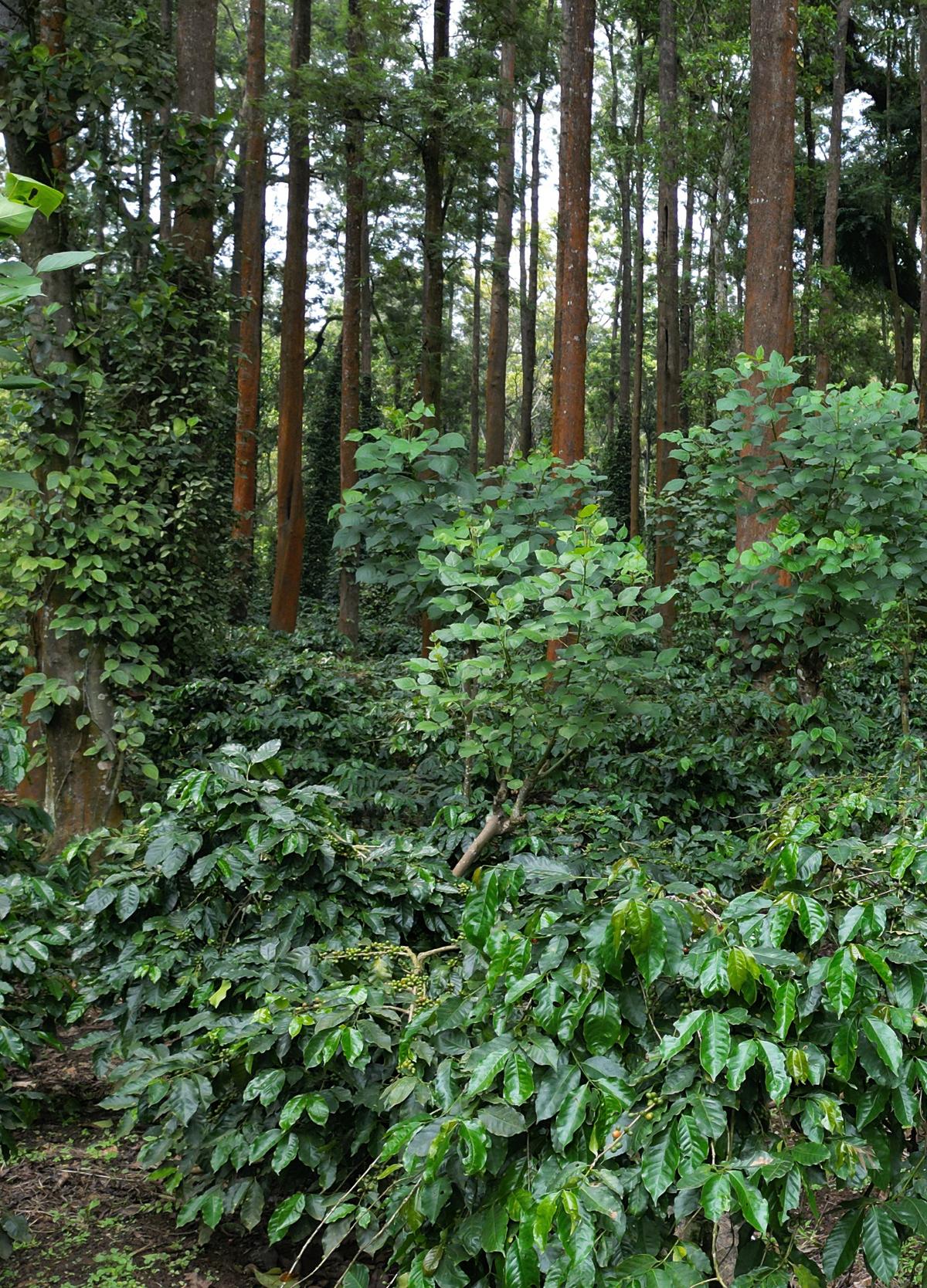
Shade-grown coffee at a Coffee estate in Kodagu district (Coorg), Karnataka. File | Photo Credit: Murali Kumar K.
India’s major plantation sectors such as rubber and coffee have heaved a sigh of relief as the EU Parliament has voted in favour of a proposal by the European Commission to delay the implementation of EU Deforestation Regulation (EUDR) allowing growers, exporters and traders additional time for compliance.
Accordingly, large coffee operators and exporters must meet EUDR regulations by December 30, 2025, while micro and small growers and traders have time until June 30, 2026 to comply, as against the earlier EU set mandatory due diligence procedures and compliance deadline of December 2024.
Being EUDR-compliant indicates a grower’s forest-based coffee produce is legal, and not sourced from any deforested land or unethically cultivated.
Notably, over 70% of Indian coffees are sold in EU countries, and therefore the compliance extension has direct implications on coffee players in India, although India was one among the few countries which grew coffee under two tier thick shade of native trees, say industry players. “Our coffee estates, in addition to coffee and shade trees has diverse flora and fauna. So Indian coffees are most sustainably grown.
In spite of that India opposed EUDR since the compliance does not incentivise sustainably grown coffees,” Coffee Board of India CEO and secretary K.G. Jagadeesha told The Hindu. “Now given that EUDR is a regulation already passed by EU, we have no option but to comply as 70% of Indian coffee exported is going to EU. Coffee Board is developing a platform for assisting coffee producers in India to comply with EUDR. We also welcome the EU decision to extend the deadline,” he added. However, the Coffee Board CEO said EUDR compliance burden on planters and growers would be huge as it required technological and financial resources which won’t be compensated.
Expressing similar concerns K.G. Rajeev, chairman, Karnataka Planters’ Association which represent over 70% of coffee growers in the country, said, ‘‘There are challenges in mobilisation of resources to invest by small and medium sized holdings to be EUDR compliant. Also there are elements of ambiguity. Strict enforcement without clarity on methodology to be implemented may not have desired results. All these may have adverse impact on productivity and profitability of the industry.”
According to Mr. Rajeev, EUDR is a regulation with requirements for due diligence and traceability, which needs lot of data to demonstrate compliance both on ground and documentation. He insisted that Indian coffee couldn’t be compared with coffees in any other geographies as it was predominantly grown under shade.
Coffee activities also encouraged preservation of existing forests which in turn provided habitat for variety of wildlife, avian populations and thus promoted natural biodiversity, he argued. Instead of putting the onus of compliance only on growers, industry institutions and government bodies should help in establishing compliance of regulations, he opined, adding, eco-friendly practices with improved soil health and carbon sequestration aligns with EUDR focus of protection of biodiversity and ecosystem.
Postponement of the implementation of the EU Deforestation Regulation is expected to buoy up the international market for rubber and related products in the short term, said Santosh Kumar, chairman of the Rubber Committee of the United Planters’ Association of Southern India.
“There were ambiguities and concerns in the market. Now that the EUDR will be implemented from 2026, the international market will have a positive impact in the short term,” he said. According to Rubber Board Executive Director M. Vasanthagesan, with the postponement of the regulation by an year, there is more time to prepare the rubber sector. The measures will continue, he added.
The board has entered into an agreement with Hyderabad-based TRST01 as its technology partner to issue due diligence certificates to rubber exporters. “We recently held a stakeholders meeting and will start registering the exporters. We plan to do it in phases, starting with select districts in Kerala. The small-scale exporters will pay an user-fee and register,” he said.
Industry sources said that of the annual production of about 8.5 lakh tonnes of natural rubber, only 4,000 tonnes are exported directly. However, exporters of rubber products will have to source from the growers who are compliant with the EUDR and so the impact will be on the growers.
source: http://www.thehindu.com / The Hindu / Home> Business> Industry / by Mini Tejaswi & M Soundariya Preetha / November 17th, 2024
Jnanendra Das gives an account of the trajectory of coffee in the Indian Subcontinent as Filter Kaapi makes it to the TasteAtlas’ list at number 2!
Indian Filter Coffee or Kappi was ranked second best on TasteAtlas’s list of the best-rated coffee drinks in the world last month. Among the top three were Espresso Freddo from Greece in the third spot, while Cafe Cubano from Cuba grabbed the top spot. But how did coffee reach India?
Legend has it that coffee reached India in the late 17th century hidden inside the beard of Hazrat Shah Janab Allah Magatabi popular by his Sufi name Baba Budan. During his Hajj at that time, Baba Budan was exploring Yemen on his way back to India. In a port city there, he found people drinking this refreshing beverage that he found kept him sharp and awake. He went to find it was made from the beans of a plant. Unfortunately, the city authorities allowed people to take out only the roasted beans so that they couldn’t be germinated and planted elsewhere.
The name of the port you ask? Al Mokka (hence, mocha) in Yemen. The enterprising gentleman smuggled 7 beans (a number considered sacred in Islam) which he planted in a Chikmaglur (Karnataka) hill that later was named after him, Baba Budangiri or the Budan Hills. Coffee spread to Karnataka and commercial estates came up, gradually gaining popularity in India.
Even before this, ground coffee had reached India via the Mughals, creating a thriving café culture in the 16th century. Inspired by coffee traditions in Islamic cities like Damascus and Istanbul, “qahwa-khanas” or coffee houses sprang up in Old Delhi. Coffee, like the famous sticky-sweet brew at the Arab Serai (built in 1560 by Emperor Humayun’s wife Hamida Banu), became integral to the city’s cultural life.
There, poets and thinkers gathered to sip coffee and engage in animated discussions. However, visual records of these coffee houses are sparse, though Rembrandt, inspired by Mughal art, sketched scenes of coffee-drinking men from India. [Source: Spilling the Beans: The Islamic History of Coffee, by Neha Vermani]
In Southern India, coffee was popularised by the British sometime in the 1800s. First, it was commercially grown by the British for export and later became a choice of the Indian elites. Coffee gained nationwide popularity sometime in the mid-1940s, with the Coffee Board of India establishing the Indian Coffee House (ICH). Indians faced exclusion from British-run coffeehouses. In 1936, the Indian Coffee House (ICH) opened in Churchgate, Bombay [now Mumbai], to address this exclusion, bringing coffee culture to the masses.
Thankfully, instant coffee wasn’t an option back then, so coffee was made from freshly ground, roasted beans, capturing the full depth of flavours and essential oils that make it truly unique. Roasting coffee beans triggers the Maillard reaction, which releases over 800 flavour molecules. This includes pyrazines for a nutty, roasted aroma; aldehydes, adding sweet, fruity, and floral notes; and ketones, which create buttery, caramel-like scents. The South Indian coffee filter method preserves these flavours and essential oils better than other brewing techniques—such as the espresso maker, Aeropress, or pour-over—where paper filters can absorb some of the oils.
To this day, ICH across the country uses the filter coffee method to prepare their coffee beverages.
Coffee has a longer history in India than tea. By the early 20th century, large-scale cultivation had taken root in places like Coorg and Chikmagalur, helped by the rise of South Indian Brahmins, a new social elite in British bureaucracy, who championed filter coffee as a cultural staple. Ironically, while filter coffee became associated with this elite class, it was also blended with chicory, a practice introduced by the British to stretch coffee supplies during shortages. Rather than being seen as “adulteration,” however, chicory gained acceptance for the woody, caramel-like notes it added, creating a distinct flavour that sets filter coffee apart from espresso-style drinks.
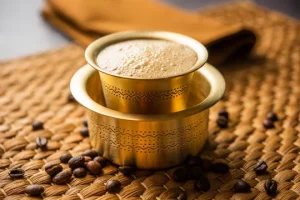
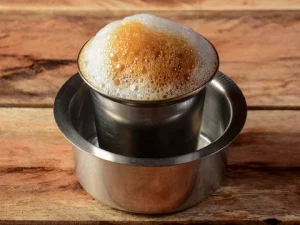
Indian filter coffee (as the TasteAtlas ranks) is a preparation technique in which coffee is brewed with the use of a two-chambered coffee filter. The upper one with a perforated bottom is used to hold ground coffee and the bottom one in which brewed coffee is slowly dripped just by the force of gravity. No electricity or external force is required. There is also a tamper or a press that comes along with the filter set.
This brewing technique results in a richly-flavoured, full-bodied coffee that is usually mixed with milk and sweetened with sugar. It is traditionally served in a tumbler with an accompanying saucer (davara). Sometimes, the combination of coffee and warm milk is continuously poured from one vessel to another until it is aerated and becomes frothy.
Here’s a quick and simple recipe that many southern Indian households follow for authentic filter coffee, traditionally made with a mix of coffee and chicory (ideally an 80:20 ratio).
Ingredients (Serves 2)
1. 4 tbsp ground coffee
2. 200 ml boiling water
3. Sugar (optional)
4. Hot milk
Brewing Method
Step 1: Pack 4 tbsp ground coffee in the upper perforated chamber of your coffee filter, press it with the tamper and let it sit there.
Step 2: Slowly pour boiled water into the top chamber and let gravity do its magic.
Step 3: Wait 15–20 minutes for the decoction to collect in the lower chamber.
Serving
Add 1 tbsp of sugar to your tumbler, if desired.
Pour the decoction into the tumbler until it fills about one-third of the way.
Top up with warm milk. If you prefer it black, you can replace the milk with warm water for a bold, undiluted taste.
Pour the coffee back and forth between the tumbler and saucer to mix and create froth.
Enjoy your strong, frothy filter coffee, crafted with care and tradition!
There is life before and after you filter coffee. Once you have had great filter coffee, it is nearly impossible to go back to instant coffee. Coffee is a complex subject where every little thing matters but ‘Indian Filter Coffee’ makes it simple where you don’t have to buy expensive brewing kits or gadgets.
Finding a traditional filter and davara in Meghalaya may be challenging, but they’re available on various online stores for under a thousand rupees. As for the coffee itself, Meghalaya is blessed with altitudes over 4,000 feet and a unique climate, making it ideal for cultivating distinctive, high-quality coffee. Local brands like Smoky Falls Tribe Coffee, endorsed by the Meghalaya Basin Development Authority, are bringing Meghalaya’s indigenous coffee to the global stage. Other notable North Eastern brands like 7000 Steps and Naga Coffee are also producing some of the region’s finest coffee blends.
Consumption of caffeine should be in moderation. The Mayo Clinic recommends that most healthy adults consume less than 400 milligrams (mg) of caffeine per day. This is roughly the amount of caffeine in four cups of brewed coffee.
Over centuries, coffee has seamlessly woven itself into India’s social and culinary fabric, where its preparation has become an art form, encapsulating flavours, aromas, and a distinct frothy texture that makes it unique. Today, Indian filter coffee is an evolving taste offering coffee lovers worldwide a simple yet deeply satisfying brew.