Observed in Karnataka’s Kodagu district, Kaveri Sankramana celebrates Goddess Kaveri and the sacred origins of the Kaveri River.
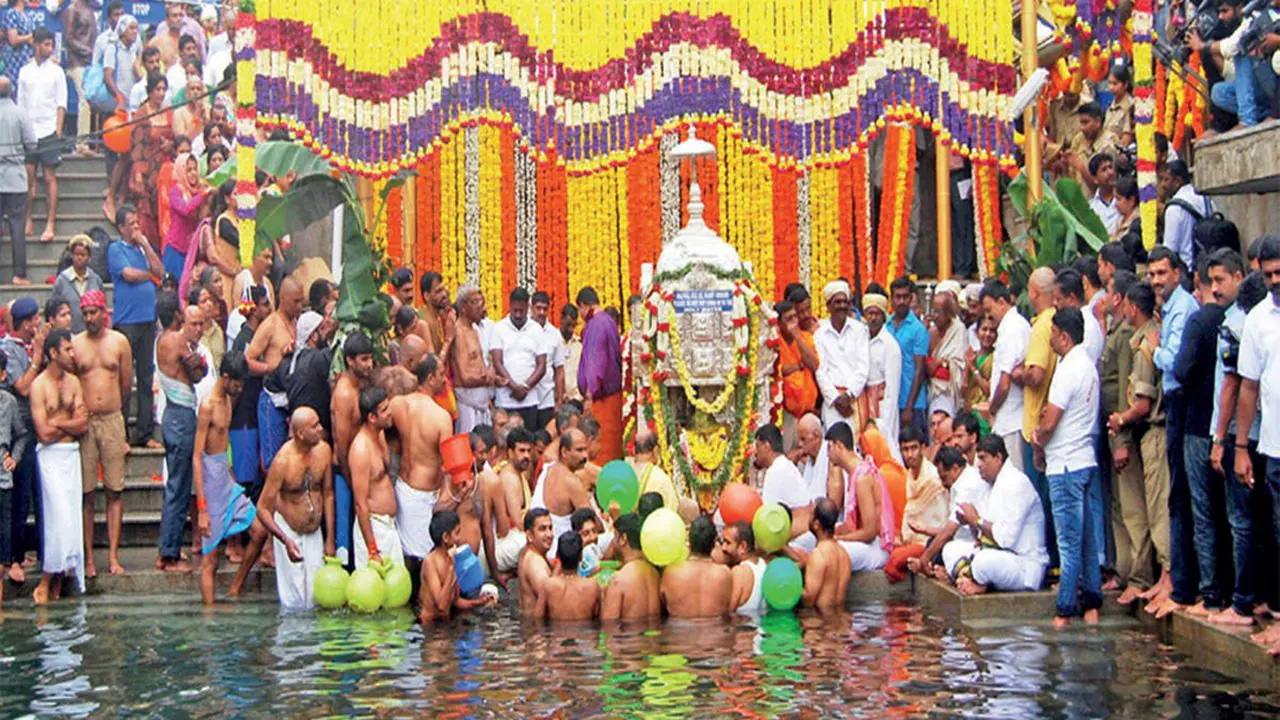
Every year, thousands of devotees gather in Karnataka’s mist-covered hills to witness a sacred ritual associated with the origins of the Kaveri River. Kaveri Sankramana, also known as Tula Sankramana, celebrates Goddess Kaveri, who is revered as the divine embodiment of the river. Observed in Kodagu district, the festival brings together ancient rituals, local customs and religious traditions. Its main attraction is Theerthodbhava, when sacred water is believed to emerge from a spring at Talakaveri. Here are six things to know about this unique river festival. (Image: Incredible India).
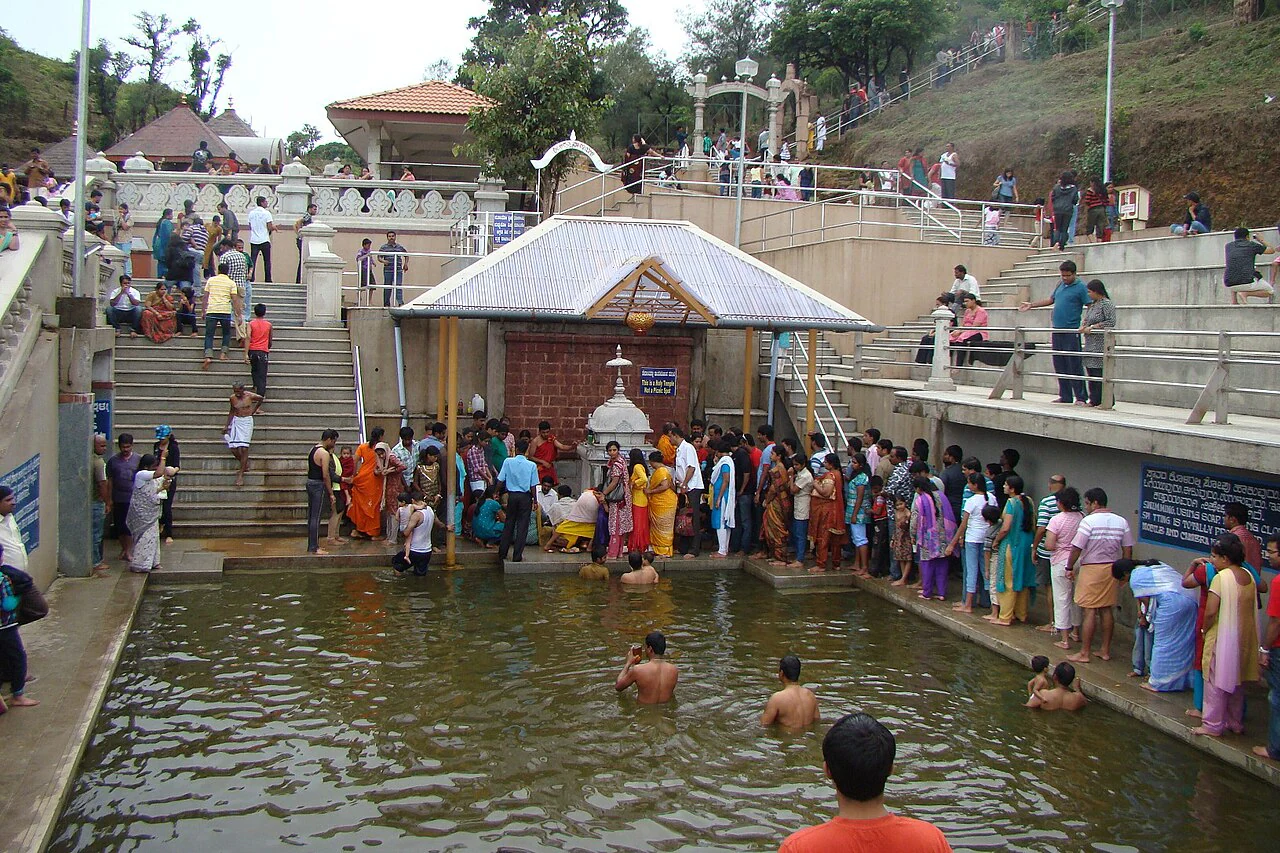
Kaveri Sankramana falls on the first day of the Hindu solar month of Tula, usually in mid-October. In 2026, the festival is observed today, October 17. It marks the Sun’s transition into Libra and holds special significance for devotees in Kodagu, Karnataka. (Image: Wikimedia Commons).
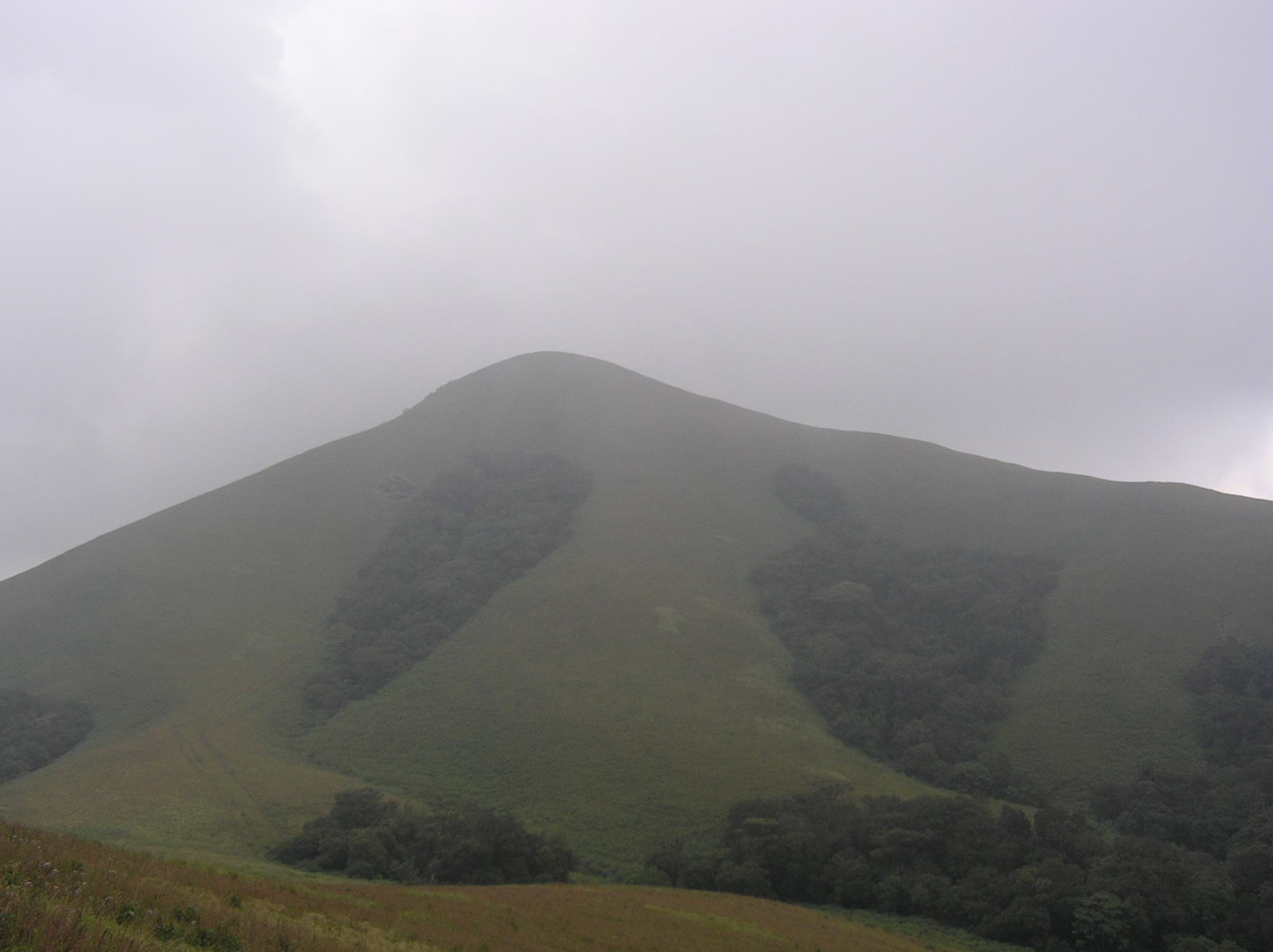
The main celebrations take place at Talakaveri, a revered pilgrimage site in the Brahmagiri Hills of Kodagu, also known as Coorg. A temple and sacred tank mark the traditional source of the Kaveri River. Surrounded by the Western Ghats, the site attracts pilgrims throughout the year. During the festival, particularly large crowds gather to offer prayers and witness the central ritual. (Image: Wikimedia Commons).
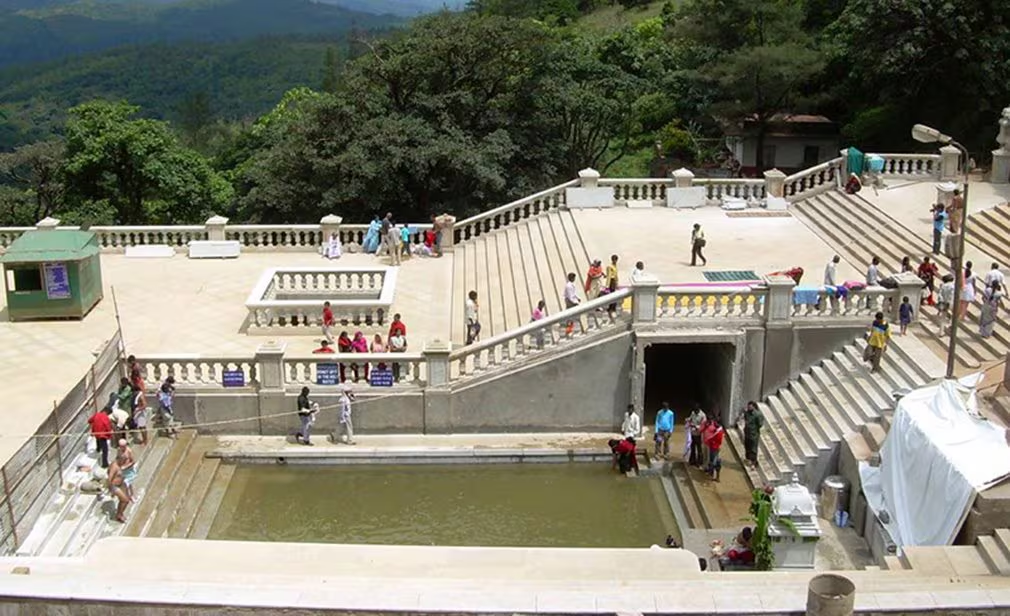
The highlight of Kaveri Sankramana is Theerthodbhava, which refers to the emergence of sacred water from the Brahma Kundike at Talakaveri. According to local belief, the water appears at an auspicious moment, symbolising the manifestation of Goddess Kaveri. Devotees gather to witness the event and collect the sacred water, known as theertha. Many families preserve it at home, believing it brings divine blessings. (Image: Incredible India).
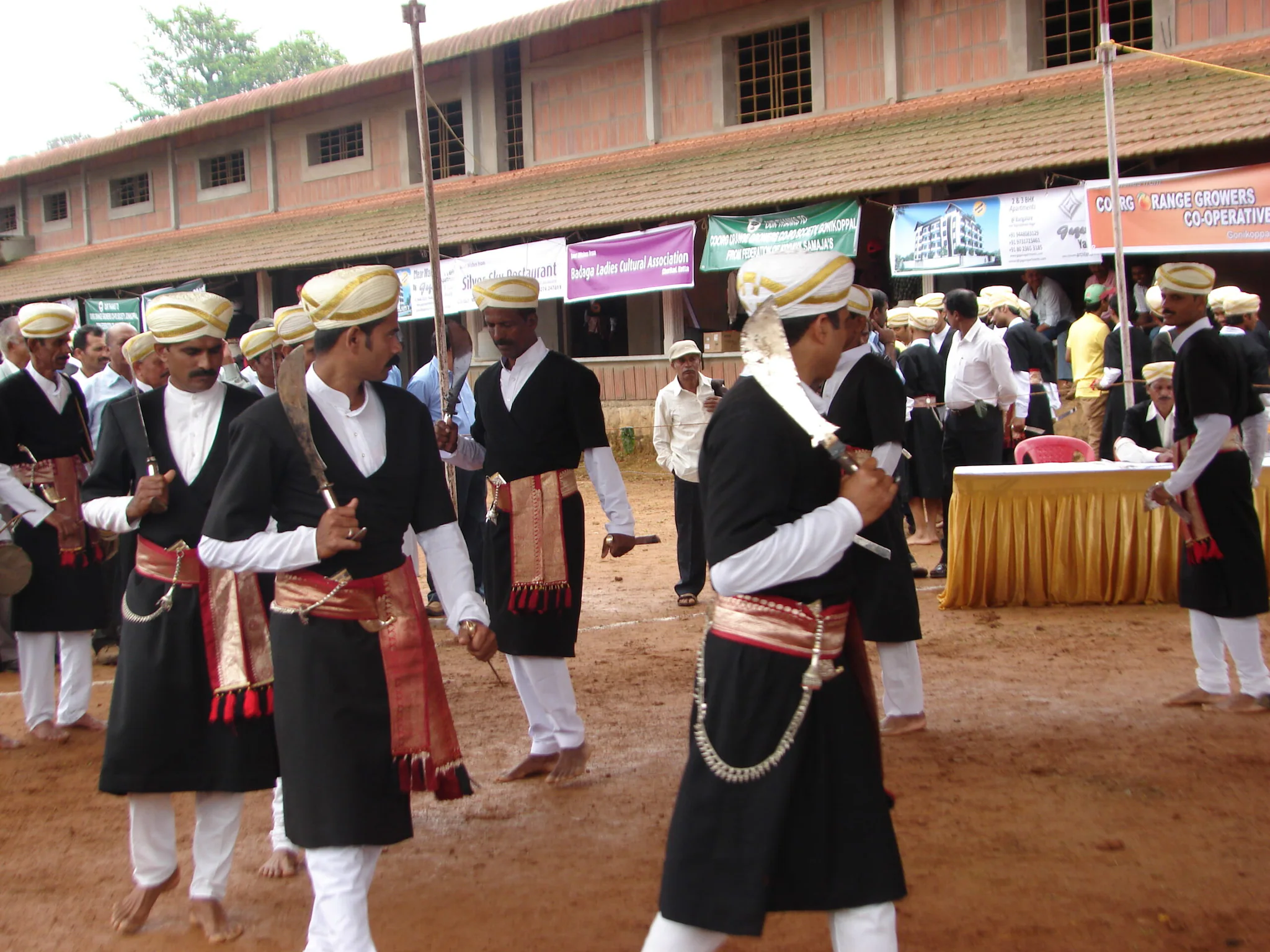
For the Kodava community, Goddess Kaveri, also known as Kaveramma, holds a special place in religious and cultural traditions. The river is associated with life, prosperity and the well-being of the region. The festival celebrates this deep connection between the community, its land and the river that sustains generations. (Image: Wikimedia Commons).
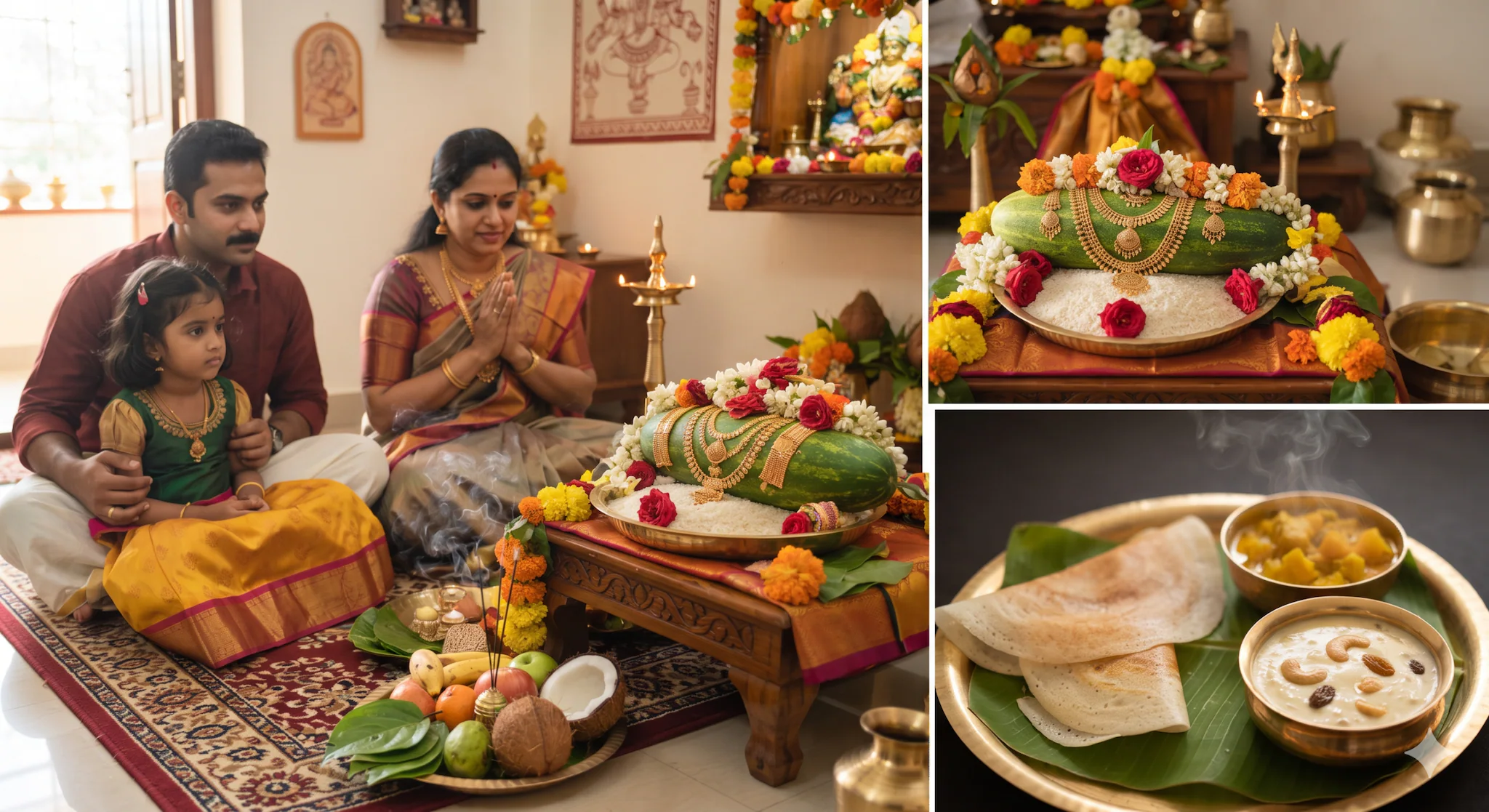
Kaveri Sankramana is also observed through household rituals, including Kanni Puje. Traditionally, a cucumber or coconut is decorated with flowers, jewellery and other offerings to symbolise the goddess. Families offer prayers and seek blessings. Traditional festive foods may include dosa, pumpkin curry and payasa, a sweet preparation. (Image: AI-Generated).
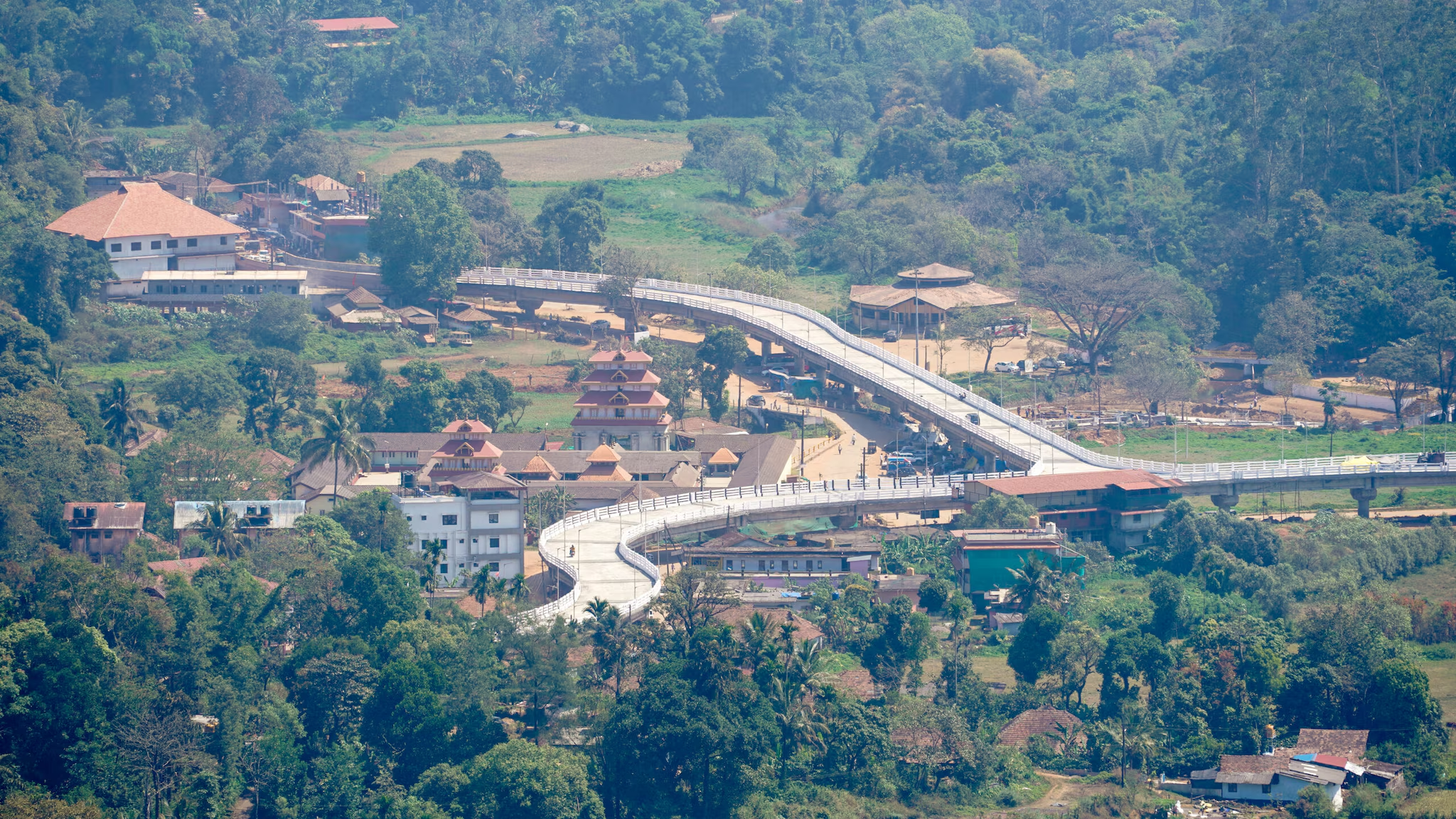
Bhagamandala, located in Kodagu, is associated with the confluence of the Kaveri, Kannike and the traditionally recognised underground river Sujyoti. Devotees visit the area for prayers and religious observances during the festival. Local fairs and community gatherings add to the celebrations, making Kaveri Sankramana an important expression of Karnataka’s living cultural heritage. (Image: Wikimedia Commons)
source: http://www.news18.com / News18/ Home> News> Photogallery> Lifestyle> Events / by Sujata Singh / edited by Priyanka Das / October 17th, 2026

