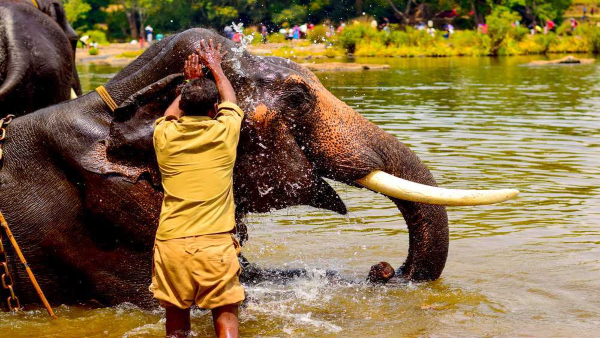
Five most stunning waterfalls in Madikeri during the monsoon season

Madikeri, a serene hill station nestled in the Western Ghats of Karnataka, India, is renowned for its enchanting waterfalls. Surrounded by lush greenery, mist-covered hills, and coffee plantations, Madikeri offers a tranquil escape for nature enthusiasts and travelers alike.

In this article, we will embark on a journey to discover the top 5 waterfalls in Madikeri, each showcasing its unique charm and captivating beauty. So, pack your bags and get ready to immerse yourself in the awe-inspiring splendor of these cascades during this monsoon. You can visit these waterfalls while a trip to Madikeri. The distance from Bangalore is around 260 km, means hardly 4 to 5 hour drive from the IT city.
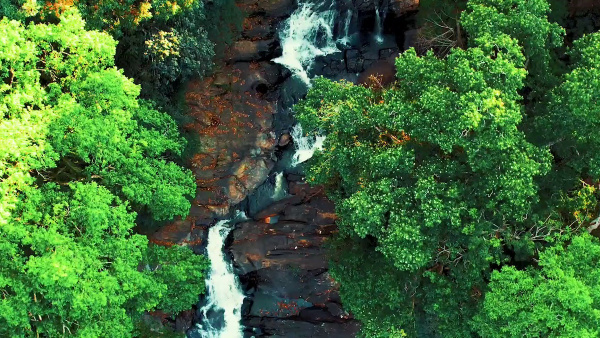
1. Abbey Falls

Our adventure begins with Abbey Falls, one of the most renowned waterfalls in Madikeri. Located amidst a sprawling coffee estate, Abbey Falls offers a mesmerizing sight as water cascades down from a height of approximately 70 feet. The gushing waters create a symphony of sound, accompanied by the lush greenery surrounding the falls. A short trek through the dense forest will lead you to the falls, where you can witness nature’s grandeur up close. Remember to capture this breathtaking beauty on your camera and enjoy a refreshing dip in the pristine pool at the base of the falls.
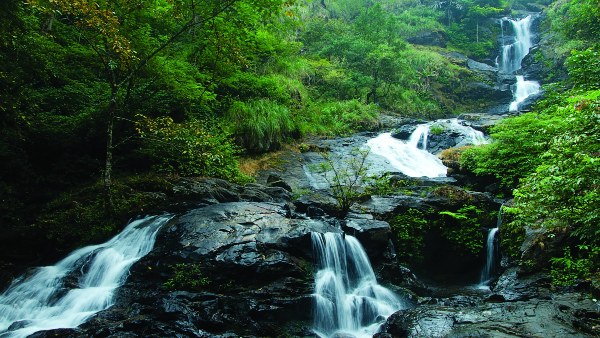
2. Iruppu Falls

Moving on to our next destination, we arrive at the magnificent Iruppu Falls. Situated on the Brahmagiri Range in the Western Ghats, Iruppu Falls is a sight to behold. The gushing waters plunge down from a height of approximately 170 feet, creating a magnificent spectacle. Legend has it that this waterfall holds religious significance as it is believed to be the place where Lord Rama shot an arrow to create a water source for his thirsty wife, Sita. Surrounded by dense forests, the trek to Iruppu Falls is an adventure in itself. The picturesque surroundings, coupled with the soothing sound of the cascading waters, make it a perfect spot for a picnic or a refreshing swim.
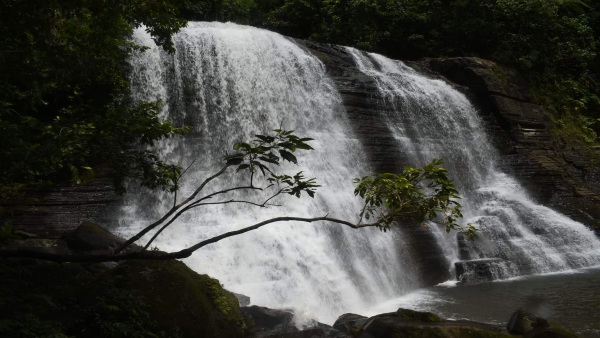
3. Chelavara Falls

Our next stop is the captivating Chelavara Falls, also known as Embepare. Located in the Cheyyandane village, Chelavara Falls is a hidden gem in Madikeri. As you approach the falls, the sound of rushing water echoes through the air, building anticipation for the breathtaking view that awaits. The cascading waters plunge from a height of approximately 150 feet, forming a stunning pool at the base. The verdant greenery and the mist-covered hills surrounding the falls add to its mystical charm. Indulge in the beauty of Chelavara Falls and let yourself be captivated by its tranquil ambiance.
4. Mallalli Falls

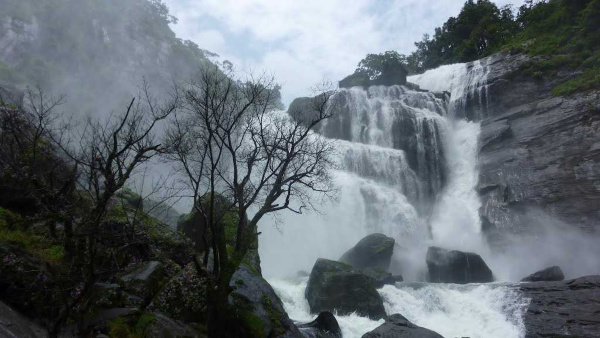
Continuing our exploration, we arrive at the mesmerizing Mallalli Falls, nestled in the foothills of the Pushpagiri Mountains. Mallalli Falls is a true natural wonder, with water plummeting from a height of around 200 feet. The view of the falls against the backdrop of the lush Western Ghats is a sight that will leave you spellbound. To reach the falls, you’ll embark on an invigorating trek through picturesque landscapes, passing through dense forests and coffee plantations. The sheer force of the cascading waters, the mist that surrounds the falls, and the cool breeze that caresses your face create a truly surreal experience.
5. Burude Falls

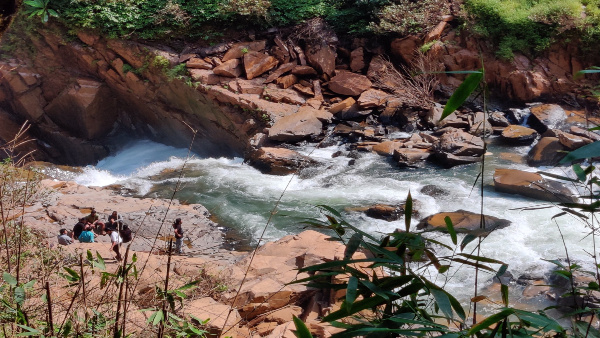
Our final destination is the captivating Burude Falls, located near Siddapur in Madikeri. This waterfall is a hidden treasure, relatively unexplored by tourists, making it a perfect retreat for those seeking tranquility. The falls cascade down a rocky terrain, forming a series of smaller falls, and ultimately converge into a larger pool. The surrounding lush greenery and the serene atmosphere make it an ideal spot for nature lovers and photographers. The untouched beauty of Burude Falls is sure to leave an indelible mark on your memory. Madikeri is a paradise for waterfall enthusiasts, offering an array of breathtaking cascades surrounded by stunning natural landscapes. Abbey Falls, Iruppu Falls, Chelavara Falls, Mallalli Falls, and Burude Falls each possess their unique allure, captivating visitors with their splendor. From the gushing waters to the mist-covered hills, these waterfalls provide a rejuvenating escape from the bustle of city life. So, embark on this enchanting journey, immerse yourself in the mesmerizing beauty of Madikeri’s waterfalls, and create memories that will last a lifetime.

source: http://www.nativeplanet.com / Native Planet / Home> Travel Guide / by Navya Sona / June 23rd, 2023


Governor Launches Kodagu University’s New Website

Kushalnagar:

Governor Thaawarchand Gehlot, who is the Chancellor of all Government Universities in the State, launched the new website of Kodagu University, which has been designed by Kodagu University and Karnataka Government e-Administration Centre. The new website was launched at Raj Bhavan in Bengaluru on May 25.

Earlier, Kodagu University Vice-Chancellor (VC) Dr. Ashok Sangappa Alur greeted the Governor with a flower bouquet and the Governor wished for the overall development of the University.

Special Secretary to the Governor, Personal Secretary, Additional Deputy Commissioner (ADC), Special Officers, representatives of e-Administration Centre and others were present.

Meanwhile, Professors, Lecturers, administrative staff, research students and Post-Graduation students watched the launching of the new website through internet.

Any information pertaining to admission at Kodagu University can be obtained by logging on to kuk.karnataka.gov.in

source: http://www.starofmysore.com / Star of Mysore / Home> News / May 28th, 2023

Karnataka government suspends DCF over illegal felling of trees

The Karnataka government on June 21 issued orders to suspend  Chakrapani Y,  Deputy Conservator of Forests (DCF), Bengaluru Urban division, until further orders.

Bengaluru : 

The Karnataka government on June 21 issued orders to suspend  Chakrapani Y,  Deputy Conservator of Forests (DCF), Bengaluru Urban division, until further orders.

Chakrapani was earlier working as DCF, Virajpet division. Conservationists, activists and experts questioned the State Government’s decision to appoint him despite the allegations against him.

The orders have been issued citing the case of illegal felling of trees in Survey Nos. 76/35 and 76/1, Kutta village, Virajpet taluk. The PPCF, vigilance, in a letter dated February 4, 2023, had stated that after a detailed investigation, the officer was said to be involved in the case and in the guise of planting teak trees, the property owner had axed the trees. 

It was also pointed that the signatures were forged of the land owner for 66 fully-grown mature trees in adjacent encroached government land located 10m from Nagarhole Tiger Reserve and Wayanad Wildlife Sanctuary in Kerala. In the order, it has also been pointed that the government seal and signatures were also forged. Knowing all this, the DCF is said to have given transportation permission, it said. 

source: http://www.newindianexpress.com / The New Indian Express / Home> States> Karnataka / by Express News Service / June 23rd, 2023

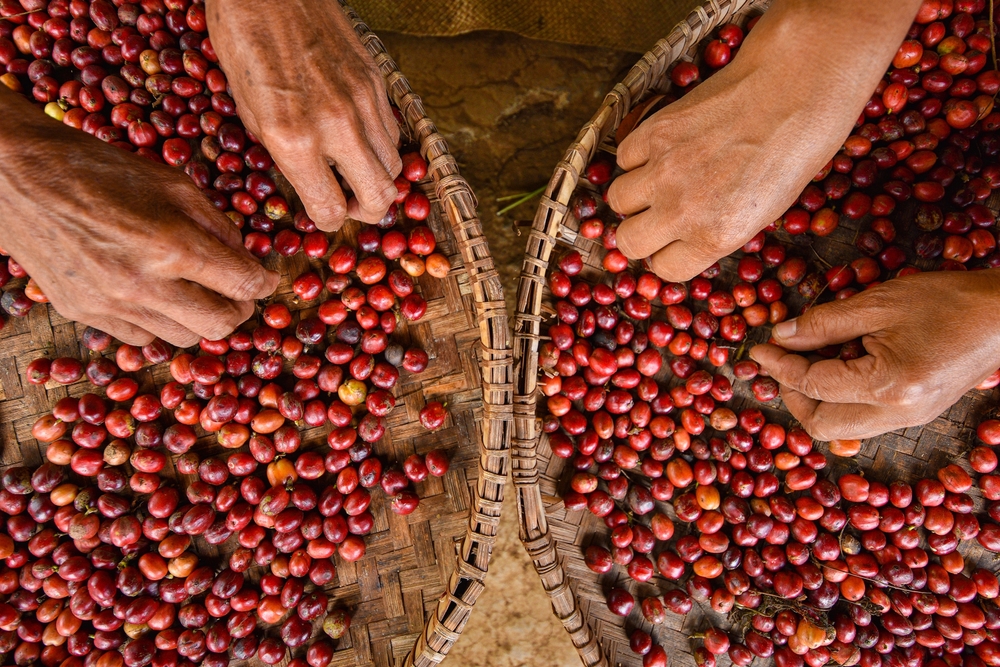
How Climate Change Is Brewing Trouble For India’s Coffee Industry

India’s coffee growth is being affected by unpredictable weather patterns, including insufficient rainfall, temperature fluctuations, drought, and heavy flooding.

While Baba Budan, the Sufi monk, planted the smuggled seven coffee beans in the bountiful hills of Chikmagalur, little did he know that India, one day, would be the 6th largest coffee producer, with Karnataka contributing 71 per cent of coffee production to the world. Though the coffee culture has evolved through the years, and there has been a significant boom globally for coffee, the threat for your morning cup is real and is right there knocking on the doors–climate change!

Unpredictable weather patterns are affecting most parts of the world, including India. The country grows a lot of Robusta and Arabica, and both these varieties suffer prolonged periods of inadequate rainfall, temperature rise, drought and heavy flooding.

The Case With Arabica And Robusta
Samia Subhani, a fourth-generation coffee planter and the founder of “The Kaimara Belt Coffee,” sounded distressed. Her family has been into coffee growing and trading for over 150 years, and their estate in the Baba Budangiri hills grows Arabica, the most demanding variety. Subhani’s estate has 50-80 farmers working on the plantation daily, all dependent entirely on coffee farming. But with the ongoing effects of climate change, coffee is going through a difficult phase putting all their lives at risk.

Arabica is the most demanding variety of coffee when it comes to cultivation. Photo Credit: Shutterstock

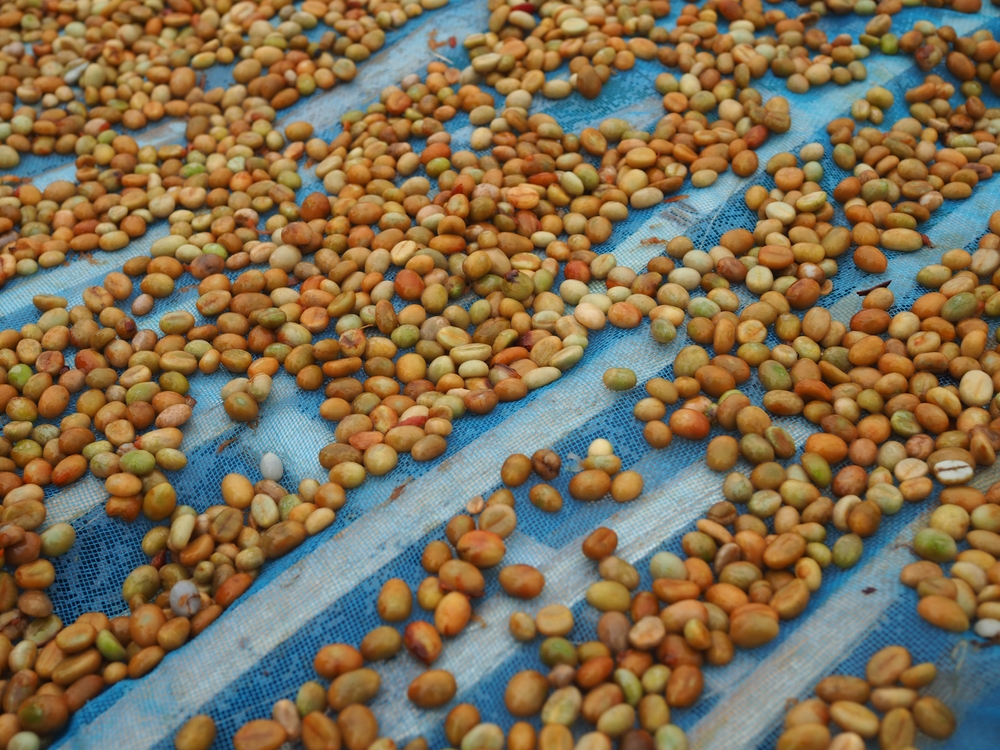
“Climate change causes leaf shedding, reduced coffee plant productivity, and increased vulnerability to pests. Extreme cold delays plant flowering and lowers berry quality. Heavy rains at irregular times cause cherries to burst and drop prematurely. Continuous heavy rains before harvest prevent drying, leading to crop spoilage,” Subhani explained.

But like they say, every solution has a problem. Subhani mentioned that we must dig deeper into our pockets and follow some mitigation measures to maintain the yield and deliver quality coffee to patrons. “So, we provide artificial rains during droughts, maintain proper irrigation in the system, avoid using harmful pesticides to control soil erosion and use only soil-friendly organic fertilisers.”

While this is the situation in an Arabica coffee plantation at Chikmagalur, Coorg, popularly known as the “Scotland of India,” is known to grow more of Robusta.

“Climate change is certain to impact coffee yields due to temperature changes. Coorg is experiencing water scarcity, affecting coffee production. Coffee plants require water, nutrients, rainfall, and sunshine for healthy growth and harvest. Fluctuations in yield have increased, with lower yields in recent years. Delayed monsoons in Coorg will further reduce usable berry production,” said Shruti Shibulal, CEO and Director of Tamara Leisure Experiences.

Though these climatic impacts are less friendly to coffee crops, Shibulal believes they have the advantage of scientific studies to inform how we can prepare for this impending change. Collaboration and knowledge sharing between those with high knowledge of the crop and those with research-driven and technological expertise is vital to assess, test and implement viable solutions.

Robusta is grown extensively in Coorg. Photo Credit: Shutterstock

“The Tamara Coorg is a 100 per cent organic plantation. Therefore, our irrigation is entirely dependent on rainfall. Rainwater harvesting tanks here facilitate the annual reuse of 90 lakh litres of rainwater. These reserves do marginally help us contend with unpredictable weather patterns. However, the coffee trees depend on rain and sunshine in balanced intervals to yield the greatest number of healthy berries,” she added.

According to Shibulal, instead of using measures like industrial fans or increased labour to speed up the drying process of coffee berries, they focus on protecting and nourishing their coffee trees using organic fertilisers and natural supplements. They also prioritise sustainable practices like reusing rainwater for irrigation and actively monitoring soil health. She further emphasised the importance of maintaining a tree canopy structure, which creates a favourable micro-climate for coffee plants and supports biodiversity.

“I would turn my support to local and regional producers or individual plantations (whenever possible). Smaller establishments will face greater challenges during times such as these. As consumers, we must lend our loyalty to those actively pursuing practices that combat climate change in the long run,” Shibulal concluded.

Climate Change Affecting Coffee Planters All Over
Tapaswini Purnesh, a fifth generation coffee planter and Director–Marketing & Promotions of Classic Coffee, mentioned that other coffee planters, including the Harley Estate at Sakleshpur in Karnataka, are also battling climate change.

“The worst scenario is the last 4 to 5 years, where we have been experiencing heavy rains during harvest season, i.e., November to February, which normally is a complete dry spell. India is unique to the sun drying of coffee. However, due to unseasonal rains during harvest, plantations are now installing mechanical dryers to avoid quality deterioration,” Purnesh said.

She also stated that coffee production is highly labour-dependent. In the long run, finding labour may become increasingly challenging, an evident trend. As the cost of implementing adaptive measures rises and the arduousness of growing quality coffee amidst climatic pressures is considered, customers must acknowledge that good coffee comes with a price tag. “The coffee growers will be motivated to enhance and refine their coffee cultivation practices if they receive adequate remuneration from the price realisation.”

Meanwhile, the latest estimates warn that climate change may mean that as much as half of the land used for coffee production worldwide may no longer be suitable for it by the middle of the century if global warming continues at this rate. So, as all these coffee planters suggest, every citizen must be more responsible towards our environment, travel responsibly, and follow more sustainable practices to save our environment and the most loved, coffee.

source: http://www.outlookindia.com / Outlook Traveller / Home> Explore> Story / by Deepa Shri Rajan / June 25th, 2023

Permit euthanasia: Kodagu flood victim asks President’s aid to build house

Shantha, 66, a resident of Kodagu district who lost her house in the 2019 floods, has written to President Droupadi Murmu seeking her permission for euthanasia.

Shantha had lost her home in the 2019 Kodagu floods

Madikeri : 

Shantha, 66, a resident of Kodagu district who lost her house in the 2019 floods, has written to President Droupadi Murmu seeking her permission for euthanasia.

“Either help me build a house (she urged the government) or give me permission to kill myself,” Shantha wrote to the President highlighting the failure of the district administration and the authorities concerned in granting her a house. Shantha’s village of Nellihudikeri was one among the several hamlets in Kodagu that was flooded in 2019.

At present, Shantha, a widow, stays with her son in a rented house and works as a domestic help. In the aftermath of the floods, Shantha took shelter in a nearby relief centre. “The then CM BS Yeddiyurappa and other ministers promised us of building new houses. The government also assured us of paying our rents till the houses were ready.  However, none of this happened,” she wrote in the letter. 

source: http://www.newindianexpress.com / The New Indian Express / Home> States> Karnataka / by Express News Service / June 26th, 2023

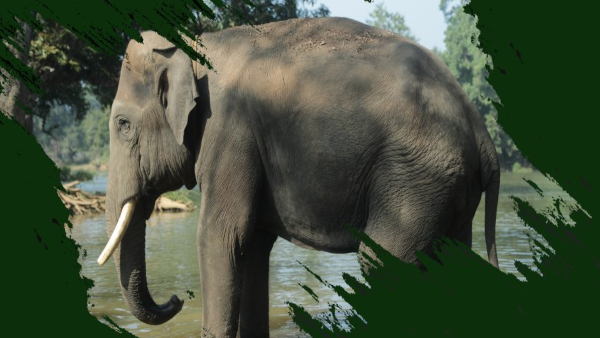
The majestic Elephant of Dubare elephant camps. What makes them so special?

Dubare Elephant Camps, nestled amidst the picturesque beauty of Karnataka. It offers an unforgettable experience for wildlife enthusiasts and nature lovers. Located on the banks of the River Cauvery, this unique destination provides an opportunity to interact with elephants in a responsible and sustainable manner. In this comprehensive travel guide, we will explore the fascinating world of Dubare Elephant Camps, providing insights into the camp’s history, activities, wildlife encounters, accommodations, nearby attractions, and essential travel tips. Let’s embark on this remarkable journey into the heart of the elephant kingdom.

History and Background

Dubare Elephant Camps have a rich history rooted in the tradition of the mahouts (elephant trainers) who once served the Maharajas of Mysore. Initially, it served as a training ground for elephants used in the royal processions and other important functions. Over time, it transformed into a conservation and eco-tourism destination, where visitors can learn about the gentle giants and contribute to their well-being.

Getting There

Dubare Elephant Camps are located approximately 240 kilometers from Bangalore, the capital city of Karnataka. The nearest airport is the Kempegowda International Airport in Bangalore, while the nearest railway station is Mysore Junction. From there, one can hire a private taxi or take a bus to reach the camps.

Activities at Dubare Elephant Camps

a. Elephant Interactions:

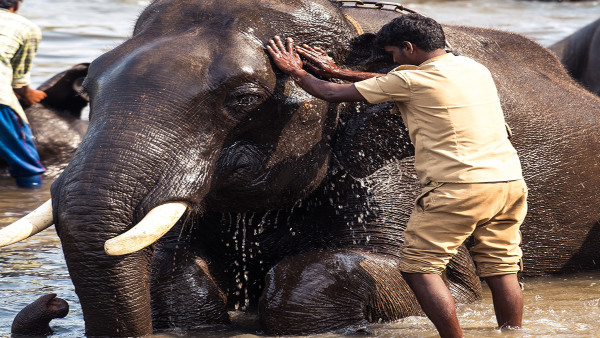
The highlight of the camp is the opportunity to interact with elephants. Visitors can learn about their behavior, feed them, participate in bathing sessions, and even take part in the elephant grooming process.

b. River Rafting:

The camp offers thrilling river rafting experiences on the River Cauvery, allowing visitors to soak in the breathtaking views of the surrounding forests.

c. Nature Walks and Bird Watching:

Explore the lush green surroundings on guided nature walks, spotting diverse bird species and learning about the local flora and fauna.

d. Fishing:

Engage in a calming fishing experience in the river, trying your luck at catching the elusive Mahseer fish.

e. Coracle Rides:

Hop onto a traditional coracle boat and glide through the gentle waters of the River Cauvery, enjoying the tranquility and scenic beauty.

Wildlife Encounters

Apart from elephants, Dubare is home to a wide variety of wildlife species. Visitors have the chance to spot animals such as deer, gaur (Indian bison), wild boars, and various reptiles. Lucky guests may even catch a glimpse of the elusive leopard or tiger. The forest also boasts a vibrant birdlife, with species like Malabar pied hornbill, Indian roller, and white-bellied treepie making it a bird watcher’s paradise.

Accommodations

Dubare Elephant Camps provide various options for accommodation, ranging from tented cottages to eco-friendly lodges. The camps offer basic amenities while maintaining a close connection to nature. Visitors can enjoy a comfortable stay surrounded by the serene beauty of the forest.

Nearby Attractions

a. Namdroling Monastery: Situated in Bylakuppe, the largest Tibetan settlement in India, the Namdroling Monastery is home to thousands of monks and houses stunning Tibetan architecture.

b. Cauvery Nisargadhama: A scenic island formed by the River Cauvery, Nisargadhama offers lush greenery, bamboo groves, and a deer park, making it an ideal picnic spot.

c. Nagarhole National Park: Located nearby, this national park is a tiger reserve and a haven for various wildlife species. Visitors can embark on a thrilling safari to witness the incredible biodiversity of the region.

Best Time to Visit

The ideal time to visit Dubare Elephant Camps is from October to March when the weather is pleasant. During this period, one can enjoy outdoor activities without being hindered by the monsoon rains.

Essential Travel Tips

a. Carry comfortable clothing, walking shoes, and insect repellents.

b. Respect the animals and follow the guidelines provided by the camp authorities for the safety of both visitors and elephants.

c. Plan your visit in advance and make necessary reservations, especially during peak seasons.

d. Avoid littering and maintain cleanliness within the camp and its surroundings.

Dubare Elephant Camps offer an incredible opportunity to connect with nature, immerse in wildlife encounters, and understand the significance of elephant conservation. From thrilling activities to serene moments amidst the wilderness, this destination promises a memorable experience. By responsibly exploring the Dubare Elephant Camps, visitors can contribute to the conservation efforts and create lasting memories of their wildlife adventure in Karnataka, India.

source: http://www.nativeplanet.com / Native Planet / Home> Travel Guide / by Navya Sona /June 24th, 2023

Meet The Custodian Of Kodava Food: Kaveri Ponnapa

With Indian cuisine in focus both globally and locally, there has never been a better time to chronicle Indian culinary culture in all its diversity. Rushina Munshaw Ghildiyal, herself the custodian of Uttarakhandi food, showcases 16 other women who are each committed to keeping their own culinary heritage alive. These are some of India’s most passionate culinary custodians, who are driving conversations around and exploration of regional, micro regional and community cuisines through media, books, TV, home delivery menus from their own home kitchens, and pop-ups at restaurants.

Kaveri Ponnapa 

Kodava Food
Kaveri Ponnapa is a Bengaluru-based independent writer on gastronomy and heritage, who is thought of as synonymous with Kodava culture and cuisine.

Avare Curry

Why We Think Kaveri Is A Culinary Custodian
While researching her first book The Vanishing Kodavas, Kaveri spent a significant amount of time in the villages of Kodagu (Coorg), connected with the local people, and got a first-hand experience of their lifestyle, which is still connected with the land. The Vanishing Kodavas is acclaimed as a cultural study of the Kodava people based on 15 years of fieldwork documenting their history, customs, worship and cultural practices. Kaveri’s writings on these subjects have been published in leading national and global publications. Her website The Vanishing Kodavas, blog The Coorg Table and its Facebook page continue to be unique rich resources for information and authentic recipes and are followed by audiences from across India and the globe including the Kodava diaspora, as well as people fascinated by the unique cuisine of this small community. Her current project, based on her observations of how a cuisine is born out of a particular landscape, culture and history, is a book documenting the culinary culture of the Kodava community from an anthropological and cultural perspective, enriched with information on local ingredients, practices and recipes including many that are no longer eaten or being forgotten. Kaveri has curated successful Kodava food festivals with ITC Windsor, been consultant to the Leela Palace and Taj MG Road Bengaluru on Kodava cuisine, and continues to train chefs and speak about the cuisine at hospitality institutions such as The Oberoi Centre for Learning and Development, Delhi.

Bale Nuruk

What We’ve Learned About Kodava Cuisine Through Kaveri
– Kachampuli is a souring and thickening agent indispensable to Kodava cuisine. Every kitchen will have a bottle or three of this dark, tart vinegar – made for centuries from the ripe fruits of the Garcinia gummi gutta tree, indigenous to Kodagu – stored away. It is a signature flavour in all the classic Coorg dishes.


– Rice is central to Coorg cuisine and used in many forms. Tari is washed, dried and hand-pounded rice that breaks down roughly into three to four bits and is used to make all the Coorg puttusAkki podi is finely-powdered rice, used to make rice rotis and batters for some fried sweets.
– 

Kartha masala, or black masala, is a signature spice blend made of slowly dry roasted, ground spices that lends a characteristic flavour to many classic recipes. The basic ingredients of cumin, mustard seeds, black peppercorns and fenugreek seeds are roasted slowly to a coffee-brown colour, powdered and used in curries. A few other spices might be used too, depending on the recipe.

Access Kaveri’s Wealth Of Knowledge
Website: kaveriponnapa.com/category/the-coorg-table/; thevanishingkodavas.com
Facebook: The Coorg Table, Kaveri Ponnapa
Instagram: @kaverikamb
Twitter: KaveriPonnapa

Images: Kaveri Ponnapa

source: http://www.femina.in / Femina.in / Home> Trending> Achievers / by Femina Food / July 22nd, 2023

Asian Games the end goal for Joshna

After beating Asia No. 1 Satomi Watanabe in the recent World Cup in Chennai, India’s top squash player is feeling like herself again.

Joshna Chinappa in action.(PTI)

Competing in the relaunched Squash World Cup amid thousands of onlookers at the Express Avenue mall in her home city of Chennai, Joshna Chinappa was reminded of “what we train and live for”. In beating world No. 18 Satomi Watanabe of Japan, 12 years younger and 54 spots higher than Chinappa, after a year wrecked by health issues, the 36-year-old was also reminded of the level she was still capable of summoning.

source: http://www.hindustantimes.com / Hindustan Times / Home> Sports> Others / by Ruthik Mehta, Mumbai / June 23rd, 2023

Launch of 05th edition of Doctors Directory

Launch of 5th edition of Doctors Directory (Mysuru, Mandya, Coorg & Chamarajanagar).

Mysuru-Kodagu MP Pratap Simha chief guest, Mysuru City Police Commissioner Ramesh Banoth and Mysuru DHO Dr. K.H. Prasad guests of honour, Suyog Hospital Chairman Dr. S.P. Yoganna presides, Hotel Dasaprakash Paradise, Yadavagiri, 6 pm.

source: http://www.starofmysore.com / Star of Mysore / Home> News / June 21st, 2023

Kodagu Athlete Breaks National Record; Qualifies For Asiad

Theetharamada Sinchal Kaveramma shattered the national record in the 400-metre hurdle and met the qualifying mark for the Asiad (Asian Games), during the 62nd Inter-State Athletics Championships in Odisha.

Notably, she broke the national record, crossing the finish line in a thrilling photo-finish with a time of 56.76 seconds, surpassing the previous record of 57.02 seconds. This remarkable achievement also stands as Sinchal’s personal best time. She clinched the silver medal in the 400-metre hurdles event and a bronze medal in mixed relay.

The recently concluded National Inter-State Senior Athletics Championships, held at the Kalinga Stadium at Bhubaneswar, Odisha, served as a selection trial for both the delayed Asian Games in Hangzhou, scheduled for September, and the upcoming World Championships in Hungary.

Numerous top-tier athletes travelled to Bhubaneswar with the aim of securing their spots in the Asian Games later this year. Sinchal is among the 65 athletes representing 27 disciplines who persevered through scorching heatwaves to meet the Asiad qualification standard.

Sinchal receives training from Bollanda Vikram Aiyappa and Pramila Aiyappa in Bengaluru. Speaking to Star of Mysore, she attributed her record-breaking performance to her coaches and family, expressing her full dedication to them.

Sinchal has already commenced her preparations for the main Asian Games, scheduled to take place from Sept. 15 in Bangkok.

Sinchal is the daughter of Theetharamada M. Ravi and Rashmi (Kuppanda), residents of Nalloor village near Ponnampet. Her grandparents are Theetharamada Mudappa and Chondamma of Nalloor, as well as Kuppanda C. Thimmaiah and Muthakki of Nalvathoklu.

Sinchal completed her primary education at Lions Primary School in Gonikoppa and attended high school at Alvas English Medium High School in Moodbidri. She pursued her pre-university course at Alvas PU College and is currently in her final year of B.Com studies at Bishop Cotton Women’s Christian College in Bengaluru.

source: http://www.starofmysore.com / Star of Mysore / Home> Sports /June 21st, 202