Arshiya Bose, the founder of this Bengaluru-based “activist company”, traces its genesis, journey and what this award could mean for the smallholder coffee farmers in the country.
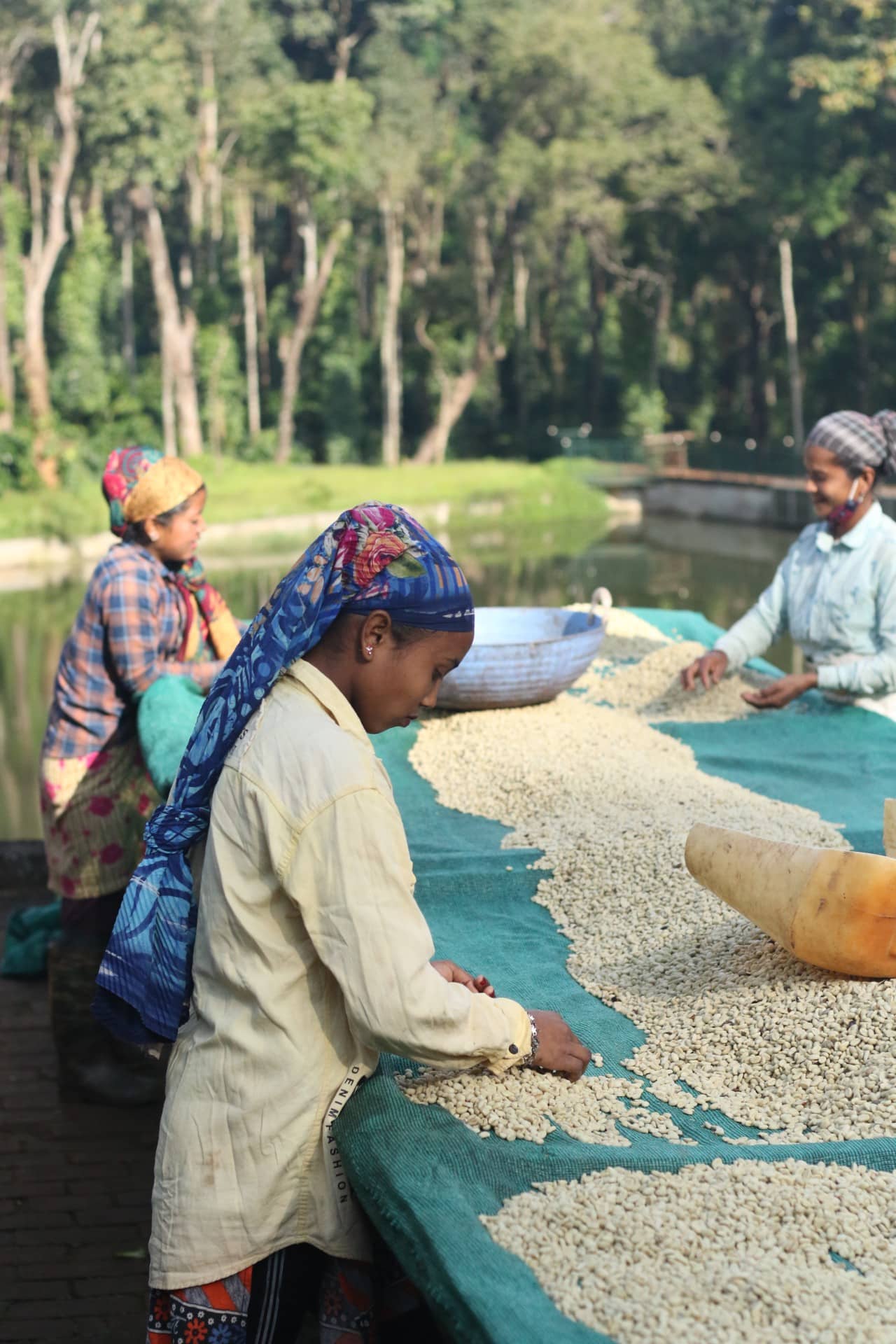
Coffee being dried in a remote hamlet | Photo Credit: Special Arrangement
Arshiya Bose feels that a conversation she had in Coorg, back in 2011, when she was pursuing her PhD at Cambridge, was a “pivotal moment” in her journey towards creating Black Baza Coffee. During her fieldwork to understand the impact of global sustainability certifications on farmers, she met the mother of a local grower from India’s coffee cup. “She asked me if I was going to do anything useful after my PhD,” recalls Arshiya, who soon recognised that while it was wonderful to be so deeply immersed in an academic project, “it can be selfish if that was where it stayed.”
This comment made her realise that much could be done to make coffee cultivation more sustainable — something that is increasingly becoming an important aspect of the industry’s long-term viability, considering both the environmental impact of conventional coffee farming and the fact that the bean is particularly vulnerable to climate change. In 2014, after completing her PhD, she returned to India, going on to start Black Baza two years later, naming the brand after a small, migratory raptor with “its own kind of cult following amongst birders, because it displays such interesting behaviours”.
The beginnings were small: 100 kilograms of coffee bought from four different farms. “Now, of course, that number has grown multifold, and we now work with around 650 farms (mainly in Palani, Wayanad and BR Hills),” says Arshiya of the Bengaluru-headquartered “activist company,” which has just won the Speciality Coffee Association (SCA) 2025 Sustainability Awards in the ‘For Profit’ category. This annual award, by the world’s largest global coffee trade association, recognises “excellence in product innovation, design, and sustainability across the industry” with the winners (Fairtrade International won the ‘Nonprofit’ category) being formally recognised for their achievement at Speciality Coffee Expo in Houston in April.
A selection of Black Baza’s coffees | Photo Credit: Special Arrangement
Standards for sustainability
Admittedly, the word ’sustainable’ is a multifaceted, somewhat indefinable concept, with every organisation, brand, company, Government or country understanding the much-used term differently. “Therefore, we had to almost set our own standards for how we wanted to do things,” says Arshiya.
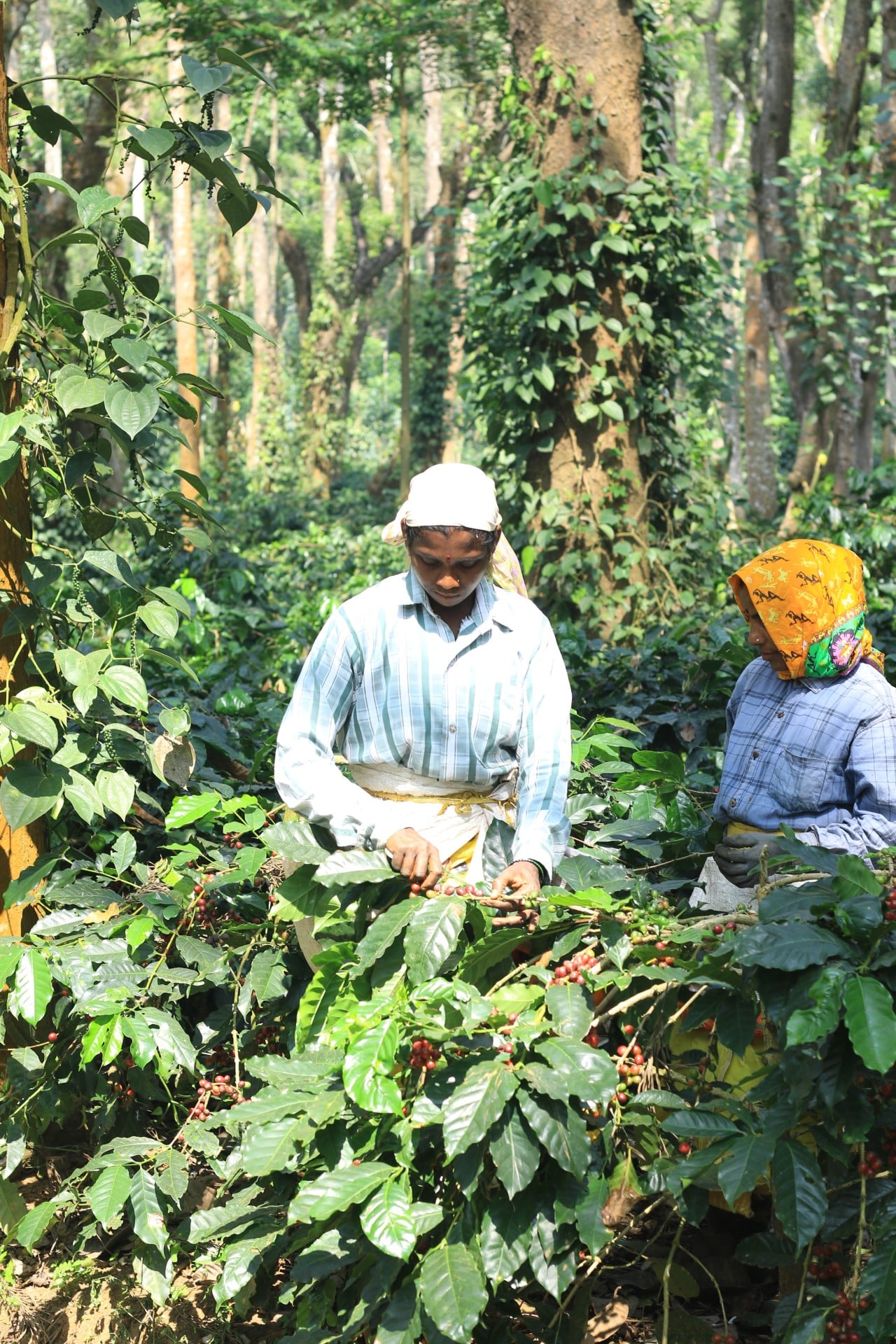
Black Baza only works with smallholder farmers who have already been growing organic coffee and are committed to maintaining and improving the native forest cover on their farms. “The average landholding on where we work is half-to-one-acre parcels of land in very remote parts of the country, with many belonging to tribal communities… people who’ve been historically marginalised and are vulnerable,” says Arshiya, who has a background in community-led conservation. She adds that Black Baza also helps farmers with the post-harvest process, working very closely on building capacity to produce better quality, speciality coffee, both arabica and robusta.
A coffee training programme being conducted | Photo Credit: Special Arrangement
According to her, considerable care was taken to bring in a system of fair, transparent pricing, placing a premium on the coffee’s quality and the farming practices followed, including the attention paid to preserving the local biodiversity. Making coffee farms friendly to local flora and fauna, she says, is an especially crucial mandate of Black Baza since most coffee-growing areas are in places that are also rich in biodiversity. “That is true across South and Central America, parts of Kenya, Uganda, Indonesia, Malaysia, Thailand, Laos, Vietnam, and the Indian Western Ghats too,” she says.
Keeping with this focus on biodiversity, the names of all of Black Baza’s coffees, which are sold in compostable and degradable packaging, are inspired by various indicator species: organisms whose presence or absence offer insights into overall ecosystem health. Think potter wasps, lion-tailed macaques, otters, Indian moon moths, or the Malabar whistling thrush, “species symbolic of the kind of farming practices we like,” she says.
One of Black Baza’s partners with her produce | Photo Credit: Special Arrangement
The coffee conundrum
The popular belief is that coffee came to India in the 17th Century surreptitiously, smuggled from Yemen by the Sufi saint Baba Budan. “It is a sweet story, but that is not really how coffee became a full-fledged plantation industry. It was a colonial project,” says Arshiya, who, as part of her PhD work, spent a lot of her time in the British Library looking at archives to understand how coffee spread in India. “We know that it was the British East India Company that set up an experimental plot in Thalassery, Kerala, and expanded coffee across India from there.”
This expansion, however, came at a considerable ecological cost, with the British clearing vast hills to grow this coffee, later replanting the land with exotic species like silver oak, once they realised that coffee grew better in shade. “And when they left, they handed over their plantations to their favourite people. And that is where this land inequality came about,” she says. While coffee continues to be grown in large plantations, many coffee farmers cultivate coffee on very small tracts of land, making them especially vulnerable to the vagaries of Nature, including climate change, since coffee is especially susceptible to rising temperatures and rainfall pattern fluctuations. “Smallholder farmers are always more vulnerable in the face of any kind of natural disaster, and that is true of coffee as well,” she says.
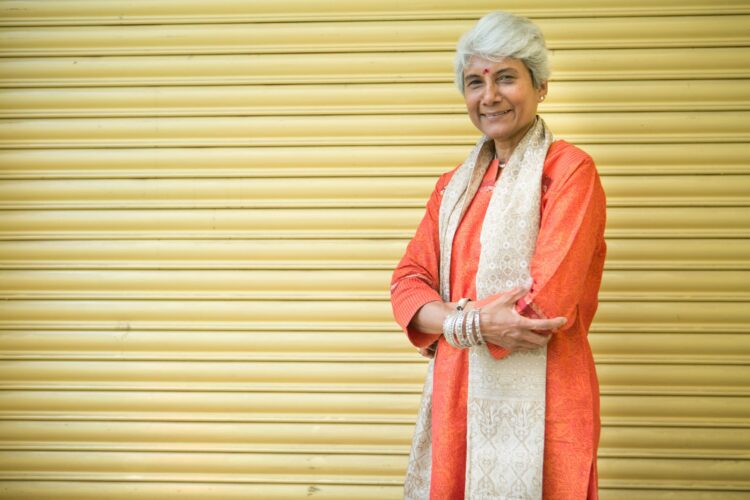
Arshiya Bose | Photo Credit: Special Arrangement
Working with more farmers, therefore, is high on the list of Black Baza’s priorities, and Arshiya hopes that the recent SCA recognition can help them achieve this goal. “One of the ways we think of doing this is to develop a green coffee programme, and I think something like SCA enables us to now try to look for partners overseas,” she says, adding that getting into coffee exports would allow them to work with even more farmers. “We have also started expanding beyond coffee into other products that our farmers grow, including cardamom and pepper, and hope to open a couple of cafés soon, as well.”
For many of us, coffee is the fuel behind our mornings, meetings, or late-night study sessions. But behind every cup is a harsh reality: coffee farming is often unsustainable. It’s estimated that, for every cup we sip, about one square inch of rainforest is destroyed .
So, what’s a coffee lover to do?
The good news is there are coffee brands out there that are pioneering sustainability — Canadian brands like Forest Bean .
Forest Bean offers true forest-grown coffee, cultivated at high elevations and nurtured by biodiversity. Crafted purposefully, it’s perfect for coffee fans, roasters, and cafes seeking naturally grown, premium-quality beans. Ethically sourced from micro-lot farms in India, locally roasted Forest Bean inspires a deeper connection to nature and craft.
We spoke to Dr. Pete Poovanna , founder and executive director of Forest Bean Coffee, to find out what makes their beans stand out from the crowd.
Rooted in India, Roasted in Canada
Forest Bean
Forest Bean’s farms are located on the hilly forested heartland of the Indian Western Ghats, a UNESCO World Heritage site.
The company was founded by Dr. Poovanna after he moved to Vancouver in 2013 for PhD in sustainable energy engineering, and was struck by Canada’s coffee culture and how our love for it was affecting the environment.
Born and raised in Coorg located in the heart of the Western Ghats himself, he was influenced by his parents’ land management as sixth-generation coffee farmers, and his community’s spiritually-rooted practices called “sacred grove farming.”
source: youtube.com
Determined to make a difference, he launched Forest Bean Inc. to bring sustainably grown Indian coffee to coffee connoisseurs around the world.
The farm
Forest Bean
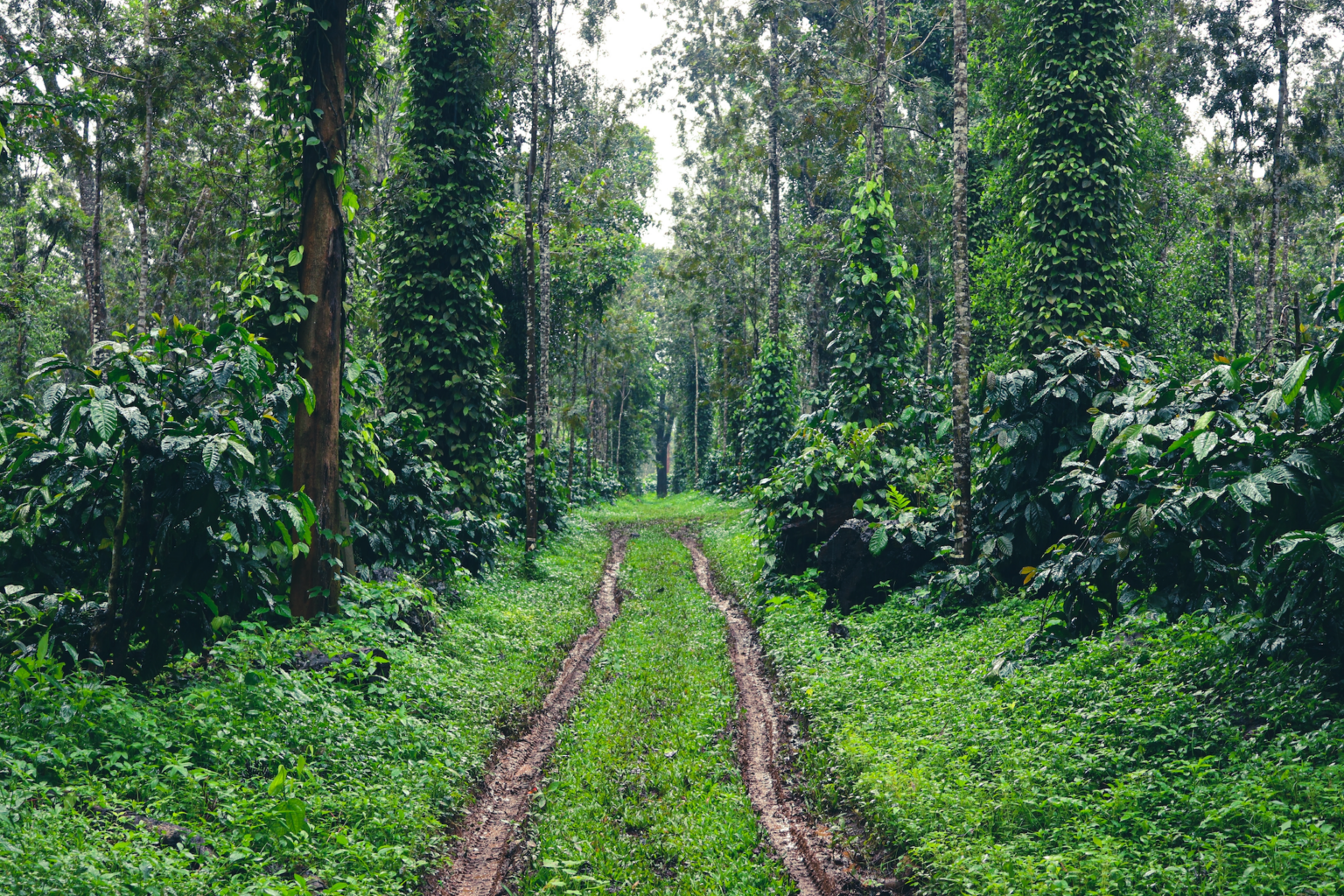
At Forest Bean’s farms, coffee beans are grown naturally under two-tiered shade on micro-lots with the utmost emphasis on sustainability.
“Sacred grove farming utilizes traditional agroforestry methods, meaning our coffee plants thrive under natural forest shade alongside native flora and fauna,” Dr. Poovanna explains.
We believe protecting the farm by not felling trees or harming wildlife, the reigning deity will protect us in return, and the farmers will prosper. This approach enriches soil naturally, conserves water, and protects the rainforest ecosystem.”
Forest Bean
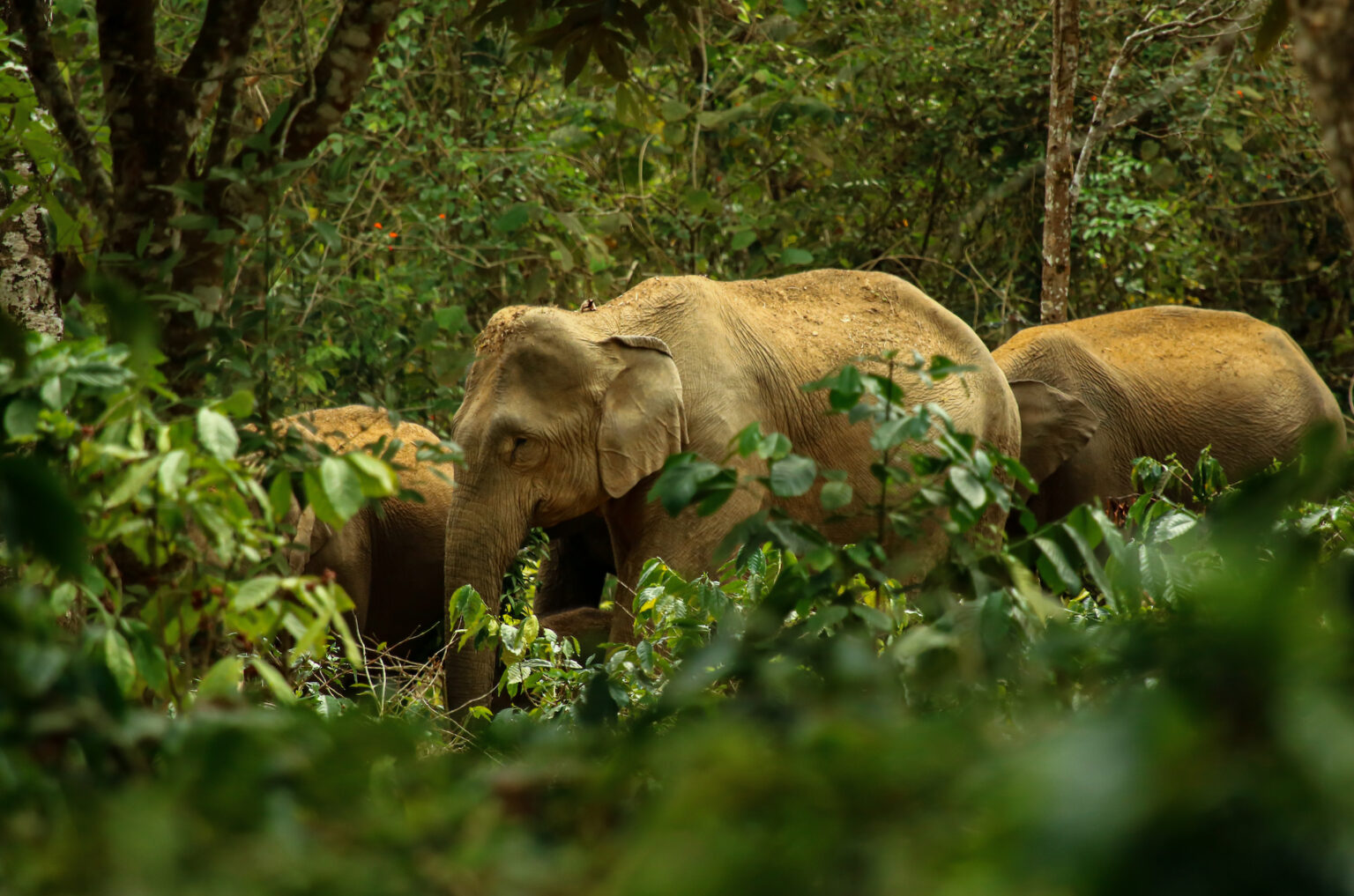
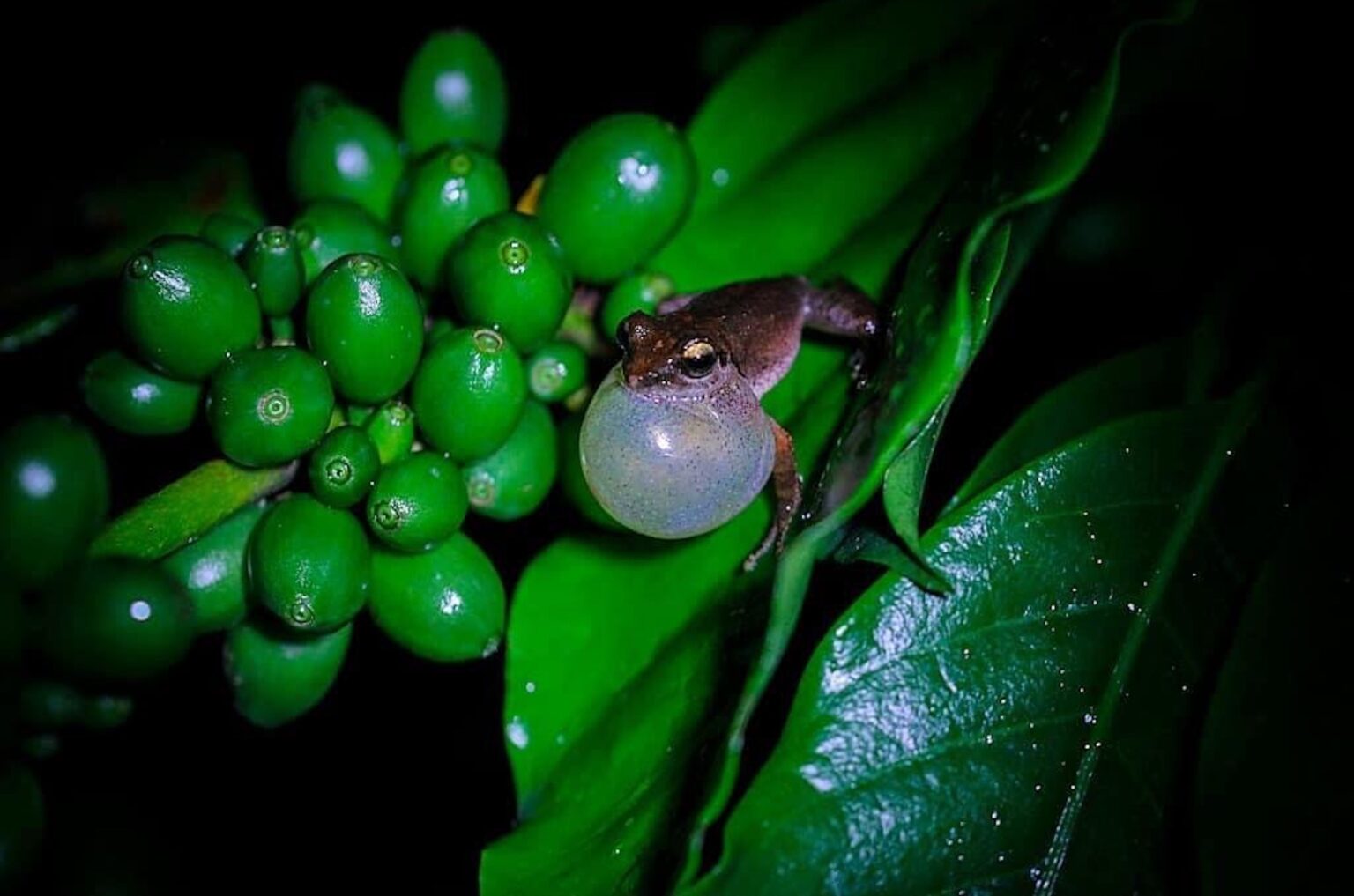
The farms produce some of the highest quality coffee while providing a natural habitat for a multitude of animals — birds, bugs, wild cats, apes, elephants, and more thrive alongside coffee plants.
Amid widespread greenwashing, Dr. Poovanna emphasizes that true sustainability in coffee production needs to address the entire lifecycle, farming practices included. He explains that only focusing on clean packaging or green transportation ignores the industry’s larger environmental impacts like deforestation and carbon loss during cultivation — something he says actually undermines genuine sustainability efforts.
Time-honoured traditions
Forest Bean
The Forest Bean coffee farmers, who belong to the ancient Kodava and Adivasi communities, employ traditional farming practices. Each bean is handpicked.
“Indian farming traditions are rooted in generations of Indigenous knowledge that prioritize sustainable coexistence with nature. By supporting and collaborating with Indigenous farmers, Forest Bean preserves these time-tested agricultural practices, ensuring cultural sustainability and economic empowerment.”
Forest Bean
The presence of Totem Figurines on our farms shows the deep cultural significance of the coffee forest and surrounding wilderness. Totem Figurines have been scattered throughout the farm for centuries.
Roasted locally in Vancouver
Forest Bean
Forest Bean coffee beans are roasted right here in Vancouver. Due to its unique growing methods, it offers distinct, vibrant flavours. Expect balanced acidity, smooth sweetness, nuanced notes of chocolate, nuts, berries, spices, and a uniquely rich, aromatic complexity.
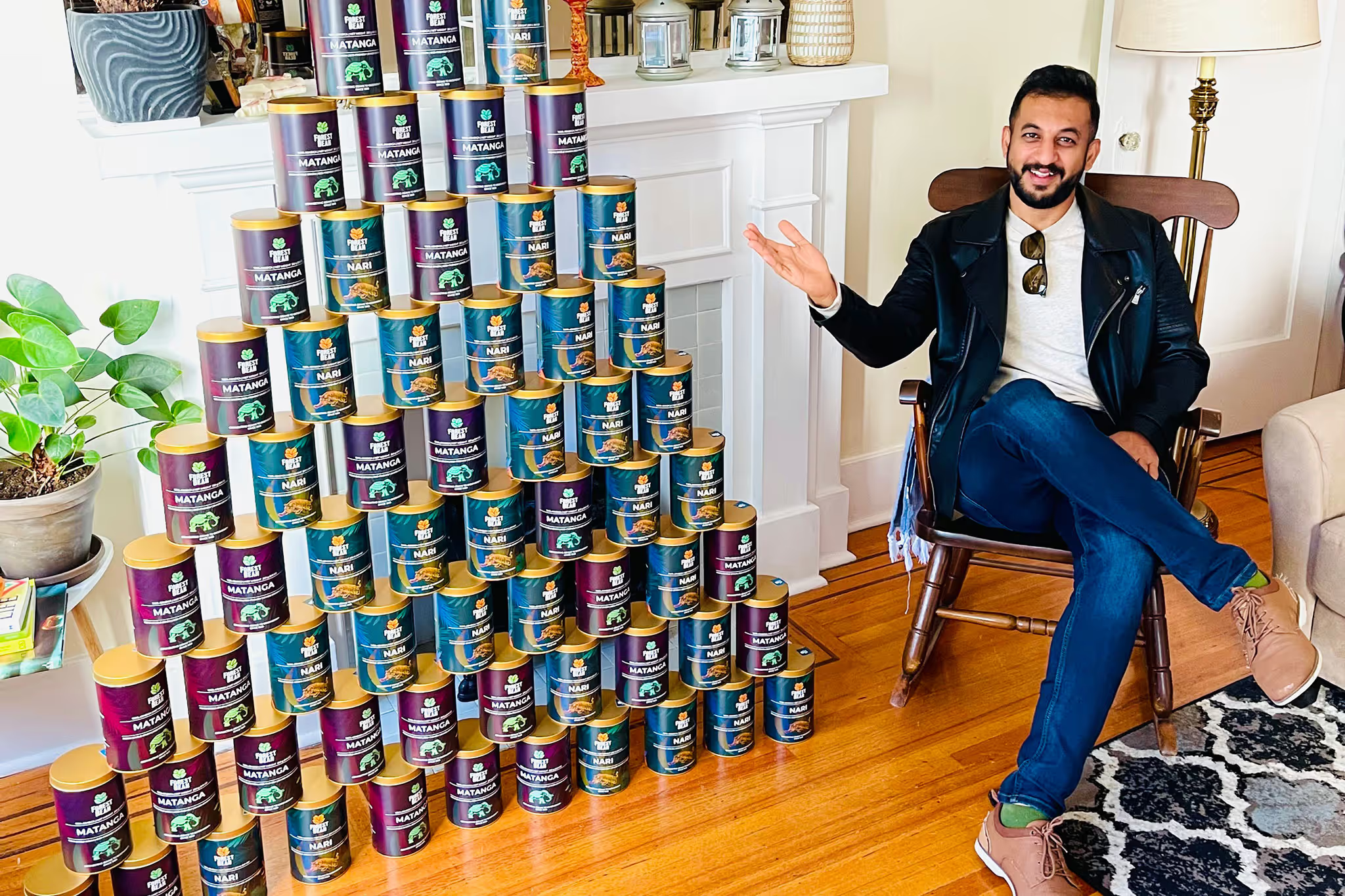
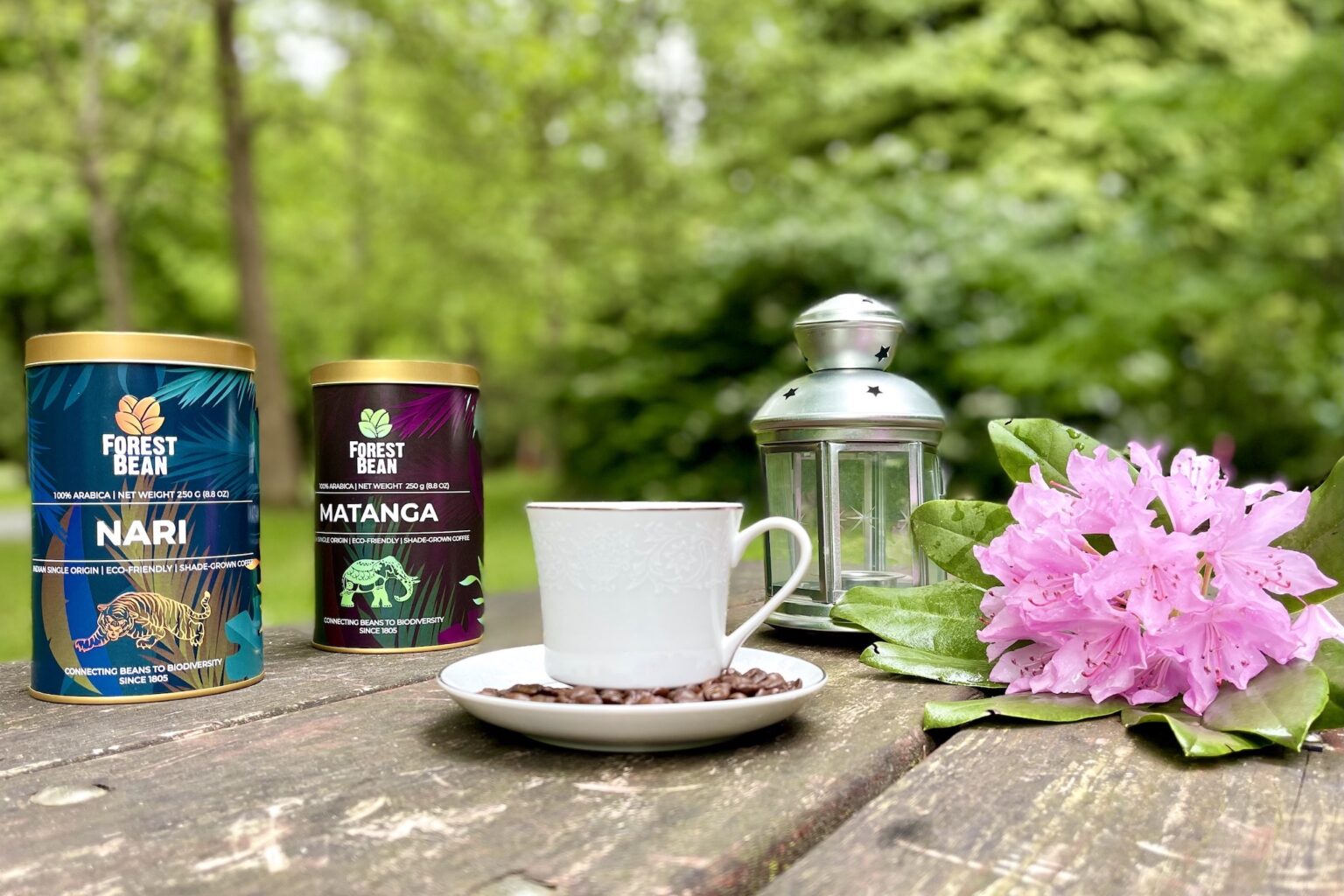
“Our Bababudangiri single-origin Arabica, washed-process micro-lot, is very popular for its exceptional smoothness and balanced acidity; it’s called Medium Roast NARI , which means Tiger. Our Coorg micro-lot, Italian Espresso roast is also a favourite, known for its bright notes and rich complexity. It’s called MATANGA , meaning Elephant.”
Forest Bean
With every sip, you’re not just enjoying world-class coffee — you’re supporting a movement that values forests, farmers, and the future.
Head over to theforestbean.com to purchase it for yourself or make wholesale enquiries.
Shree Kaveri Kodagu Mahila Sangha, Mysuru, will conduct cultural competitions on Apr.13 (Sunday) at 10.30 am at Kodagu Sahakara Sangha premises in Jayalakshmipuram.
Chowrira Seethamma Kalaiah will be the chief guest. Kollira Bollamma Kuttappa, President, Shree Kaveri Kodagu Mahila Sangha, will preside.
K. Kavya Kuttappa, Vice – President; K. Bhavani Belliappa, Secretary; M. Jaya Muthappa, Treasurer; A. Tara Somaiah and P. Vimala Poonacha, Joint Secretaries; K. Pushpa Machaiah and K. Pushpa Nanaiah, Organising Secretaries and P. Lovely Appaiah, Kodagu Mahila Sangha Advisor, will be present on the occasion.
The Sangha members and their children can participate in drawing, singing, dance, pick-and-speak competitions.
For registration and details, contact Mob: 98862-84474, 99642-36284 or 77600-47102, according to a press release.
source: http://www.starofmysore.com / Star of Mysore / Home> In Briefs / April 08th, 2025
Sunalini Menon started working for the Coffee Board of India in 1971. Image Coffeelab
Global Coffee Report meets some of the women who’ve helped pave the way for the rapid expansion of India’s coffee industry.
On 1 January 2025, the Centre for Monitoring Indian Economy reported Indian coffee exports had exceeded US$1 billion for the first time, with its value increasing by 29 per cent between April and November in the 2024 fiscal year. This news was a major milestone in the growth of the country’s coffee export industry, which has accelerated over the past five years due to increasing global demand.
As India’s exports expand, so too does its domestic coffee industry. While traditionally a nation of tea drinkers, the almost 1.5 billion people that call it home are increasingly switching leaves for beans. The Coffee Board of India estimated that in 2023 domestic consumption reached 91,000 tonnes of green bean equivalent, up from 84,000 tonnes in 2012.
Now the world’s seventh largest coffee producer – and fifth largest Robusta producer – India is one of the major players. Yet, when Sunalini Menon, Founder of Coffeelab and Member of the Board of Directors of the Specialty Coffee Association, started working at the Coffee Board of India in 1971 the industry was unrecognisable.
“When I was growing up, coffee was only brewed at home and only consumed by the elderly. It was very expensive compared to tea, so that’s what most people drank. On every corner there would be a man selling tea and that’s what you’d have unless it was a special occasion,” Menon says.
“Any coffee that was consumed then was grown in India because the duty was so high that importing coffee for consumption wasn’t a workable position or a requirement at that point in time.”
In 2025, Indian coffee exports exceeded US$1 billion for the first time. Image: Kelachandra Coffee
Women in the field
The British East India Company introduced large-scale coffee cultivation to India in the 18th century and since its early origins women have played a role in farming the precious beans. While women have continued to prop up the country’s coffee farming workforce (a 2015 study by the Indian Statistical Institute estimated 34 per cent of workers in the coffee curing and manufacturing sector of India are women), Menon was India and Asia’s first female coffee taster when she assumed the role in the early 1970s.
“At the time, the profession was a completely male pasture. I originally wanted to become a dietician and had a scholarship to study in New York, but as I was waiting for my visa to be approved I applied for a job as a coffee taster at the Coffee Board of India,” she says.
“Part of the hiring process was a taste test which I did very well in, but when it came to the interview they said that despite my abilities they couldn’t hire me because I was a woman. They thought they would spend the time and money training me only for it to be wasted if I then decided to have a family.”
Menon stood her ground and complained that the job advertisement should have specified if it was a male-only role. Thankfully, the Chairman was forward thinking and gave her the opportunity to train as a coffee taster.
Her first few years in the role were tough, with most of her male colleagues ignoring her and not taking notice of her requests.
“I used to cry every day until finally my boss gave me some advice. He told me I had to first acquire my knowledge, have patience, and then my knowledge would become power,” she says.
“These are words I always pass on to young women today. Learn your subject, be very sure of what you are talking about, and then you’ll be firm in what you do. I think that was a turning point in my life, and that’s how I began my journey at the Coffee Board.”
Women have played a role in India’s coffee farming industry since its early origins. Image: Kelachandra Coffee.
Improving cup quality
Over her 50-year career, Menon has witnessed the revolution of the country’s coffee industry. She says the single biggest contributor to its success has been the focus on quality.
“In the 1970s, the Coffee Board took care of marketing Indian coffee and part of my role was assessing quality. This was because the smallholder farmers didn’t understand the market and were unsure of how to sell their coffees, nor understood the international coffee market, especially the pricing for their coffees and hence the government stepped in,” she says.
“I would receive coffee from the farmers and the payment would be decided by the quality of the beans, so they were incentivised to improve the quality of their crop. The farmers didn’t like the setup at first, but when the markets were liberalised in 1996 it meant they had learned what the markets would expect – they saw the value in cupping as a marketing tool.”
Even after the liberalisation of the Indian coffee market, Menon continued to help the farmers asses the quality of their coffee.
“Many of the farmers I worked with came to me and said, ‘How can you leave us? We don’t know much about quality, how to sell, or how to process. You can’t leave us in the lurch’. I thought I’d help them for a couple of weeks, but the months started passing by,” she says.
“It was a great journey because the farmers really started to understand how they could improve quality and get more money for their coffee.”
While in many producing countries Arabica has traditionally been processed more carefully than Robusta to produce a premium product, Menon says that wasn’t the case with the farmers she worked with, nor the other coffee farmers in India.
“We never treated Robusta differently to Arabica. We replicated the processing methods, so we were preparing and offering washed Robustas to the international market too. At the time, farmers asked if they were wasting their time, money, and water, but I assured them it was worth it. That process has created some of the finest coffees in the world market – one that India is now famous for,” she says.
“Through all these years of hard work, today I can hold my head up and say Indian coffee is of a very high quality. What’s more, there are now a lot more women in the industry. I teach a Master’s course in Coffee Science and Economics at the University of Udine in Italy, under the Ernesto Illy Foundation, and I have students from all over the world. I feel very proud because I see so many of my young women doing so well here in India.”
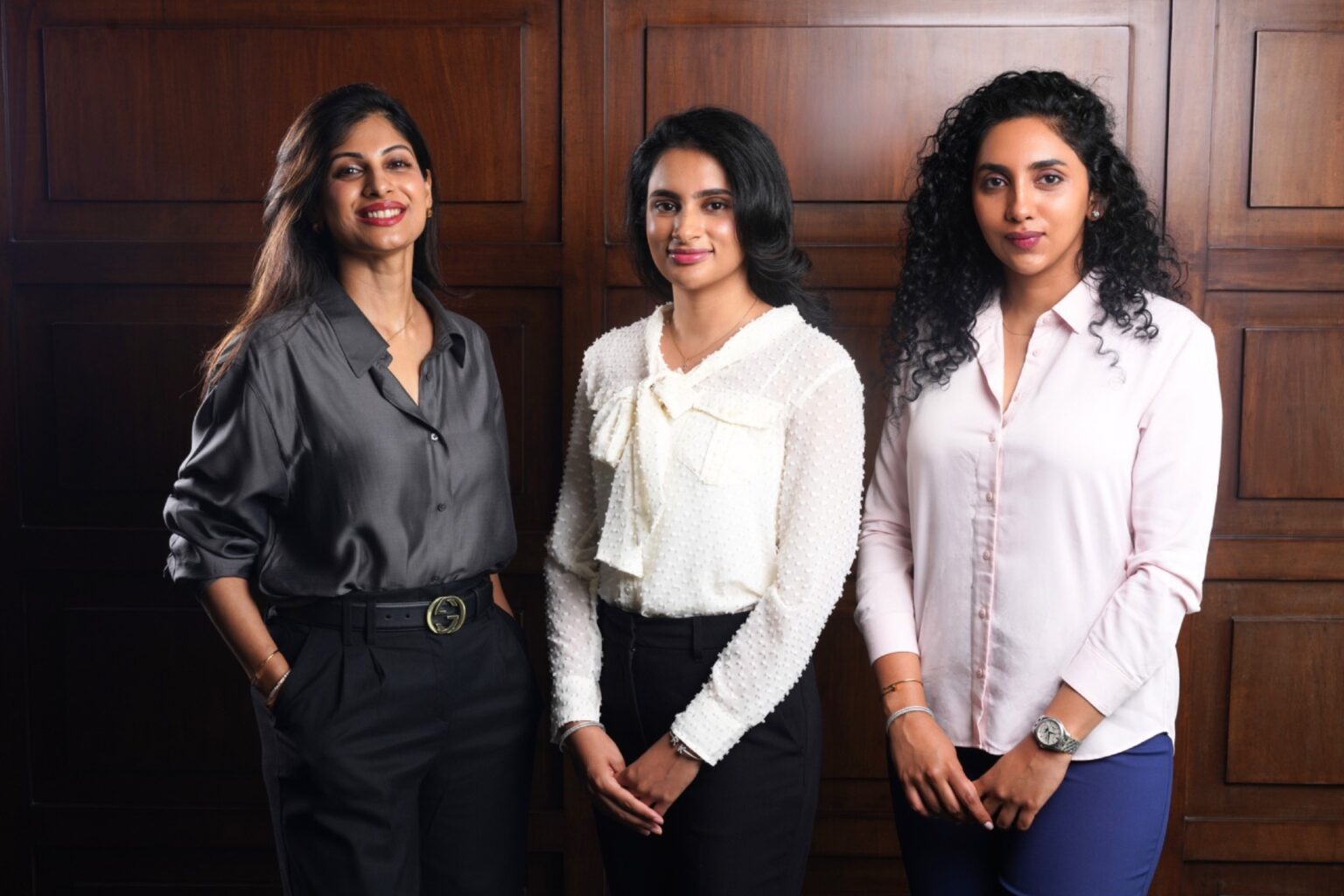
Left to right: Neleema Rana George, Ryana Kuruvilla, and Rishina Kuruvilla. Image: Kelachandra Coffee.
The female factor
Women’s growing role in the coffee sector is reflected in the number of women who work at Kelachandra Coffee, one of the country’s oldest and largest privately owned coffee plantations. According to Ryana Kuruvilla, Head of People and Culture at Kelachandra Coffee, 55 per cent of its workforce are female.
“Overall, more than half of our workforce are women. That includes our office staff, and the farmers who work on the 6300 acres of coffee estates we manage in Karnataka and Kerala,” says Kuruvilla.
“In India, all coffee is hand-picked, and women have traditionally made up the majority of the pickers. During the harvest season, we have hundreds of families who come to live on the estate and my job is to look after the employees and make their lives easier while they are staying and working with us.”
Kuruvilla is one of a number of women in leadership positions at Kelachandra. The family business, which dates back to 1786 and ventured into coffee in 1995, is invested in the role women play in the growth of India’s coffee industry.
“There is a small but experienced group of women who are changing the Indian coffee industry for the better,” says Neleema Rana George, Head of Coffee Works and Technology at Kelachandra.
“People like Namrata Asthana, Co-Founder of Blue Tokai, and Arshiya Bose, Founder of Black Baza Coffee, are introducing specialty coffee to Indian consumers. Furthermore, Sunalini Menon consults on our farms, sharing her knowledge with our estate managers to ensure the taste and quality of our coffee is the best it can be.”
George believes women are increasingly influencing the industry because of shifting values and the generational nature of coffee businesses in India.
“Coffee is very much a family business, so children often learn a lot about it from a young age. Especially on the estates, it’s a very organic industry for women to get into because they are knowledgeable about the processes and have grown up surrounded by it,” she says.
“In other areas of the supply chain, café groups such as Blue Tokai and Black Baza Coffee Co, are creating a real coffee culture in India. Over the past five years, domestic coffee consumption has increased by around 30 per cent and I think that’s largely due to third-wave coffee shops introducing quality coffee and different flavours.”
Responding to this growing interest in specialty coffee, George says many second- and third-generation farmers have focused their production on specialty-grade crops.
“The increased interest in drinking specialty coffee in India is driving the quality of the coffee grown here,” she says.
“However, when we attend international expos, we often find people assume India only produces commodity coffee. They often haven’t experienced Indian specialty and when we introduce it to them they’re surprised and impressed by it.”
Drive for sustainability
As well as empowering its workforce, Kelachandra Coffee is dedicated to the continued improvement of Indian coffee and believes creating a sustainable future for the industry is paramount to its success.
Rishina Kuruvilla, Head of Sustainability at the company, says India’s tradition of shade growing coffee means it is somewhat shielded from some of the extreme weather events that can decimate coffee yield in other producing countries such as Brazil and Vietnam. However, sustainability is still a major focus for the company.
“We strive to use as few pesticides and chemicals as possible in the coffee production process, so we compost where we can to ensure nutrients go back into the soil. We are also very stringent about our chemical use to protect the natural landscape surrounding the coffee plantations,” she says.
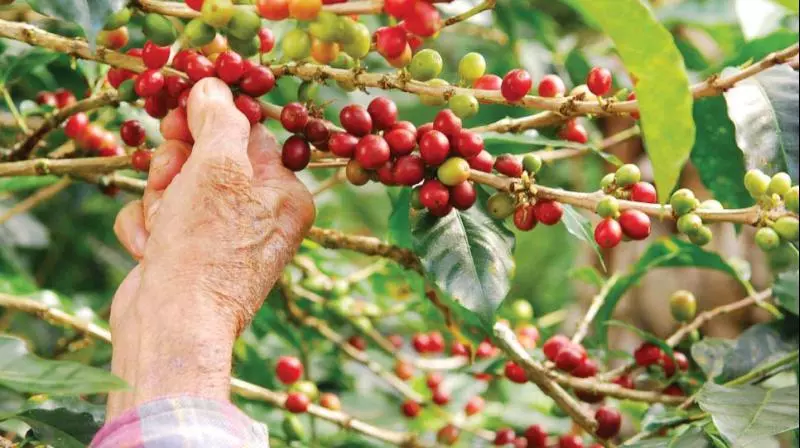
“We also do a lot of intercropping, so our coffee trees are planted alongside citrus and jack fruits. As well as increasing biodiversity, this process improves the flavour of the coffee as the other fruits add unique flavours to the beans as they grow.”
With extreme weather causing production issues in many other countries, Kuruvilla believes India can step in to fill the gap as global demand for coffee continues to rise.
“In India, we have a lot of our natural advantages against these weather issues. Everything is done by hand here, so we’re not using machines to strip the land. Every aspect of our coffee processing method is taken with care to ensure we don’t harm the land so that people can continue to farm coffee this way for generations to come,” she says.
“Last year, India produced 350,000 tonnes of coffee and an increasing number of people are getting into the industry so that’s expected to increase. We’re ready to step up and introduce even more people to the joys of quality Indian coffee.”
This article was first published in the March/April 2025 edition of Global Coffee Report. Read more HERE.
source: http://www.cgrmag.com / Global Coffee Report / Home> Features> India / by Kathryn Lewis / April 19th, 2025
The festival celebrated India’s growing coffee culture and featured a vibrant mix of food stalls, lifestyle brands, and live music, creating a lively atmosphere for attendees.
The India International Coffee Festival (IICF) 2025 was held from April 25- 27 at Marakata, Chamara Vajra, on Jayamahal Main Road, Bengaluru. Organised by the Specialty Coffee Association of India (SCAI) with support from the Coffee Board of India, the event brought together some of the country’s finest brewers, baristas, and coffee enthusiasts.
Following its successful 2024 editions in Delhi, Mumbai, and Bengaluru, the festival offered three days of competitions, discussions, entertainment, and interactive experiences. Highlights included the semi-finals and finals of the National Barista Championship (NBC), National Latte Art Championship, National Brewers Cup (NBrC), and the grand finale of the National Filter Coffee Championship.
DM Purnesh, President, Specialty Coffee Association of India (SCAI) said, “IICF has always been an inspiration for coffee lovers, industry experts, and brands. As we return with the much-anticipated semi-finals and finals, we’re proud to once again spotlight and celebrate the country’s finest coffee talent. With seasoned baristas, industry pioneers, and even discerning coffee critics in attendance, IICF 2025 promises to be an unmissable event for anyone passionate about the art of coffee.”
The festival celebrated India’s growing coffee culture and featured a vibrant mix of food stalls, lifestyle brands, and live music, creating a lively atmosphere for attendees. Experts, top growers, roasters, and equipment makers participated, sharing insights into brewing trends and innovations.
Sreeram G, Director, Marketing, Specialty Coffee Association of India (SCAI) said, “The India International Coffee Festival is not just about competition; it’s about connection. This festival serves as a dynamic platform for networking, innovation, and celebrating coffee as a lifestyle. It brings together coffee professionals, aficionados, and industry leaders to exchange ideas, explore emerging trends, and experience the rich intersection of coffee, cuisine, and craftsmanship.”
source: http://www.bwhotelier.com / BW Hotelier / Home> F&B / by BW Online Bureau / April 08th, 2025
Amidst the State Government’s denial of reports claiming the closure of Kodagu University at Chikka Aluvara, the institution has introduced an attractive new emblem.
Designed by Sullimada Darshan Poovappa from Nalkeri in Kodagu and Prasanna Udayakumar Gaonkar from Yellapur, Sirsi in Uttara Kannada District, both are former students of Chamarajendra Government College of Visual Arts (CAVA), Mysuru and are currently working as visual designers in Bengaluru.
The emblem captures the essence of Kodagu’s rich nature and heritage and gives a Western touch to classical form. It is a visual interplay of six iconic elements representing Kodagu’s culture and natural splendour: The sun, coffee beans, an elephant, a book, River Cauvery and Talacauvery — the River’s birthplace.
The sun symbolises wisdom, while the book represents the pursuit of knowledge, reflecting the core values Kodagu University strives to uphold. The coffee beans highlight Kodagu’s significance as India’s largest coffee-producing region, while the elephant embodies the area’s diverse wildlife. Talacauvery, revered as the river’s origin, symbolises Kodagu’s spiritual roots.
The emblem’s colour scheme also carries meaning:
Orange signifies enthusiasm, confidence and rejuvenation, while blue evokes trust and peace. Together, these elements form a striking emblem that reflects the University’s guiding principle: ‘Work is Worship.’
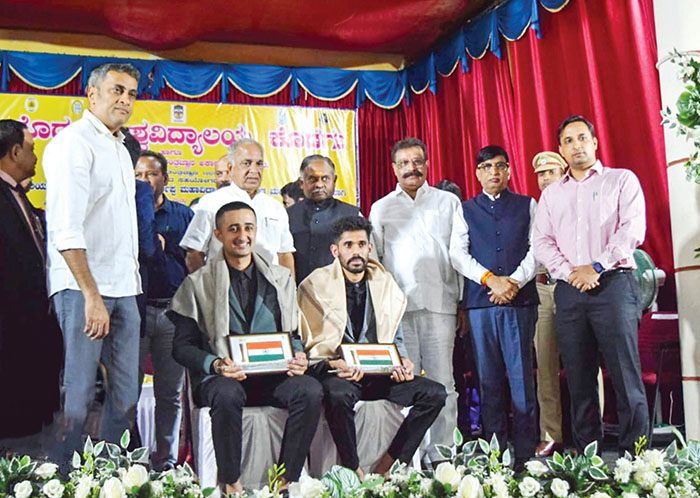
For the Emblem design, Darshan and Prasanna were felicitated recently at the Field Marshal K.M. Cariappa College, Madikeri, by the Science and Technology and Kodagu District Minister N.S. Boseraju.
Kodagu University Vice- Chancellor Prof. Ashok Sangappa Alura lauded the designers for their unique and creative work that artistically represents the ethos of the University.
Virajpet MLA and CM’s Legal Advisor A.S. Ponnanna, MLCs Suja Kushalappa, S.L. Bhojegowda, Deputy Commissioner Venkat Raja, Superintendent of Police K. Ramarajan and others were present.
source: http://www.starofmysore.com / Star of Mysore / Home> News / April 03rd, 2025
The new coffee project has been planned with a budget of over ₹1,000 crore, considering the success of the earlier ₹526 crore coffee development project launched in 2015, which is scheduled to end in 2024–25.
The project will involve not only cultivating coffee but also planting silver oak trees across 75,000 acres to provide shade for the coffee plants.— Internet
Visakhapatnam :
AP government has approved a new coffee development project under which coffee plantations will be raised over one lakh acres in the Alluri Sitharama Raju (ASR) district.
The new project is aimed at socio-economic uplift of tee tribal communities. According to Coffee Board of India additional director G. Appala Naidu, the project will help approximately 150,000 tribal farmers grow coffee over the next seven years.
The project will involve not only cultivating coffee but also planting silver oak trees across 75,000 acres to provide shade for the coffee plants.
The new coffee project has been planned with a budget of over ₹1,000 crore, considering the success of the earlier ₹526 crore coffee development project launched in 2015, which is scheduled to end in 2024–25.
“Raising over ₹1,000 crore for the new project poses challenges. We are making adjustments to raise the necessary resources,” ITDA project officer Abhishek Goud told Deccan Chronicle in an interview.
Since its introduction in 1989, coffee cultivation has been transforming tribal areas, helping curb deforestation and practises like shifting cultivation. Over the years, the combined efforts of state and central governments have resulted in coffee plantations coming up over 242,021 acres, benefiting 236,618 tribal farmers. With ancestral farmers cultivating coffee over approximately 30,000 acres, the tribal region boasts of having 272,000 acres under coffee cultivation.
Each acre generates an annual income of ₹50,000 to ₹60,000, making coffee farming a lucrative and sustainable livelihood option. Moreover, the organic nature of the coffee produced in the region has sparked both domestic and international demand, boosting the region’s economy.
During the recent Collectors’ Conference in Amaravati, ASR district collector A.S. Dinesh Kumar presented detailed insights into this initiative. Chief Minister N. Chandrababu Naidu, present at the conference, approved the coffee area expansion plan. A detailed project report (DPR) is currently under preparation to ensure a smooth rollout of the programme.
With this expansion, the state government aims to solidify the tribal region’s reputation as a hub for producing high-quality organic coffee. Tribal farmers have welcomed the new project, expressing optimism about the continued government support.
source: http://www.deccanchronicle.com / Deccan Chronicle / Home> Southern States> Andhra Pradesh / by Aruna / April 05th, 2025
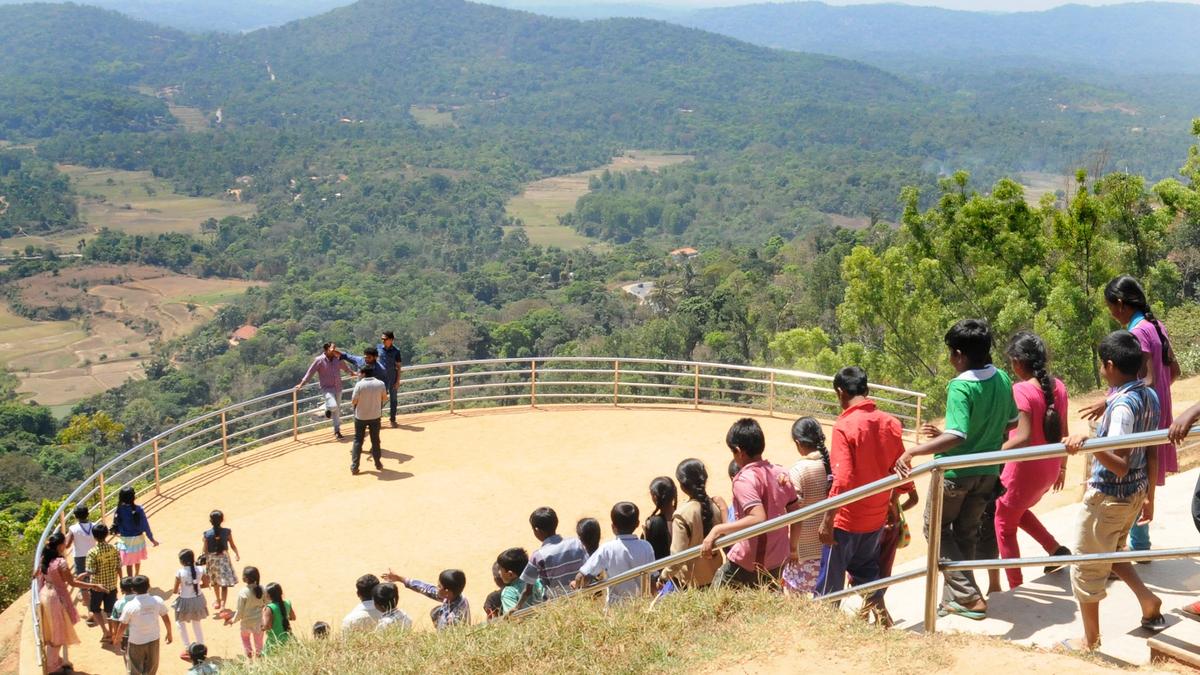
Raja Seat is one of the prime attractions for tourists in Madikeri. | Photo Credit: FILE PHOTO
Kodagu continues to be one of the top tourist destinations in the State, drawing 45.72 lakh visitors in 2024, surpassing its record in 2023, which drew 43.99 lakh tourists.
The increase of two lakh visitors highlights the district’s growing appeal, particularly as a hub for coffee tourism.
Deputy Director of Tourism Anita Bhaskarremarked, “It appears to be a golden era for tourism, with a surge in visitors seeking to experience Kodagu’s landscapes. The district remains a preferred getaway, as seen in the footfall in the last two years.”
During an interaction with reporters on Thursday, Ms. Bhaskar said that steps are being taken to successfully implement the Tourism Police 2029, keeping the focus on increasing footfall and understanding the tourism potential of Kodagu.
The post of the Deputy Director for Tourism in Madikeri was vacant for many years, and it was filled about a year ago, with the district being an important tourist destination.
She said 23 tourist sites in Kodagu have been identified for development under various schemes. Steps have been taken to appoint nine guides in various tourist sites. Ten more “Pravasi Mitras” will be appointed for other sites in the coming days, she added.
One district,one destination
Ms. Bhaskar said Mandalapatti hill station has been identified under the “One District, One Destination” programme, and facilities will be provided to tourists at the popular site, which attracts a large number of adventure enthusiasts.
For the first time, Kodagu is being included under a tourist circuit, the details of which will be announced soon.
Steps have also been taken for developing “Coorg Village” near Raja Seat in Madikeri. The department has joined hands with the orange growers cooperative society in Gonikoppal for popularising Kodagu oranges among tourists.
Thanks to the efforts of Deputy Commissioner Venkataraja for promoting Kodagu tourism, a lot of tourists are visiting Kodagu to explore the coffee land’s beauty, and one of the reasons for the rise in footfall is the social media promotion of “Coorg tourism”, she said.
Ms. Bhaskar said a sum of ₹1 crore has been sanctioned for the development of Abbey Falls, Iruppu Falls, and Malatirike Hills in Virajpet due to the efforts of MLA A.S. Ponnanna.
Ms. Bhaskar urged the owners of homestays, hotels, and lodges to put up signages on their premises, stating the ban on single-use plastics in the hill station, where several steps had been taken to make the place “trash-free”. The effort will impact tourists, and they shall be discouraged from littering to establish eco-friendly tourism.
She suggested transportation facilities to some key destinations, including sites of adventure tourism.
During the interaction, suggestions came for reintroducing toy trains at Raja Seat and also organising Pravasi Utsava in Kodagu to boost footfall, besides restricting traffic at Raja Seat to ensure that it will not cause inconvenience to locals.
B.G. Ananthashayana said steps must be taken to crack down on low-quality wines, chocolates, and spices that are being sold to tourists. This will affect the brand Kodagu. Kodagu journalists’ association president H.T. Anil presided over the interaction. The deputy director was felicitated on the occasion.
source: http://www.thehindu.com / The Hindu / Home> News> India> Karnataka / by The Hindu Bureau / April 04th, 2025
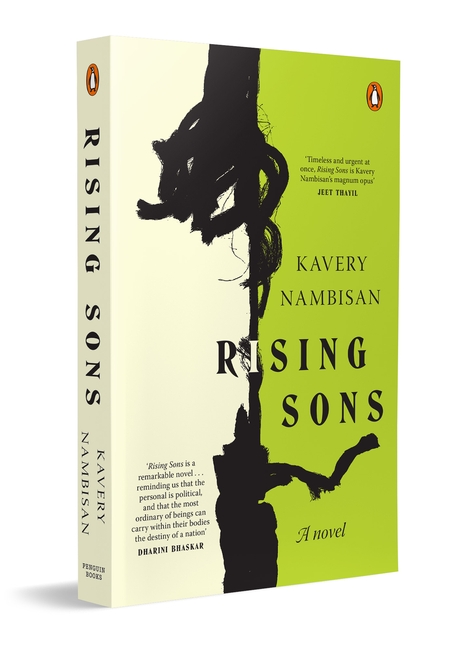
‘Rising Sons’ takes us a hundred years back in time to a small village in the southern part of the country.
pix: penguin.co.in
Book: RISING SONS: A NOVEL
Published by: Penguin /Price: Rs 599 / Author: Kavery Nambisan
Kavery Nambisan, a surgeon by profession, has also achieved significant accolades for her writings. She began her career as a children’s author and steadily moved ahead, penning novels like The Scent of Pepper and The Story That Must Not Be Told that have gained her recognition. Rising Sons is her eighth novel. It takes us a hundred years back in time to a small village in the southern part of the country. It is a story that is immersed in the history that shaped our nation.
The general plot seems deceptively simple. It maps the lives of Devaraya’s family members, including his own, and would seem, on the surface, to be a basic coming-of-age story. Devaraya’s statement, “I have two boys and one-and-a-half girls”, opens the narrative and after a few pages it is revealed that the “half girl” is his adopted daughter, Chinni. His wife, Gowru, whom he collected from the Bhoodevi Anatha Ashram in Mysore, had been “orphaned” along with Bhagya when both their fathers were charged with theft and subsequently imprisoned. Their mothers followed their husbands, leaving the bewildered young girls alone. Chinni was Bhagya’s daughter. Devaraya, priding himself in his high Brahmin ancestry, scorned Bhagya who married the Malayali, Dharma, from the fishing community. He took a high-handed pleasure in arranging an abode for Bhagya in his village, Kesarugattu, where he had established himself as an honourable miller and a fair moneylender. He also held a proud position at a Mysore bank and visited his home fortnightly. Devaraya’s other children, the eldest, a boy named Nanju, another boy, Anna, and a daughter, Bhavani, were all overcome by the “darkness” Devaraya brought with him when he visited. The small village strictly adhered to the boundaries set by caste and Chinni’s inclusion in the Brahmin household after the unfortunate fate that befell her parents wagged tongues and incensed minds.
Devaraya was resolute in the education of his boys. Nanju was dutifully sent to the Putter Government High School (for boys) to complete his matriculation. Growing into a deeply thoughtful and keen young man, Nanju seemed to offer to his family a steadfast reputation. But the evils of caste divisions found the family. The revelation of the bitter truth of Devaraya’s childhood and his struggle to find a place for himself in the cruel rural society affected Nanju profoundly. Unable to bear the burden of his caste’s truth, he disappears from the pages of the book. Anna is more stoic in his handling of the shame. Beginning to trace his brother’s footsteps into higher education, Anna found himself getting involved in the struggle for national freedom. Inspired by the ideas of swaraj and the iron determination of the frail Gandhi, Anna and his friends rise above the aspersions of caste and delve into the newly-emerging political scenario. Anna becomes a successful Congressman and finds a life of glamour befitting his new role. Bhavani has long since been married off and is dismissed from the predominant plot line.
What of Chinni, then? Chinni retains the zeal and the sharpness of her rebellious parents. She reads and avidly follows the swadeshi movement. The little hints in the narrative about her relationship with Anna get buried under stories of sermons, speeches, rebellion and illegal pamphlets. Ironically, it is Devaraya’s “half” daughter who ultimately assumes full responsibility for him and his ageing wife.
Nambisan’s own childhood experiences in the warmth of her home colour the pages. Memories of home-cooked food, midnight adventures, and lasting friendships fill the lives of the growing children. The language lovingly encases the softness of these tender moments, moments that fleetingly haunt the characters in their busy adulthood.
In order to rise, one must fall. The novel is more about the poignant falls of fathers and brothers and sisters than about the consequent rise of sons and brothers. Nambisan deftly spins a tale that rushes us through the fast-changing nation at the brink of independence. In the rush, the author does not neglect her characters or her story. Rising Sons rises from amidst the bitter fall of its characters as an epic saga. The tale sits in the history of the country like a glowing ember, a showcase of how lives are changed, or remain unchanged, through the passage of time.
source: http://www.telegraphindia.com / The Telegraph Online / Home> Books / by Tayana Chaterjee / pix: by penguin.co.in / April 04th, 2025
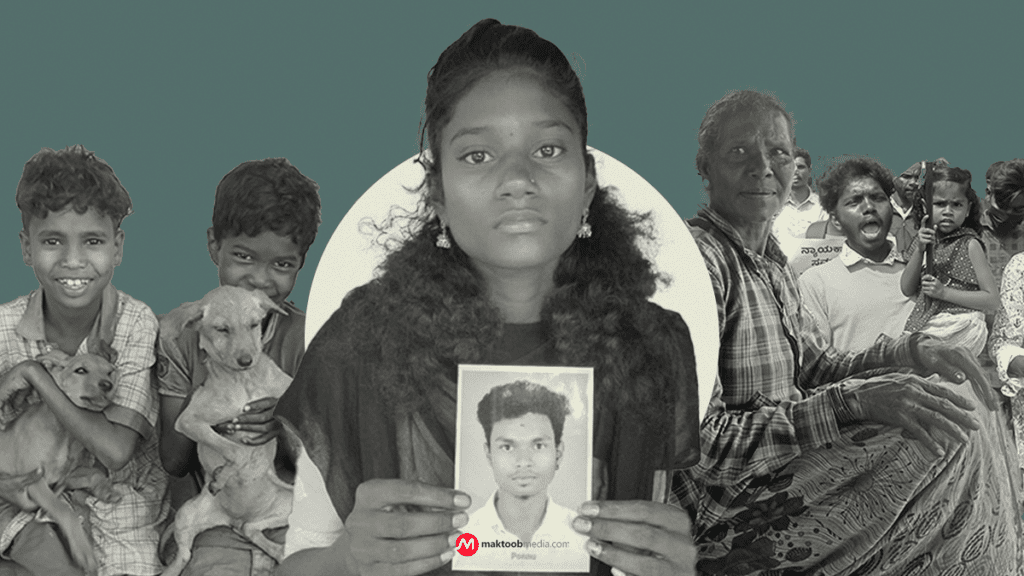
16-year-old Geetha, a plantation labourer from the Paniya Yerava Adivasi community in Kodagu, is still grieving the loss of her husband, Paniyeravara Ponnanna. 18-year-old Ponnanna, also a Paniya Yerava Adivasi and coffee plantation worker, was shot dead on 27 December 2024 in Chembebellur village of Virajpet Taluk by Porukonda Chinnappa, a Kodava, while plucking jackfruit.
Kodagu, a southwestern district in Karnataka, is known for its coffee plantations, which are primarily owned by the Kodavas, the region’s socially, politically, and economically dominant community.
Fifty-seven-year-old Porukonda Chinnappa, an ex-serviceman working as a guard at the State Bank of India in Virajpet, and the uncle of Ponnanna’s employer, hurled casteist abuses before shooting Ponnanna with his gun in front of Geetha.
A Class 8 dropout, Geetha, who had been married to Ponnanna in May 2023 at the age of 15, shared the harrowing ordeal.
“I craved jackfruit and asked Ponnanna for the same around 5:30 pm. He climbed the tree inside the plantation while I was on the phone with my mother. He asked me to keep a distance from the tree, citing safety.”
Seeing Ponnanna on the tree, Chinnappa, who came armed with his gun and dog, shouted, “Ponnu, you son of a Yerava bastard. You come to my farm and pluck jackfruits; I am going to kill you.”
“Chinnappa fired, and Ponnanna fell instantly. He fired again but hit the jackfruit. I ran to a crying Ponnanna, who begged to be taken to the hospital. By then, Chinnappa had left with his dog. I saw him shoot my husband dead.”
Ponnanna was taken to a hospital in Virajpet, where he was declared dead.
A complaint was filed on the same day by Geetha at Virajpet Rural Police Station, and Chinnappa, who is now in jail, was arrested under Sections 103(1) (murder) of the Bharatiya Nyaya Sanhita, Section 3(2)(v) (offence against an SC/ST person) of the Scheduled Castes and Scheduled Tribes (Prevention of Atrocities) Act, and Sections 3 (carrying a firearm without a licence) and 25 (punishment for offences related to arms and ammunition) of the Indian Arms Act.
Ponnanna, a Class 9 dropout, was working for a mere ₹350 per day at the plantation owned by the Porukonda family. Ponnanna wasn’t called ‘Ponnu’ out of affection. Kodavas avoided calling him ‘Ponnanna’ as it was a Kodava name.
Geetha shared past instances of an attempted attack by Chinnappa, who let his dog loose on Ponnanna. “We were warned not to walk in front of their house and would get shot dead.”
The couple didn’t complain to their employer since Chinnappa was their uncle.
Geetha told Maktoob that Chinnappa should receive capital punishment. Expressing fear as the sole witness to the murder, she said, “If Chinnappa gets bail, something may happen to me.”
Ponnanna is survived by his 42-year-old father, Thammu, 37-year-old mother, Sumi, and 10-year-old brother.
Thammu, a plantation labourer, said that their demands include ₹20 lakh compensation for the family, a job for Geetha, a house for the family, and government support for the educational expenses of their youngest son.
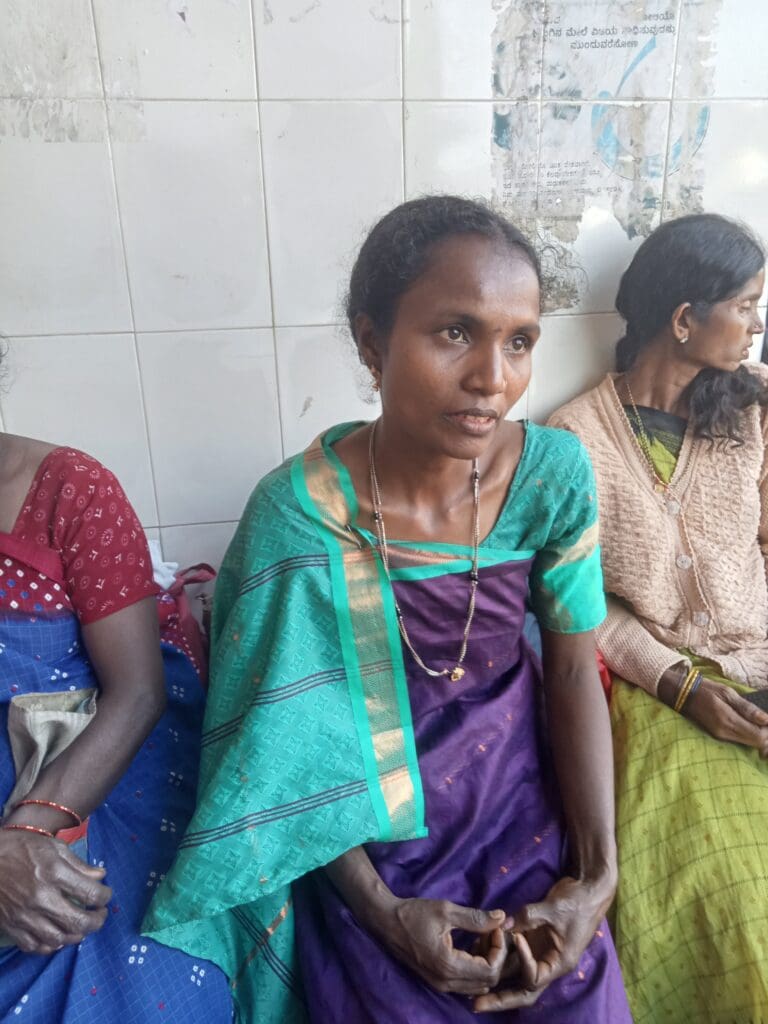
Sumi, also a labourer, struggled to speak as her eyes filled with tears. She said, “Our son was supposed to take care of us when we grew old. The government should take the necessary legal action to support us and ensure the murderer is punished.”
oppo_32
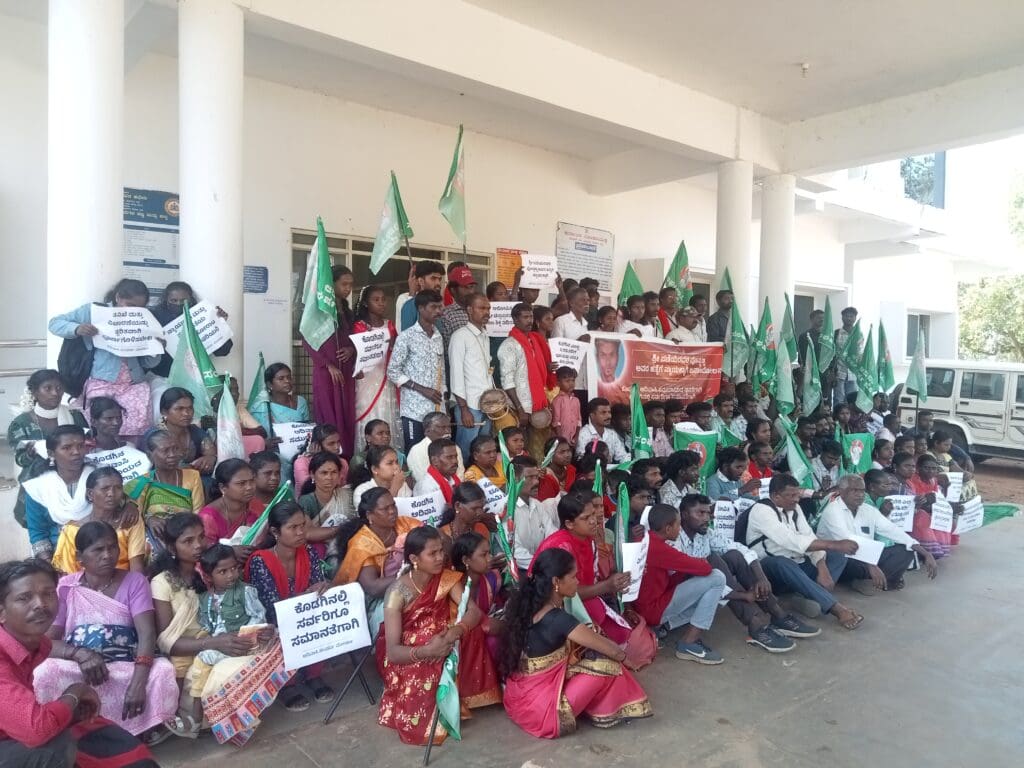
On 15 January 2025, Geetha, Thammu, and Sumi, along with hundreds of Adivasi labourers led by the Adivasi Sangharsh Morcha, a feeder organisation of CPI (ML) Liberation, marched from Virajpet Clock Tower to the Taluk office to protest Ponnanna’s murder. They also highlighted the harsh living conditions of Adivasi labourers, who lack basic amenities, education, healthcare, and decent employment.
Virajpet Taluk Tahsildar Ramachandra Mathanadi assured them of justice. Venkat Raj, IAS, the district collector of Kodagu, told Maktoob that an atrocity case has been registered under the relevant act in connection with the murder case, and the social welfare department is actively following up on the matter.
Sekar, Social Welfare Department Deputy Director, told Maktoob that ₹8,25,000 has been sanctioned for Geetha and Ponnanna’s parents. Sekar said, “Already ₹4,12,500 has been deposited, a monthly pension of ₹6,431 has been granted for his mother, and a permanent job under Group D post will be given to Geetha once she attains 18 years.”
The dark history of Kodagu
CPI (ML) Liberation Kodagu district secretary Mohan, who is assisting the family, chuckled and said, “India may be independent, but the Paniya Yeravas are not. They are almost entirely dependent on the local landlords and coffee planters, particularly the Kodavas. Bonded labour and slavery are still here in Kodagu.” He emphasised, “The killing of Ponnanna is not only class violence but also caste violence against Paniya Adivasis by feudal plantation owners of Kodagu.”
Yeravas are Paniya Adivasis whose ancestors migrated from Wayanad in Kerala to Kodagu in search of work. The majority of Paniyas in South India, who also have their own language, inhabit Wayanad. ‘Pani’ means work, and ‘Paniya’ means labourers. Traditionally, they were agricultural labourers of upper-caste landlords. However, the Kodavas referred to Paniyas as Yeravas. In the Kodava language, the word ‘era’ means ‘beg’, giving the term Yerava a racist connotation—’beggar’—visibly reflecting historical discrimination.
In Wayanad, Paniyas were purchased as bonded labourers by landlords during the Valliyoorkavu temple festival until the late 1970s. Landlords would select labourers, make them work under inhumane conditions, and trade them to the next landlord the following year.
Mohan states that there is no true democracy in Kodagu for Adivasis; democracy exists only for the Kodavas, who trace their disputed lineage to superior genes. The Kodavas consider themselves a tribe instead of Hindus, though they are presently governed under Hindu laws. One of the demands of the Adivasis is regarding the disarmament of the Kodava community, who consider themselves a martial clan traditionally associated with swords, daggers, and guns.
Many Kodavas serve in the Indian Armed Forces, with their ancestors having served in the British Indian Army. Since 1861, this landowning community has been exempt from firearm licences, a privilege granted to “Coorg by race” individuals and native landholders. The Union government reaffirmed this exemption in 1963 under the Indian Arms Act, 1959. A petition challenging the caste-based exemption was filed in the Karnataka High Court.
In 2019, the Ministry of Home Affairs extended the provision until 31 October 2029. The Adivasis who spoke with Maktoob said that every Kodava household has at least one gun, with every family member being trained to use it.
Adivasi Sangharsh Morcha Kodagu district secretary and plantation labourer Gouri PM, a Paniya Adivasi, told Maktoob, “Adivasi plantation labourers are having a life of slaves in Kodagu. The Kodavas don’t want us to be educated. They confiscate our identity cards and Aadhaar and want us, including our children, to live as their slaves. Even if we wear good clothes, buy a bike, or use a phone, the Kodavas cannot tolerate it due to racism.”
Though the present generation of Paniya Adivasis attends school, many still drop out to work as plantation labourers.
Gouri, whose wages were ₹80 per day in 2016, claims that Adivasis who reacted even slightly against the Kodavas were taken away in their vehicles and physically assaulted. She also added that Adivasis were even caged along with dogs, who would bite them. Gouri also added that Adivasi girls are forced to do household work and that sexual violence is perpetrated by the Kodavas against girls and women. When asked why the atrocities go unreported, Gouri said, “Most workplace assaults and sexual harassment cases aren’t reported to the police because survivors fear the Kodavas, feel ashamed to complain, know the police are acquainted with Kodavas, and have no alternative job options.”
Gouri elaborated, “We are scared to react against Kodavas or report the atrocities to the outside world. They are armed and will retaliate. They won’t even let us walk on the road if we resist. If we talk in groups or if they find out about this interaction with a journalist like you, it might even endanger us.”
‘Our blood and sweat is your coffee’
oppo_0
Kodagu is the largest coffee-producing district in India. According to the district administration, coffee is grown on 1,06,921 hectares, covering 44% of Karnataka’s coffee area. Kodagu produces 1,10,730 MT of coffee annually, contributing 50% to the state and 35% to the country. As a labour-intensive crop, coffee cultivation generates 51% of employment in the district.
The coffee harvest season in Kodagu begins in November and lasts until March, requiring a large number of labourers for picking and processing cherries. During the off-season, which constitutes the majority of the year, labourers are tasked with weed control, pruning, planting, and fertilising.
Unlike the off-season, during the harvest season, wages are based on the kilograms of coffee cherries labourers pick, not the hours of work.
Twenty-five-year-old Savitha, Ponnanna’s cousin, told Maktoob that the cheap labour pool of Adivasis in Kodagu is filling the pockets of coffee plantation owners, while consumers remain unaware of the violence behind it.
“The coffee you are drinking is our sweat and blood,” said Savitha, who does not know that Kodagu is called the Scotland of India. Savitha highlighted the wage disparity, including differences based on gender.
“The wage per kilogram for contractual labourers varies from ₹5 to ₹7, depending on the employer. We are paid ₹7 per kilogram, and we pick almost 100 kilograms a day. But labourers living in line houses are paid less—they receive less than ₹5 per kilogram.”
“During the off-season, labourers living in line houses are paid between ₹200 and ₹350 per day. However, we, as contractual plantation labourers, earn more than ₹500,” she added.
She continued, “There is, however, a gender pay disparity—men are paid ₹600, while women receive only ₹500 for the same work. Even for line labourers, there is a deduction of ₹100 for women.”
“We want fixed wages during the harvest season as well because not every day yields enough kilograms to earn a decent amount, especially with the prices of basic commodities skyrocketing,” Savitha said.
Living in a line house, 23-year-old YA Manju, Geetha’s brother, who earns ₹400 per day, said that he buys his gumboots and gloves since the employer provides none. A Class 9 dropout, he has been working for five years and is unaware of his entitlements, including bonuses, allowances, and paid leave.
The plantation labourers are protected under the Karnataka Plantation Labour Act, which is an extension of the Plantations Labour Act, 1951. It is supposed to govern the welfare and working conditions of plantation workers.
When Madikeri Labour Officer Kaveri T told the reporter that she was not aware of unequal wages being paid on a gender basis, Labour Inspector Nikhil Chandra stated that the minimum wage fixed by the government for laborers, regardless of whether they live in line houses, is the same.
Nikhil added, “Any wages below the government-prescribed minimum wage of ₹426 constitute a violation of labor rights. However, unless the laborers submit a written complaint with evidence, no action can be taken against the employers.”
According to the Coorg Planters Association (CPA), a planters’ body in Kodagu with 800 members, the minimum wage for plantation workers is ₹451.22. This includes a basic wage of ₹425 and a variable dearness allowance of ₹26.22.
“The current minimum wage was decided after discussions between labour unions, coffee growers, and planters,” Velliappa, secretary of CPA, told Maktoob.
“No one will work for ₹350,” added Velliappa, who also stated that it is untrue that line laborers are paid less than the prescribed wages.
Dismissing CPA, HM Somappa, the Kodagu district president of the Communist Party of India (CPI)-affiliated All India Trade Union Congress (AITUC) and leader of the United Plantation Workers’ Union, acknowledged to Maktoob that labourers in line houses are paid less than the minimum wage, and bonus allowances, gratuity and provident fund and other benefits are not being provided.
Somappa, who was the CPI candidate for the 2023 assembly elections from the Madikeri constituency, said, “Labourers can’t survive on the wages provided by local planters. In contrast, private limited companies offer decent wages and better facilities for labourers.”
Landless, marginalised
To improve mental health and fearing for her safety, Geetha moved in with Gauri PM. Gauri’s family lives in Kedamallur, a village where 59 Adivasi plantation laborer families, including Savitha, who all formerly lived in line houses, live in sheds. The sheds in Kedamallur reflect the hardships of laborers who have been waiting for rehabilitation for eight years, despite government promises of permanent housing and land.
According to Gauri’s husband, Tholar, in 2017, 135 Adivasi families, supported by CPI(ML) Liberation, encroached on over 20 acres of land in Heggala and built sheds, demanding permanent rehabilitation. However, the police evicted them after five days, claiming the land was private. The families were then relocated to a government building in Thithimathi.
The government promised them land, but bureaucratic delays forced them back to their line houses. Days later, they returned to Heggala, only to be evicted again by the police on June 15, 2017, and moved to Kedamallur’s 7.5-acre vacant government land. Now allotted to ITDP, the promised houses remain unfinished.
The Adivasis cleared the hilly terrain, making it suitable for makeshift sheds. They faced threats from Kodavas, who protested against giving them land.
In Kedamullur, the government provided only six common Indian-style toilet cabins for 250 people. Five are unusable, leaving one for women, while men defecate in the open.
With no electricity connection provided by the government, each family was given two small solar panels that power one or two bulbs. During the rainy season, energy production drops, and the tarpaulin sheets get damaged by strong winds. The heat in the days is unbearable, making it difficult to stay inside.
“Politicians visit us during election campaigns, make promises, and then disappear, only to return with the same promises during the next election cycle,” criticised Tholar.
Savitha sees her generation as doomed. She said, “The government must end the exploitative ‘line housing’ system by providing land for housing and farming, along with access to healthcare, education, and jobs.”
Gouri added, “Laborers with independent homes can choose work and negotiate wages, unlike those in line houses, who remain bonded to employers.”
S. Honnegowda, Project Coordinator of ITDP, told the reporter that 129 houses will be built in Kedamullur for 59 families, and other laborers living in line houses will be relocated there.
He said, “Construction of 60 houses has already started. The delay in construction is due to technical reasons. It will be completed as soon as possible with electrification, sanitation, and water tanks.” He also added that the Chief Minister is aware of the general issues in Kedamullur. Commenting on the settlement, he stated that the people living in Kedamullur had forcibly settled there.
Differing with the usage of terms ‘forced settlement’ and ‘encroachment’, Adv. Clifton D’Rozario, Karnataka state secretary of CPI(ML) Liberation, told Maktoob, “All government land is people’s land. If people are not given what is due to people, they are going to take what is due to them”. He also highlighted the mass encroachment of government lands by dominant communities in Kodagu.
In February 2024, Virajpet MLA A.S. Ponnanna appealed to the government to sanction encroached land for small-scale coffee growers and provide land on lease to large coffee growers.
Last year, Madikeri Deputy Conservator of Forests Bhaskar told the media that a total of 3,410 forest encroachment cases, covering 5,551 acres, were pending in the courts.
In December 2024, in the Legislative Council, Karnataka State Minister of Forest, Ecology and Environment, Eshwar Khandre stated that nine plantation companies owe the government ₹1,492 crore in lease rentals, including six from Kodagu district, among them the TATA company.
Clifton added that the generational history of subjugation has made the laborers submissive to violence and unaware of their rights.
Agreeing that the constitution has failed the Paniyas, he said, “Paniya people are a community that has lived here for centuries, yet they hardly own any material resources—not even land. The absence of government employees from this community reflects their harsh social reality. These are the communities for whom the government should take special interest.”
“Land reforms are happening in this country, but in reverse. Land is being consolidated more in the hands of landlords. The only option we have is to find some vacant government land and settle there. Then we will have to face whatever comes with it.”
CPI(M) Kodagu district secretary Ramesh HB stated, “Wages are lowest, and violence against laborers is highest in South Kodagu, especially in the Srimangala-Kutta regions of Ponnampet Taluk.”
“Employers even confiscate the laborers’ ration cards. Using these, they collect the free 20 kg of rice provided by the government from PDS ration shops and sell it back to the laborers for ₹30. These helpless workers are deceived and exploited.”
On January 17, CPI(M) and AHSS joined a joint protest in Madikeri under the banner of the Anti-Land Leasing Committee, demanding the withdrawal of the ‘Land Lease Act,’ which grants government land on lease to encroachers.
“According to government reports, over 4,600 line house laborers in Kodagu district lack their own homes and basic amenities. However, the actual numbers are even higher. The encroached land should be reclaimed and distributed to exploited families, including landless laborers.”
“We demand agricultural land of at least five acres for laborers. We have been advocating for a minimum wage of ₹36,000 per month and fixed wages during the coffee season,” added Ramesh.
Criticizing the state government, he said, “To defeat our biggest enemy, the BJP, we supported Congress. The land leasing act was implemented by the former BJP government in Karnataka, but now Congress is carrying it forward. Both parties are two sides of the same coin when it comes to policies against the poor.”
He also criticized Kodavas for demanding Scheduled Tribe (ST) status, stating, “If Kodavas are granted ST status, it will fuel violence against laborers and provide impunity to an already armed community.”
Organiser, the mouthpiece of the RSS, reported that the Kodava community is on the verge of extinction due to the rise of inter-caste marriages, migration, and modern lifestyles.
According to the report published in November 2024, Kodava societies are offering financial incentives to encourage families to have more children, aiming to boost the community’s population.
Rejaz M Sheeba Sydeek is an independent journalist based in Kerala.
source: http://www.maktoobmedia.com / Maktoob Media / Home> India / by Rejaz M Sheeba Sydeek / April 02nd, 2025
WELCOME. If you like what you see "SUBSCRIBE via EMAIL" to receive FREE regular UPDATES.
Read More »