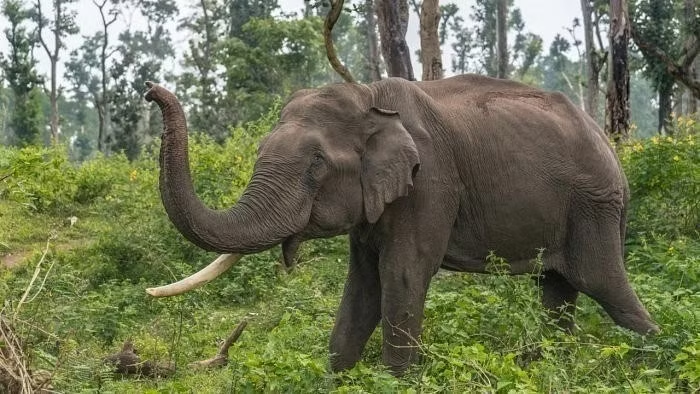
Dubare Elephant Camp in Kodagu reopens today, Sunday, September 20, with a strict no‑touch visitor policy. The Forest Department’s updated protocols replace elephant bathing and feeding with distanced viewing from barricaded areas. Expect time‑slotted batches, safety briefings and capped crowds as day visits resume after months.
What changes on the ground? Visitors must stay behind ‘green zone’ barricades with a minimum 10‑metre buffer. “Public shall be restricted to designated ‘green zones’ surrounded by barricades.” Touching, feeding, selfies and entering the river are barred. Sessions run in batches of about 50 for 45–60 minutes; only calm, cleared elephants are displayed. Camps also observe a weekly rest day, usually Tuesday.

Dubare Elephant Camp entry timings and on‑site ticketing Entry will be managed at on‑site counters near the access point, issuing time‑slot tokens. Arrive early to secure a morning batch and avoid noon queues. The SoP authorises slotting and batch caps. Official records note a dedicated ticket counter. Carry cash or UPI and government photo ID. Expect brief holds if elephants show stress; staff can reshuffle batches. Families with seniors should budget extra time for queuing and the safety briefing
Bengaluru route and Sunday return rush
From Bengaluru, follow NH‑275 past Ramanagara and Mandya to Srirangapatna, then continue via Hunsur toward Kushalnagar. This is the quickest, with predictable facilities en route. Expect Sunday return spikes on the Bengaluru–Mysuru Expressway between 4 pm and 9 pm. Leave mid‑afternoon or after 8 pm.
Weather, river‑flow watch and Dubare rafting
Today’s forecast for Madikeri shows afternoon thunderstorms and persistent cloud, which can slow crossings. Rafting at Dubare runs only when river flow is safe. Check status on site before detouring. Heavy discharge or sharp showers may pause activities without notice, so keep plans flexible
Nearby add‑ons and safe alternatives
If Dubare fills its batches, pivot nearby. Harangi and Mathigodu elephant camps are already open under the same safety rules. Kaveri Nisargadhama’s forest island and the Bylakuppe monastery circuit offer easy detours for families. These options keep your day rewarding without bottlenecks, and suit a Bengaluru start and Sunday return.
source: http://www.nativeplanet.com / Native Planet / Home> Travel Guide / by Priyank Gupta / September 20th, 2026