India’s Robusta Coffee Prices Hit Record High in Century-Old Industry
This spike, amidst stable Arabica pricing, signals a boon for Indian growers, leveraging robusta’s affordability.

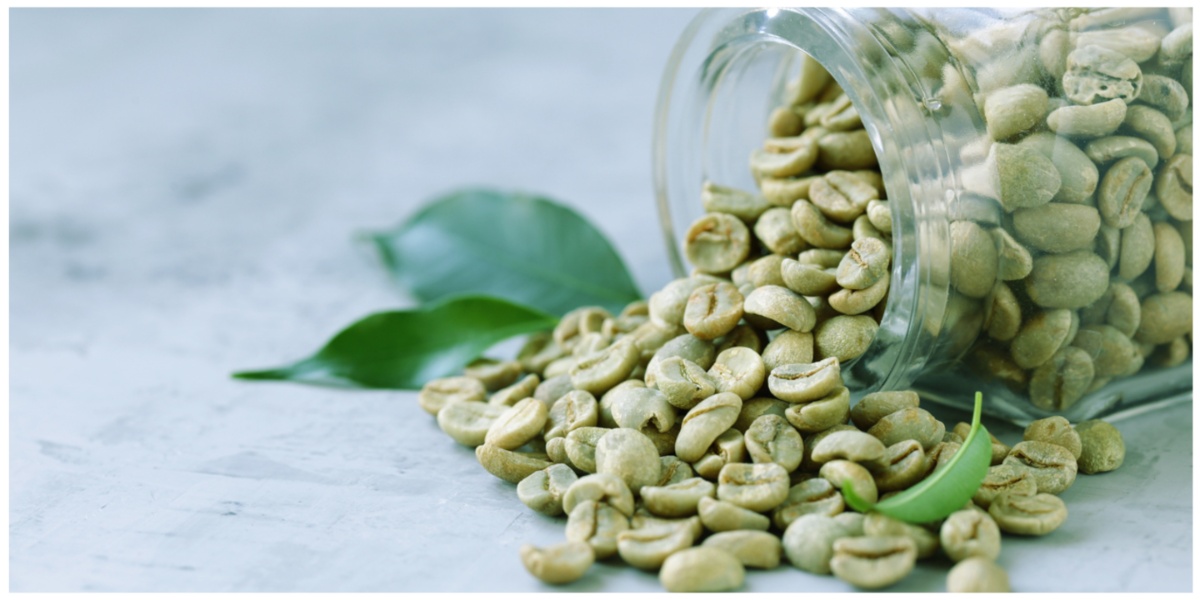
India’s coffee industry is experiencing a remarkable upswing with robusta coffee bean prices hitting an all-time high of Rs 10,080 per 50 kg bag, a historic milestone since the establishment of coffee estates in the Western Ghats region during the 1860s by the British. This is big news for Indian coffee growers who rely on the Robusta given its low-cost inputs.
In stark contrast to the traditionally stable pricing of Arabica coffee, renowned for its velvety shot layer, Robusta prices have remained relatively low, fluctuating between Rs 2,500 to Rs 3,500 per 50 kg bag for the past 15 years.
While export quantities witnessed a marginal decline of 2.5% at 3.88 lakh tonnes compared to 3.98 lakh tonnes in 2022-23, the Indian coffee sector reaped the benefits of soaring global robusta prices, which have reached a three-decade high due to supply disruptions in major producing countries like Vietnam and Brazil.
Commenting on this, Mr. M J Dinesh, Chairman of the Coffee Board says, “The change in the global temperature has impacted the shortage of coffee from Vietnam. The instant coffee market in India will gain from this; the same is gaining popularity too. Moreover, small coffee growers and laborers will reap the profit. They may witness an upsurge in their daily wages.”
The increase in robusta prices resulted in a 20% rise in per unit realization for Indian exporters, reaching ₹2.7 lakh per tonne during the 2023-24 period, up from ₹2.26 lakh in the previous fiscal year.
source: http://www.krishijagran.com / Krishi Jagran / Home> News / by Mrini Devnani / April 16th, 2024
The Guardian Of The Wild: Remembering K.M. Chinnappa’s Heroic Stand Against Nature’s Foes

A couple of days ago, a great man passed away. The streets of Karnataka, or rather its jungles, will never forget K.M. Chinnappa, the illustrious Range Forest Officer of Nagarahole who single-handedly stood against profit-mongering poachers, exploitative smugglers, wealthy hunters, mafia operators, and corrupt politicians and provided decades of unmatched service to make Rajiv Gandhi National Park one of India’s most thriving wildlife sanctuaries. His incredible mental fortitude along with his unrivalled knowledge of nature is now the stuff of legends.
He was born in 1941 in Kumtur village near Nagarhole. His father, a soldier who fought in the First World War, instilled in him a deep love for nature. Chinnappa spent his early years exploring the forests of his ancestral land, immersing himself in the rich ecosystem and developing a profound appreciation for the wildlife. Following in his father’s footsteps, he became a soldier , but with a unique calling – to become a gun-wielding, frontline defender of the forests, committed to safeguarding wildlife. He declared that protecting wildlife was his life’s sole purpose.
In 1967, he became a forester at Rajiv Gandhi National Park (Nagarhole), which was in a state of disrepair. The park had been heavily impacted by hunting. The practice was popular among people from various walks of life, from impoverished forest-dwelling tribes to the extravagant royalty and courtiers in bustling Mysore. As a result, there were very few deer remaining, let alone tigers and other large animals. Villagers had encroached on the swamps to cultivate rice, which were essential habitats for elephants. Tribesmen lived in groups deep within the park to gather forest resources, such as honey and berries. Livestock herders grazed their cattle on the park’s grasslands, while hunters and poachers targeted various animals and birds, including tigers and elephants. Additionally, illegal activities like timber logging and sandalwood smuggling were rampant.


The destruction of Nagarhole’s environment was facilitated by a variety of means, including the use of shotguns, snares, and poison. Wildlife protection laws were ineffective, and the Forest Department focused on logging, which led to the removal of diverse natural vegetation in favor of teak monocultures. Chinnappa knew for certain that if this devastation continued, there would be no wildlife left in Nagarhole in 30 years.
He single-handedly worked to reverse this process and he emerged successful. In less than 25 years, Nagarhole was rejuvenated, growing from 250 square kilometers to 640 square kilometres. Chinnappa was responsible for implementing the current patrol system and establishing camps in crucial areas, providing three layers of protection for the tiger reserve. Poachers have withdrawn, encroachers have disappeared, and hunters are almost non-existent, allowing Nagarhole to be reclaimed by its original inhabitants – tigers, panthers, leopards, sloth bears, jackals, wild boars, porcupines, hares, langur, and various deer species. In the past, tigers had to roam 200 square kilometres to find prey, but now they only need 12 square kilometres. The elephants have returned to their natural habitat in the lush swamps and bamboo groves.


“All you have to do is to stop human interference. Just leave the forests alone and they will regenerate themselves.”
K.M. Chinnappa, in an interview with Unsung
However, Chinnappa had ruffled many feathers and upset many powerful people whose profits depended upon the exploitation of the forest. In 1993, in the face of constant harassment and threats, he was compelled to retire prematurely from the Forest Department, but his crusade did not end there. Chinnappa established his own NGO, ‘Wildlife First’, intending to enlighten the local community, particularly children, about the importance of environmental conservation. By organizing forest camps, dialogues, shows, rallies, interactions and presentations, he introduced a captivating world of plant and animal life and inspired children to appreciate rather than destroy nature.
His NGO also used the legal system to battle those harming the environment for profits, no matter how powerful those individuals or organizations were. Most notable was his famous case against the iron ore mine operators in Kudremukh. They wielded their power and slapped Chinnappa with false criminal charges when he protested against their activities. The case dragged on for years but finally ended with the Supreme Court acknowledging the ecological devastation caused by those mining activities and consequently ruling in Chinnappa’s favour.
In his lifetime, Chinnappa has been awarded the prestigious Karnataka Chief Minister’s Gold Medal, WCS Certificate of Appreciation, Tiger Link Bagh Sevak Award, ESSO, and Sanctuary Life Time Achievement Award.
Chinnappa’s achievements are all the more praiseworthy as they were achieved despite great challenges. He faced setbacks, obstacles, threats, assaults, defamation, arrests, and legal battles. However, remarkably, he emerged unharmed, maintaining his innocence, bravery, commitment, and positivity. He harbored no resentment, opting to look past those who caused him trouble and instead cherish the support of both the senior officers and lower-ranking guards who stood by him.
In his death, he is fondly remembered by his family, loved ones and by kindred souls who value justice and integrity, even in the face of insurmountable odds.
If you enjoyed reading this, here’s more from Homegrown:
source: http://www.homegrown.co.in / Home Grown / Home / by Vaaswat Sarkar / February 24th, 2024
Preparing for third Olympics at 34, Ashwini Ponnappa in no mood to slow down
The badminton star says that she is grateful to have an opportunity to aim for an Olympic gold at this point in her career.

Ashwini Ponnappa has been around for a long while now but the 34-year-old has no plans of slowing down. Preparing for her third Olympics in a sport as demanding as badminton can be gruelling. To do so in doubles, with a partner almost 15 years younger, is unheard of. Ashwini isn’t bothered.
Ashwini missed the Tokyo Olympics but with Tanisha Crasto, is currently the highest-ranked Indian women’s doubles pair in the world and on top of the race to the World Tour Finals.
Having burst into the limelight after winning a historic gold at the 2010 Commonwealth Games in front of home crowds (with Jwala Gutta) for her maiden senior international title, it’s been an eventful career for Ashwini.
“I think having the CWG in India was the biggest game-changer because there was media and public attention on all sports, not just one or two. And winning in front of the home crowd put doubles in the spotlight because till then, it used to only be about singles. People started viewing doubles as a specialised event after that,” she acknowledged.
“It’s been quite a journey, having started alongside Jwala who was already an established player then and well-known on the national and international scene as a specialised doubles player. I think I got lucky because partnering with her meant that I got to play in the big league at a very young age. I have had different partners along the way and now am with someone who is 14 years younger – I never would have thought back then that something like this would happen. But it’s been an exciting journey since we got together,” she added.
Challenges
The longevity has not been without challenges but a bout of dengue in 2016 triggered a complete turnaround in her training ethos and methods.
“Even though I have had physical ups and downs, I have always been motivated. Being physically fit is most essential to be playing at this level but being mentally motivated is equally important. You cannot have one without the other. That’s something I am very stubborn about – I will not listen to just anyone, I am very fussy about my training.
“I have been training with Deckline Leitao since 2016 and that’s been a game-changer. As you get older, your approach to physical fitness is very critical. It also means that if my coach says back off or slow down, I will listen. When you are younger, you can have the hardest workouts throughout the year. But as you get older, it is important to know when to back off and not keep pushing” she explained.
And while they are equal partners on the court, Ashwini admits it took time to build an understanding with Tanisha. “It’s definitely evolved because initially there was a barrier because of the fact that I am super senior and she is up and coming, the comfort level did take time to get to and, to be honest, there is still a lot of space for improvement but it’s work in progress. I don’t think there is any other pair with this level of age gap on the circuit.
“It’s nice to play with someone who has got a really long way ahead of her. I love her enthusiasm and the curiosity of going for big tournaments,” she admitted.
The senior pro in her does come rear up occasionally, she laughed but insisted she tries to avoid being a nag.
“I don’t think there is pressure of being a senior but I just end up being kind of a mentor. It’s not like I go out and try to be a senior or didi as Tanisha calls me – I don’t want to be – but I end up being one because of what I have seen over the years and can’t help but guide here and there when you see certain things. Fortunately, she has been open enough to listen to me giving her advice now and then,” she said.
source: http://www.thehindu.com / The Hindu / Home> Sport> Other Sprots / by Uthara Ganesan / April 19th, 2024
All India Sainik Schools Intra Group Football Competition Held At Sainik School Kodagu

Kushalnagar:
The All India Sainik Schools Intra Group (Group H) Football Competition for the year 2024-25, which commenced at Sainik School Kodagu on Apr. 9, culminated on Apr. 13.
This marked the third edition of the National-level Sports Meet hosted by the School.
The closing ceremony was attended by Wg. Cdr. P. Prakash Rao, Officiating Principal of Sainik School Kodagu, as chief guest.
In all, four Sainik Schools from the South Zone of India participated in the event: Sainik School Kazhakootam (Kerala), Sainik School Amaravathinagar (Tamil Nadu), Sainik School Kalikeri (Andhra Pradesh) and the host Sainik School Kodagu.
In his address, Wg. Cdr. Prakash Rao congratulated all the participating teams for their exemplary display of skill, teamwork and sportsmanship throughout the tournament.

He encouraged the participants to carry forward the values of sportsmanship, integrity and camaraderie, which defines the very essence of any sports.
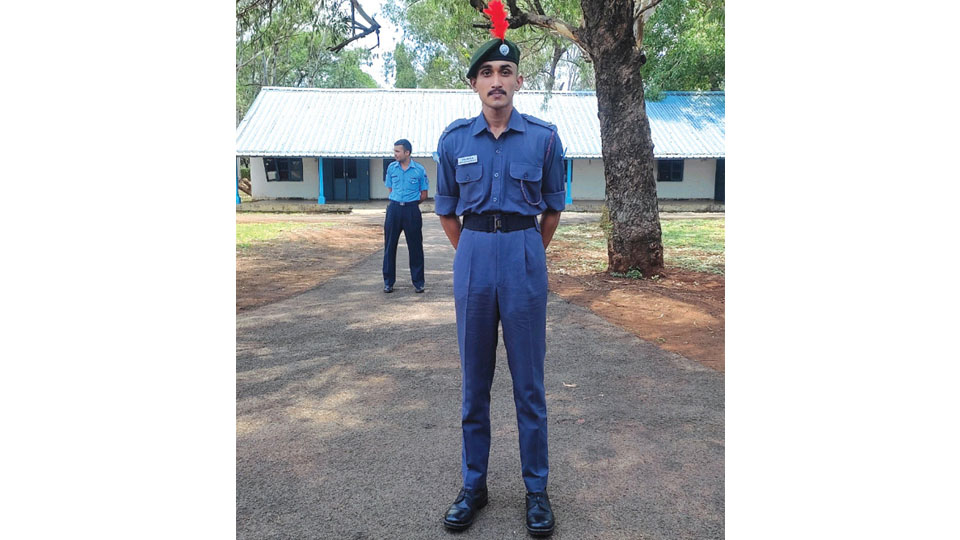
The closing ceremony featured an elegant march-past by cadets from the participating schools. Cadet Sharanabasu, the proposed School Appointment of Sainik School Kodagu, administered the oath to the team captains and their respective teammates and also led the parade.
The closing parade was followed by prize distribution. Sainik School Kalikiri, Kazhakootam and Amaravathinagar won the Champion’s Trophy in the respective Group.
Cdt. M.G. Deekshitha of Sainik School Kalikiri, Cdt. Krishnakant of Sainik School Kazhakootam and Cdt. M.P. Deepak of Sainik School Amaravathinagar were adjudged as the best players in their respective category.
On the occasion N. Vibin Kumar, Senior Master, Team Managers of participant schools, staff members, NCC, PI staff and the cadets of Sainik School Kodagu were present.
Inaugural ceremony: Col. Amar Jeet Singh, Principal of Sainik School Kodagu, was the chief guest at the inaugural ceremony on Apr. 9.
In his address, Col. Singh highlighted the significance of rigorous training and persistent efforts in fostering true sportsmanship, particularly for those aspiring to pursue careers in sports.
He commended Sainik Schools for being bastions of discipline, excellence and holistic development, emphasising their role in instilling values of leadership, teamwork and perseverance among cadets.
The chief guest applauded the cadets for demonstrating exceptional team spirit, a fundamental requirement for success in any sporting event, especially football. He encouraged the participating cadets to play with passion, integrity and respect for their opponents, embodying the ideals of sportsmanship and fair play.
Cultural performances included a welcome song by Cadet Raman Kumar and his team, a Khartal performance by Cadet Lohith Kumar and his team and a rendition on the ‘Daf’ by Cadet Amit and his team.
source: http://www.starofmysore.com / Star of Mysore / Home> News> Sports / April 16th, 2024
Madikeri’s Gandhi Memorial Park set to get a major facelift
Minister in charge of Kodagu district N.S. Boseraju inspects the works at the park; he says a sum of ₹50 lakhs has been sanctioned for the works by the government and an additional sum of ₹5 lakh will also be released.
Will the Gandhi Memorial Park that is coming up in Madikeri be modelled on New Delhi’s Rajghat?
Minister in charge of Kodagu district N.S. Boseraju inspected the Gandhi Memorial Park works and directed the officials to get the works done at the earliest. “Expedite and complete the memorial park works ensuring quality,” said Mr Boseraju.
He said a sum of ₹50 lakhs has been sanctioned for the works by the government and an additional sum of ₹5 lakh will also be released.
Mantar Gowda, MLA, said the work has to be completed at the earliest and there shouldn’t be any delay in its completion.
He assured to sanction a sum of ₹10 lakh from the MLA’s local area development fund, and added that steps will also be taken for releasing additional grants for the project.
Sarvodaya Samiti’s past president T.P. Ramesh said the project required more funds in addition to the funds already allocated by the government and the MLA. In this regard, a formal request has to be made to the government for additional allocation to the government.
Mr. Ramesh said the memorial park has to be constructed on the lines of Raj Ghat in New Delhi. The memorial in Madikeri has to become a model and the development has to be done keeping the concept in mind, he suggested.
Nirmiti Kendra Project Director Sachin explained about the blueprint of the project.
Sarvodaya Samiti President Ambekallu Kushalappa and others were present.
source: http://www.thehindu.com / The Hindu / Home> News> India > Karnataka / by The Hindu Bureau / January 04th, 2024
Kodagu Ex-Servicemen Welfare Assn. Meet

The 5th annual get-together of Kodagu Ex-Servicemen Welfare Association (Mysuru East) was held at Chamundeshwari Convention Hall on Bannur Road in city on Apr. 11.
Association President Kanjithanda K. Aiyappa is seen addressing as Appachangada P. Motaiah, Kangra Achaiah, chief guest Kuppanda Achaiah, Kombanda Bheemaiah, Chandira Basappa and Igguda Chitra Subbaiah look on.
source: http://www.starofmysore.com / Star of Mysore / Home> Photo News / April 14th, 2024
THE WEEK Sportsroom with Rohan Bopanna: A peek into the journey of a modern Indian great
The event was presented by HSBC

Age no bar, cartilage no bar. Rohan Bopanna, at age 43―or level 43 as he likes to call it―became the oldest man to win a Grand Slam when he and partner Matthew Ebden won the Australian Open earlier this year. Not only was the feat impressive in itself, the fact that he did so with no cartilage in his knees made it an insane achievement.
There was a time in 2006 when, following a shoulder surgery, Bopanna wondered if he would ever compete again. Nearly two decades later, he is world No. 1 in men’s doubles and has his sights set on the Paris Olympics.
It was this journey of grit and persistence that Bopanna shared with THE WEEK’s Sports Consultant Ayaz Memon at the magazine’s Sportsroom event presented by HSBC at the bank’s India headquarters in Fort, Mumbai, on April 4.
As the stories swirled inside the colonial-era art deco building, the audience got a peek into not just Bopanna’s life, but also that of Indian tennis as a whole. The conversation―breezy and insightful―covered a lot of ground, including why there is a paucity of talent in Indian tennis currently, how Iyengar yoga and ice baths kept his body going, his love of coffee and exploring cities, the loneliness of travel, and how he came back from the dark days of his career.
As it turned out, he is proficient not only with racket in hand, but also on the mic. Sitting on stage in a light-blue jacket, wearing a gold locket with two crossed knives―a nod to his Coorgi roots―Bopanna talked about how he went from being a young singles player to a grizzled doubles veteran who is now like an uncle on the international circuit.
“Age never worried me,” he said. “We set our limitations ourselves. When you change limitations into opportunities, you have a better perspective.”

His lowest point, he recalled, was in 2021, when he did not win a match for five months. That is when he told his wife, Supriya, a psychologist, that he was thinking of quitting. He was not enjoying it anymore. She told him he could do it, but urged him not to do so when he was down. And that triggered something.
Bopanna talked candidly and at length about mental and physical toughness, but he also sprinkled in some amusing anecdotes. In 2008, for instance, he made a pact with his then physio Shayamal Vallabhjee that if he entered a Grand Slam quarterfinal, they would both shave their heads. It was a self-motivation tool. So, at Wimbledon 2010, when he lost in the quarterfinals, he headed to the locker room and straightaway went next door to the barbershop. After the deed was done, he walked past his family, and his mother did a double take. She had just seen her son, with a full head of hair, playing on court half an hour ago. “It tells you that you need to have a little bit of madness in you to become a champion,” noted Memon.
Talking of champions, Bopanna also weighed in on the GOAT debate, saying that while Roger Federer was his favourite, Novak Djokovic was the best athlete. As for Indians, he said he had seen a lot of improvement in Sumit Nagal in the past one year.
Bopanna did not shy away from some of the prickly questions Memon had. For instance, on the friction in the past between the Indian tennis federation and the players. “Any time the federation was involved in picking the team, we had an issue,” said Bopanna, evoking chuckles from the 50-odd invitees, some of them lifelong tennis fans and players. “When the federation was not involved, it was smooth sailing.”
Among those in attendance were THE WEEK’s Chief Associate Editor and Director Riyad Mathew, who talked about the importance of sport in life; those from the bank were: Jaswinder Sodhi, Head of Customers, Digital and Marketing, Wealth and Personal Banking, HSBC India; Ranganath Ananth, Head of Distribution, Wealth and Personal Banking at HSBC India; Shubham Golash, Director and Regional Head (West), Wealth and Personal Banking, HSBC India; Arkaprava Ray, Head, Marketing Strategy, Brand Partnerships, IP and Sponsorships, Wealth and Personal Banking, HSBC India; and Sandeep Sethi, SVP and Branch Head, Fort Mumbai, HSBC India.
Bopanna went on to explain that in professional tennis, a player essentially does everything themselves, like entering tournaments and funding their careers, which includes paying for air fare, coaches and physios. But for events like the Davis Cup, Asian Games and the Olympics, the federation has to enter them. Also, when picking teams, the federation might not go with the pair that has been playing together for a long time. This is where the problem lies. “Doubles is like a love marriage,” he said, “and when it came to the Olympics and such events, it was an arranged marriage.”
Asked if he was going to have a go at tennis administration and what changes he would affect were he sports minister, Bopanna said, “I would love to be part of it…. We need to come together to make the sport work.” He added that the first step would be to broadcast matches of all Indians representing their country in tennis worldwide. In fact, before the event, Bopanna had told THE WEEK that he had in the past called up broadcasters to ask them whether they were going to show his matches.
Those days are now over; that he is firmly a star was evident by the rush at the end of the event to get a photo clicked with the ace.
source: http://www.theweek.in / The Week / Home> Magazine> The Week / by Anirudh Madhavan, Mumbai / Issue Date April 21st, 2024 / Updated April 14th, 2024
Indian coffee growers cheer as robusta production drops globally, prices hit record high
Synopsis
India’s robusta coffee prices skyrocket to Rs 10,080 per 50 kg, a historic high. Growers face challenges, but the surge brings relief. Supply-demand dynamics and shifts in production contribute to this windfall, offering hope for the industry.

India’s coffee industry is witnessing a windfall as robusta coffee bean prices skyrocketed to an unprecedented Rs 10,080 per 50 kg bag as of Friday. This surge marks a historic high since the establishment of coffee estates in the Western Ghats region during the 1860s by the British.
Unlike the relatively stable pricing of Arabica coffee, known for its creamy layer in a shot, robusta prices have typically ranged between Rs 2,500 to Rs 3,500 per 50 kg bag for nearly 15 years.
The surge in robusta coffee prices has brought relief and joy to coffee growers, especially those with smaller holdings who primarily cultivate robusta due to its lower input costs compared to Arabica. These growers have faced challenges such as erratic rainfall, crop damage by wild animals, and rising input and labor costs over the past decade.
G Nithin, a coffee planter in Chikkamagaluru, expressed his delight, telling TOI, “I never imagined, even in my wildest dreams, that prices would reach the Rs 10,000-mark.” Nithin had already sold a portion of his stock in anticipation of further price increases.
According to Nanda Belliappa, chairman of the Codagu Planters Association, the surge in robusta coffee prices can be attributed to the basic principles of supply and demand. Factors such as decreased coffee production in major robusta-producing countries due to adverse weather conditions and changes in cropping patterns have contributed to this windfall for Indian growers.
Sources within the Coffee Board of India also attribute the price surge to major robusta coffee growers like Vietnam and Indonesia shifting to more profitable crops such as dragon fruits and avocados. Additionally, there is an increasing demand for coffee in the cosmetics industry.
In India, Karnataka, Kerala, and Tamil Nadu collectively contribute to 83% of coffee production, with Karnataka alone accounting for 70% of the total output. However, coffee plantations in Karnataka have faced challenges in recent years, with many farmers selling their land to real estate developers or converting it into tourism ventures due to diminishing returns and labor shortages.
Somaiah, a coffee farmer, told TOI, “There is a severe scarcity of skilled workers to tend to the estates, coupled with a steep increase in labor costs.” Planters have increasingly relied on migrant laborers from Bengal and Assam, who bring experience from working in tea estates.
Moreover, wildlife encroachment poses a significant threat to coffee plantations, with elephants, bisons, monkeys, and giant squirrels damaging crops in search of food and water.
Despite these challenges, the surge in robusta coffee prices offers a glimmer of hope for Indian coffee growers, signaling a potential turnaround for the industry after years of struggle.
source: http://www.economictimes.indiatimes.com / The Economic Times / Home> News> Business News> News> Economy / by ET Online / April 13th, 2024
Kodagu Records 92.13%

Madikeri:
Though Kodagu bettered its performance by recording a pass percentage of 92.13, it slipped to fifth position in the District wise rankings of II PUC results. Last year, Kodagu had bagged third spot in district wise rankings, while recording a pass percentage of 90.55 which is nearly 2 percent less as compared to the previous year.
A total of 4,576 students had appeared, out of which 4,216 students have passed.
In Science, A. Diana Naveen (592 marks out of 600) of St. Michael’s PU College, Madikeri, came the topper in Kodagu. She was followed by D.P. Jeevan (588 marks) of the same college who came second and H.R. Sinchana (588) of Coorg Institute PU College, Ponnampet and M.M. Kaveramma of Vidyaniketan PU College, Gonikoppa, shared third spot.
In Commerce, Charishma Johnson (591) of Vidyniketan PU College, Gonikoppal, was the topper in the district, while K.K. Rashmitha (589) of Sarva Daivatha College, Gonikoppa, came second. I. Bindu (588 marks) of St. Anthony College, Ponnampet and Jhuveria P. Zudd of Marques PU College, Madikeri, shared third place.
In Arts stream, S.Hemavathi (574 marks) of St. Joseph’s PU College, Madikeri, was the topper, while S. Srinanda of the same college came second securing 573 marks and P.I. Sapna of Ikra PU College, Siddapaura came third with 572 marks.
Mother and daughter pass out together
Meanwhile, a mother and her daughter of Kodagu district created a record of sorts by passing out second PUC in the same exam this year.
Rinisha, daughter of electrical contractor T.K. Surendra and M.U. Babyrani couple of Kudlur Chettalli in Kushalnagar taluk, had appeared for the second PU exam in Science along with her mother Babyrani.
While Rinisha was a student of Vidyaniketan PU College in Gonikoppal, her mother had appeared for the exam as a private student at Nellihudikeri Junior College in Arts stream.
While Rinisha passed out in flying colours by securing 570 marks out of 600 in Science stream, Babyrani passed out in first class in Arts stream by scoring 388 out of 600 marks.
Babyrani had last appeared for SSLC exam 25 years ago and this year, she appeared for the second PU exam, due to persistence of her daughter Rinisha and passed out in first class.
Thus, Wednesday marked as an important day in the life of Rinisha as well as her mother Babyrani, as they achieved academic success, passing out second PU with good results.
Rinisha, who was delighted with her mother’s performance, said she was more happy at her mother’s success than her own high marks in second PUC.
source: http://www.starofmysore.com / Star of Mysore / Home> News / April 11th, 2024