Coffee Dasara to make its debut at Madikeri Dasara 2024

Coffee Dasara is expected to make its debut during this year’s Madikeri Dasara 2024.

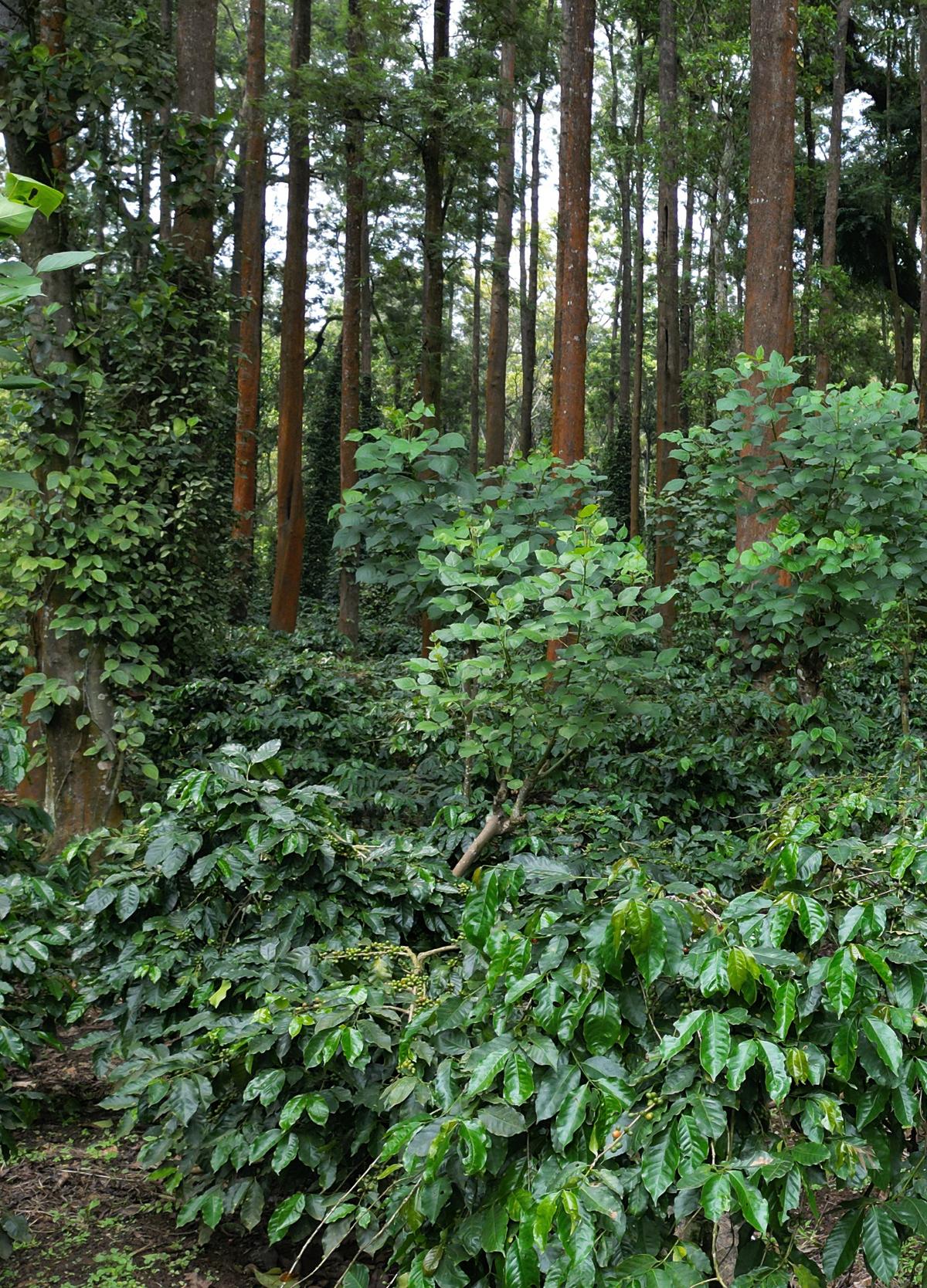
Madikeri MLA Mathar Gowda, who held a meeting with officials and representatives from various coffee growers’ associations in Madikeri on Wednesday, said the Coffee Dasara scheduled to be held on October 6 and 7 at Gandhi Maidan in Madikeri should serve to provide useful information related to innovation in the coffee sector is provided to the people.

The stalls to be put up as part of Coffee Dasara can also feature cafes.

He said Coffee Dasara should provide information related to alternative farming like bamboo farming, dairy farming, apiculture or rearing honey bees to the visitors.

Apart from officials from the Coffee Board, agriculture experts and representatives from Karnataka Growers’ Association and Kodagu Planters’ Association should be invited to Coffee Dasara so that they can share their valuable knowledge with the people.

According to Madikeri Dasara’s Cultural Sub-Committee president Anil H.T., Coffee Dasara will feature 32 stalls, which will remain open from 10 a.m. to 7 p.m. on October 6 and 10 a.m. to 5 p.m. on October 7.

Seminars on agriculture sector will be held from 11 a.m. to 1 p.m. on both days with experts from the field of agriculture participating in the programmes. A logo related to Coffee Dasara will soon be released, he added.

source: http://www.thehindu.com / The Hindu / Home> News> India> Karnataka / by The Hindu Bureau / September 25th, 2024

Small Growers’ Association in Karnataka’s Kodagu opposes the HLWG report on the Western Ghats

In the memorandum submitted to the ministry by CA Subbaiah, the president of the Association, the members allege that the draft notification readied by the HLWG of the Western Ghats is not based on factual data.

Western Ghats (Representative Image)

Madikeri :

The Kodagu District Small Growers’ Association has submitted a memorandum to the Central Ministry of Environment, Forest and Climate Change opposing the High Level Working Group (HLWG) report on the Western Ghats (WG).

The growers have objected to the draft notification for creating an Ecologically Sensitive Area (ESA) in the Western Ghats as they allege that the criteria to identify the ESAs have not been done factually.

In the memorandum submitted to the ministry by CA Subbaiah, the president of the Association, the members allege that the draft notification readied by the HLWG of the Western Ghats is not based on factual data. The memorandum explains that the ESA has been recognized in areas with high biological richness with low and medium fragmentation where the population density is lower than 100 persons per square kilometer.

However, in the memorandum, the growers share that ‘the inhabitants of the WG are compelled to suffer regulations under the proposed draft notification’.

The association alleges that the Karnataka state government has not woken up to the ground realities and has not initiated attempts at the panchayat level to assess implications of implementing the proposed ESAs.

“While global climate change is a grave matter and has to be treated at the national level, it is not fit that only a part of the population in the country has to bear the burden of mitigating the challenge,” alleges the association.

While the growers state that they have no reservations for the prohibition on establishment of heavy industries, mining, thermal and other commercial projects, they demand that the locals be allowed to extract stone and sand for their own needs. Further, the association opposes the concession given to hotels/hospitality set-ups to continue functioning at ESAs if they have waste water setups as the growers opine that this is ‘pandering to cooperate and capital interests’.

While the forum acknowledges the Wayanad disaster in Kerala, they share that faulty execution of development projects without proper consideration of geological factors as the reason for the disaster.

“The responsibility of environmental degradation and habitat loss vests with the government and corporate. Mining, industries, large power projects etc were not set up by the inhabitants of Western Ghats. The forest bureaucracy and the mainstream environmental NGOs are solely responsible for the state of affairs in the Western Ghats and this needs to be corrected,” demands the association through the memorandum submitted to the central ministry. 

source: http://www.newindianexpress.com / The New Indian Express / Home> Karnataka / by Pragna G R / September 25th, 2024

CCRI researchers in Kodagu focus on four climate-resilient coffee varieties

The species identified are — Coffea stenophylla, Coffea racemosa, Coffea liberica and Coffea excelsa.

Representative Image

Bengaluru :

As climate change is affecting harvesting and cropping patterns of all agriculture produce, coffee growers too are facing challenges. To address the issue, researchers are working on climate-resilient coffee varieties.

Centre for Excellence of Central Coffee Research Institute (CCRI) in Kodag is concentrating on four wild varieties which are found to be climate resilient. The species identified are — Coffea stenophylla, Coffea racemosa, Coffea liberica and Coffea excelsa.

New coffee varities will have to be blended

“There is resistance in these wild varieties as they have stood the natural test of time. They have strength in their roots, have high yields and can withstand high temperatures. The four varieties are different from the existing and popular Arabica and Robusta coffees. During research, these varieties were found growing naturally in the wild and even in the estates of some coffee growers,” said Jeena Devasia, Divisional Head, Plant Breeding and Genetics, CCRI, Chettahalli substation, told The New Indian Express.

During the study, researchers found historical evidence to show that Robusta is equal to Coffea stenophylla in taste and texture. “If all goes well, consumers will soon get a new climate-resilient coffee variety to choose from,” she said.

Researchers said wild varieties are found all over India. Some are also found in the Himalayan zone, growing naturally as trees. “The region under coffee cultivation is gradually increasing in India,” added Jeena.

Some companies are exporting some of the wild coffee varieties that are growing in their estates. Komal Sable, South India Coffee Company Partner, said they are exporting around 5.5 tonnes of green Coffea excelsa to the US, UK, Netherlands, Switzerland and other places. While some countries are consuming it as single origin and others are blending it, he added.

Explaining the advantages and disadvantages, coffee tasters and traders said it could be difficult for consumers to immediately accept the new variety as they have a set taste suiting their platter. The new varieties are climate resilient and need less pesticides. They are less acidic in nature and are more sweet. Some even have a fruity flavour and are less bitter.

Coffee Board officials said that when these varieties are launched in the domestic market, they will have to be blended to meet the consumers’ demand.

Experts said there are around 120 globally identified and accepted coffee varieties. The list continues to have additions and deletions depending upon research and quality reports. Tests and tasting is an ongoing process and is the need of the hour, they added.

Karnataka produces

72,020 metric tonnes of Arabica coffee

1,76,000 metric tonnes of Robusta coffee

Total area under coffee production — 2,48,020 acres (70.5% of coffee-growing areas in the country)

source: http://www.newindianexpress.com / The New Indian Express / Home> Karnataka / by Bosky Khanna / September 24th, 2024

Is coffee the new superfood? 6 health benefits you didn’t know about

Want to live longer? Here’s how coffee could help you beat the odds as the ultimate wellness drink.

Is coffee the new superfood? 6 health benefits you didn’t know about (File Photo)

Coffee has become an integral part of the daily routine for many people around the world, including in India, where its consumption is steadily rising. While coffee is often associated with providing an energy boost, it is also enriched with several health benefits.

In an interview with HT Lifestyle, Neleema Rana George, Head – Coffee Works and Technology at Kelachandra Coffee, delved into these aspects while also focusing on coffee consumption trends, both domestic and global, an overview of the Indian specialty coffee industry and the ever-growing café culture.

The Global Coffee Landscape

The world consumes approximately 10 billion kilograms of coffee, every year, according to the International Coffee Organization (ICO). Coffee is the second most valuable primary commodities next to petroleum across the globe. That is a daily average of 2.25 billion cups and about 815 billion cups per year. Europe leads the race, accounting for nearly 30% of the world’s coffee intake, with Finland being the highest per capita consumer. North America, particularly the United States, also ranks high, with Americans drinking over 400 million cups of coffee daily. Asia, especially India, is also witnessing the growing interest towards coffee, driven by urbanization, lifestyle changes, and the growth of café culture. Beauty is that we are growing coffee under shade and is growing in Western Ghats and Eastern Ghats, known for its biodiversity which will capture all the volatiles (kairomones) from the shade trees and providing a mesmerizing mouth feel.

Coffee in bed(Shutterstock)

Coffee as an Experience: The Rise of Coffee Drinkers and Café Culture

India, traditionally a tea-drinking nation, has shown a notable shift towards coffee consumption over the past two decades. The Coffee Board of India reports that domestic coffee consumption has been growing steadily at 5-6% annually, driven by the youth demographic and the rise of café culture. India is one of the leading coffee producers, with the southern states of Karnataka, Kerala, Tamil Nadu, Andra Pradesh and extended to North-Eastern region contributing about 3-4% of the global coffee output.

The coffee and café culture pioneered by the Indian Coffee House was modernized by Café Coffee Day. This trend of offering coffee as a social experience was further capitalized on by Starbucks, Barista, and the subsequent chain of cafés. This coffee culture is estimated to be worth over INR 3,000 crore (approximately USD 400 million) in 2023 and is expected to grow significantly as urban millennials embrace the trend. For them, coffee is not just a beverage; it is now considered a source of health benefits as well.

Health Benefits of Coffee: Backed by Science

Coffee is considered more than just a beverage; it’s a powerhouse of antioxidants, stimulate your brain and nutrients that can positively impact your health. Coffee is a complex mixture of chemicals that provides significant amounts of chlorogenic acid and caffeine. Here are six science-backed health benefits of coffee, relevant to both global and Indian consumers:

1. Lowered Risk of All-Cause Mortality

A study published in the British Medical Journal found that coffee drinkers were less likely to die from any cause compared to non-drinkers. This can be attributed to the high levels of antioxidants in coffee that help combat oxidative stress.

2. Positive Effects in Improving Cardiovascular Health

Coffee is a rich source of antioxidants, surpassing even green tea in its antioxidant content. These compounds help combat oxidative stress, potentially reducing the risk of chronic diseases such as heart disease and cancer. Research published in the Journal of the American College of Cardiology shows that drinking two to three cups of coffee daily is linked to a lower risk of coronary heart disease, which is particularly relevant in India due to its high prevalence of cardiovascular conditions. Additionally, coffee consumption has been associated with a reduced risk of various cancers, including prostate and endometrial cancer and may help mitigate neurological, metabolic, and liver conditions.

3. Minimised Challenges of Type 2 Diabetes

Drinking coffee, whether caffeinated or decaffeinated, is linked to a lower risk of developing type 2 diabetes, a growing health concern in India. Several studies suggest that coffee drinkers experience a reduced risk of type 2 diabetes, with a meta-analysis published in the Archives of Internal Medicine indicating that each daily cup of coffee is associated with a 7% reduction in risk.

4. Protective Effects on Liver Health

Coffee has been shown to have significant protective effects on the liver, with research indicating a lower risk of liver diseases such as non-alcoholic fatty liver disease, liver fibrosis, cirrhosis, and liver cancer. A study published in the Journal of Hepatology found that drinking four cups of coffee per day could reduce the risk of liver cirrhosis by up to 80%. Given the rising incidence of liver-related disorders in India, this benefit is particularly noteworthy.

5. Reduced Risk of Parkinson’s, Alzheimer’s Disease and Depression

Regular coffee consumption has been associated with a reduced risk of neurodegenerative diseases, including Parkinson’s disease, depression, and cognitive disorders such as Alzheimer’s. This is particularly relevant in India, where the elderly population is rapidly growing. A study published in the Journal of Alzheimer’s Disease found that coffee drinkers had up to a 65% lower risk of developing Alzheimer’s.

6. Improved Cognitive Function:

Caffeine, the primary active ingredient in coffee, is known to enhance brain function. It blocks the inhibitory neurotransmitter adenosine, leading to increased levels of other neurotransmitters like dopamine and norepinephrine. This results in improved mood, memory, and cognitive performance.

Use sugar-free pellets to sweeten your coffee. (Shutterstock)

The Right Quantity and Way of Drinking Coffee

While coffee offers numerous health benefits, consuming it in the right quantity and manner is crucial. For most healthy adults, up to 400 milligrams of caffeine per day—equivalent to about four 8-ounce cups of coffee—is considered safe. Here are some tips to maximize the benefits of coffee:

  • Time of Day: It’s best to consume coffee in the morning or early afternoon to avoid disrupting sleep.
  • Avoid Excessive Additives: To keep your coffee healthy, limit the use of sugar, flavored syrups, and high-fat dairy. Opt for black coffee or add a small amount of milk or plant-based alternatives.
  • Stay Hydrated: Since coffee is a mild diuretic, it’s essential to balance it with adequate water intake throughout the day.
  • Moderation and Balance: While coffee offers several health benefits, it should be part of a balanced diet. Pairing coffee with nutrient-rich foods and maintaining a healthy lifestyle are key to enjoying its benefits.

Singer Taylor Swift’s preferred coffee is a grande non-fat caramel latte(File Photo)

Neleema Rana George emphasised, “Coffee, when enjoyed in moderation, offers a range of health benefits that go beyond its well-known role as an energy booster. From its potential to reduce the risk of chronic diseases to its positive effects on cognitive function and mood, coffee stands out as a valuable component of a balanced diet. As its consumption grows, particularly in rapidly urbanizing regions like India, understanding how to maximize its benefits becomes increasingly important.”

She concluded, “Embracing coffee as part of a mindful and health-conscious lifestyle can enhance your well-being, offering both pleasure and positive health outcomes. By opting for quality coffee and enjoying it in moderation, you not only indulge in a beloved daily ritual but also support sustainable practices and contribute to a growing coffee culture. So, the next time you savor a cup of coffee, appreciate it not just for its taste but also for its potential to positively impact your health, hence consume with feel.”

source: http://www.hindustantimes.com / Hindustan Times / Home / by Zarafshan Shiraz, New Delhi / September 22nd, 2024

AXISCADES appoints Lt Gen C P Cariappa and Rajendra Moholkar as Independent Directors

The new Board members will play a pivotal role in implementing the company’s strategic plans for the future and strengthening the corporate governance.

AXISCADES Technologies Ltd., a leading end to end technology and engineering solutions provider, has announced the appointment of Lt Gen Codanda Poovaiah Cariappa (Retd) and Mr. Rajendra Moholkar as Independent Directors to the Company’s Board of Directors.

The new Board members will play a pivotal role in implementing the company’s strategic plans for the future and strengthening the corporate governance. Lt Gen Cariappa and Rajendra Moholkar join the Board with over 40 years of experience, following their extensive stints with the Indian Army and Tata Consultancy Services (TCS) respectively. 

Lt Gen C P Cariappa

Lt Gen Cariappa’s strategic expertise spans key strategic roles, including Military Secretary to the President of India, Principal Staff Officer to the Chief of Army Staff and Master General Sustenance, where he oversaw the sustenance of 12 lakh Indian Army troops. 

Rajendra Moholkar

Rajendra Moholkar joins the AXISCADES Board following his extensive career with Tata Consultancy Services (TCS) as Company Secretary. His experience also includes leadership roles at TCS e-Serve Limited, Citigroup global Services Limited and ICICI Securities and Finance Co. Ltd   and also senior level positions across leading organizations such as Raymond group, Mahindra & Mahindra, and Blaze Advertising. 

source: http://www.autocarpro.in / Autocar Professional / Home> News / by Autocar Pro News Desk / September 19th, 2024

How a smelly fruit is driving up coffee prices worldwide?

The cost of unroasted coffee beans has hit a ‘historically high level,’ says analyst Judy Ganes.

Countries like Colombia, Ethiopia, and Uganda have stepped up their coffee production. (Wikimedia Commons photo)

Coffee prices are rising around the world, and a surprising factor behind it is the world’s smelliest fruit – the durian. In cities like London and New York, the price of a cup of coffee could soon reach £5 or $7.

The cost of unroasted coffee beans has hit a “historically high level,” said analyst Judy Ganes. This price increase is caused by a combination of crop failures, market problems, and low supplies.

In 2021, a frost in Brazil, the largest producer of Arabica beans, ruined coffee crops. To fill the gap, buyers turned to Vietnam, which produces Robusta beans, often used in instant coffee. But Vietnam experienced its worst drought in nearly 10 years, hurting coffee production even more.

On top of this, many farmers in Vietnam have started switching from growing coffee to planting durian, a fruit that’s very popular in China. The durian is so profitable that some farmers earn five times more from it than coffee. As a result, coffee exports from Vietnam dropped by 50% in June 2024.

Many farmers in Vietnam have started switching from growing coffee to planting a fruit called Durian. (Wikimedia Commons photo)

Countries like Colombia, Ethiopia, and Uganda have stepped up their coffee production, but they haven’t been able to fully make up for the shortage. This has caused the price of both Arabica and Robusta beans to reach near-record levels.

Paul Armstrong, who runs a coffee roasting business, warns that UK coffee drinkers might soon be paying over £5 for a cup. He says rising coffee prices are due to a “perfect storm” of issues affecting the coffee supply chain.

The upcoming coffee crop in Brazil is important for stabilizing prices. However, experts worry that long-term climate change could reduce coffee-growing areas by 50% by 2050, leading to even higher prices in the future.

To help, some suggest adding a small tax to support more sustainable farming practices.

(With inputs from BBC)

source: http://www.indianexpress.com / The Indian Expres / Home / by Express Web Desk / September 16th, 2024

Sips and smiles. The Indian Coffee Festival, September 13-15, Hyderabad

Who can resist a Delicious cup of coffee? CE takes a sip and explores much more at a three-day celebration of coffee, culture, and community

The Indian Coffee Festival turned out to be more than just an event. It felt like the start of something bigger for coffee culture in India.

Hyderabad :

As the sweet, majestic brown drops of coffee trickle down your throat, a pleasantly bitter aftertaste pervades your senses.

This experience was just a small part of the Indian Coffee Festival, a lively celebration of coffee culture held from September 13 to 15 in Jubilee Hills Convention Center.

Bringing together coffee enthusiasts and families, the event, a first of its kind in India, was graced by chief guest Sunalini Menon, Asia’s First Lady of Coffee. “The camaraderie that I saw, the happiness on people’s faces and everybody sipping different types of coffee…it was a very nice moment. This is the start of many more such events,” she said.

The idea for the festival came about in a way most coffee lovers would relate to—over a simple cup of coffee.

Anirudh Budithi, co-founder of the organising platform No Strings, explained, “We’re not from the coffee industry and we didn’t know much about plantations or brewing. But we were talking about it over coffee, and when we searched for coffee festivals, none were from India. That’s when we thought it was time to start one here because India has such a huge base of coffee drinkers.”

And what better place to host the first Indian Coffee Festival than Hyderabad, a city known for its love of food and beverages? “We know how much people in Hyderabad enjoy coffee, so it seemed like the perfect place for the festival’s first edition,” Anirudh added. The event featured top coffee brands such as Araku Coffee, Habitat Cafe, and many more, each offering their unique blends for attendees to taste and savour.

The festival wasn’t just about coffee tasting. It had something for everyone—expert-led talks, live latte art demonstrations, barista displays, and family-friendly activities, including special events for kids and pets. The atmosphere was further enhanced with live music, making it not just an event but an experience. As Srihari Chava, the festival’s co-founder, put it, “Coffee is not just a drink; it’s an experience and we wanted to offer coffee lovers a chance to immerse themselves in the world of coffee.”

Sunalini Menon touched on the city’s growing connection to coffee culture. “Hyderabad should definitely be on the coffee map, especially with Araku being so close. Coffee was traditionally brewed at home, especially in the South, but now it has become a drink enjoyed by people of all ages, including the younger generation,” she noted. She also hinted at the exciting possibility of future competitions like Barista and Latte Championships that could further boost Hyderabad’s role in India’s coffee scene.

Srihari Chava & Anirudh Budithi

Srihari Chava & Anirudh Budithi

The road to organising the festival wasn’t without its challenges. Anirudh shared how they initially planned to hold the event in July but had to push it to September due to logistical hurdles. “We’re not from the coffee ecosystem, so we didn’t know who to approach for help. But then we connected with Something’s Brewing, a platform which sells coffee merchandise. They guided us in setting everything up. They even helped us get other cafés involved, which was a huge boost,” Anirudh said. He also credited the Coffee Board of India and Girijan Corporation of Andhra for their support, which added credibility to the event.

For the attendees, it was a weekend well spent. Praneetha and Pradyumna, both employees at Deloitte, were thrilled with the event. “We’ve been looking for something fun to do over the weekend, and when we heard about the coffee festival, we knew we had to check it out. We both love coffee, so this was the perfect way to spend our weekend,” they shared.

Abhishek Bhandaru, who works in healthcare, also found the festival to be a refreshing experience. “It’s a one-stop shop for anything coffee-related. Whether you’re a long-time coffee drinker or just curious, you’ll learn so much here,” he shared.

The Indian Coffee Festival turned out to be more than just an event. It felt like the start of something bigger for coffee culture in India. With the success of this first edition, it’s clear that Hyderabad is ready to become a coffee destination, and this festival has certainly brewed up something special for the future.

source: http://www.newindianexpress.com / The New Indian Express / Home> Hyderabad / by Darshita Jain / September 19th, 2024

Actress Reeshma Nanaiah Gives Vicky Kaushal A Run For Money In Her Version Of Tauba Tauba

The viral video shows Reeshma in a light brown top, blue jeans and white sneakers.

Reeshma will be next seen in Upendra’s UI.

Reeshma Nanaiah is an Indian model and film actress who has primarily worked in the Kannada film industry. Reeshma made her Kannada debut with Prems’ Ek Love Ya. Recently, Vicky Kaushal has taken the internet by storm with his dance on the song Tauba Tauba from the film Bad Newz. Many actresses and influencers have been trying to replicate the hook steps ever since the video of the song was released. One such video of Kannada actress Reeshma Nanaiah replicating Vicky Kaushal’s Tauba Tauba dance steps with a twist has gone viral on the internet.

https://www.instagram.com/reel/C9Z4NytNs9j/?utm_source=ig_embed&ig_rid=6694da66-4408-4f1e-b389-56c5b7837038

The viral video shows Reeshma in a light brown top, blue jeans and white sneakers. She accessorised with a brown leather belt and rings. As the song Tauba Tauba is playing, the actress effortlessly grooves to the peppy beats of the song, adding her graceful touch to the performance. She also tries to do the same steps as Vicky Kaushal in the song. The video was shared on an Instagram account with the caption, “42 degrees in Abu Dhabi got me saying ‘Tauba Tauba’”.

Her debut film, Ek Love Ya, released in 2022, was a major milestone in her career. This film, where she played the role of Anitha, opened the doors for her in the Kannada film industry.

After her debut, Reeshma showcased her acting skills in the Kannada films Raana (2022) and Banadariyalli (2023). In 2023, she made a special appearance in the film Spooky College in which she contributed a song.

Moreover, Reeshma is involved in a few other projects in 2024 including UI The Movie, KD – The Devil and Vaamana. Each of these films helped develop her talent as an actress in the Kannada film industry.

Reeshma Nanaiah played the lead role in the Troll Song from Upendra’s film UI. The song, which became a sensation when it was released in five different languages, deals with the issue of trolling in the digital age and contains elements from popular roles and memes.

source: http://www.news18.com / News 18 / Home> News> Movies / by Entertainment Bureau ,Local News / July 16th, 2024

MP Wadiyar urges Sitharaman to continue to exempt pepper from GST

Bengaluru, Sept 17 (PTI) Lok Sabha MP Yaduveer Krishnadatta Chamaraja Wadiyar on Tuesday said he has written to Finance Minister Nirmala Sitharaman to continue to exempt pepper from Goods and Services Tax (GST).

“Met Hon’ble FM Nirmala Sitharaman Ji to discuss GST exemption for black pepper, a vital issue for farmers in Kodagu, Hassan & Chikmagalur districts. Requested exemption continuation, citing agricultural produce classification & potential negative impact on farmers & exports (sic),” Wadiyar posted on X.

In his letter, a copy of which he had also posted on X, Wadiyar said that it has been brought to his notice that members of his Mysuru LS constituency, primarily from Kodagu district, have received notices from the GST office in Mysuru, stating that the sale of pepper grown at their plantation is subject to GST and that the planter also needs to be registered under the GST Act.

“The GST notice stems from a misunderstanding about the nature of the drying process. The pepper growers requisitioned me to bring to your kind attention that the drying process does not fundamentally alter the essential characteristics of pepper. It is primarily a preservation technique.

The GST Act’s definition of agricultural produce, clearly aligns with the nature of pepper, the treatment of similar commodities like paddy and chillies suggests that the classification of pepper as taxable product is inconsistent,” read the letter sent to the FM.

According to Wadiyar, the imposition of GST on these products could have significant negative consequences for the plantation districts of Karnataka, including Kodagu, Hassan and Chikkamagaluru, as well as for growers in Kerala and Tamil Nadu.

“It could lead to increased costs, reduced profit margins and potential job losses. Additionally. It could negatively impact exports, reducing India’s competitiveness in the global market,” he added.

Wadiyar requested in his letter that after drying of green pepper, this dried pepper could be given a separate HSN code and exempt it from GST applicability. PTI JR ROH

This report is auto-generated from PTI news service. ThePrint holds no responsibility for its content.

source: http://www.theprint.in / The Print / Home> India / by PTI / September 17th, 2024

Rashmika Mandanna sets off for Milan Fashion Week 2024 in style

This marks her second appearance at the event, highlighting her growing influence in the global fashion scene

In Frame: Rashmika Mandanna

Actress Rashmika Mandanna on Friday jetted off to Milan, Italy, where she is poised to make her mark once again on the global fashion stage at Milan Fashion Week 2024. This marks her second appearance at the prestigious event, underscoring her rising influence and prominence in the international fashion arena.

She was spotted at the airport radiating charm in a cute and chic outfit, a white sweatshirt and black joggers. With a heartwarming gesture, she made the sweetest heart signs to the photographers, showing off her signature blend of grace and playfulness.

An insider shared, “Rashmika will once again represent India on a global stage alongside numerous other Asian celebrities at Milan Fashion Week 2024.”

The fashion event, showcasing the 2025 spring/summer collections, will run from September 17 to September 23.

Rashmika also took to Instagram Stories to share a selfie from her flight, captioned, “Are you someone who, regardless of the season, always ends up in a sweatshirt or pullover?”

Previously, Rashmika left a lasting impression at Milan Fashion Week with a stunning black gown that won acclaim from fans and critics alike.

In addition to her fashion endeavours, Rashmika is a formidable presence in cinema, with an impressive slate of over eight upcoming films. Her diverse roles range from playing Srivalli in Pushpa 2: The Rule to collaborating with stars like Salman Khan in Sikandar, Dhanush and Nagarjuna in Kubera, Vicky Kaushal in Chhava, Dev Mohan in Rainbow, Ayushmann Khurrana in Vampires of Vijay Nagar, and Ranbir Kapoor in Animal Park.

Rashmika made her acting debut in 2016 with the Kannada film Kirik Party and has since appeared in notable Kannada films like Anjani Putra and Chamak, as well as Telugu hits such as Geetha GovindamDevadasDear ComradeBheeshma, and Pushpa: The Rise.

She also stars in the Hindi action drama Animal, directed by Sandeep Reddy Vanga, featuring a stellar cast including Ranbir Kapoor, Anil Kapoor, Bobby Deol, and Triptii Dimri. Additionally, Rashmika appeared in the action thriller Mission Majnu, directed by Shantanu Bagchi and produced by Ronnie Screwvala, Amar Butala, and Garima Mehta, alongside Sidharth Malhotra.

source: http://www.indulgexpress.com / Indulge Express / Home> Celebs / by IANS / September 13th, 2024